How Georgia Gardeners Get Okra To Produce All The Way Through September
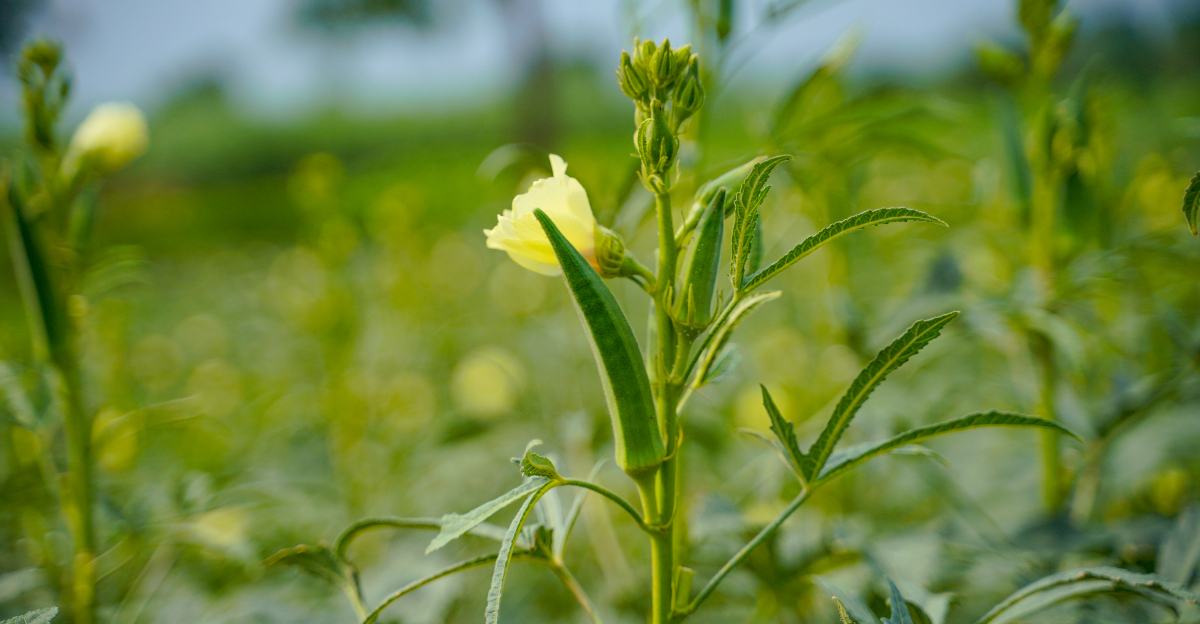
There is nothing better than picking fresh okra from the garden, especially after weeks of watching the plants grow. The disappointing part comes when production suddenly slows down even though summer is still far from over.
Many gardeners assume the season is ending, but that is not always the case. Okra is naturally built for hot weather, and healthy plants are capable of producing much longer than many people expect.
They simply need the right care at the right time to keep that momentum going instead of slowing down too early.
That is why experienced gardeners in Georgia are often harvesting okra well into September while others have already stopped picking. Their plants are not necessarily different.
The biggest difference is how they are cared for during the busiest part of summer.
A few timely adjustments can encourage continued flowering, steady pod production, and a harvest that lasts much longer than you might expect.
1. Pick Pods Before They Get Too Large
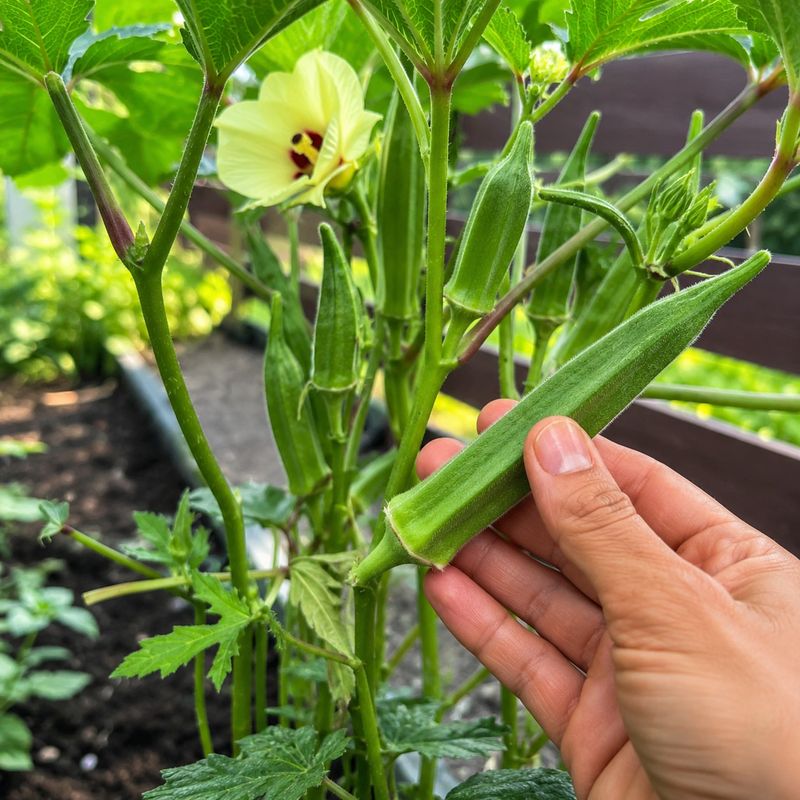
Size matters more with okra than almost any other garden vegetable. Once pods stretch past three to four inches, they get woody and tough fast.
At that point, the plant reads the signal that seeds have matured and begins slowing down pod production.
Smaller pods are also far better to eat. They stay tender, cook evenly, and have a cleaner flavor.
Letting pods get oversized is one of the most common reasons a productive patch suddenly stalls out in midsummer.
Check plants carefully every time you harvest. Pods hide behind large leaves, especially on taller varieties.
Missing even one or two large pods can trigger a slowdown across the whole plant.
Backyard growers in warm Southern climates often carry a small basket during every garden walk. Making it a habit means fewer missed pods and a steadier harvest window throughout the season.
Varieties like Clemson Spineless and Annie Oakley II tend to produce pods quickly after flowering. In hot weather, a pod can go from flower to harvestable size in just two to three days.
Staying ahead of that pace keeps the plant in active production mode all season long.
2. Harvest Every Few Days
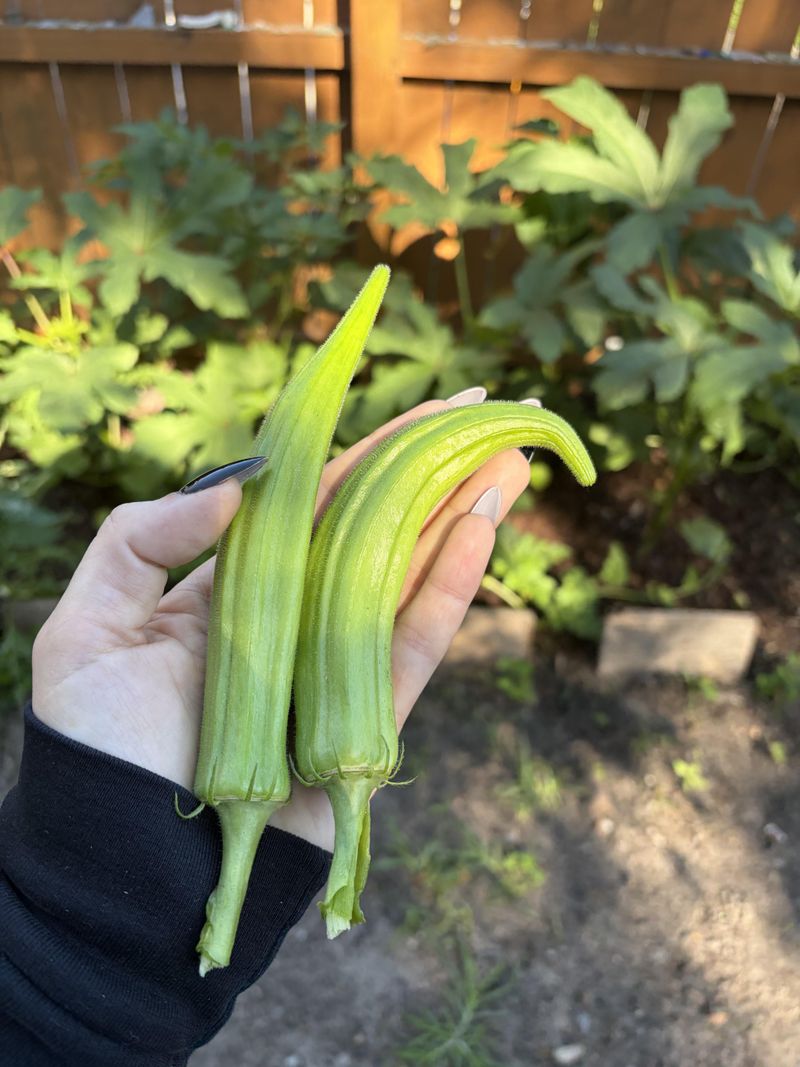
Skipping harvest days is one of the fastest ways to shut down an okra plant. Regular picking signals the plant to keep producing, and consistent harvesting keeps that cycle going strong.
During peak summer heat, pods develop quickly. What looks like a small bud on Monday can be a fully mature pod by Wednesday.
Waiting a full week between harvests almost guarantees you will find oversized, unusable pods mixed in with the good ones.
A simple schedule works best. Most experienced growers aim to check their plants every two to three days at minimum.
In extremely hot stretches, daily checks are even better.
Harvesting also gives you a chance to inspect the plant up close. You will notice early signs of pests, disease, or stress before they become bigger problems.
Catching issues early keeps plants healthier through the long growing season.
Bring a sharp knife or garden shears when you harvest. Snapping pods off by hand can stress the stem and occasionally damages the plant.
Your Georgia Garden Changes Every Week. Your Plan Should Too.
Gardening in Georgia changes quickly throughout the season. Every Friday you’ll receive a simple weekly plan showing exactly what to plant, prune, fertilize, harvest, and protect so you never miss the right timing.
A clean cut right above the cap is all it takes.
Consistent harvesting through July and August sets up a strong finish into September.
3. Water Deeply During Dry Weather
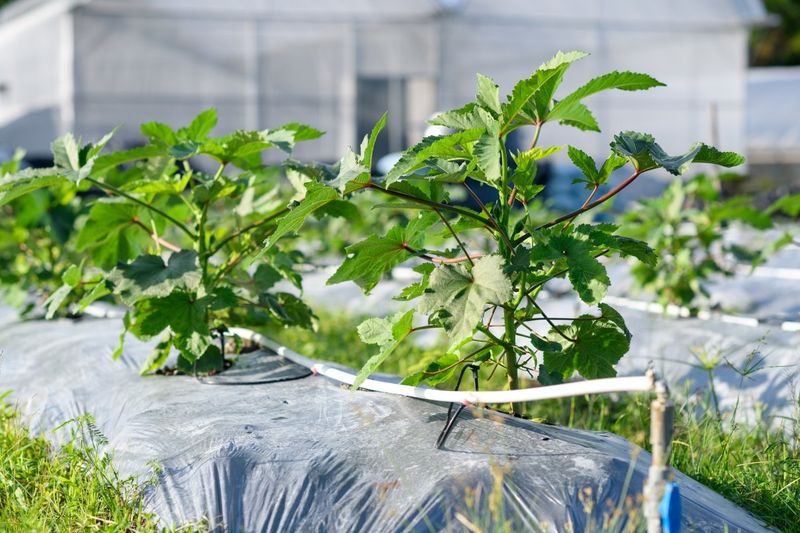
Shallow watering does more harm than good with okra. Light sprinkles only wet the top inch of soil and encourage roots to stay near the surface.
Deep watering pushes moisture down where roots actually need it.
During dry stretches, aim to water slowly and thoroughly. One deep watering session every few days beats daily light sprinkles every time.
A soaker hose laid along the base of the row works extremely well for this.
Okra is drought-tolerant compared to many vegetables, but that does not mean it thrives without water. Stressed plants produce fewer flowers and drop pods early.
Consistent moisture through July and August keeps production rates steady.
Sandy soils drain quickly and may need more frequent watering than clay-heavy ground. Adding a layer of mulch around the base of each plant helps hold soil moisture between watering sessions and keeps roots cooler on the hottest days.
Morning is the best time to water. Wet leaves overnight can invite fungal issues, especially in humid Southern summers.
Watering at the base of the plant rather than overhead reduces that risk significantly.
Watch for wilting as a quick stress signal. Slight wilting in the afternoon heat is normal, but plants still wilted in the early morning need water soon.
4. Feed Plants With A Balanced Fertilizer
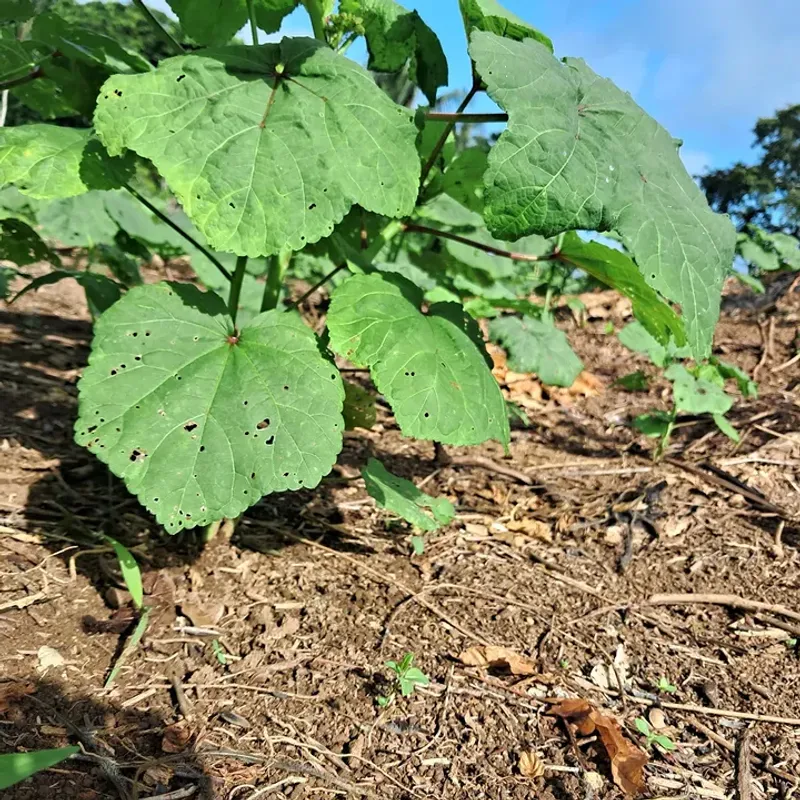
Okra is a heavy feeder when it is actively producing. Without enough nutrients, plants slow down, leaves pale out, and pod counts drop noticeably by midsummer.
A balanced fertilizer with equal parts nitrogen, phosphorus, and potassium works well for most backyard okra patches. Look for a 10-10-10 blend or something close to it.
Applying it every three to four weeks during the growing season keeps plants well supplied.
Avoid overdoing nitrogen. Too much pushes leafy green growth at the expense of flowering and pod production.
Balanced feeding keeps the plant focused on fruiting rather than just adding height and foliage.
Compost is another solid option. Working aged compost into the soil before planting builds a strong nutritional foundation.
Side-dressing with compost mid-season gives plants a gentle, steady nutrient boost without the risk of burning roots.
Liquid fertilizers work faster than granular options and can be useful when plants show signs of stress or yellowing. A diluted fish emulsion or liquid kelp solution applied every two weeks gives a reliable mid-season lift.
Always water well before applying any dry fertilizer. Applying granules to dry soil can burn roots and cause more harm than good.
A good soak beforehand protects the root zone and helps nutrients move into the soil evenly.
5. Keep Weeds Away From The Base
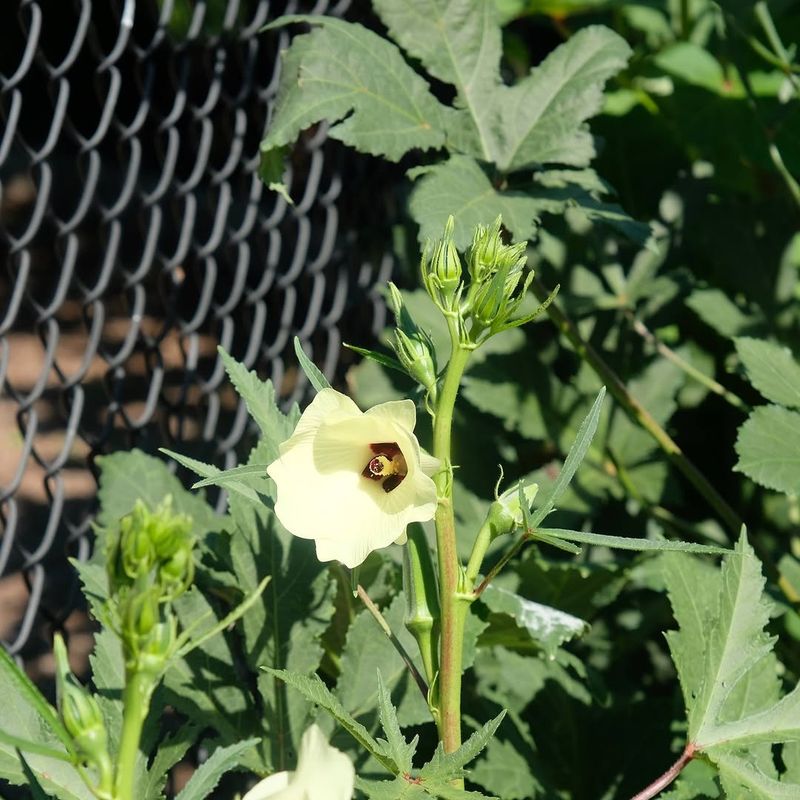
Weeds are quiet competitors. They pull water, nutrients, and space away from okra plants without making any obvious noise about it.
Keeping the base of each plant clear makes a real difference in how well the plant produces.
A thick layer of straw or wood chip mulch around each plant does most of the work for you. Two to three inches of mulch blocks light from reaching weed seeds and slows germination significantly.
It also holds soil moisture, which is a bonus during hot, dry stretches.
Cultivating shallowly between rows every week or two knocks out young weeds before they get established. Deep cultivation near okra roots can damage them, so keep it light and stay several inches away from the plant base.
Weeds that go to seed near your okra patch create problems for future seasons too. Pulling them before they flower and seed is worth the extra effort in the long run.
Hand pulling works fine for small patches. Larger gardens benefit from a stirrup hoe, which cuts weeds off just below the soil surface quickly and efficiently.
Regular passes with a hoe keep weed pressure manageable without much heavy labor.
6. Remove Damaged Or Yellow Leaves
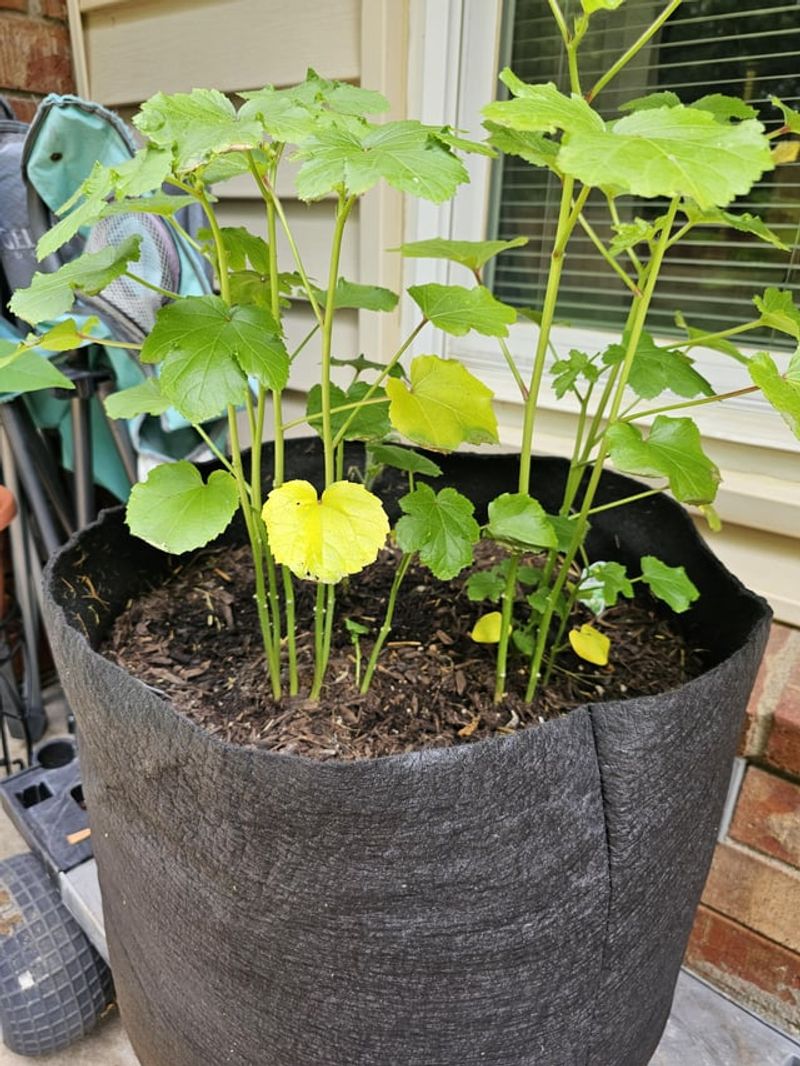
Yellow leaves at the base of an okra plant are not just an eyesore. They pull energy from the plant and can harbor pests and disease if left in place too long.
Removing them early is a simple habit with real payoff.
Lower leaves tend to yellow first. As the plant grows taller, shade from upper canopy leaves reduces light reaching the bottom.
Those shaded leaves become less productive and start to decline naturally over time.
Removing yellowed or damaged leaves improves airflow around the base. Better airflow means less humidity trapped near the stem, which lowers the risk of fungal problems during hot, sticky summer weather.
Use clean scissors or pruning shears when removing leaves. Tearing leaves off by hand can leave ragged wounds that take longer to heal.
A clean cut close to the main stem heals faster and causes less stress to the plant overall.
Check removed leaves before composting them. Leaves showing signs of disease or heavy insect damage should go in the trash rather than the compost pile.
Composting diseased material can spread problems to next year’s garden.
Do not strip too many leaves at once. Removing more than a few leaves in a single session can stress the plant and slow production temporarily.
7. Give Plants Full Sun Every Day
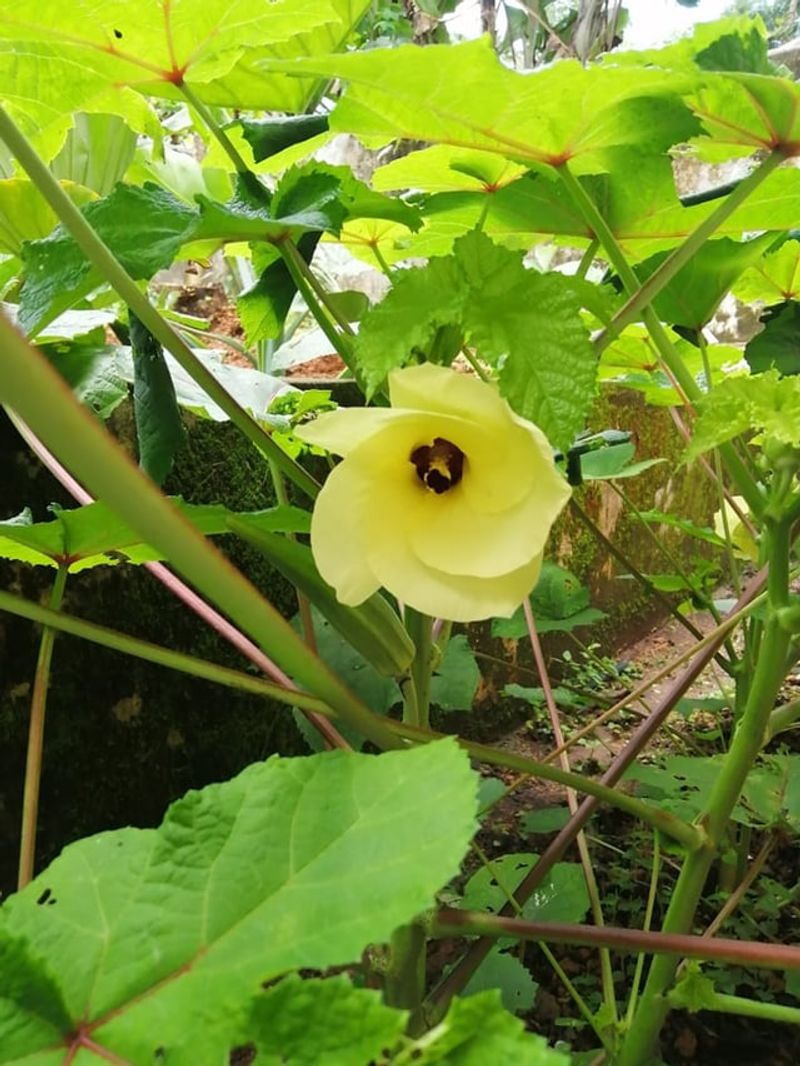
Okra does not compromise on sunlight. Six hours is considered the bare minimum, but eight to ten hours of direct sun is where plants truly thrive and produce at their best rate.
Shaded okra plants grow slower, flower less, and produce smaller pods less frequently. If nearby trees or structures block afternoon light, production will suffer noticeably by midsummer, just when you want the harvest ramping up.
Choosing the right planting spot matters more than most gardeners realize. Scout your yard in late spring before planting.
Watch where full sun falls for the longest stretch of the day and plant your okra row there.
South-facing rows tend to get the most consistent light exposure through the day. Orienting rows north to south also helps each plant receive even light rather than one side always facing shade.
Once plants are established and growing tall, they tend to shade their own lower sections. That is normal and manageable.
What you want to avoid is external shade from structures, fences, or large trees cutting into that critical daily sun window.
Full sun also warms the soil faster in the morning, which supports root activity and overall plant metabolism. Warm soil keeps nutrient uptake efficient even during the hottest parts of summer.