Do These 7 Things The Moment Your Michigan Tomatoes Start Dropping Flowers In July Heat
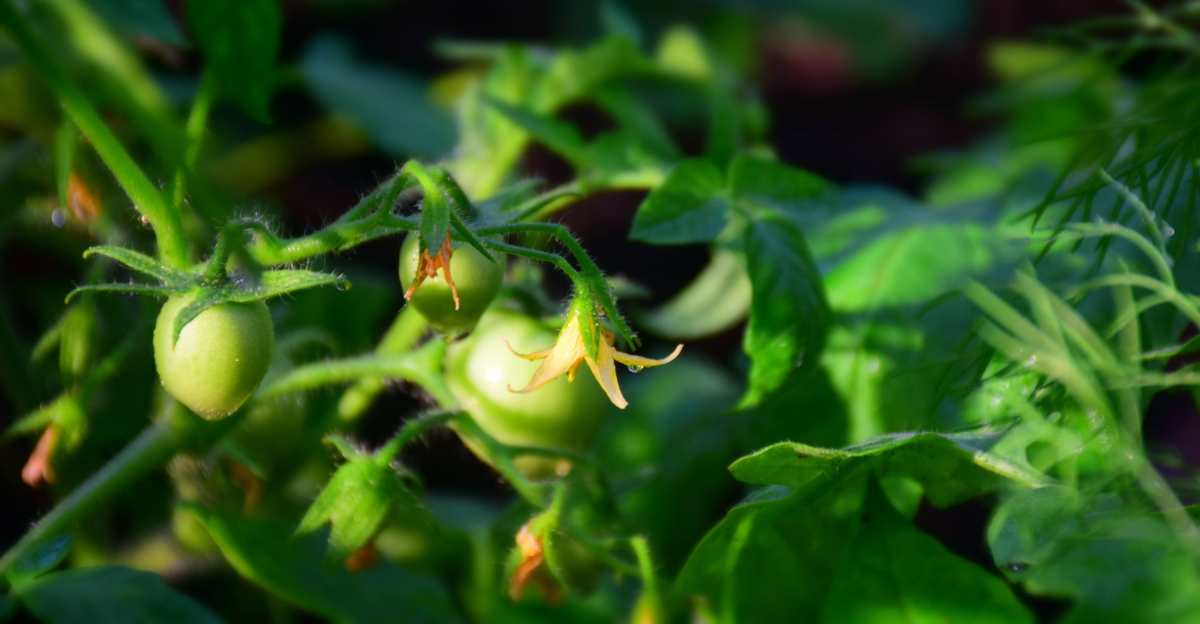
Those little yellow blossoms scattered on the ground under a Michigan tomato plant on a hot July morning are not a disaster. They are a heat response, and understanding that changes everything about how to handle it.
Tomato flower drop happens when temperatures climb too high for pollination to complete, and Michigan summers deliver exactly those conditions regularly in July and August.
Hot afternoons in the upper 80s, warm nights that stay above 70 degrees, and the plant simply sheds flowers rather than attempting fruit it cannot support.
Fighting that process with more fertilizer or extra water tends to make things worse.
The better approach is reducing stress, protecting soil moisture with mulch, and staying patient while the plants wait for conditions to cooperate again.
1. Check Whether Heat Is The Main Cause
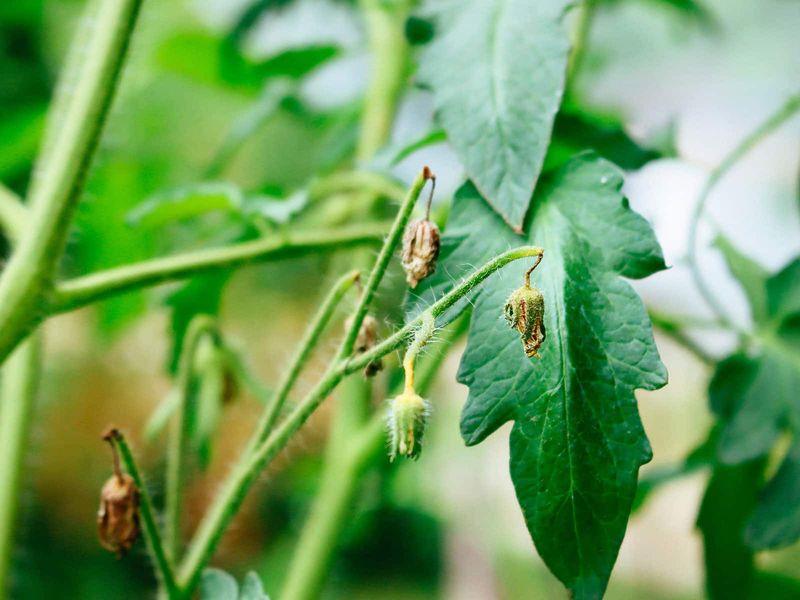
Dropped yellow blossoms scattered across the soil beneath your tomato plants on a sweltering July afternoon are one of the clearest signs that heat stress may be interfering with fruit set.
Before changing anything in your care routine, it helps to figure out whether the heat is actually the main reason your flowers are falling off, or whether something else is going on.
Tomato plants tend to drop flowers when daytime temperatures stay above 85 to 90 degrees Fahrenheit or when nighttime temperatures remain above 70 degrees.
During those conditions, pollen can become sticky and non-viable, making it difficult for the plant to complete pollination.
Michigan gardeners often see this pattern during mid-July heat waves, especially in urban areas, south-facing yards, or raised beds that absorb and hold extra warmth through the evening.
Check the overnight lows in your area for the past week. If nights have stayed warm and days have been intensely hot, heat is a strong candidate.
Also check whether the plants look otherwise healthy, with no yellowing leaves, spots, or signs of pests. If the foliage looks good and the only symptom is flower drop, heat stress is likely the cause rather than a disease or nutrient problem.
Conditions across Michigan vary quite a bit. Gardens in the southern Lower Peninsula often experience longer heat stretches than those in the northern Lower Peninsula or the Upper Peninsula.
Knowing your local conditions helps you respond more accurately instead of making unnecessary changes that could add more stress to already-struggling plants.
2. Keep Soil Moisture Consistent
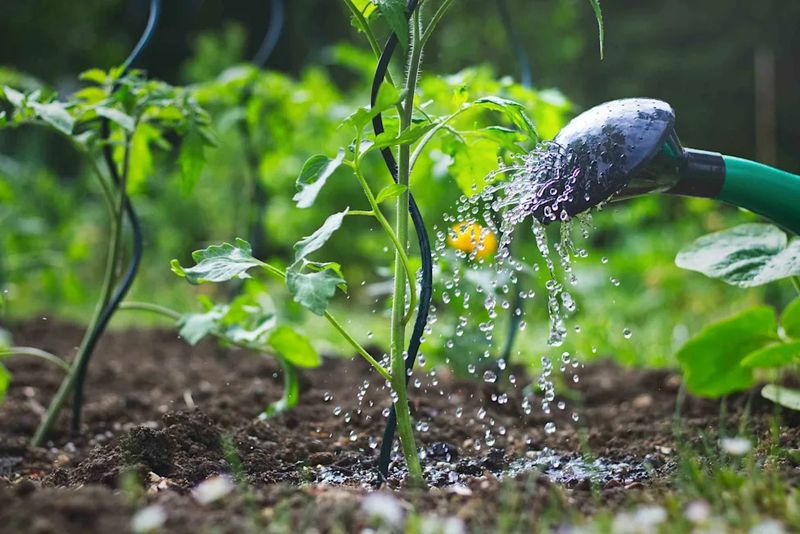
Dry soil during a July heat wave can push a tomato plant from mild stress into serious struggle within just a day or two.
Inconsistent moisture is one of the factors that makes flower drop worse during hot Michigan summers, and it is something most home gardeners can manage with a bit of attention.
When soil dries out unevenly, plants may experience moisture stress on top of heat stress, making it even harder for flowers to stay on the vine.
Sandy soils common in parts of western and central Michigan drain quickly and may need more frequent checks during hot spells.
Clay soils found in many Michigan yards hold moisture longer but can crack at the surface, giving a false impression of adequate water while deeper layers stay dry.
Your Michigan Garden Changes Every Week. Your Plan Should Too.
Gardening in Michigan changes quickly throughout the season. Every Friday you’ll receive a simple weekly plan showing exactly what to plant, prune, fertilize, harvest, and protect so you never miss the right timing.
The goal is to keep soil evenly moist without letting it become waterlogged. Checking soil moisture by pressing a finger about two inches into the soil near the base of the plant is a simple and reliable method.
If the soil feels dry at that depth, the plant likely needs water. If it still feels moist, hold off and check again the following day.
Raised beds and containers tend to dry out faster than in-ground gardens, so Michigan gardeners growing tomatoes in those spaces may need to water more often during hot stretches.
Consistent moisture does not guarantee fruit set during extreme heat, but it reduces one major source of plant stress and gives tomatoes a better foundation to recover when temperatures eventually ease.
3. Water At The Soil Level Early In The Day
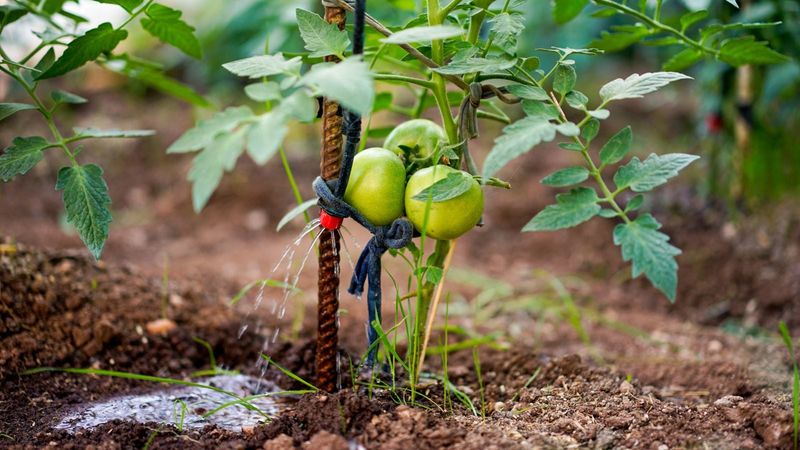
Early morning is the best time to water tomatoes during hot Michigan summers, and how you deliver that water matters just as much as when you do it.
Watering at the soil level rather than overhead keeps foliage dry, reduces the risk of fungal issues, and ensures moisture reaches the root zone where the plant actually needs it.
Overhead watering during the heat of the day can wet leaves and blossoms at the wrong time, and evaporation rates are much higher when the sun is strong.
By watering early in the morning, you give the soil a chance to absorb moisture before the day heats up, and you avoid the stress of wet foliage sitting in warm, humid afternoon air.
A soaker hose or drip irrigation system works well for delivering water directly to the base of tomato plants without splashing the stems or leaves.
These tools are especially helpful in Michigan gardens where July afternoons can feel punishing and where hand-watering every day may not be practical for busy homeowners.
Even a simple watering wand held low near the soil surface makes a noticeable difference compared to a spray nozzle aimed at the whole plant.
Deep, infrequent watering tends to encourage roots to grow deeper into the soil, which helps plants access moisture even when the top few inches dry out quickly on hot afternoons.
Shallow, frequent watering can keep roots near the surface where they are more vulnerable to heat.
Shifting toward deeper morning watering is a simple adjustment that can reduce overall plant stress during Michigan July heat waves.
4. Add Mulch After The Soil Is Moist
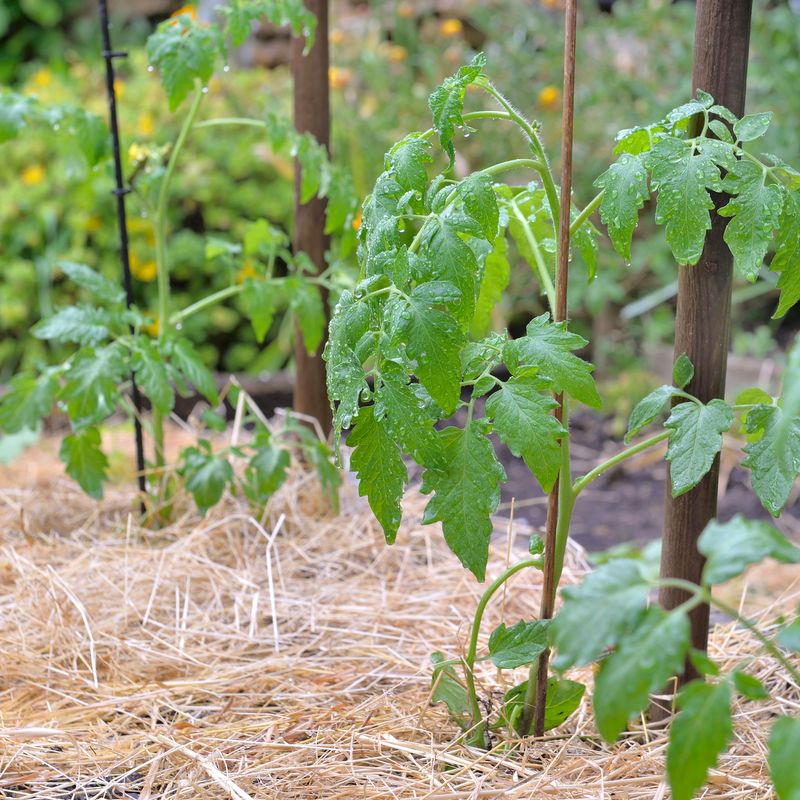
Straw mulch spread around the base of your tomato plants after a good watering can do more for a heat-stressed Michigan garden than many gardeners expect.
Mulch acts as an insulating layer that slows evaporation, keeps soil temperatures more stable, and reduces the rapid drying that tends to happen during hot July afternoons.
The key detail here is the order of operations. Applying mulch to dry soil traps the dryness in place and slows your ability to get moisture back down to the roots.
Watering first and then spreading two to three inches of straw, wood chips, or shredded leaves over moist soil gives the mulch something to work with and helps hold that moisture in place much longer.
In Michigan gardens, July soil temperatures can climb significantly without mulch, especially in raised beds and dark-colored containers that absorb heat from the sun.
High soil temperatures stress roots and make it harder for plants to take up water and nutrients efficiently, which adds to the overall stress load during a heat wave.
Mulch helps buffer those temperature swings throughout the day and night.
Straw is a popular and easy-to-find mulch option for Michigan vegetable gardens, though shredded leaves, untreated grass clippings, or wood chips also work well.
Avoid piling mulch directly against the tomato stem to reduce the chance of moisture sitting against the base of the plant.
A small gap of an inch or two between the mulch and the stem is a simple habit that keeps things balanced while still protecting the surrounding soil.
5. Use Temporary Afternoon Shade During Extreme Heat
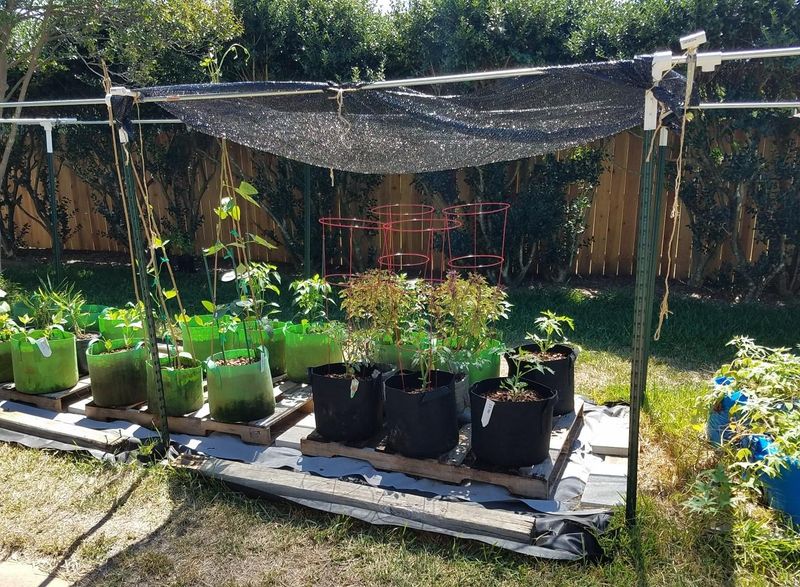
Shade cloth stretched over tomato plants during the hottest part of a Michigan July afternoon is one of the more underused tools in a home gardener’s toolkit.
Most people think of tomatoes as sun-loving plants, which they are, but there is a point during extreme heat when too much direct afternoon sun raises leaf and blossom temperatures to levels that make pollination nearly impossible.
A lightweight shade cloth that blocks around 30 to 40 percent of sunlight can help bring down the temperature around the plant canopy during peak afternoon hours without cutting off enough light to slow growth.
The goal is not to keep the plants in shade all day but to reduce the intensity of heat during the window when temperatures are highest, usually between noon and four in the afternoon.
Setting up temporary shade does not have to be complicated. Garden stakes or simple PVC hoops with shade cloth draped over them work well for most Michigan backyard gardens and raised beds.
The shade cloth can be removed in the evening and repositioned as needed, making it a flexible option during stretches of extreme heat rather than a permanent structure.
Containers and raised beds benefit the most from afternoon shade because they heat up faster than in-ground gardens.
Patio tomatoes sitting on concrete or brick surfaces are especially vulnerable since those materials radiate additional heat upward around the base of the plant.
Even a few afternoons of reduced sun exposure during a heat wave can help flowers stay on the plant a little longer and give pollen a better chance of remaining viable.
6. Avoid Heavy Nitrogen Fertilizer During The Heat
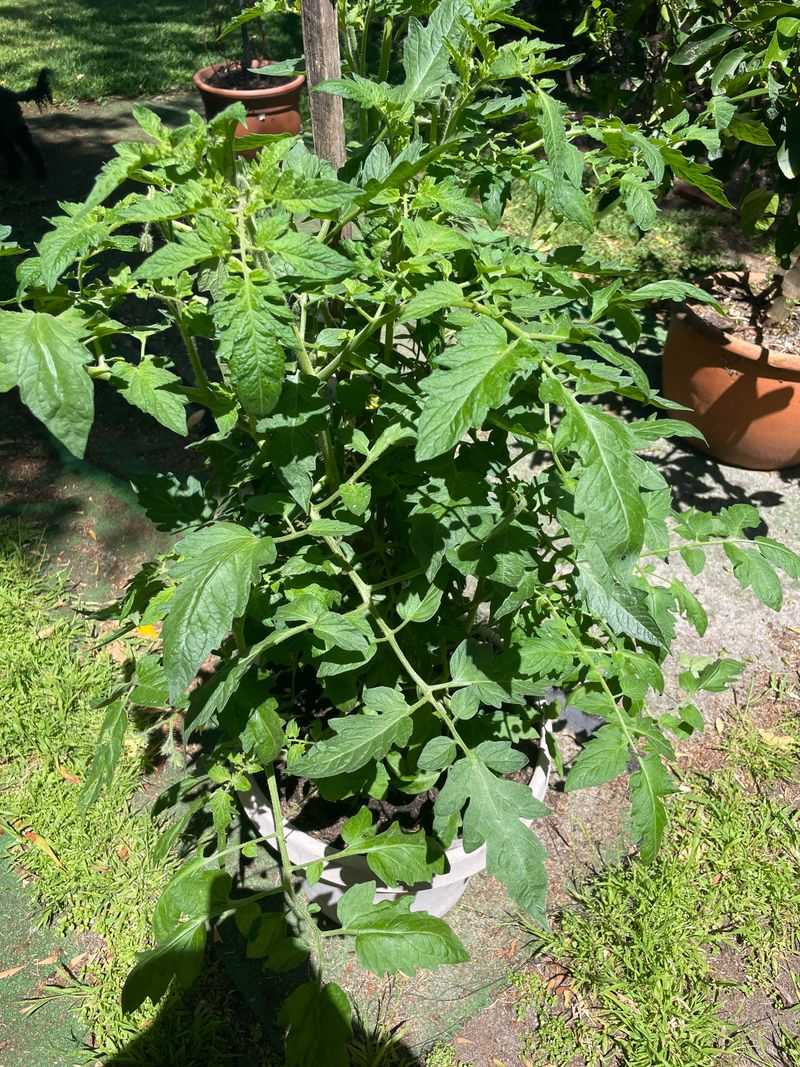
Thick, dark green tomato foliage with almost no flowers or fruit is a familiar sight in Michigan gardens where nitrogen fertilizer has been applied a bit too generously during July heat.
Heavy nitrogen during a heat wave tends to push plants toward producing more leaves and stems rather than setting flowers and fruit, which is the opposite of what most gardeners are hoping for.
Nitrogen is an important nutrient for tomatoes, but timing matters. Early in the season, a modest amount of nitrogen supports strong plant establishment.
Once plants are flowering and beginning to set fruit, the focus shifts toward phosphorus and potassium, which support root health and fruit development.
Applying a high-nitrogen fertilizer during a July heat wave can amplify the leafy growth response and make flower drop worse by encouraging the plant to put energy into vegetation rather than reproduction.
Many Michigan gardeners apply fertilizer with good intentions when plants appear stressed, assuming that extra nutrients will help the plant push through difficulty.
During extreme heat, however, stressed plants are less able to take up and use fertilizer efficiently, and excess nutrients can sometimes build up in the soil in ways that add additional stress.
Holding off on fertilizer applications during the hottest part of summer is a reasonable approach. If you feel the plants need a boost, a light application of a balanced fertilizer or a diluted liquid feed is a gentler option than a heavy granular nitrogen product.
Waiting until temperatures ease before resuming a regular feeding schedule often leads to better results in Michigan home gardens.
7. Give Plants Time To Set New Flowers Later
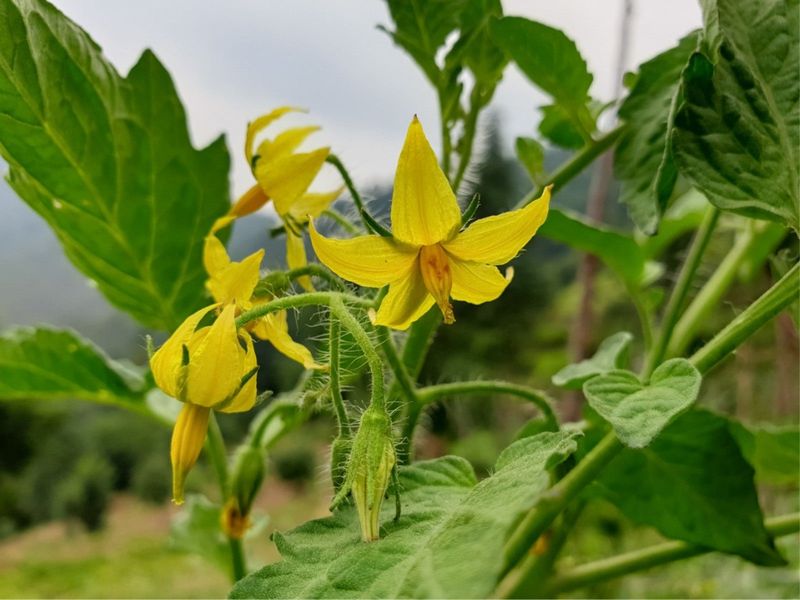
One of the hardest parts of watching tomato flowers drop during a Michigan heat wave is the temptation to do something drastic to fix the problem right away.
The truth is that heat-related flower drop is often a temporary setback, and healthy tomato plants tend to produce new flower clusters once temperatures settle into a more comfortable range.
Tomatoes generally set fruit more reliably when daytime temperatures stay between about 70 and 85 degrees Fahrenheit and nights remain below 70 degrees.
Michigan summers often deliver those conditions in late July and into August once a heat wave breaks, giving plants a real window to bloom and set fruit again.
Gardeners who stay patient and keep plants in good health through the heat are often rewarded with a solid late-summer harvest.
During the waiting period, the most useful things you can do are maintain consistent watering, keep mulch in place, and avoid actions that add more stress to the plant.
Resist the urge to prune heavily, change fertilizer dramatically, or transplant containers to new locations repeatedly.
Stability helps stressed plants recover more smoothly than frequent interventions.
Michigan gardens across different regions may experience this recovery window at slightly different times.
Gardeners in the northern Lower Peninsula or near the Great Lakes often see temperatures moderate earlier in the season than those in the southern parts of the state.
Knowing your local microclimate helps you anticipate when conditions might improve and plan accordingly.
Flower drop during July heat does not mean the season is lost, and many Michigan gardeners end up with a satisfying harvest by simply staying steady and giving plants the time they need.