What’s Driving Minnesota Gardeners Toward Rain Barrels This Season
Minnesota gardeners are not sentimental about their water bills, but this summer they are paying close attention to them. A stretch of dry weeks has a way of changing priorities fast.
Right now, rain barrels are selling out before they even hit the shelf. The reasons are not complicated.
Water costs money, summers are getting stingier with rain, and a 55-gallon barrel sitting under a downspout can quietly carry a garden through the dry stretches that used to wipe it out.
What started as a niche setup for the composting crowd has turned into something a lot more mainstream, and Minnesota gardeners are figuring out why the timing finally makes sense.
A Drier Summer Is Making Water Conservation Hard To Ignore
In some parts of Minnesota, gardeners are watching their soil dry out fast between rainstorms.
Summer rainfall patterns have shifted noticeably over the past few years. Dry spells can now stretch longer than many Minnesota gardeners are used to planning around.
Vegetables need consistent moisture to produce well. When rain skips your zip code for weeks, hand-watering becomes a full-time job nobody signed up for.
Rain barrels offer a buffer against those unpredictable dry spells. You capture water when it falls and use it when the sky refuses to cooperate.
Depending on roof size and rainfall intensity, a single heavy rainstorm can fill a 55-gallon barrel surprisingly fast. That stored water can keep a raised bed alive through a two-week drought stretch.
Many gardeners say they did not realize how much rain they were losing until they installed a barrel. Watching it fill during a storm feels almost like finding free money.
Conservation is no longer just an environmental talking point. For home gardeners, it is now a survival strategy for keeping plants alive through a brutal summer.
The drier the season gets, the more a rain barrel starts to feel less like a nice-to-have and more like a necessity. Smart gardeners are not waiting for next year to find out.
How Rain Barrels Actually Work In A Home Garden Setup
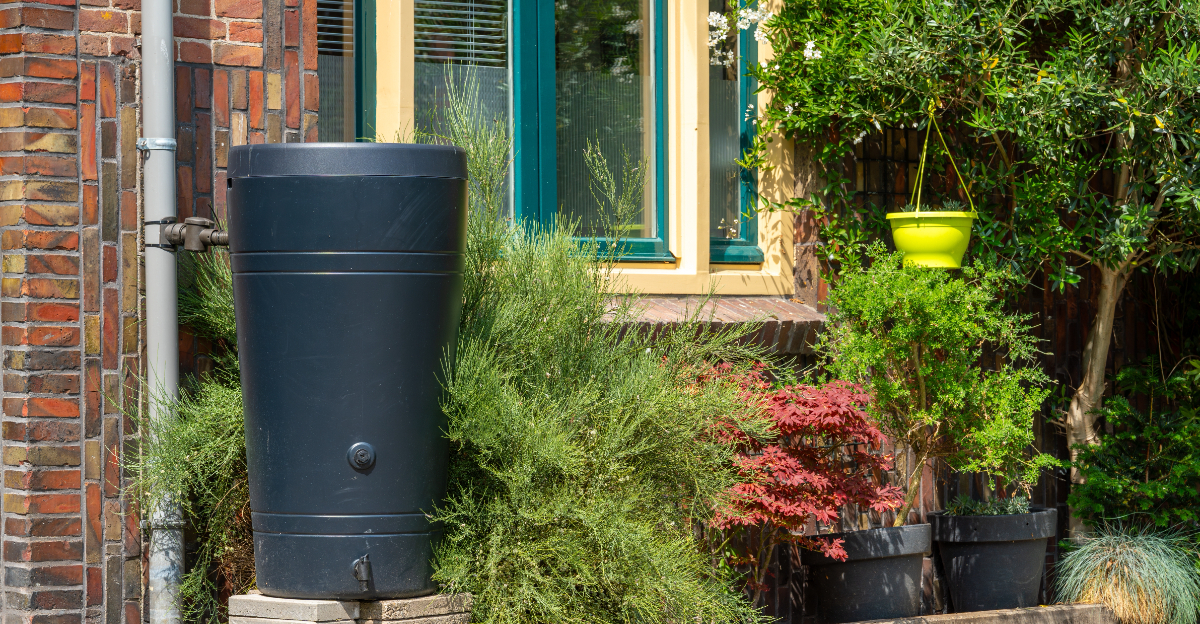
Simple and brilliant. A rain barrel collects runoff from your roof through a downspout and stores it for later use in your garden.
Most barrels have a screened opening at the top to keep out mosquitoes and debris. That screen is a small detail that makes a big difference in keeping water clean.
A spigot near the bottom lets you attach a garden hose or fill a watering can. Gravity does the work, so no pump is required for basic setups.
The barrel connects directly to your existing downspout with a simple diverter kit. You redirect a portion of the flow into the barrel without blocking the rest of the drainage system.
When the barrel fills up, overflow exits through a second hose routed away from your foundation. That overflow management step protects your home from water damage near the base.
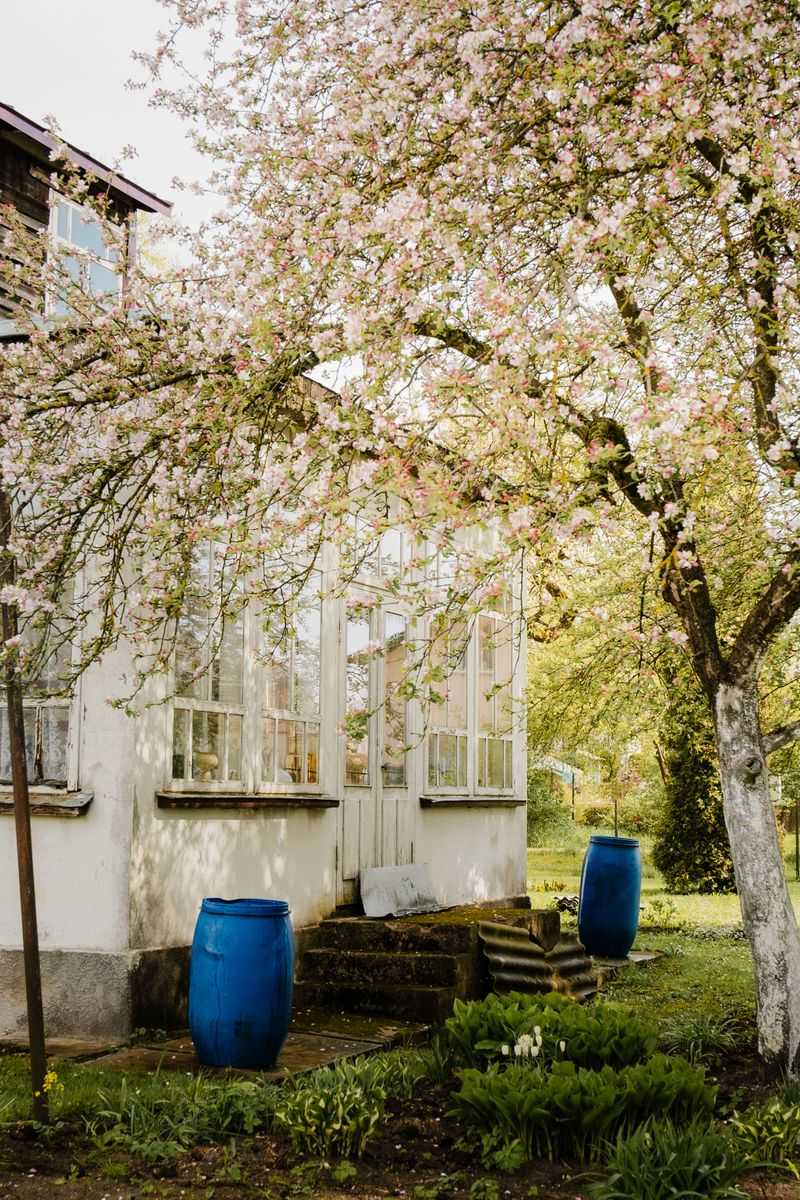
Some gardeners link two or three barrels together to increase storage capacity. A linked system can hold over 150 gallons from a single heavy rainstorm.
Your Minnesota Garden Changes Every Week. Your Plan Should Too.
Gardening in Minnesota changes quickly throughout the season. Every Friday you’ll receive a simple weekly plan showing exactly what to plant, prune, fertilize, harvest, and protect so you never miss the right timing.
Water pressure from a barrel is lower than tap pressure, so soaker hoses and drip lines work better than sprinklers. Slow, deep watering is actually better for most vegetable and flower gardens anyway.
Once you understand the basic setup, the whole system starts to feel almost elegantly simple. Rain falls, barrel fills, garden drinks, and your water bill quietly shrinks.
Where The Real Savings Show Up In Your Garden
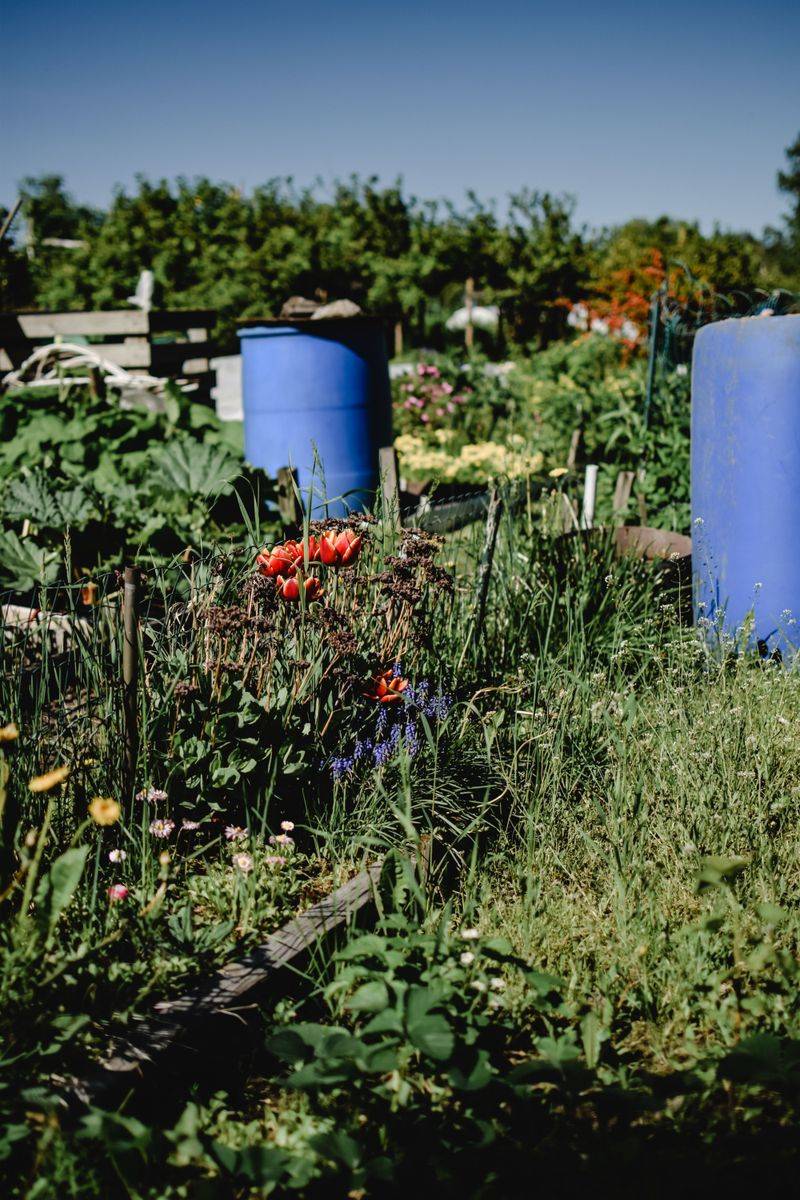
Nobody loves a surprise water bill in August. Gardeners who run sprinklers and hoses daily during dry months often see charges that genuinely sting.
A rain barrel can offset a meaningful chunk of outdoor water use. Some estimates suggest homeowners can reduce their outdoor water use by a meaningful amount over the course of a single summer.
That reduction translates directly to lower utility costs over the course of a season. For gardeners watering daily, the savings can cover the cost of the barrel within a single summer.
Beyond the bill, rainwater is actually better for plants than tap water. Chlorine in municipal water can affect sensitive herbs, seedlings, and native plants over time, and collected rainwater sidesteps that entirely.
Collected rainwater has a slightly acidic pH that many garden plants prefer. Tomatoes, peppers, and blueberries especially respond well to a more natural water source.
Hauling heavy watering cans from an outdoor spigot across a large yard is exhausting work. Placing a barrel close to garden beds cuts that hauling distance dramatically.
Some gardeners position barrels at the top of a gentle slope to improve gravity flow. A small elevation boost can push water through a soaker hose without any extra effort.
The combined effect of lower bills, healthier plants, and less physical labor adds up fast. Many gardeners say that after one full season with a barrel, they would not want to go back to relying on the tap alone.
What To Look For When Choosing A Rain Barrel In Minnesota
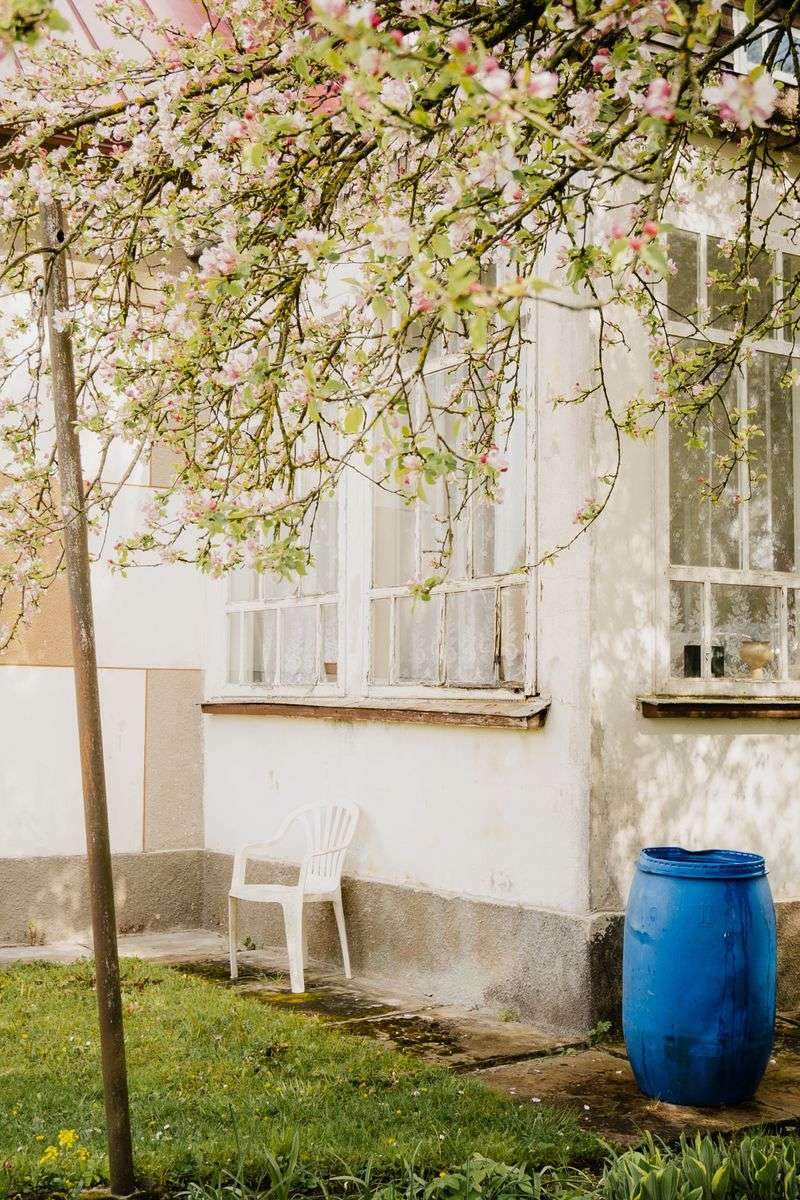
Not all barrels are created equal. Choosing the wrong one for a cold-weather climate can mean cracked plastic and wasted money before spring even arrives.
Look for barrels made from food-grade, UV-resistant polyethylene. That material holds up against summer sun and resists the freeze-thaw cycles that Minnesota winters deliver with enthusiasm.
Capacity matters more than most beginners expect. A 55-gallon barrel fills fast but also empties fast during a dry stretch, so many gardeners opt for 75 to 100-gallon options.
Check that the barrel has a tight-fitting, removable lid. Easy access makes cleaning and seasonal maintenance far less of a hassle when fall rolls around.
A brass spigot lasts longer than plastic in cold climates. Brass resists corrosion and handles repeated seasonal draining without cracking at the threads.
Overflow management is a feature worth examining closely. A well-designed overflow port directs excess water away from your foundation rather than pooling against your house.
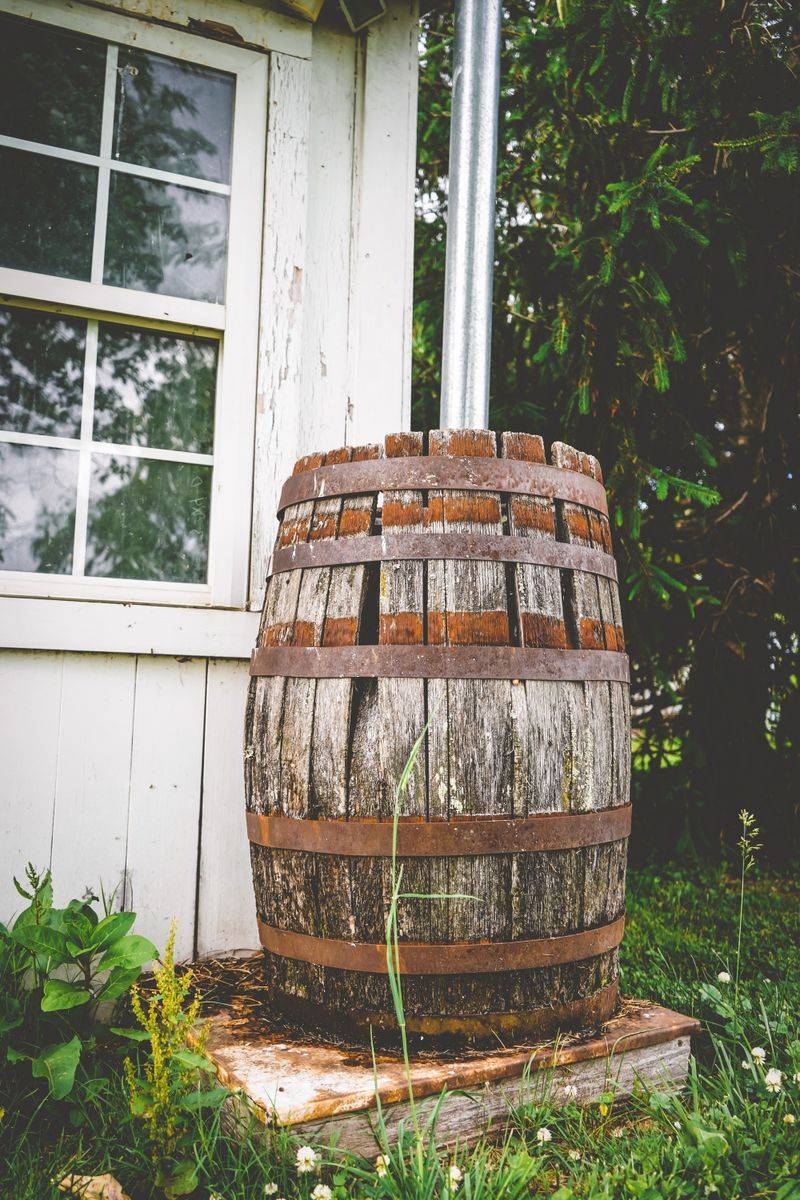
Decorative barrels shaped like urns or wood planters are widely available now. They blend into landscaping without the industrial look that some homeowners find unappealing near a front porch.
Flat-back barrels are a smart choice for tight spaces between a fence and a downspout. That slim profile fits where a round barrel simply cannot.
Choosing the right barrel upfront saves you from replacing a cheap one after a single harsh winter. Pick for durability first and looks second, and you will not regret it.
Setting Up Your Rain Barrel Before The Next Storm Rolls In
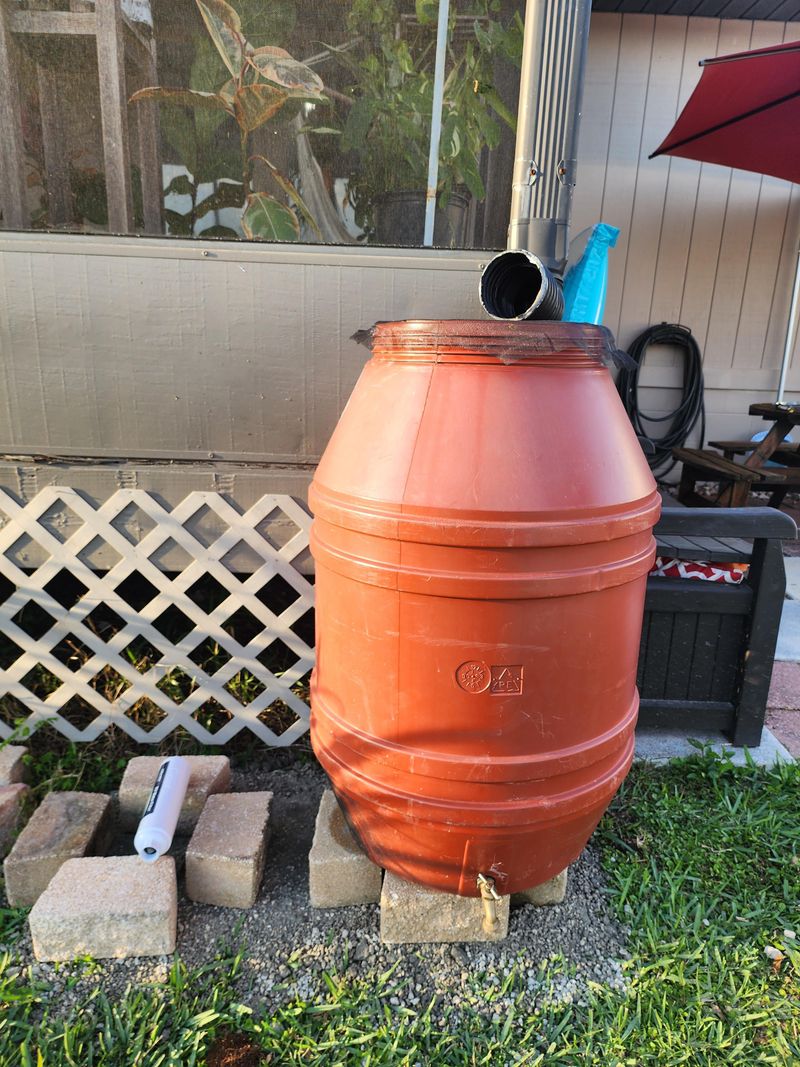
Speed matters here. A good storm can drop an inch of rain in under an hour, and that water is gone forever if your barrel is not ready to catch it.
Start by picking a downspout that drains a large section of your roof. More roof area means more water collected per inch of rainfall.
Measure the downspout opening before buying a diverter kit. Most standard downspouts are two by three inches or three by four inches, and kits are sized accordingly.
Place the barrel on a sturdy, level surface like cinder blocks or a wooden platform. Elevation improves water pressure and makes filling watering cans from the spigot much easier.
Cut the downspout at the correct height using a hacksaw or tin snips. The diverter installs at that cut and redirects flow into the barrel inlet hose.
Connect the overflow hose and direct it at least six feet away from your home. Proper overflow routing keeps basement walls dry even during a heavy downpour.
Add a layer of window screen over the inlet if your barrel lid does not have one built in. That extra layer blocks leaves, seeds, and insects from contaminating stored water.
Test the system with a garden hose before the first real storm arrives. A quick dry run catches leaks and loose connections before you lose a barrel full of free water.
Getting set up takes an afternoon, not a weekend. One good storm afterward, and you will wonder why you waited this long.
Local Rules And Rebates Minnesota Gardeners Should Know About
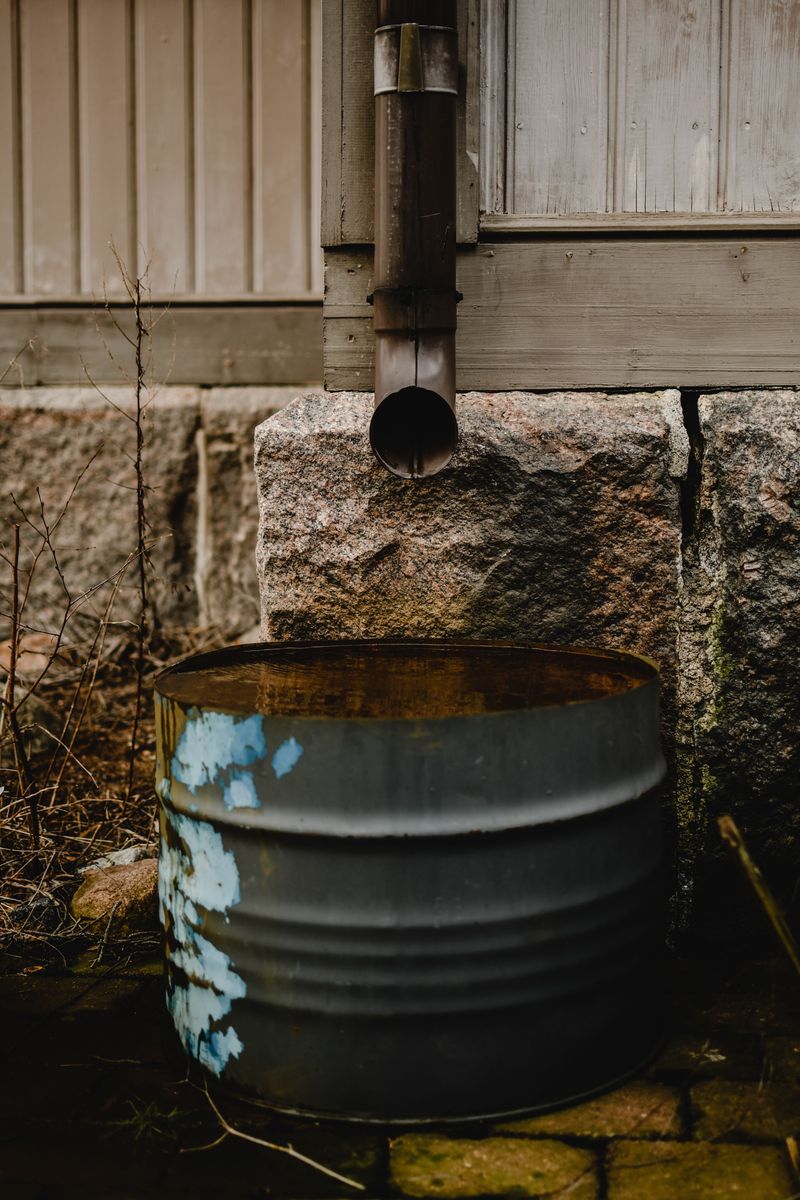
Before you buy, check your city’s rules. Some municipalities have specific guidelines about barrel placement, overflow routing, and even barrel color.
The good news is that rain barrel collection is legal throughout Minnesota at the state level. Local rules are generally straightforward and designed to encourage conservation, not discourage it.
Many cities and counties offer rebate programs that reduce your out-of-pocket cost significantly. Check with your local utility to see if rebates on rain barrels are currently available.
Some Minnesota cities have hosted discounted barrel sales through their stormwater programs, so check with your city for current offerings.
Rebate amounts vary by provider, so it is worth checking directly with your utility or watershed district before you buy. That discount can cut the cost of a quality barrel nearly in half at some retailers.
Check with your local watershed district as well. Groups like the Minnehaha Creek Watershed District and Nine Mile Creek Watershed District actively promote residential water capture programs.
Homeowners associations sometimes have additional rules about barrel visibility from the street. A quick email to your HOA board before installation avoids any awkward conversations later.
Keeping your receipt and installation photo makes the rebate application process much smoother. Most programs require proof of purchase and confirmation that the barrel is properly installed.
Minnesota gardeners driving toward rain barrels this season have real financial incentives backing them up. Saving water and money at the same time makes a pretty strong case for getting started now.