The Tomato Varieties That Actually Thrive In Minnesota’s Short Summer
Minnesota gives gardeners a narrow window to pull off what feels like a minor miracle. The frost leaves, you blink, and suddenly it’s back. If you’ve ever watched a plant spend all summer slowly working up the courage to ripen, you know where this is going.
An early September frost shows up uninvited, the fruit is still stubbornly green, and suddenly you’re googling what to do with forty unripe tomatoes. The good news is that some varieties were practically engineered for this exact situation.
They ripen fast, stay steady through cool nights, and don’t ask for more summer than Minnesota can give. Pick the right ones and you’ll be pulling ripe fruit off the vine by midsummer. Pick the wrong ones and you’ll be making a lot of fried green tomatoes come September. The difference between a great harvest and a green disappointment often comes down to one decision made at the seed rack in April. Here’s what actually grows in Minnesota, and why it works.
Stupice
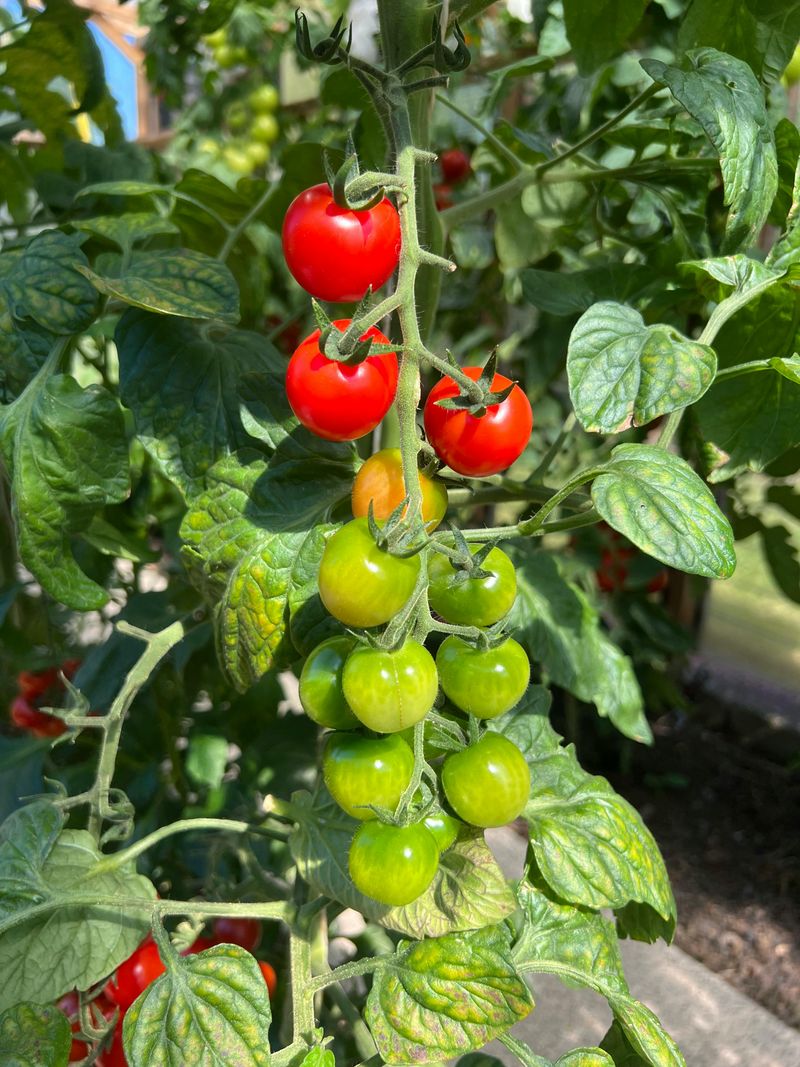
Born in Czechoslovakia and built for cold climates, Stupice is one of the most reliable varieties you can grow in a short summer.
It produces small, flavorful fruits that ripen in as few as 52 days from transplant. A huge deal when your frost-free window might only stretch from late May to early September.
Plants stay compact, which makes them easy to manage in raised beds or containers.
The flavor punches well above its size, offering a rich, old-world taste that store-bought fruit simply can’t match.
Gardeners across the upper Midwest swear by it, and for good reason.
Plant it in a sunny spot with good drainage, and it rewards you generously.
Even on cloudy days, Stupice continues to set fruit when warmer varieties stall out.
It handles cool soil temperatures better than most, so you can get a head start in spring without losing plants to a late chill.
If you’ve ever watched a whole season’s worth of fruit stay stubbornly green on the vine, you already know what’s missing.
Stupice is the answer, a cold-climate champion built for every northern garden.
Siletz
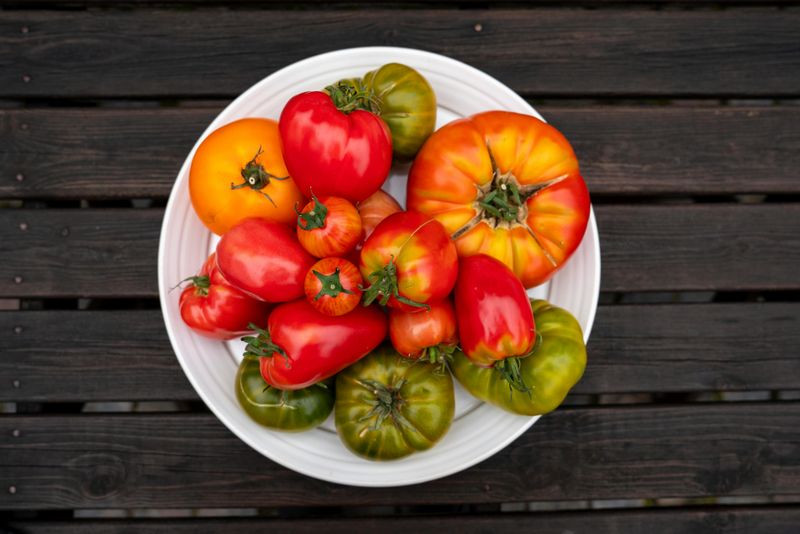
Cool summers and cloudy skies don’t slow Siletz down. That’s exactly what it was bred for.
Developed in Oregon, this variety sets fruit at lower temperatures than almost any other large tomato on the market.
That makes it a natural fit for Minnesota’s unpredictable early summers.
The fruits grow large and meaty, often reaching half a pound or more, which is impressive for a short-season climate.
Slice one open and you’ll find thick walls, minimal seeds, and a clean, mild flavor that works beautifully on sandwiches and burgers.
Siletz typically matures in around 70 days, putting it well within reach of the northern growing window. Indeterminate by nature, it keeps producing right up until frost shuts things down.
Give it a sturdy cage or stake early because the plants get tall and the fruit gets heavy fast.
Your Minnesota Garden Changes Every Week. Your Plan Should Too.
Gardening in Minnesota changes quickly throughout the season. Every Friday you’ll receive a simple weekly plan showing exactly what to plant, prune, fertilize, harvest, and protect so you never miss the right timing.
One of the biggest frustrations for northern gardeners is watching big tomatoes fail to ripen before the season ends.
Siletz sidesteps that problem with impressive consistency. Even when summer feels more like a suggestion than a season, it still delivers full-sized, fully ripened fruit.
It’s a dependable performer worth every square foot of garden space.
Early Girl
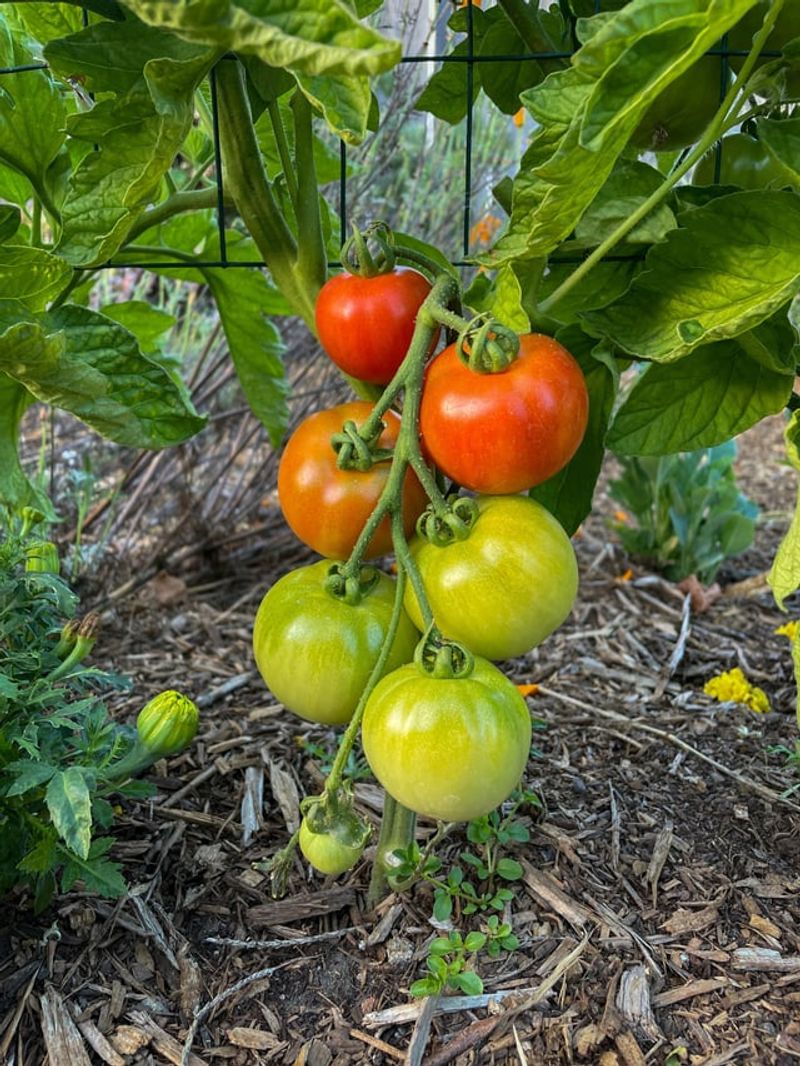
Ask any veteran northern gardener which tomato they trust most, and Early Girl comes up almost every single time.
This classic variety has been a staple in American gardens for decades, and it earned that reputation the hard way.
It matures in about 52 to 60 days, producing medium-sized red fruits with a bright, tangy flavor that screams summer.
Early Girl thrives in cooler conditions and sets fruit reliably even when temperatures drop at night.
That cold-tolerance is what separates it from the flashier heirloom varieties that look great in seed catalogs but struggle once real Minnesota weather hits.
The plants keep climbing and producing all season long.
Pair them with a strong cage and consistent watering, and you’ll be harvesting well before your neighbors are.
One underrated bonus is how well Early Girl handles fluctuating weather.
A cool week won’t stop it.
A stretch of heat won’t overwhelm it either.
It’s the kind of steady, no-drama plant that makes gardening feel manageable instead of stressful.
New to northern growing?
Start with Early Girl.
It’s a proven classic that doesn’t need a long summer to deliver real results.
Celebrity
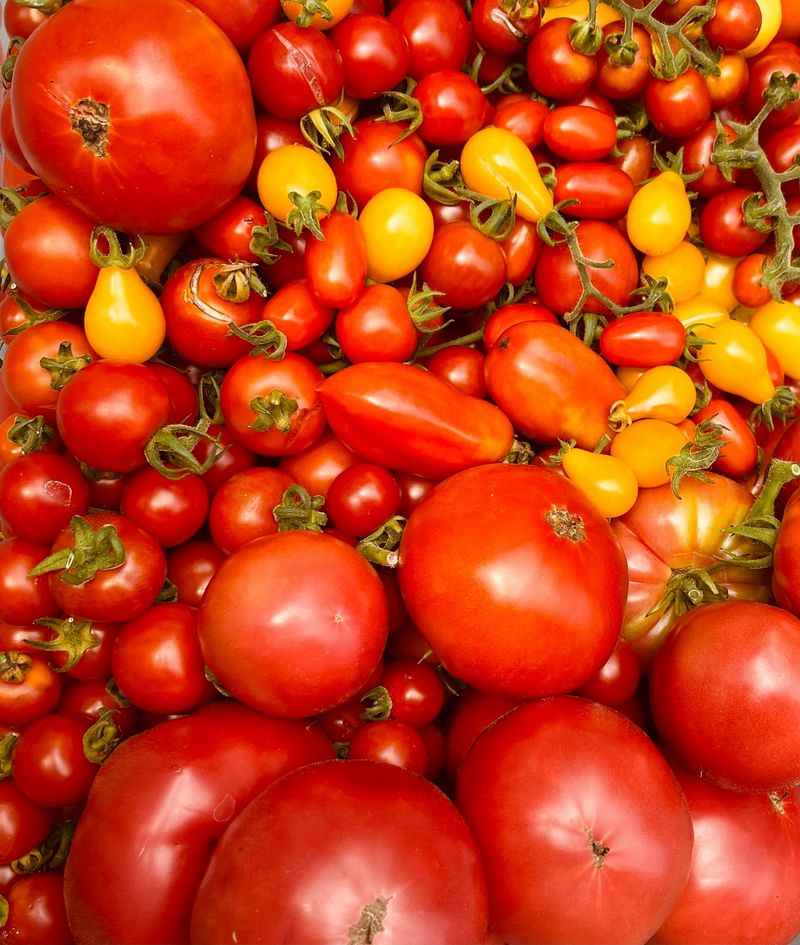
Celebrity is an All-America Selections winner, and one season in a Minnesota garden tells you exactly why.
It’s a hybrid variety bred for disease resistance, consistent production, and reliable ripening.
In a state where the season is short and the weather can be unpredictable, those three things matter enormously.
Fruits mature in about 70 days and weigh in around 8 ounces each, making them ideal for slicing.
The flavor is well-balanced, not too acidic, not too sweet, just a solid tomato taste that works for nearly everything.
Celebrity is a determinate variety, which means the plant stays manageable in size and produces most of its fruit over a concentrated period.
That’s actually a benefit if you want to do any canning or preserving, since you get a big harvest all at once.
It resists common diseases like verticillium wilt and fusarium wilt, which can be a real problem in wet northern summers.
Gardeners who’ve struggled with plant disease in past seasons often find Celebrity to be exactly what they were missing.
Plant it in full sun, keep the soil moist, and watch it turn a ninety-day window into a surprisingly generous harvest.
Glacier
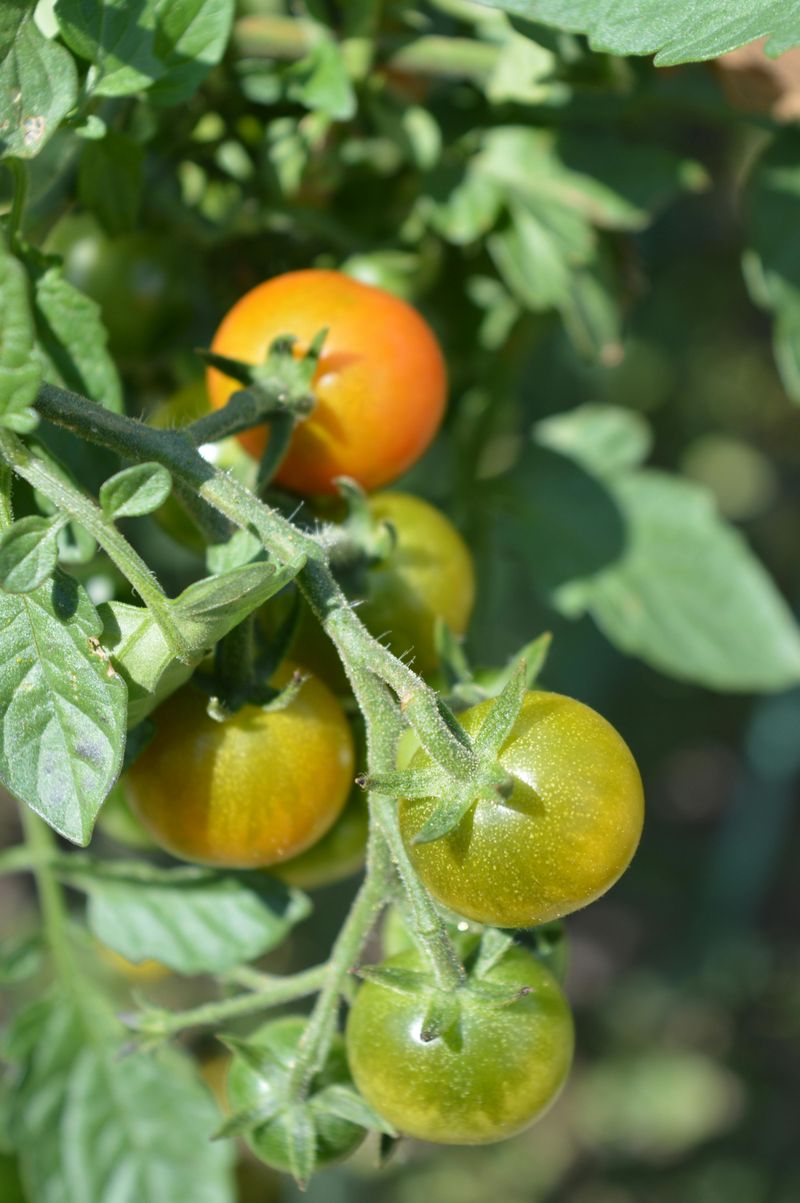
Glacier tomato sounds like it was named after something cold, and that’s no coincidence.
This old heirloom variety was built to perform in short, cool growing seasons.
Fruits are ready in as few as 55 days, and they arrive in clusters of small, round, orange-red gems with a sweet, mild flavor.
The plants stay compact and bushy, which makes Glacier a solid choice for container gardening or small raised beds where space is tight.
Unlike some early-season varieties that sacrifice flavor for speed, Glacier actually tastes good.
The sweetness comes through even when summer stays cool and overcast.
It’s also one of the few varieties that continues setting fruit during heat spikes, which can cause others to drop their blossoms entirely.
That kind of resilience is rare and worth celebrating.
For gardeners who start seeds indoors in March and count down every single day to planting time, Glacier feels like a reward for all that patience.
Low fuss, high output, and genuinely delicious. Glacier doesn’t need a long summer to make its point.
Sungold
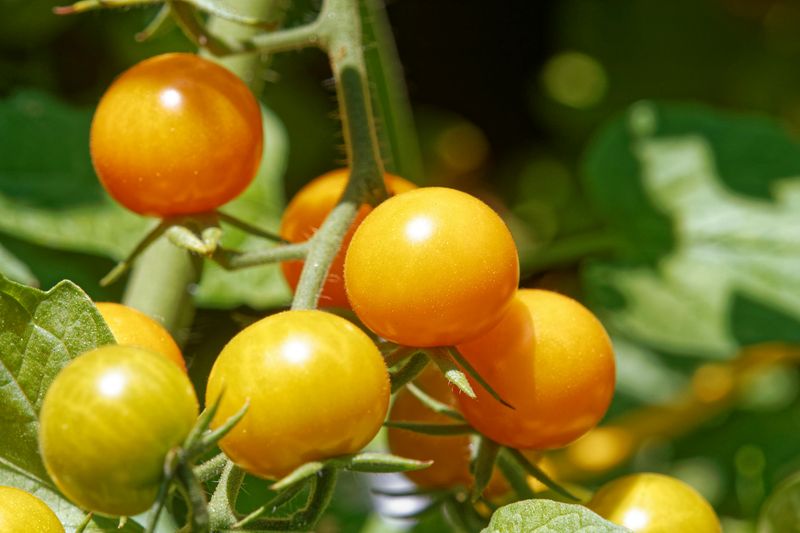
One look at a vine loaded with Sungold and most people forget what they came into the garden for.
Those tiny, golden-orange fruits glow like little lanterns in the afternoon sun, and the flavor backs up every bit of that visual drama.
Sungold is widely considered one of the sweetest varieties ever developed. The tropical, fruity taste makes it almost impossible to stop snacking straight off the vine.
A hybrid cherry tomato that matures in about 57 days, it sits well within reach of northern growing seasons.
The plants are vigorous climbers. They’ll climb aggressively and reward you with heavy clusters of fruit from midsummer until the first frost.
Sungold handles cool nights better than many cherry varieties, which is a big advantage when temperatures dip unexpectedly in August.
Kids absolutely love them, and they make a stunning addition to salads and charcuterie boards.
If you’ve only ever grown red varieties, adding Sungold to your garden feels like discovering a whole new world of flavor.
It’s a crowd-pleaser that earns its spot in the garden every single season.
Black Cherry
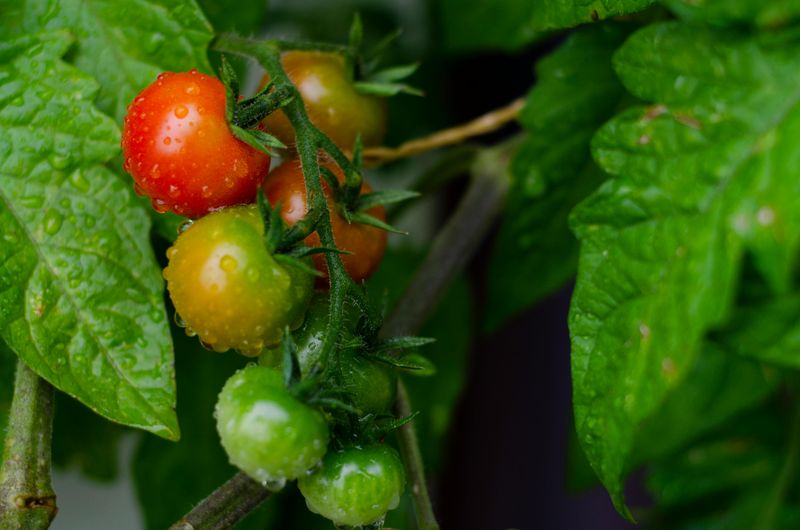
Dark, dramatic, and loaded with complex flavor, Black Cherry tomato is the variety that makes people rethink everything they thought they knew about cherry tomatoes.
The fruits are deep mahogany-purple with a rich, almost smoky sweetness that sets them apart from every other small variety in the garden.
They mature in about 64 days, which fits comfortably inside a Minnesota summer with room to spare.
The flavor deepens as the summer progresses, getting richer and more complex as the plants mature.
That slow build of flavor is something you just don’t get from anything the grocery store has to offer.
The skins are thin enough to burst when you bite in, releasing a concentrated rush of sweetness and acidity that’s genuinely surprising.
Pair them with fresh mozzarella and basil for a caprese salad that will completely change the way you think about that dish.
They also roast beautifully, caramelizing into something almost jam-like in the oven.
Unexpected, deeply flavored, and impossible to put down, Black Cherry turns every harvest into a small celebration.
Juliet
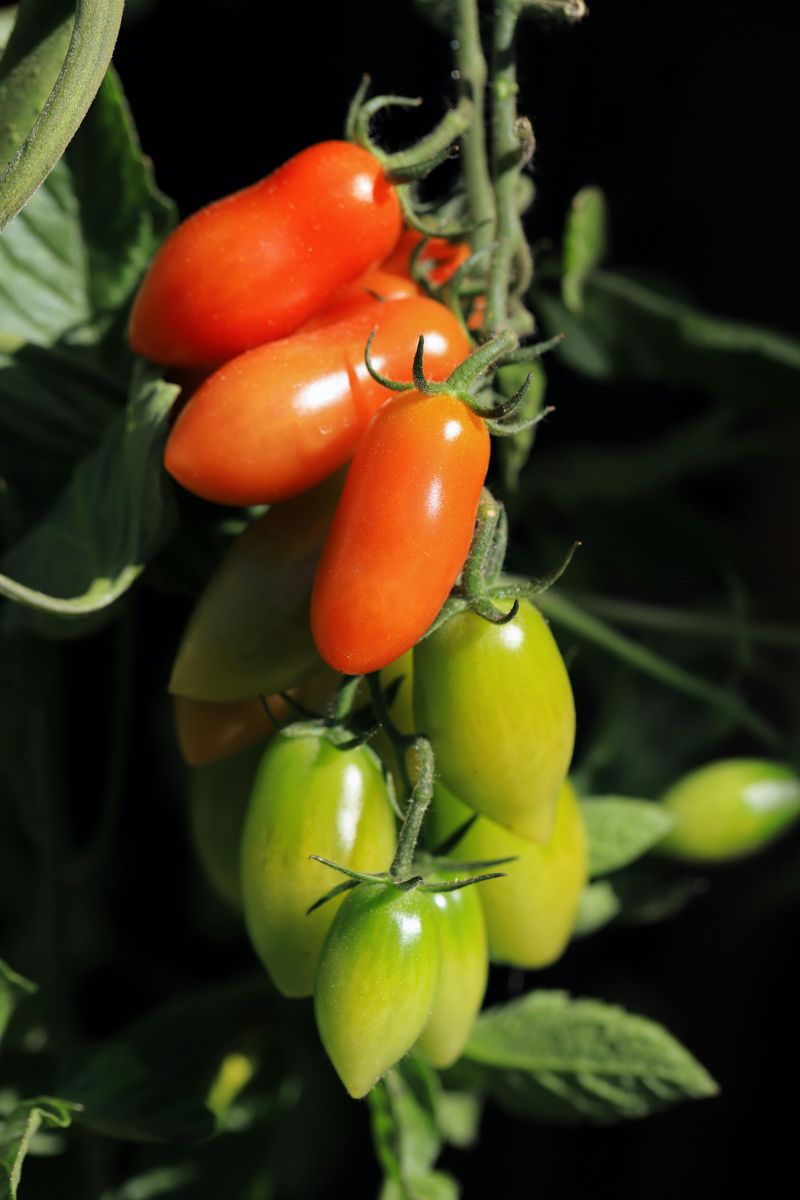
Juliet is the plant that makes a first-time gardener look like they’ve been doing this their whole life.
It’s a hybrid grape tomato that won an All-America Selections award, and one look at a fully loaded plant explains exactly why.
The small, elongated fruits grow in massive clusters and ripen in about 60 days, making them an excellent fit for short northern seasons.
Juliet’s crack resistance is one of its most practical features.
When summer rains come hard and fast, other varieties split open and rot before you can pick them.
Juliet holds together beautifully, staying firm and fresh on the vine even after heavy rainfall.
The flavor is sweet and rich with just enough acidity to keep things interesting.
Fantastic roasted, tossed in pasta, or eaten warm right off the vine on a sunny afternoon, Juliet earns its place in the garden every single year.
The plants are indeterminate and can get quite tall, so plan for a solid support structure before planting.
Wet summers don’t rattle Juliet. It powers through the upper Midwest’s worst weather and keeps producing anyway.
Sub-Arctic Plenty
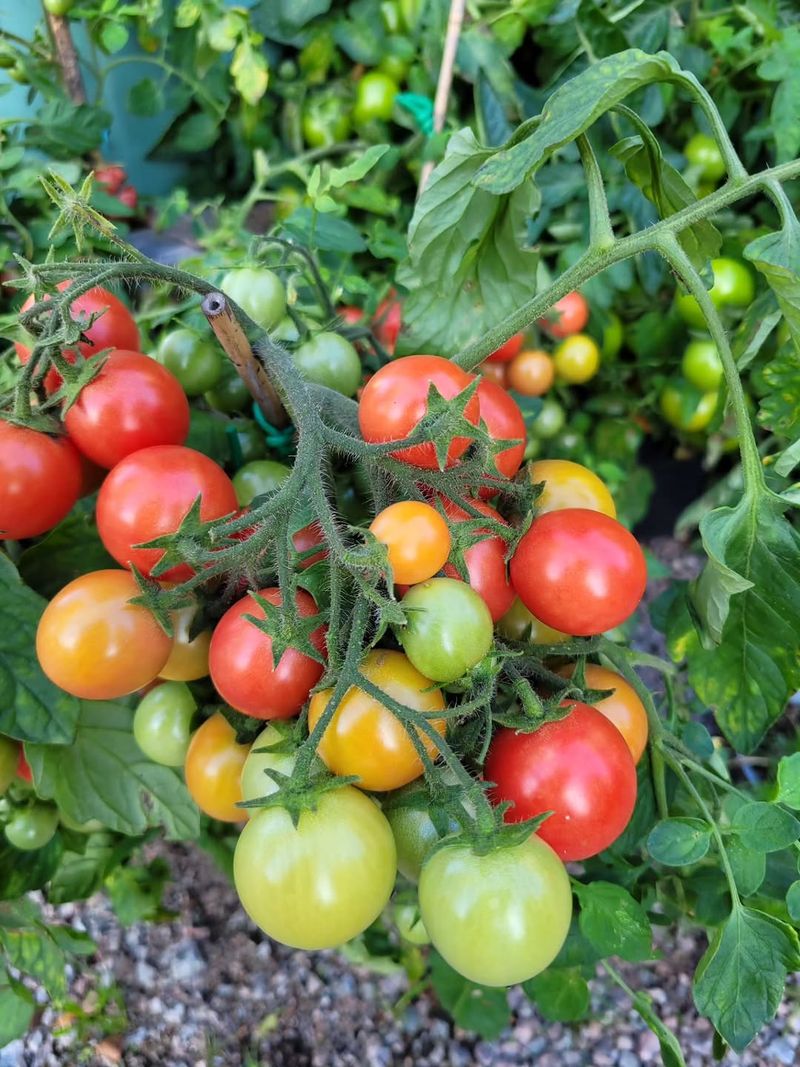
If Stupice is fast, Sub-Arctic Plenty is faster.
Developed in Canada specifically for short, cold growing seasons, this variety ripens in as few as 45 days from transplant. That makes it one of the earliest producing varieties you can find anywhere.
The fruits are small to medium, round, and bright red with a clean, straightforward flavor that works well fresh or cooked.
Don’t expect the complex depth of an heirloom, but do expect reliability when nothing else has ripened yet.
The plants stay compact and bushy, which makes them easy to manage in raised beds or containers.
They set fruit in cool temperatures that would stall most other varieties, and they keep producing steadily right up until frost.
For Minnesota gardeners who want the earliest possible harvest, Sub-Arctic Plenty delivers before almost anything else in the garden is ready.
It’s not the showiest variety on this list, but when it’s the only ripe fruit in the garden in early July, nobody’s complaining.
Taxi
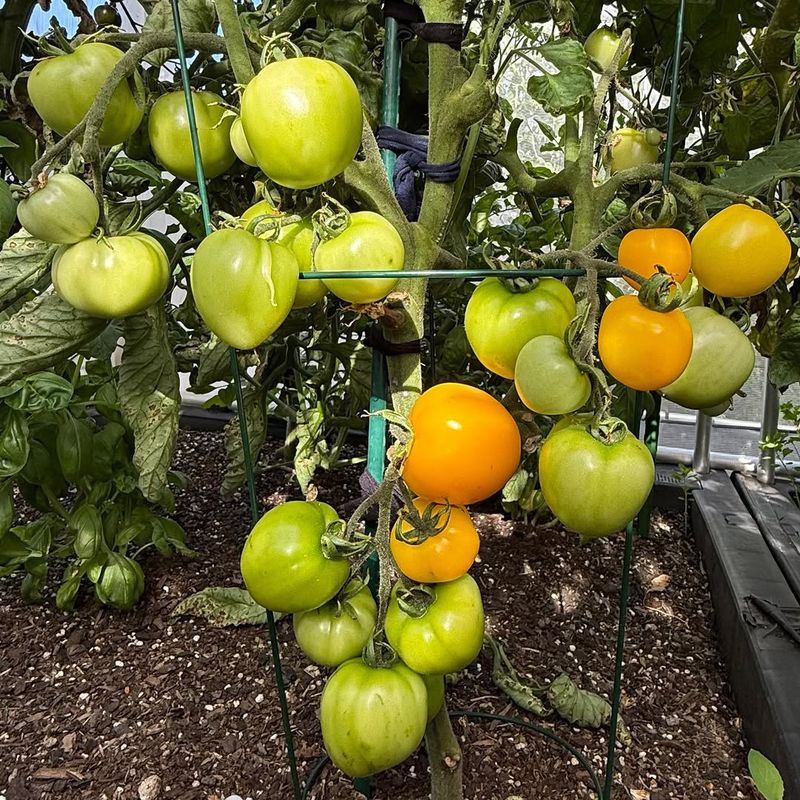
Bright yellow, cheerful, and ready to harvest faster than most, Taxi tomato brings a burst of color and sweetness to the northern garden that feels almost tropical.
The fruits are round, smooth, and vivid yellow, ripening in about 64 days from transplant.
That timeline works well within the Minnesota growing season, leaving enough buffer before the first frost to enjoy a full harvest.
Taxi is a determinate variety, which keeps the plant at a manageable height and concentrates the harvest into a focused window.
The flavor is mild and sweet with very low acidity, making it a favorite among people who find red varieties too sharp or tangy. Kids tend to love this one for exactly that reason.
The yellow color adds a vivid contrast in salads and on serving platters.
Because it’s determinate, Taxi is a solid choice for gardeners who want to preserve or pickle their harvest, since the fruits come in all at once.
These varieties prove that northern gardeners don’t have to settle for less.
Taxi is a bright, bold reminder that great tomatoes grow anywhere with the right variety and a little patience.