The Tree Disease Michigan Homeowners Should Know Before Pruning Oaks
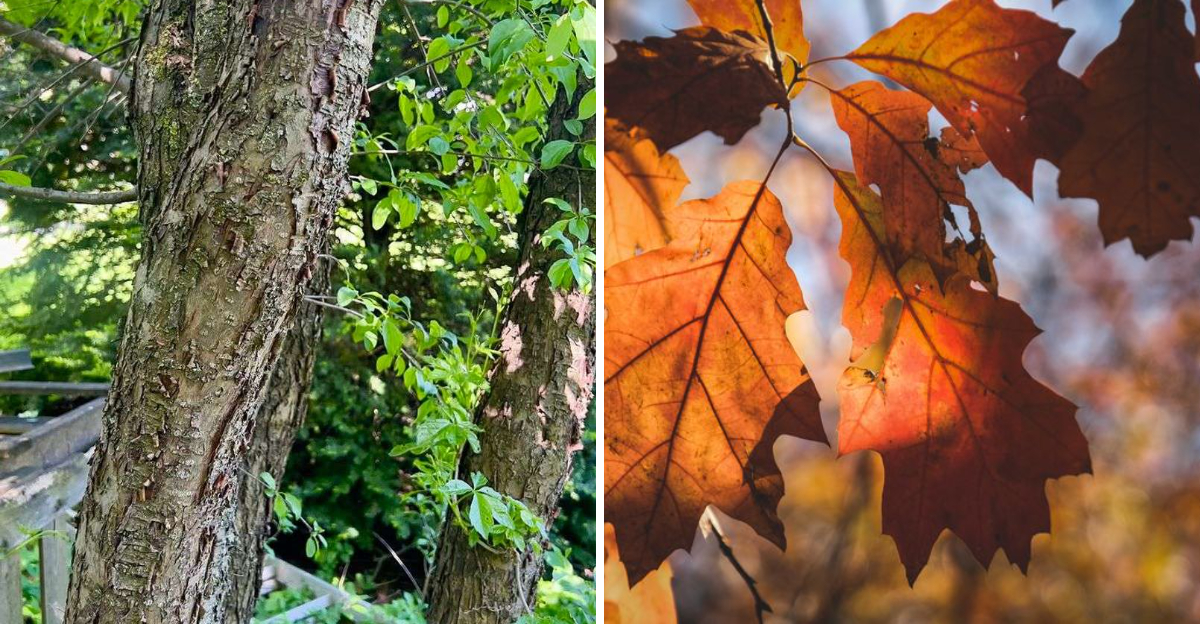
Oak trees are among the most valuable and long-lived plants on any Michigan property, and a disease moving through the state’s oak population can be transmitted directly through pruning cuts made at the wrong time of year.
Most homeowners have never heard of oak wilt, and many who have heard of it do not realize how quickly it can move through an otherwise healthy tree following an unknowing pruning decision made on a warm spring or summer day.
The fungal pathogen responsible for oak wilt is carried by specific beetles that are most active during exactly the periods when many homeowners feel motivated to get outdoor maintenance done.
Knowing this before picking up a saw changes everything about when and how Michigan oak pruning should happen.
1. The Invisible Threat To Michigan Oaks
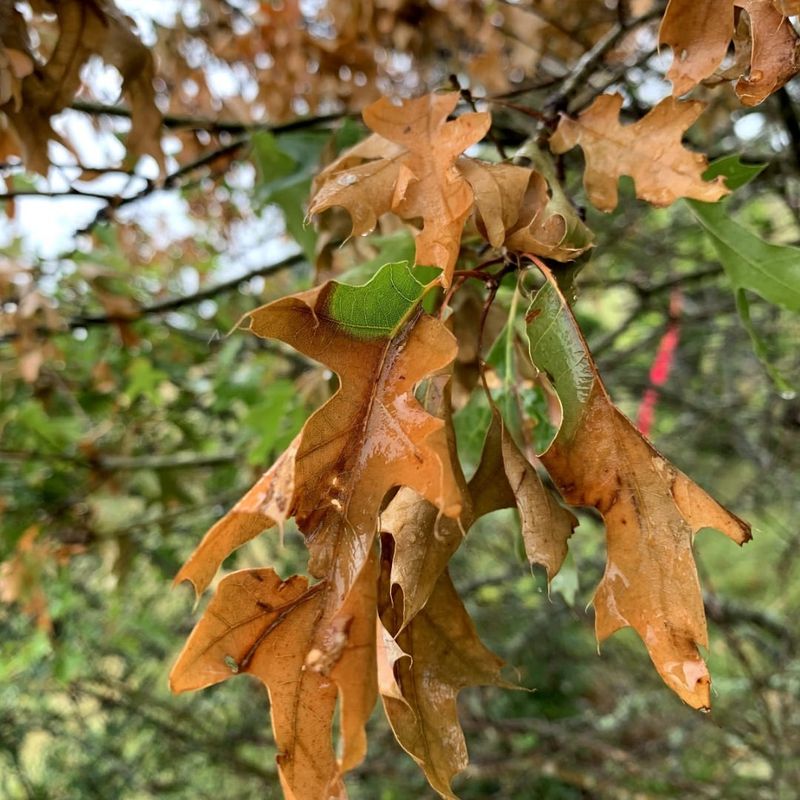
Every Michigan homeowner with an oak tree in the yard should get familiar with one name: oak wilt.
This disease is caused by the fungus Bretziella fagacearum, and it has the potential to seriously harm oak trees across the state.
Understanding what it is and how it spreads gives you a real advantage in protecting your trees before trouble starts. Oak wilt moves in two main ways.
It can travel underground through connected root systems between neighboring trees, or it can spread above ground when sap-feeding beetles carry fungal spores from an affected tree to a freshly pruned or wounded healthy one.
That second pathway is exactly why pruning timing matters so much for Michigan homeowners. When you prune an oak tree, fresh cuts release a scent that attracts these beetles.
If those beetles happen to be carrying oak wilt spores from a nearby affected tree, your healthy oak could become infected through that open wound.
The good news is that this risk is largely manageable when you understand how the disease works.
Knowing your enemy is the first step toward keeping your oak trees strong, beautiful, and thriving for many years to come.
2. April 15 To July 15 Is The Main Pruning Warning Window
Mark those dates on your calendar right now. Michigan officials and forestry experts consistently warn homeowners to avoid pruning oak trees between April 15 and July 15.
This window covers the period when conditions are most favorable for oak wilt to spread, making it the riskiest time of year to make fresh cuts on any oak tree.
During these warmer spring and early summer months, sap-feeding nitidulid beetles are highly active and searching for fresh wounds on trees.
At the same time, oak wilt fungal mats may be producing spores on recently affected trees nearby.
When both of those factors overlap, the chance of spores hitching a ride from an infected tree to your healthy oak goes up significantly.
Waiting until after mid-July lowers the risk, but the absolute safest approach is to plan your pruning for late fall or winter.
Michigan State University Extension and the Michigan Department of Natural Resources both support this advice.
If a storm or accident forces you to prune or cut a branch during the warning window, painting the wound immediately with a tree wound sealant is a commonly recommended precaution.
Your Michigan Garden Changes Every Week. Your Plan Should Too.
Gardening in Michigan changes quickly throughout the season. Every Friday you’ll receive a simple weekly plan showing exactly what to plant, prune, fertilize, harvest, and protect so you never miss the right timing.
Taking the timing seriously is one of the simplest and most effective ways to protect your oak trees every single season.
3. Fresh Cuts Can Attract Sap Feeding Beetles
Picture this: you trim a branch off your oak tree on a warm May afternoon, and within hours, tiny beetles are already investigating that fresh cut.
Sap-feeding nitidulid beetles are naturally drawn to the sweet smell of fresh tree wounds, and that instinct is exactly what makes pruning timing so important when it comes to oak wilt.
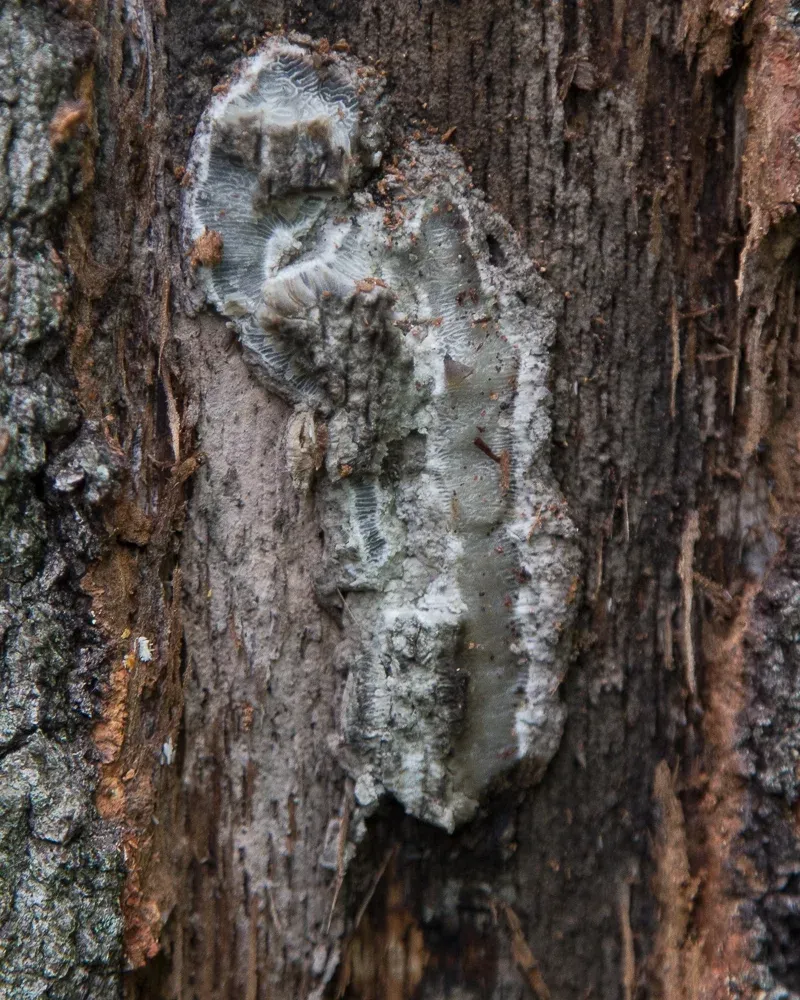
These beetles are small, but the role they play in spreading oak wilt is significant. When a beetle visits an oak wilt-infected tree, it can pick up spores from the fungal mat beneath the bark.
Then, if that same beetle travels to a nearby healthy oak and finds a fresh pruning cut, it can deposit those spores directly into the wound. The tree has no natural defense against this kind of direct spore delivery.
The risk is highest during spring and early summer when beetle populations are most active and fresh cuts are most attractive.
Older, healed wounds are far less appealing to these beetles, which is why allowing cuts to dry and seal naturally over time reduces the danger.
Homeowners who understand this connection between beetles, wounds, and fungal spores are much better equipped to make smart decisions about when and how to prune their oak trees throughout the growing season.
4. Winter Pruning Is Usually The Safer Choice
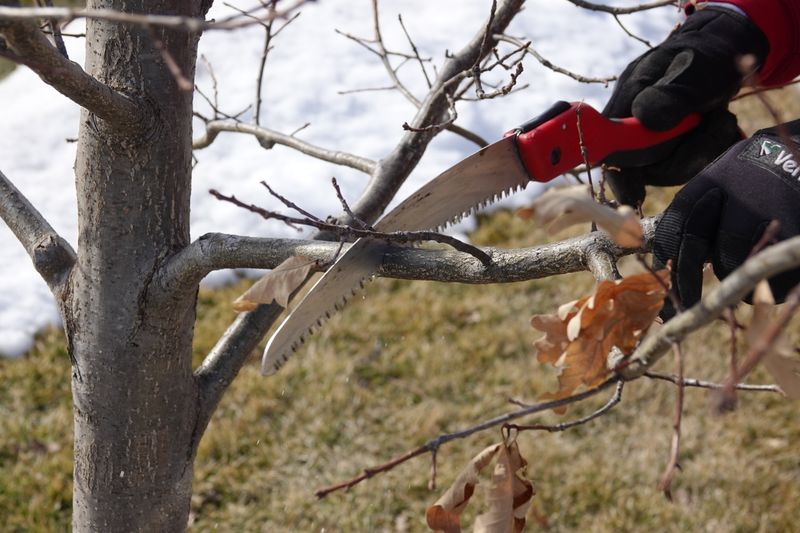
Winter might not feel like the obvious season for tree work, but for Michigan oaks, it is actually the best time to get pruning done.
Once temperatures drop and trees go dormant, the risk of oak wilt transmission drops right along with them.
Sap-feeding beetles are far less active in cold weather, and the fresh-cut scent that attracts them is much weaker when a tree is dormant.
Pruning during dormancy also gives oak trees a natural advantage heading into spring.
Without foliage to support, the tree puts energy into root health and structure, which helps it respond more vigorously when the growing season begins.
Many arborists actually prefer winter work for this reason, noting that clean dormant-season cuts tend to compartmentalize well as the tree wakes up in spring.
One practical tip worth keeping in mind: winter arborist appointments can fill up faster than you might expect.
Homeowners who wait until November to start calling around may find their preferred tree service fully booked.
Scheduling your winter pruning consultation in late summer or early fall gives you the best chance of locking in a convenient appointment time.
Planning ahead is a small effort that pays off in both peace of mind and healthier oak trees. A little foresight now goes a long way toward protecting your trees for decades ahead.
5. Red Oaks Need Extra Attention
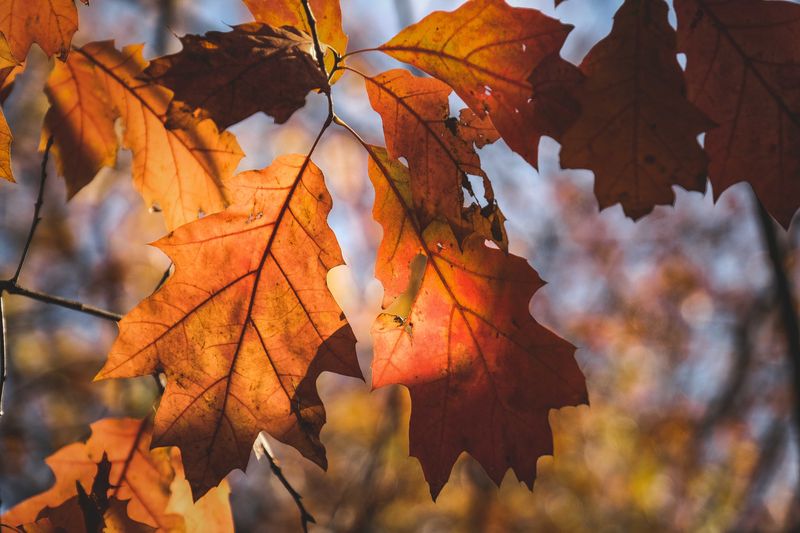
Not all oaks respond to oak wilt the same way, and Michigan homeowners with red oak family trees should pay especially close attention.
Northern red oak, black oak, and northern pin oak all belong to the red oak group, which is identified by leaves with pointed tips.
These trees are significantly more vulnerable to oak wilt than their white oak relatives, and the disease can progress quickly once established.
One of the most striking things about oak wilt in red oaks is how fast symptoms can appear and develop.
A tree that looked perfectly healthy in spring may show serious wilting and leaf loss by midsummer.
Because the disease can move so aggressively through red oaks, early awareness and careful pruning practices make a real difference in protecting these trees.
If you are not entirely sure what kind of oak you have growing in your yard, it is worth taking the time to identify it before making any pruning plans.
A simple leaf check can tell you a lot. Pointed leaf tips typically indicate a red oak group member, while rounded leaf edges suggest a white oak group tree.
Local cooperative extension offices, tree identification apps, or a certified arborist can all help you confirm your tree species so you can approach pruning with the right level of care and the right timing.
6. White Oaks Are Not Risk Free
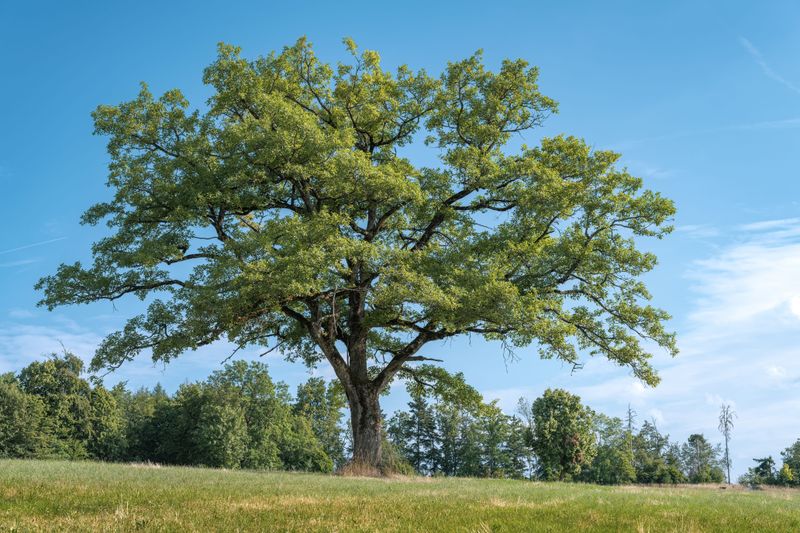
There is a common assumption among homeowners that white oaks are basically immune to oak wilt, and that assumption can lead to careless pruning decisions.
White oaks do tend to handle oak wilt differently than red oaks, and they often show a slower progression of symptoms.
But being more resistant is not the same as being completely safe, and treating white oaks as untouchable is a mistake.
Trees in the white oak group, which includes bur oak, swamp white oak, and chinkapin oak, have rounded leaf edges rather than pointed tips.
They produce tyloses, which are cell structures that can help slow the movement of the fungus through their vascular system.
This biological difference does give them a bit more natural protection, but it does not make them invincible.
White oaks can still be affected by oak wilt, and some individual trees may show more serious symptoms than others depending on their overall health, location, and local disease pressure.
The smarter approach is to treat all oaks with respect regardless of species.
Stick to recommended pruning timing, avoid unnecessary wounds during the warning window, and watch your trees carefully throughout the growing season.
Caution and consistent observation are always better than assuming your white oak is automatically out of danger just because of its species group.
7. Summer Leaf Drop Can Be A Warning Sign
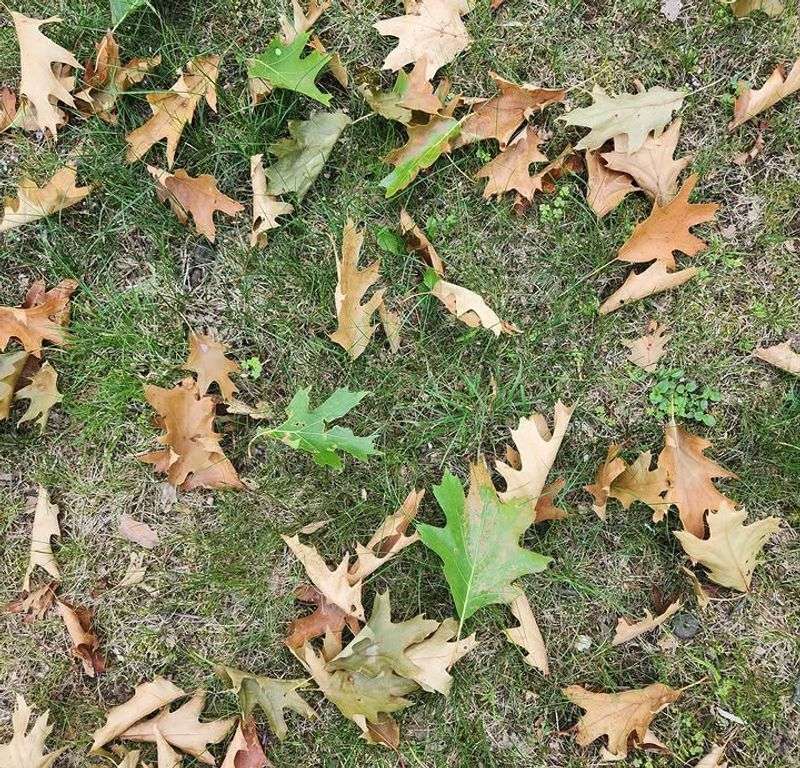
Something feels off when an oak tree starts dropping leaves in the middle of summer.
Healthy oaks hold their leaves from spring through fall, so any unusual leaf loss between late June and September deserves a closer look.
Oak wilt is one possible reason this can happen, and recognizing the visual signs early gives homeowners the best chance to respond wisely.
When oak wilt affects a tree, wilting often starts at the top of the canopy and works its way downward.
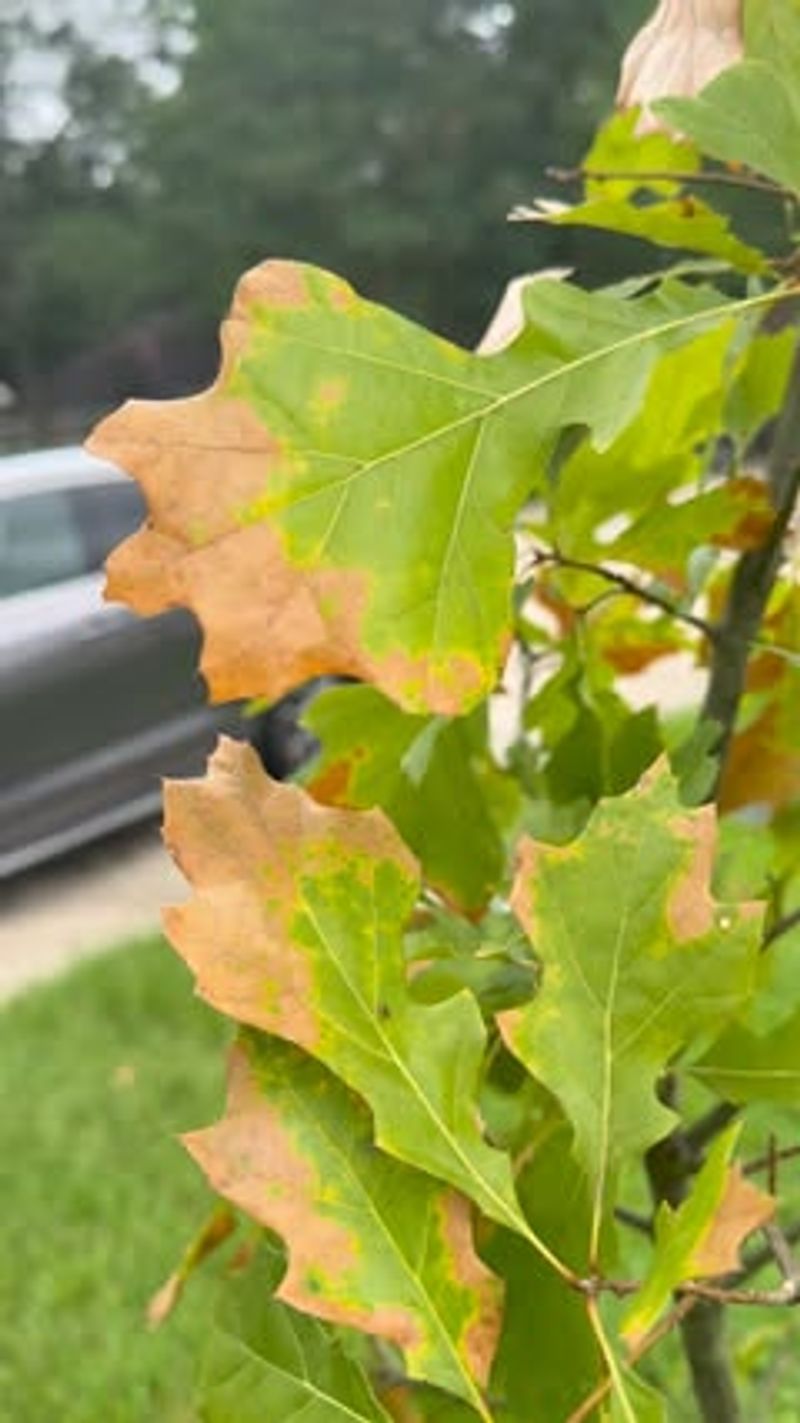
Leaves may turn brown from the tips or edges inward, and some may still show patches of green even as they drop.
This mixed coloring, with leaves that are partly green and partly brown at the same time, is a pattern that arborists and plant pathologists often associate with oak wilt in red oak group trees.
Seeing these signs does not automatically confirm oak wilt, though. Several other issues including drought stress, root problems, and certain insects can produce similar-looking symptoms.
That is why it is so important not to jump to conclusions or spend money on major tree work before getting a proper diagnosis.
Reaching out to a certified arborist, your local Michigan DNR forestry office, or Michigan State University Extension is the right first step when something looks wrong with your oak during the summer months.
8. Firewood Can Move Oak Wilt To New Areas
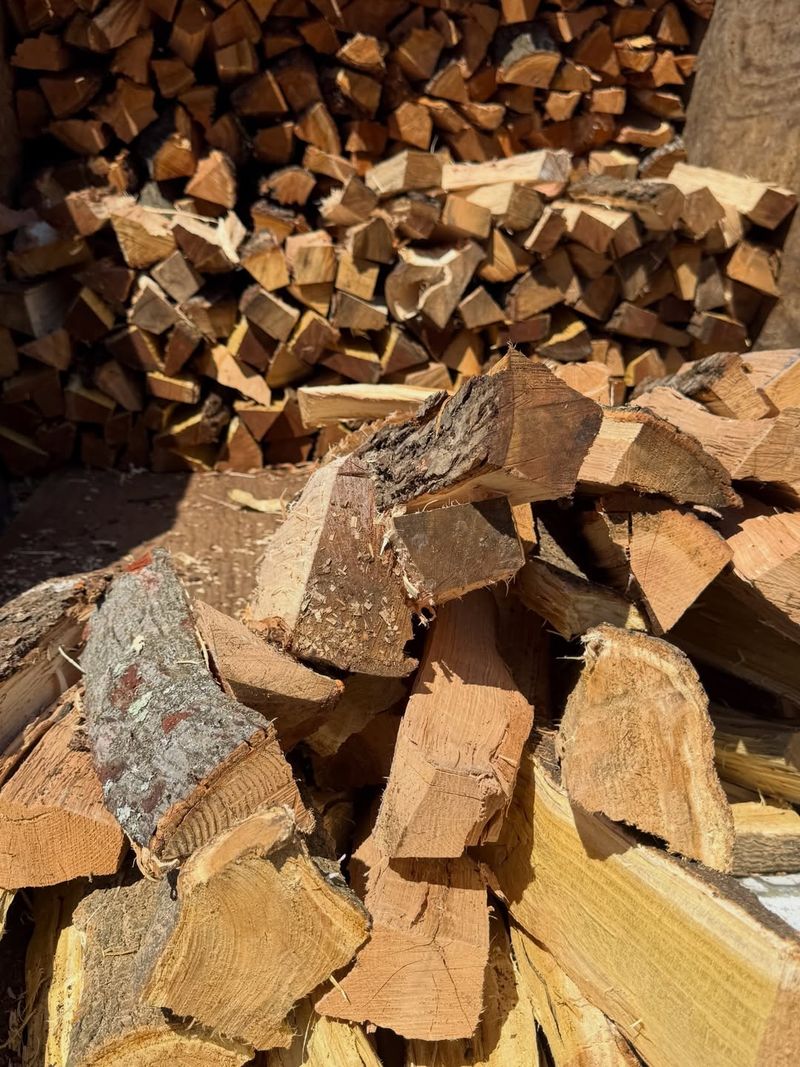
Most people think of oak wilt as a tree-to-tree problem, but firewood is actually one of the sneaky ways this disease can show up somewhere new.
When oak wood from an affected tree is cut and moved to another location, the fungus can travel right along with it.
This is especially worth knowing for Michigan homeowners who prune oak trees, clean up storm-fallen branches, or store firewood on their property.
The risk is highest with wood that still has bark attached, since oak wilt fungal mats can develop under the bark of recently affected trees.
Beetles that visit this wood can then carry spores to healthy oaks in the new location.
Using firewood locally, meaning close to where it was cut, is one of the most practical ways to reduce this risk and prevent the disease from spreading into areas where it has not yet appeared.
If you have oak wood on your property that you suspect came from an affected tree, covering it with clear plastic and allowing it to sit through the summer can help.
The heat that builds up under the plastic can reduce the viability of fungal material over time. Splitting the wood and allowing it to dry fully also helps.
These are simple steps, but they reflect a responsible approach to managing oak materials in a way that protects the broader community of oak trees around you.
9. Expert Confirmation Matters Before Big Decisions
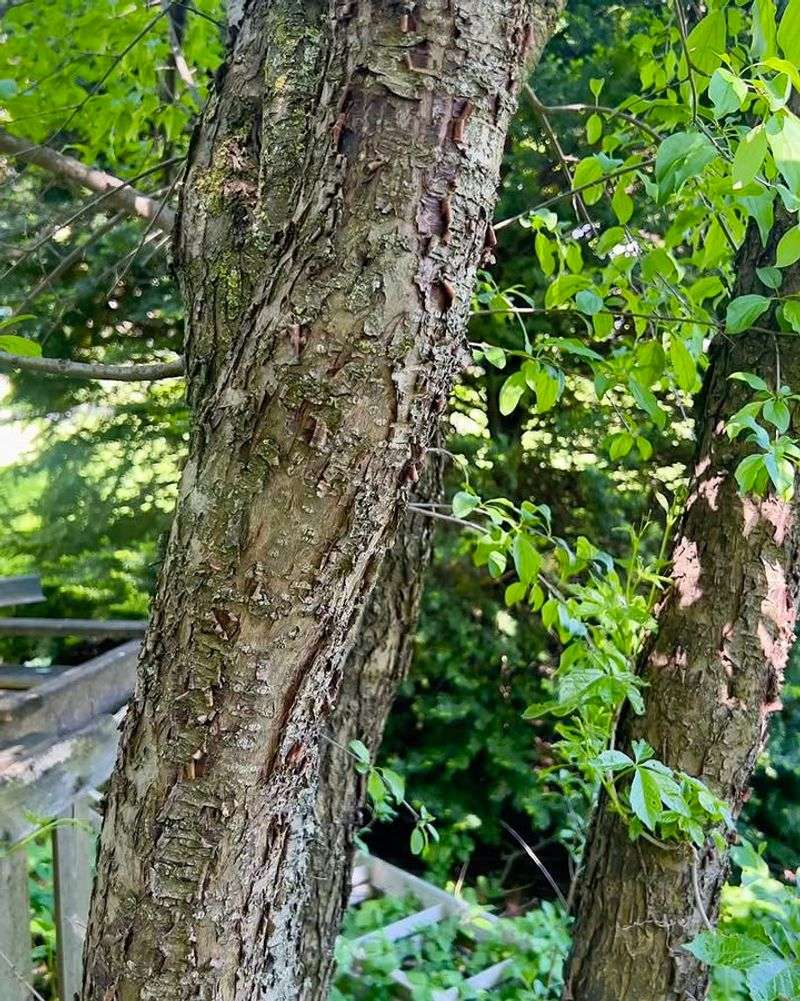
Suspecting oak wilt is stressful, but guessing is never the right approach when it comes to your trees.
Oak wilt shares visual symptoms with several other conditions, including drought stress, bacterial leaf scorch, and certain fungal issues, so what looks like oak wilt from the yard might turn out to be something else entirely.
Getting a proper confirmation before taking major action protects both your trees and your wallet. Michigan homeowners have several solid resources available to them.
The Michigan Department of Natural Resources has forest health specialists who can help assess suspected oak wilt cases.
Michigan State University Diagnostic Services offers laboratory testing for plant disease samples, including oak issues.
A certified arborist with experience in oak wilt can also conduct an on-site evaluation and help you understand what you are actually dealing with before any significant work begins.
Acting on a confirmed diagnosis is always smarter than reacting to a hunch.
If oak wilt is confirmed, a specialist can walk you through management options including fungicide treatments for high-value trees, or root disruption methods to prevent underground spread to neighboring oaks.
If the diagnosis turns out to be something else, you may find a much simpler and less costly solution.
Either way, working with knowledgeable professionals gives you accurate information, a clear plan, and real confidence in whatever decision you make next for your oak trees.