What New Hampshire Gardeners Should Do When Rainfall Falls Two Months Short
Two months without enough rain, and New Hampshire gardens start to crack, sometimes literally. The soil pulls away from the edges of beds, leaves curl inward by noon, and plants that looked fine last week suddenly look like they’re giving up.
A dry stretch this long isn’t just uncomfortable for your garden; it changes how everything in it behaves. Roots chase moisture deeper, weeds outcompete slower-growing plants, and one wrong move with the hose can do more harm than good.
The fix isn’t watering more, it’s watering smarter, pulling the right weeds at the right time, and knowing which plants need your attention first. Miss the window now, and you’ll be replanting come fall.
1. Check Your Soil Before You Water
Your instinct says water everything now. But watering without checking the soil first is like filling a glass that is already full.
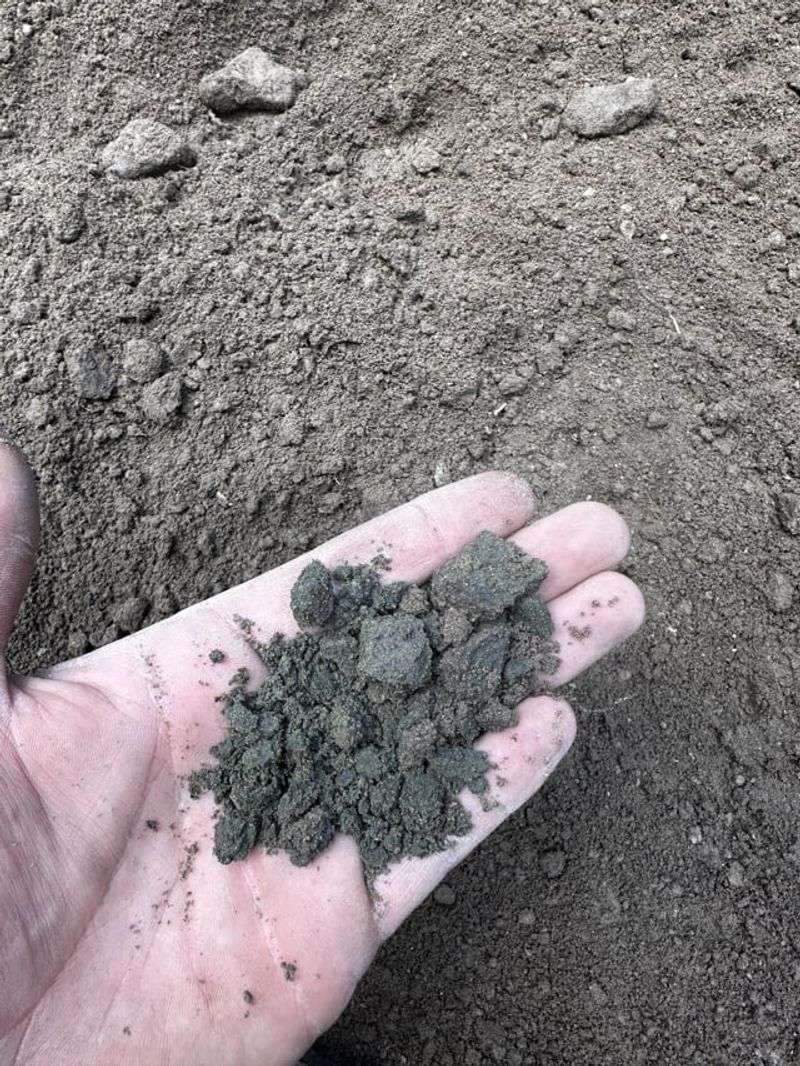
Push your finger about two inches into the ground near your plants. If the soil feels moist at that depth, skip watering for today.
Dry on top does not always mean dry below. Surface soil dries out fast in heat, but deeper layers often hold moisture longer than you think.
A simple wooden chopstick works great as a moisture probe. Push it six inches deep, pull it out, and check if soil clings to it.
Soil type matters a lot here. Sandy soils drain fast and dry out quickly, while clay soils hold water longer but can suffocate roots when compacted.
Knowing your soil type helps you water smarter. New Hampshire gardens often have a mix of both, especially in older yards with heavy clay near the surface.
Grab a small handful of moist soil and squeeze it. If it holds its shape and crumbles slowly, your soil structure is still healthy enough to support roots.
Before you set up any hose or sprinkler, spend five minutes doing this simple check. That small habit can save gallons of water every single week during a dry stretch.
When rainfall falls two months short, every drop counts. Checking your soil first puts you in control of a situation that can feel overwhelming fast.
2. Water Deeply And Less Often
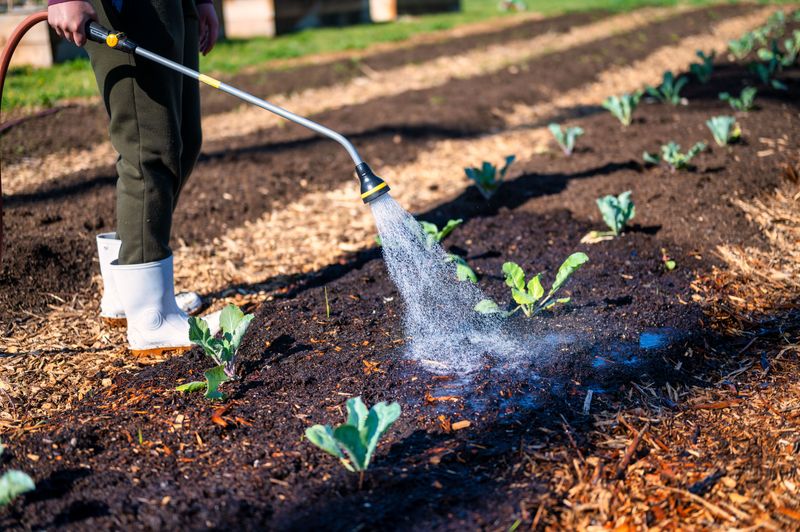
Image Credit: © Alfo Medeiros / Pexels
Shallow watering is one of the biggest gardening mistakes during a drought. It trains roots to stay near the surface, where heat and dry air do the most damage.
Deep watering typically pushes moisture down six to eight inches into the ground. Roots follow the water, growing deeper and becoming far more drought-resistant over time.
Water your garden slowly for a longer period rather than blasting it quickly. A soaker hose or drip system delivers water right at the root zone without waste.
Watering in the early morning is the best time of day. Cooler temperatures mean less evaporation, and leaves dry out before evening, reducing the risk of mold or fungal issues.
Try to water each plant zone just two or three times per week. Consistent deep soaks beat daily light sprinkles when conditions get tough.
Your New Hampshire Garden Changes Every Week. Your Plan Should Too.
Gardening in New Hampshire changes quickly throughout the season. Every Friday you’ll receive a simple weekly plan showing exactly what to plant, prune, fertilize, harvest, and protect so you never miss the right timing.
A simple rain gauge placed in your yard helps you track how much water your New Hampshire garden is getting. It removes the guesswork and helps you stay consistent.
Check the gauge after each watering session and keep a loose log. Aim for about one inch of water per week for most vegetables and flowers in your beds.
When rainfall falls two months short, your watering schedule becomes your garden’s lifeline. Deep, infrequent watering builds stronger, more resilient plants that can handle the stress of a long dry spell.
3. Prioritize Newly Planted Trees And Shrubs First
Young trees and shrubs are the most vulnerable plants in your yard during a dry stretch. Their root systems have not spread far enough yet to find moisture on their own.
Established plants have years of deep root growth working in their favor. A newly planted shrub from last spring does not have that advantage and needs your direct attention.
Focus your limited water supply on plants installed within the last one to two years. These are the ones most likely to suffer permanent damage during a prolonged dry period.
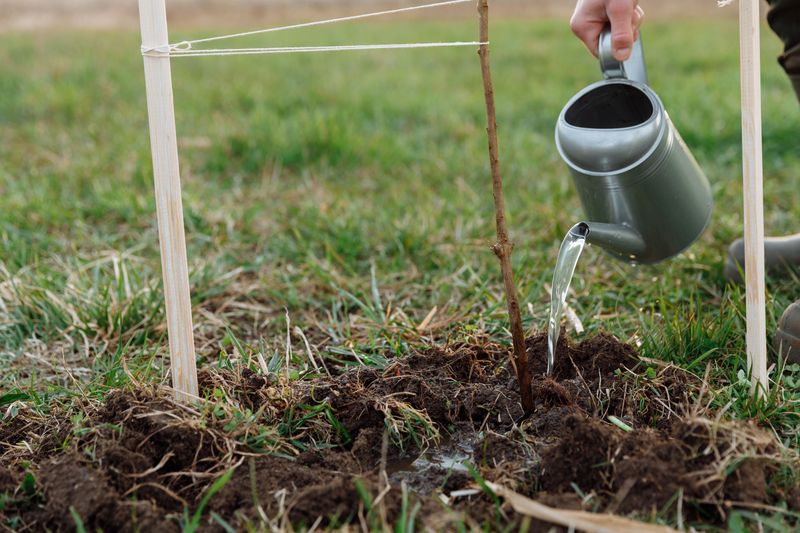
Water newly planted trees slowly at the base, not from overhead. Letting water trickle in for ten to fifteen minutes allows it to soak deep into the root ball.
A simple trick is to place a five-gallon bucket with a small hole in the bottom next to the trunk. It drips slowly and steadily right where the roots need it most.
Avoid watering the foliage of stressed plants. Wet leaves in hot sun can actually scorch, adding more stress to a plant already struggling with drought conditions.
Check the soil around each new planting separately. Even in the same yard, one spot can be bone dry while another stays moist due to shade or soil differences.
Saving a young tree now means decades of shade, beauty, and value for your property. When rainfall falls two months short, these plants deserve the first bucket every single morning.
4. Pull Weeds Before They Steal More Moisture
Weeds are not just ugly. During a drought, they are actively competing with your plants for every last drop of moisture in the soil.
A single dandelion has a taproot that can reach up to twelve inches deep. That root is pulling water from the same zone your vegetables and flowers depend on to survive.
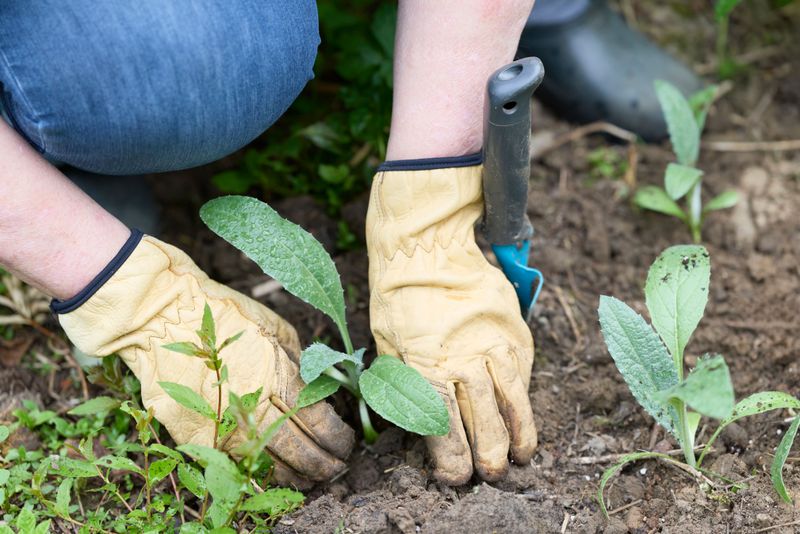
Pulling weeds early in the morning makes the job easier. Soil is slightly cooler and a bit more pliable, which helps you remove the entire root instead of snapping it off.
Leaving even a small piece of root behind means the weed grows back fast. Get the whole root out and toss it in a bucket rather than leaving it on the soil.
Focus first on weeds growing closest to your most valuable plants. Proximity matters because root competition is most intense within a foot or two of your garden beds.
Avoid tilling the soil deeply to remove weeds during a drought. Turning the soil exposes more moisture to evaporation and can damage shallow feeder roots on nearby plants.
Hand-pulling or using a narrow hoe works best when soil is dry. Slice the weed off just below the surface and let the sun finish it off above ground.
Keeping weeds out of your garden beds is one of the fastest ways to stretch your water supply further. Fewer competitors mean more moisture stays exactly where your plants need it most.
5. Add Mulch Around Your Plants
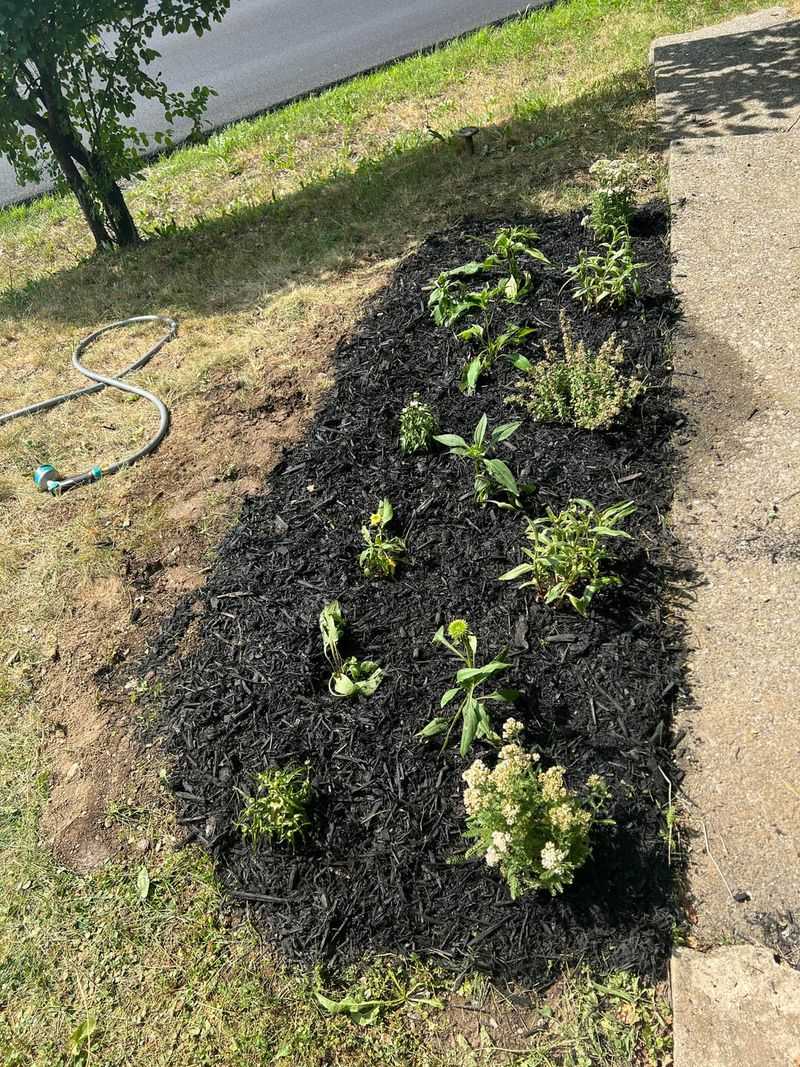
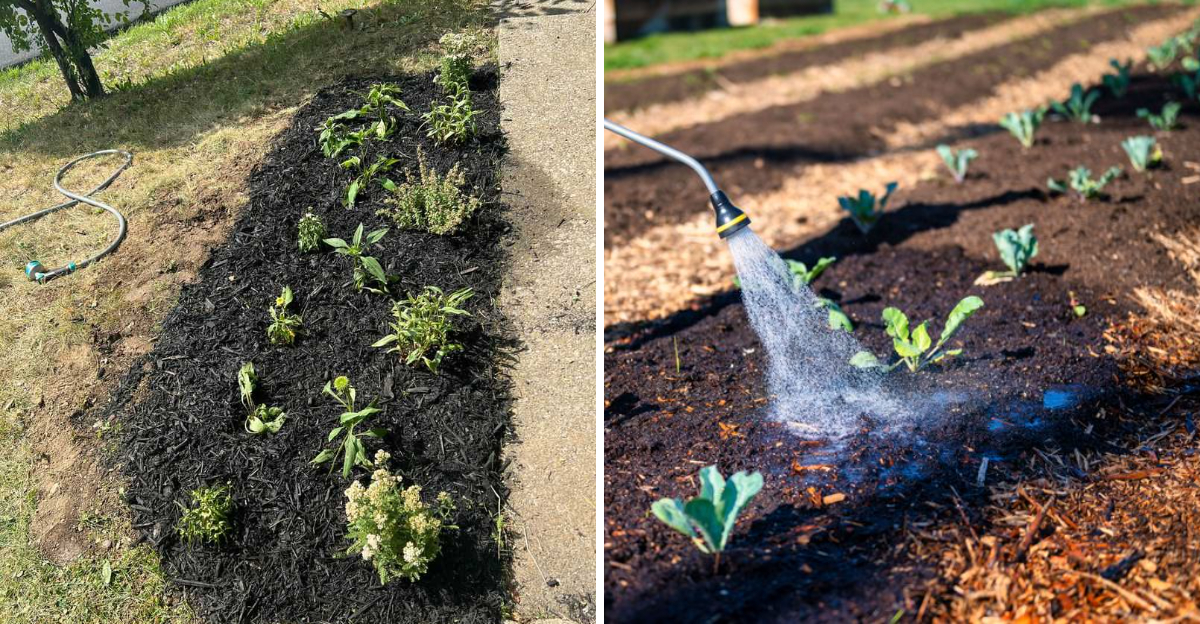
Mulch is one of the most powerful tools you have during a dry New Hampshire summer. A thick layer on top of your soil acts like a lid, trapping moisture before it evaporates.
Mulch can significantly reduce soil water loss, helping your soil stay moist far longer between waterings. During a dry stretch, that single layer of material can make a real difference for struggling plants.
Apply mulch two to three inches thick around your plants, keeping it a few inches away from each stem. Piling mulch directly against stems can trap moisture there and cause rot.
Wood chips, straw, shredded leaves, and pine needles all work well as mulch materials. Each type breaks down at a different rate and adds organic matter back into the soil over time.
Darker mulch absorbs heat and can warm the soil in spring, which is helpful early in the season. In peak summer heat, lighter-colored straw reflects some sunlight and keeps the ground a bit cooler.
Mulch also suppresses weed growth, which means less competition for moisture. You get two major drought-fighting benefits from one single afternoon of spreading material around your beds.
Reapply mulch mid-season if it has thinned out or decomposed. A layer that starts at three inches can shrink to one inch after a few weeks of heat and foot traffic.
Think of mulch as free insurance for your garden. Once it is down, it works around the clock to protect your soil without any extra effort from you.
6. Skip Fertilizing Until Rain Returns
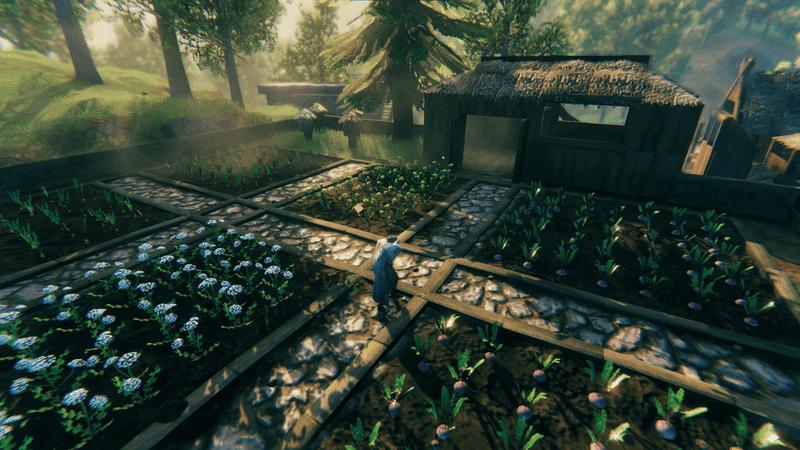
Fertilizing during a drought sounds helpful, but it can actually make things worse. Plants under drought stress are not actively growing, so they cannot absorb nutrients the way they normally would.
Unused fertilizer salts build up in dry soil around the roots. That salt concentration draws moisture out of the roots instead of feeding the plant, causing even more stress.
Think of it this way: you would not give a sick person a heavy meal when their body is already struggling. Your plants need water and rest right now, not a nutrient boost.
Granular fertilizers are especially risky during dry spells. Without enough water to dilute and carry nutrients into the soil, they can sit on the surface and burn exposed roots.
Liquid fertilizers are slightly safer during drought, but still not ideal. Even a diluted liquid feed can push a stressed plant into a growth phase it does not have enough water to support.
Hold off on any fertilizing until you have had at least a week of regular rainfall or consistent deep watering. Let the soil stabilize before adding anything new to the mix.
Once rain returns, a light application of balanced, slow-release fertilizer helps plants recover. But patience is the real nutrient your New Hampshire garden needs most right now.
Skipping fertilizer during a dry stretch is not neglect. It is smart, targeted care that protects your plants when rainfall falls two months short of what they need.
7. Let Your Lawn Go Dormant
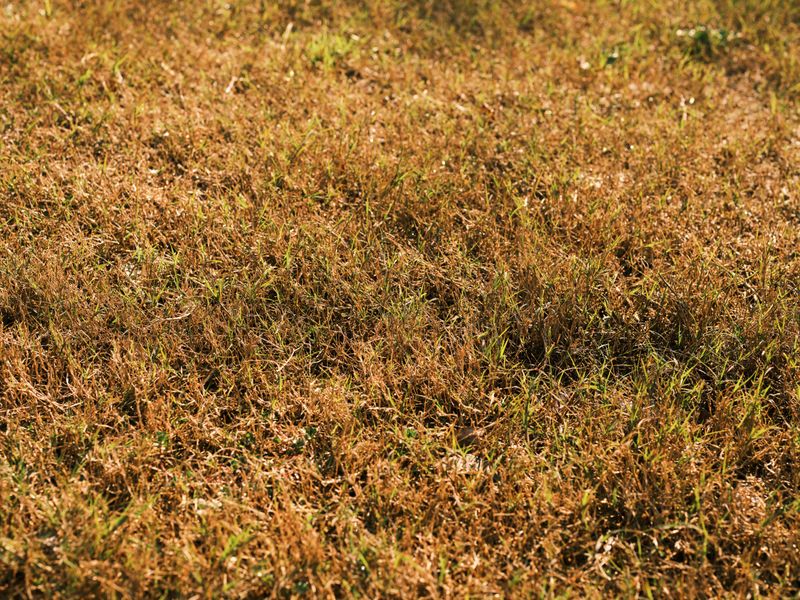
A brown lawn in August can feel alarming, but it is usually not a disaster. Most cool-season grasses in New England go dormant during heat and drought as a natural survival strategy.
Dormancy is the grass going into a kind of deep rest. The blades turn tan and dry, but the root crowns stay alive underground, ready to green back up when rain returns.
Trying to keep your lawn green during a serious drought wastes enormous amounts of water. That water is far better spent on your vegetable garden, fruit trees, or newly planted shrubs.
Stop mowing dormant grass. Mowing removes leaf tissue the plant needs to protect itself, and the stress of being cut can push a dormant lawn closer to permanent damage.
If you do water your lawn at all, give it about half an inch every two to three weeks. That minimal amount keeps the crown hydrated without encouraging new growth that needs more water.
Avoid heavy foot traffic on dormant grass. Walking repeatedly across the same dry paths compresses the crowns and can cause bare spots that are slow to recover even after rain.
Neighbors with lush green lawns in August are likely watering heavily every day. That approach is expensive, wasteful, and not actually better for the grass in the long run.
Trust the process and let nature take the lead. Most established lawns have survived dry summers before, and with minimal care, they bounce back once fall rains arrive.
8. Watch For Stress Signs In Your Plants
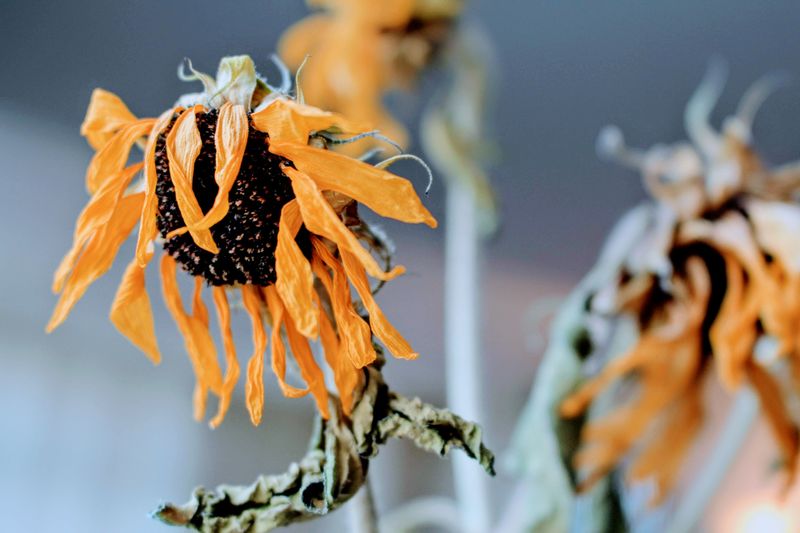
Plants cannot talk, but they are constantly sending signals. Learning to read those signals early can mean the difference between a plant that recovers and one that does not.
Wilting in the morning is a serious red flag. Plants often wilt in afternoon heat as a normal response, but morning wilt means the roots are not finding enough moisture at all.
Leaf curl is another common stress sign. Many plants curl their leaves inward to reduce the surface area exposed to sun, slowing down water loss through a process called transpiration.
Yellow leaves can point to drought stress, but they can also signal other issues. Check the soil moisture first before assuming the problem is purely a lack of rainfall.
Brown, crispy leaf edges often appear on plants that have been dry for too long. Once those edges show up, the plant has already been under stress for several days at minimum.
Fruit drop is a dramatic stress response you might see on tomatoes, peppers, or squash. When a plant cannot support both its own survival and fruit development, it drops the fruit first.
Flowering plants may stop blooming entirely during a drought. That is the plant redirecting all of its energy toward staying alive rather than producing seeds or attracting pollinators.
Catching stress signs early gives you the best chance to act in time. When rainfall falls two months short, your eyes are the most important tool in your entire gardening kit.