The Real Meaning Of A Blue Jay Visit To Your New Hampshire Yard
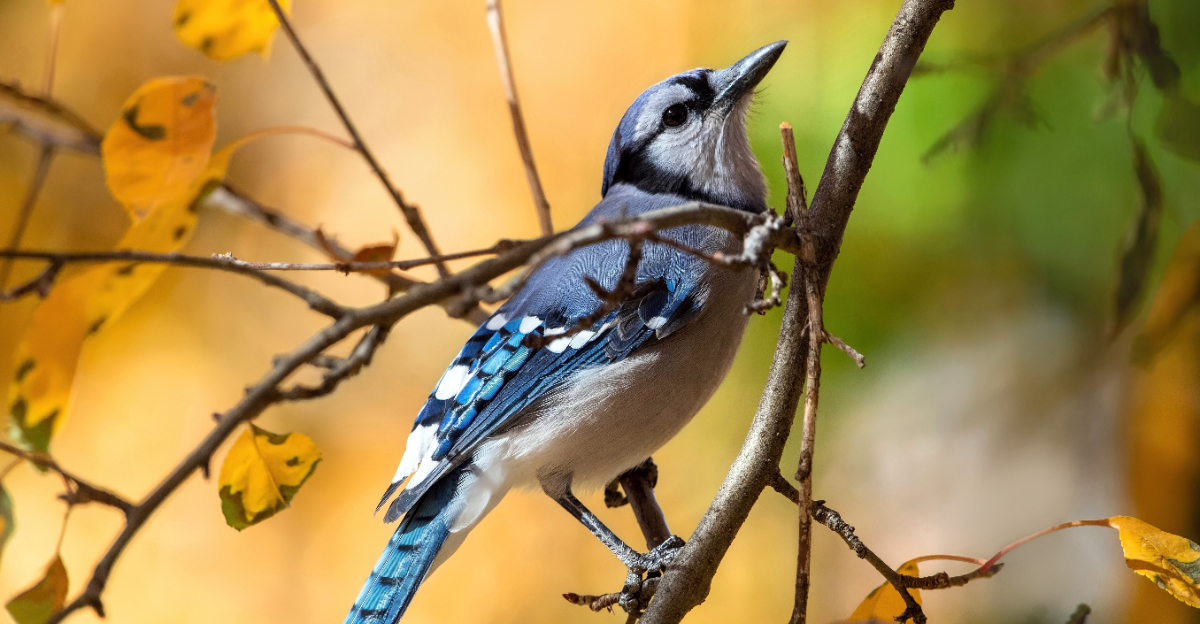
One second your yard is quiet. The next, a blue jay lands on your fence like it owns the place. These birds don’t sneak in. They arrive loud, sharp, and impossible to ignore.
New Hampshire yards attract all kinds of wildlife, but few visitors make an entrance like a blue jay. That flash of blue isn’t just pretty. It’s a signal.
Blue jays are intelligent, territorial, and deeply tied to the ecosystems they move through. When one picks your yard, there’s usually a reason.
Spot one perched on a branch or catch that sharp, piercing call cutting through the trees, and you’ll understand why these birds leave an impression. They’re not easy to forget.
Here’s what that visit is really telling you.
A Blue Jay Visit Carries A Message Worth Paying Attention To
Something shifts when a blue jay lands in your yard. These birds do not show up randomly, and paying attention to their presence can tell you a lot about your outdoor space.
In many cultures, a blue jay sighting is considered a sign of clarity and confidence. Some people believe the bird is nudging you to speak up or stay alert to changes around you.
Whether you follow that symbolism or not, there is no denying the bird commands attention. Its bold coloring and loud call make it impossible to ignore.
A real meaning of a blue jay visit to your New Hampshire yard could simply be that your space offers what the bird needs. Food, shelter, and safety all play a role in drawing them close.
Blue jays are also highly intelligent and remember locations where they found resources before. If one shows up, it likely scouted your yard and decided it was worth a return trip.
That is actually a compliment to your yard. It means you have created an environment that supports wildlife.
That connection between symbolism and reality is what makes blue jays so interesting. Most birds either capture your attention or serve a practical purpose. Blue jays do both at once.
Spiritually or practically, a blue jay visit invites you to slow down and observe. These birds carry messages written in behavior, not words, and every visit is worth reading carefully.
How to Identify A Blue Jay At A Glance
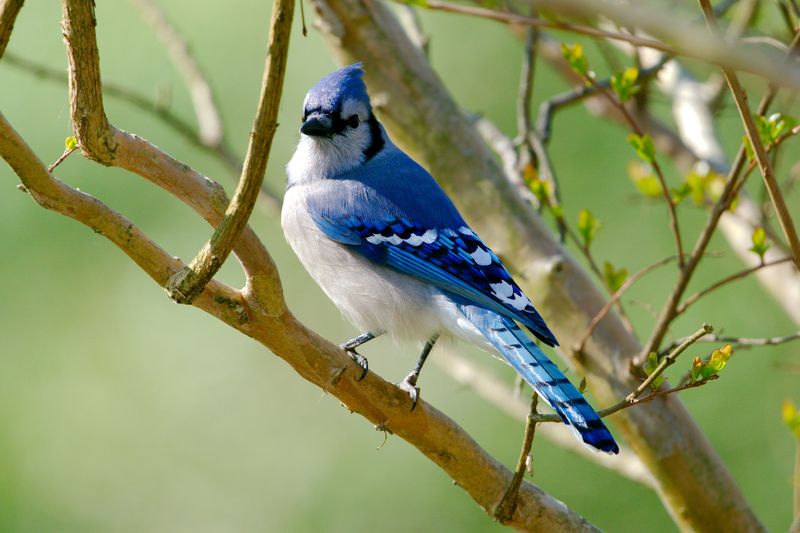
Spotting a blue jay for the first time feels like seeing a living jewel in your backyard. Their plumage is unmistakable, and once you know what to look for, you will never confuse them with another bird.
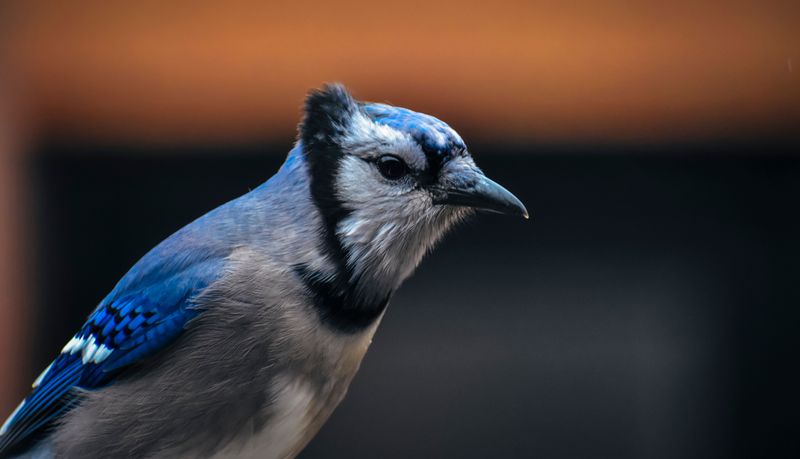
Blue jays have brilliant blue feathers on their wings, tail, and back. Their chest and belly are white or light gray, and a bold black necklace marking wraps around their throat.
One of their most distinctive features is the blue crest on top of their head. That crest rises when the bird is excited or alert and flattens when it feels calm or threatened.
They are medium-sized birds, roughly the size of a robin but stockier. Their wingspan stretches about 13 to 17 inches, which makes them easy to spot in flight.
Your New Hampshire Garden Changes Every Week. Your Plan Should Too.
Gardening in New Hampshire changes quickly throughout the season. Every Friday you’ll receive a simple weekly plan showing exactly what to plant, prune, fertilize, harvest, and protect so you never miss the right timing.
Male and female blue jays look nearly identical, unlike many other bird species where males are more colorful. Both sexes share the same striking pattern, which makes gender identification tricky without close observation.
Their bills are strong and thick, built for cracking open nuts and seeds. That sturdy beak is one clue that this bird is a serious forager.
Young blue jays look similar to adults but appear slightly duller in color. Within their first year, their feathers brighten up to match the bold adult look that makes this species so recognizable in New England yards.
Blue Jay Behavior And Personality Traits
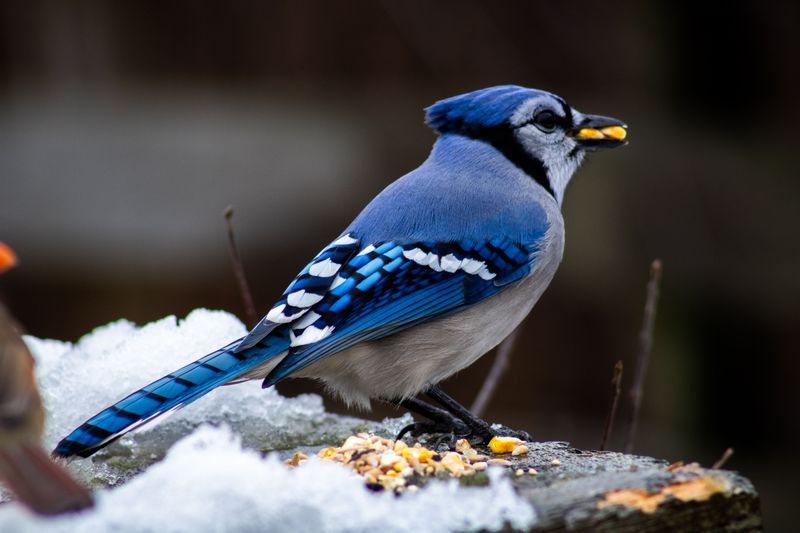
Blue jays have a reputation that walks into the yard before they do. Loud, bossy, and unapologetically bold, these birds own whatever space they occupy.
They are known to mimic the calls of hawks, which is a clever trick that scares off smaller birds from feeders. That gives the blue jay first access to food without a single feather ruffled in a fight.
Despite their tough exterior, blue jays are fiercely devoted to their families. Blue jays tend to form long-term pair bonds, and both parents take an active role in raising their young.
Their intelligence is on par with crows and ravens, two birds known for problem-solving skills. Blue jays are sharp observers and can pick up on patterns in human behavior over time.
They also cache food, meaning they bury seeds and nuts to retrieve later. A single bird can store thousands of acorns in a season, which shows impressive planning and memory.
Blue jays communicate through a wide range of calls, clicks, and whistles. Each sound carries a specific message, from warning calls about predators to softer sounds used between bonded pairs.
Some bird lovers find their assertive personality off-putting at first. But that boldness is just smart survival strategy. Once you see it that way, every blue jay visit becomes genuinely entertaining to watch.
What Draws Blue Jays To New Hampshire Yards
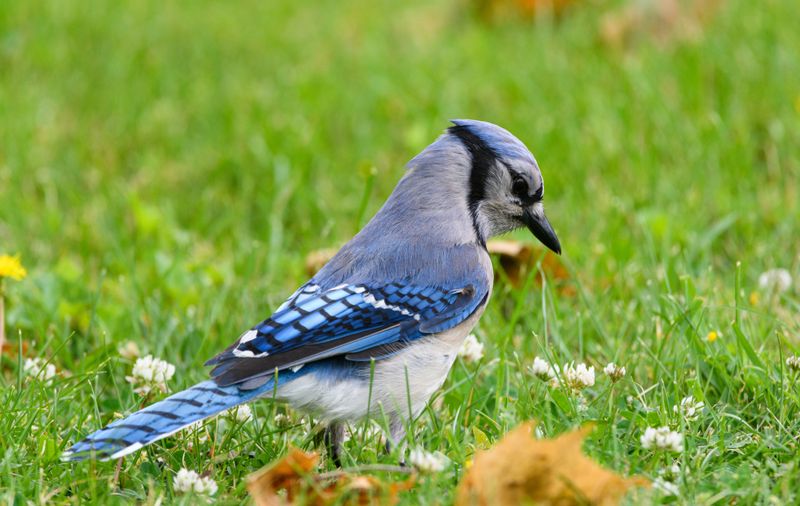
Your yard is not just a patch of grass to a blue jay. It is a carefully evaluated resource zone, and they only show up when something useful is on offer.
Oak trees are the biggest magnet for these birds in New England. Blue jays are obsessed with acorns, and a yard with mature oaks is basically a five-star restaurant in their world.
Beyond food, blue jays look for dense shrubs and tall trees that offer safe nesting spots. They prefer areas where they can watch for threats while staying hidden from predators.
Residential yards in New Hampshire often sit near forested edges, which makes them ideal hunting grounds for blue jays. That mix of open lawn and nearby woods gives the birds the best of both environments.
Water sources also draw them in. A birdbath or shallow dish kept clean and filled can be just as attractive as a full feeder.
Most blue jays in New Hampshire stay year-round, with some heading south in fall. That means a well-stocked yard can attract them in nearly every season.
If a blue jay keeps returning to your space, it has decided your yard meets its standards. That kind of repeat visit is a sign you have built something genuinely welcoming for local wildlife.
Blue Jay Diet And How To Attract Them To Your Yard
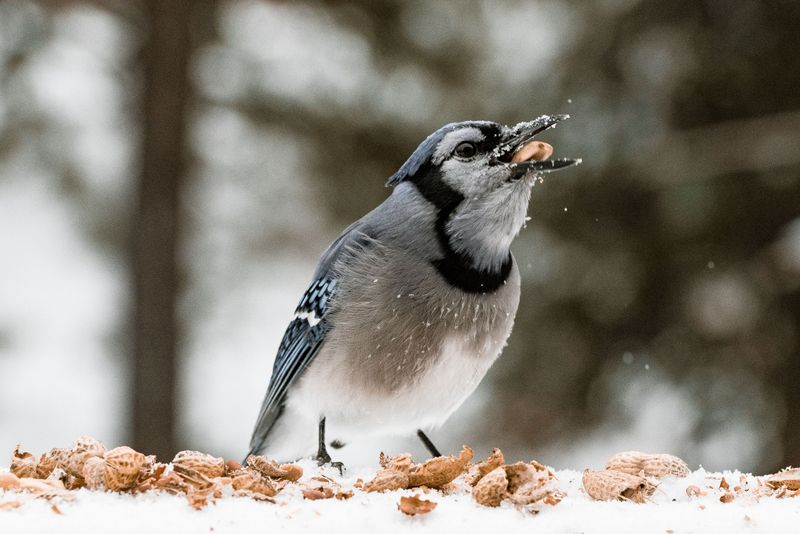
If you want blue jays showing up regularly, food is your most powerful tool. These birds are not picky, but they do have clear favorites that will bring them back again and again.
Acorns are at the top of their menu, and blue jays will travel far to find them. Planting or preserving oak trees in your yard is the single best long-term move you can make.
Peanuts in the shell are another crowd-pleaser that blue jays go absolutely wild for. Set out a platform feeder with whole peanuts and watch how fast they disappear.
Sunflower seeds, corn, and suet are also solid choices for attracting these birds. A tray feeder works better than a tube feeder since blue jays need room to land and maneuver their larger bodies.
Mealworms and berries round out their diet during warmer months. They also eat insects, which makes them natural pest controllers during spring and summer.
Avoid using feeders with small perches or narrow openings designed for smaller songbirds. Blue jays will quickly lose interest if they cannot access the food comfortably.
Keep feeders clean and placed near cover like shrubs or trees where the birds feel protected. A reliable food source changes everything.
That chance encounter becomes a daily backyard ritual you will genuinely look forward to each morning.
The Role Blue Jays Play In New Hampshire’s Ecosystem
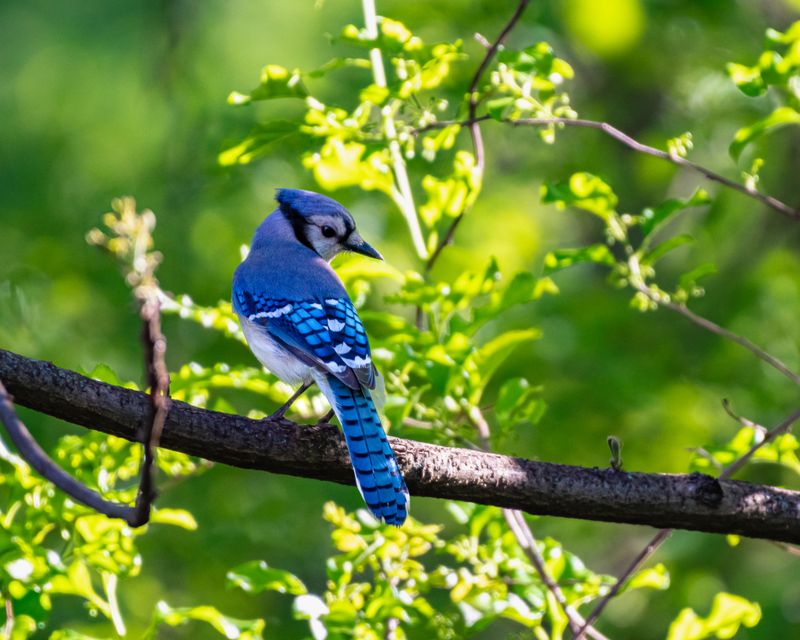
Blue jays do not just pass through the ecosystem. They actively shape it in ways that most backyard bird watchers never think about.
Their role as acorn planters is one of the most important ecological jobs in New England forests. A single blue jay can bury thousands of acorns each fall, and the ones left uncollected sprout into new oak trees.
Researchers estimate that blue jays have helped spread oak forests across North America for thousands of years. Without them, many of the forests we hike and admire today might not exist.
They also serve as early warning systems for other wildlife. Their loud alarm calls alert deer, squirrels, and smaller birds when a hawk or predator is nearby.
Blue jays occasionally raid the nests of other birds for eggs, which earns them a complicated reputation among bird enthusiasts. But this behavior is relatively rare and does not significantly harm local bird populations.
As omnivores, they help control insect populations by feeding on beetles, grasshoppers, and caterpillars during warmer seasons. That makes them quiet partners in keeping your garden balanced.
Blue jays are living proof that even the boldest, noisiest visitor in your yard is quietly keeping the natural world around you healthy and whole.