Wisconsin Trees You Cannot Remove Without Checking Local Rules First
Most Wisconsin homeowners assume what grows on their land is theirs to do with as they please. That assumption has cost people thousands.
Tree protection in Wisconsin is largely enforced at the municipal level, meaning rules vary significantly depending on where you live. What does not vary is the cost of ignoring those rules.
Certain species growing in your yard carry legal protection that holds regardless of what your property deed says.
Ignore that, and you are looking at fines, mandatory replanting orders, and in some cases court appearances over a tree you thought was yours.
Wisconsin takes its urban canopy seriously, seriously enough to enforce it. Before you rent equipment or call a crew, the smartest move is understanding exactly which trees the law shields. What you find out might genuinely surprise you.
1. Northern Red Oak
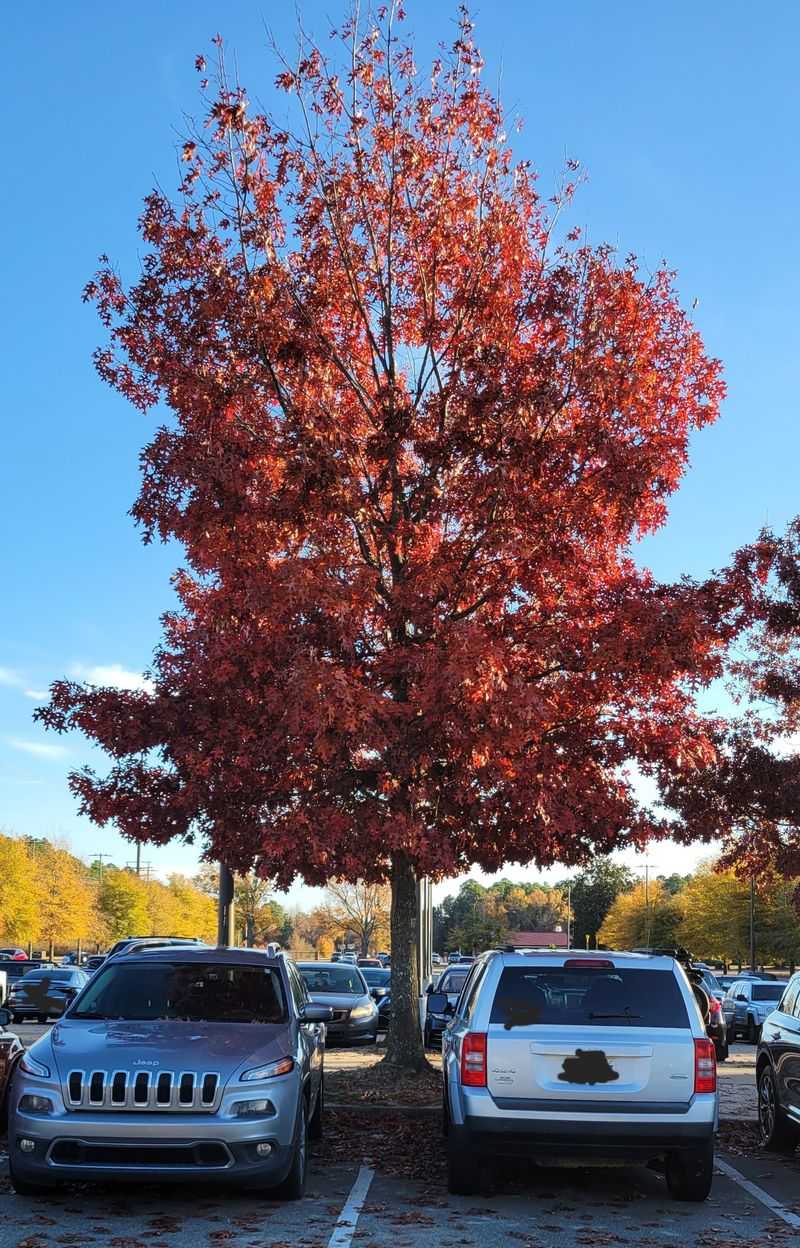
Standing tall in backyards and city parks alike, the Northern Red Oak is one of the most recognized protected trees in the state.
Its broad canopy and striking fall colors make it a neighborhood icon. Many municipalities require a permit before any removal can happen.
This tree grows fast for an oak, sometimes adding two feet of height each year. That speed makes it a favorite for shade-seekers and a valuable asset in urban planning. Losing one to a chainsaw without approval can trigger steep fines.
Red oaks support hundreds of wildlife species, from squirrels to songbirds. Their acorns feed deer, turkeys, and countless other animals through the fall and winter. That ecological role is a big reason local governments guard them so carefully.
Homeowners sometimes assume that a tree on their property is theirs to do with as they please. That assumption can be costly when the tree in question is a Northern Red Oak.
Always call your local forestry office before making any decisions. Some communities also require a replacement planting if a protected red oak is removed. This rule ensures the urban canopy stays strong for future generations.
Knowing this ahead of time can help you plan your landscaping budget wisely. The Northern Red Oak is not just a pretty face in the yard.
It is a living piece of the region’s natural history. Protecting it means preserving something many communities consider genuinely irreplaceable.
2. Green Ash
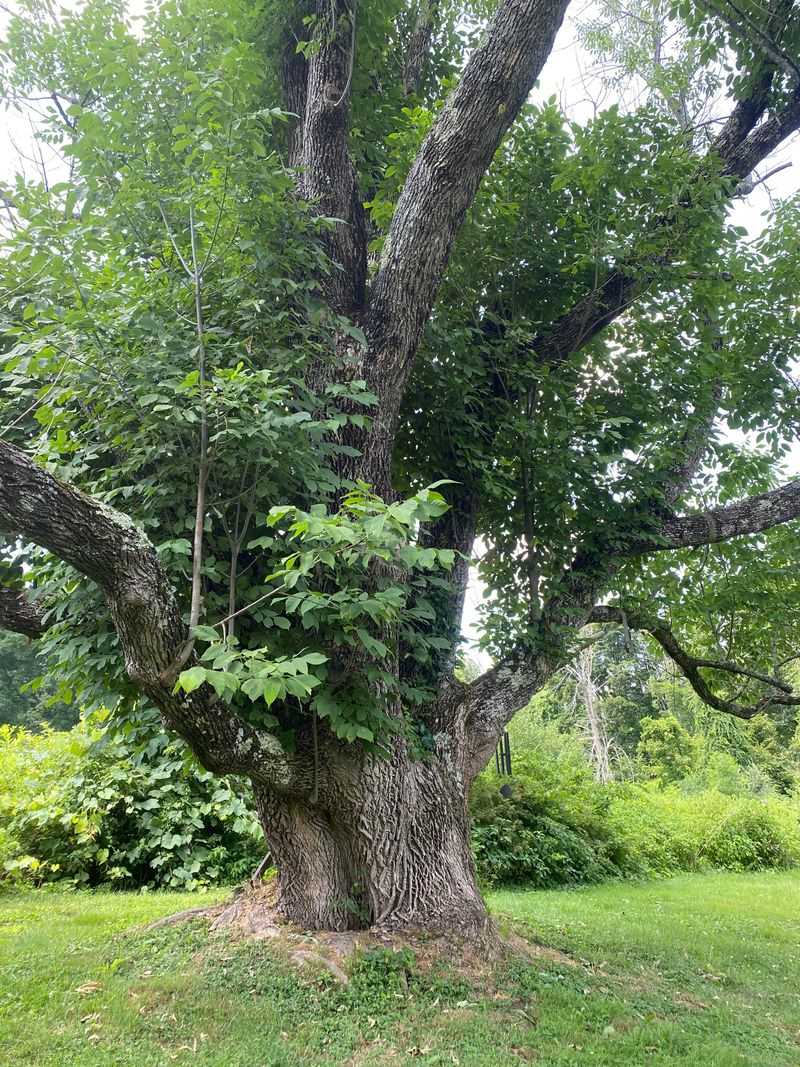
The Green Ash once lined nearly every street in the Midwest, a beloved shade tree that felt as common as stop signs. Then the emerald ash borer arrived and changed everything.
Now, remaining Green Ash trees are considered especially valuable, and many areas protect them with strict permit rules.
Removing a healthy Green Ash without authorization is not something local officials take lightly. Even a tree that looks stressed may be subject to removal restrictions. Always verify its status before scheduling any work.
Green Ash trees have a graceful, oval canopy that provides excellent shade in summer. They grow well in both wet and dry soils, making them remarkably adaptable.
Their resilience is exactly why communities want to preserve the ones still standing. Some cities have programs that treat Green Ash trees to protect them from the emerald ash borer.
Your Indiana Garden Changes Every Week. Your Plan Should Too.
Gardening in Indiana changes quickly throughout the season. Every Friday you’ll receive a simple weekly plan showing exactly what to plant, prune, fertilize, harvest, and protect so you never miss the right timing.
If your tree is enrolled in such a program, removal is almost certainly off the table without paperwork. Check with your municipality to find out its treatment history.
The wood of the Green Ash is incredibly strong and was traditionally used for tool handles, wagon wheels, and other demanding applications.
That strength translates to a tree that can withstand storms better than many other species. It earns its protected status through sheer toughness.
Getting a permit for a Green Ash removal usually involves an inspection by a certified arborist. That process protects both the homeowner and the community. Plan ahead and give yourself at least a few weeks for approval.
3. White Ash
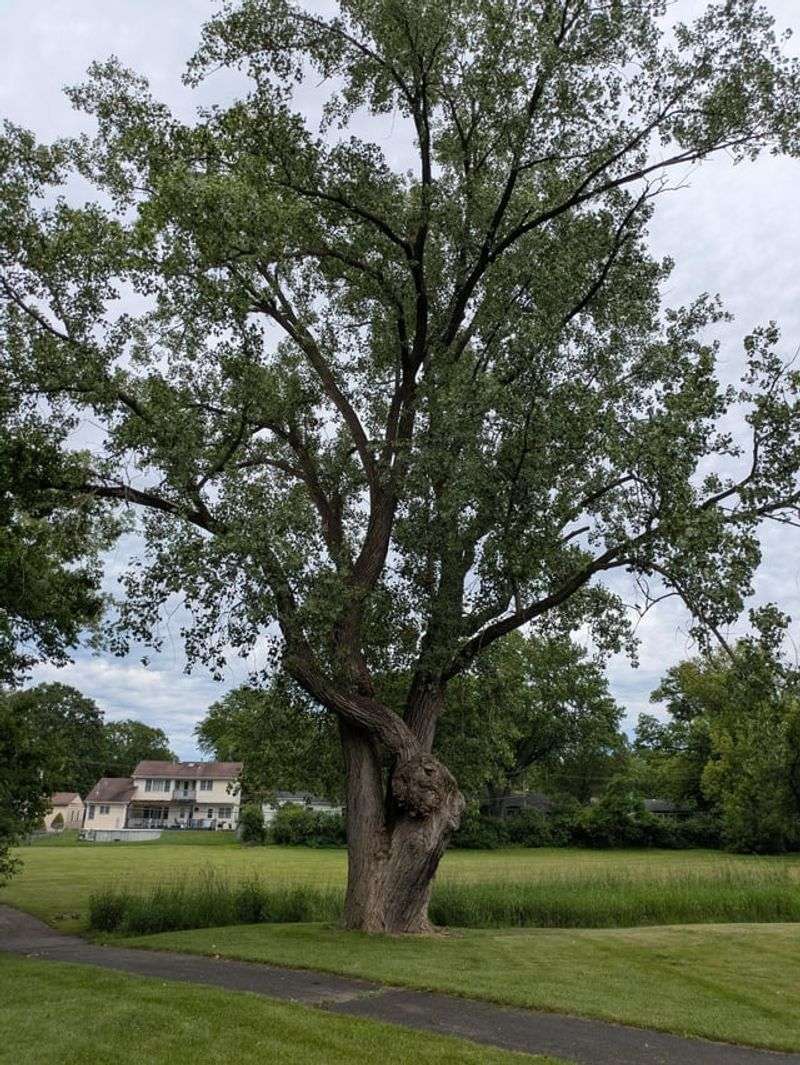
Walk through almost any Wisconsin woodland and you might brush past a White Ash without even knowing it.
This stately hardwood has been part of the landscape for centuries, and its compound leaves turn a stunning purple-maroon each fall. Many local ordinances now shield it from casual removal.
White Ash timber is legendary among craftspeople and athletes alike. It has been used to make everything from guitar bodies to hockey sticks. That cultural significance adds another layer of reason to protect living specimens.
Like its close cousin the Green Ash, the White Ash faces serious pressure from the emerald ash borer. Communities that still have healthy White Ash trees treat them like gold.
Permits for removal are typically granted only when a tree poses a clear safety risk. Homeowners who find a White Ash on their land should document it with photos and measurements.
This information can be useful when applying for a permit or working with an arborist. Good records speed up the approval process considerably.
The White Ash provides dense summer shade and supports a wide range of insects and birds. Its seeds, called samaras, spin like tiny helicopters and feed birds through late winter.
Removing one means losing all of that ecological activity at once. Permit requirements for White Ash removal vary by city and county.
Some areas charge a fee, while others simply require an inspection. Starting the process early gives you the best chance of a smooth outcome.
4. Bur Oak
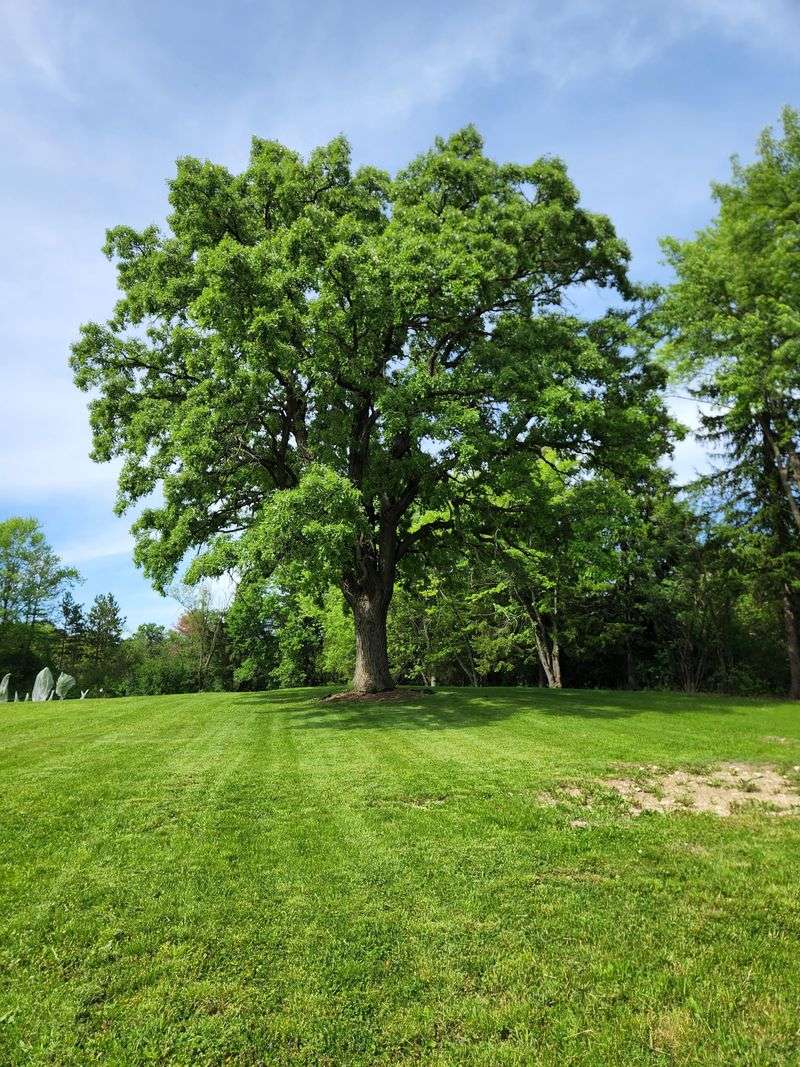
Some Bur Oaks in the Midwest are over 300 years old, which means they were saplings before the American Revolution. That kind of age commands serious respect, and local governments agree.
Removing a Bur Oak without a permit can result in significant legal and financial consequences.
The Bur Oak is exceptionally durable, with thick corky bark that helped it endure the prairie fires of centuries past.
Its massive trunk can reach several feet in diameter. These trees are living monuments, and many communities treat them as such.
Bur Oaks produce large acorns with fringed caps, which are a favorite food source for deer, wild turkeys, and wood ducks. Their canopy also shelters dozens of bird species during nesting season.
Losing one tree can ripple through the local ecosystem in surprising ways. Urban planners love the Bur Oak for its ability to handle drought, pollution, and compacted soil.
It thrives in conditions that would stress most other trees. That toughness makes each remaining specimen all the more worth protecting.
If you have a Bur Oak on your property, a certified arborist can assess its health and advise on your options. Getting that professional opinion before applying for a permit is a smart move.
It also shows good faith to local authorities reviewing your application. The permit process for a Bur Oak removal can take several weeks or even months in some jurisdictions.
Patience is part of the deal when dealing with a tree this significant. Give the process the time it deserves.
5. White Oak
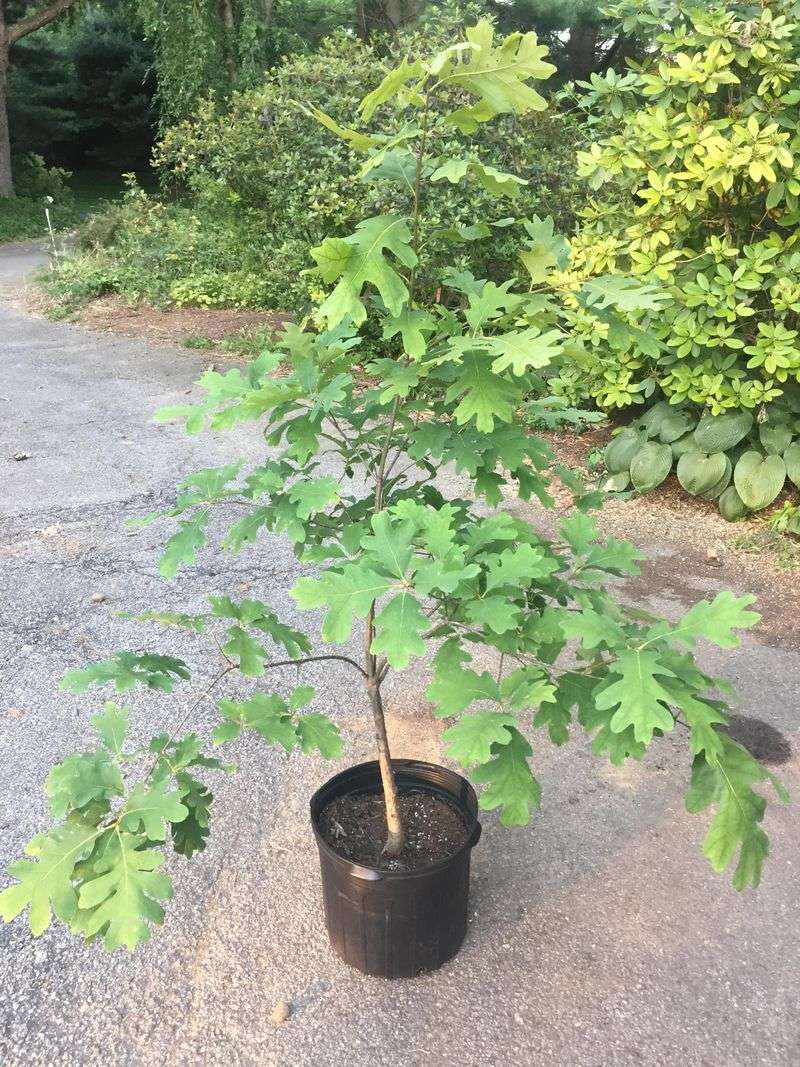
Few trees carry the quiet dignity of a White Oak. Its wide, horizontal branches stretch out like arms welcoming anyone who stands beneath them.
Across the state, this species enjoys strong protection under local tree preservation ordinances.
White Oaks grow slowly but live for centuries, making each mature specimen a rare and irreplaceable resource. A tree that took 200 years to grow cannot be replaced overnight.
That simple fact is behind much of the legal protection it receives. The acorns of the White Oak have a lower tannin content than most oaks, making them sweet enough for deer, bears, and even people to eat.
Native communities historically relied on them as a food source. That deep history adds cultural weight to every tree still standing.
In many Wisconsin cities, the White Oak appears on heritage tree registries that require special permits for any work beyond basic pruning.
Even trimming major limbs may need approval in some areas. Always read your local ordinance carefully before picking up a saw.
White Oak wood is among the most prized hardwoods in North America, used for wine barrels, flooring, and fine furniture. But a living tree has far more value than its timber.
Preserving it benefits the whole neighborhood for generations. Applying for a White Oak removal permit usually requires documentation of why the tree must come down.
Safety hazards, disease, or construction conflicts are common justifications. Having solid evidence ready makes the process go much faster.
6. Black Ash
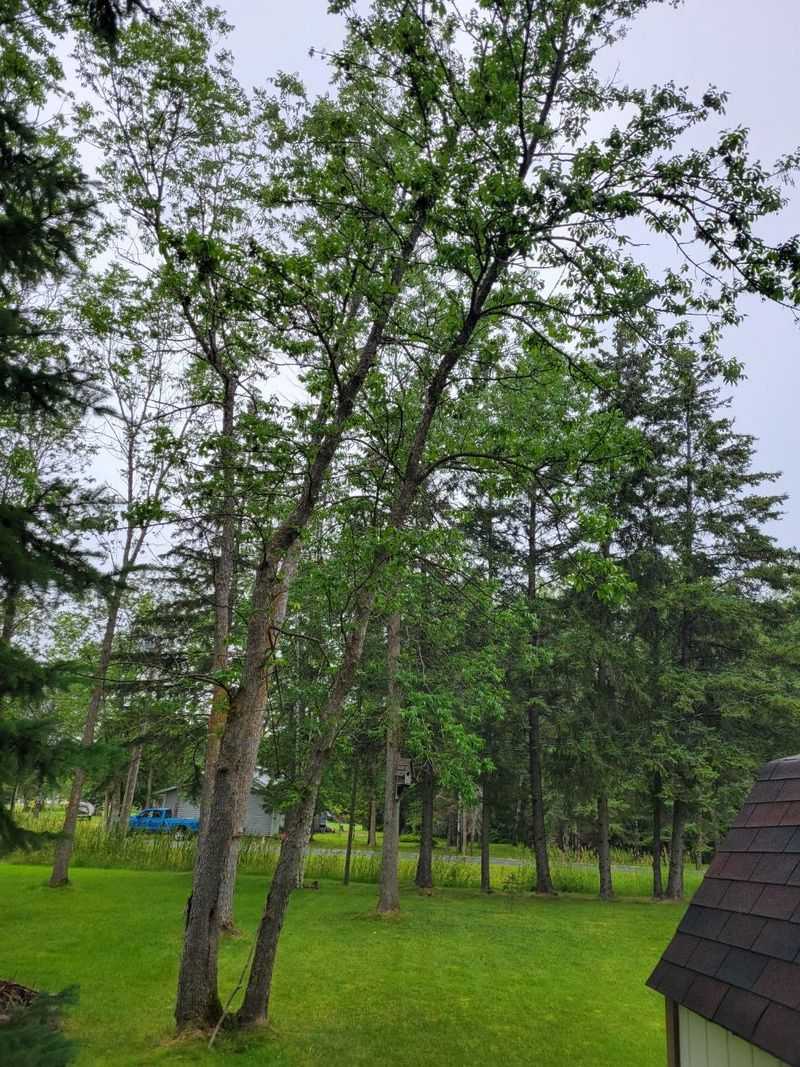
Hidden in swamps and along stream banks, the Black Ash is one of the quieter treasures of the northern forest. It thrives in wet, soggy soils where most other trees struggle to stand.
Its unique habitat preference makes it both rare and ecologically critical. Black Ash has deep cultural significance for many Indigenous communities in the Great Lakes region.
Craftspeople have used its wood for basket weaving for generations, splitting the logs along growth rings to create flexible strips. That living tradition gives every Black Ash tree a story worth honoring.
Like other ash species, the Black Ash faces severe population pressure from the emerald ash borer. Many populations have already been devastated across the eastern United States.
Standing trees are now considered high-priority for protection, and permits for removal are rarely issued without strong justification.
Wetland regulations often add another layer of protection on top of tree ordinances. If a Black Ash is growing near water, you may need permits from both local and state agencies.
That double layer of oversight can make the removal process lengthy and complex. Consulting a professional before attempting any work on a Black Ash is strongly recommended.
An arborist familiar with wetland species can guide you through the requirements. Their expertise can save you from costly mistakes and delays.
The Black Ash may not be the showiest tree in the forest, but its role in the ecosystem is outsized. Protecting it means protecting the wetlands it calls home. That is a cause worth the extra paperwork.
7. Sugar Maple
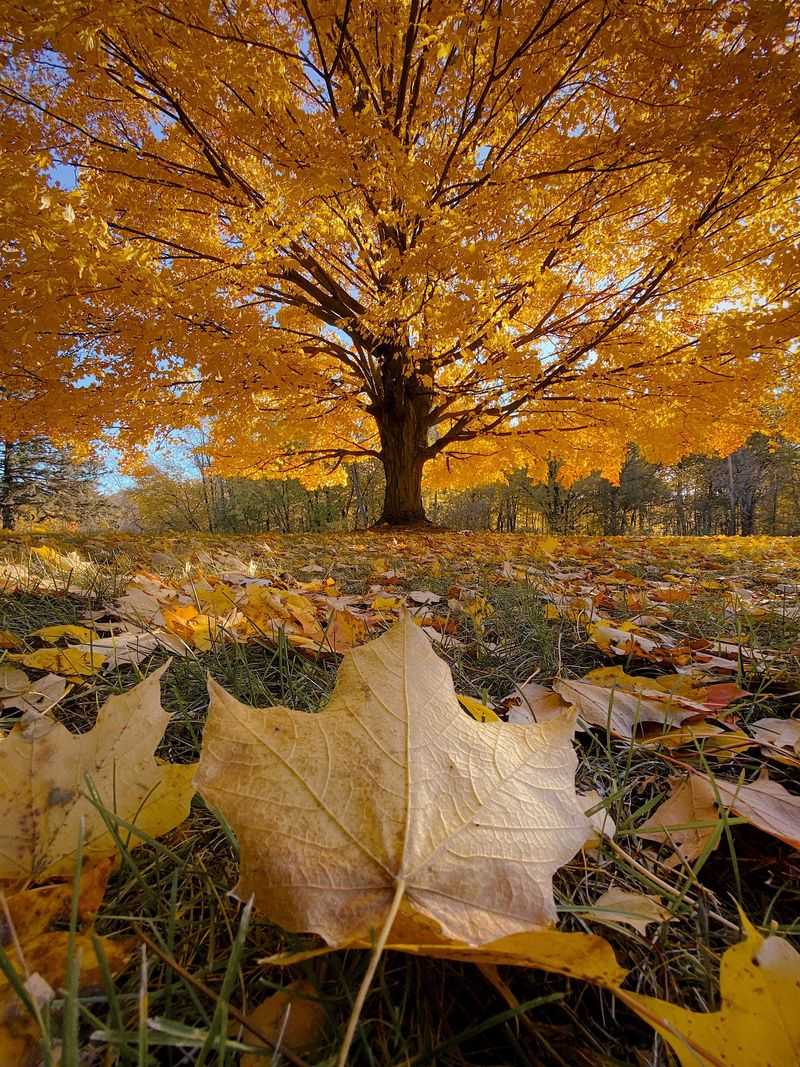
If Wisconsin had an unofficial mascot tree, the Sugar Maple would be a strong contender. Its fiery fall display draws widespread attention across the state every October.
It is also one of the most commonly protected trees under local ordinances across the state. Sugar Maples produce the sap used to make maple syrup, a tradition that connects families to the land each late winter.
A mature tree can be tapped for decades without harm. Cutting one down means losing that sweet annual ritual forever.
These trees prefer well-drained soils and do not handle road salt or urban compaction well. Healthy specimens in good locations are therefore especially valuable to communities.
Local governments protect them because replacing a thriving Sugar Maple is a multi-decade commitment.
The dense canopy of a Sugar Maple can lower home cooling costs by blocking summer sun. Studies have shown that mature shade trees can reduce energy bills noticeably.
That practical benefit is one more reason to think twice before removing one. Permit requirements for Sugar Maple removal vary widely across the state.
Some towns require a simple application, while others mandate a full arborist report. Checking with your local zoning office first is always the right move.
The Sugar Maple is central to the identity of the upper Midwest landscape. Protecting it means preserving something that feels genuinely irreplaceable.
Anyone who has seen one in full fall color understands exactly why the permit process exists.
8. American Elm
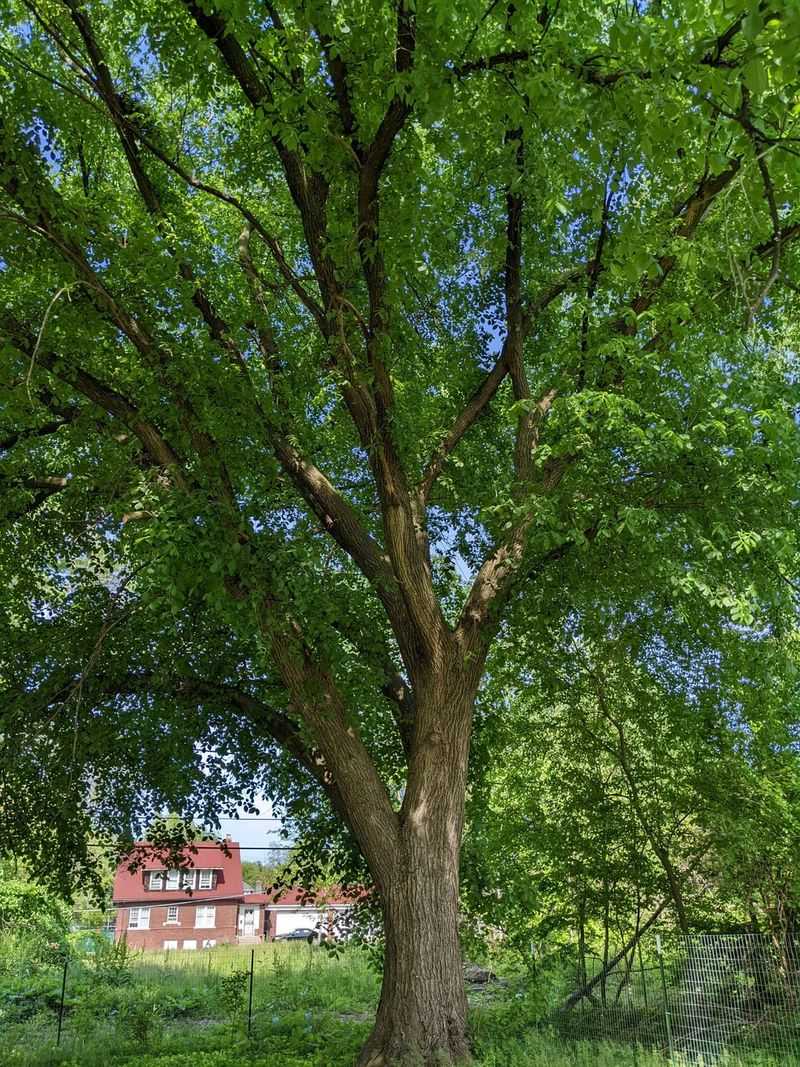
There was a time when American Elms formed cathedral-like canopies over nearly every Main Street in the country. Dutch elm disease wiped out millions of them, turning those green tunnels into open sky.
The trees that made it through are now treasured like heirlooms, and protected trees in Wisconsin reflect that sentiment completely.
American Elms that have endured disease pressure often carry natural resistance passed down through generations. Scientists and foresters actively study these trees to develop hardier varieties.
Removing one without a permit could mean losing a specimen that may carry natural resistance built up over generations.
The classic vase shape of the American Elm is unlike any other tree in the urban landscape. Its arching branches meet overhead to create a natural tunnel effect that landscape architects dream about.
That visual legacy is part of why communities fight so hard to protect remaining specimens. Local tree boards and forestry departments often track remaining American Elms individually.
Some trees are even given names and listed on historical registers. The permit process for removing one can be especially thorough and emotionally charged.
If an American Elm on your property appears sick, contact a certified arborist before assuming removal is necessary. Dutch elm disease is treatable in its early stages with the right fungicide program.
Acting fast can sometimes save a tree that seemed beyond hope. The protected trees in Wisconsin include the American Elm for good reason.
Each one is a rare holdout in a landscape shaped by significant loss. Treat it with the reverence it has earned, and start with the permit office.