Carpenter Bees Prefer These Wood Types Around North Carolina Homes
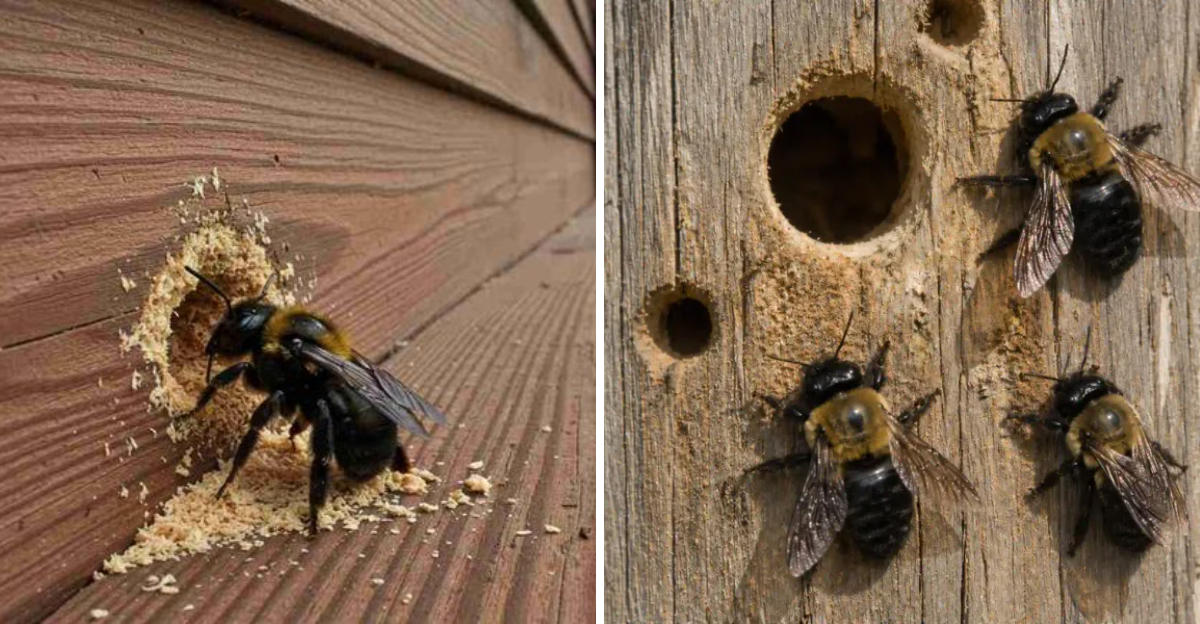
Something is drilling perfect round holes into the wood around your home, and it is working fast.
Carpenter bees are among the most consistent warm-weather nuisances for North Carolina homeowners, and they have specific preferences about where they set up.
They do not eat the wood. They tunnel into it to build nests, and the damage accumulates over multiple seasons before many people realize how much has already happened.
The good news is that these bees are predictable. They return to the same types of wood year after year, drawn by texture, grain, and how much effort the material requires to penetrate.
Knowing which wood types attract them most gives you a clear, practical starting point for protecting your home before nesting season opens.
Some of the most common targets are the exact materials North Carolina homeowners use most for porches, siding, and trim. A few of them will probably sound familiar.
Ready to find out which ones to check first?
1. Watch Untreated Pine First
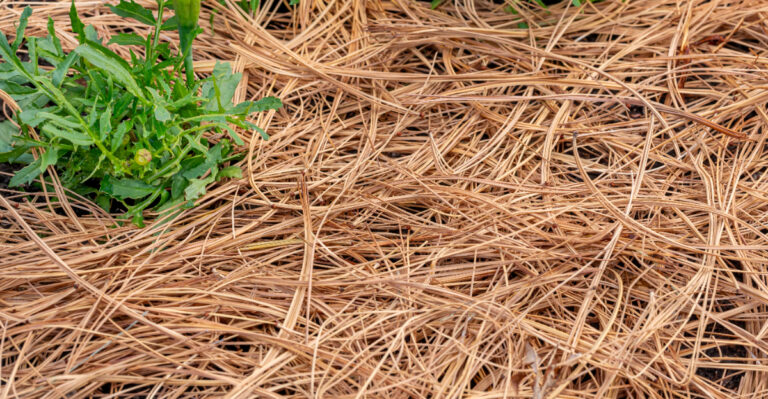
Pine is basically an open invitation for carpenter bees.
Soft, fibrous, and easy to chew through, untreated pine ranks among the most targeted wood types around North Carolina homes.
If you have pine fascia boards, pine soffits, or pine trim that has never seen a coat of paint or sealant, there is a good chance a carpenter bee has already checked it out.
Carpenter bees prefer softwoods because their mandibles can work through them quickly. Pine fits that description perfectly.
The grain is relatively loose, and without any protective finish, the wood absorbs moisture and softens over time, making it even more appealing.
Weathered pine is especially vulnerable because the outer layer breaks down, leaving a softer surface beneath.
Treating pine early in the season, before temperatures climb into the 70s, gives you the best shot at stopping them before they start drilling.
A good exterior paint or wood sealant creates a surface that is simply too hard and unappealing for a bee looking for a quick nesting spot.
Walk around your home and tap on any exposed pine boards.
If they sound hollow or show small, perfectly round holes about half an inch wide, that is a clear sign. Catching the problem early saves you from much bigger repairs down the road.
Pine needs your attention first, and it needs it before spring gets comfortable.
2. Protect Cedar Siding From Tunnels
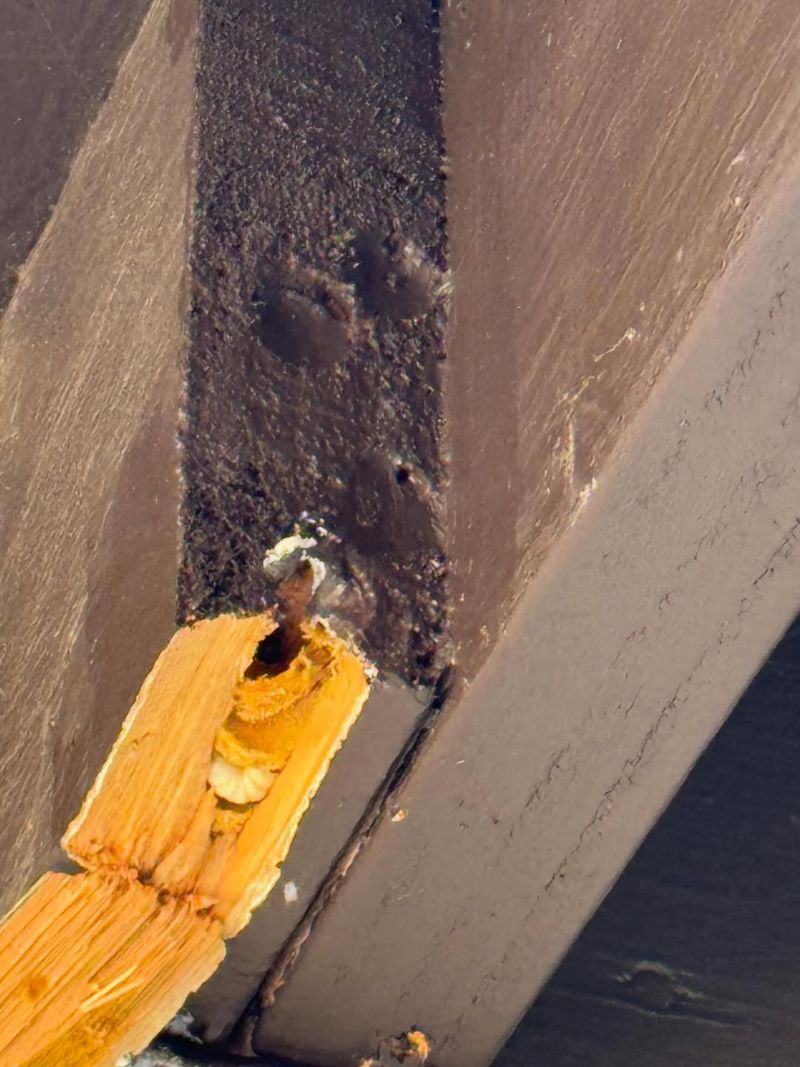
Cedar has a well-earned reputation as a durable, beautiful siding option.
Homeowners love it for its natural look and resistance to rot. Here is the catch: carpenter bees love it too.
Cedar is a softwood, and when left unfinished or allowed to weather over time, it becomes one of the more attractive targets for nesting females looking to set up shop.
Fresh cedar siding that has been properly sealed or painted holds up much better.
The finish acts as a physical barrier that discourages bees from attempting to bore in. But once that finish starts to fade, crack, or peel, especially on south-facing and west-facing walls that take the most sun exposure, the wood underneath becomes vulnerable again.
Your North Carolina Garden Changes Every Week. Your Plan Should Too.
Gardening in North Carolina changes quickly throughout the season. Every Friday you’ll receive a simple weekly plan showing exactly what to plant, prune, fertilize, harvest, and protect so you never miss the right timing.
North Carolina summers are tough on exterior finishes, so annual inspection matters more than most homeowners realize.
One thing many homeowners overlook is the end grain of cedar boards.
End grain is the cut edge at the tip of a board, and it is softer and more porous than the face grain.
Carpenter bees often target end grain first because it requires less effort to penetrate. Sealing those edges carefully is just as important as painting the flat surface.
A semi-transparent exterior stain or a solid paint in a light color works well on cedar.
Reapply every two to three years, or sooner if you notice peeling.
Your cedar siding can stay beautiful and bee-free with a little seasonal attention and a fresh coat of protection before spring arrives.
3. Check Cypress Trim Each Spring
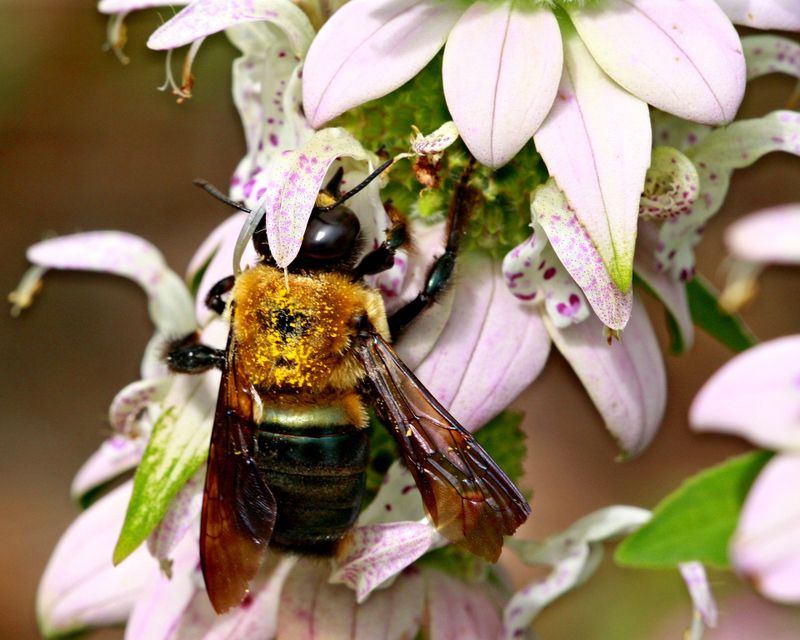
Bald cypress is a tree deeply rooted in North Carolina history, and its wood has been used in home construction and trim work for generations.
It is naturally resistant to moisture and rot, which makes it a popular choice for exterior trim, window casings, and porch details. That natural toughness, however, does not make it immune to carpenter bees.
Older cypress trim that has been exposed to years of sun and rain can lose its natural oils and harden into a more porous surface.
Once the outer layer weathers down, the wood becomes a reasonable target for nesting bees.
Spring is the most important time to inspect cypress trim because carpenter bees become active when temperatures consistently reach the mid-60s, which in North Carolina often means late March or early April.
Run your hand along cypress trim and look carefully at corners, joints, and the underside of any horizontal boards.
Horizontal surfaces are prime real estate for carpenter bees since they prefer to drill downward at an angle before tunneling horizontally. Any small pile of sawdust sitting below a trim board is a red flag worth investigating right away.
Repainting or resealing cypress trim before nesting season gives you a strong line of defense.
If you spot fresh holes, fill them with a wood filler or steel wool before applying a fresh coat of exterior paint.
Doing this check every spring, like a quick seasonal ritual, keeps your cypress trim looking sharp and structurally sound for years to come.
4. Seal Redwood Boards Before Weathering
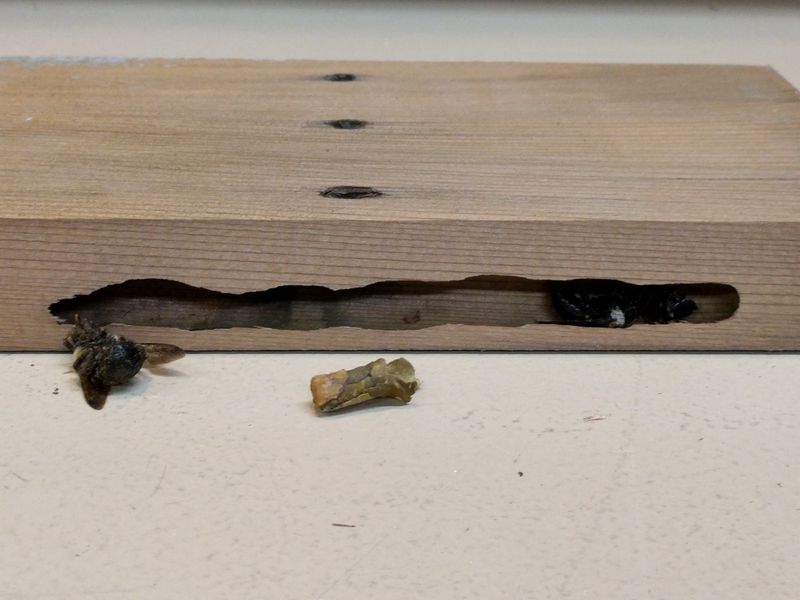
Redwood carries a certain prestige.
It looks stunning, it weathers gracefully, and it has a natural resistance to decay that makes it a premium choice for outdoor projects. Many North Carolina homeowners use it for accent boards, trim details, and decorative exterior features.
The problem is that redwood’s beauty can work against you if the boards are left unfinished for too long.
Unfinished redwood starts to weather within just a few seasons.
The surface turns gray, the grain opens up, and the wood loses the tight texture that once helped protect it. At that point, it becomes a softer, more inviting surface for carpenter bees to explore.
A bee scouting for a nesting location does not care how much you paid for the lumber. It cares about how easy the wood is to work with.
Sealing redwood before it weathers is the smartest move a homeowner can make.
A penetrating oil-based sealer works well because it soaks into the grain rather than sitting on top, giving the wood flexible protection that lasts through seasonal temperature swings.
Apply it before the wood shows any gray discoloration for the best results.
If your redwood boards are already weathered, lightly sand the surface before applying a fresh sealant or exterior stain.
This opens the grain and allows the product to bond properly.
Staying ahead of weathering is far easier than trying to reverse it. Treat your redwood boards early, and you protect both the wood’s beauty and its structural integrity against unwanted guests.
5. Watch Douglas Fir Porch Rails
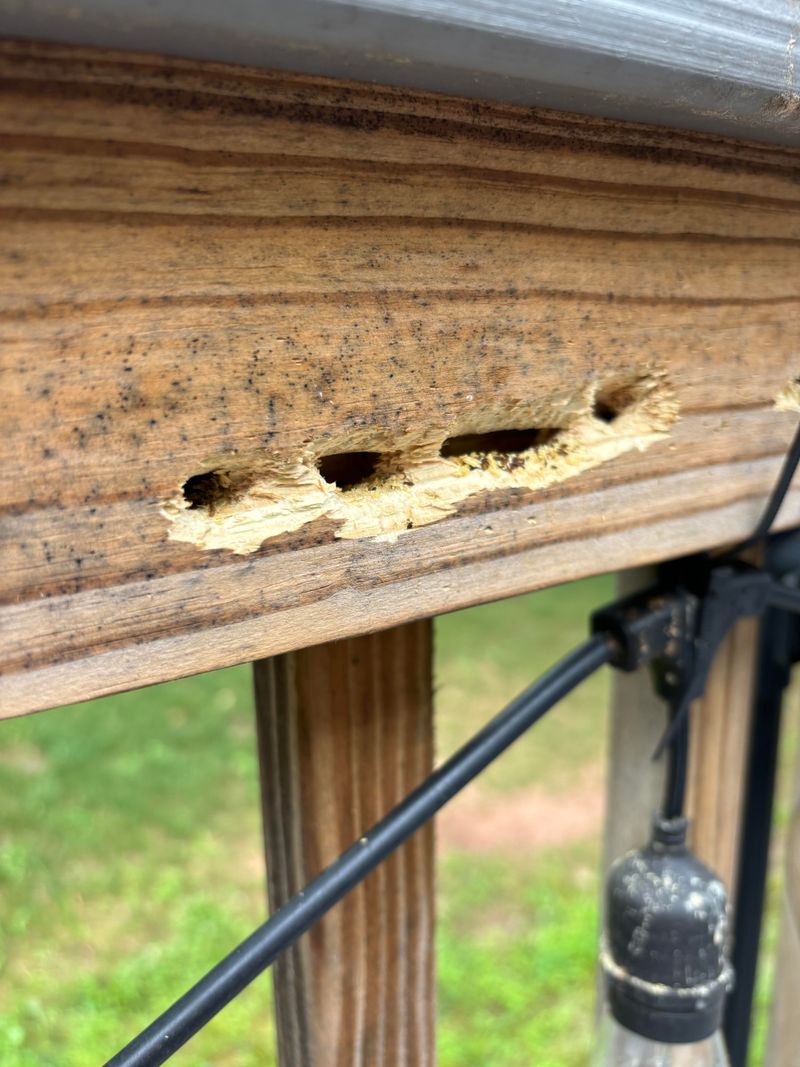
Porch rails take a beating.
They face direct sun, heavy rain, and constant physical contact, all of which wear down protective finishes faster than almost any other part of your home’s exterior.
Douglas fir is a popular wood for porch rails and beams because it is strong and relatively affordable. But strength does not mean carpenter bee resistance, especially once the finish starts to go.
Douglas fir is a moderately soft wood with a straight, open grain that carpenter bees find workable.
Exposed porch rails, particularly the top horizontal rail, are among the most common nesting spots because they offer easy access and a flat surface to start a tunnel.
If your rails have any cracking, peeling paint, or exposed end grain, those spots are worth a close look every season.
Grab a flashlight and inspect the underside of your porch rails too.
Carpenter bees often start their tunnels on the bottom of horizontal boards where rain and sun hit less directly. You might find a perfectly round entry hole that is easy to miss from a standing position.
That small hole can lead to a tunnel stretching six inches or more inside the wood.
Repainting porch rails every year or two is one of the most practical things you can do to keep carpenter bees from claiming them.
Use a high-quality exterior paint or enamel that holds up well in humid conditions.
North Carolina’s warm, wet summers accelerate finish wear, so staying on a regular maintenance schedule keeps your rails both good-looking and protected all season long.
6. Inspect Soft Deck Lumber Closely
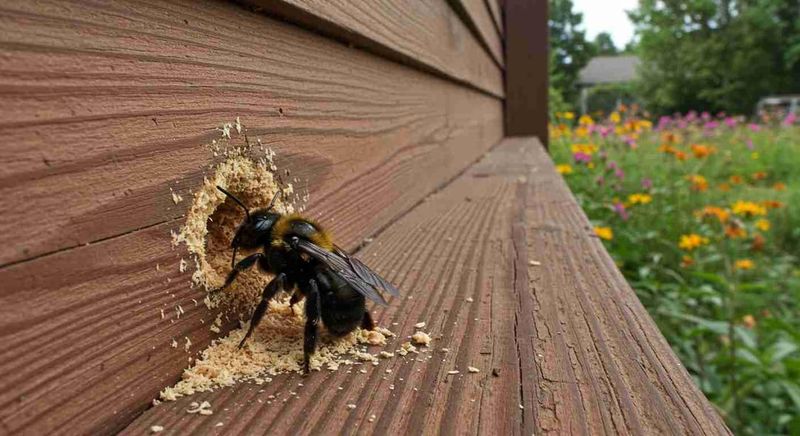
Your deck might be the most overlooked spot when it comes to carpenter bee activity.
Homeowners spend time staining and sealing deck surfaces, but the edges, undersides, and structural framing often get skipped.
Those forgotten spots are exactly where carpenter bees like to set up shop, particularly in softer or older deck lumber that has started to show its age.
Pressure-treated lumber is commonly used in deck framing, but not all deck boards are created equal.
Older decks, or decks built with non-treated softwood boards, can develop soft spots over time as moisture cycles in and out of the wood. That softening makes the lumber easier to tunnel into.
A deck that has not been resealed in several years is especially worth a careful walk-around inspection.
Look at the sides and ends of deck boards, not just the top surface you walk on.
Check the joists and beams underneath if your deck has enough clearance to peek below. Sawdust piles or yellow-orange staining around a small hole are telltale signs of activity.
Sometimes you can even hear a faint buzzing or scratching sound coming from inside the wood if a tunnel is actively occupied. That is not a sound you want to ignore.
Soft deck lumber can be reinforced with a good penetrating wood hardener before applying a fresh coat of stain or sealant.
Fill any existing holes with wood filler and seal over them.
Making your deck boards harder and smoother takes away the easy entry points that carpenter bees are constantly searching for. A well-maintained deck is a much less tempting target.
7. Paint Exposed Wood Before Nesting Season
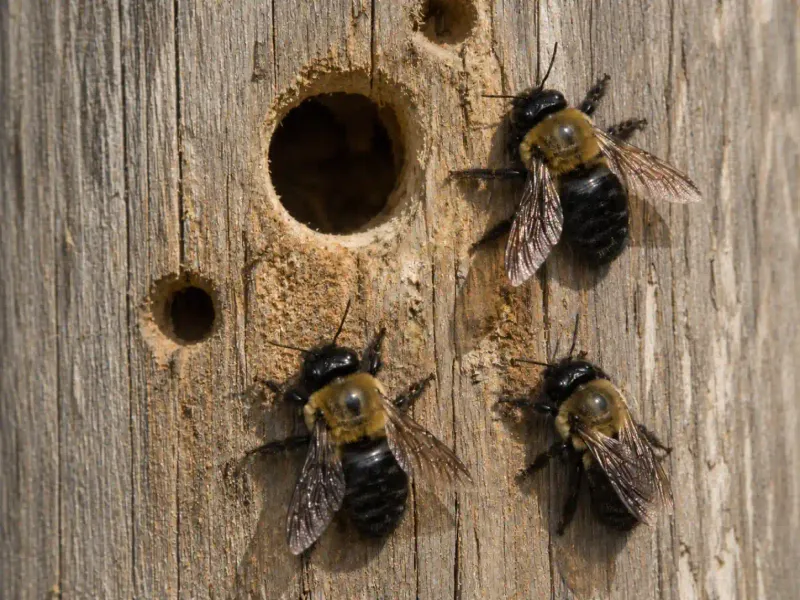
Timing is everything when it comes to protecting your home from carpenter bees.
These bees become active in spring, typically between late March and May across most of North Carolina, depending on how quickly temperatures warm up.
Getting paint, stain, or sealant onto exposed wood before that window opens is one of the most effective and affordable prevention strategies available.
Any bare or weathered wood on your home’s exterior is a potential nesting site.
That includes fascia boards, window frames, porch ceilings, railings, siding, and trim. A solid coat of exterior paint creates a surface that is physically difficult for carpenter bees to penetrate.
They prefer to avoid painted wood because it takes significantly more effort to drill through a sealed surface than through raw, open-grained wood.
Oil-based paints and exterior latex paints both work well.
The key is full coverage, especially on end grain and joints where two boards meet. Those areas tend to get missed during painting but are often the first spots a bee investigates.
A small paintbrush makes it easier to work sealant or paint into tight corners and crevices that a roller cannot reach.
Plan your painting project for late February or early March in North Carolina.
That gives the paint plenty of time to cure before bee activity picks up. Check the weather forecast and choose a stretch of dry days with temperatures above 50 degrees for best adhesion.
This one seasonal task, done on time and done well, can save you from a summer full of unwanted drilling and costly wood repairs.