These Are The Reasons Illinois Gardeners Are Choosing Serviceberry Over Bradford Pear
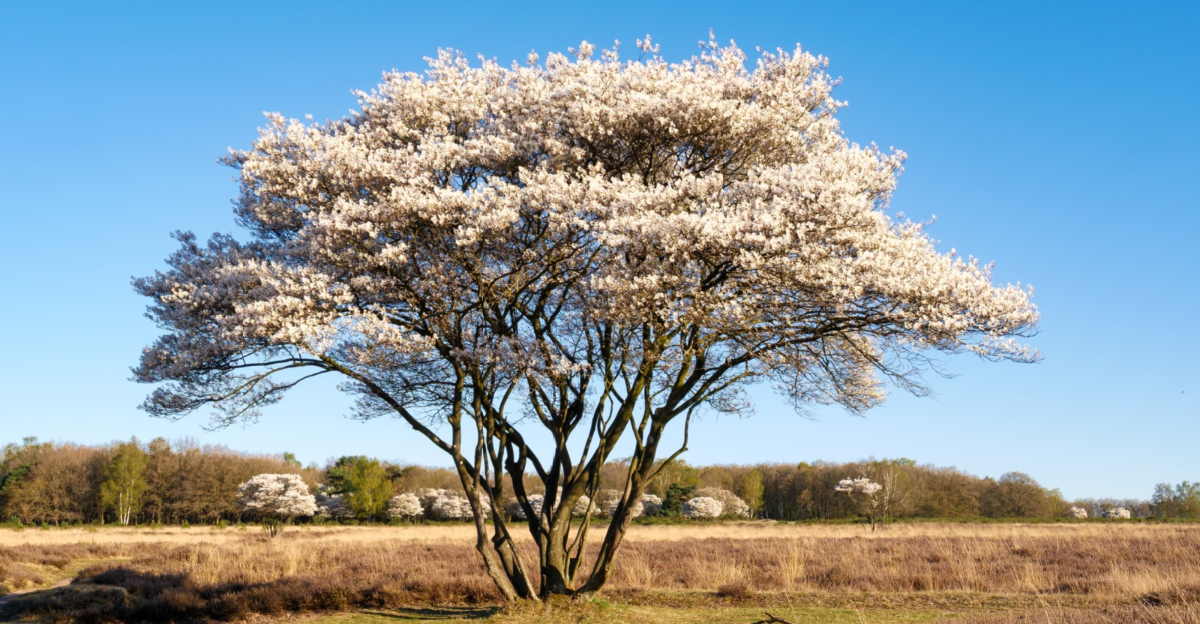
Drive past any older subdivision in Illinois come April, and you will see them: rows of Bradford pear trees dressed in white, looking picture-perfect for about two weeks before the trouble starts.
Brittle limbs crack in storms, the blossoms carry a smell most people would rather forget, and the tree has been classified as a nuisance species in some areas, spreading through fence lines and roadsides
Meanwhile, something better has been growing in plain sight. Serviceberry, a native Illinois tree that never asked for attention, is finally getting it.
Homeowners who switch are not just chasing a trend; they are addressing a planting choice many neighborhoods are now reconsidering.
This small, multi-stemmed tree blooms just as early, feeds pollinators instead of leaving them empty-handed, and rewards you with berries songbirds fight over by midsummer.
Add fiery orange foliage in October, and you have a plant that earns its spot in the yard every single month. Illinois landscapes are changing, one shovel at a time.
1. Storms Snap Bradford Pear Branches Easily
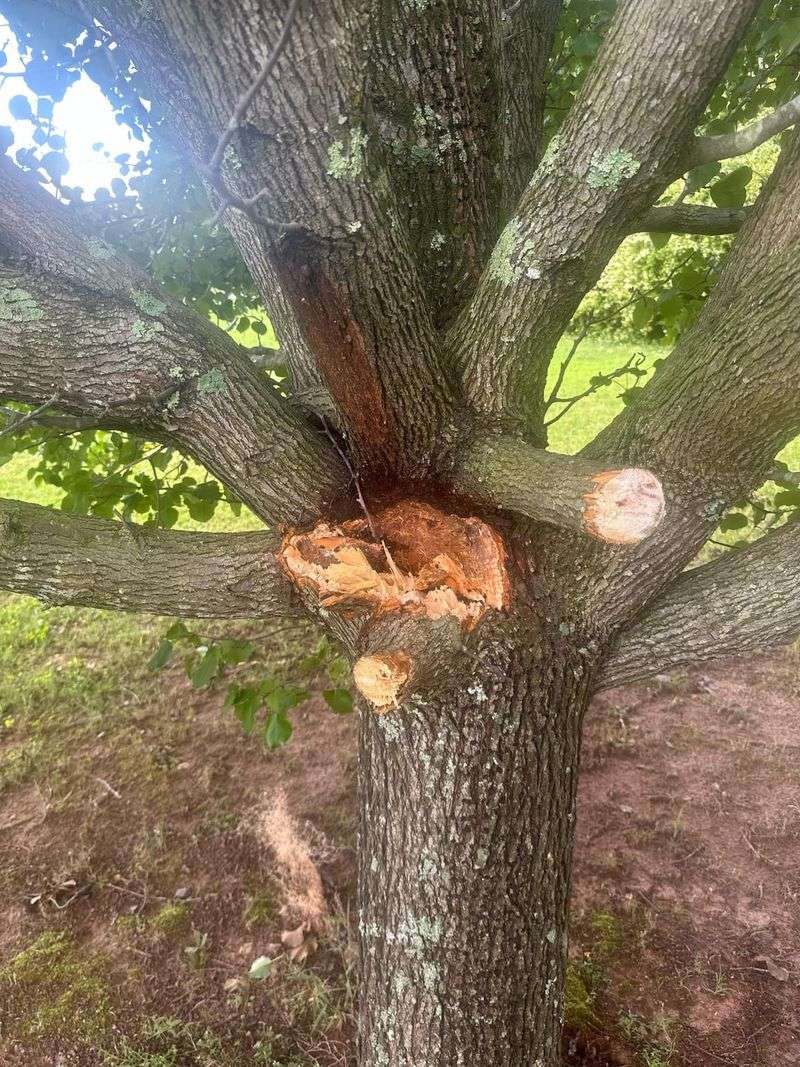
Picture this: a spring storm rolls through your neighborhood, and by morning, broken limbs are scattered across the driveway. That is the Bradford pear experience that countless Illinois homeowners know too well.
Bradford pear has a deeply flawed structure. Its branches grow at sharp, narrow angles from the trunk, creating weak attachment points that snap under pressure.
Ice storms, high winds, and heavy snow all exploit this weakness fast. A tree that looked gorgeous in March can become a pile of broken limbs by April.
Serviceberry, by contrast, grows with a naturally strong branching pattern. Its limbs spread at wider angles, giving each branch a solid grip on the trunk.
Native to the Midwest, serviceberry evolved through centuries of brutal Illinois winters. It knows how to bend without breaking, surviving conditions that would destroy weaker ornamental trees.
Arborists across the state have long warned against planting Bradford pear near homes, driveways, or power lines. The cleanup costs after a single storm can run into hundreds of dollars.
Serviceberry rarely causes that kind of chaos. Its compact, tidy form stays manageable through even the roughest weather seasons.
Choosing a structurally sound tree is not just about aesthetics. It protects your property, your vehicles, and your family from falling wood.
When serviceberry stands tall after a spring storm while the neighbor’s Bradford pear lies in pieces, the choice feels obvious.
2. Pollinators Thrive On Native Serviceberry Blooms
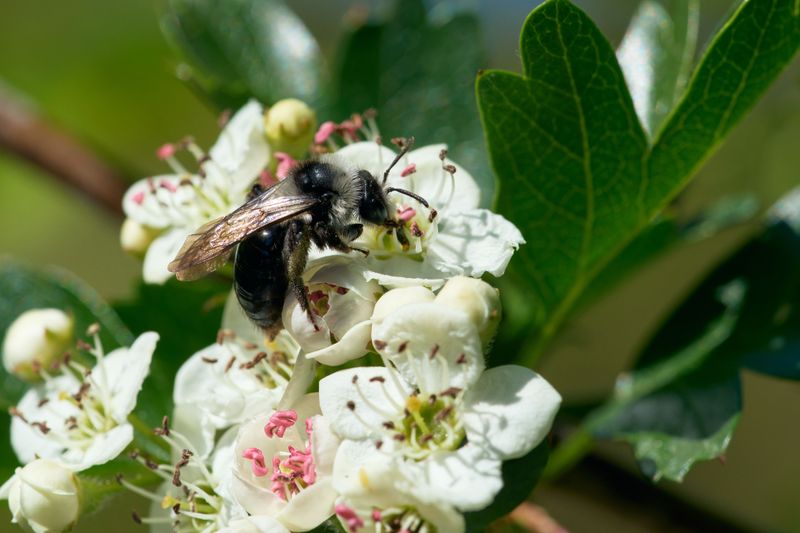
Bees show up to serviceberry like it is the only diner open in town. And in early spring, it practically is the only diner open for miles around.
Serviceberry blooms earlier than almost any other flowering tree in Illinois. That timing is critical for native bees emerging from winter with empty stomachs and urgent energy needs.
Bradford pear also blooms early, but here is the catch. Its flowers produce very little usable nectar or pollen for native pollinators, offering little real nutritional value despite its appearance.
Serviceberry flowers are packed with accessible pollen and rich nectar. Native bees, butterflies, and even early hummingbirds flock to the blossoms for genuine nourishment.
Your Illinois Garden Changes Every Week. Your Plan Should Too.
Gardening in Illinois changes quickly throughout the season. Every Friday you’ll receive a simple weekly plan showing exactly what to plant, prune, fertilize, harvest, and protect so you never miss the right timing.
Native flowering trees like serviceberry are widely recognized by horticultural experts as valuable food sources for early-season pollinators.
Gardeners who care about their vegetable patches and fruit trees benefit too. More pollinators visiting serviceberry means more activity throughout the entire yard.
Bradford pear provides little usable food for pollinators. Planting it instead of a native alternative is essentially setting an empty table.
Swapping to serviceberry is one of the easiest and most impactful decisions a home gardener can make. Your yard becomes a genuine refuge for the creatures that keep ecosystems running.
Watching bees work those white blossoms on a cool April morning is pure magic.
3. Spring Flowers Smell Far Sweeter
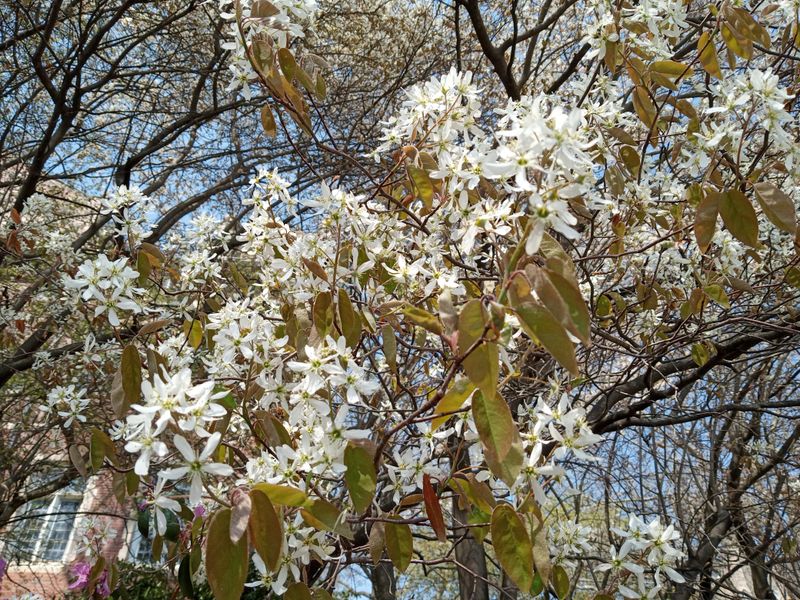
Get close to a Bradford pear in bloom and prepare for a surprise. The smell has been compared to rotting fish, old gym socks, and things far less polite to mention in print.
That notorious odor comes from trimethylamine and other compounds released by the flowers. It is the tree equivalent of wearing too much cheap cologne to a small room.
Serviceberry blooms tell a completely different story. The delicate white flowers carry a light, honey-sweet fragrance that drifts gently through the yard on a warm spring morning.
The scent is subtle enough to enjoy without overwhelming the senses. Sitting near a blooming serviceberry feels like a reward rather than a punishment.
Illinois gardeners who have planted both trees often describe the first spring after switching as a revelation. Suddenly, the yard smells like something worth spending time in.
Fragrance matters more than people realize when designing outdoor spaces. A pleasant-smelling yard encourages longer time outdoors, better relaxation, and more enjoyment of the garden overall.
Children and pets who spend time in the yard also benefit from the shift. No more steering the family away from the blooming tree to avoid the stench.
Serviceberry earns its place in the landscape through every sense it engages. The sweet spring scent is just one chapter in a longer story of why this native tree outclasses its ornamental rival.
Fragrance alone might be enough reason to make the switch today.
4. Birds Love The Edible Berries
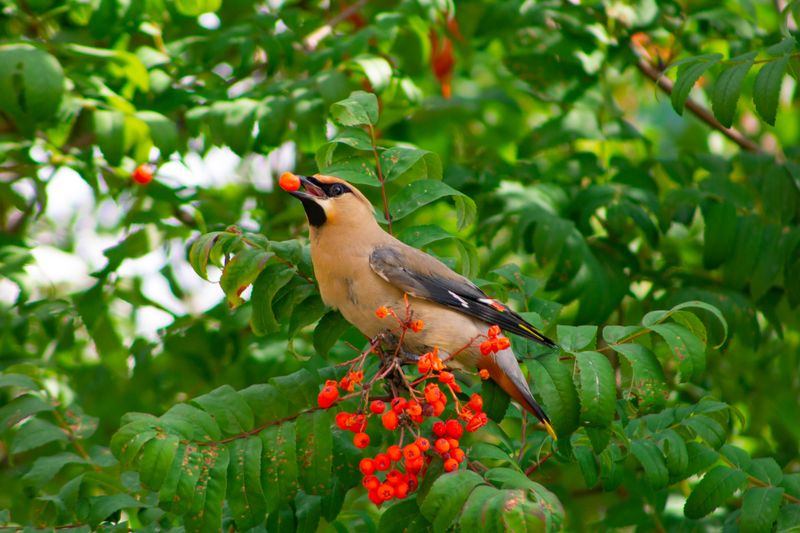
Few sights in a backyard garden match a cedar waxwing going absolutely wild for serviceberries. These sleek birds arrive in flocks and treat the tree like a full-service buffet.
Serviceberry produces clusters of small, blueberry-like fruits that ripen in June. The berries are sweet, nutritious, and consumed by dozens of bird species native to Illinois, including robins, catbirds, thrushes, orioles, and woodpeckers.
Bradford pear produces small, hard fruits that most birds ignore. The few species that do eat them tend to be invasive starlings, which creates its own set of problems for local ecosystems.
Serviceberry fruit is also edible for humans, which makes it doubly valuable. The berries taste like a cross between a blueberry and a mild cherry, with a pleasant almond-like finish.
Many Illinois gardeners pick serviceberries for jams, pies, and smoothies before the birds can claim the whole crop. It is a friendly competition that makes the garden feel alive.
Planting a tree that feeds wildlife and your kitchen at the same time is the definition of smart gardening. Bradford pear offers no such dual purpose.
A yard with a serviceberry becomes a neighborhood gathering spot for birds every June. That kind of wildlife activity is something no ornamental tree can manufacture. Choosing serviceberry means choosing a living ecosystem, not just a decoration.
5. Winters Suit Serviceberry’s Hardiness Better
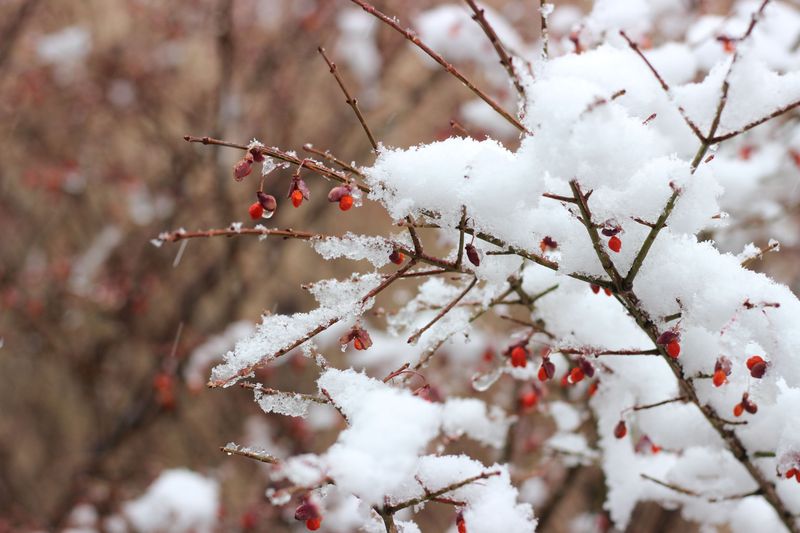
Illinois winters do not mess around. Temperatures swing wildly, ice storms arrive without warning, and the freeze-thaw cycle can stress even tough plants to their limits.
Serviceberry is built for exactly this kind of punishment. Native to North America, it thrives in USDA hardiness zones 4 through 9, covering all of Illinois with room to spare.
Bradford pear struggles more than its popularity suggests. While it technically survives Illinois winters, late-season freezes often damage its early blooms and weaken branch structure over time.
Serviceberry handles late frosts with surprising resilience. Even when a cold snap hits during bloom time, the tree recovers quickly and continues its seasonal cycle without lasting damage.
The root system of serviceberry is equally impressive. Deep, spreading roots anchor the tree firmly and draw moisture from lower soil layers during summer droughts.
Illinois summers can flip from wet springs to dry stretches fast. Serviceberry adapted to those conditions long before anyone was planting ornamental trees in subdivisions.
Bradford pear, originally from China and Korea, never fully adapted to Midwest climate rhythms. Gardeners often notice increased stress damage on Bradford pears after particularly harsh winters.
Choosing a tree that genuinely belongs in your climate zone is one of the smartest long-term gardening decisions you can make. Serviceberry does not just survive an Illinois winter.
It thrives through it, emerges strong, and blooms earlier than almost anything else in the yard come spring.
6. Invasive Seedlings Spread From Bradford Pears
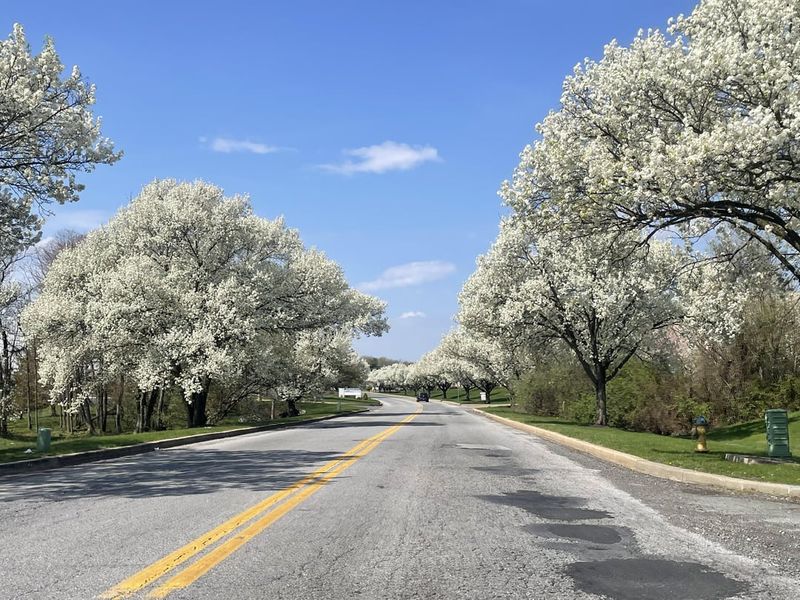
Bradford pear is widely recognized as an invasive concern in Illinois, with growing restrictions in several states and counties. That cheerful white tree in the front yard has been spreading into wild areas over time.
Bradford pear was originally bred to be sterile, but cross-pollination with other pear varieties changed that plan completely. The trees now produce viable seeds that birds carry into natural areas.
Those seeds germinate aggressively in roadsides, forest edges, and prairies. Seedlings grow fast, crowd out native plants, and form thorny thickets that are extremely difficult to remove.
Conservation groups and several state agencies across the Midwest have raised concerns about Bradford pear’s ecological impact, and some areas have begun restricting its sale.
Serviceberry, by contrast, plays well with native ecosystems. When birds spread its seeds into natural areas, the result is more native habitat, not ecological disruption.
Planting serviceberry is an act of ecological responsibility. You get a beautiful yard tree while contributing to the health of the broader natural landscape around your community.
The invasive spread of Bradford pear costs landowners and conservation groups significant money and effort to control. Choosing not to plant it is a simple way to stop adding to that problem.
Swapping Bradford pear for serviceberry means your gardening choices ripple outward in a positive direction.
The health of Illinois wild spaces depends partly on the trees homeowners choose. That is a powerful thing to hold in your hands with a single planting decision.
7. Fall Leaves Turn Brilliant Red-Orange
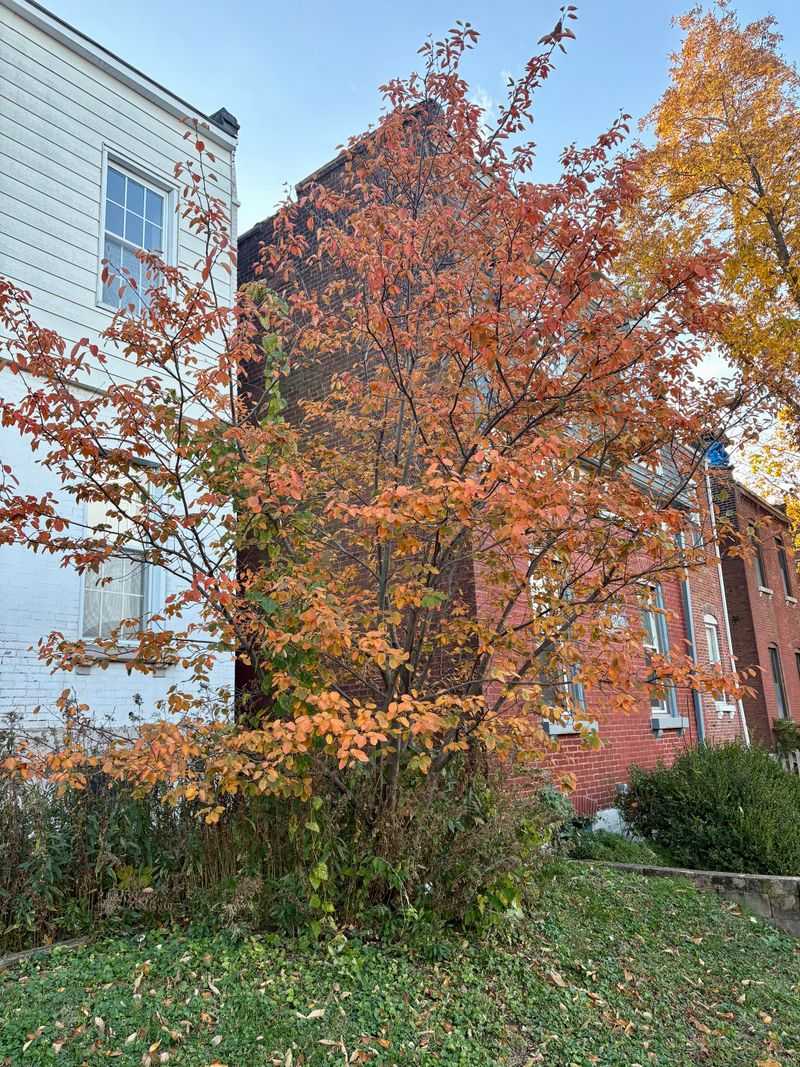
Most people think of serviceberry as a spring tree, and they are missing half the show. Come October, this native beauty lights up like a campfire in the backyard.
Serviceberry leaves shift through a stunning range of fall colors, moving from golden yellow into deep orange and finally settling into rich, saturated red. The transition happens gradually, giving the yard weeks of changing color.
Bradford pear also produces fall color, typically a mix of red and purple. But the display is often inconsistent, with some branches coloring beautifully while others stay dull green until they drop.
Serviceberry delivers a more reliable and vivid performance season after season. The warm tones complement other fall plantings like ornamental grasses and late-blooming perennials perfectly.
Illinois autumns are famous for their color, and a well-placed serviceberry adds to that regional tradition in a meaningful way. Neighbors will stop and stare from the sidewalk.
The multi-season interest of serviceberry is one of its most underrated selling points. Spring flowers, summer berries, and fall foliage create a tree that earns its space in the landscape all year long.
Bradford pear’s fall color feels secondary next to its structural and ecological drawbacks. Serviceberry’s autumn color feels like the natural conclusion of a tree that has been performing beautifully since March.
Watching those leaves glow in the low October light is one of those small joys that makes a house feel like a home. Serviceberry delivers that feeling reliably, year after year.
8. Smaller Size Fits Suburban Yards
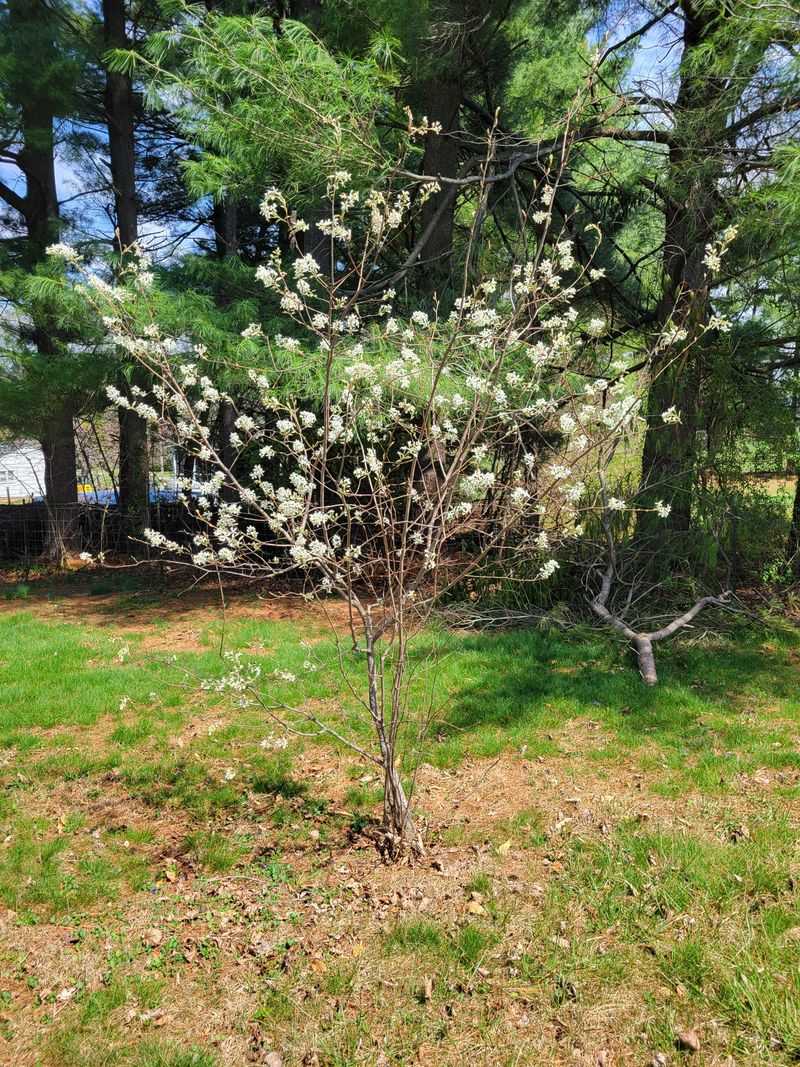
Space is precious in a suburban yard. Planting a tree that outgrows its spot within a decade creates headaches that last for years and expensive removal bills.
Bradford pear grows fast and tall, often reaching 30 to 40 feet with a wide canopy. That sounds impressive until the branches start scraping the roofline or shading the vegetable garden into darkness.
Serviceberry typically tops out between 15 and 25 feet, depending on the variety chosen. That compact profile makes it an ideal fit for the average Illinois suburban lot without crowding structures or utilities.
Several dwarf and multi-stem varieties of serviceberry exist that stay even smaller. Gardeners with tight spaces can find a form that works beautifully without sacrificing any of the ornamental or wildlife value.
The natural shape of serviceberry is graceful and airy, requiring minimal pruning to stay tidy. Bradford pear, by contrast, often needs aggressive trimming to manage its chaotic branching as it matures.
Planting serviceberry near a patio, entryway, or bedroom window is a pleasure rather than a gamble. The tree provides dappled shade without blocking light or overwhelming the surrounding landscape.
Homeowners choosing serviceberry also tend to find that it plays well with companion plants underneath. Its canopy is open enough to allow shade-tolerant perennials and groundcovers to thrive below.
Choosing serviceberry over Bradford pear is ultimately about choosing a tree that fits your life, your yard, and your Illinois landscape.
The reasons are real, the benefits are lasting, and the switch is worth considering for most Illinois yards.