How Illinois Gardeners Get Three Days Out Of One Watering Session
Illinois summers do not mess around. When temps climb into the 90s and the ground starts cracking, your garden is basically sending you a daily distress signal, and answering it every single day gets exhausting fast.
Watering more often does not actually mean watering smarter. Illinois gardeners have figured that out the hard way.
A single well-executed session can keep roots fed and soil moist for three full days. The catch is knowing what you are doing before you even pick up the hose.
These eight strategies are what separates the gardeners who spend their evenings outside enjoying their yard from the ones still dragging a hose around at 7pm.
1. The Right Time To Water Makes All The Difference
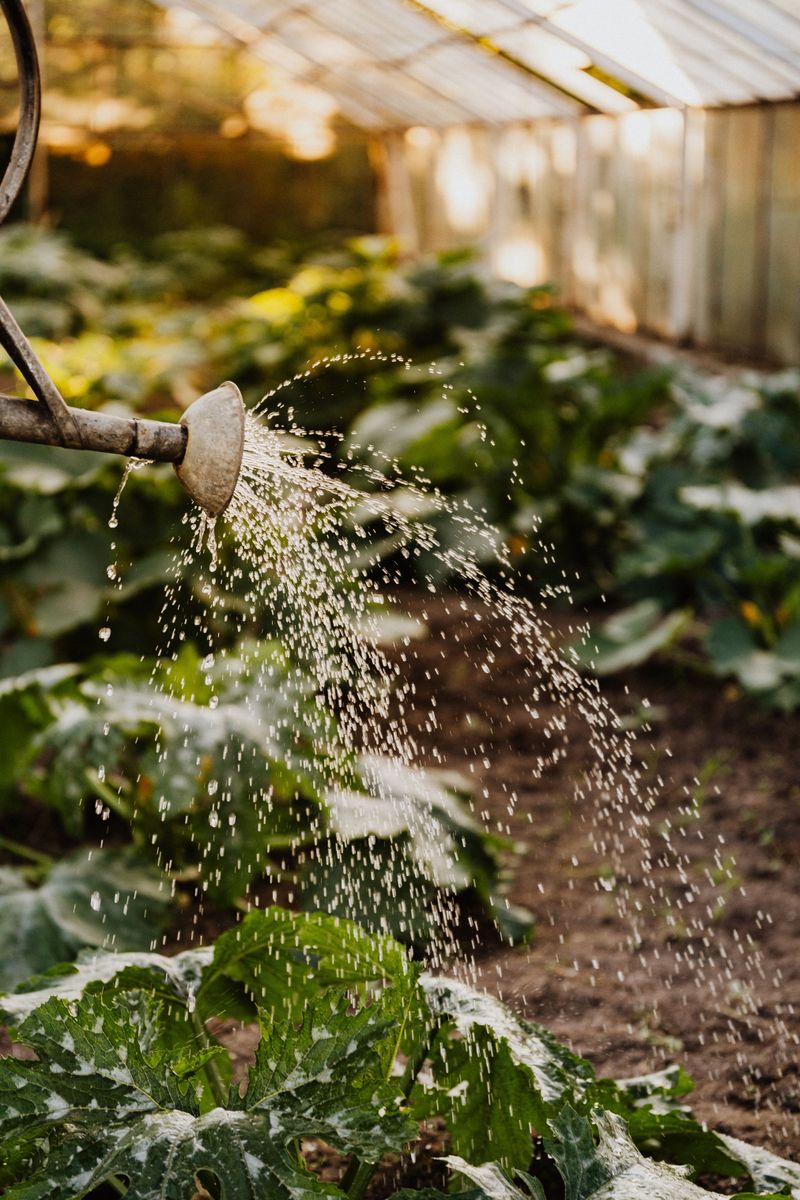
Most people water whenever they feel like it, and that habit quietly wastes more water than you’d guess. The clock matters more than almost anything else when it comes to keeping soil moist longer.
Early morning is the gold standard for watering sessions. The sun hasn’t cranked up the heat yet, so moisture soaks down into the roots before evaporation has a chance to steal it.
Watering in the afternoon gives evaporation a head start before moisture can reach the roots. The heat pulls moisture out of the soil almost as fast as you put it in.
Evening watering sounds smart, but it leaves foliage wet overnight. Wet leaves in cool air invite fungal problems that can damage plants over time.
Morning watering between 6 a.m. and 9 a.m. gives plants the best shot at staying hydrated all day. Roots absorb moisture slowly and steadily when soil temperatures are cooler.
Illinois gardeners who water early often find they need fewer sessions per week. That single shift in timing can stretch one watering into two or even three days of coverage.
A programmable outdoor timer takes all the guesswork out of this. Set it once, and your garden gets watered at the perfect moment without you losing any sleep.
Timing alone won’t solve everything, but it is one of the easiest wins available to any gardener. Start there, and every other strategy on this list becomes even more effective.
2. Soil Preparation Helps Moisture Stay Put Longer
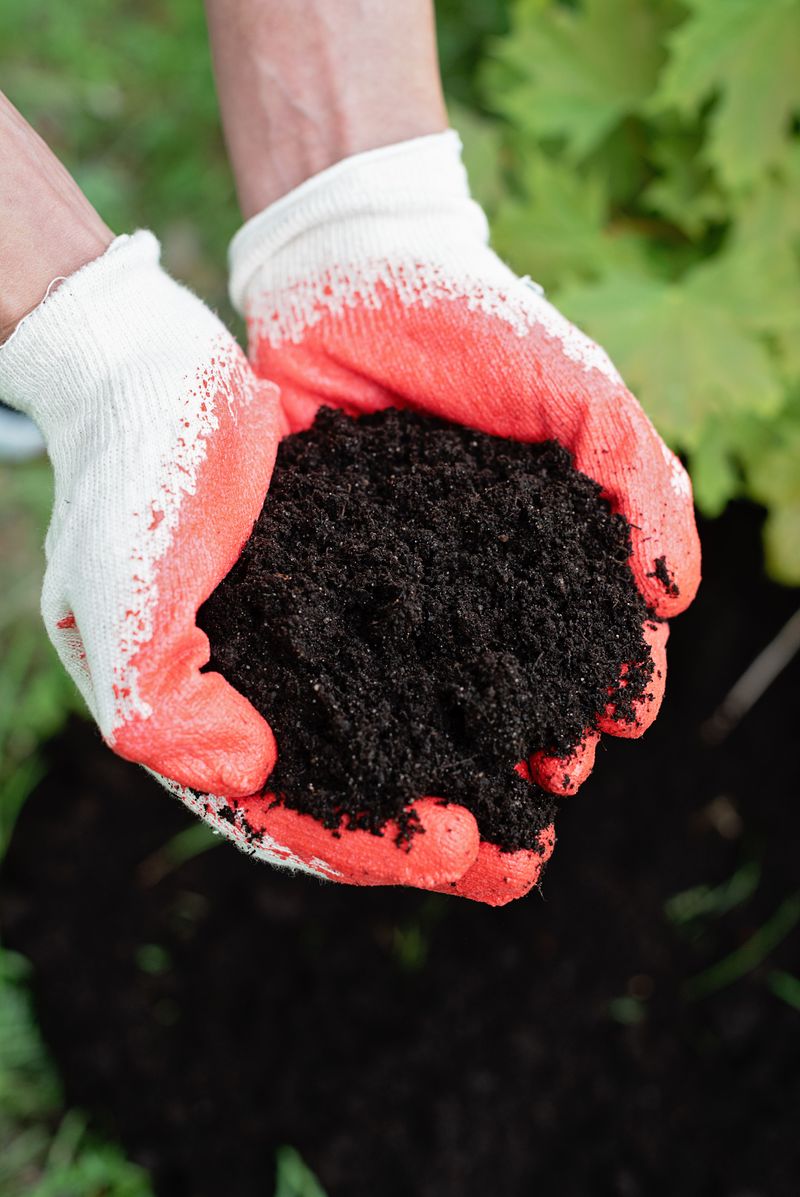
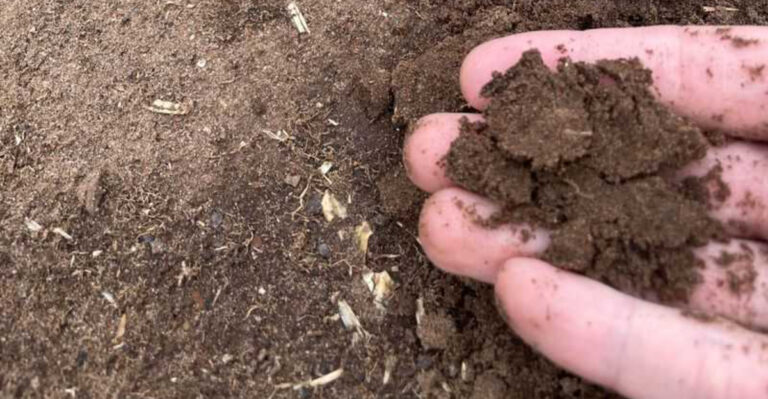
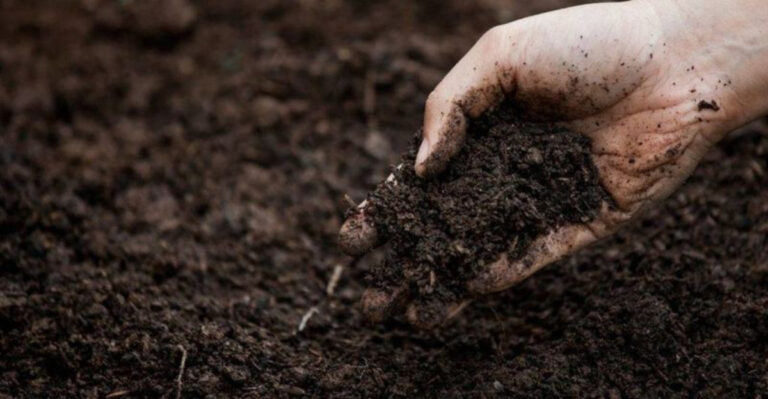
Healthy soil is basically a sponge, and most people never think about it that way. The texture and composition of your garden bed determines how long water sticks around after each session.
Sandy soil drains fast, sometimes too fast. Water passes right through before roots can absorb much of it, leaving plants thirsty within hours.
Clay-heavy soil, which is common across many parts of Illinois, creates the opposite problem. It holds water but can become compacted, blocking roots from reaching moisture stored deeper down.
The fix for both problems is organic matter. Compost, aged manure, and shredded leaves all improve soil structure in ways that hold moisture at the root zone longer.
Working two to three inches of compost into your beds each spring makes a measurable difference. Soil that holds more moisture means you can water less often without stressing your plants.
Your Illinois Garden Changes Every Week. Your Plan Should Too.
Gardening in Illinois changes quickly throughout the season. Every Friday you’ll receive a simple weekly plan showing exactly what to plant, prune, fertilize, harvest, and protect so you never miss the right timing.
Worm castings are another underrated option that many Illinois gardeners swear by. They improve soil texture and add beneficial microbes that help plants take up water more efficiently.
Loosening compacted soil with a garden fork also helps water penetrate deeper instead of running off the surface. Runoff is wasted water that never benefits your plants at all.
Well-prepped soil can hold moisture noticeably longer than neglected beds. One good watering session into rich, amended soil can keep plants satisfied well into the third day without any extra effort from you.
3. Mulching Keeps The Ground From Drying Out Too Fast
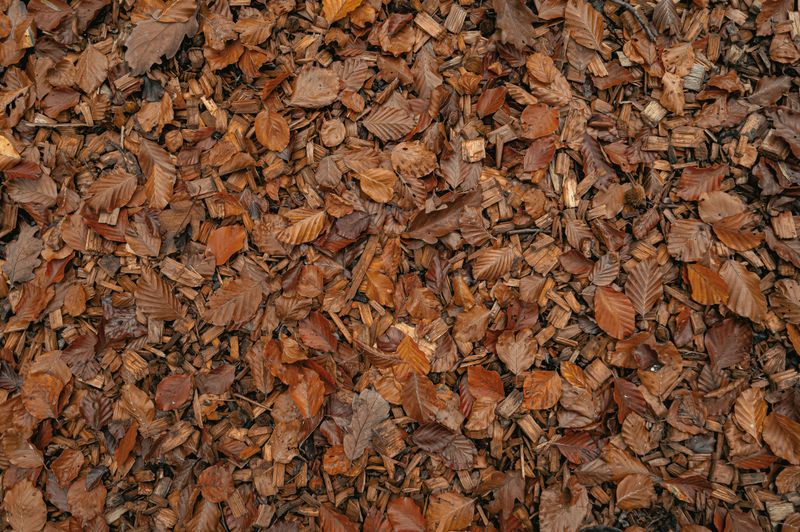
Bare soil and summer sun are a bad combination. When the ground has no cover, heat bakes the moisture right out of it, sometimes within just a few hours of watering.
Mulch acts like a blanket over the soil surface. It blocks direct sunlight, slows evaporation, and keeps the ground temperature several degrees cooler than exposed soil.
Wood chips are one of the most popular choices for Illinois vegetable and flower gardens. A layer about two to three inches thick is enough to make a real difference in moisture retention.
Straw mulch works especially well around vegetables like tomatoes, peppers, and squash. It breaks down slowly, adding organic matter to the soil as the season progresses.
Shredded leaves from fall cleanup are a free mulching option that many gardeners overlook. Spread them a few inches deep around perennials and shrubs for lasting protection.
Grass clippings can also work as mulch, but apply them in thin layers. Thick clumps of clippings mat together and block water from reaching the soil below.
Even a modest mulch layer can reduce how often you need to water by a noticeable margin. University extension programs consistently note that mulched beds retain moisture considerably longer than bare ones.
Once you mulch your beds properly, the soil stays damp far longer after each session. That single layer of material could be the reason your one watering lasts three full days instead of one.
4. Choosing Plants That Do Not Need Constant Watering
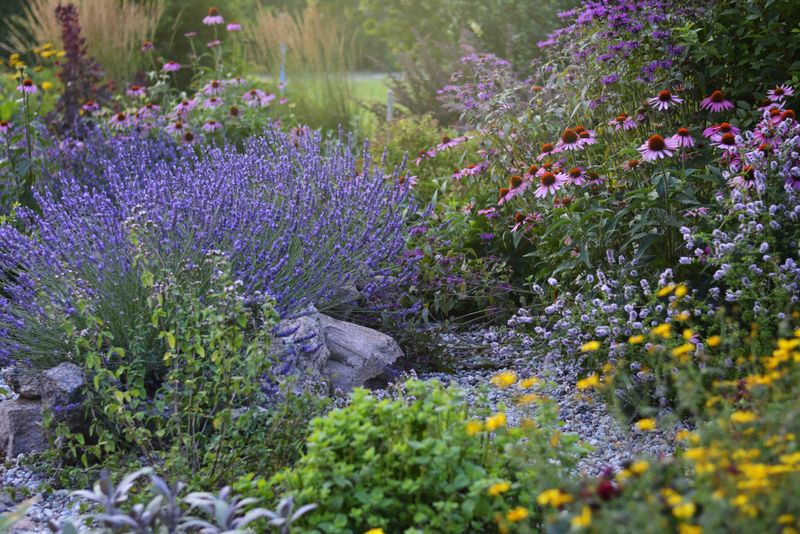
Some plants are just built for endurance, and picking the right ones changes everything about how often you need to water. Native and drought-tolerant species are especially well-suited to Illinois summers.
Coneflowers, black-eyed Susans, and prairie dropseed are native plants that thrive with minimal irrigation once established. Their deep root systems pull moisture from lower soil layers that other plants cannot reach.
Lavender, yarrow, and sedum are non-native options that also handle dry spells with ease. These plants are tough, attractive, and surprisingly low-maintenance for busy gardeners.
Ornamental grasses like little bluestem and switchgrass are another smart pick. They add texture and movement to any garden while surviving on far less water than traditional lawn grass.
Even within vegetable gardens, some crops are more forgiving than others. Swiss chard, beans, and sweet potatoes hold up better in dry conditions than lettuce or spinach, though sweet potatoes still need consistent moisture during establishment.
Replacing thirsty annuals with drought-tolerant perennials saves effort every single season. Perennials come back each year with established root systems, so they need less help from the garden hose.
Grouping drought-tolerant plants together also makes watering more efficient, but that idea gets its own section a little later. For now, just know that plant selection alone can dramatically cut your watering needs.
When you choose plants that naturally need less moisture, one watering session goes much further. Illinois gardeners who get three days out of one session almost always credit their plant choices as a major factor.
5. Drip Irrigation And Soaker Hoses Cut Down On Water Loss
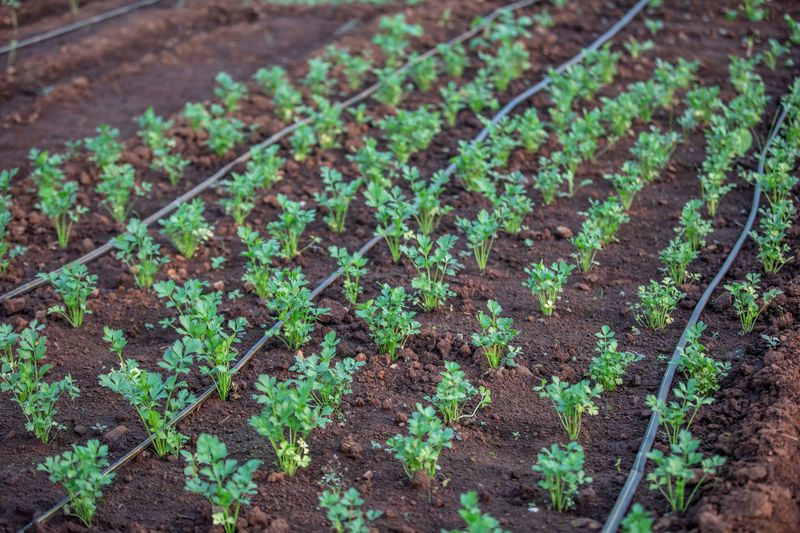
Sprinklers look satisfying, but a lot of that water never reaches plant roots. Wind carries droplets sideways, and hot air evaporates moisture before it even hits the ground.
Drip irrigation solves that problem by delivering water slowly and directly to the base of each plant, cutting out most of the evaporation that comes with overhead sprinklers.
Soaker hoses are a budget-friendly alternative that works on the same principle. Water seeps slowly through tiny pores along the entire length of the hose, keeping soil moist at root level.
Both systems use water more efficiently than overhead sprinklers, which matters during a dry Illinois summer.
Because the water goes exactly where it is needed, the soil stays consistently moist for longer. That even, steady saturation is what allows gardeners to skip watering days without stressing their plants.
Installing a basic drip system does not require professional help or a big budget. Starter kits are widely available at hardware stores and can be set up in a single afternoon.
Pairing drip irrigation with a timer makes the whole system nearly automatic. You set the schedule once, and the garden gets exactly the right amount of moisture at the right time.
Gardeners who switch from sprinklers to soaker hoses often notice their plants look healthier and need watering less often. That is the kind of upgrade that pays for itself in just one season.
6. Grouping Plants By Water Needs Stretches Every Session Further
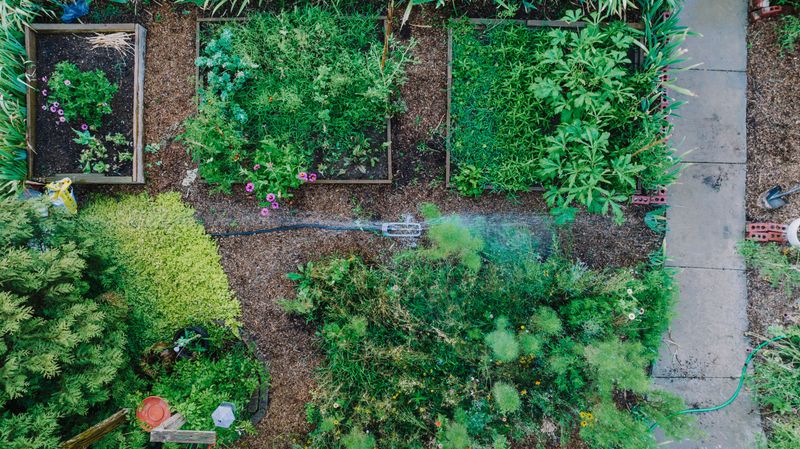
Watering a whole garden the same way is like cooking every dish at the same temperature. Some things get burned, and others never fully cook through.
Plants have wildly different thirst levels, and ignoring that fact means you end up overwatering some and underwatering others. Both mistakes cost you time and water.
The solution is called hydrozoning, which sounds technical but is really just a common-sense approach. Group plants with similar water needs together so each zone gets exactly what it requires.
Put your thirsty plants like tomatoes, cucumbers, and basil in one section of the garden. Place drought-tolerant herbs, native flowers, and ornamental grasses in a separate zone.
When your plants are organized this way, each watering session becomes targeted and efficient. You apply the right amount to each group without wasting water on plants that do not need it.
Overwatering is actually one of the most common gardening mistakes, and it does real damage. Roots that sit in soggy soil struggle to breathe, which weakens plants and makes them more vulnerable to disease.
Hydrozoning also makes it easier to use drip lines and soaker hoses effectively. Each zone can have its own hose or emitter set up to match the needs of the plants growing there.
Once the zones are in place, three days of coverage from a single session stops feeling like a goal and starts feeling like the norm.
7. Watering Deeply Instead Of Often Trains Roots To Go Further Down
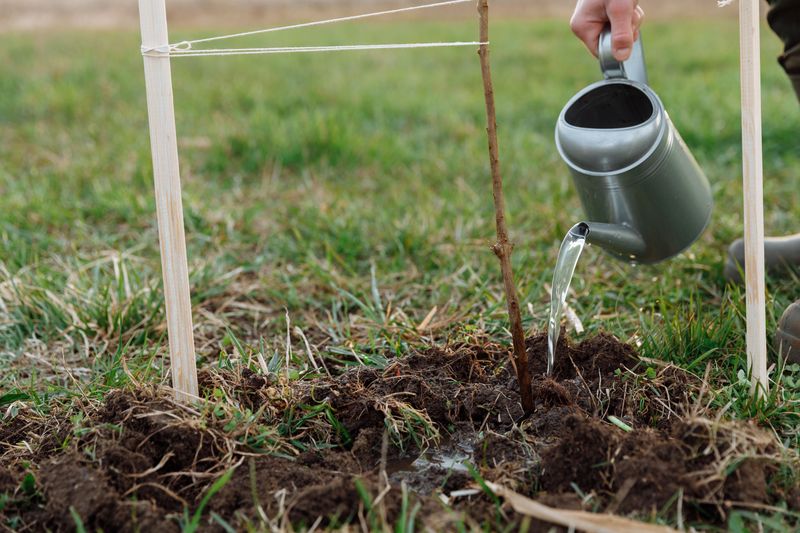
Shallow watering creates shallow roots, and shallow roots are needy roots. Plants that only get a light sprinkle learn to stay near the surface where moisture disappears fastest.
Deep watering changes that behavior entirely. When water soaks down six to eight inches into the soil, roots follow it downward to reach moisture stored in cooler, deeper layers.
Plants with deep roots can go much longer between watering sessions. They are pulling from a reservoir of moisture that surface heat cannot easily evaporate.
To water deeply, slow down and give each area more time than you normally would. A slow, steady flow for twenty to thirty minutes beats a quick five-minute sprinkle every single time.
A simple way to check depth is to push a wooden skewer or long screwdriver into the soil after watering. If it slides in easily to six inches, the moisture has reached where it needs to go.
This technique is especially effective for trees, shrubs, and perennial flowers. Those plants have the root structure to go deep, but only if you give them a reason to do so.
Frequent shallow watering keeps roots near the surface and makes plants dependent on your schedule. Deep watering trains them to be self-sufficient between sessions.
Plants watered this way build real resilience, the kind that shows during the dry stretches Illinois summers are known for.
8. Checking Soil Moisture Before Watering Prevents Unnecessary Sessions
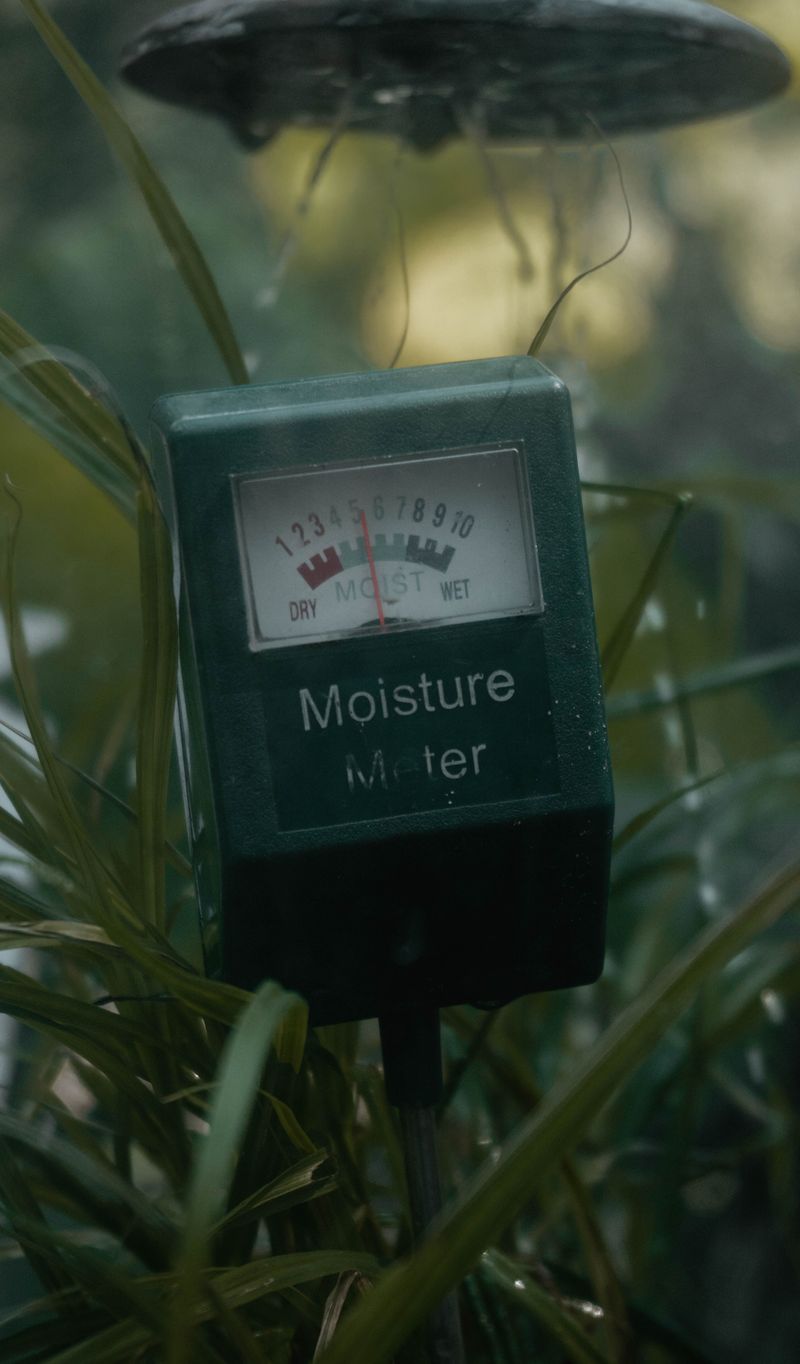
Watering on a fixed schedule without checking the soil is like eating three meals a day whether you are hungry or not. The calendar does not know what your garden actually needs.
Soil moisture testing is one of the simplest habits that separates experienced gardeners from beginners. It takes about ten seconds and can save you from a completely unnecessary watering session.
The finger test is the easiest method available. Push your index finger about two inches into the soil near the base of your plants, and if it feels moist, skip the session for now.
If the soil feels dry at that depth, it is time to water. If it feels cool and damp, your last session is still doing its job and there is no need to add more.
Inexpensive soil moisture meters are also widely available and take the guesswork out of the process entirely. A quick reading tells you exactly whether your garden needs water or not.
Skipping unnecessary sessions adds up quickly over a season. Every watering you avoid means less water used, less time spent, and less risk of overwatering your plants.
Overwatered plants suffer just as much as dry ones, with yellowing leaves and root rot being common signs of too much moisture. Checking before you water protects your plants from both extremes.
When you combine this habit with all the other strategies in this list, your garden gets exactly what it needs, nothing more, nothing wasted. Your garden stays healthy, your water bill drops, and your Saturday mornings get a whole lot more relaxing.