How To Water Established Cactus In Arizona Summer Heat
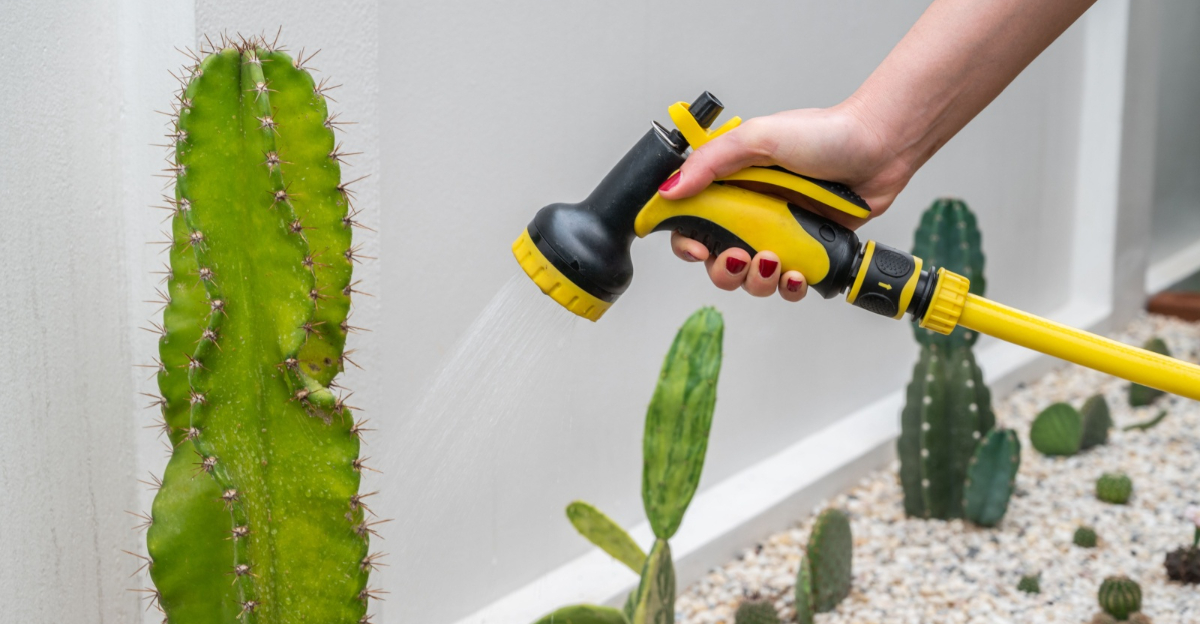
Watering cactus in Arizona summer sounds like it should be the easiest gardening task imaginable.
They’re cactus. They live in the desert. How complicated can it really be?
As it turns out, a little more complicated than most people expect.
The combination of extreme heat, bone-dry gravel soil, and monsoon rain that shows up on its own unpredictable schedule creates a situation where even experienced desert gardeners second-guess themselves regularly.
The most common mistake is assuming that because the sun is absolutely relentless right now, every plant in the yard must be desperately thirsty. For established, in-ground cactus that logic can actually backfire pretty quickly.
Overwatering is a real and surprisingly common problem in Arizona summer gardens, and cactus are some of the most frequent victims.
Getting the balance right is simpler than it sounds once you know what to look for.
1. Water Established Cactus Only When Summer Stays Very Dry
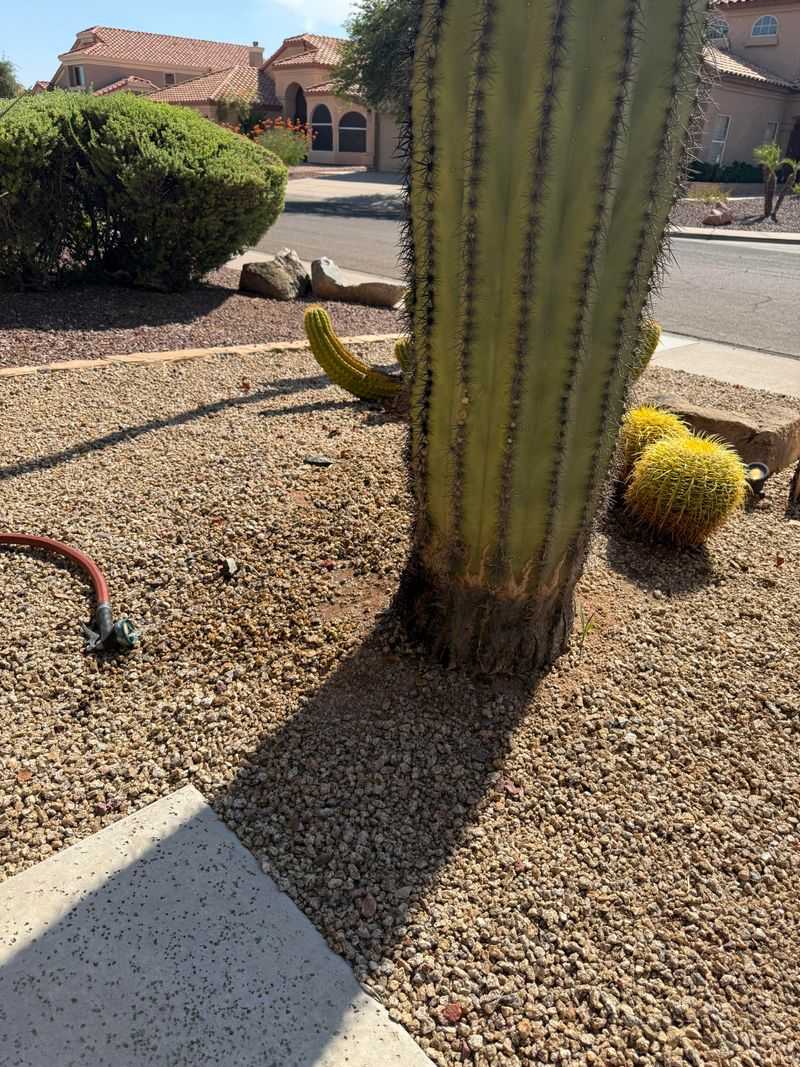
A saguaro standing tall in a dry Arizona yard tells you a lot about cactus resilience. These plants evolved to go weeks without rain, pulling from water stored deep in their tissue.
But when summer stretches into long, rainless stretches with no monsoon relief in sight, even established cactus can benefit from a careful, occasional soak.
The key word there is occasional. Established cactus planted directly in the ground for two or more years usually has a root system wide enough to find moisture that casual observers would never notice.
Before reaching for the hose, check whether any rain has fallen in the past week or two. Arizona monsoon storms can drop a surprising amount of water in a short time, even if the surface dries out fast.
During a genuinely dry stretch, one deep watering every few weeks may be appropriate for most established cactus. Avoid setting a rigid schedule based on the calendar alone.
Instead, let soil dryness, recent rainfall, and your cactus variety guide the decision. Watering only when conditions truly call for it keeps the root zone from staying wet and reduces the risk of root problems in the heat.
2. Let The Soil Dry Between Waterings
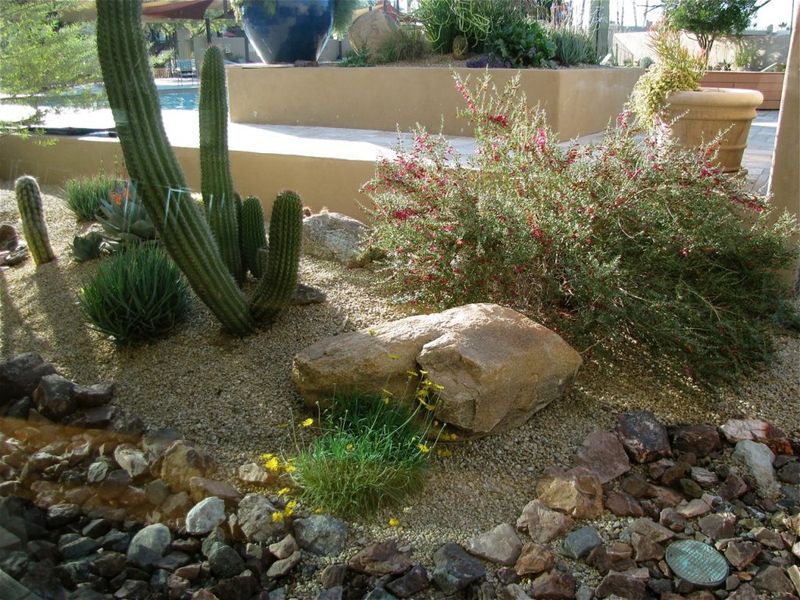
Dry soil around your cactus is not a warning sign. For most cactus varieties growing in Arizona, it is exactly what healthy conditions look like.
Cactus roots are adapted to short periods of moisture followed by extended dry spells, and keeping the root zone consistently moist works against that natural rhythm.
Before watering again, stick a wooden dowel or a long screwdriver several inches into the soil near the cactus. If it comes out with any moisture clinging to it, hold off.
If it comes out completely dry and has been that way for a while during an unusually dry summer stretch, a deep watering may be appropriate. The surface drying quickly in heat does not mean the deeper soil has dried out.
Gravel mulch common in Arizona desert landscapes can make the surface feel extremely dry while moisture lingers several inches below. Checking deeper than the top inch gives a more accurate picture.
Your Arizona Garden Changes Every Week. Your Plan Should Too.
Gardening in Arizona changes quickly throughout the season. Every Friday you’ll receive a simple weekly plan showing exactly what to plant, prune, fertilize, harvest, and protect so you never miss the right timing.
Giving the soil enough time to fully dry between waterings encourages deeper root growth, which makes the cactus more self-sufficient over time.
Letting the soil cycle through dry periods is one of the most reliable habits for keeping established cactus healthy in Arizona’s summer climate.
3. Water Deeply Rather Than Sprinkling Lightly
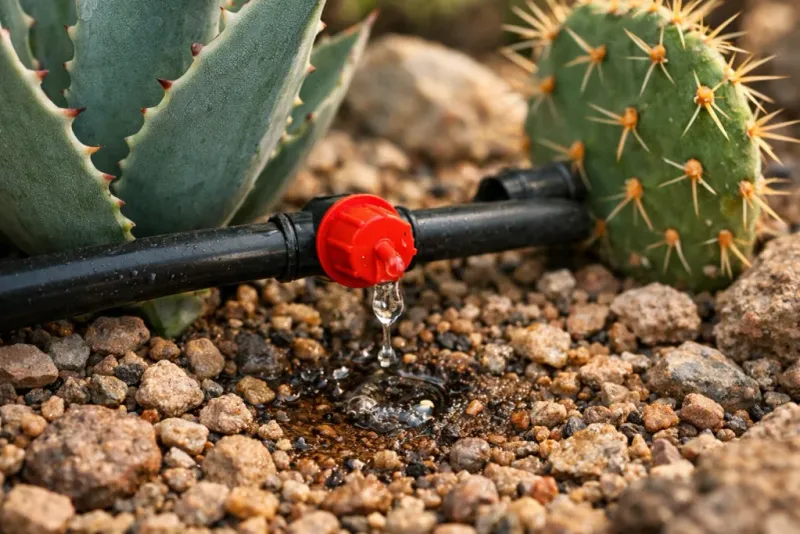
Light sprinkles do very little good for established cactus in Arizona. A quick spray that barely wets the top inch of gravel encourages shallow root activity near the surface, which is the last place roots want to be during intense summer heat.
Deep, slow watering pushes moisture down to where the root system actually lives.
When watering is appropriate, let a slow trickle run at the base of the cactus long enough to soak the soil several inches down. A soaker hose or a slow drip at the base works well for this.
The goal is to mimic what a good monsoon rain does, saturating the soil deeply and then allowing it to drain and dry completely before the next watering.
Avoid overhead sprinklers that spray water onto the cactus body itself. Wet cactus skin in hot Arizona conditions can sometimes lead to surface issues, and regular overhead moisture near the crown is not ideal.
Directing water to the soil around the base, out toward the drip line where feeder roots spread, gives the plant the best chance to absorb what it needs.
Deep watering done less frequently is far more beneficial than frequent shallow sprinkles.
4. Keep Water Away From The Cactus Crown And Base
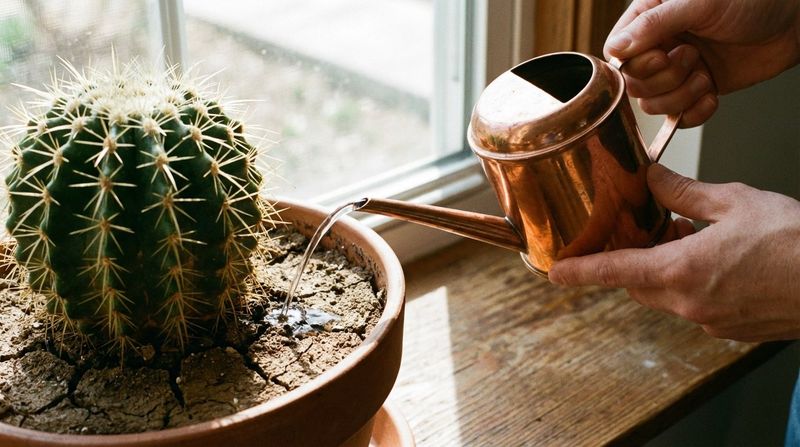
Pooling water at the base of a cactus is one of the most common watering mistakes homeowners make during summer. The crown, which is the point where the cactus body meets the soil, is especially sensitive to prolonged moisture.
When water sits against the base regularly, it creates conditions that can lead to soft spots or internal decay, particularly in heavy clay soils that drain slowly.
When watering established cactus in your Arizona yard, aim to deliver water out toward the drip line rather than right against the trunk or stem. The drip line is roughly the outer edge of the plant’s spread, where feeder roots are most active.
Watering there allows moisture to move through the soil toward the roots without concentrating wetness at the most vulnerable part of the plant.
In Arizona landscapes with compacted or caliche-heavy soil, water can pool more easily than expected.
If you notice water sitting near the base after watering or after monsoon rain, improving drainage in that area may be worth considering before adding more water.
Keeping the crown and immediate base area relatively dry while still providing moisture to the broader root zone strikes the right balance for most established cactus.
5. Use Well-Drained Soil Before Adding More Water
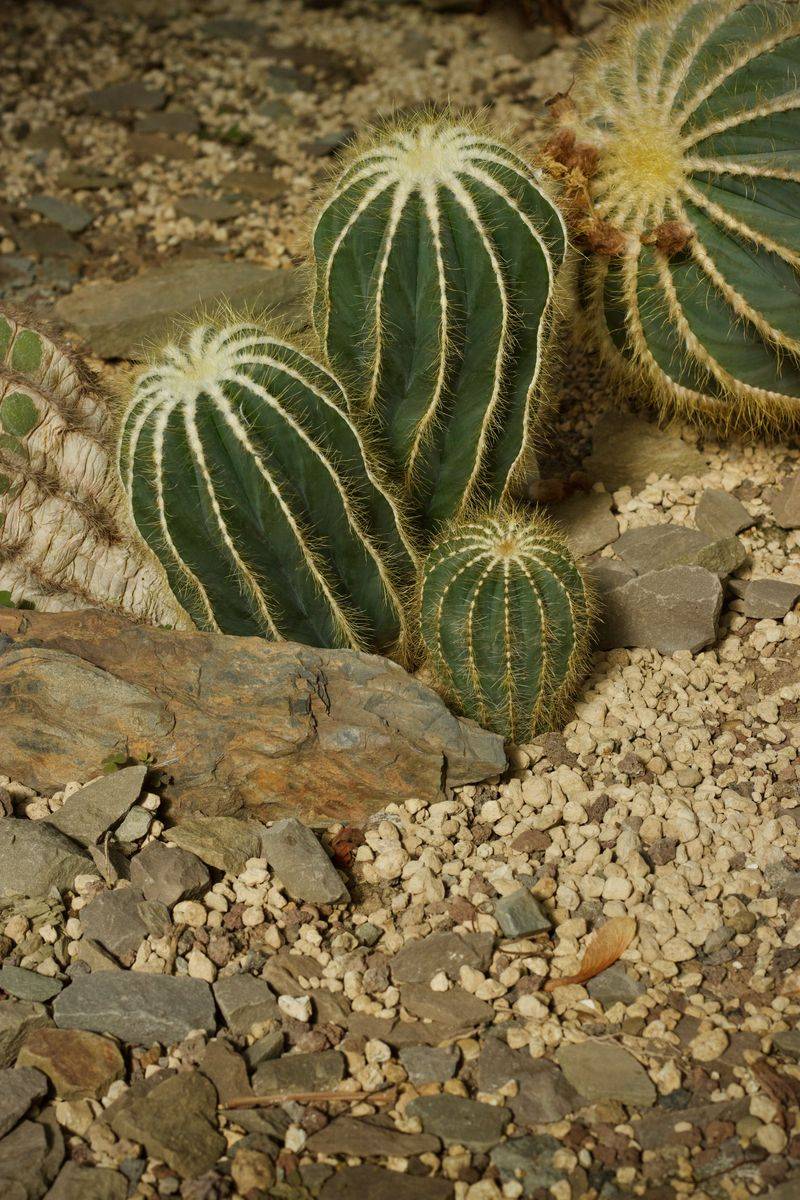
Soil that drains poorly can quietly cause problems for cactus even when you think you are watering correctly.
In many Arizona neighborhoods, caliche layers, compacted soil, or heavy clay can trap moisture around cactus roots far longer than the plant prefers.
Watering on top of slow-draining soil, especially during summer heat, creates conditions where roots stay wet between waterings.
Before adding water, consider whether your soil actually drains well. A simple test is to dig a small hole about a foot deep, fill it with water, and watch how quickly it disappears.
If water is still sitting in the hole an hour later, drainage is likely an issue. For established cactus already in the ground, you may not be able to change the soil easily, but you can adjust how often and how much you water.
In Arizona desert landscapes, cactus planted in sandy or gravelly native soil typically drains well enough that watering deeply once every few weeks during dry summer periods is manageable.
Raised beds or berms can also improve drainage in areas with problem soil.
Good drainage is not optional for healthy cactus. Without it, even careful watering can leave roots sitting in moisture far longer than any established cactus in Arizona should tolerate.
6. Adjust For Cactus Type, Size, And Location
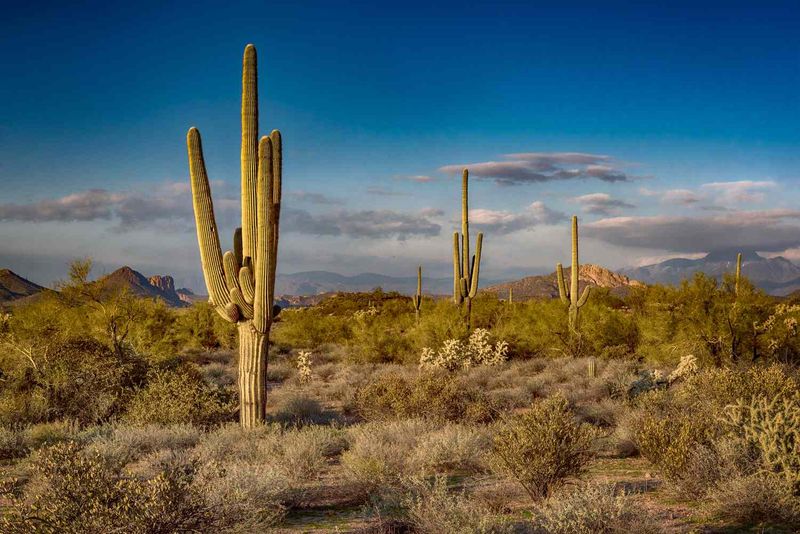
Not every cactus in your Arizona yard has the same water needs, even during the same summer heat wave.
A large, mature saguaro with an established root system spreading many feet in every direction is in a very different situation than a two-foot barrel cactus growing in a narrow bed between concrete and a block wall.
Size, species, and surrounding conditions all influence how much supplemental water makes sense.
Cactus growing in full reflected sun, like those planted near a south-facing stucco wall or along a light-colored driveway, may experience more heat stress than cactus growing in a more open yard.
That extra heat load can occasionally call for slightly more attention during dry summer stretches.
On the other hand, cactus growing in partial shade or in a spot that receives natural runoff from a sloped yard may rarely need supplemental watering at all.
Container-grown cactus in Arizona summer heat behaves differently from in-ground plants. Pots dry out faster, heat up more intensely, and have no access to deeper soil moisture.
If you are growing cactus in containers on a hot Arizona patio, checking the soil more often during peak summer months is reasonable.
Adjusting your approach based on each plant’s specific conditions leads to better outcomes than treating all cactus the same.
7. Water Early Or When Evaporation Is Lower
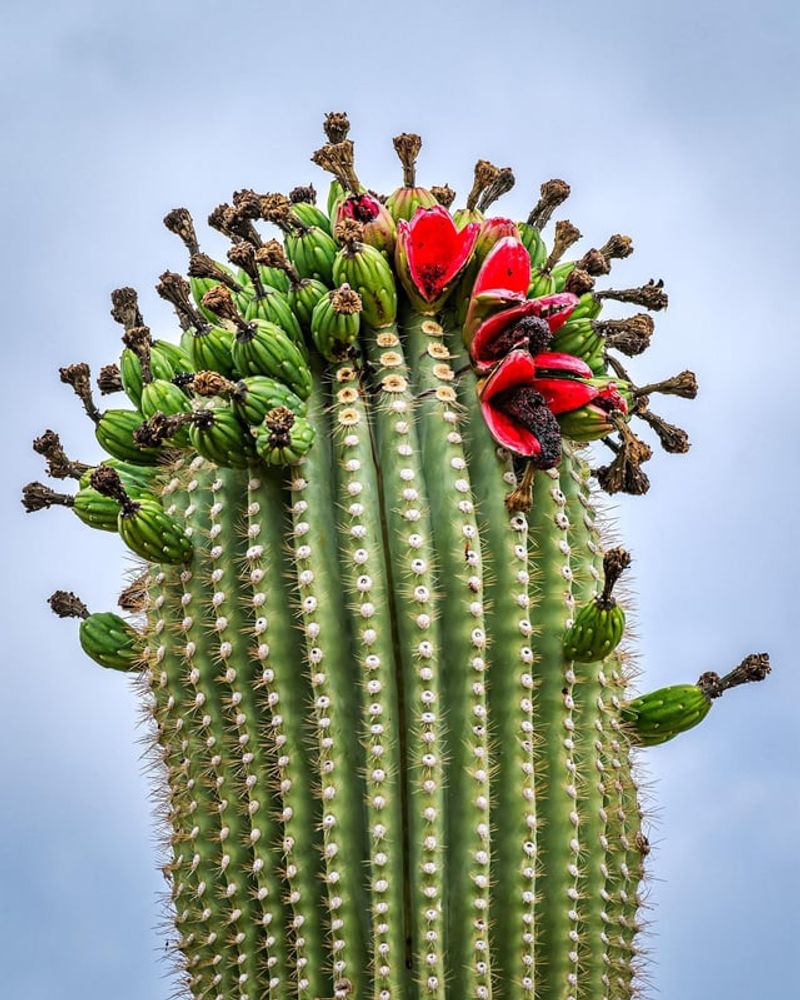
On a July morning in Arizona, the difference between watering at 6 a.m. and watering at 2 p.m. is significant.
Midday heat and intense solar radiation cause surface moisture to evaporate quickly, which means less water actually reaches the root zone before it disappears.
Watering during cooler parts of the day gives moisture a better chance to soak into the soil rather than vanishing into the hot desert air.
Early morning is generally a practical time for watering cactus in Arizona summer. Temperatures are lower, evaporation rates are reduced, and the soil has had the night to cool slightly.
Evening watering is another option, though water sitting on soil or against cactus tissue overnight in humid monsoon conditions is worth thinking about.
The watering time matters less for deeply established cactus than it does for new plantings or container plants, but it still plays a role in efficiency.
If you are hand-watering with a hose, spending time in the yard during the cooler morning hours also gives you a chance to observe how your cactus actually looks.
Checking for any signs of stress or unusual color while watering is a simple habit that helps you stay informed about your Arizona cactus without adding extra work to your routine.
8. Check For Heat Stress Before Reaching For The Hose
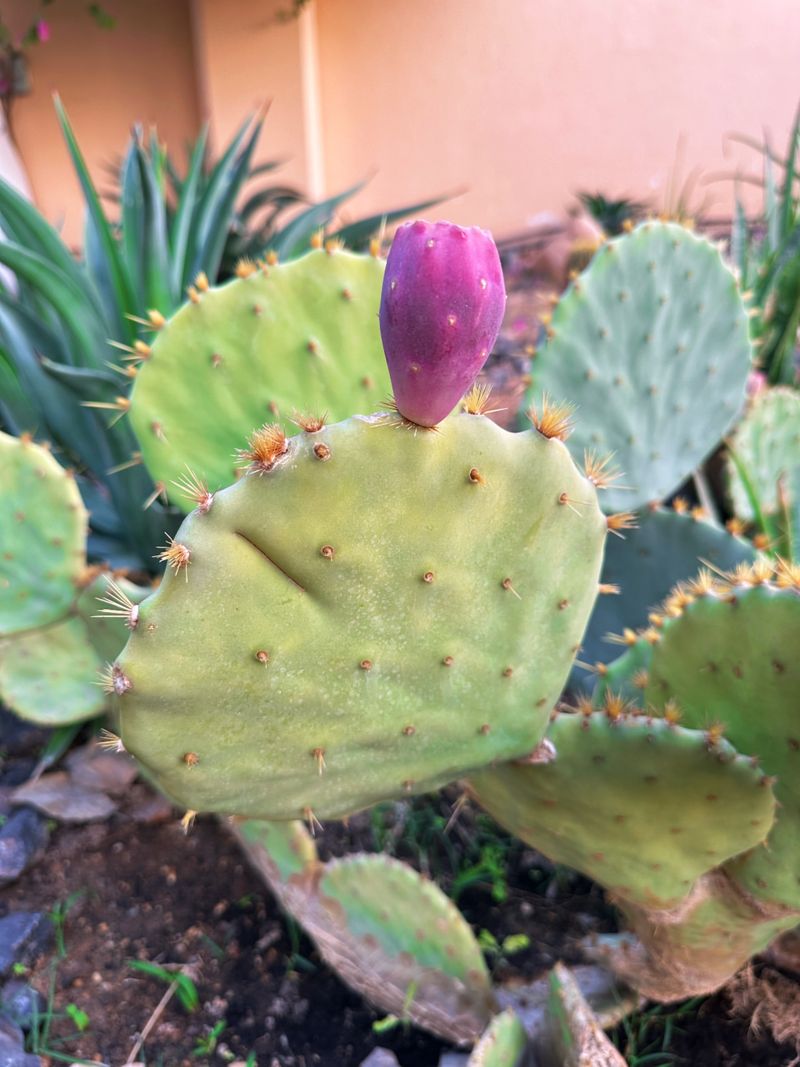
Wrinkled or slightly puckered cactus skin is one of the clearer signs that an established plant may be running low on stored water during an especially dry Arizona summer.
Cactus store water in their tissue, and when that internal supply drops, the outer skin can begin to look less plump and more accordion-like.
Noticing this on your prickly pear or barrel cactus is a reasonable signal that a deep watering might be timely.
Color changes can also offer clues. Some cactus varieties shift toward a slightly dull or pale green during prolonged dry periods, while others may show a faint yellowish cast.
These changes are not always alarming, but combined with visible wrinkling and a long dry stretch, they suggest the plant could use some moisture.
Before assuming heat stress means the cactus needs water right away, rule out other causes. Reflected heat from nearby walls or pavement can stress cactus visually without being related to soil moisture at all.
Check the soil moisture a few inches down before watering. If the soil still holds any moisture from a recent monsoon rain or a previous watering, holding off a bit longer is usually the right call.
Accurate observation before watering prevents unnecessary irrigation in Arizona’s already demanding summer climate.
9. Reduce Or Pause Watering When Rain Arrives
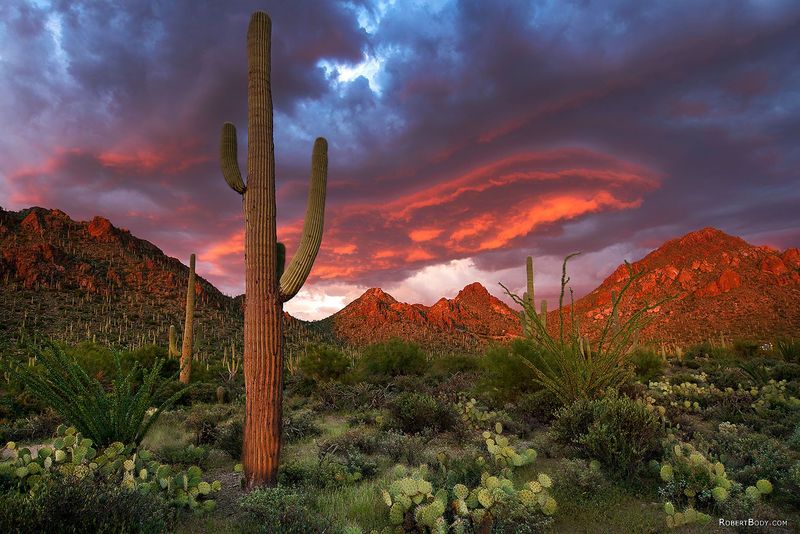
Monsoon season in Arizona typically runs from mid-June through September, bringing storms that can drop significant rain in a short period.
When those storms arrive and soak your yard thoroughly, established cactus does not need any supplemental irrigation on top of that moisture.
Continuing to water on a fixed schedule during monsoon season is one of the most common ways homeowners accidentally overwater their cactus.
After a good monsoon rain, the soil around established cactus may stay moist for longer than the dry surface suggests.
Gravel and hot sun dry the top layer quickly, but deeper soil can hold moisture for a week or more depending on how much rain fell and how well the soil drains.
Checking soil moisture a few inches down after a monsoon event before deciding whether to water again is a smart habit.
Not every Arizona summer brings reliable monsoon activity. Some years are drier than others, and even within a single monsoon season, there can be long dry gaps between storms.
Staying flexible and adjusting your watering based on actual recent rainfall rather than a fixed routine keeps you from adding unnecessary moisture.
Pausing supplemental watering after rain arrives is one of the simplest and most effective ways to care for established cactus during Arizona summer.