This Pennsylvania Tick Can Reproduce Without A Mate (And Why Gardeners Should Care)

Most ticks are troublesome enough on their own. But there is one tick showing up in Pennsylvania yards that takes things to a completely different level.
This species comes with an ability that sounds like something out of a science fiction movie. It can reproduce entirely on its own, without ever needing a mate. That means a single tick is all it takes to start a population. No pairing required.
No waiting. Just one tick finding its way into your yard and the numbers can grow faster than most people would expect.
For gardeners who spend time outdoors regularly, that is a very unsettling thing to consider.
This tick has been spreading across Pennsylvania at a steady pace, and awareness is still surprisingly low among homeowners and gardeners who are most at risk of encountering it.
Meet The Asian Longhorned Tick
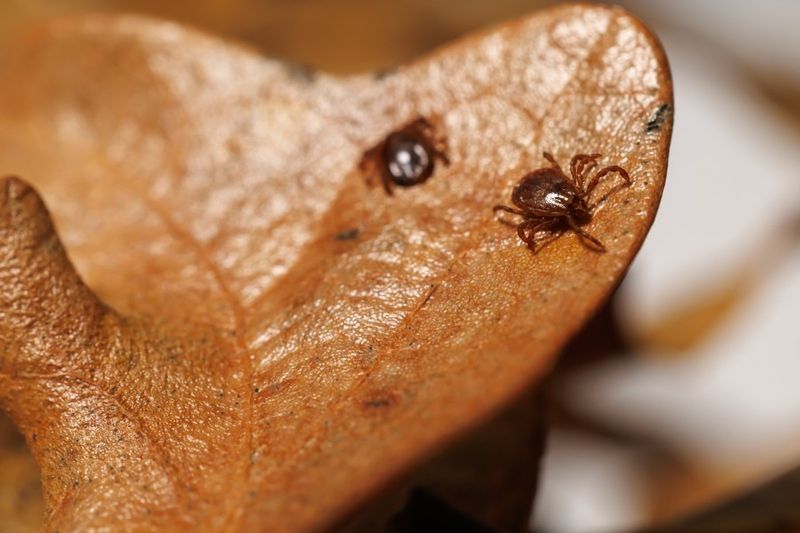
Imagine finding a tiny, reddish-brown speck crawling across your garden glove. That speck might just be the Asian Longhorned Tick, scientifically known as Haemaphysalis longicornis, and it is one of the most talked-about invasive species showing up across Pennsylvania right now.
Originally from East Asia, this tick hitched rides on migratory birds and animals, eventually spreading across the eastern United States.
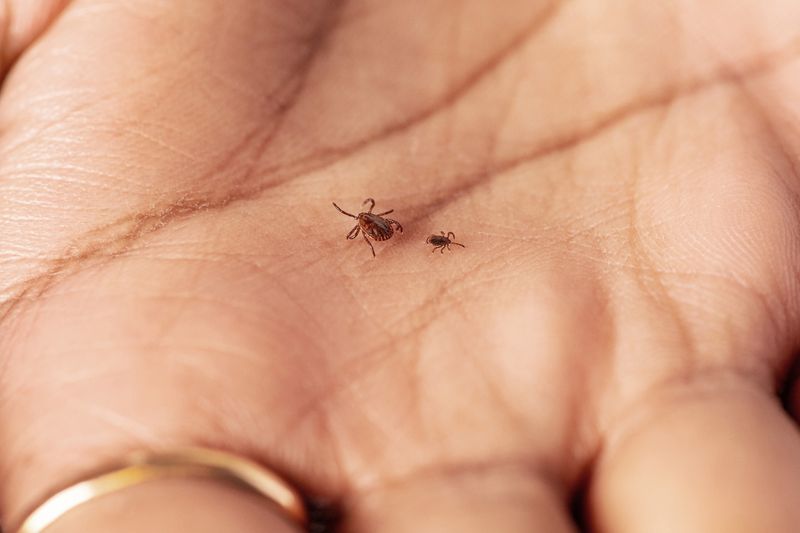
Compared to common ticks you might already know, the Asian Longhorned Tick is noticeably small.
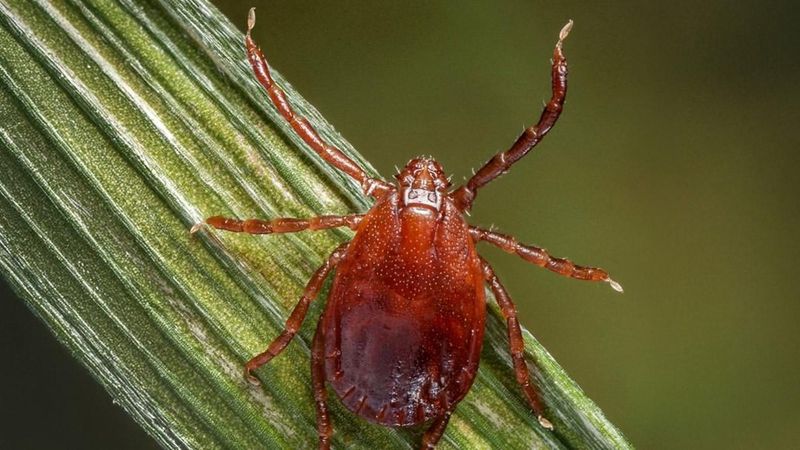
Adult females are roughly the size of a sesame seed, and their reddish-brown color makes them easy to miss against soil or leaf litter. Their body is oval-shaped and becomes much rounder when fully fed with blood.
One feature that sets this tick apart is its lack of distinctive markings. Many common American ticks have white spots or patterns on their backs, but the Asian Longhorned Tick looks plain and uniform in color.
This makes it harder to spot and identify for most people who are not trained to look closely.
Pennsylvania wildlife officials first confirmed its presence in the state in 2018, and populations have been growing steadily since.
Gardeners in rural and suburban areas have reported finding clusters of these ticks on livestock, dogs, and even on themselves after yard work.
Knowing what this tick looks like is your first defense. If you ever find a tick that seems unusually small and plain-colored, save it in a sealed bag and contact your local cooperative extension office for proper identification.
Parthenogenetic Reproduction Explained
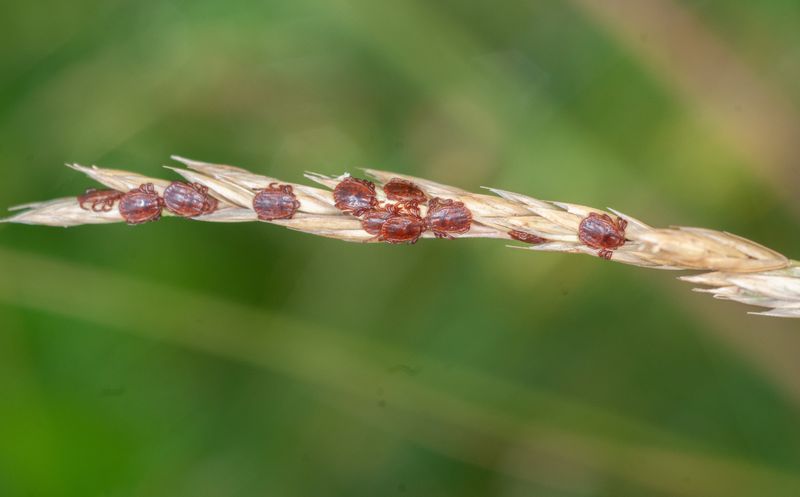
Here is something that sounds almost like science fiction: a single female Asian Longhorned Tick can lay hundreds of viable eggs without ever mating with a male.
This process is called parthenogenesis, and it is one of the most alarming traits this invasive species carries.
In fact, male Asian Longhorned Ticks are so rare that scientists have almost never found them in North America.
Parthenogenesis is not unheard of in the animal world. Some lizards, fish, and insects can also reproduce this way.
But for ticks, it is extremely unusual, and it gives the Asian Longhorned Tick a massive survival advantage over native tick species that require both males and females to reproduce.
Your Pennsylvania Garden Changes Every Week. Your Plan Should Too.
Gardening in Pennsylvania changes quickly throughout the season. Every Friday you’ll receive a simple weekly plan showing exactly what to plant, prune, fertilize, harvest, and protect so you never miss the right timing.
A single female can lay anywhere from 1,000 to 2,000 eggs in her lifetime. Because every female has this ability, population numbers can skyrocket in a very short period of time.
There is no waiting for a mate, no competition for reproduction, just steady, relentless multiplication season after season.
For gardeners, this means one overlooked tick can become a full-blown infestation within a single warm season. Most people think of tick problems as something that builds slowly over years.
With the Asian Longhorned Tick, that timeline is dramatically shorter. Catching one early and taking action right away is far more important than it might seem at first.
Spreading awareness about parthenogenesis helps neighbors and communities respond faster, which is exactly why scientists and health officials are working hard to educate the public about this unusual reproductive strategy.
Rapid Infestation Risk In Gardens And Yards
Picture this: you spot one Asian Longhorned Tick on your dog after a walk through the backyard. You remove it and move on with your day.
But that one tick could already have laid eggs in your lawn, and within weeks, hundreds more could be crawling through the same space where your kids play and your pets roam. That is the reality of how fast this tick can take over an outdoor area.
Gardens, yards, and pastures offer the perfect environment for these ticks to thrive. They love shaded, moist areas with plenty of ground cover.
Tall grass, fallen leaves, and dense shrubs all create the kind of habitat where ticks can rest, feed, and reproduce without much disturbance. Suburban gardens with mixed plantings and wooded edges are especially at risk.
Livestock owners and farmers have seen the impact firsthand. In some cases, animals have been found covered in hundreds of ticks at once, which can cause significant blood loss and serious health problems.
Pets are equally vulnerable, and even humans working in infested areas can pick up large numbers of these ticks in a single outing.
The good news is that awareness goes a long way. Checking your pets thoroughly after they come inside, doing a full-body tick check on yourself and your children, and staying alert to unusual tick activity in your yard can help you catch a problem early.
The sooner you notice a possible infestation, the easier it is to manage before it grows into something much harder to handle.
Potential Disease Risks Worth Knowing
Beyond its shocking reproductive abilities, the Asian Longhorned Tick raises real concerns as a potential carrier of tick-borne pathogens.
In its native range across parts of Asia, this tick is known to transmit a serious virus called Severe Fever with Thrombocytopenia Syndrome (SFTS), which can cause significant illness in humans and animals.
Researchers are actively studying whether this same risk applies in North America. So far, no cases of SFTS have been confirmed in the United States from Asian Longhorned Ticks.
However, studies have shown that this tick is capable of carrying and potentially transmitting several pathogens already present in Pennsylvania, including those that cause spotted fever and theileriosis in cattle.
The full picture of its disease-carrying potential is still being researched. Early detection is one of the most powerful tools available right now.
If you notice a tick you do not recognize, especially one that seems smaller and plainer than typical deer ticks or dog ticks, getting it identified quickly can help public health officials track the spread of this species.
Many county health departments and university extension programs offer free or low-cost tick identification services.
Protecting yourself starts with simple habits. Wearing long sleeves and pants when gardening, using EPA-approved tick repellents on exposed skin and clothing, and showering after outdoor activities all reduce your chances of a tick staying attached long enough to transmit anything harmful.
Staying informed about local tick activity through your state health department website is another smart and easy way to stay ahead of potential risks in your area.
How Your Garden Becomes A Tick Habitat

Most gardeners love a full, lush yard packed with texture and layers. The problem is that ticks love it too.
Asian Longhorned Ticks thrive in exactly the kinds of environments that many gardeners work hard to create: tall ornamental grasses, thick layers of mulch, dense shrub borders, and shaded beds filled with ground cover plants.
Understanding this connection can help you make smarter choices about your outdoor space.
Leaf litter is one of the biggest tick hotspots in any yard. Fallen leaves create a moist, dark layer close to the ground where ticks can hide and wait for a passing host.
If you let leaves pile up along fence lines, under hedges, or in corners of your garden, you are essentially building a welcome mat for ticks. Raking and composting leaves regularly makes a noticeable difference.
Lawn height matters more than most people realize. Ticks typically climb to the tips of grass blades and wait with their front legs outstretched for an animal or person to brush past.
Keeping your lawn trimmed to three inches or shorter dramatically reduces the number of places where ticks can successfully position themselves for a host encounter.
Mulch can be a tricky subject. While mulch is great for plant health and moisture retention, thick layers of wood chip mulch close to your home can create ideal tick territory.
Using a three-foot barrier of gravel or wood chips between wooded areas and your lawn can actually help block tick migration toward your living spaces, giving you a simple but effective line of defense without sacrificing your garden’s overall beauty.
Prevention And Control Strategies That Work
Winning the battle against Asian Longhorned Ticks does not require expensive treatments or complicated routines.
Some of the most effective strategies are surprisingly straightforward, and many of them also make your yard healthier and more wildlife-friendly at the same time.
Starting with a few small changes can make a big difference over the course of a single season.
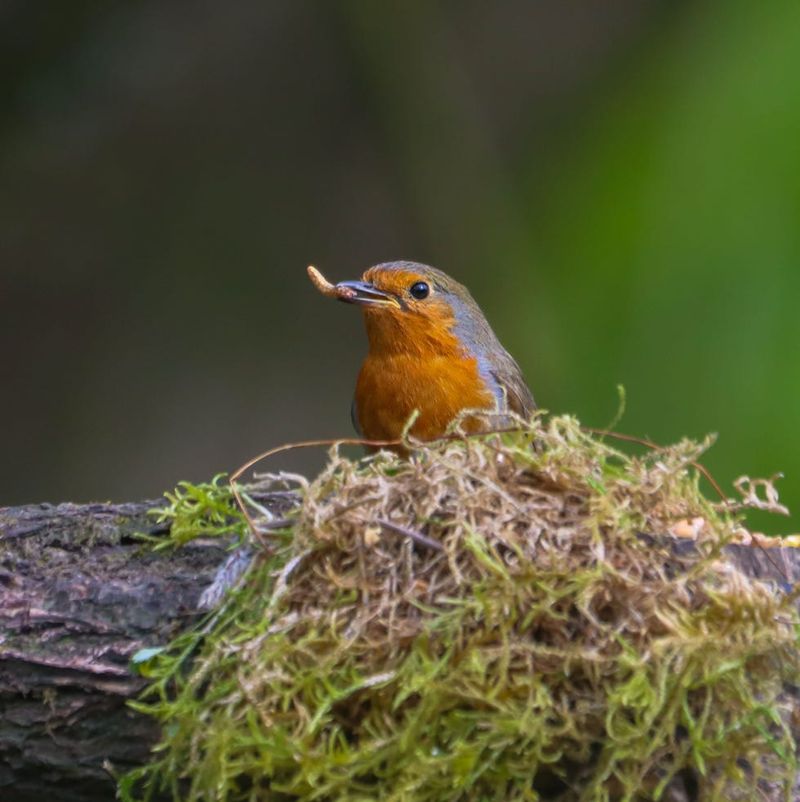
Welcoming natural tick predators into your yard is one of the easiest and most eco-friendly moves you can make. Birds like robins, wild turkeys, and guinea fowl are well-known tick consumers and actively search for them in grass and leaf litter.
Setting up bird feeders and birdbaths encourages these helpful visitors to spend more time in your yard. Toads are another underrated ally since they eat many soft-bodied insects and pests, including ticks at certain life stages.
Choosing the right plants also plays a role. Some native plants are less attractive to the deer and rodents that often carry ticks into yards in the first place.
Planting native species like wild ginger, yarrow, or lavender can help reduce the wildlife traffic that brings ticks along for the ride. Avoiding plants that strongly attract deer near your home is a smart long-term strategy.
After every outdoor session, do a thorough tick check on yourself, your children, and your pets. Pay close attention to hidden spots like behind the knees, around the ears, and along the hairline.
Tossing clothes into a hot dryer for at least ten minutes after coming inside is a reliable way to handle any ticks that might have hitched a ride without you noticing.