Pennsylvania Vegetables You Can Still Plant In May For A Summer Harvest
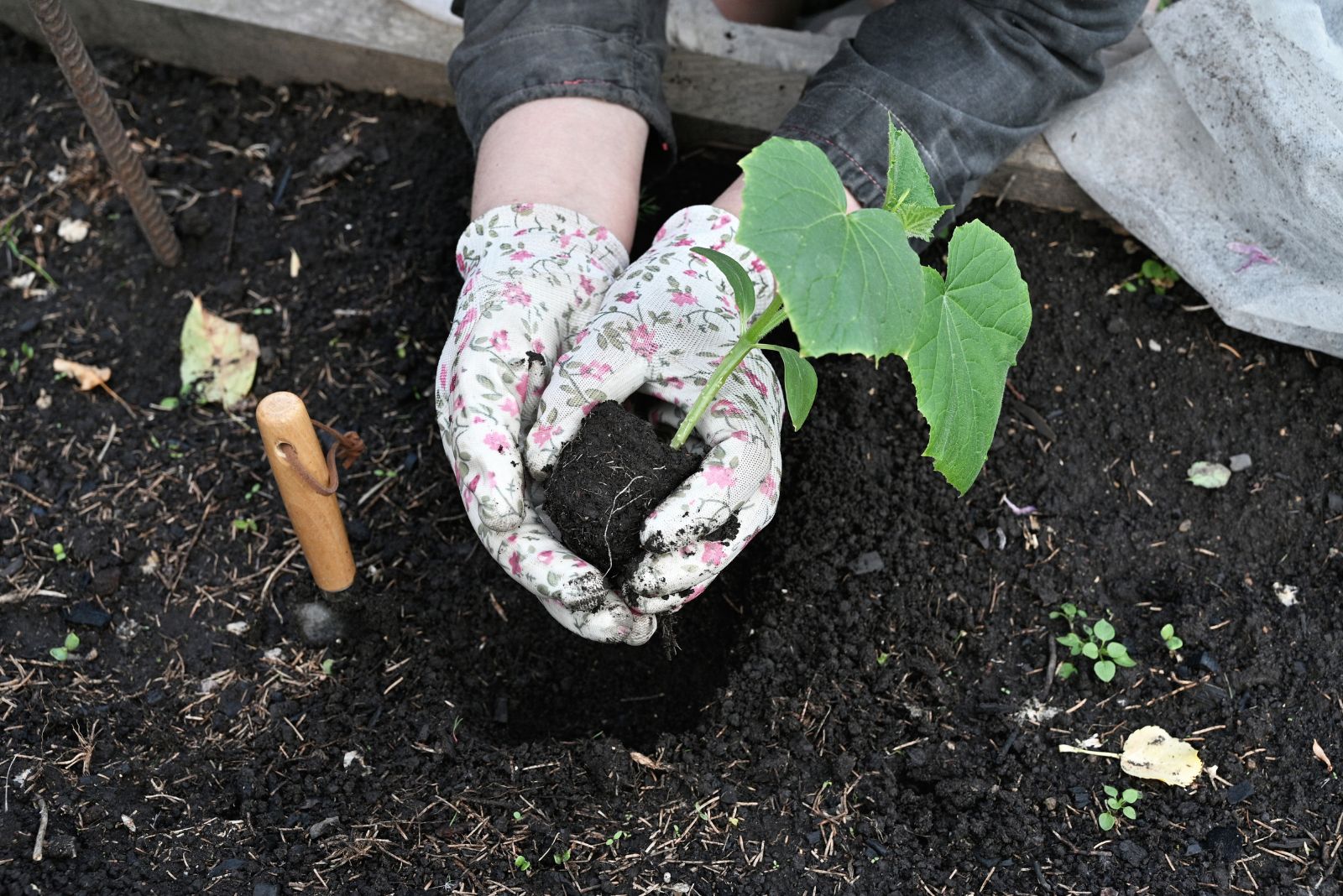
May in Pennsylvania still has plenty of growing season left in it, and anyone who thinks the planting window is closing hasn’t been paying close enough attention.
The soil is warm, the days are long, and there’s a genuinely solid lineup of vegetables that go into the ground right now and come back as real, table-ready harvests before summer winds down.
This is not the time to put the seed packets away. The key is knowing which vegetables are still worth planting at this point versus which ones have already missed their best window.
Not everything that could theoretically go in the ground in May will have enough time to reach a worthwhile harvest before the season shifts, and wasting bed space on long-shot crops when productive ones are available isn’t a trade most gardeners want to make.
Plant the right things in Pennsylvania this May and your summer table is going to be in very good shape.
1. Bush Beans
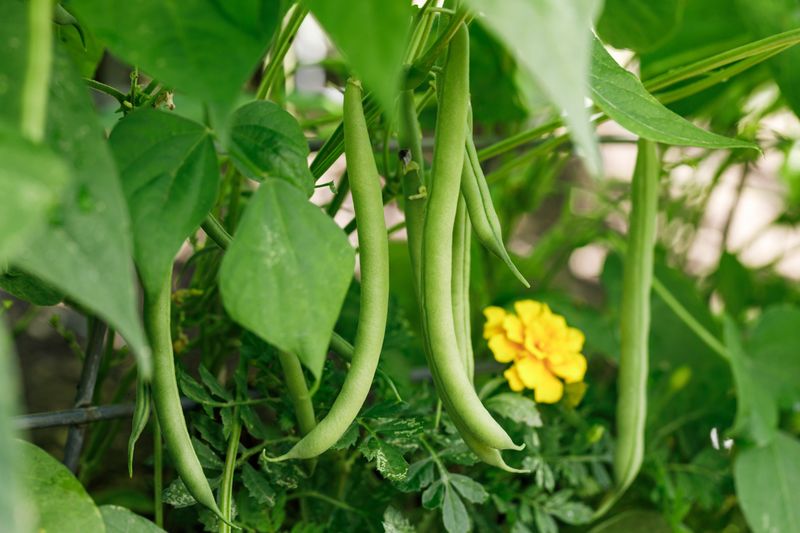
Few vegetables reward a gardener faster than bush beans. You can drop seeds directly into the ground in May, and within 50 to 60 days, you will be picking handfuls of crisp, tender beans right from your backyard.
That kind of quick turnaround makes them one of the most satisfying crops to grow in Pennsylvania.
Bush beans do not need a trellis or support structure, which makes them super easy to manage. They grow in a compact, bushy shape and stay low to the ground.
Plant seeds about one inch deep and three inches apart in a sunny spot with well-draining soil. Water them regularly, especially during dry spells, and they will take care of the rest.
One thing that makes bush beans stand out is how productive they are. A single planting can produce multiple pickings over several weeks.
The more you harvest, the more the plant keeps producing. For even bigger yields, try planting two rounds about two weeks apart. This trick is called succession planting, and it keeps your harvest going longer.
Pennsylvania summers give bush beans exactly what they need: warm days, decent rainfall, and plenty of sunshine. Avoid planting in cold, wet soil because bean seeds can rot before they sprout.
Wait until the soil temperature is at least 60 degrees Fahrenheit, which is usually easy to hit by mid-May across most of Pennsylvania. Bush beans are a beginner-friendly crop that almost always delivers a great summer harvest.
2. Cucumbers
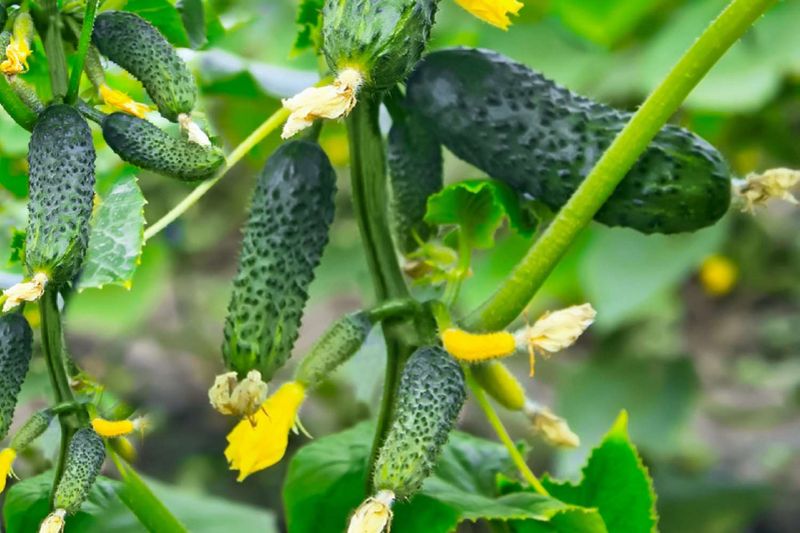
Cucumbers are one of those vegetables that seem to explode once the warm weather hits. They love heat, and May planting in Pennsylvania sets them up perfectly for a mid to late summer harvest.
Once the soil reaches about 70 degrees Fahrenheit, cucumber seeds sprout quickly and the vines take off fast.
You can grow cucumbers from seed or buy young transplants from a local garden center. Either way, they need a spot that gets full sun for at least six to eight hours a day.
Cucumbers are thirsty plants, so consistent watering is a must. Uneven watering can cause the fruit to taste bitter, so aim to keep the soil moist but not soggy.
Your Pennsylvania Garden Changes Every Week. Your Plan Should Too.
Gardening in Pennsylvania changes quickly throughout the season. Every Friday you’ll receive a simple weekly plan showing exactly what to plant, prune, fertilize, harvest, and protect so you never miss the right timing.
Did you know cucumbers are actually about 96 percent water? That is part of what makes them so refreshing to eat on a hot Pennsylvania summer day.
They are great in salads, sliced with a little salt, or pickled for later use. Growing your own means you can pick them at peak freshness, which store-bought cucumbers rarely match.
If space is tight in your Pennsylvania garden, try growing cucumbers on a trellis or fence. Vertical growing saves ground space and keeps the fruit clean and easy to spot.
Cucumber beetles can be a problem in Pennsylvania, so check your plants regularly and remove any pests you see. With a little attention, your cucumber plants will reward you with a heavy harvest all summer long.
3. Zucchini
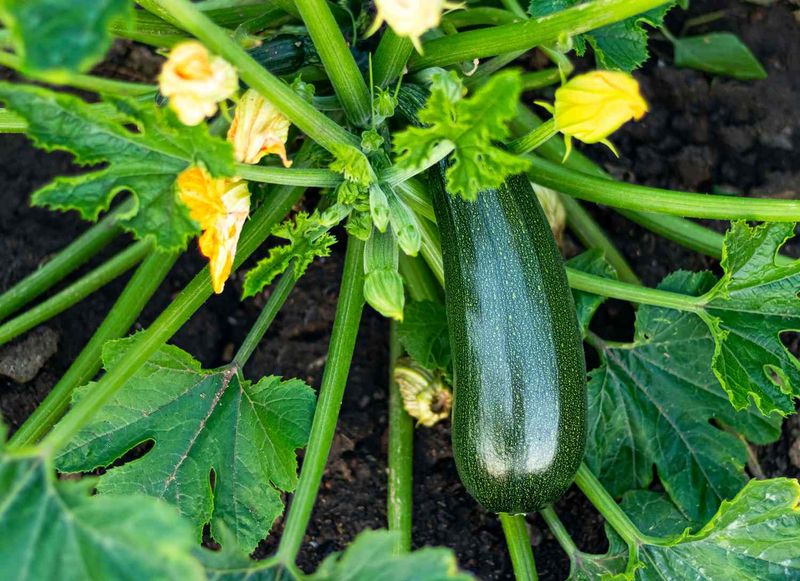
Ask any experienced Pennsylvania gardener about zucchini and they will probably laugh and tell you they always end up with more than they can eat. This vegetable grows fast, produces heavily, and barely asks for anything in return.
Planting zucchini in May gives it just the right start for a productive summer season. Zucchini seeds sprout in as little as four to seven days when the soil is warm. Plants grow quickly and can start producing fruit within 50 days of planting.
Each plant takes up a fair amount of space, so give them about three feet of room in all directions. If your garden is small, look for compact or bush-type zucchini varieties that take up less room.
One of the most important things to know about growing zucchini is to harvest often. If you let zucchini grow too large, the plant slows down its production.
Pick them when they are about six to eight inches long for the best flavor and texture. Check your plants every day once they start producing because zucchini can go from small to enormous almost overnight.
Zucchini plants have both male and female flowers, and bees help pollinate them. If you notice flowers but no fruit forming, low bee activity might be the reason.
You can hand-pollinate by using a small brush to transfer pollen from a male flower to a female one.
Pennsylvania gardens usually have plenty of pollinators in summer, so this is rarely a big issue. Zucchini is truly one of the easiest summer crops you can grow.
4. Peppers
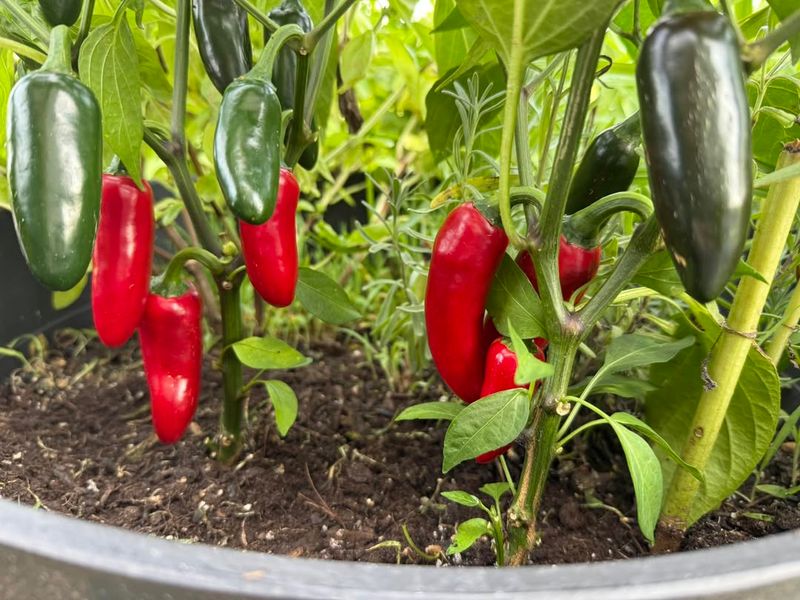
Peppers are warm-weather lovers, and May is the sweet spot for getting them into Pennsylvania gardens. By the time May arrives, the risk of frost has dropped significantly across most of the state, making it safe to transplant young pepper seedlings outdoors.
Starting with healthy transplants from a local nursery gives you a head start over planting from seed at this stage.
Peppers need full sun, at least six to eight hours a day, to produce their best. They also prefer well-drained soil with plenty of organic matter mixed in.
Before planting, work some compost into the ground to give your peppers a nutrient-rich foundation. Space plants about 18 inches apart so air can circulate freely around them, which helps prevent disease.
One thing many new gardeners do not realize is that peppers are slow starters. They may look like they are not doing much for the first few weeks. Be patient. Once the heat of a Pennsylvania summer kicks in, pepper plants take off.
They will begin flowering and setting fruit, and by late July or August, you will have peppers ready to harvest.
Both sweet and hot pepper varieties grow well in Pennsylvania. Bell peppers, banana peppers, and jalapenos are all popular choices.
Water your plants deeply but not too often, letting the soil dry out slightly between waterings. Overwatering is a common mistake that can cause root problems.
Feed your peppers with a balanced fertilizer once a month to keep them productive through the entire summer growing season.
5. Tomatoes
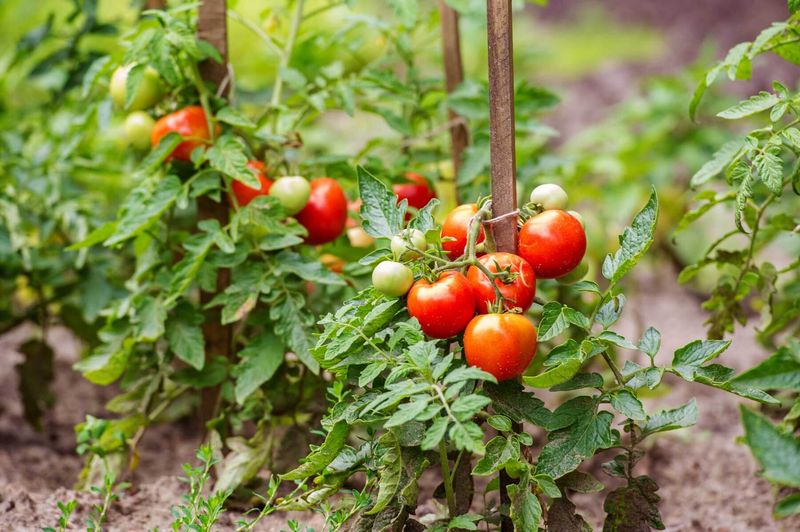
No vegetable says summer in Pennsylvania quite like a fresh-picked tomato. Warm, juicy, and full of flavor, homegrown tomatoes are something store shelves simply cannot compete with.
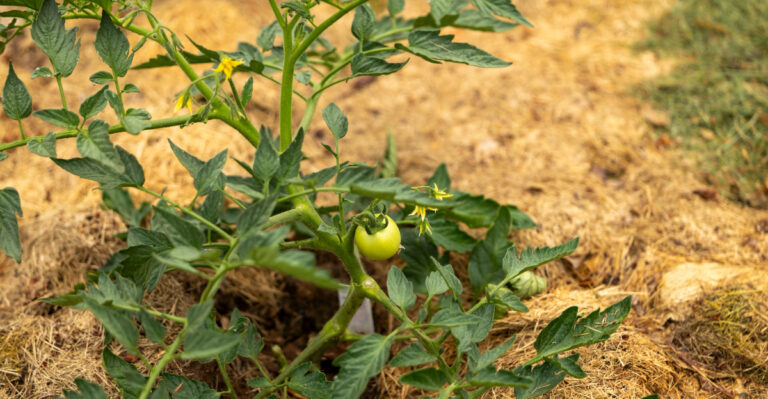
May is the ideal time to get tomato transplants into the ground across most of Pennsylvania, especially once nighttime temperatures stay consistently above 50 degrees Fahrenheit.
Choose a planting spot that gets full sun all day. Tomatoes are sun-hungry plants and will not produce well in shady areas.
Dig your planting hole deep enough to bury the stem up to the lowest set of leaves. Tomatoes can grow roots all along their buried stem, which creates a stronger, more established plant.
This trick gives your tomatoes a great foundation right from the start. Pennsylvania summers can bring stretches of dry weather, so watering consistently is key. Aim for about one to two inches of water per week, either from rain or from you.
Mulching around the base of each plant helps hold in moisture and keeps weeds down. Tomatoes are also heavy feeders, so fertilize every two to three weeks with a product designed for vegetables or tomatoes specifically.
Common tomato problems in Pennsylvania include blight, hornworms, and blossom end rot. Rotating where you plant tomatoes each year helps reduce disease buildup in the soil.
Check your plants often for pests and remove them by hand when spotted. With the right care, your tomato plants will be producing generous amounts of fruit from mid-summer all the way through early fall across Pennsylvania.
6. Beets
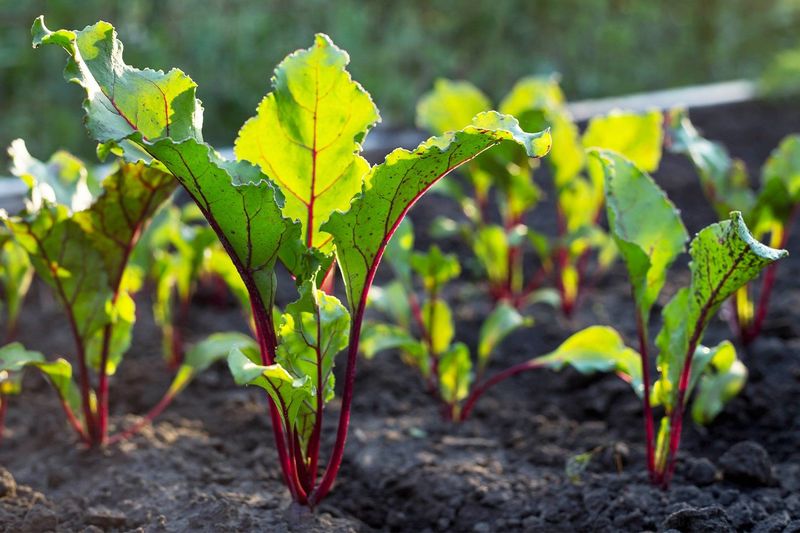
Beets are tougher than they look. While many vegetables struggle with cooler nights, beets actually handle them quite well, making them a reliable crop for Pennsylvania gardeners planting in May.
They can tolerate temperatures as low as the upper 20s once established, which means even a surprise cool snap will not wipe them out.
Plant beet seeds directly in the ground about half an inch deep and three inches apart. Beet seeds are actually clusters of multiple seeds, so once they sprout, you may need to thin them out.
Snip the extra seedlings at soil level rather than pulling them, which can disturb the roots of the ones you want to keep. Thinning is an important step that many beginners skip, but it really does make a difference in the size of your beets.
One of the best things about growing beets is that you get two harvests in one. The roots are the main prize, but the leafy tops are also edible and packed with nutrition.
Beet greens can be sauteed like spinach or tossed into salads when they are young and tender. Nothing goes to waste with this vegetable.
Beets mature in about 55 to 70 days, so a May planting in Pennsylvania puts your harvest right in the middle of summer. They prefer loose, well-drained soil without too many rocks or clumps, which can cause the roots to fork or grow oddly shaped.
A little compost worked into the soil before planting goes a long way toward producing smooth, round beets.
7. Swiss Chard
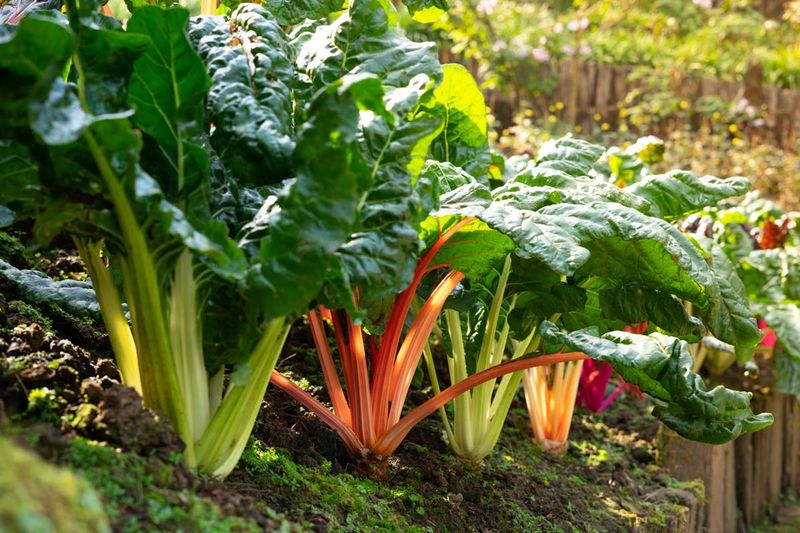
Swiss chard might just be the most underrated vegetable you can grow in a Pennsylvania garden. While other crops slow down or struggle when the summer heat picks up, Swiss chard keeps on going.
It handles both warm days and the occasional cool night with ease, making it a reliable producer from planting time all the way through the end of summer.
Plant Swiss chard seeds directly in the garden in May, about half an inch deep and six inches apart. They sprout within one to two weeks and grow quickly once established.
Swiss chard does best in full sun but can also manage in partial shade, which makes it more flexible than many other vegetables.
This adaptability is one of the reasons it works so well in Pennsylvania gardens of all sizes and layouts. Harvesting Swiss chard is simple and satisfying. You do not have to pull the whole plant.
Just cut the outer leaves when they reach about eight to ten inches tall, and the plant will keep growing new leaves from the center. This cut-and-come-again method means one planting can feed you for months. The more you harvest, the more it produces.
Swiss chard comes in a rainbow of stem colors including red, yellow, orange, and white. Beyond being beautiful in the garden, it is also incredibly nutritious, packed with vitamins A, C, and K.
Use the leaves in stir-fries, soups, or pasta dishes. Pennsylvania gardeners who try Swiss chard for the first time are often surprised by how easy and rewarding it is to grow.