The Weed In North Carolina Lawns That Might Actually Be Helping Pollinators
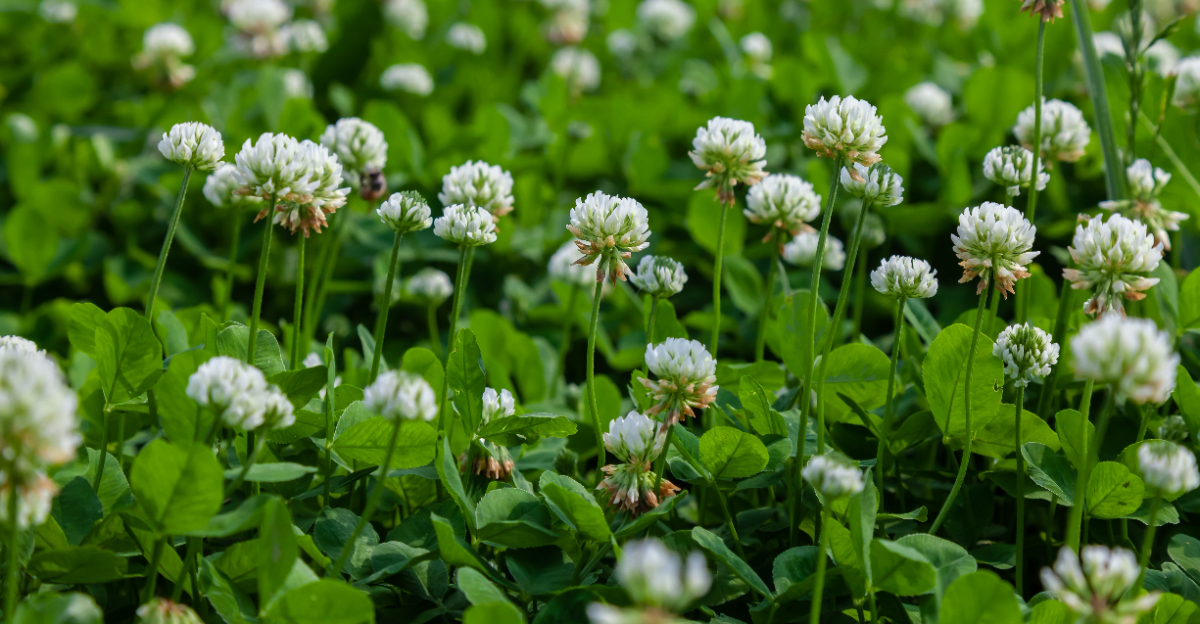
Most North Carolina homeowners spend real time and money trying to remove it. It spreads through lawns without permission, resists tidy edges, and shows up reliably in the spots that were just cleared the week before.
What almost nobody stops to consider is what disappears from the yard the moment it gets pulled.
This particular lawn weed is quietly functioning as one of the most consistent early-season pollinator resources in the entire neighborhood, filling a nutritional gap that most ornamental plantings completely miss.
Before reaching for the herbicide sprayer again, it is worth understanding exactly what is being removed and what stops visiting the yard the moment it is gone.
1. White Clover Is The Lawn Weed
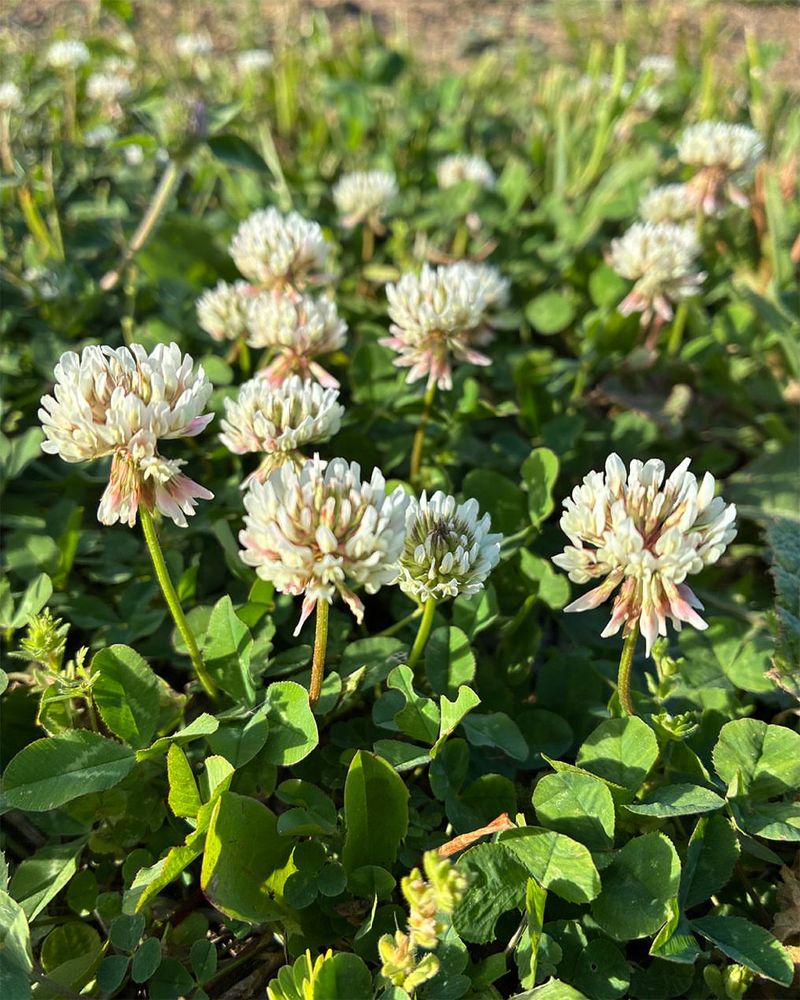
Spend a few minutes walking a North Carolina lawn in late spring, and chances are good you will find white clover growing right alongside your turf grass.
Its scientific name is Trifolium repens, which means creeping three-leaf, and that name fits perfectly.
The plant stays low to the ground, spreads outward in a creeping pattern, and pops up small white globe-shaped flowers that are hard to miss once you know what to look for.
Many homeowners classify it as a weed simply because it was not something they planted. In lawn care terms, a weed is really just any plant growing where it was not invited.
White clover fits that definition in most traditional turf settings. It spreads through runners along the soil surface, filling gaps between grass plants and slowly claiming more space over time.
Not everyone sees it the same way, though. Some gardeners actually welcome it because it adds variety and texture to a lawn that might otherwise look flat and uniform.
Others prefer a clean, single-species turf and work to keep clover out entirely. Both views are completely reasonable, and neither is wrong.
What makes white clover interesting is that it sits right on the line between unwanted plant and useful lawn guest. It is tough, adaptable, and surprisingly resourceful.
Understanding what it actually is, before deciding whether to keep or remove it, puts any homeowner in a much better position. Knowledge always makes lawn decisions smarter and more satisfying in the long run.
2. Its Flowers Attract Pollinators
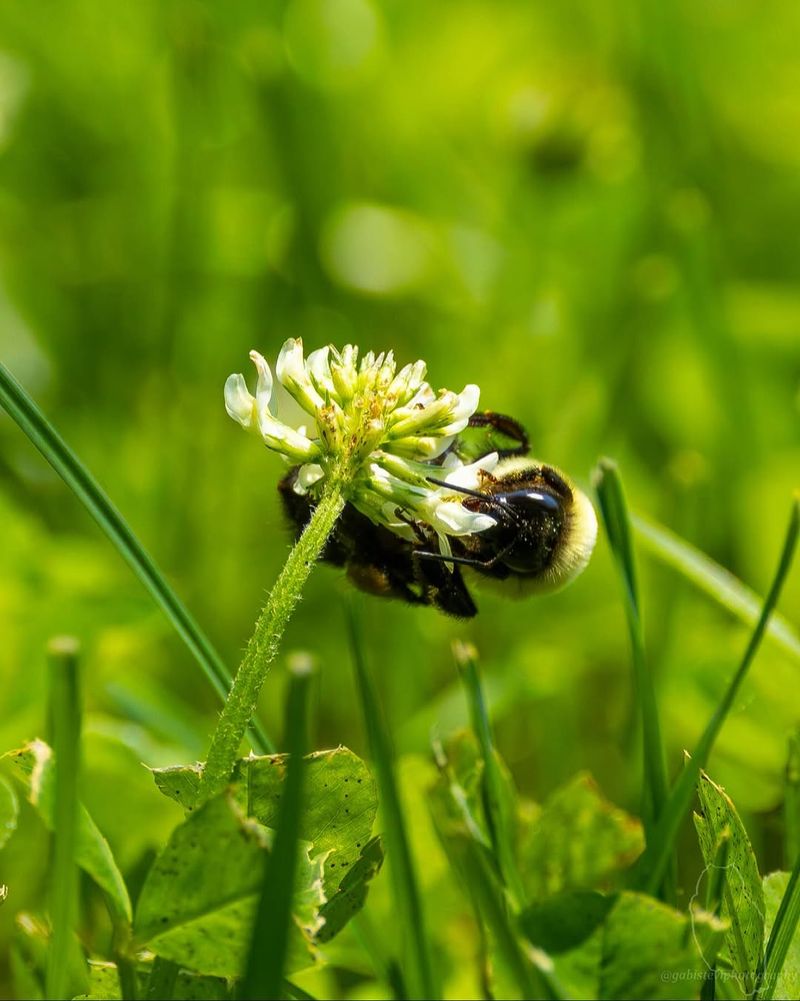
Something quietly remarkable happens every time white clover blooms in a yard. Bees show up.
Butterflies drift in. Even certain moths and smaller beneficial insects find their way to those tiny white flower heads.
For a plant that most people consider a nuisance, white clover puts on a surprisingly busy show when it comes to supporting local pollinators.
Honeybees are especially drawn to white clover nectar, and beekeepers have long valued clover honey for its mild, sweet flavor.
Bumble bees also visit the blooms regularly, and several native bee species in North Carolina will forage on clover flowers when other nectar sources are limited.
That kind of consistent foot traffic from pollinators can make even a small lawn patch feel like a productive little habitat. Butterflies such as the common sulphur and certain skippers also visit white clover blooms.
Your North Carolina Garden Changes Every Week. Your Plan Should Too.
Gardening in North Carolina changes quickly throughout the season. Every Friday you’ll receive a simple weekly plan showing exactly what to plant, prune, fertilize, harvest, and protect so you never miss the right timing.
These insects need accessible nectar sources spread across neighborhoods and yards, and a patch of clover in a well-mowed lawn can serve as a helpful stop along the way.
It does not replace a full pollinator garden, but it does add something real to the local food web.
None of this means every lawn needs to be taken over by clover. A few scattered plants or a small mixed patch can still offer genuine value without changing the overall look of your yard too dramatically.
Knowing that those little white flowers are pulling their weight for local bees and butterflies makes it easier to appreciate the plant, even if you eventually decide to manage it.
3. It Handles Close Mowing
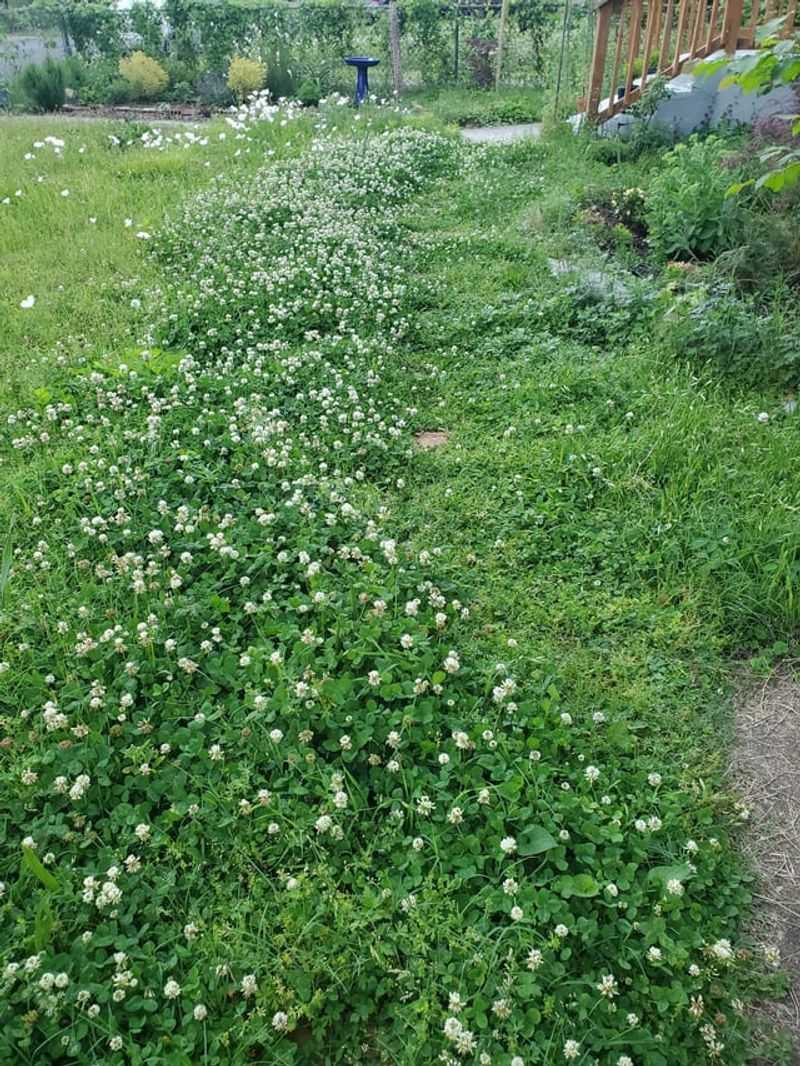
One of the reasons white clover keeps showing up in lawns, no matter how often they get mowed, is that the plant is genuinely built for it. Most plants that get clipped repeatedly will struggle, weaken, or eventually give up.
White clover does the opposite. It grows close to the ground, tucks its stems beneath the mower blade, and bounces back quickly after each cut.
Its growth habit is horizontal rather than vertical. Instead of reaching upward like most turf grasses, white clover sends out creeping stems called stolons that travel along the soil surface.
Mowing removes the tops of the plant, but the stolons stay intact, and the plant simply continues spreading outward. This makes it one of the few flowering plants that can actually thrive under regular lawn maintenance schedules.
North Carolina homeowners who mow every week or two often notice that clover seems to multiply rather than shrink after mowing. That observation is accurate.
Frequent mowing keeps grasses slightly stressed, especially during hot summers, while clover keeps spreading steadily. The plant has a real competitive edge in maintained turf environments.
From a gardener’s perspective, this is worth observing rather than panicking over. Seeing clover spread through your lawn is a signal about conditions, not a crisis.
It tells you the clover has found a comfortable niche in your yard’s specific mix of light, soil, and moisture. Understanding why a plant thrives where it does is always more useful than simply reacting to its presence without context.
4. It Can Work As A Ground Cover
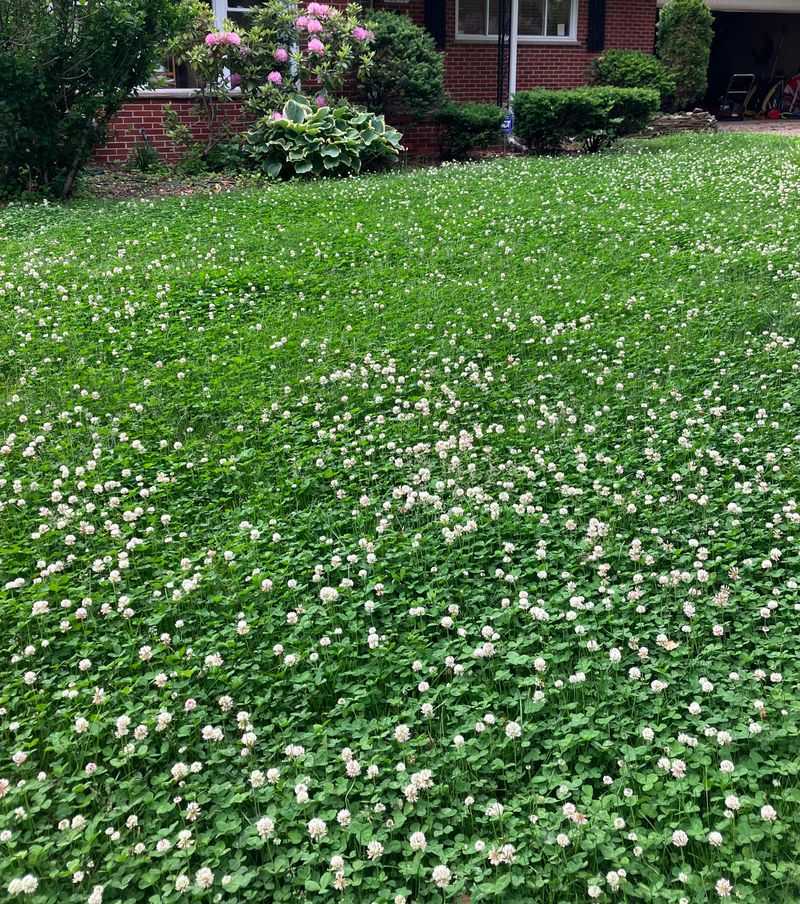
Picture a corner of your yard where the grass never quite fills in, no matter how much seed you spread or how carefully you water. Those thin, bare, or patchy spots are exactly where white clover tends to move in and settle.
Rather than seeing this as a problem, some North Carolina homeowners have started viewing it as a practical solution to a stubborn landscaping challenge.
White clover works surprisingly well as a living ground cover in low-traffic areas. It stays short, spreads evenly, and keeps soil covered so it does not wash away during heavy rain.
Its dense mat of leaves also shades the soil surface, which helps retain moisture during dry spells. For spots where turf grass struggles, clover can fill the gap without requiring much effort from the gardener.
That said, practical thinking matters here. White clover is not the right choice for every part of a yard.
High-traffic areas like play zones, pathways, or spots where kids and pets run regularly may not work well with clover since it can get worn down under heavy foot pressure. Choosing the right plant for the right spot is always the smarter move.
Neighborhood expectations and HOA guidelines are also worth checking before intentionally spreading clover. Some communities have specific rules about lawn appearance, and it helps to know those before making changes.
For homeowners with flexibility, though, using white clover as a ground cover in thin lawn areas is a low-maintenance, budget-friendly option that also gives pollinators a little extra support along the way.
5. It Is Useful But Not Native
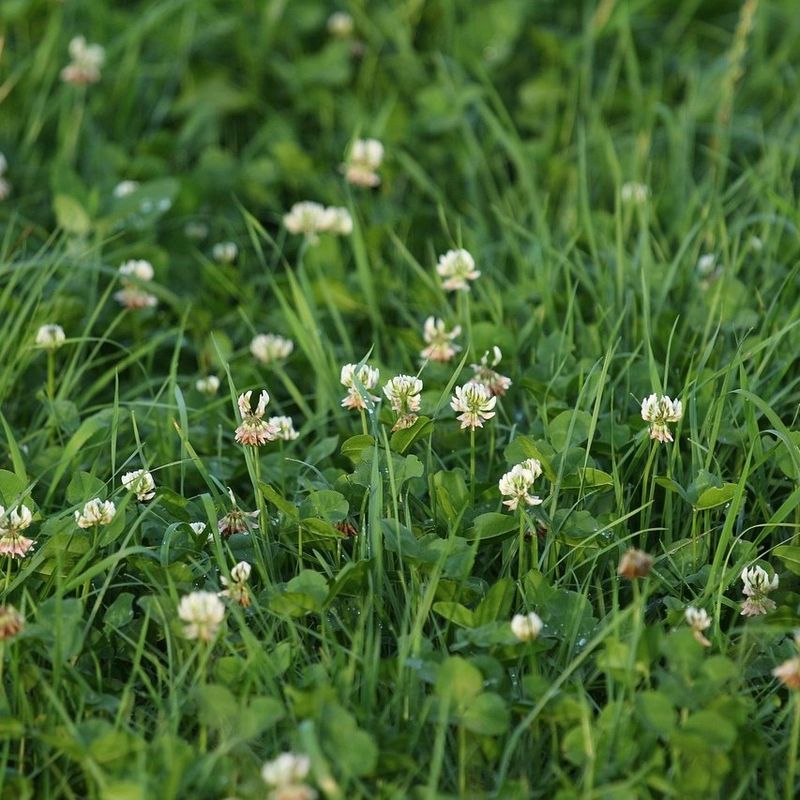
White clover does real work for pollinators, and that part is true and worth acknowledging. But there is an important detail that often gets left out of the conversation: white clover is not a native North Carolina plant.
It was introduced from Europe and has naturalized across most of North America over centuries. Knowing that distinction helps gardeners make smarter choices about their yards.
Native plants and non-native plants both can provide nectar for bees and butterflies, and white clover genuinely does attract pollinators. However, native flowering plants, shrubs, and trees typically offer broader habitat value.
They support native bee species that have evolved alongside them, provide caterpillar host plants for butterflies, and offer food and shelter across more of the seasonal calendar than most introduced species can.
Think of white clover as a helpful but limited contributor. It adds nectar to the yard, which is genuinely useful, especially in neighborhoods where flowering plants are sparse.
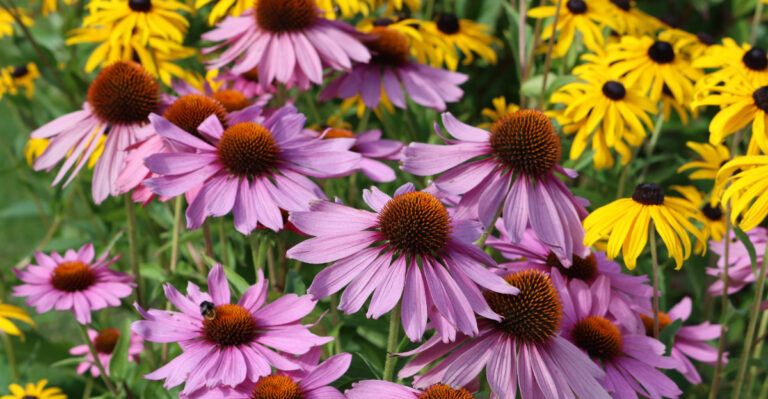
But it should not be treated as a substitute for native plantings like purple coneflower, black-eyed Susan, wild bergamot, or native asters, all of which grow well in North Carolina and support a much wider range of wildlife.
A balanced approach works best. Accepting a bit of white clover in a mixed lawn while also adding native flower beds or native shrubs to other parts of the yard gives pollinators a much richer and more complete habitat.
White clover can be part of a healthy yard story without being the whole story. Honest, accurate information always leads to better gardening decisions.
6. It Can Improve A Mixed Lawn Look
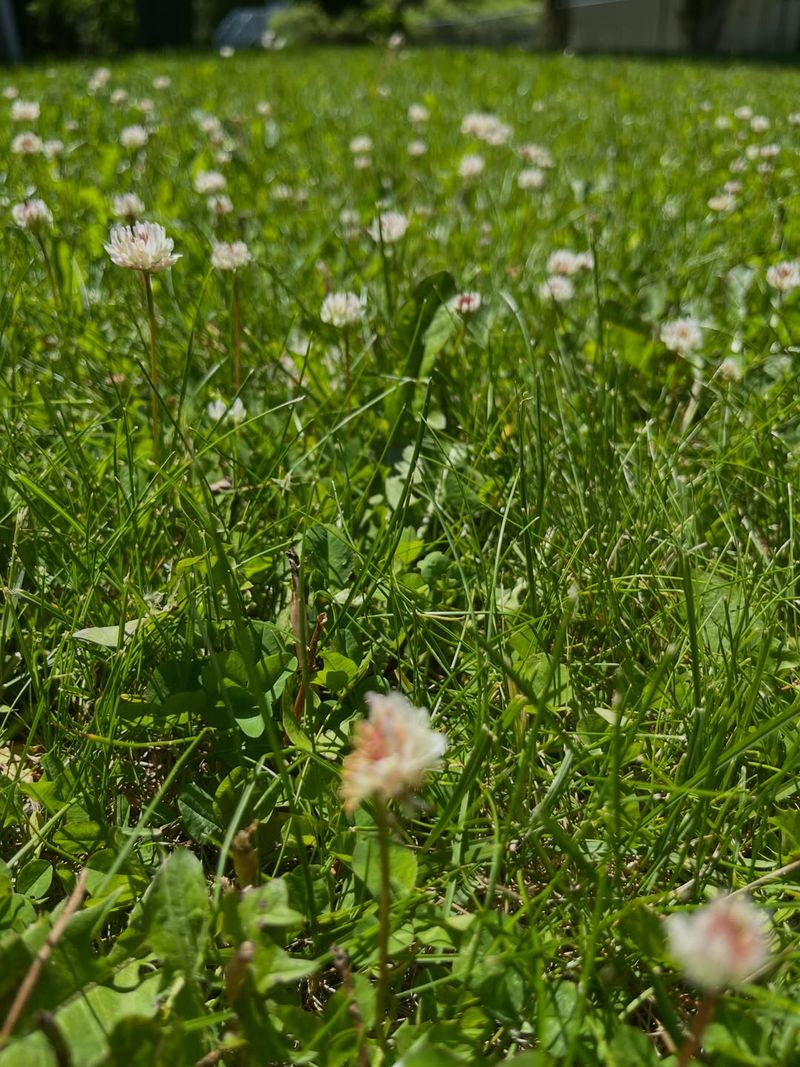
Not every North Carolina homeowner is chasing the look of a golf course fairway. For many people, a lawn that feels soft, green, and natural is more appealing than a perfectly uniform carpet of turf grass.
White clover, when it grows alongside grass in a managed mixed lawn, can actually contribute to that kind of relaxed, textured look without making the yard feel messy or neglected.
Mixed lawns tend to stay greener during dry summer stretches because clover holds moisture near the soil surface and stays green even when turf grasses start to brown.
The contrast between the round clover leaves and grass blades also adds a subtle visual softness that many people find more welcoming than solid turf. It is a different kind of lawn, but not necessarily a worse one.
Managing a mixed lawn does take some intentional thinking. Mowing at a slightly higher height can help balance both the grass and clover, keeping things tidy without scalping either plant.
Letting the clover bloom briefly before mowing also gives pollinators a chance to visit, which adds an extra layer of purpose to the yard without much extra effort from the homeowner.
Personal lawn goals matter more than any universal standard of what a yard should look like.
Someone who enjoys watching bees visit their lawn, who values a softer texture underfoot, and who wants to spend less time fighting every plant that appears may find that a mixed lawn with white clover fits their lifestyle perfectly.
Good lawns serve the people who use them, and that looks different for every household.
7. It May Signal Lawn Conditions
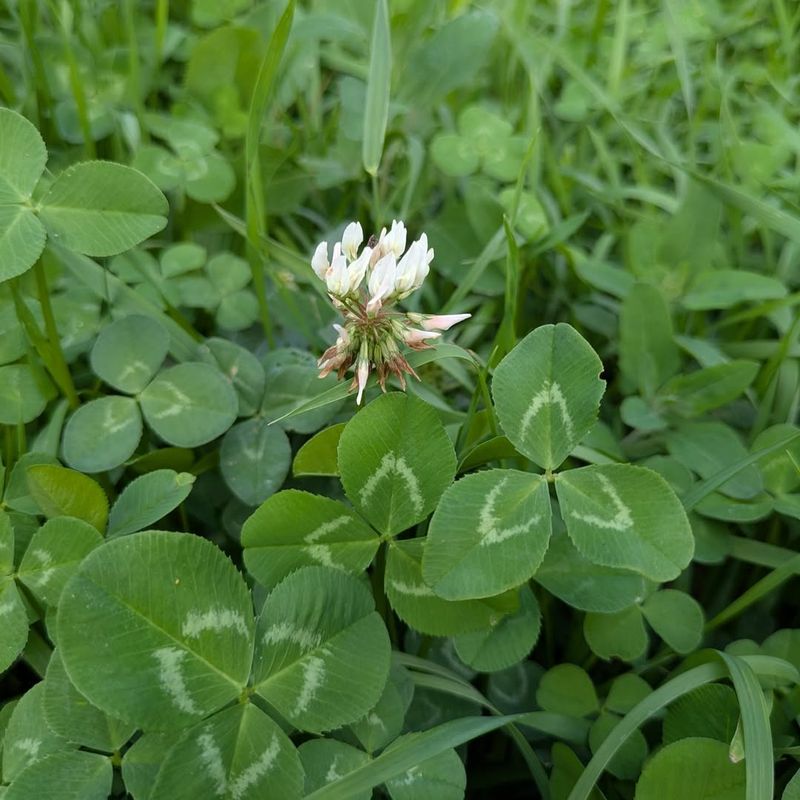
White clover rarely shows up randomly. When it appears in a lawn, it is usually responding to something specific about the conditions in that spot.
Paying attention to where clover grows, and how thickly, can actually tell a homeowner quite a bit about what is going on beneath the surface of their yard.
One of the most common reasons clover thrives in a lawn is low nitrogen availability in the soil. White clover has a remarkable ability to fix nitrogen from the air through a relationship with bacteria in its root nodules.
When turf grass is struggling because the soil lacks nitrogen, clover steps in and does just fine without it. A lawn full of spreading clover patches may be quietly signaling that the soil fertility needs attention.
Thin turf is another invitation. Clover fills gaps where grass has weakened due to shade, soil compaction, poor drainage, or wear from foot traffic.
Seeing clover cluster in certain spots rather than spreading evenly across the whole lawn can help a homeowner identify exactly which areas need the most improvement.
That kind of observation is genuinely useful before spending money on seed, fertilizer, or lawn treatments. The smart move is to observe first and act second. Walk the lawn and note where clover is thickest.
Check whether those areas are shaded, dry, compacted, or heavily used. Talk to a local cooperative extension office for soil testing help if needed.
North Carolina State University Extension offers free or low-cost soil testing that can take the guesswork out of lawn decisions and point homeowners toward practical, targeted solutions.
8. It Can Reduce The Need For A Perfect Lawn Mindset
For decades, the image of the perfect American lawn has been a solid, uniform stretch of green turf, free of anything that was not planted on purpose.
That standard has driven a lot of lawn care decisions, and it has also driven a lot of frustration for homeowners who can never quite get their grass to look exactly right.
White clover, oddly enough, offers a small but meaningful way to step back from that pressure.
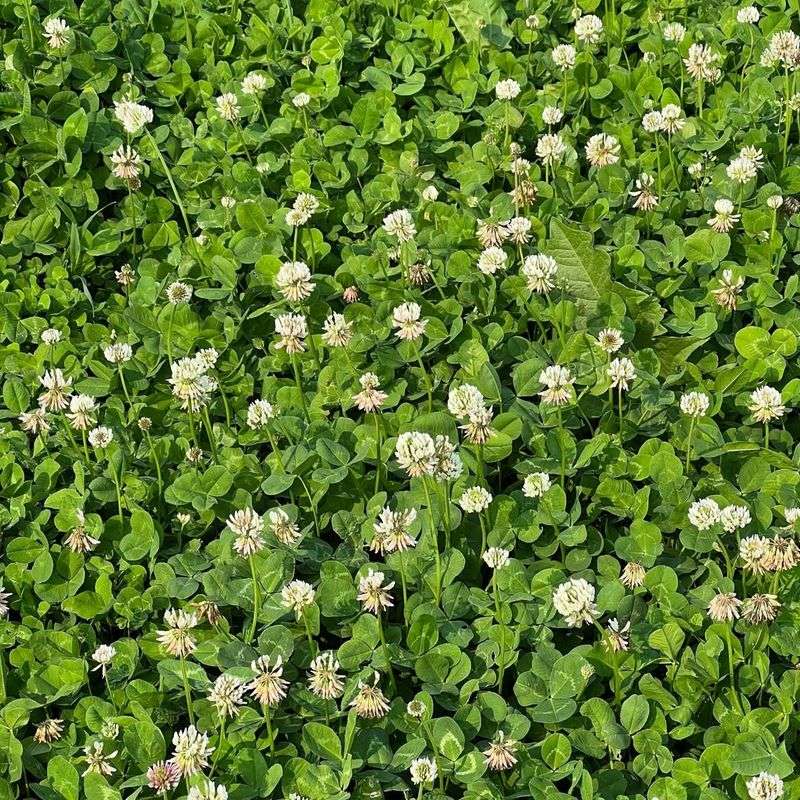
A lawn does not have to be a plain green carpet to be functional, attractive, or even impressive. Yards that include a few clover flowers mixed into the turf often look lush and full rather than imperfect.
The flowers add a gentle, natural quality that a solid wall of turf simply cannot replicate. Neighbors who garden or who care about pollinators often notice and appreciate it more than you might expect.
Rethinking what a healthy lawn looks like does not mean abandoning care or letting things go. It means shifting the goal slightly, from a single-species turf standard toward a yard that works well for your household and supports a bit of local wildlife in the process.
That shift can actually make lawn care feel less stressful and more rewarding over time.
White clover will not transform your yard into a wildlife sanctuary on its own. But those small white flowers buzzing with bees on a warm afternoon do something that a perfect turf lawn rarely manages: they make the yard feel genuinely alive.
Sometimes that feeling is worth more than any lawn perfection score, and North Carolina yards have just the right climate to pull it off beautifully.