The North Carolina Garden Plants Japanese Beetles Tend To Ignore And Why Smart Gardeners Use Them
Japanese beetle management in North Carolina gardens consumes a significant amount of midsummer energy for growers who have not yet figured out that plant selection is a more powerful tool than any spray schedule. Beetles are not indiscriminate feeders.
They have clear preferences that play out with remarkable consistency from one yard to the next, which means the opposite is also true.
Certain plants receive little to no beetle attention even when surrounded by heavily targeted species during peak season.
Gardeners who have reorganized their planting choices around this reality spend far less time managing beetle damage and far more time actually enjoying their gardens through July and August.
Understanding which plants earn that kind of consistent pass from beetles, and why their biology makes them unappealing, changes the whole approach to designing a low-pressure summer garden in this state.
1. Magnolia
Few trees carry themselves with as much confidence as the magnolia.
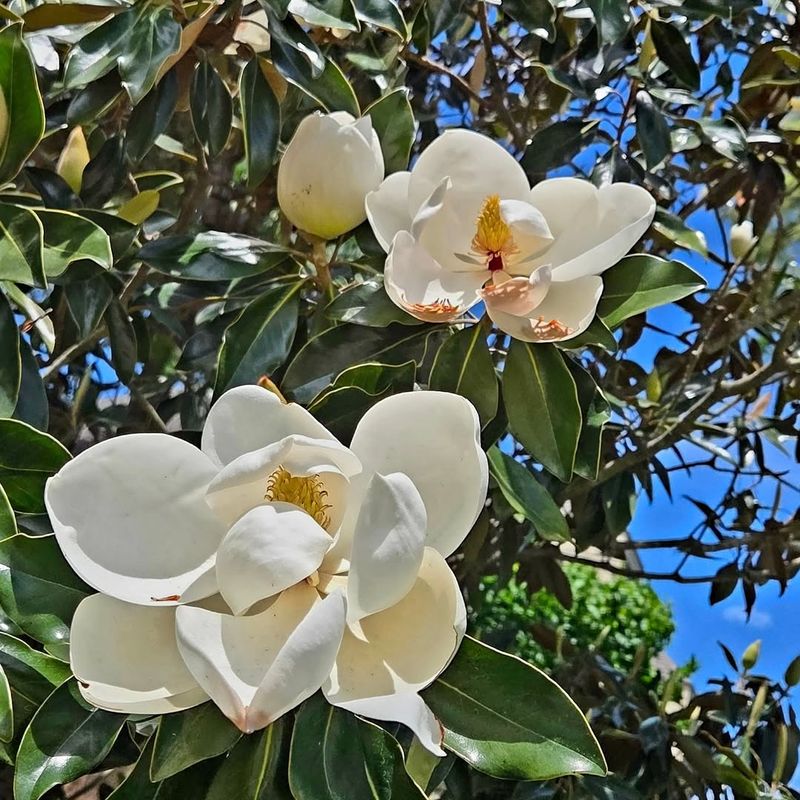
Whether you choose a classic southern magnolia with its glossy, deep green leaves or a sweetbay magnolia that works beautifully near wet spots, you get a plant that Japanese beetles largely pass over.
That is a big win for any North Carolina gardener who wants stunning structure without the constant hassle of beetle damage.
Southern magnolia gives you bold evergreen presence all year long, which makes it useful far beyond its blooming season. The large, creamy white flowers that appear in late spring and early summer are showstoppers.
Sweetbay magnolia is semi-evergreen and a bit more flexible in smaller spaces, while compact cultivars like Little Gem fit beautifully into tighter yards without losing that signature magnolia charm.
Smart gardeners reach for magnolia when they want a focal point tree that earns its place in every season.
The flowers bring early summer drama, the foliage carries the yard through fall, and the evergreen types hold strong through winter.
Beyond looks, magnolia roots are relatively low maintenance once established in well-drained soil with decent sun exposure.
Planting a magnolia also gives your garden a sense of permanence and maturity that faster-growing trees sometimes lack. Japanese beetles tend to favor roses, grapes, and linden trees, so having magnolia nearby shifts the balance in your favor.
For North Carolina landscapes that need height, flowers, and reliable greenery, magnolia checks nearly every box without inviting beetle trouble.
2. Eastern Redbud
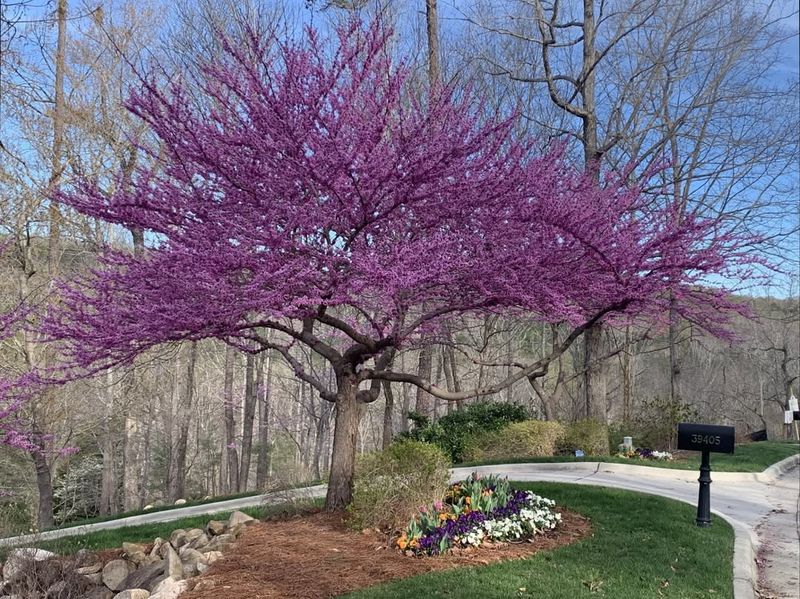
Before most trees have even thought about waking up for spring, the eastern redbud puts on one of the boldest shows in the entire garden. Tiny magenta-pink flowers burst directly from the branches in early spring, often before the leaves even arrive.
It is one of those moments that makes neighbors stop and stare, and the best part is that Japanese beetles are not showing up to ruin it.
Eastern redbud is a native small tree that fits naturally into North Carolina landscapes of almost every style.
It works along woodland edges, in front yards paired with ornamental grasses, and in native-inspired gardens where you want seasonal color without fighting off pests all summer.
Your North Carolina Garden Changes Every Week. Your Plan Should Too.
Gardening in North Carolina changes quickly throughout the season. Every Friday you’ll receive a simple weekly plan showing exactly what to plant, prune, fertilize, harvest, and protect so you never miss the right timing.
Since it blooms early in spring before Japanese beetle season even begins, and beetles rarely target it during summer anyway, it gives you maximum color with minimum stress.
The tree typically reaches between 20 and 30 feet tall, though several compact cultivars stay much smaller and work well in tighter spaces. Varieties like Forest Pansy bring purple-toned foliage that stays interesting long after the flowers fade.
That means your redbud earns its spot in the yard across multiple seasons, not just during its spring show.
Gardeners who want a low-effort, high-reward small tree that fits naturally into the North Carolina climate should strongly consider eastern redbud. It handles average soil, tolerates part shade, and attracts early pollinators like native bees.
Adding one near a patio or along a walkway creates a welcoming seasonal display that beetles simply are not interested in.
3. Holly
There is something deeply satisfying about a plant that works hard in every season, and holly delivers exactly that.
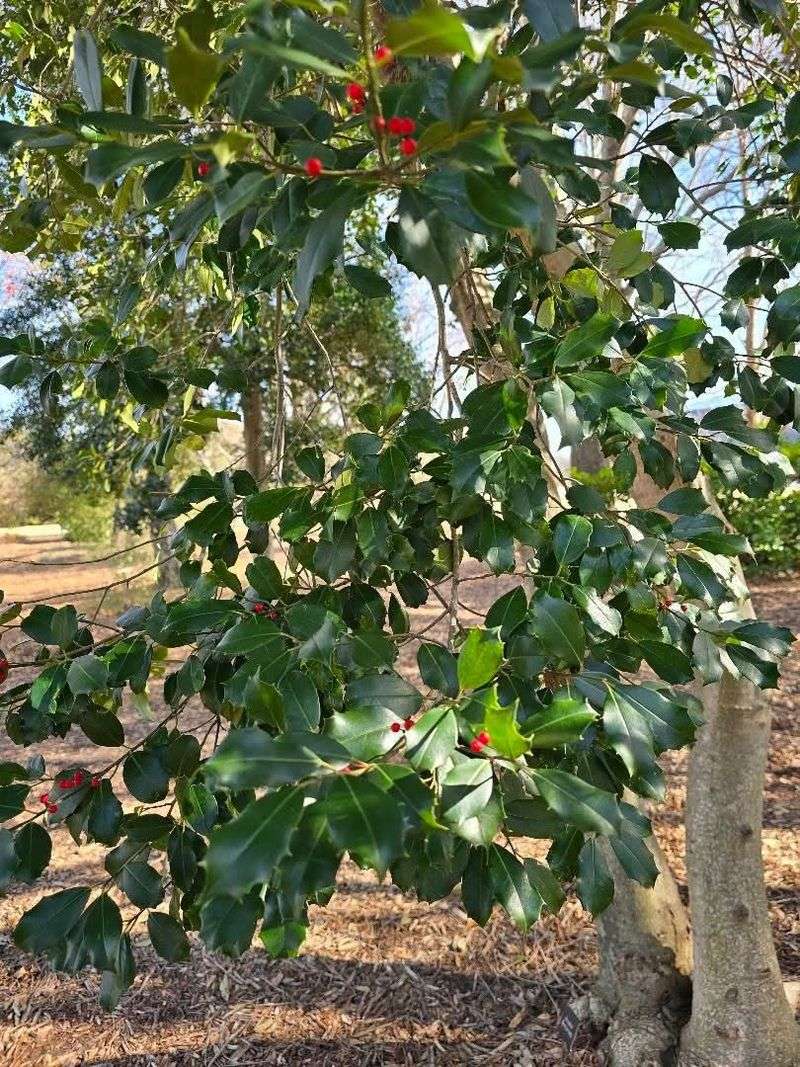
With glossy evergreen leaves and bright berries that light up the garden in fall and winter, holly earns its place in North Carolina landscapes year after year.
On top of all that visual appeal, it sits comfortably on the list of plants that Japanese beetles tend to leave alone, which makes it even more attractive to practical gardeners.
North Carolina gardeners have a wide range of holly options to choose from, and picking the right one for your space matters. Yaupon holly is incredibly tough, handles both wet and dry conditions, and comes in upright or weeping forms.
Inkberry holly works well in wetter areas and offers a more naturalistic look. American holly grows into a large, stately tree over time, while compact cultivars like Dwarf Burford or Soft Touch holly stay tidy in smaller beds and foundation plantings.
Since holly is evergreen, it provides structure and green color even when the rest of the garden has gone quiet for winter. That four-season reliability is something many flowering plants simply cannot offer.
Pair it with spring-blooming perennials or ornamental grasses and you build a layered garden that stays interesting from January through December.
Beyond structure and beetle resistance, holly supports local wildlife in a meaningful way. Birds flock to holly berries during colder months, turning your garden into a natural feeding station.
Planting a few hollies of different sizes throughout your yard builds both beauty and a quiet, living ecosystem that thrives without beetle interference.
4. Juniper
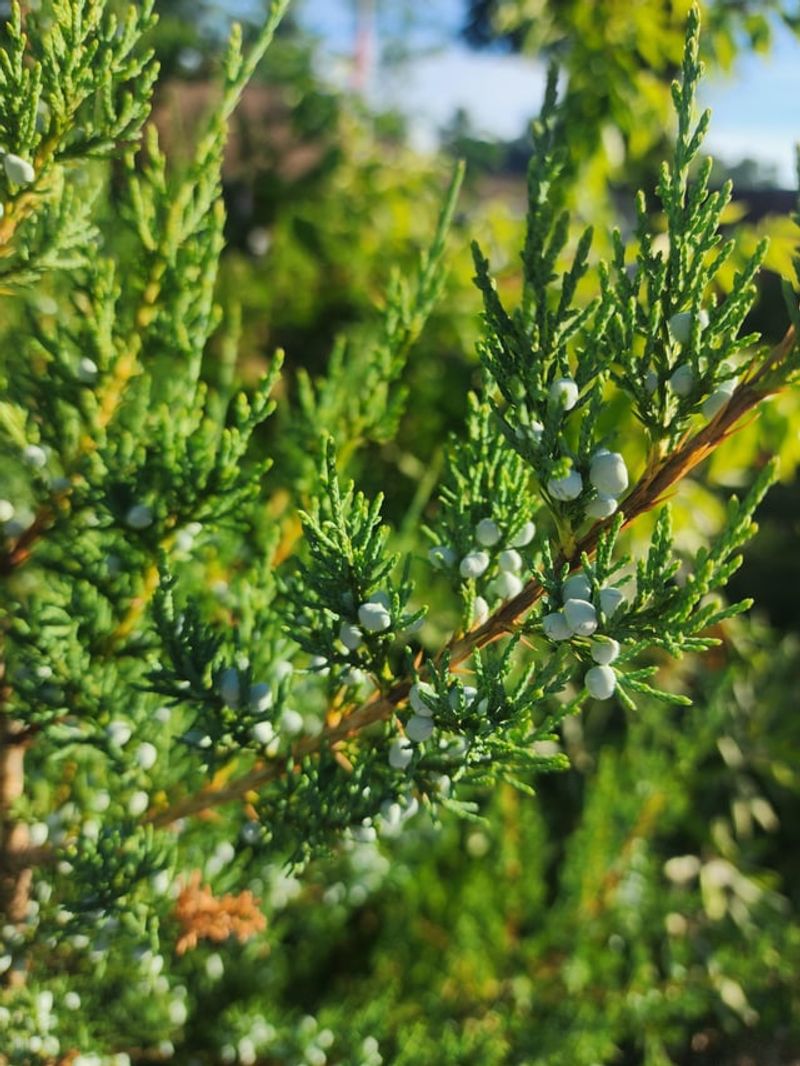
Junipers are the kind of plant that quietly outperforms expectations. They do not demand much, they handle tough conditions with ease, and Japanese beetles largely ignore them, which puts them firmly in the smart gardener category.
Whether you need a low-spreading groundcover juniper for a sunny slope or an upright columnar type to add vertical interest, there is a juniper that fits almost any spot in a North Carolina yard.
One of the biggest advantages of juniper is its tolerance for challenging conditions. Once established, many junipers handle dry spells, lean soils, and full sun without complaint.
That makes them especially useful in areas where other plants struggle, like sloped beds, roadside strips, or spots with poor, sandy soil.
They also work beautifully in rock gardens and along driveways where reflected heat can be brutal for more delicate plants.
Good air movement and well-drained soil are the two most important things to get right when planting junipers. They do not like sitting in wet, compacted ground, and crowding them together can invite fungal issues.
Space them properly, give them a sunny open spot, and they will reward you with decades of low-maintenance evergreen texture that holds its color through every season.
Popular choices for North Carolina include Blue Rug juniper for groundcover use, Spartan juniper for a tall, narrow accent, and Sea Green juniper for a mid-sized spreading shrub.
All of them offer that reliable evergreen presence without attracting Japanese beetle attention. For gardeners who want structure, toughness, and pest resistance all in one plant, juniper is hard to beat.
5. Boxwood
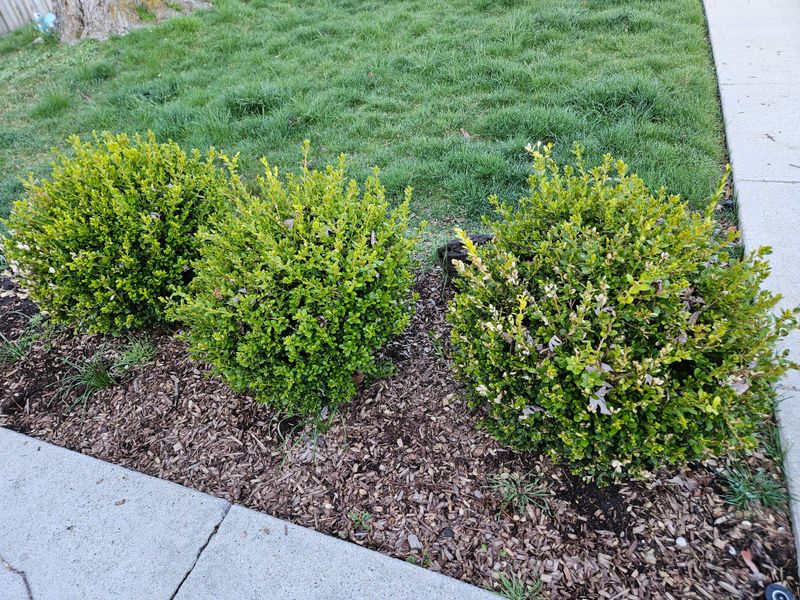
Boxwood has been a garden staple for centuries, and there is a good reason it keeps showing up in landscapes across North Carolina.
Beyond its classic, tidy appearance, boxwood holds a practical advantage that many gardeners appreciate once Japanese beetle season rolls around.
Adult beetles consistently show little interest in feeding on boxwood, which means your carefully shaped hedges and borders stay looking clean even during peak summer pest pressure.
That said, boxwood is not completely without needs. In North Carolina, where summer humidity can be intense, spacing and airflow matter more than almost anything else.
Crowding boxwood plants together traps moisture around the foliage and roots, which opens the door to boxwood blight and other fungal problems that spread quickly in humid conditions.
Giving each plant enough room to breathe is one of the most important things you can do for long-term success. Choosing healthy, disease-resistant cultivars also makes a real difference.
Varieties like Baby Gem, SunKing, and NewGen series boxwoods have been bred with improved resistance to common boxwood diseases, making them smarter choices for modern North Carolina gardens.
Planting them in well-drained soil with at least partial sun and avoiding overhead irrigation helps keep the foliage dry and the plants thriving.
Boxwood works beautifully as a low hedge, a foundation planting, or a formal edging along garden paths. Its year-round evergreen structure gives the garden a polished, finished look that holds up through winter when other plants go dormant.
Pair it with flowering perennials for contrast, and you get a landscape that looks intentional, elegant, and surprisingly pest-resistant all at once.
6. Hosta
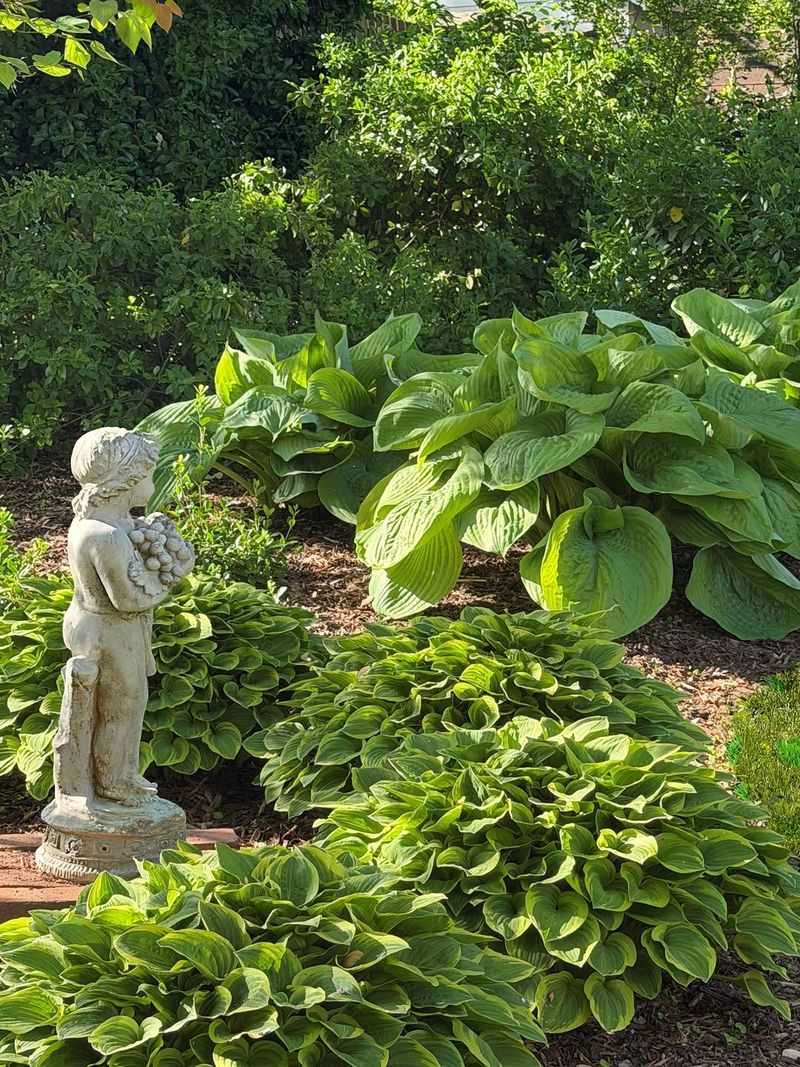
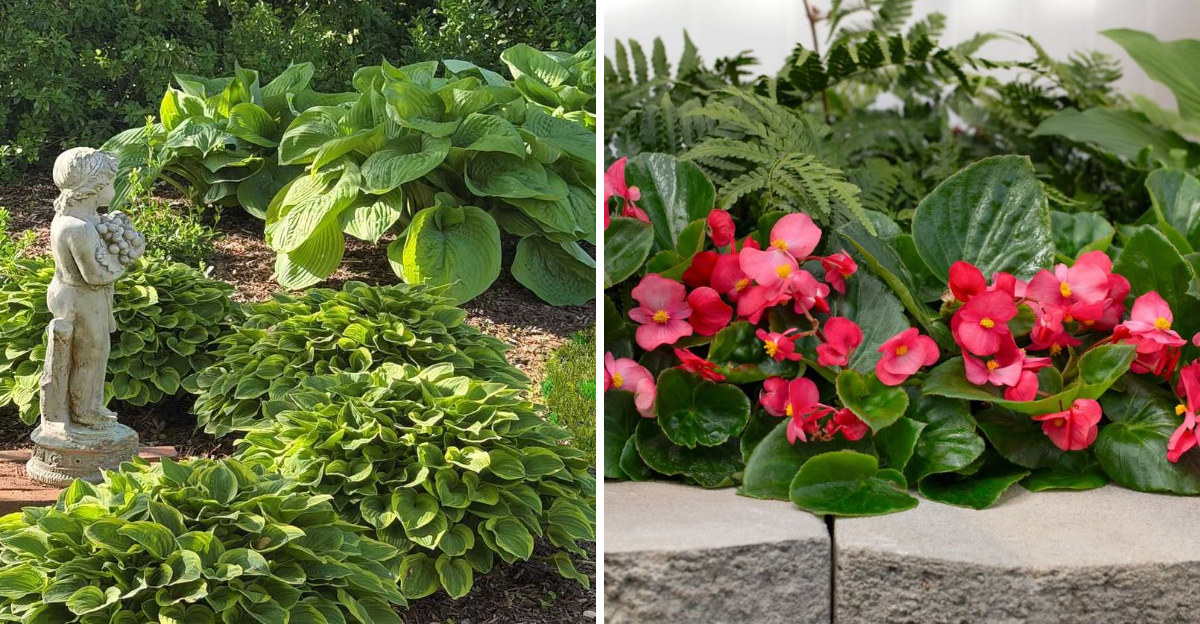
Walk into any shaded North Carolina garden and there is a good chance hostas are doing some of the heaviest lifting.
These bold, leafy perennials are the backbone of countless shade gardens, and they bring something extra to the table that many gardeners do not immediately think about: Japanese beetles are not fans of them.
Adult beetles skip over hostas in favor of flashier, sun-loving plants, which makes hostas a reliable choice for shady spots where beetle pressure is a concern.
Hostas thrive in conditions that many other plants find difficult. Under tall trees, along shaded fences, near woodland edges, and beside shaded pathways, hostas settle in and fill space with lush, textured foliage that looks fresh from spring through fall.
They come in an enormous range of sizes and colors, from tiny mouse-ear types to giant varieties with leaves the size of dinner plates, so there is always one that fits the space you have available.
The key to happy hostas in North Carolina is keeping them out of harsh afternoon sun, which can scorch the leaves and stress the plant during hot summers. Morning light is perfectly fine, and many hostas handle fairly deep shade with no problem at all.
Good soil moisture helps, especially during dry stretches, and a layer of mulch around the base keeps roots cool and water retention steady.
Slugs can occasionally bother hosta leaves, but that issue is manageable with some basic garden hygiene and slug control strategies.
Compared to the wholesale leaf damage that Japanese beetles cause on roses or grapes, hosta maintenance is refreshingly straightforward.
For shaded beds that need reliable, low-effort foliage impact, hostas remain one of the best choices available to North Carolina gardeners.
7. Begonia
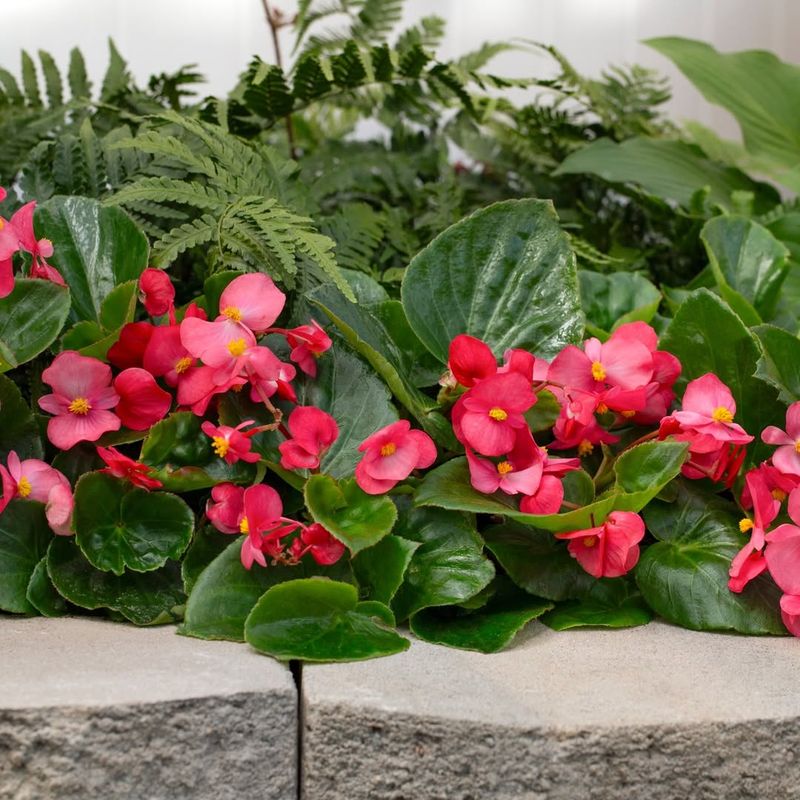
When summer color is the goal but Japanese beetles keep ruining the plan, begonias step in as one of the smartest annual flowers a North Carolina gardener can reach for.
Adult Japanese beetles show very little interest in begonias, which means those cheerful red, pink, white, and coral blooms stay intact from planting time straight through to fall.
That kind of reliability is genuinely hard to find in a summer annual.
Begonias shine in spots where many flashy annuals struggle. Shaded porches, part-shade borders, spots under tree canopies, and container arrangements on north-facing patios are all perfect homes for begonias.
They bloom continuously without needing deadheading, which cuts down on maintenance considerably. Wax begonias are particularly tough and heat tolerant, handling the humidity of a North Carolina summer with impressive composure.
Container gardening is where begonias really show off their versatility. Mix them with trailing plants like sweet potato vine or bacopa for full, layered porch pots that hold color for months.
They also work beautifully as mass plantings in shaded beds, where their uniform mounding habit creates a clean, finished look without much fuss. Tuberous begonias offer even larger, showier flowers for shadier spots that need a bit more drama.
Smart gardeners use begonias strategically to fill the gaps left by pulling out beetle-prone plants like roses or zinnias from vulnerable spots.
Swapping even a few high-risk annuals for begonias in a mixed container or border can dramatically reduce the amount of beetle feeding you see across the whole garden.
Beautiful, low-maintenance, and genuinely pest-resistant, begonias deserve a permanent spot in every North Carolina summer garden plan.