What It Means When Daddy Long Legs Start Gathering In North Carolina Garden Beds
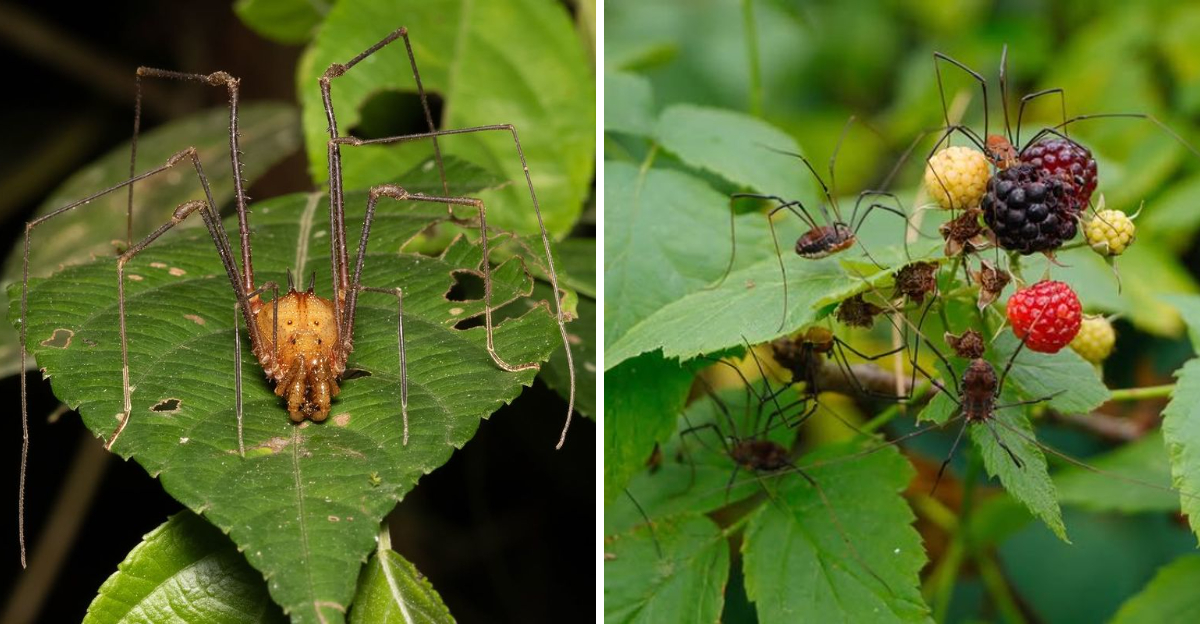
Finding one daddy long legs in a garden bed is unremarkable. Finding clusters of them gathering in the same spot repeatedly is something different.
North Carolina gardens that see this kind of concentrated harvestmen activity are receiving a fairly specific signal about conditions in that area of the yard. These arachnids do not aggregate randomly.
They respond to moisture levels, decomposing organic material, and the presence of specific prey in ways that make their gathering spots genuinely informative for an observant gardener.
Understanding what draws them to a particular bed reveals more about soil health and pest activity in that space than most standard garden monitoring ever surfaces.
1. It Usually Means They Found Shelter
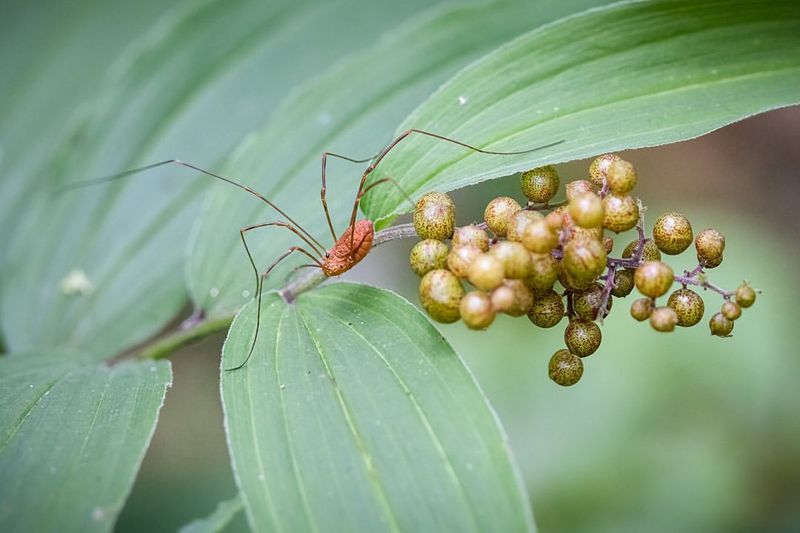
Picture a cool, damp corner tucked under a flat rock or deep inside a bed of thick mulch. That is exactly the kind of spot a harvestman cannot resist.
Daddy long legs belong to the order Opiliones, and unlike many insects, their bodies are not built to handle dry heat. They need moisture to stay comfortable, and North Carolina summers can get intense.
Garden beds offer something the open lawn simply cannot, which is a patchwork of shade, humidity, and protection from the afternoon sun.
Mulch, dense plant foliage, stepping stones, and leaf litter all create small pockets where the temperature stays lower and the air stays a bit wetter.
Harvestmen are drawn to these spots naturally, almost like they have a built-in compass pointing toward comfort.
Gathering is also a social behavior for harvestmen. Research has shown that some species actively cluster together, which may help them stay moist longer and even confuse would-be predators.
So a group huddled in your garden bed is not a sign of trouble. It is a sign that your bed offers exactly the kind of microhabitat these fascinating creatures prefer.
From a gardener’s point of view, this is worth appreciating. A bed that stays shaded, well-mulched, and consistently moist is also a healthier bed for your plants.
Seeing harvestmen gather there is almost like a small, quiet signal that your garden conditions are doing something right. Keep up the good work, and enjoy the company.
2. It Can Mean The Bed Has Plenty Of Small Food Sources
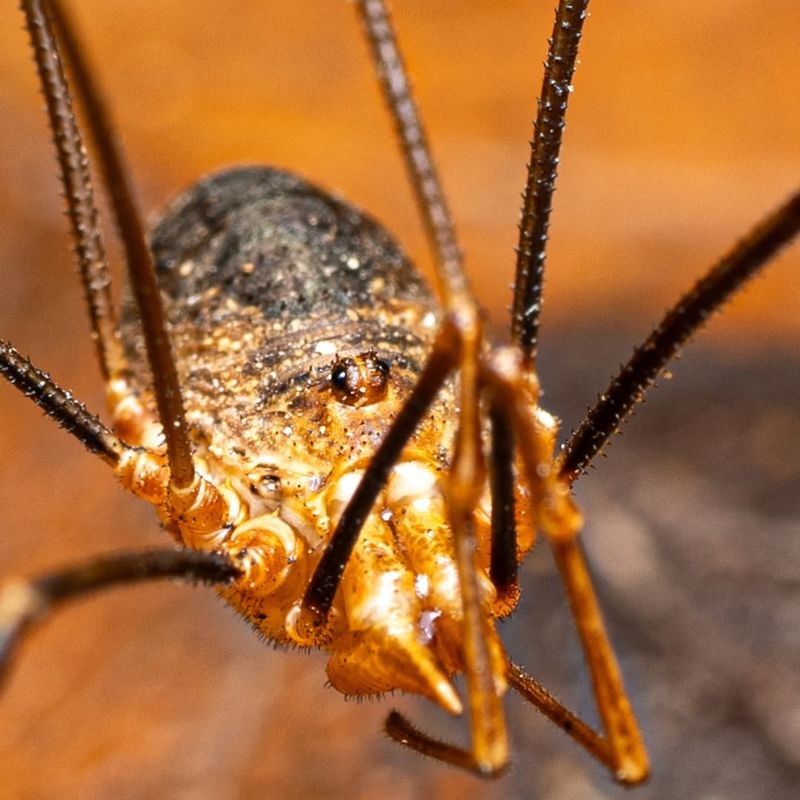
Harvestmen are not picky eaters, and that is honestly one of their most useful qualities in a garden setting. Unlike true spiders that wait in webs for prey, harvestmen roam around and eat a surprisingly wide range of things.
Small soft-bodied insects, fungi, pollen, decaying plant material, and even tiny bits of organic matter all make the menu. If a group of them has settled into your garden bed, chances are the buffet is open.
North Carolina garden beds tend to be rich environments, especially when they include compost, mulch, and a variety of flowering plants. That richness supports a whole food web, and harvestmen slot right into the middle of it.
They help clean up soft debris and may feed on small pests like aphids or mites when those happen to be present. Think of them as quiet, low-maintenance helpers moving through the soil and plant stems.
Your North Carolina Garden Changes Every Week. Your Plan Should Too.
Gardening in North Carolina changes quickly throughout the season. Every Friday you’ll receive a simple weekly plan showing exactly what to plant, prune, fertilize, harvest, and protect so you never miss the right timing.
Seeing daddy long legs in a bed does not automatically mean there is a pest explosion happening beneath the surface. Their presence could simply mean that the natural food sources available in any healthy garden are plentiful right now.
Fungi from moist mulch, pollen from blooming flowers, and the usual small critters that live in any active bed are more than enough to attract them.
Before assuming something is wrong, take a closer look at the actual plants. If the leaves look healthy and the stems are solid, the harvestmen are probably just enjoying a well-stocked garden. That is a good thing worth noting.
3. It May Mean Your Mulch Is Creating A Good Hiding Place
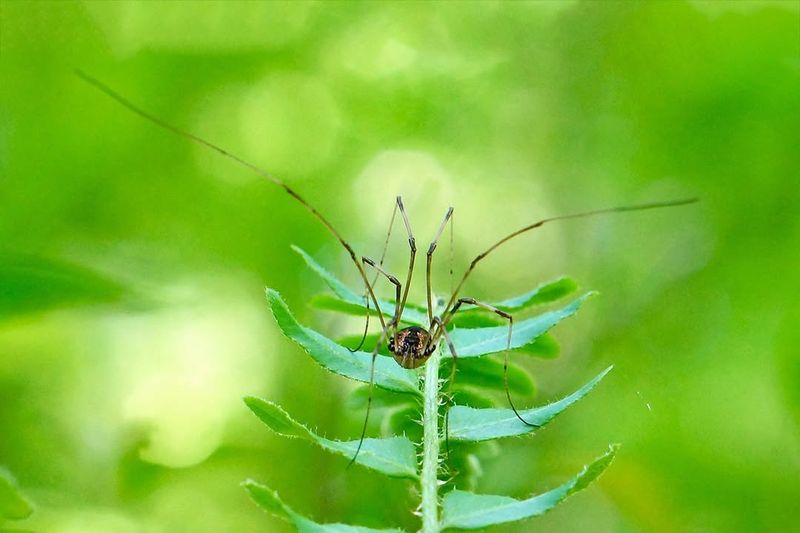
Mulch does a lot of heavy lifting in a garden. It holds moisture, regulates soil temperature, suppresses weeds, and slowly breaks down to feed the soil below.
But here is something many gardeners do not think about: mulch also creates a miniature world of tiny tunnels, gaps, and shaded spaces that small creatures absolutely love.
Harvestmen are among the most enthusiastic fans of a well-mulched garden bed. In North Carolina, where summer humidity can be high and afternoon heat can be punishing, a thick layer of wood chip or shredded bark mulch becomes a haven.
Daddy long legs can slip beneath the surface layer during the hottest part of the day, stay protected from direct sun, and move around without drying out.
The moisture that mulch traps near the soil surface is exactly what harvestmen need to thrive.
From an ecosystem standpoint, mulch supports a chain of life. Bacteria and fungi break down the organic material, tiny invertebrates move in to feed on that, and harvestmen follow those invertebrates as a food source.
Your mulched bed is not just growing plants. It is also quietly running an entire underground community.
If you notice daddy long legs clustering near freshly laid or older mulch, that is a sign the mulch is doing its job well. A two to three inch layer is generally recommended for most North Carolina garden beds.
Keeping it from piling directly against plant stems helps maintain airflow, and the harvestmen will happily work the rest of the area on their own schedule.
4. It Can Mean The Garden Bed Is Less Disturbed
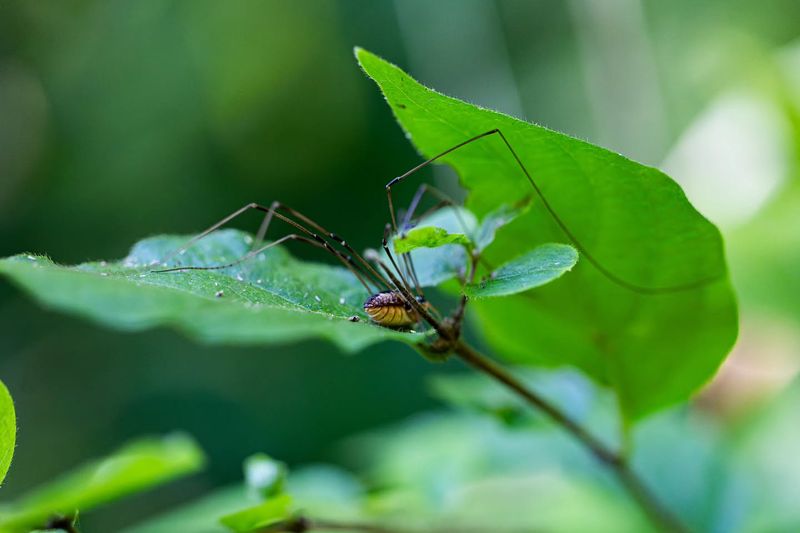
Some garden beds get raked, sprayed, turned, and cleared on a regular schedule. Others are allowed to settle, grow in, and develop a more layered, natural feel.
Harvestmen tend to show up more often in the second kind. Not because messy gardens are better, but because quieter spaces give these creatures room to move, hide, and explore without constant disruption.
Rocks, small logs, dense ground covers, and accumulated leaf litter all create what ecologists call structural complexity. For harvestmen, that complexity is essential.
They need places to retreat during the day, pathways to travel at night, and spots where they will not be swept away by a broom or blasted with a hose. A bed that holds some of that natural texture is simply more livable for them.
This does not mean your garden needs to look wild or unkempt. Tidy edges, defined borders, and well-shaped shrubs can absolutely coexist with a garden that also supports harvestmen and other beneficial creatures.
The key is leaving some areas slightly undisturbed, whether that means keeping a few flat rocks in place, letting a corner of leaf litter sit through the season, or avoiding the urge to rake every bed to bare soil.
Gardeners in North Carolina who practice low-intervention care often notice a richer variety of beneficial creatures over time. Harvestmen gathering in a less-disturbed bed is a quiet reminder that balance matters.
A garden that breathes a little, with some wildness tucked inside the tidy edges, tends to take care of itself in surprising ways.
5. It Usually Does Not Mean Your Plants Are In Trouble
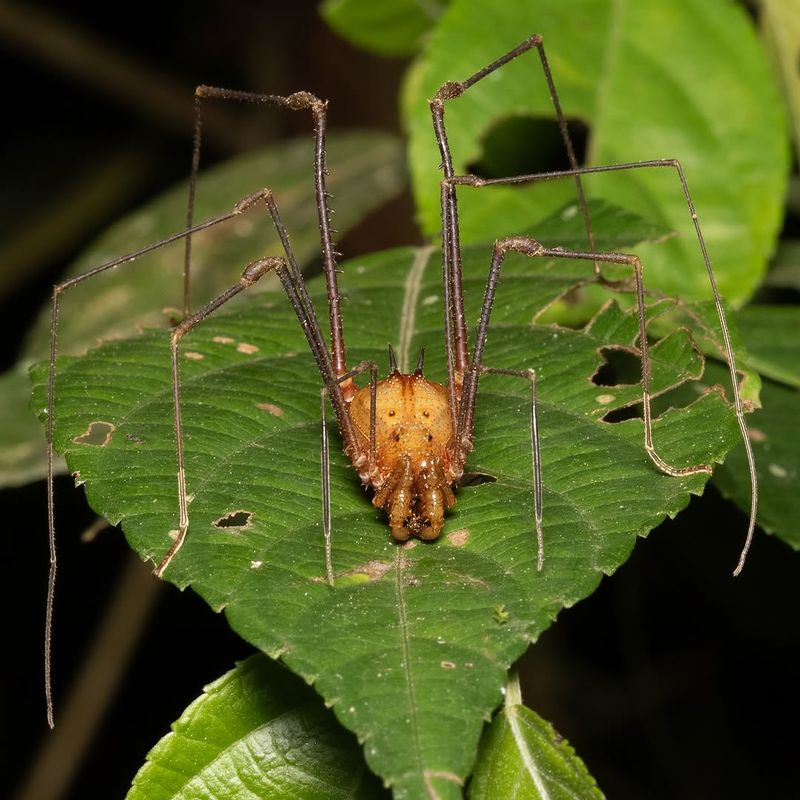
Spotting a cluster of daddy long legs on your tomato plants or sunflowers can feel alarming at first. They are large enough to notice and strange enough in appearance to make any gardener pause.
But here is the reassuring truth: harvestmen from the order Opiliones do not chew leaves, do not spin webs, and do not pierce plant tissue the way true pests do. They are passing through or resting, not feeding on your garden.
Caterpillars leave ragged holes in leaves. Aphids cause curling and sticky residue.
Whiteflies create yellowing and wilting. Harvestmen leave none of those signs because they are not causing that kind of damage.
If your plants look healthy, the harvestmen nearby are almost certainly not the source of any problem. They are more likely exploring the plant surface for small prey or simply resting in a shaded spot between the stems.
One useful habit for any gardener is to check the plant itself before blaming whatever creature happens to be nearby. Look at the underside of leaves for actual pest damage.
Check for discoloration, stunted growth, or sticky honeydew. If none of those symptoms are present, the harvestmen are probably just visitors moving through a healthy space.
Harvestmen are widely considered beneficial in garden settings because of their broad diet and non-destructive behavior. Many experienced gardeners actually welcome them as a sign of a balanced, active ecosystem.
Seeing them on your vegetables or flowering shrubs is far more likely to be a good sign than a bad one, so take a breath and enjoy the garden.
6. It May Be A Seasonal Gathering
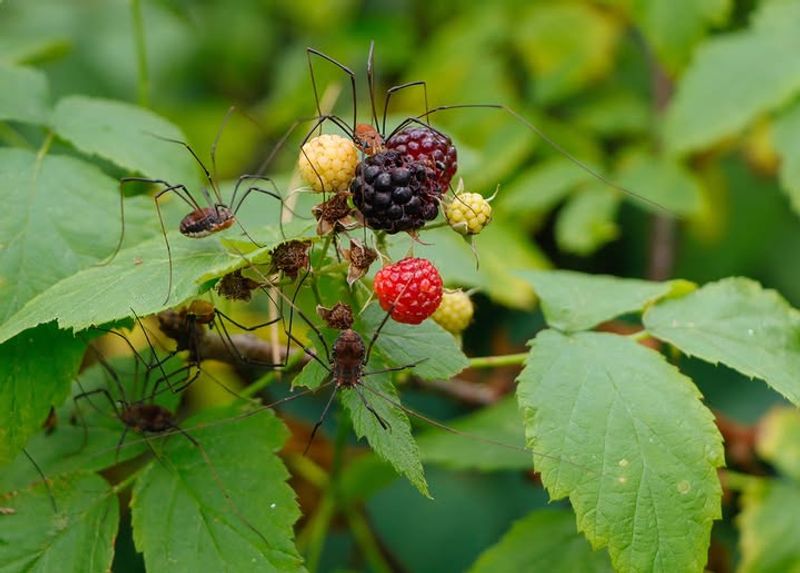
Timing matters a lot when it comes to harvestmen. If you suddenly notice a bigger group of daddy long legs in your garden beds during late summer or early fall, you are not imagining things.
Harvestmen are typically active from May through November, with their numbers often peaking around late summer and into the harvest season, which is actually how they earned the common name harvestmen in the first place.
As the season shifts, harvestmen become more visible for a few reasons. Populations that built up over the warmer months are now at their largest. Cooler nights push them to seek warmer, more sheltered spots during the day.
And in North Carolina specifically, the transition from summer to fall brings changes in humidity and plant cover that naturally concentrate these creatures in the most hospitable garden spots.
Clustering behavior also tends to increase during this time of year. Some harvestmen species form large aggregations that can look surprising if you are not expecting them.
Scientists believe these clusters may help individuals stay warmer and retain moisture as temperatures start to fluctuate more dramatically between day and night.
For gardeners, understanding this seasonal rhythm takes the mystery out of a sudden gathering. You have not done anything wrong, and your garden has not developed a new problem.
What you are seeing is simply a natural part of the harvestman life cycle playing out in real time. By late fall, as temperatures drop further, those numbers will taper off on their own without any action needed on your part.
7. It Means Observation Is Usually Better Than Spraying
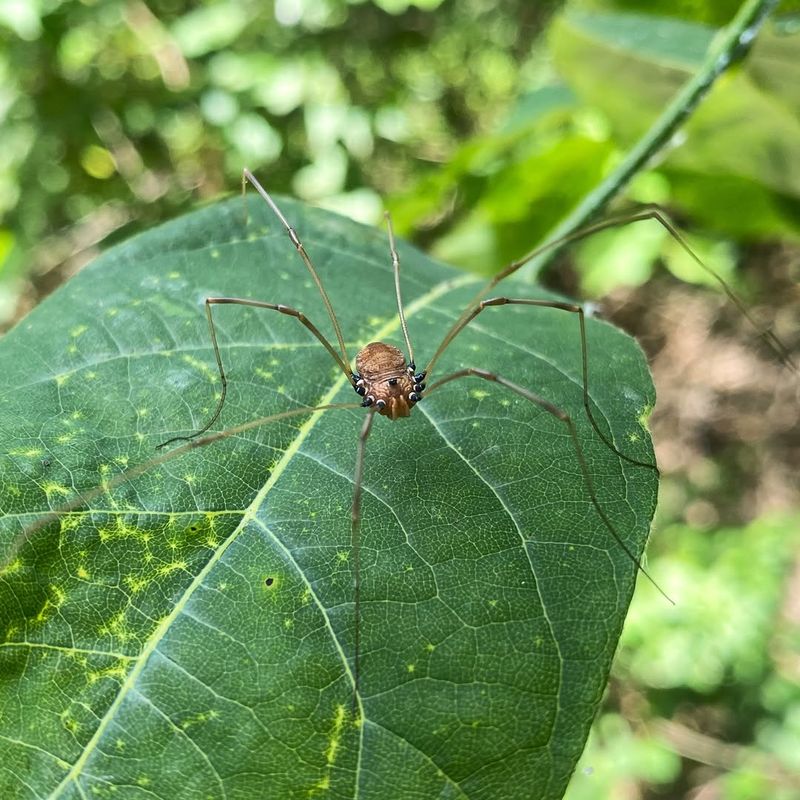
Finding a group of daddy long legs in your garden bed might trigger the instinct to reach for a spray bottle or call a pest control service. Resist that urge.
Harvestmen are not classified as garden pests, they do not harm structures, they do not spread plant diseases, and broad-spectrum sprays used to remove them will almost certainly cause more harm to your garden ecosystem than the harvestmen ever would.
The smarter move is to observe. Spend a few minutes watching what the harvestmen are actually doing. Are they moving through the mulch? Resting under a leaf?
Clustering near a damp rock? That behavior tells you something useful about your garden conditions.
If the mulch is extremely thick and wet, you might trim it back slightly to improve airflow. If there is a lot of clutter near the base of plants, clearing some of it can help without disrupting the whole bed.
Targeted, thoughtful management almost always outperforms blanket spraying. If a specific pest is genuinely causing plant damage, address that pest directly with the most appropriate and least disruptive method available.
Harvestmen, in the meantime, may actually help reduce some of those soft-bodied pests on their own.
North Carolina gardeners who practice observation first tend to have healthier, more balanced beds over time. Keep a simple garden journal if it helps, noting what creatures appear, when they show up, and what the plants look like at the same time.
That kind of record builds real gardening knowledge. Daddy long legs are part of a living system, and watching them work is genuinely one of the more rewarding parts of tending a garden.