What It Actually Means When Dragonflies Visit Your Wisconsin Yard
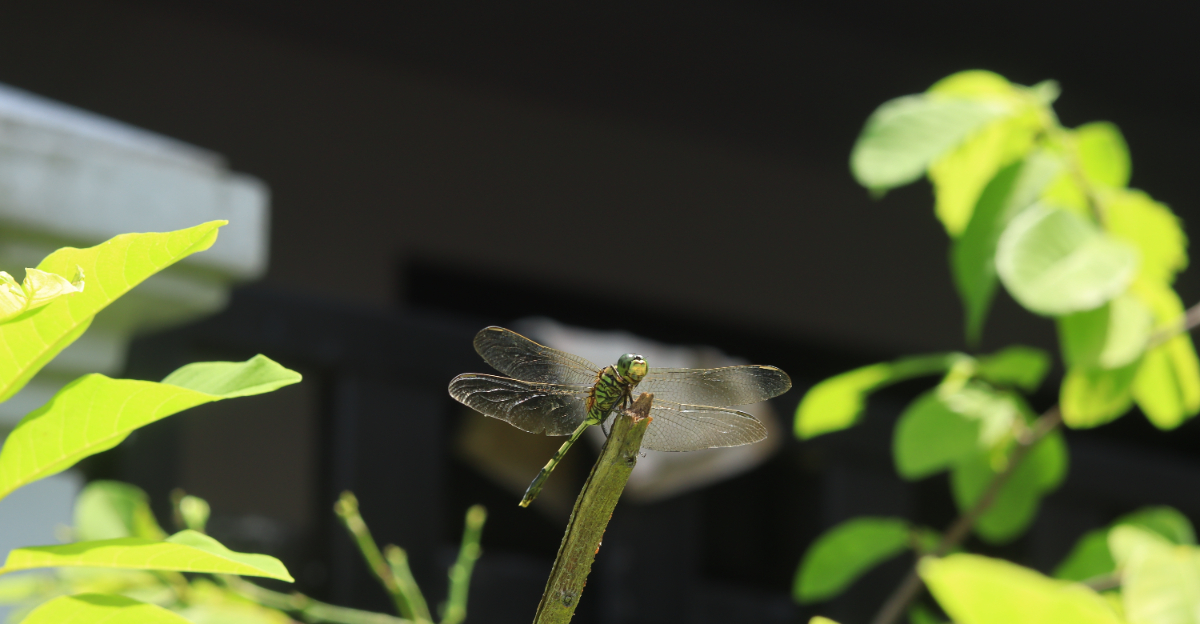
A dozen dragonflies zipping through your backyard on a warm Wisconsin evening is not something you forget. They move like they own the place, and in a way, they do.
Dragonflies do not show up just anywhere. They are selective, and when they pick your yard, it means something. Your outdoor space is checking boxes that most yards in your neighborhood probably are not.
Some of those boxes have to do with water. Some have to do with what is living in your grass and garden beds. Dragonflies have been reading yards like this for 300 million years.
They were doing it before Wisconsin had a name, and when they show up in your yard, they are not lost. They found exactly what they were looking for.
Dragonflies Are Natural Predators Doing Your Yard A Favor
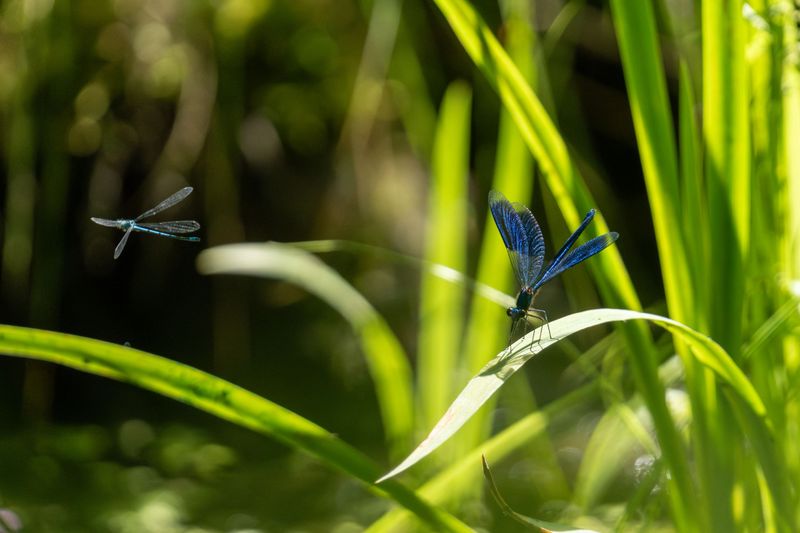
Mosquitoes beware, dragonflies are hunting. A single dragonfly can catch and eat hundreds of mosquitoes in one day, making them one of nature’s most efficient pest controllers.
When dragonflies visit your Wisconsin yard, they are actively working to reduce the bug population around you. They target gnats, midges, and small flies with a success rate that outperforms most predators in the insect world.
Watch one long enough and the technique becomes clear. Dragonflies do not chase prey from behind like most hunters, they calculate where the target is going and intercept it mid-air before it even knows what happened.
Scientists have measured dragonfly hunting success at nearly 95 percent. That number puts them ahead of nearly every other predator in the insect world.
Their eyes cover almost their entire head, giving them nearly 360-degree vision. That wide field of sight helps them spot and chase down prey mid-flight with stunning precision.
They do not just stumble into your yard by accident. Dragonflies go where the food is, and a yard buzzing with mosquitoes or gnats is basically an open invitation to feast.
Having them around means you have a free, chemical-free pest control system operating in your yard. Very few things in your yard work that hard, that precisely, and at no cost to you.
Encouraging dragonflies to stick around is one of the smartest moves a homeowner can make. Your summer evenings outside will feel noticeably more comfortable when these aerial hunters are on patrol.
Your Yard Has The Right Conditions To Attract Them
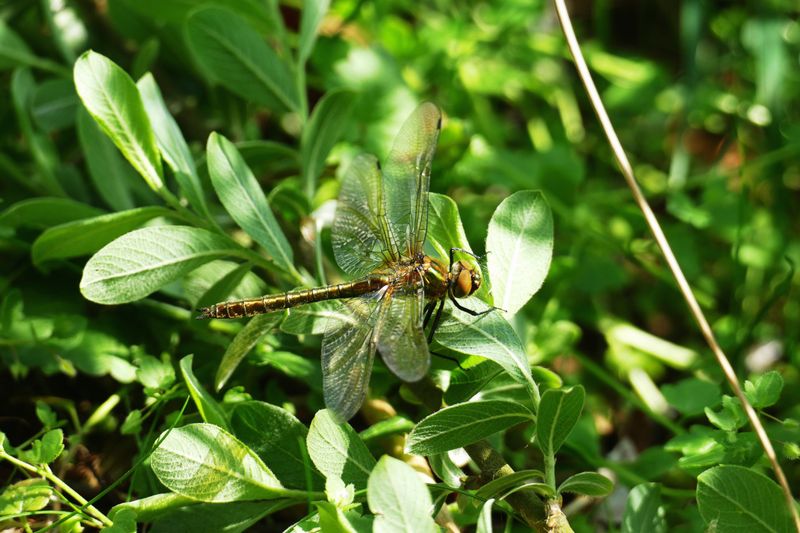
Not every yard gets the dragonfly treatment. When they show up at yours, it means something specific about your outdoor space is working in your favor.
Dragonflies prefer yards with open sunny areas, low wind exposure, and plenty of insect activity. If your space checks those boxes, you have basically rolled out the welcome mat without knowing it.
Tall grasses and native plants give dragonflies perching spots they love. They hunt from perches, scanning the air before launching into a chase, so vertical structure in your yard matters a lot.
A yard with diverse plant life also supports a richer insect population. More insects mean more food, and more food means dragonflies will keep coming back for repeat visits.
Your Wisconsin Garden Changes Every Week. Your Plan Should Too.
Gardening in Wisconsin changes quickly throughout the season. Every Friday you’ll receive a simple weekly plan showing exactly what to plant, prune, fertilize, harvest, and protect so you never miss the right timing.
Sunlight plays a huge role too. Dragonflies are cold-blooded and need warmth to stay active, so open sunny patches in your yard are prime real estate for them.
If your yard has reduced pesticide use, that helps enormously as well. Chemical sprays wipe out the small insects dragonflies depend on, essentially removing their food source in one go.
Think of your yard as an ecosystem, not just a lawn. When dragonflies arrive, they are signaling that your ecosystem is doing something right.
Water Sources Play A Bigger Role Than Most People Realize
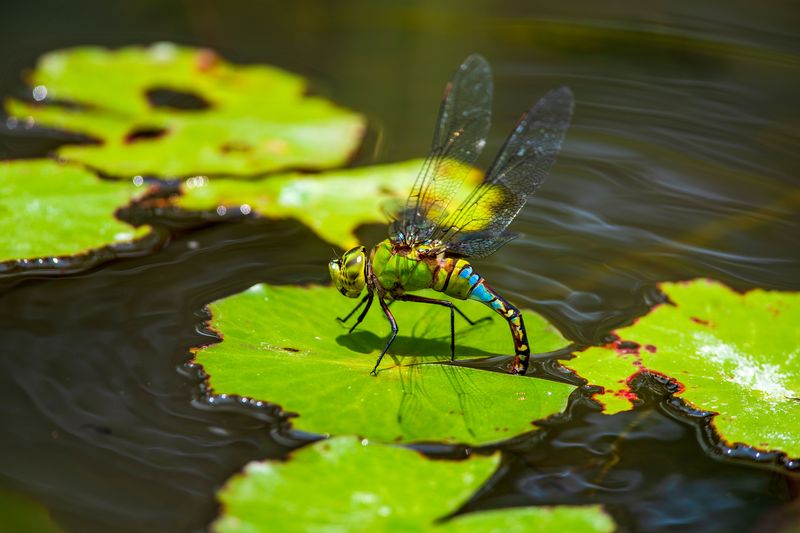
Still water is a dragonfly magnet. Ponds, rain gardens, birdbaths, and even slow-moving streams can draw these fliers in from surprisingly far distances.
Dragonflies spend most of their lives underwater as larvae. They need standing or slow-moving fresh water to complete their life cycle, which means water in your yard is the single biggest factor in attracting them.
Even a small container pond can make a difference. Research suggests dragonflies can travel significant distances to find suitable breeding habitat, so your backyard water feature does not need to be large.
Shallow edges are especially important. Female dragonflies lay eggs along the margins of water, and larvae need gradual slopes to crawl out when they finally emerge as adults.
Adding aquatic plants like cattails or water lilies gives larvae shelter and gives adults perching spots near the water. Plants also keep the water oxygenated, which supports the whole aquatic food web.
Avoid fountains with strong currents or deep containers with straight sides. Those setups are not dragonfly-friendly and can actually prevent successful egg-laying or larval development.
A simple, still, shallow water feature with native aquatic plants could transform your yard into a dragonfly nursery. Once the larvae hatch and grow, your local population builds itself naturally year after year.
Not All Dragonfly Visits Mean The Same Thing
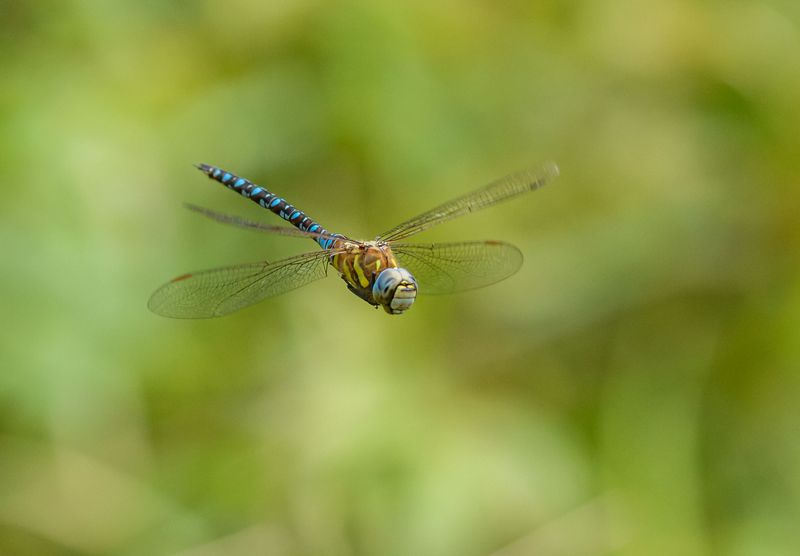
A single dragonfly passing through is not the same as a swarm of them circling your yard for hours. The behavior you observe tells a very different story depending on what they are actually doing.
Patrolling dragonflies fly repetitive back-and-forth routes, often over open grass or near water. This behavior signals active hunting, and it means your yard has enough prey to make the effort worthwhile.
Hovering near tall plants or fences usually means a dragonfly is perch-hunting. It spots prey, launches, catches it, and returns, a cycle that can repeat dozens of times in an hour.
Large groups appearing suddenly before a storm are a well-known phenomenon. Dropping air pressure drives insects lower to the ground, which brings dragonflies down to feed at unusually high densities.
Mating pairs flying in tandem near water are doing exactly what it sounds like. The male grips the female as they fly together, and she will soon deposit eggs along the water’s edge.
A dragonfly landing on you is not a random event. They sometimes rest on warm surfaces, and a human arm in the sun is a perfectly acceptable perch when no branch is nearby.
Paying attention to their behavior gives you a window into what is happening in your yard’s ecosystem. Each movement has a purpose, and learning to read those patterns is genuinely rewarding.
The Species You Spot Can Reveal Your Yard’s Health
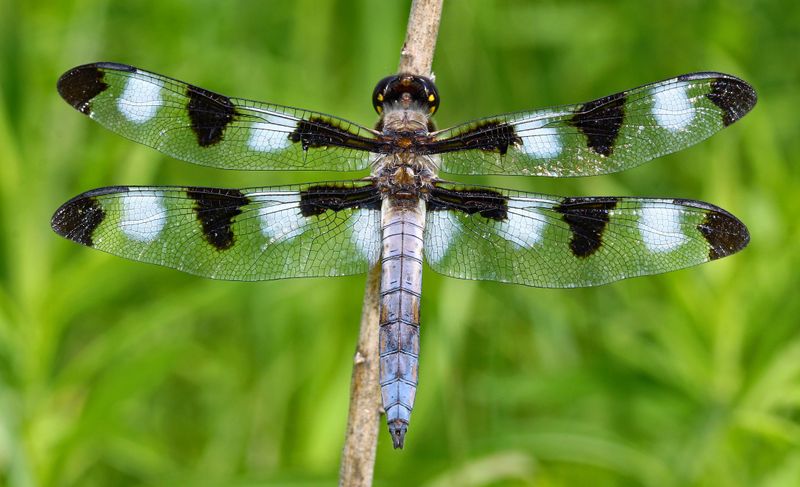
Not all dragonflies are created equal when it comes to what they reveal. The specific species showing up in your yard can act like a biological health indicator for your local environment.
Common whitetail dragonflies are tough and adaptable. Spotting one means your yard has open sunny space and at least some nearby water, even if it is not immediately obvious to you.
Blue dashers are one of the more adaptable species you will find. Spotting one does not say much about your water quality specifically, but it does confirm there is a freshwater source nearby that supports dragonfly activity.
Twelve-spotted skimmers are large and impressive, and they often show up near ponds or lakes with healthy aquatic vegetation. Their presence points to a well-balanced water ecosystem nearby.
Halloween pennants, with their orange-and-brown wings, are often spotted in windier conditions than most other species can handle. Finding one in your yard signals a breezy, open environment with good insect activity.
The more species variety you observe, the healthier and more diverse your local habitat tends to be. A yard hosting five or six different species is doing something genuinely impressive for local biodiversity.
Keeping a simple photo log of the dragonflies you spot is an easy way to track your yard’s ecological health over time. Your backyard data could even be useful to local naturalist groups in Wisconsin.
How To Make Your Wisconsin Yard More Welcoming To Dragonflies
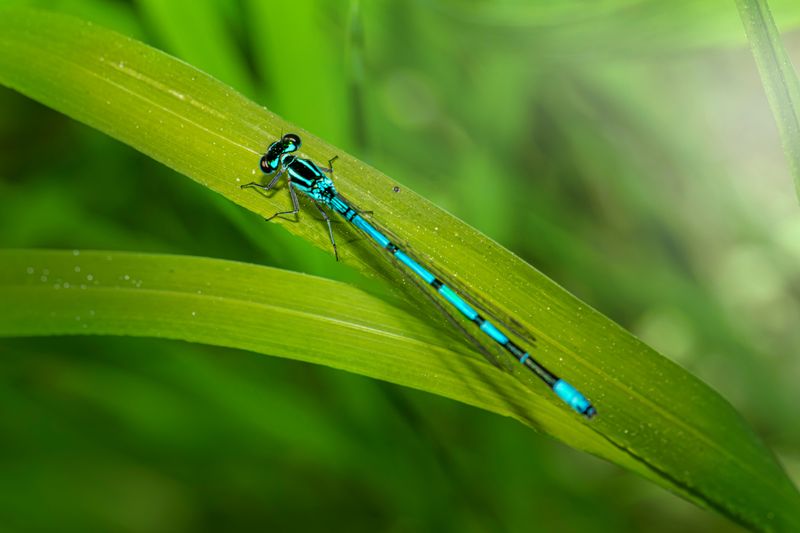
You do not need a massive property to attract dragonflies. A few intentional changes to your outdoor space can make a real difference in whether they show up and stay.
Start with water. Even a half-barrel pond with a shallow ramp and a few aquatic plants can become prime dragonfly habitat within a single season if placed in a sunny spot.
Choose native plants for your garden borders. Species like wild bergamot, black-eyed Susan, and prairie dropseed support the insects dragonflies eat and provide natural perching structures throughout the yard.
Reduce or eliminate pesticide use wherever possible. Broad-spectrum sprays do not distinguish between pest insects and the beneficial ones that dragonflies depend on for survival.
Leave some areas of your yard a little wild. Tall grasses, brush piles, and unmowed patches give dragonfly larvae places to emerge and adults places to rest between hunting runs.
Add flat rocks or wooden stakes near your water feature. Dragonflies love basking in the sun on hard surfaces, and giving them dedicated spots encourages longer visits.
Connecting with your local Wisconsin naturalist community can also open doors to species-specific tips for your region. Dragonfly-friendly yards do not happen overnight, but the changes you make today will pay off for years to come.