How Florida Gardeners Dethatch St. Augustine Without Destroying The Whole Lawn
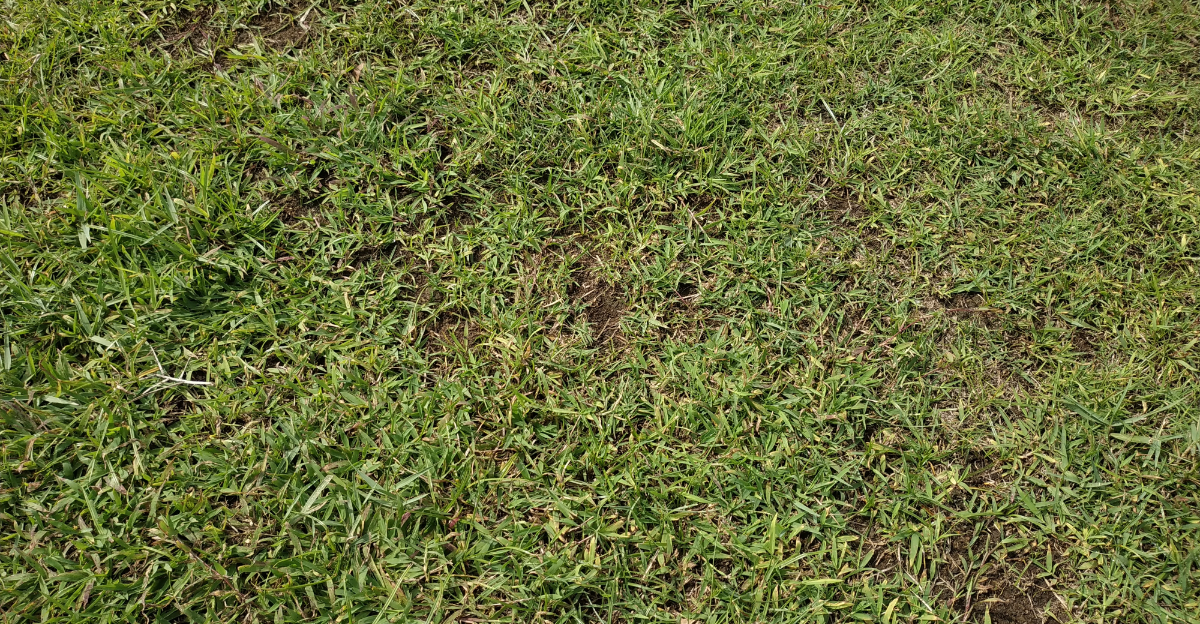
Thatch buildup in St. Augustine grass is one of those problems that sneaks up on Florida homeowners. The lawn looks fine from the street.
It feels spongy underfoot. Then drought stress, pest pressure, and poor color start showing up in ways that watering and fertilizer never quite fix.
By the time most people connect those problems to thatch, the buildup has been working against the lawn for a full season or more. Dethatching St. Augustine is not like dethatching other grass types.
The runners that give St. Augustine its spreading habit are also what make aggressive dethatching so risky. Push too hard and the lawn that needed help ends up looking worse than the thatch problem ever did.
There is a way to do this that works. It requires the right timing, the right tool, and a clear sense of how far to take it before backing off.
1. Check Whether Thatch Is Really The Problem
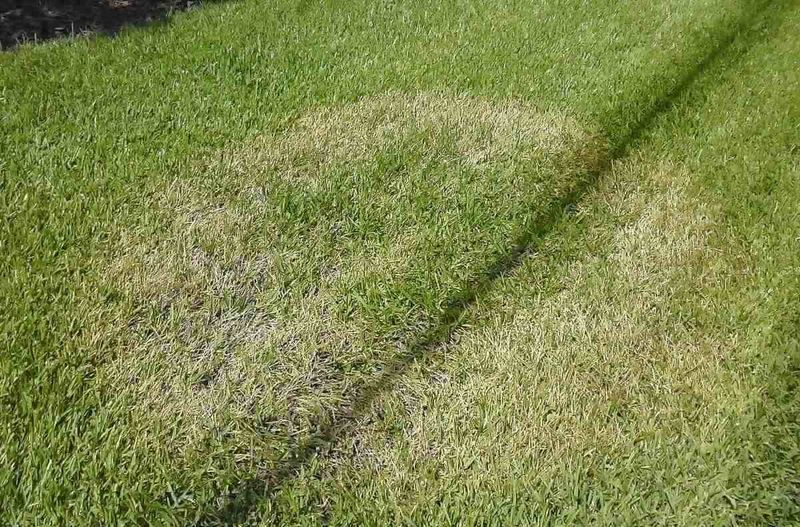
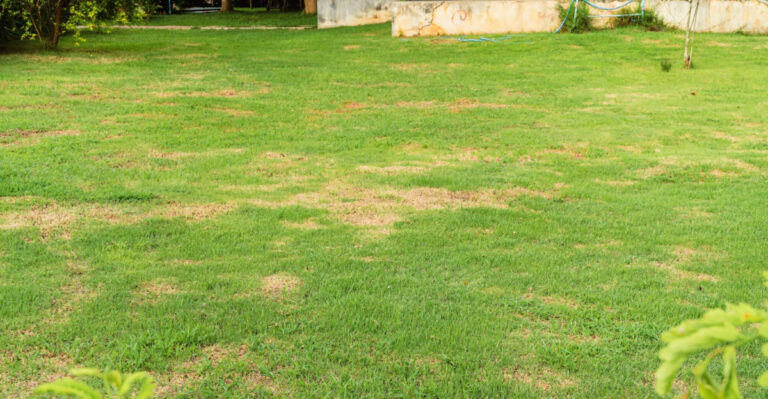
A Florida lawn that feels spongy underfoot does not always have a thatch problem. Brown patches, shallow roots, and water pooling on the surface can all suggest thatch.
Those same symptoms can also show up with chinch bug damage, gray leaf spot, drought stress, overwatering, compacted soil, and poor irrigation coverage.
Jumping straight to a dethatching tool without checking first is one of the most common mistakes St. Augustine owners make.
St. Augustine grows using aboveground stolons, which are the horizontal runners that spread across the soil and fill in bare areas. Unlike grasses that grow from underground rhizomes, St. Augustine stolons sit right at the surface.
Rough dethatching equipment can slice or tear those runners quickly, spreading damage across a large section of lawn in minutes.
Walk the yard slowly. Look for patterns.
Pest damage often shows up in expanding circular patches. Disease tends to follow wet areas or shaded spots.
Irrigation problems create dry zones in repeating patterns tied to sprinkler head placement. Check those possibilities before assuming thatch is the culprit.
A county Extension office can help with pest or disease identification if the cause is not clear. Diagnosing correctly first saves the lawn from unnecessary stress.
2. Measure The Thatch Before You Bring Out Tools
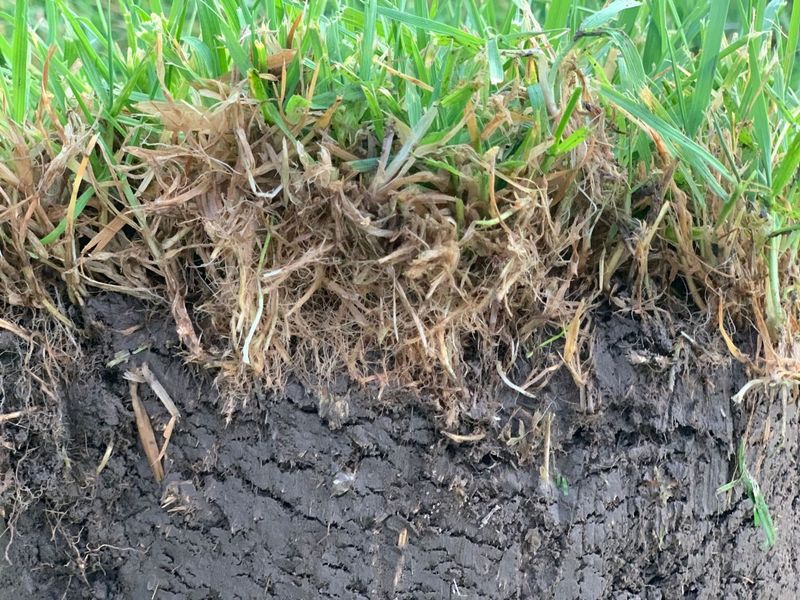
A small soil plug pulled from the lawn tells more than a foot test ever could. Use a sharp knife or a hand trowel to cut out a plug about three inches deep and three inches wide.
Look at the cross section. Between the green blades and the sandy soil, there should be a brown, spongy organic layer made of old stems, roots, and debris.
That is the thatch layer, and its thickness matters.
According to UF/IFAS guidance, a thatch layer up to about half an inch is generally considered acceptable in St. Augustine lawns. A thin layer can actually buffer soil temperature and hold some moisture.
Problems tend to develop when that layer grows beyond half an inch to three-quarters of an inch. Water, air, and nutrients then have a harder time reaching the root zone.
Your Florida Garden Changes Every Week. Your Plan Should Too.
Gardening in Florida changes quickly throughout the season. Every Friday you’ll receive a simple weekly plan showing exactly what to plant, prune, fertilize, harvest, and protect so you never miss the right timing.
Pull plugs from a few different spots across the yard, not just one area. Thatch can be uneven, heavier under trees or along fence lines where clippings pile up.
If the layer measures less than half an inch in most spots, dethatching may not be needed at all. Contact a local Extension office if the measurement is unclear or the lawn has mixed symptoms.
3. Skip Power Raking Unless The Lawn Truly Needs It
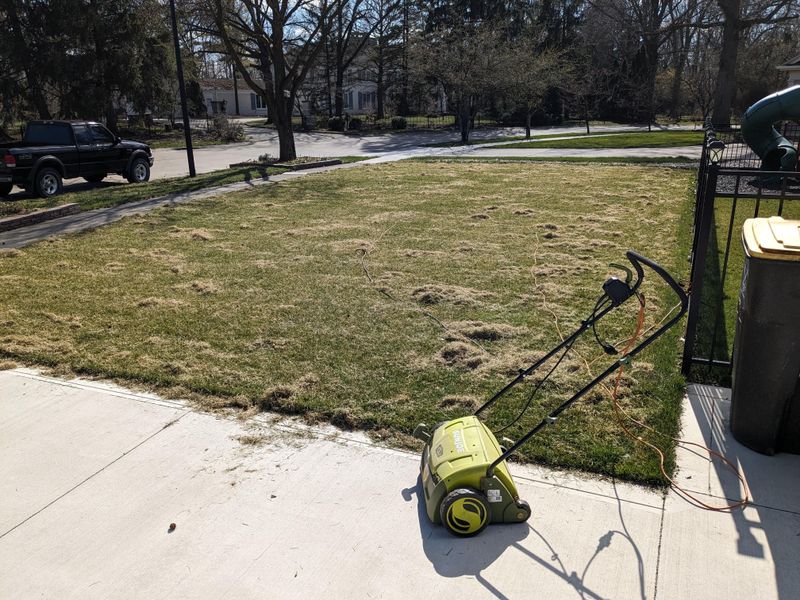
Power rakes, vertical mowers, and aggressive dethatching machines are not the right first move for St. Augustine. These tools use spinning blades or tines that cut vertically into the turf.
On a grass that spreads through surface stolons, that force can slice runners apart and create bare patches across large sections of yard. Recovery takes time, water, and favorable conditions that are not always available in our state’s unpredictable weather.
UF/IFAS Extension notes that St. Augustine is generally not a good candidate for aggressive vertical mowing as a routine practice. If a thatch layer is genuinely severe, confirm the problem through measurement first.
Professional help or very cautious equipment settings during the right season may then be appropriate. Attempting aggressive dethatching during summer heat stress, drought, or pest pressure can push the lawn into a longer and harder recovery.
Leaving the power rake in storage is not giving up. It is making a smart call based on what this grass actually needs.
Gentler options almost always carry less risk. If a professional is consulted, ask specifically about their experience with St. Augustine and whether they adjust equipment settings for stolon-based grasses.
Aggressive dethatching should never be treated as a routine yearly task for this turf type.
4. Use A Hand Rake For Small Stressed Patches
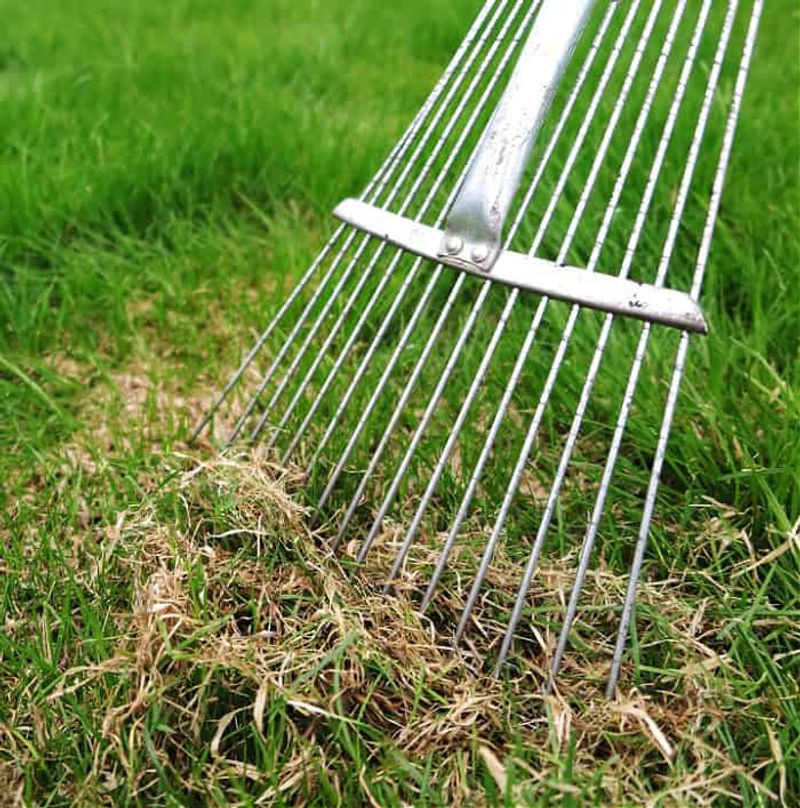
Sometimes a stiff leaf rake is all a Florida lawn actually needs. A hand rake can help small areas where surface debris, withered leaves, and loose clippings have built up.
It can lift that material away without pulling up healthy runners underneath. The key word is gentle.
Short, light strokes work better than long, aggressive ones that can catch stolons and drag them free of the soil.
Surface debris and true thatch are not the same thing. Leaves, dried grass clippings sitting on top, and loose organic material can make a lawn look thicker than it is without forming a dense, compressed thatch layer below.
Removing that surface layer with a hand rake often improves air circulation and lets water reach the soil without the risks that come with power equipment.
Watch for the moment when green runners start coming up with the debris. That is the signal to stop.
Pulling up stolons, even accidentally, removes the lawn’s ability to spread and recover in that spot. After light raking, keep foot traffic low in the area for at least a week or two.
Avoid mowing over freshly raked spots until the turf has had time to settle. Small, careful work in targeted areas protects the surrounding healthy grass.
5. Core Aeration Can Help Without Tearing Stolons Apart
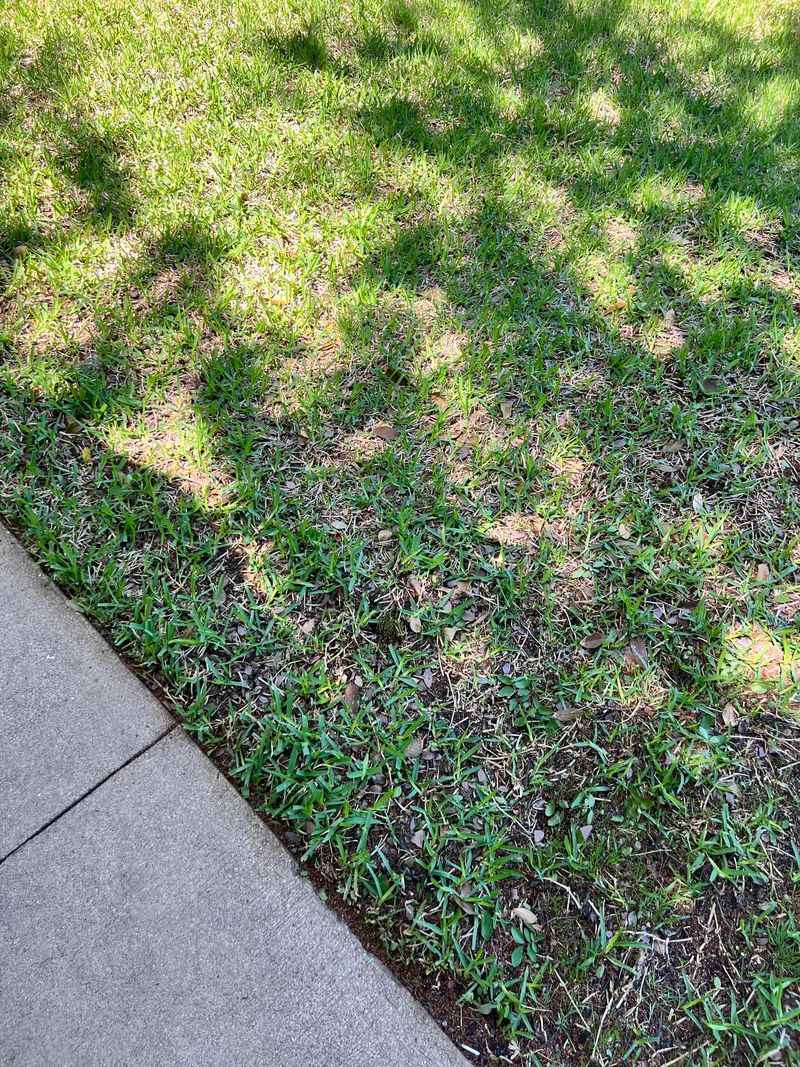
Compacted soil is a real problem in many home landscapes across this state, especially in yards with heavy foot traffic, clay pockets, or years of poor drainage.
When soil compacts, water sits on top instead of soaking in, roots stay shallow, and the lawn struggles even when watering and mowing are done correctly.
Core aeration addresses that compaction by pulling small plugs of soil out of the ground, opening channels for air, water, and nutrients.
Core aeration is not the same as dethatching. It does not remove thatch or replace dethatching when a thick organic layer is the confirmed issue.
What it can do is support better conditions for the grass to grow deeper roots and decompose organic matter more efficiently over time.
When compaction and poor water infiltration are part of the problem alongside mild thatch, aeration may be a useful complement to other gentle steps.
St. Augustine handles core aeration reasonably well when done at the right time and under the right conditions. UF/IFAS guidance suggests aerating when the grass is actively growing and can recover quickly.
Avoid aerating during drought stress or pest pressure. After aeration, leave the soil plugs on the surface to break down naturally.
Signs of a positive response include better water absorption and greener growth within a few weeks.
6. Fix Overwatering Before Thatch Builds Again
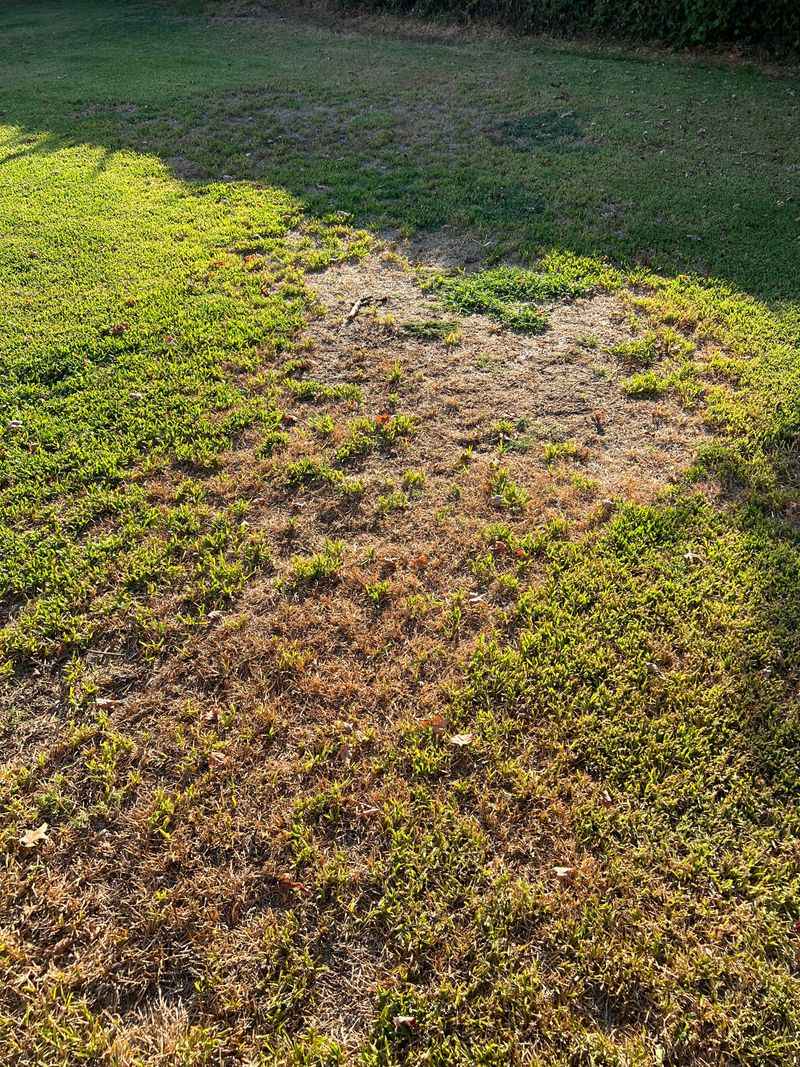
Thatch does not appear overnight. It builds up over months and years, often driven by habits that seem harmless at the time.
Frequent shallow watering keeps the soil surface constantly moist. That slows decomposition of organic matter and creates the wet, dense conditions where thatch layers thicken.
Excess nitrogen from over-fertilizing pushes fast top growth that outpaces the lawn’s ability to break down old stems and roots.
Checking the irrigation system matters more than most homeowners expect. Sprinkler heads that overlap too much can keep certain zones wet around the clock.
Irrigation schedules that run daily instead of deeply and less often train roots to stay shallow and encourage organic buildup near the surface.
Most water management districts in this state have specific watering restrictions that also help prevent overwatering if followed correctly.
Switching to a watering schedule based on actual lawn need, rather than a timer set to run every day, makes a real difference over a growing season. Water deeply enough to wet the root zone, then allow the soil to partially dry before watering again.
UF/IFAS and Florida-Friendly Landscaping guidance both support this approach. Correcting watering habits after addressing thatch is what keeps the problem from returning in the same spots.
7. Mow Higher So St. Augustine Recovers Cleanly
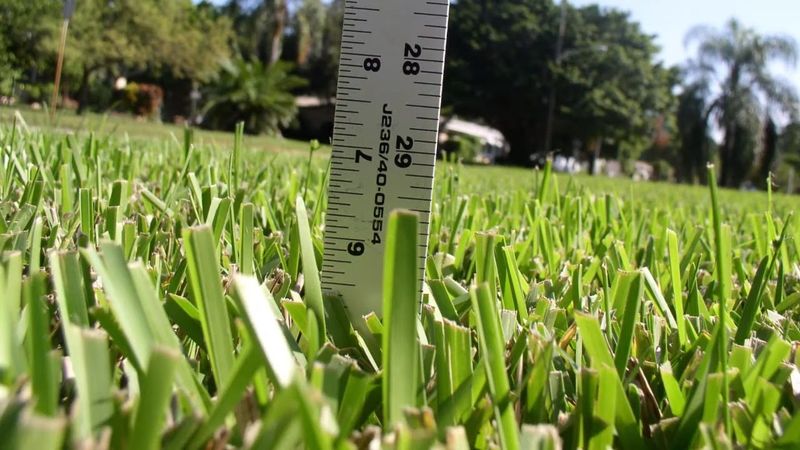
Mowing too low is one of the fastest ways to weaken St. Augustine. Scalping the lawn removes leaf blade that the grass needs to produce energy through photosynthesis.
After any kind of dethatching work or spot cleanup, the lawn needs its full canopy to recover. Running the mower at a low setting right after a stressful event sets the grass back further and can slow recovery by weeks.
UF/IFAS recommends mowing St. Augustine at a height of three and a half to four inches for most home lawns, with some shade-grown varieties needing even more height.
Keeping the blade higher shades the soil, which helps hold moisture, reduce weed pressure, and support deeper root growth.
Sharp mower blades also matter. Dull blades tear grass tissue instead of cutting cleanly, leaving ragged edges that dry out and turn brown.
Avoid mowing when the lawn is wet or under heat stress. Never remove more than one-third of the leaf blade in a single mow.
After light dethatching or hand raking, wait until the grass shows visible new growth before returning to the regular mowing schedule.
A lawn that is mowing well, at the right height and frequency, is a lawn that can handle minor thatch management without falling apart.
8. Give The Lawn Time Before Fertilizing Hard
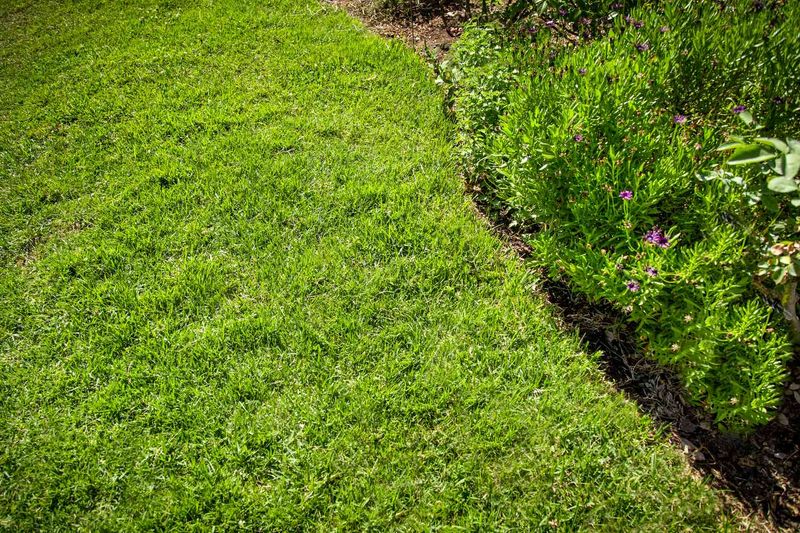
Reaching for fertilizer right after aggressive lawn work is a natural instinct, but it can backfire. A St. Augustine lawn that has just been raked, aerated, or lightly dethatched is already under some level of stress.
Adding heavy nitrogen at that point pushes fast top growth before the root system and stolons have had time to stabilize. That forced growth can look good for a week and then decline when the roots cannot support it.
Fertilizer does not repair torn stolons. It does not fix pest damage, correct irrigation mistakes, or solve disease problems.
Applying it too soon after stress can also increase thatch buildup over time by pushing more growth than the lawn can naturally decompose.
Many counties across this state have fertilizer blackout periods, typically during the rainy season, that restrict nitrogen and phosphorus applications near water bodies.
Check local fertilizer ordinances before applying anything. Most county Extension offices publish updated guidelines that reflect current restrictions.
Once the lawn shows clear signs of recovery, look for new green growth, spreading runners, and normal color returning. At that point, a light, appropriate fertilizer application can support continued growth.
Patience during recovery is not weakness. It is what separates a lawn that bounces back cleanly from one that struggles for an entire season.
9. Watch For Signs The Lawn Is Responding Well
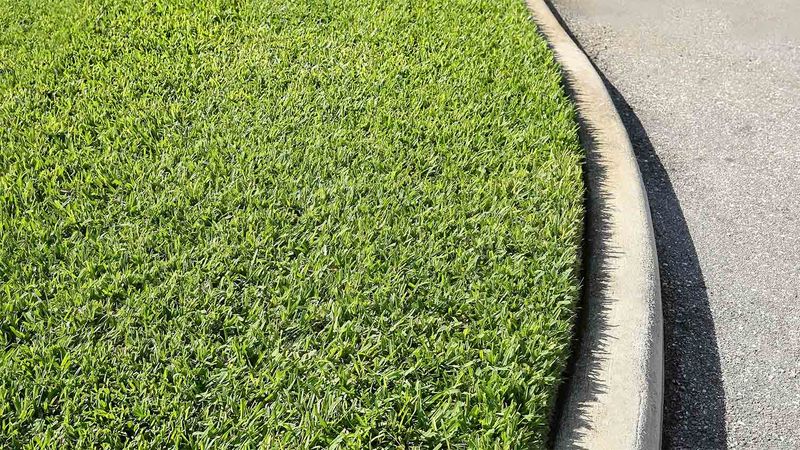
After careful thatch management, the Florida lawn sends clear signals when things are moving in the right direction. New green tips appearing at the ends of stolons mean the runners are alive and spreading.
Color returning evenly across previously dull areas suggests water and nutrients are reaching roots more effectively. Firmer turf underfoot, rather than that spongy bounce, can indicate the thatch layer is thinning and the soil profile is improving.
Recovery speed depends on the season, how much work was done, and whether the underlying causes have been corrected.
St. Augustine grows most actively during warm months, so light cleanup done in late spring gives the grass its best window for recovery before summer heat arrives.
Work done during drought, pest pressure, or disease activity tends to recover more slowly and may need additional attention.
Keep records of what was done, when it was done, and what the lawn looked like before and after. That information helps with planning future lawn care and spotting patterns before they become problems.
If bare patches are not filling in after several weeks of normal care, contact the local county Extension office. They can help identify whether something else, such as a pest, disease, or soil issue, is slowing the process down.