Why Citrus Leaves Turn Yellow In May In Florida And How To Fix It
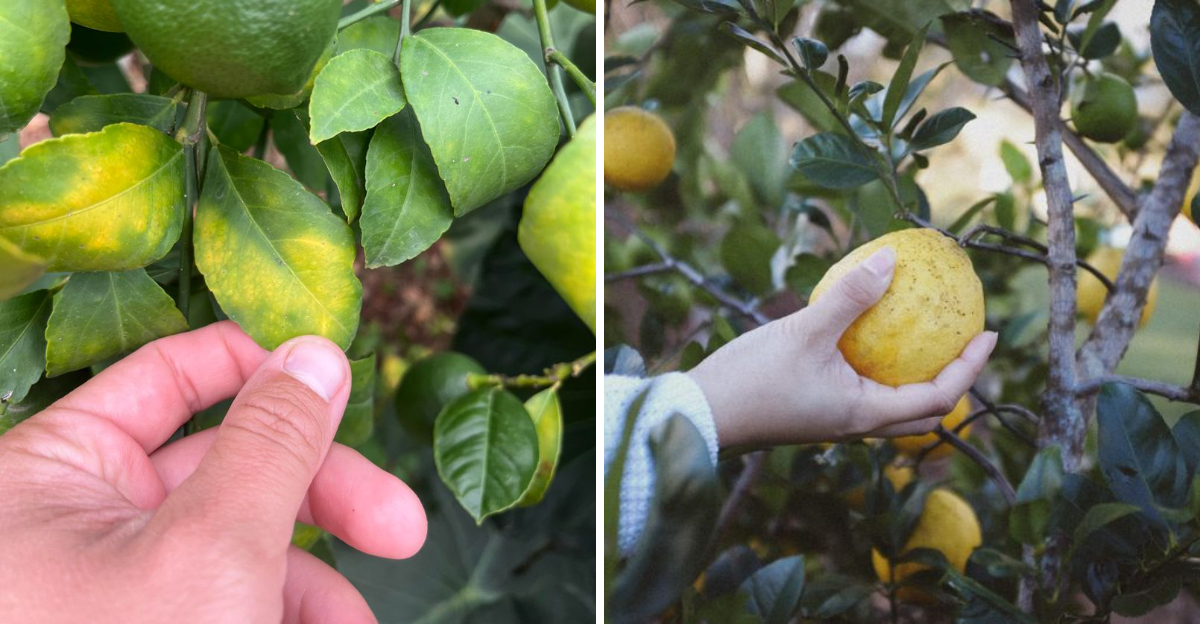
May hits Florida citrus trees at a vulnerable moment. The flush of new spring growth is settling in, and temperatures are climbing fast.
The tree is working hard to keep up with demands that shift almost weekly at this point in the season. Yellow leaves showing up in the middle of all that activity tend to send gardeners straight to the worst conclusion.
Most of the time the explanation is far less dramatic than it looks. Citrus is a communicative tree.
It shows stress, deficiency, and adjustment on the leaves before anywhere else. That makes yellow foliage one of the most common sights in Florida citrus gardens every May.
The challenge is that several different causes wear the same yellow disguise. Treating for the wrong one wastes time and money and occasionally makes things worse.
Reading the leaves correctly is the fastest way through it.
1. Start By Reading The Yellowing Pattern
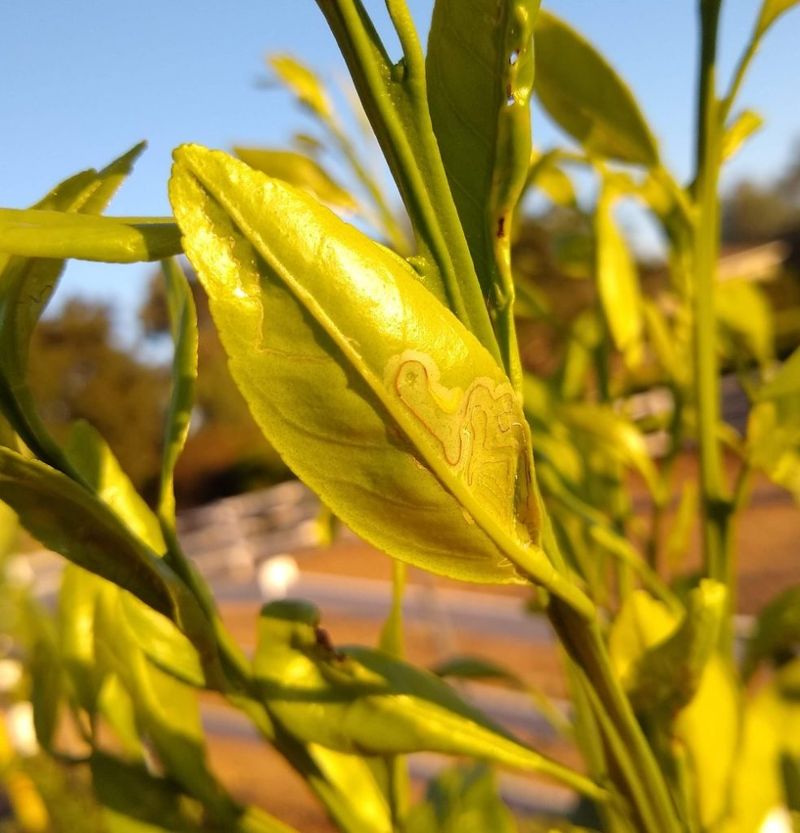
A yellow leaf tells more of the story when you look closely. Not all yellowing looks the same, and the pattern across your tree can point you toward the real cause before you spend money on the wrong product.
Taking a few minutes to study the leaves carefully is one of the most useful things a gardener can do in May.
Start by asking where the yellowing is happening. Older leaves near the bottom or inside of the tree turning yellow often points to a different problem than new growth at the tips turning pale or yellow.
If older leaves are dropping while new growth looks healthy and green, the tree may just be going through normal leaf cycling, which citrus trees do from time to time.
Look at the color pattern within each leaf. Leaves that turn yellow but keep their green veins are showing a pattern called interveinal chlorosis.
That pattern often points to a micronutrient issue rather than a basic watering problem.
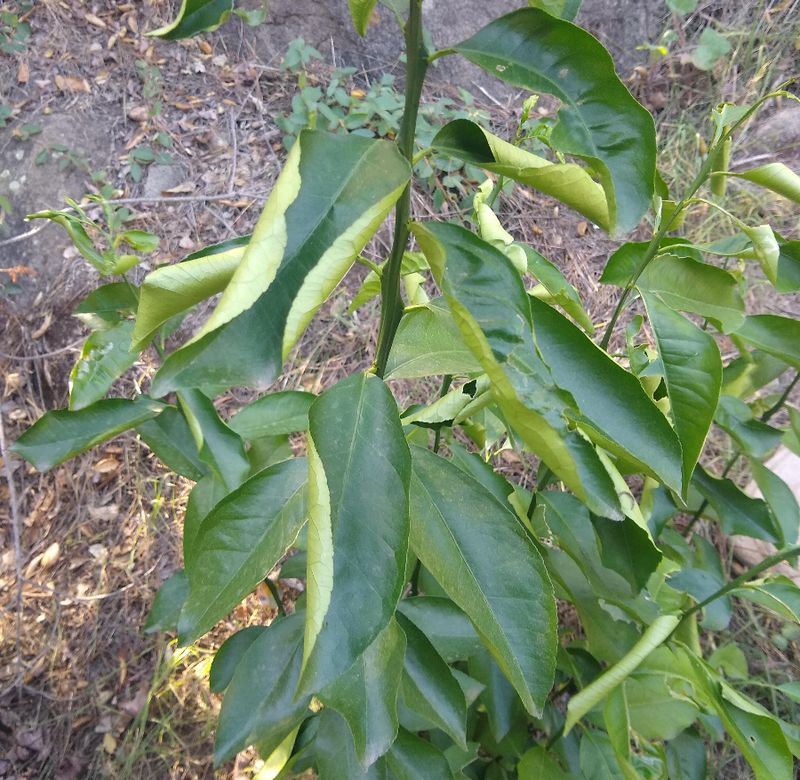
Blotchy or uneven yellowing that does not follow a clear pattern across the leaf can mean something else entirely and deserves a closer look before you act.
General pale growth across the whole tree, where leaves look washed out rather than sharply yellow, may point to broader nutrient needs or stress from heat. Check multiple leaves on different parts of the tree instead of just one or two.
A single yellow leaf near the trunk is far less concerning than widespread yellowing across the canopy.
Write down what you see before you start any treatment. Notice whether the yellowing is on old growth or new growth, whether it is patchy or uniform, and whether it is spreading.
Those details will help you make a smarter decision. Local Extension offices can also help you interpret what you find.
2. Check Watering Before Reaching For Fertilizer
Water problems can look a lot like feeding problems, and that mix-up sends many gardeners straight to the fertilizer bag when the real fix starts at the hose.
Both too much water and too little water can cause citrus leaves to turn yellow, and the symptoms can be surprisingly similar from the outside.
Your Florida Garden Changes Every Week. Your Plan Should Too.
Gardening in Florida changes quickly throughout the season. Every Friday you’ll receive a simple weekly plan showing exactly what to plant, prune, fertilize, harvest, and protect so you never miss the right timing.
May in this state can swing between dry spells and sudden rain depending on where you live. In some years, the rainy season has not fully arrived by early May, leaving trees in sandy soil short on moisture.
In other years, spring showers keep the ground wetter than expected. Checking the actual soil before deciding to water is always the smarter move.
Push your finger about two to three inches into the soil near the drip line of the tree. If it feels dry and powdery, the tree likely needs water.
If it feels cool and moist, hold off. If it feels soggy or smells musty, the problem may be too much water sitting around the roots.
Soggy roots cannot take up nutrients properly, which is one reason overwatered trees often look like they need fertilizer when they actually need less water.
Container citrus can dry out faster than trees planted in the ground, especially during warm May days. Check pots more often than in-ground trees and make sure drainage holes are clear.
Watering deeply but less frequently encourages roots to grow downward rather than staying near the surface where they dry out quickly.
Once you have confirmed that moisture levels are right, give the tree a few days to respond before adding anything else to the mix. Fixing the water situation first keeps you from layering problems on top of each other.
Getting the root zone right is the foundation of everything else.
3. Fix Drainage Problems Before Summer Rain Builds
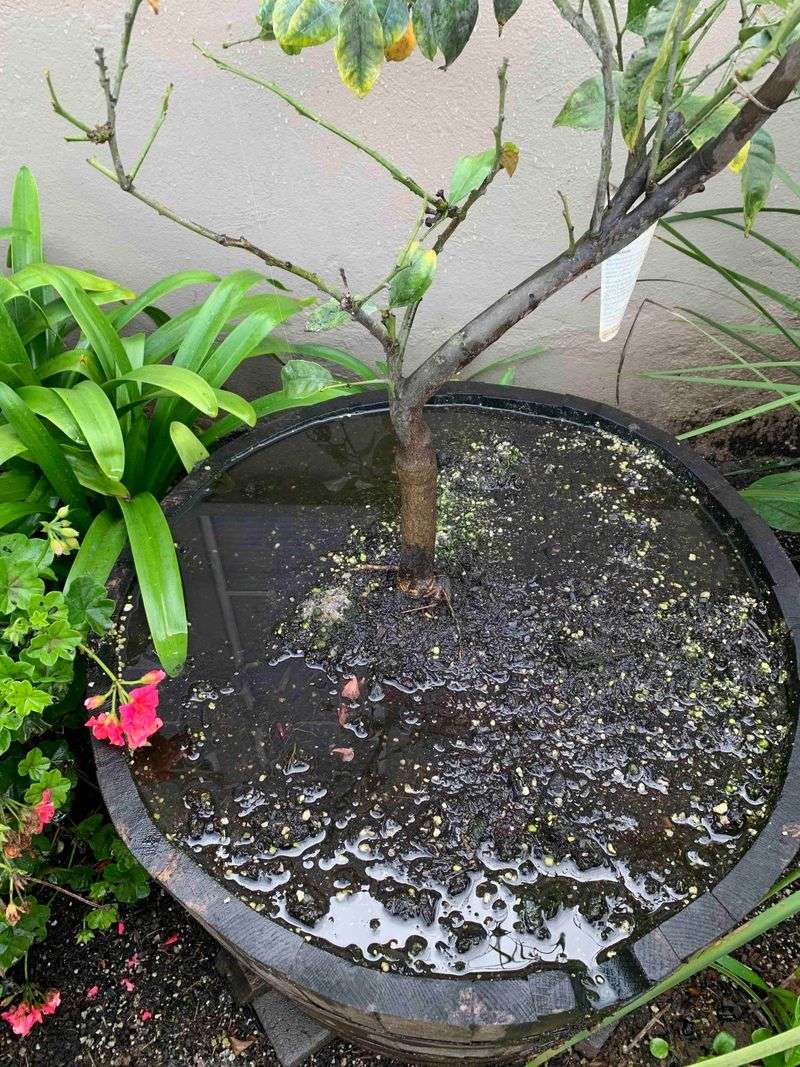
Rainy season makes poor drainage harder to ignore, and May is exactly the time to get ahead of it. Citrus roots need oxygen to stay healthy and do their job.
When soil stays wet for too long, roots can struggle to absorb nutrients and water properly, even when both are available. That stress often shows up first as yellowing leaves.
Low spots in the yard where water collects after rain are risky places for citrus. If your tree sits in an area that stays wet for more than a day or two after rain, the root zone may not be getting the air it needs.
Compacted soil makes this worse because water cannot move through it easily. Sandy soil in many parts of this state drains well naturally, but areas with clay layers or heavy foot traffic near the root zone can stay wetter longer than expected.
Container citrus comes with its own drainage challenges. Pots that are too large for the tree can hold more moisture than the roots can use.
Drainage holes that are blocked by roots, soil, or debris can turn a well-watered container into a soggy one. Check the holes regularly and make sure water flows freely when you water.
Mulch is helpful for keeping roots cool and holding moisture during dry spells, but it should never be piled against the trunk. Keep mulch a few inches away from the base of the tree to allow air circulation and reduce the chance of rot near the crown.
A layer of mulch spread out to the drip line is far more useful than a thick pile against the bark.
If drainage is a persistent problem, raised planting beds or amended soil may help. Contacting a local Extension office can give you region-specific advice for your soil type before summer rain patterns fully arrive.
4. Look For Nutrient Deficiencies In New Growth
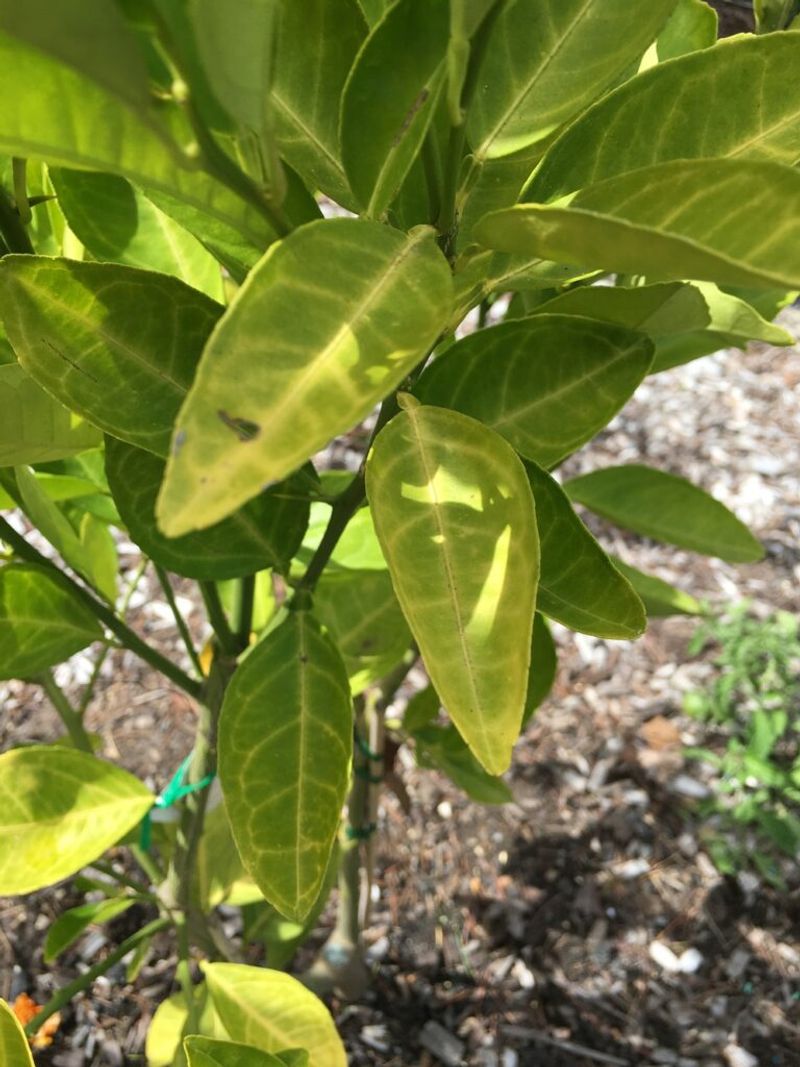
New growth often gives the best nutrient clues, and knowing what to look for can save you from guessing wrong. Citrus trees are heavy feeders that benefit from regular fertilization, but not every yellow leaf means the tree is hungry.
The location and appearance of the yellowing matters as much as the color itself.
Interveinal chlorosis, where leaves turn yellow while the veins stay green, often points to a micronutrient issue. Iron, manganese, and zinc deficiencies can all show up this way, especially in new growth.
These issues are more common in soil with a high pH, which can lock up micronutrients even when they are present.
Sandy soils in this state can also be naturally low in certain nutrients, making regular fertilization important for healthy trees.
Nitrogen deficiency tends to show up differently. A tree that needs nitrogen often shows a general pale or light green color across older leaves rather than the sharp interveinal pattern.
Pale, washed-out older leaves combined with slow growth may suggest the tree needs a feeding.
Still, it is worth checking watering and drainage first before adding fertilizer.
Using a fertilizer labeled specifically for citrus is a good starting point. Citrus fertilizers are usually formulated with the micronutrients these trees need.
Always follow the label directions for the product you are using rather than guessing at rates. Overfertilizing can cause its own problems, including salt buildup in the soil and root stress.
If yellowing continues after fixing water issues and applying fertilizer according to the label, get more information.
A soil test or leaf tissue test can give you a clearer picture of what is actually missing. Your local UF/IFAS Extension office can help you interpret results and recommend next steps based on your specific soil and tree type.
5. Watch For Citrus Greening Warning Signs
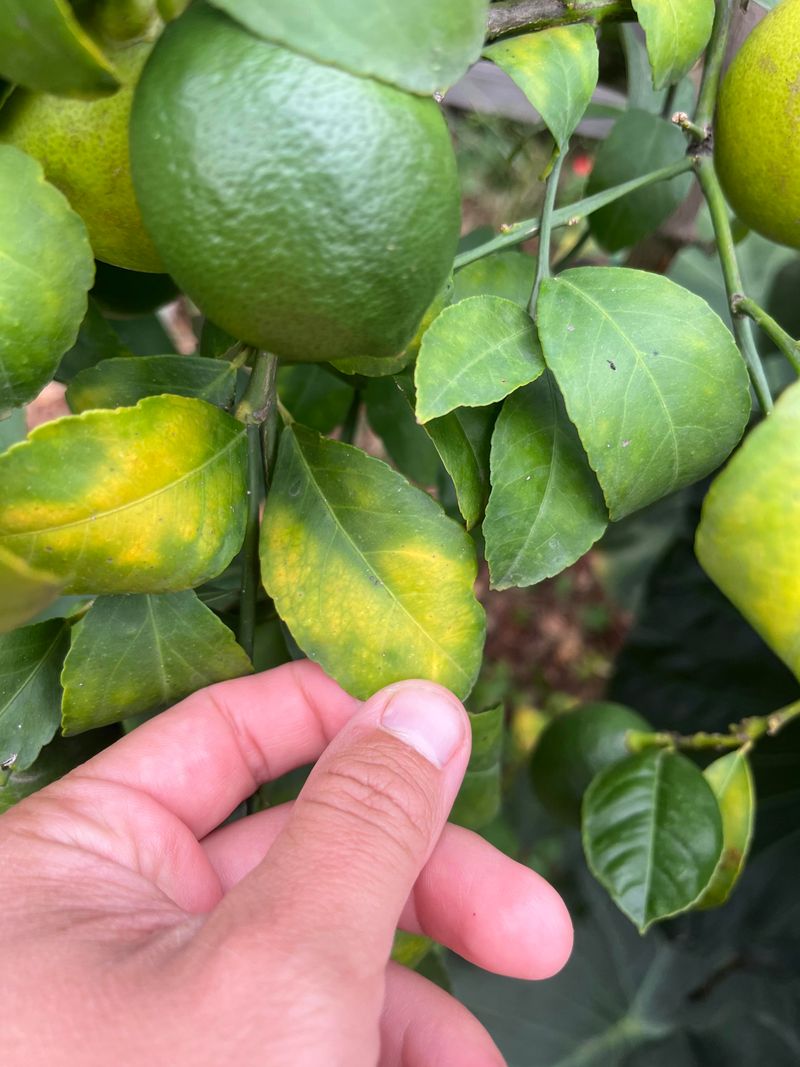
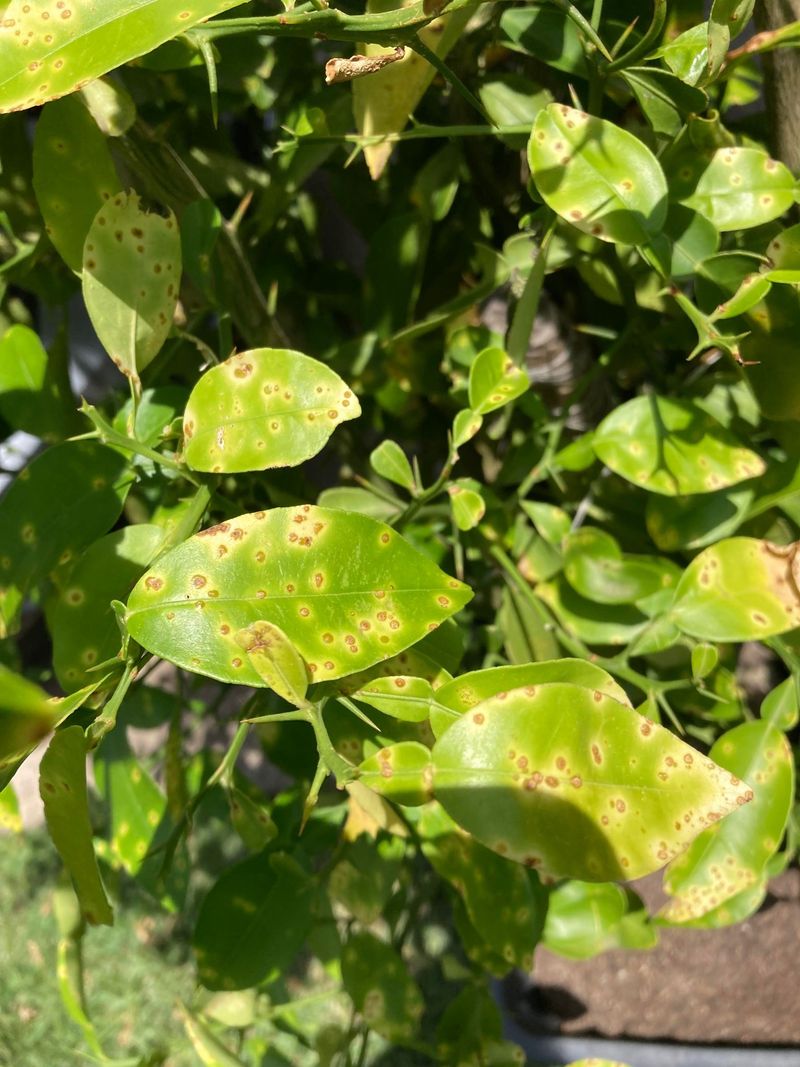
Blotchy yellowing deserves a closer look, especially in a state where citrus greening has been a serious concern for years. Citrus greening, also known as Huanglongbing or HLB, is a bacterial disease spread by a tiny insect called the Asian citrus psyllid.
It has affected citrus trees across much of this state and can cause a range of symptoms that sometimes look like nutrient problems at first glance.
The yellowing associated with greening tends to be uneven and blotchy, appearing on one side of a branch or spreading unevenly across the canopy.
Unlike a nutrient deficiency, which usually shows a more uniform pattern, greening often creates an asymmetrical, mottled look.
The pattern does not follow the veins neatly and may appear on both old and new growth in no predictable order.
Other warning signs include small, lopsided, or bitter fruit, twig dieback, and a general decline in tree health over time. Trees with greening may also show a condition called blotchy mottle.
In that case, individual leaves have irregular yellow and green patches that look different from typical chlorosis. Keep in mind that no single symptom confirms greening on its own, and several other conditions can cause similar-looking leaves.
Greening cannot be cured once a tree is infected, but that does not mean every blotchy yellow leaf is a diagnosis. Many other issues can create similar-looking symptoms.
Jumping to a conclusion based on leaf color alone is not helpful and can cause unnecessary stress for the gardener.
If you notice a pattern of uneven yellowing alongside other warning signs, the best step is to contact your local UF/IFAS Extension office or county Extension agent. They can help you assess the situation accurately and connect you with the right resources.
Getting a proper identification matters before taking any major action.
6. Adjust Care For May Heat And Regional Rainfall
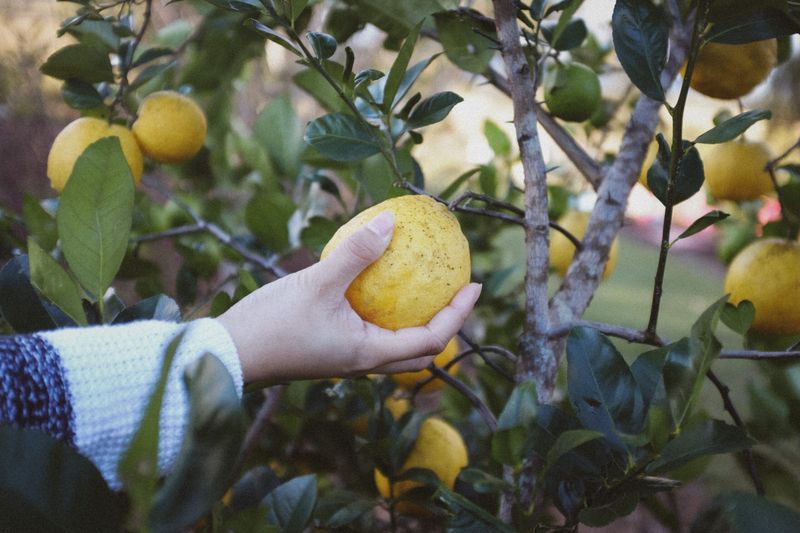
May weather does not feel the same in every region of this state, and care routines should shift to match what is actually happening outside.
A citrus tree in the Panhandle is dealing with different conditions than one growing in Miami-Dade or Hillsborough County.
Paying attention to local weather patterns rather than following a one-size-fits-all calendar makes a real difference in tree health.
Northern regions are often moving from a cooler spring into warmer temperatures in May. Trees may be pushing new growth while soil temperatures are still rising.
Watering needs can increase quickly as heat builds, and dry spells between rain events can stress trees that were doing fine just weeks earlier.
Watching the soil and adjusting irrigation to match actual conditions works better than watering on a fixed schedule.
Central regions may already be seeing warmer days and unpredictable rain in May. Some weeks bring plenty of moisture, while others stay dry.
Mulching out to the drip line helps hold soil moisture between rain events and keeps root temperatures steadier.
Avoid fertilizing during a drought or immediately before heavy rain is expected, since nutrients can wash away before the tree can use them.
Southern regions may already be dealing with higher humidity and the early edge of the rainy season by May. Heat stress can show up quickly in trees that are short on water or struggling with drainage.
Checking trees more frequently during weather shifts and adjusting care as conditions change is especially useful in these areas.
Across all regions, May is a good time to make sure irrigation systems are working correctly, mulch is in place but away from the trunk, and trees are not being overfed.
Staying observant and flexible through seasonal shifts keeps backyard citrus in better shape heading into summer.
7. Know When To Call Your Local Extension Office
Sometimes a yellow leaf is easy to read, and sometimes it is not. When you have checked the water, improved drainage, applied the right fertilizer, and the tree still looks off, ask for help.
Someone with local knowledge can help you make a smarter call. Local Extension offices across this state offer free or low-cost resources for home gardeners dealing with exactly these kinds of questions.
UF/IFAS Extension agents are trained to help identify plant problems based on patterns, history, and local conditions. They know the soil types, pest pressures, disease trends, and weather patterns specific to your county.
Bringing a few clear photos or even a sample of affected leaves and fruit can give an agent enough to work with for an initial assessment. Many offices also offer plant clinics or online diagnostic tools to help narrow things down.
Citrus greening identification, in particular, is something that benefits from professional eyes. The symptoms can overlap with nutrient deficiencies and other stress responses.
A trained professional is far better positioned to guide you than a general internet search. Extension agents can also connect you with certified arborists or other specialists if the situation calls for it.
Beyond disease, Extension resources cover fertilizer recommendations based on local soil testing and irrigation best practices for your region.
They also offer guidance on common citrus pests like Asian citrus psyllid, scale insects, and citrus leafminer. These resources are built around science and tested in local conditions.
That makes them more reliable than general gardening advice that was not written with this state in mind.
Reaching out early, before a minor yellowing problem becomes a bigger headache, is always worthwhile. Your county Extension office is one of the most useful tools a Florida gardener has, and most people do not use it nearly enough.