These Oregon Gardening Trends Could Boost Curb Appeal And Home Value
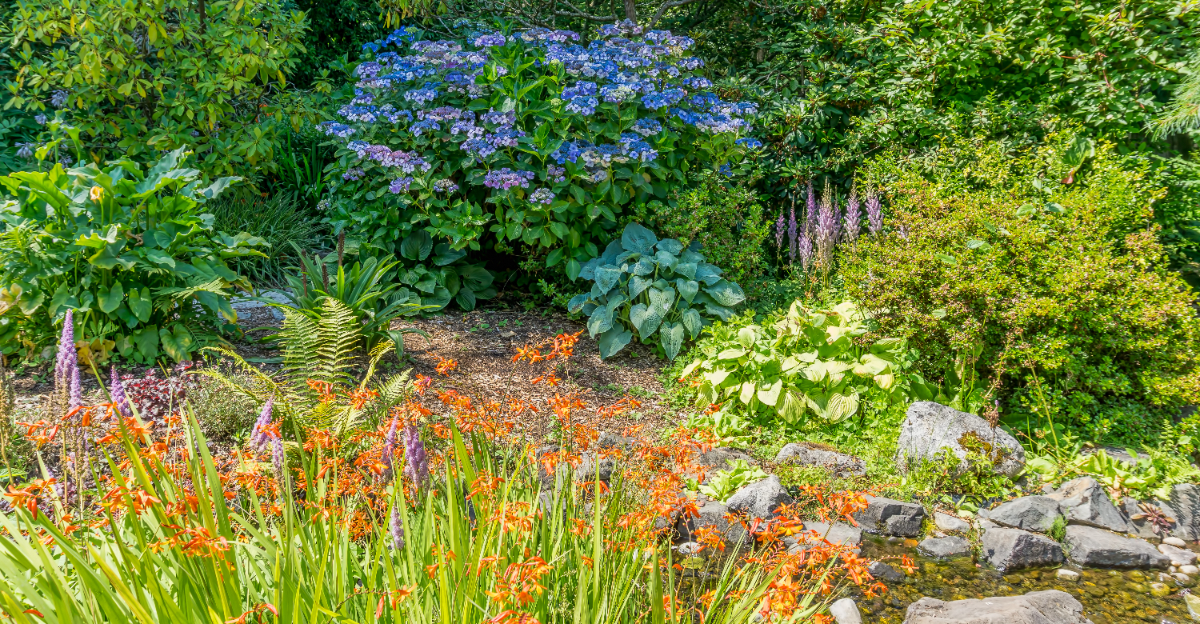
Homeowners are swapping out tired, thirsty lawns for layered native plant gardens that look like they belong in a Pacific Northwest nature documentary.
This gardening trend is not just about looks.
It connects beauty, smart design, lower water bills, and wildlife habitat into one thoughtful front yard package.
Real estate professionals and landscape designers are both paying attention, because a well-designed native garden can make a home feel more polished, more intentional, and more appealing to buyers who care about sustainability.
Oregon State University Extension research supports waterwise and native planting as a smart long-term choice for homeowners in the Pacific Northwest.
Whether you have a small city lot or a sprawling suburban yard, this trend has something useful to offer.
Ready to find out how a few smart plant choices could change the way your home looks from the street?
1. Start With Layered Native Landscaping
The forest floor of an Oregon trail tells you everything you need to know about good garden design.
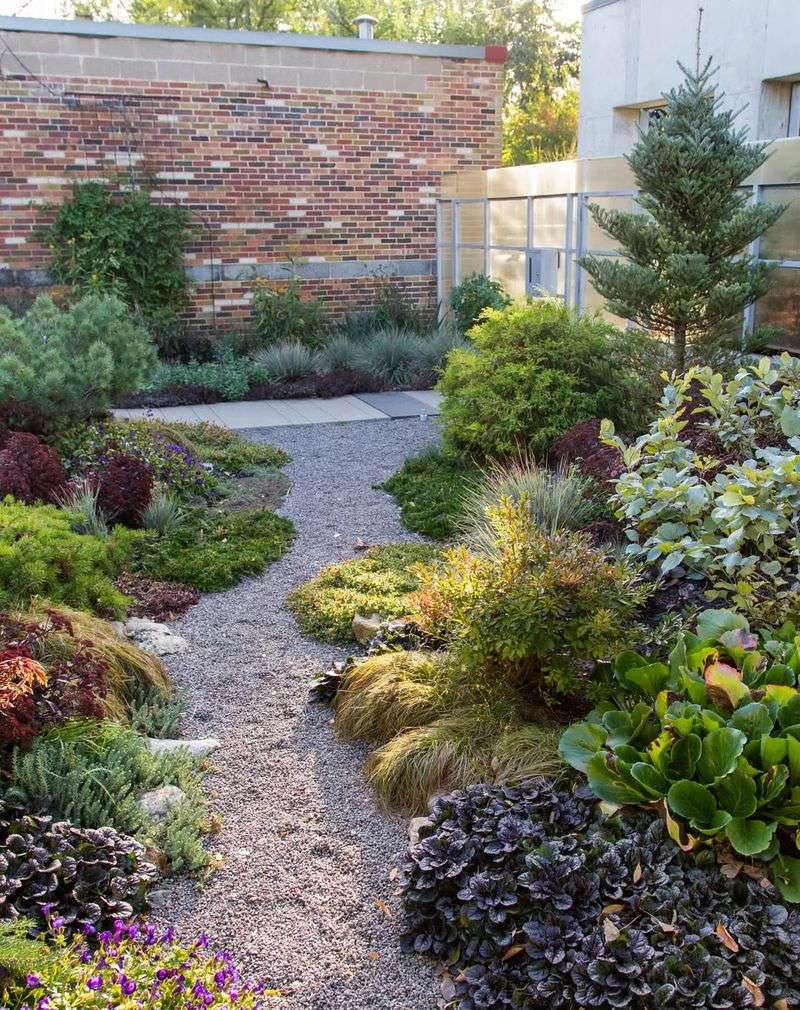
Tall trees overhead, shrubs filling the middle space, and low groundcovers hugging the soil beneath. That layered structure is exactly what this gardening trend brings to the front yard.
Designed native plant layering means placing plants at different heights on purpose, creating a landscape that looks full, rich, and intentional rather than random.
This approach is recommended for Pacific Northwest home landscapes because it mimics how plants naturally grow together in the region.
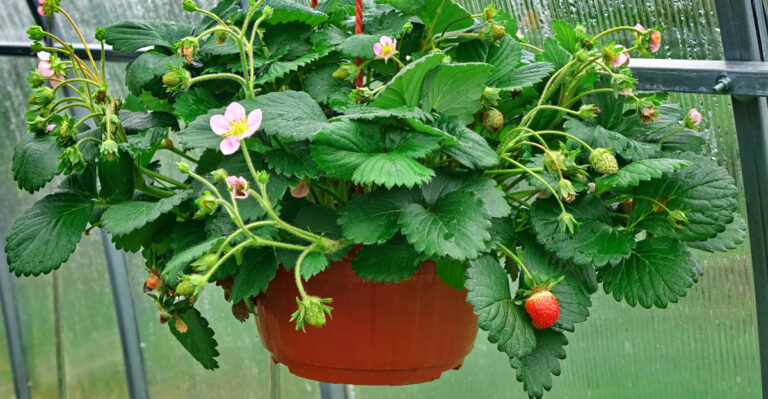
Tall background plants like Oregon grape or vine maple anchor the space. Mid-layer shrubs such as red flowering currant or oceanspray fill in the middle. Low groundcovers like native strawberry or kinnikinnick soften the edges and cover bare soil.
Each layer serves a real purpose.
Taller plants provide shade and structure. Middle-layer plants add seasonal color and texture. Groundcovers suppress weeds naturally, which means less time on your knees every weekend.
The result is a landscape that practically manages itself once established.
For buyers touring a home, a layered native garden signals that the owner thought carefully about the property.
It reads as sophisticated without being fussy. It also photographs beautifully, which matters more than ever in an era when most buyers scroll through listings online before ever stepping foot on the property.
Starting with layers is how you build a front yard that earns a second look.
2. Replace Plain Lawn With Texture
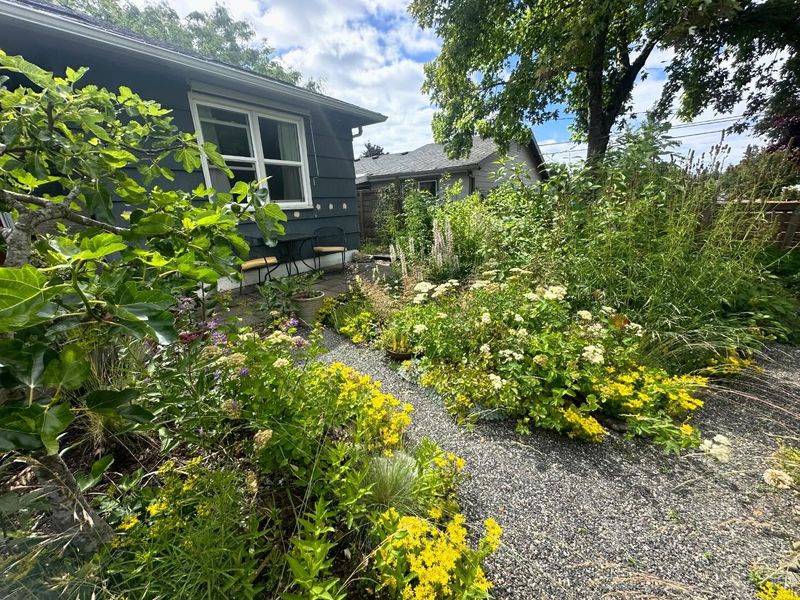
A flat, solid green lawn is one of the most forgettable things a front yard can offer.
It says nothing about the home behind it. Replacing even part of that lawn with grasses, shrubs, perennials, and plants that change with the seasons adds something a plain lawn simply cannot provide: texture.
Texture is what makes a garden look alive.
Native bunch grasses like blue wild rye or tufted hairgrass bring movement to the yard on windy days. Their slender blades catch light differently in the morning than they do at dusk.
Flowering perennials like Oregon sunshine and camas add bursts of color that shift from spring through fall. Deciduous shrubs contribute interesting bare branch structure in winter when everything else goes quiet.
Your Oregon Garden Changes Every Week. Your Plan Should Too.
Gardening in Oregon changes quickly throughout the season. Every Friday you’ll receive a simple weekly plan showing exactly what to plant, prune, fertilize, harvest, and protect so you never miss the right timing.
This variety of form and color is what catches a passerby’s eye and holds it.
A textured front yard feels layered, lush, and cared for. It also signals seasonal interest, meaning the yard looks good in April, July, and October rather than just peaking once and fading.
Replacing high-maintenance turf with low-water native plants reduces irrigation needs significantly over time.
That practical benefit pairs well with the visual upgrade.
Buyers notice when a yard looks interesting from the street. A yard full of varied textures, heights, and seasonal color tells a story that a plain green lawn never could.
Swap the boring for something worth stopping to admire.
3. Keep The Front Yard Intentional
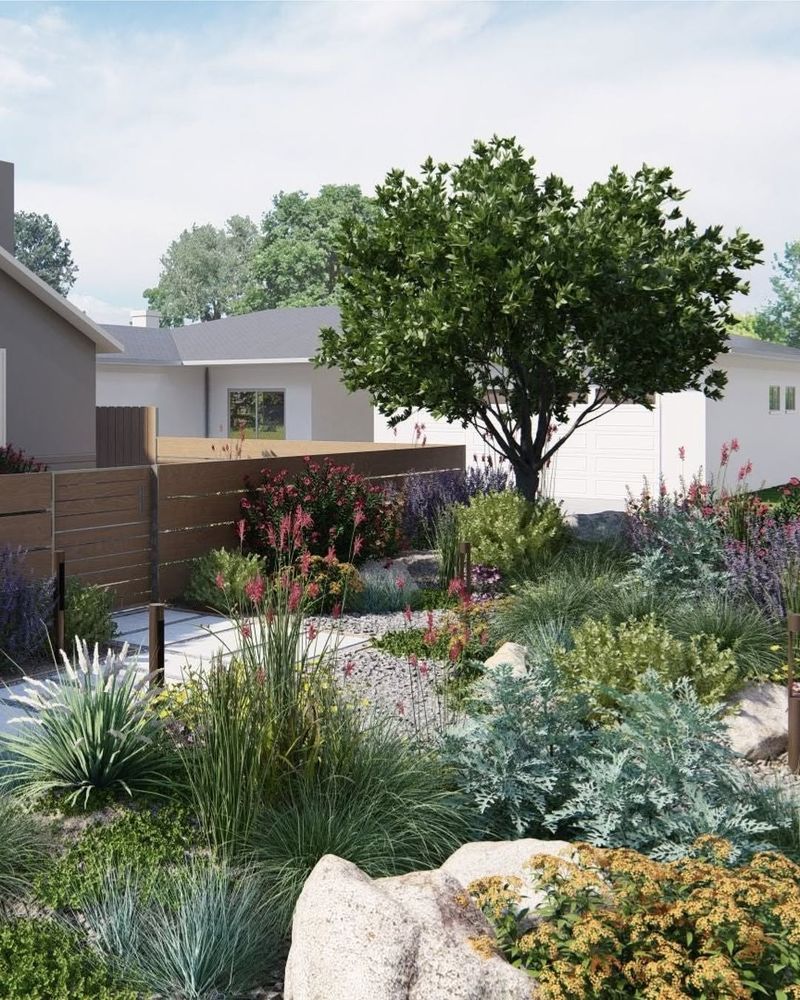
There is a fine line between a wild native garden and a yard that looks like nobody is home.
The difference comes down to one word: intention.
A yard that feels designed, even when planted with wild-looking native species, sends a completely different message than one that simply looks overgrown.
Design order does not mean straight lines and rigid geometry.
It means that someone clearly made choices about where each plant lives. Repeating a plant species in two or three spots creates visual rhythm. Grouping plants by height keeps the eye moving smoothly from front to back.
Leaving open space between plant clusters gives the eye a place to rest and makes each plant more visible.
Oregon landscape designers who work with native plants often talk about the importance of a clear focal point near the entry.
A well-placed Oregon grape in full bloom, a striking vine maple with fall color, or even a single large ornamental rock can anchor the design and make the yard feel considered rather than accidental.
Buyers touring homes respond strongly to yards that feel purposeful.
A messy yard, even one planted with beautiful native species, can raise questions about how well the rest of the home has been maintained.
A clean, ordered native garden does the opposite. It builds confidence. It says this homeowner pays attention to details.
That quiet message can be surprisingly powerful when someone is deciding whether to schedule a showing or scroll past to the next listing.
4. Use Pollinator Plants Near Walkways
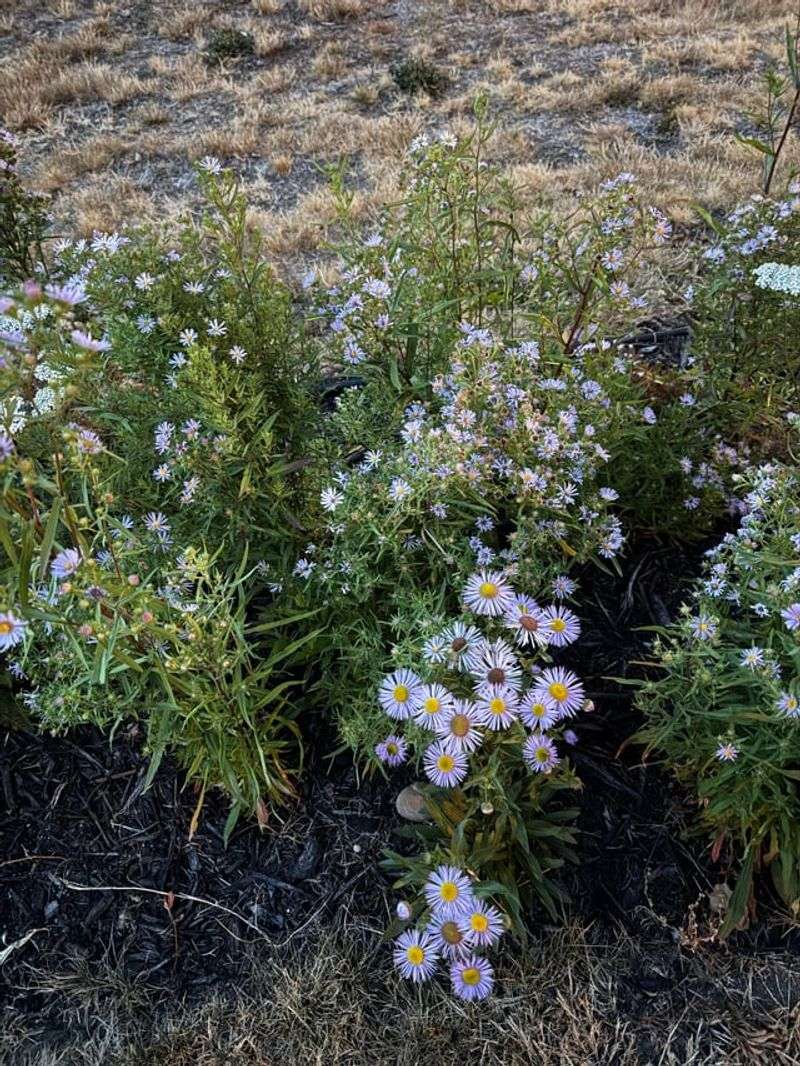
Walking up to a front door lined with buzzing bees, fluttering butterflies, and nodding flowers is one of those small experiences that makes a home feel genuinely alive.
Placing pollinator plants along walkways is one of the easiest and most rewarding upgrades a homeowner can make, and it works beautifully with Oregon native species.
Native plants like red flowering currant, blue-eyed grass, and Oregon sunshine attract pollinators reliably because they co-evolved with local bees, butterflies, and hummingbirds over thousands of years.
These plants do not need coaxing. Once established, they simply bloom on schedule and the pollinators show up.
The visual effect near a walkway is hard to overstate.
Color draws the eye toward the entry. Movement from visiting insects and birds adds life that static plantings cannot replicate.
A visitor or potential buyer walking toward the front door through a corridor of blooming native plants gets an immediate sensory impression of warmth and care. That feeling sticks.
Choosing a mix of early, mid, and late-season bloomers keeps the walkway interesting from spring through fall.
Early red flowering currant gives way to summer camas and Oregon sunshine, which then hand off to late-season asters.
Staggering bloom times ensures the path always has something going on.
Plant for the pollinators and the people walking by will thank you too.
5. Add Paths For A Finished Look
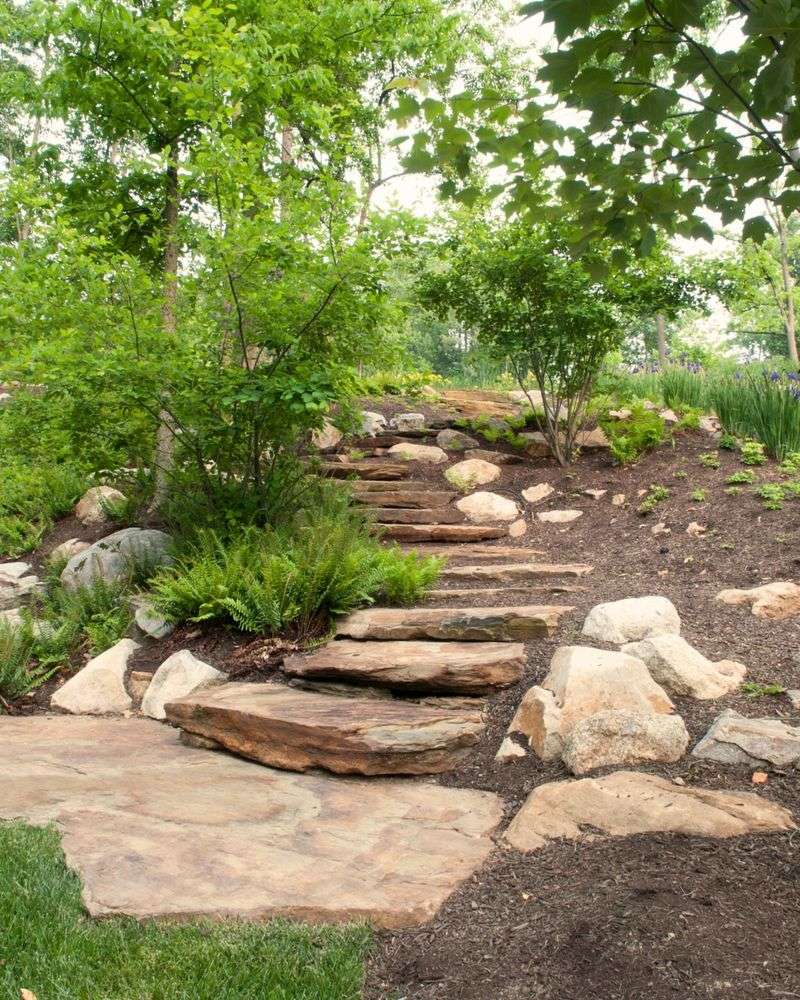
A garden without a path is like a room without furniture.
You can see that something is there, but it does not quite invite you in. Adding a defined path through a native front yard gives the space structure, access, and a sense of visual polish that makes the whole planting feel more finished and professional.
Paths do practical work too.
They give visitors a clear route to the door without trampling plants. They create natural edges that separate planted areas from open space.
That contrast between the path surface and surrounding plants makes both elements look sharper and more defined.
Material choices matter for the overall feel of the yard.
Flat stepping stones set in a gentle curve look relaxed and organic, which suits a native plant garden perfectly. Decomposed granite compacted into a clean channel reads as tidy and modern. Recycled concrete pieces laid in a casual pattern add character without high cost.
Keeping path materials permeable where possible supports healthy soil and manages rainwater runoff naturally.
From a curb appeal standpoint, a visible path from the street to the front door gives the eye a destination.
It pulls attention toward the home rather than letting the yard feel like a flat backdrop.
Real estate photography benefits enormously from a strong path because it creates depth and draws the viewer into the image.
A well-placed path is one of the simplest upgrades with one of the highest visual returns for any front yard design.
6. Choose Low Water Plants Wisely
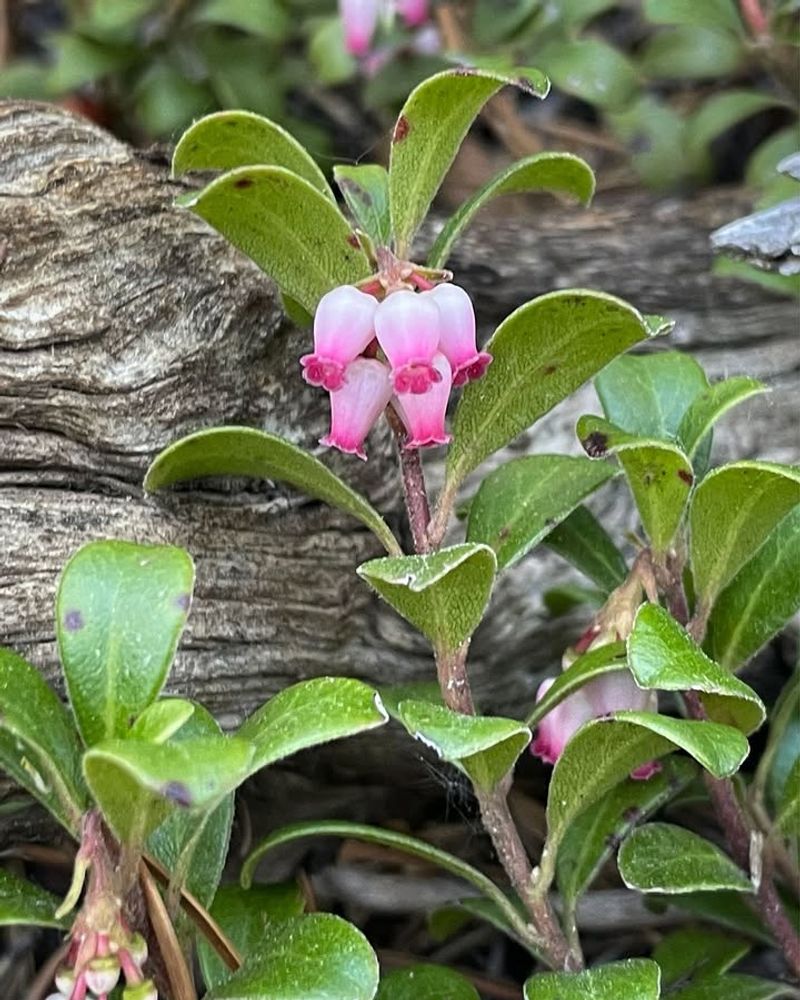
Not every plant labeled drought-tolerant actually thrives in the Willamette Valley or along the Oregon Coast.
Choosing the right waterwise plants for your specific region within Oregon is where smart gardeners separate themselves from the frustrated ones who wonder why their yard looks stressed every August.
Oregon breaks into distinct climate zones, and plant choices should reflect that reality.
Western Oregon gardeners deal with wet winters and dry summers. Eastern Oregon faces colder winters and more intense summer heat. A plant that sails through summer in Portland may struggle in Bend, and vice versa.
Researching regional native plant lists before buying saves money and disappointment.
Strong waterwise choices for western Oregon include yarrow, which blooms yellow or white and handles dry slopes beautifully.
Kinnikinnick is a low spreading groundcover that stays green year-round with almost no supplemental water once established. Blue wild rye adds graceful texture and tolerates both shade and summer dryness.
Red flowering currant puts on a spectacular early spring show and then quietly coasts through the rest of the season.
Grouping plants with similar water needs together, a practice called hydrozoning, makes irrigation easier and more efficient.
Once native plants establish their root systems after one or two seasons, most need little to no summer watering.
That reduction in irrigation costs is a real selling point for buyers who are watching utility bills closely.
A beautiful yard that basically waters itself is a genuinely compelling feature.
7. Keep Edges Clean And Neat
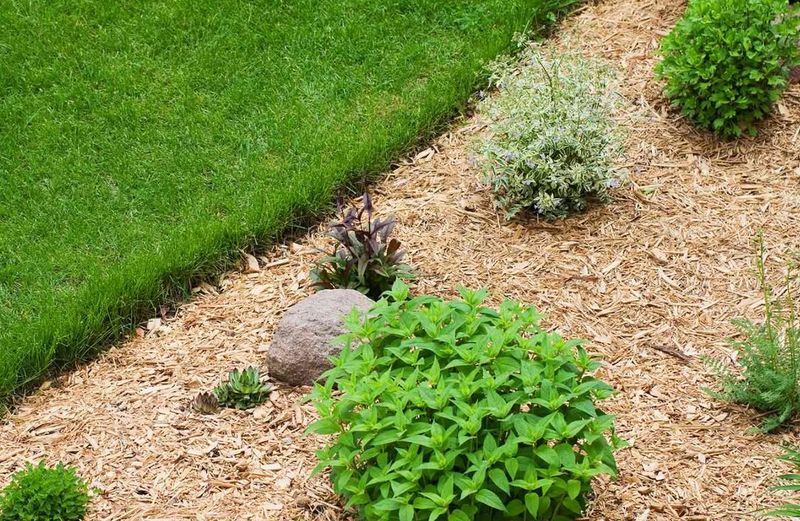
A yard full of beautiful plants can still look neglected if the edges are ragged.
Clean, defined edges are the single fastest way to make a natural planting look purposeful rather than accidental. They are the punctuation marks of landscape design.
Edging between a planted bed and a lawn, path, or driveway creates a visual boundary that tells the eye where one element ends and another begins.
That clarity is what separates a designed native garden from a yard that has simply been left alone.
The plants inside the bed can be completely wild and informal, but a clean edge around them signals that a human made deliberate choices here.
Manual edging with a flat spade or a half-moon edger is the most effective approach for creating a crisp line.
Running the tool along the bed boundary every few weeks during the growing season keeps the look sharp without major effort.
Some gardeners install a simple steel or recycled rubber edging strip to hold the line between maintenance sessions.
Well-maintained edges also reduce the spread of grass and weeds into planted areas, which protects the plants you worked hard to establish.
Less weeding means less time maintaining the yard overall.
From a curb appeal perspective, clean edges communicate pride of ownership more clearly than almost any other maintenance habit.
A buyer driving past a home with sharp, tidy bed edges gets an immediate impression of a well-cared-for property. That impression forms in about three seconds, which is exactly how long most people look before moving on.
8. Make Wildlife Habitat Look Designed
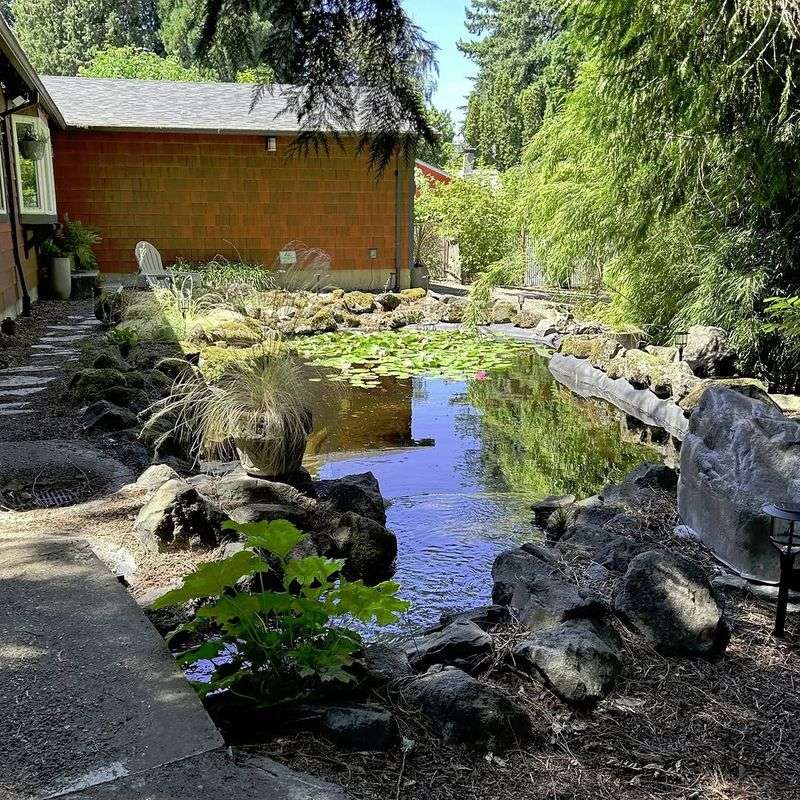
A yard that supports wildlife does not have to look like a forgotten corner of the woods.
With a little planning, habitat features can become genuine design elements that add charm, structure, and visual interest to a front yard while still giving birds, bees, and butterflies exactly what they need.
Start by thinking of habitat features as garden furniture.
A shallow ceramic bird bath placed near native berry shrubs like red elderberry or serviceberry becomes a focal point and a functional watering station.
A small stack of logs arranged near a planting bed edge provides overwintering habitat for native bees and looks like an intentional rustic accent rather than yard debris.
Including plants that provide food, shelter, and nesting resources for local wildlife rounds out the design.
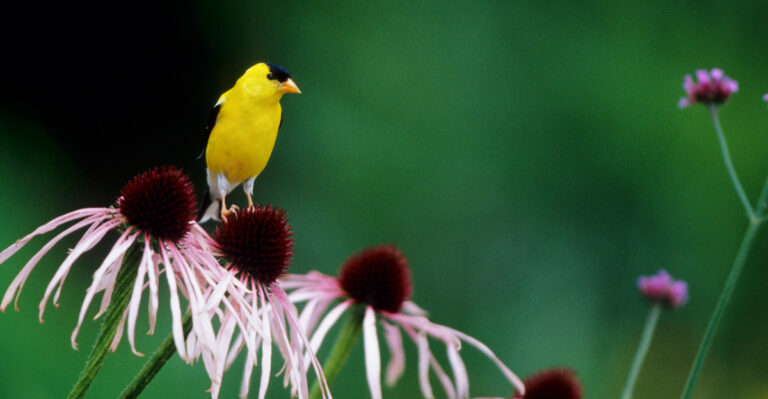
Shrubs with dense branching like snowberry offer cover for birds. Plants with seed heads like coneflower and native grasses provide winter food when left standing.
Leaving a small section of leaf litter under a shrub supports ground-nesting insects without looking messy if it is contained within a defined bed.
The key to making habitat look designed is containment and repetition.
Repeat the same habitat plant species in two or three spots to create visual rhythm. Keep the area around habitat features edged and tidy.
A yard that clearly supports wildlife while also looking thoughtfully planned signals environmental awareness and design skill at the same time.
That combination resonates strongly with today’s buyers, and it does something even more important: it makes the neighborhood a little better for everyone in it.