This Perennial Brings True Blue To Shaded Washington Gardens
You’ve been fed the same tired shade garden clichés for years. Hostas hog every shady corner without giving you anything new. Impatiens burn out fast, leaving you staring at bare soil.
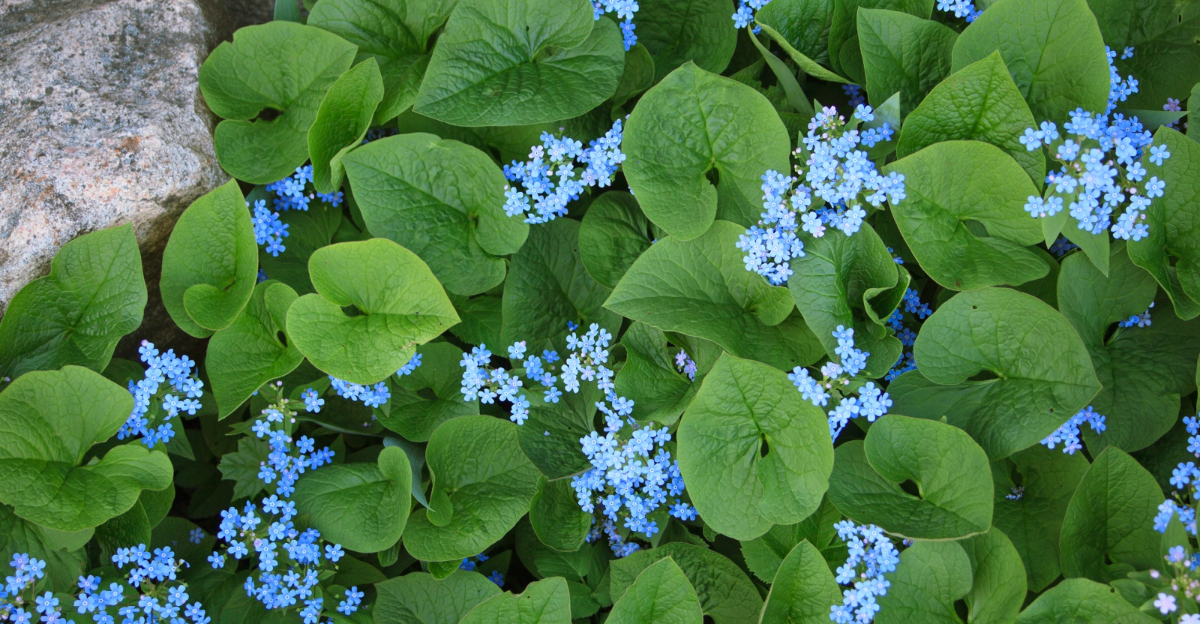
Washington’s shaded, overlooked yards deserve more than recycled choices for you. A quiet perennial hands you real blue flowers, not imitations. Its heart-shaped leaves keep you interested long after blooms fade.
Cool, moist ground across Washington practically hands you a gift. Rarely does any plant ask so little of you. Neglect barely slows it down while rewarding you constantly.
Every dull corner you own becomes suddenly worth showing off. Gardeners who discover it tell you they wish they’d started sooner. Curiosity about this plant turns into obsession for you fast.
Nothing you’ve grown in shade has moved this quickly before. Waiting any longer only costs you a better looking garden. You have no choice but to see what’s next.
What This True Blue Perennial Is
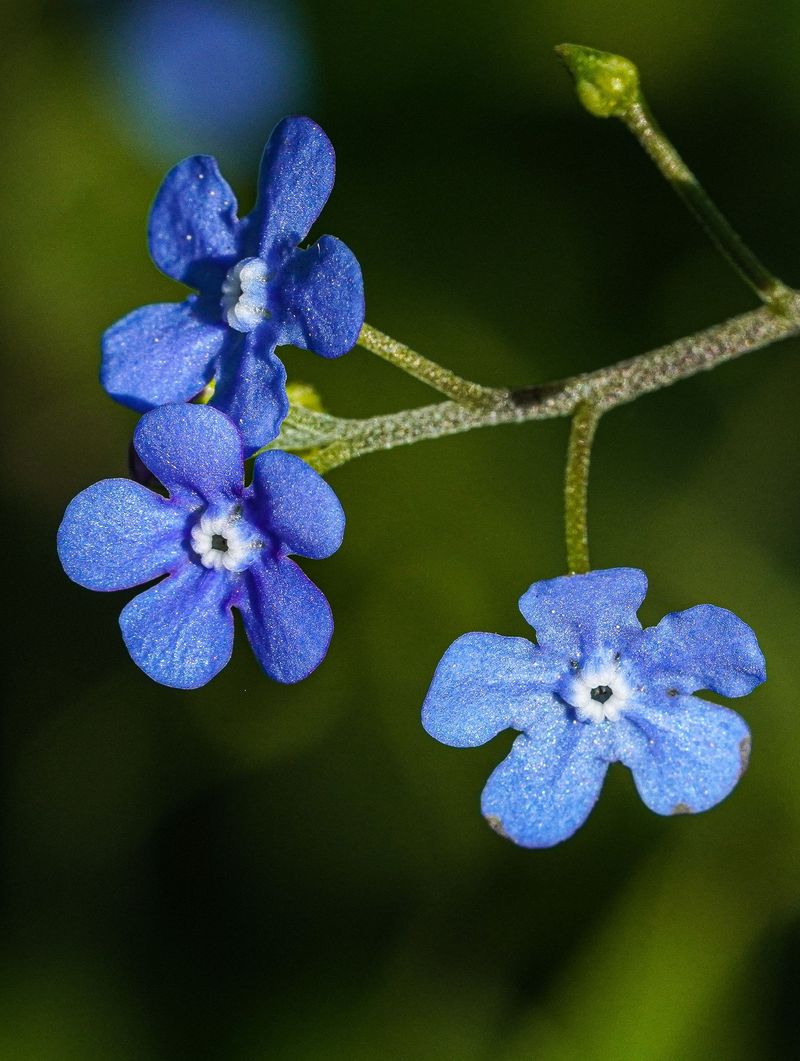
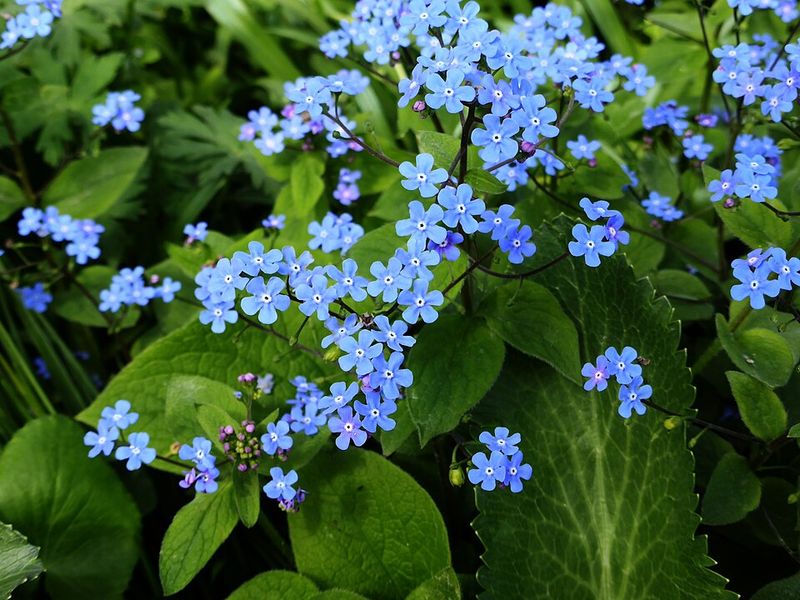
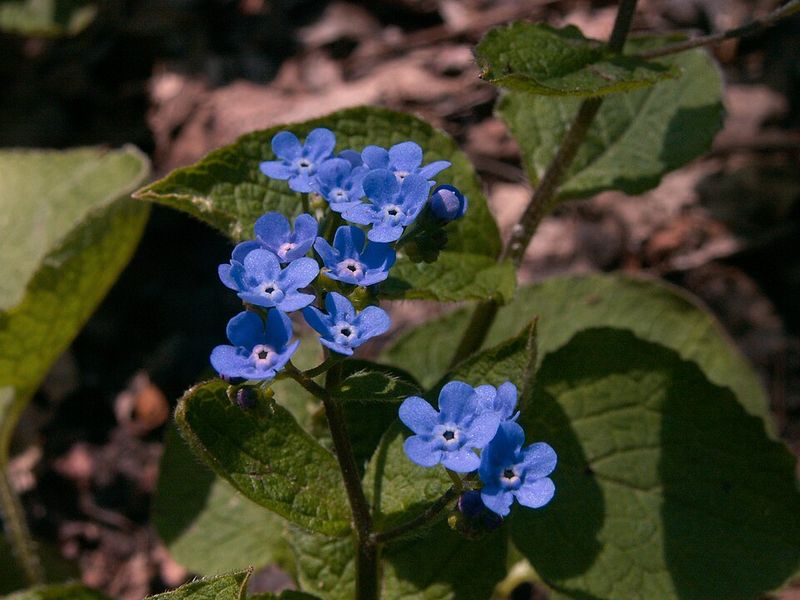
Picture a forget-me-not that decided to grow up and get serious. That is essentially what Brunnera macrophylla is, a hardy perennial that produces clouds of tiny blue flowers each spring.
Native to woodlands in eastern Europe and western Asia, this plant has been cultivated in gardens since the late 1700s. It belongs to the borage family and shares that family’s signature bright blue color.
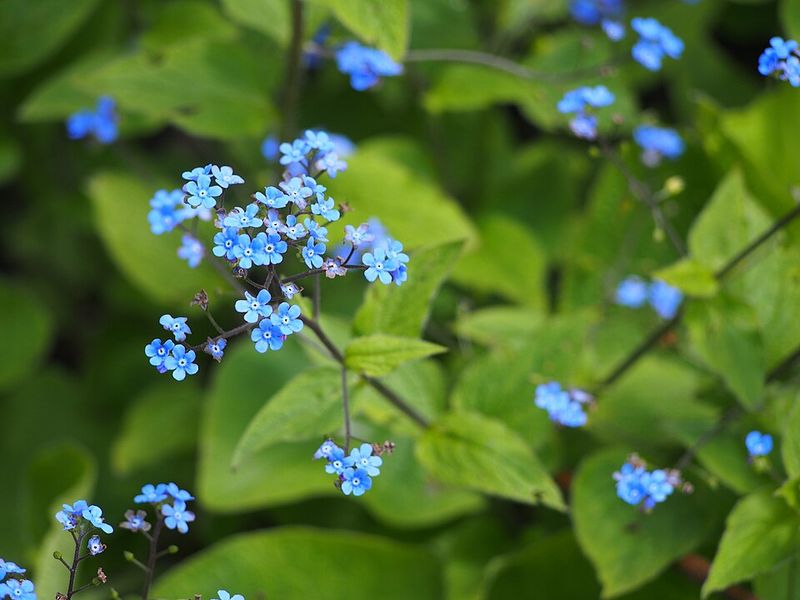
The flowers appear in April and May, hovering above the foliage like a soft blue mist. Each bloom is small but they cluster together in sprays that create real visual impact.
After flowering, the leaves take center stage. They are large, heart-shaped, and often splashed with silver markings depending on the variety you choose.
This perennial brings true blue to shaded Washington gardens in a way that few other plants can match. No other shade perennial offers quite this combination of flower color and bold foliage.
Common names include Siberian bugloss and heartleaf brunnera. Both names hint at its rugged origins and its distinctive leaf shape.
Plants grow about 12 to 18 inches tall and spread gradually to form tidy clumps. They are fully cold-hardy in USDA zones 3 through 8, which covers the vast majority of Washington’s growing zones.
Once established, Brunnera lives for many years with minimal fuss. It is the kind of plant that rewards patience and repays your trust every single spring.
How It Compares To Hostas And Impatiens
Hostas are great, no argument there. But they flower in muted lavender tones and their blooms are easy to overlook.
Impatiens put on a colorful show but they are annuals, meaning you replant them every single year. That cost and effort adds up fast over a gardening lifetime.
Brunnera sidesteps both problems completely. It returns every spring without any replanting, and its blue flowers are genuinely eye-catching from across the yard.
The foliage game is also strong here. Varieties like Jack Frost and Looking Glass feature leaves that are almost entirely silver, glowing in low light like small mirrors.
Your Washington Garden Changes Every Week. Your Plan Should Too.
Gardening in Washington changes quickly throughout the season. Every Friday you’ll receive a simple weekly plan showing exactly what to plant, prune, fertilize, harvest, and protect so you never miss the right timing.
Hostas can look tired and tattered by late summer, especially in heat or when slugs find them. Brunnera leaves stay cleaner and hold their shape much better through the season.
Deer tend to leave Brunnera alone, which is a significant advantage in many parts of the Pacific Northwest. Hostas, on the other hand, are practically deer candy.
Brunnera also handles dry shade better than impatiens, which wilt dramatically the moment irrigation gets inconsistent.
Once established, this perennial shows reasonable resilience during short dry spells, though it still prefers consistent moisture.
The plant spreads slowly and politely, filling space without becoming invasive. You stay in control of your garden layout without constant editing.
For long-term value, low maintenance, and genuine blue color, this perennial offers advantages many gardeners come to value more than hostas or impatiens.
Gardeners who make the switch often say they don’t miss their old shade plant lineup.
Growing Conditions For Shaded Flower Beds
Shade is not a single thing in a garden. It ranges from deep darkness under dense evergreens to bright dappled light under deciduous trees.
Brunnera performs best in partial to full shade, making it flexible enough for a range of challenging spots. The dappled light under a maple or dogwood tree is essentially perfect for this plant.
Soil matters more than most gardeners expect. Rich, well-draining soil loaded with organic matter gives Brunnera the best possible start.
Work compost into the planting area before you put the plant in the ground. That single step makes a noticeable difference in how quickly the plant establishes itself.
Moisture is key, especially during the first growing season. The Pacific Northwest’s rainy winters help, but summer dry spells in eastern parts of the state require supplemental watering.
Avoid planting in areas with standing water or heavy clay that stays soggy. Roots need air as much as they need moisture, and waterlogged soil causes serious problems.
Western Washington gardeners have a natural advantage here. The mild, moist climate mimics the plant’s native woodland habitat almost perfectly.
In eastern Washington, choose a spot that gets afternoon shade to protect the foliage from intense summer sun. Morning sun is fine and actually encourages slightly more flowering.
Plant spacing of about 18 inches allows each clump room to develop without crowding. Good air circulation also reduces the chance of fungal issues during wet springs.
Caring For Brunnera Throughout The Season
Spring arrives and Brunnera basically takes care of itself. The flowers emerge without any prompting, and the foliage unfurls cleanly after winter dormancy.
A light layer of compost applied in early spring gives the plant a nutritional boost right when it needs it most. Skip heavy synthetic fertilizers, as they tend to push leafy growth at the expense of flowers.
Removing spent blooms is optional but tidying up the faded flower stalks keeps the bed looking neat. Some gardeners leave them and enjoy the way the plant self-seeds lightly around the garden.
Mulching around the base of each clump helps retain soil moisture through summer. A 2-inch layer of shredded bark or leaf mulch works well and breaks down to feed the soil over time.
Watering during dry stretches is the most important summer task. Check the soil an inch below the surface and water when it feels dry to the touch.
By late summer, some older leaves may look worn or spotted. Trimming those off at the base refreshes the plant’s appearance without harming it.
Fall care is minimal. Cut the foliage back to the ground after the first hard frost, or simply leave it to decompose naturally as mulch.
Division every three to four years keeps clumps vigorous and gives you free plants to spread around the garden. Early spring, just as new growth emerges, is the ideal time to divide.
Consistent seasonal attention keeps this perennial thriving for decades with very little drama.
Pairing This Perennial With Other Shade Plants
A garden built around one plant rarely shows its full range. Brunnera becomes even more striking when paired with the right companions.
Ferns are a natural match. Their feathery, fine-textured fronds create a beautiful contrast against Brunnera’s bold, heart-shaped leaves.
Japanese painted ferns with silver and burgundy markings echo the silver tones in variegated Brunnera varieties. The color conversation between these two plants is genuinely satisfying.
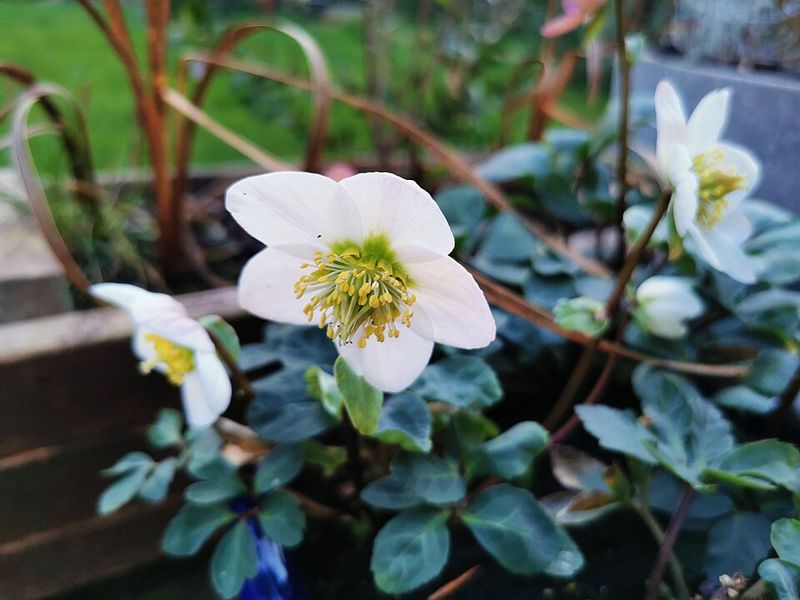
Hellebores bloom at roughly the same time as Brunnera in early spring. The combination of nodding hellebore flowers and Brunnera’s blue sprays creates a layered, woodland-style planting that looks intentional and lush.
Astilbe makes a great summer follow-up. After Brunnera’s spring flowers fade, astilbe’s feathery plumes take over and keep the bed interesting through midsummer.
Coral bells, known as heuchera, offer rich burgundy or lime-green foliage that pops against Brunnera’s silver leaves. The foliage contrast works all season long, even without flowers.
Bleeding heart is another spring-blooming companion that shares Brunnera’s love of shade and moist soil. Plant them together and the bed practically designs itself.
For ground-level texture, sweet woodruff fills gaps between clumps with delicate white flowers in spring. It spreads gently and stays low enough not to compete with taller plants.
Layering plants with different bloom times and leaf shapes creates a shade garden that feels alive and dynamic from March through October. Brunnera anchors that kind of planting beautifully.
Common Mistakes To Avoid When Growing It
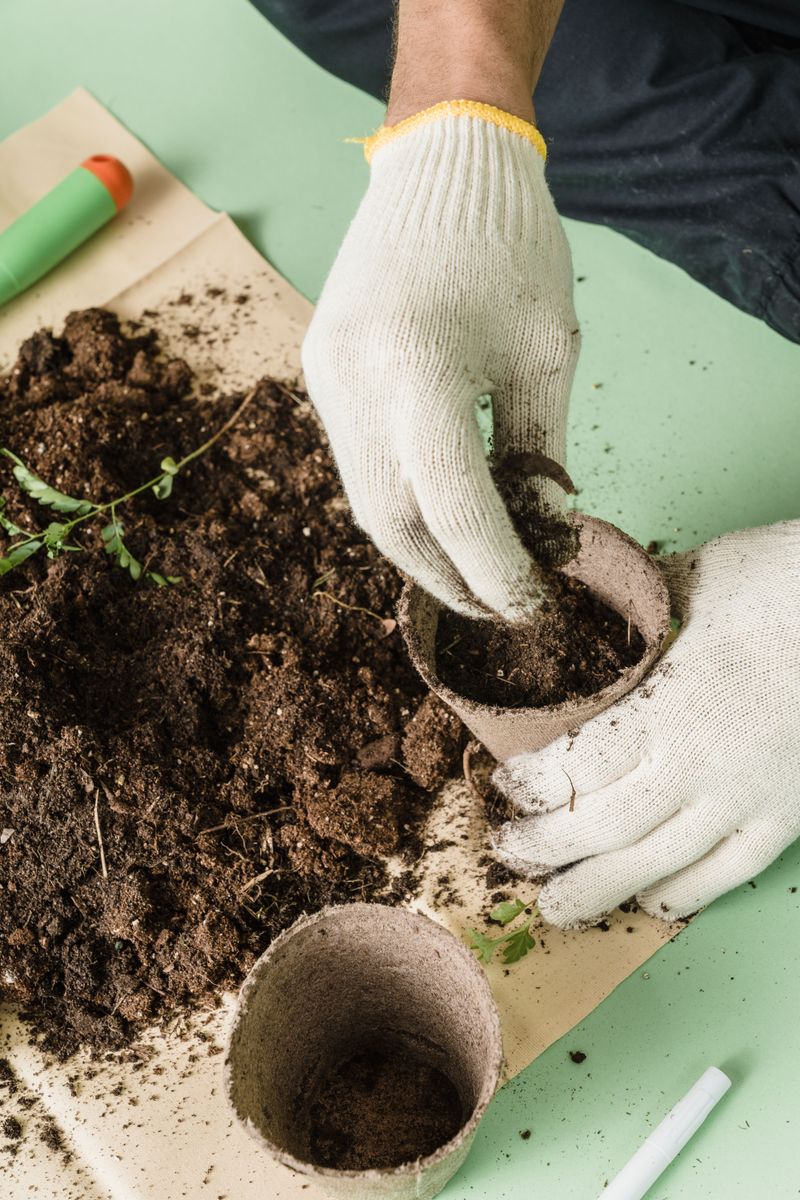
Even an easy plant can struggle when the basics go wrong. Knowing the common pitfalls saves time, money, and frustration before they happen.
Planting in too much sun is the number one error. Brunnera leaves scorch badly in direct afternoon sun, turning brown and crispy at the edges within days.
Choosing a spot that is too dry is the second big mistake. This plant has woodland roots and expects consistent moisture, especially during establishment.
Overwatering in poorly draining soil causes root rot, which is just as damaging as drought. Always check drainage before planting by digging a hole and filling it with water to see how fast it drains.
Planting too deep buries the crown and invites rot. The crown should sit right at soil level, not below it.
Forgetting to mulch leads to moisture loss and soil temperature swings that stress the roots. Mulch is not optional for this plant in summer.
Using high-nitrogen fertilizer pushes excessive leaf growth and reduces flowering. A balanced, slow-release fertilizer applied once in spring is all this perennial needs.
Ignoring slug damage early in the season allows pests to shred new leaves before they fully open. A shallow dish of beer or iron phosphate bait handles slugs effectively and safely.
This perennial brings true blue to shaded Washington gardens only when it is sited and cared for correctly. Avoid these missteps and you will enjoy a thriving, gorgeous plant for many seasons ahead.