Why Ohio Pepper Plants Drop Their Flowers In July Heat And How To Fix It
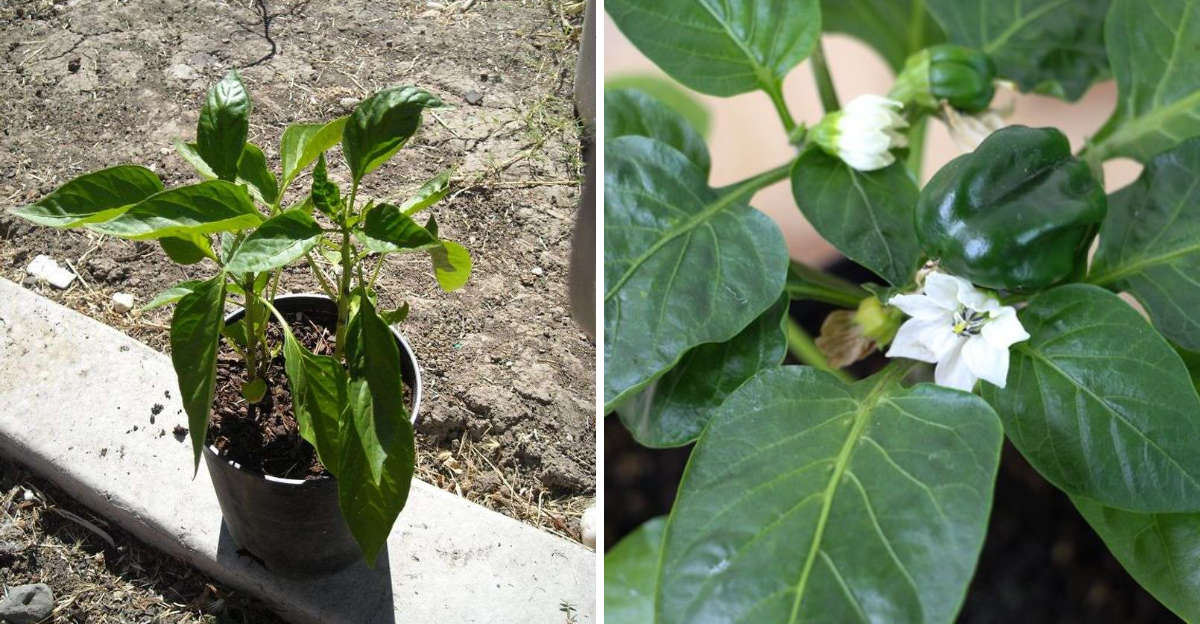
Ohio pepper plants in July look like they are doing everything right. Strong stems, healthy foliage, flowers opening on schedule.
Then the blooms drop before setting fruit and the whole operation stalls out at exactly the wrong point in the season. Flower drop in July is one of the most common and most misunderstood pepper problems Ohio gardeners face.
The plant looks healthy because it largely is. The issue is not disease or neglect.
It is a specific response to conditions that July in Ohio creates reliably every single season. Most gardeners blame the heat and leave it at that.
The real explanation is more specific than that, and more actionable. Understanding what is actually triggering the drop changes the response from frustration to something targeted that actually moves the needle.
Ohio’s pepper season is short enough that losing July to flower drop is a setback worth preventing.
1. Recognize Heat Stress Before Blaming The Plant
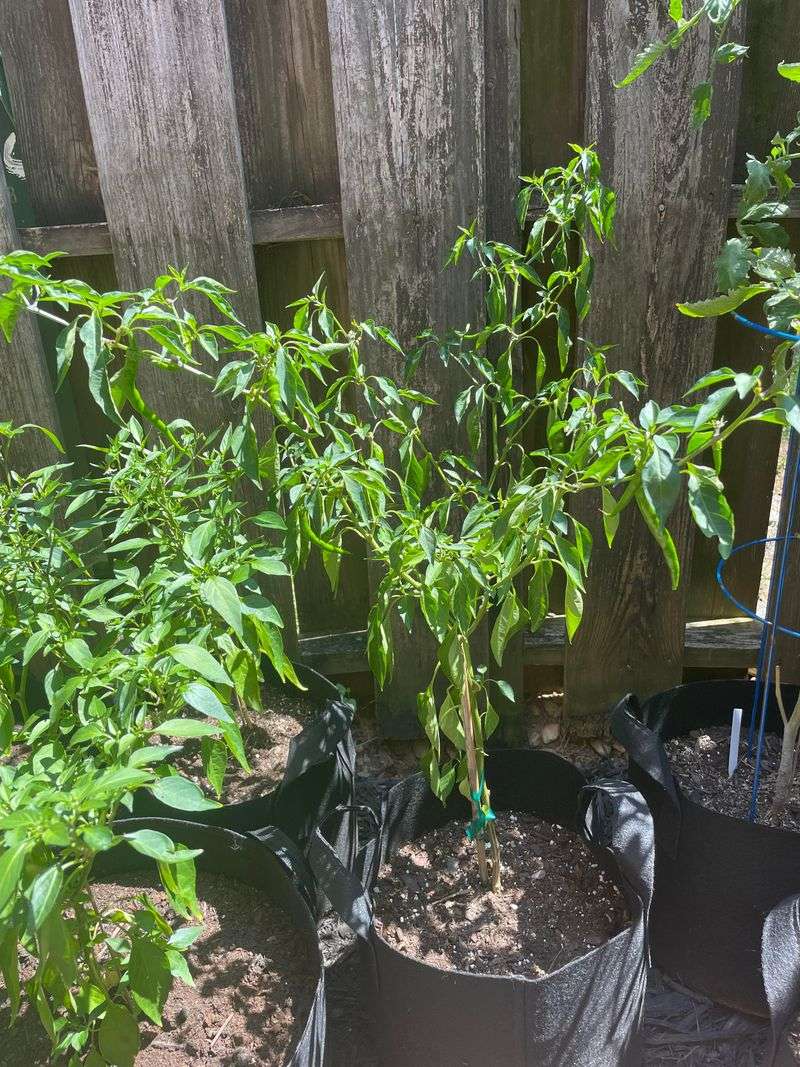
A green plant covered in fallen blossoms can look healthy and still be telling you the weather has pushed it past a comfortable limit. Pepper plants have a fairly narrow temperature window for setting fruit.
When daytime highs climb above 90 degrees Fahrenheit or nighttime temperatures stay above 75 degrees, flower drop often follows.
Hot nights are actually a bigger problem than most gardeners expect. Peppers need cooler evenings to properly develop and hold their blossoms.
When summer nights stay warm for several days in a row, the plant struggles to move energy into fruit development.
This is not a sign that the plant is damaged beyond recovery. It is a stress response, similar to how a person sweats in extreme heat.
The plant is protecting itself by dropping what it cannot support right now. Watch the forecast closely during mid-July heat waves in local gardens.
If temperatures stay brutal for more than a week, some blossom drop is almost unavoidable. Focus on reducing other stressors like uneven watering and poor airflow rather than panicking about every fallen flower.
Conditions will shift, and a well-maintained plant will respond when they do.
2. Keep Soil Moisture Steady During Hot Spells
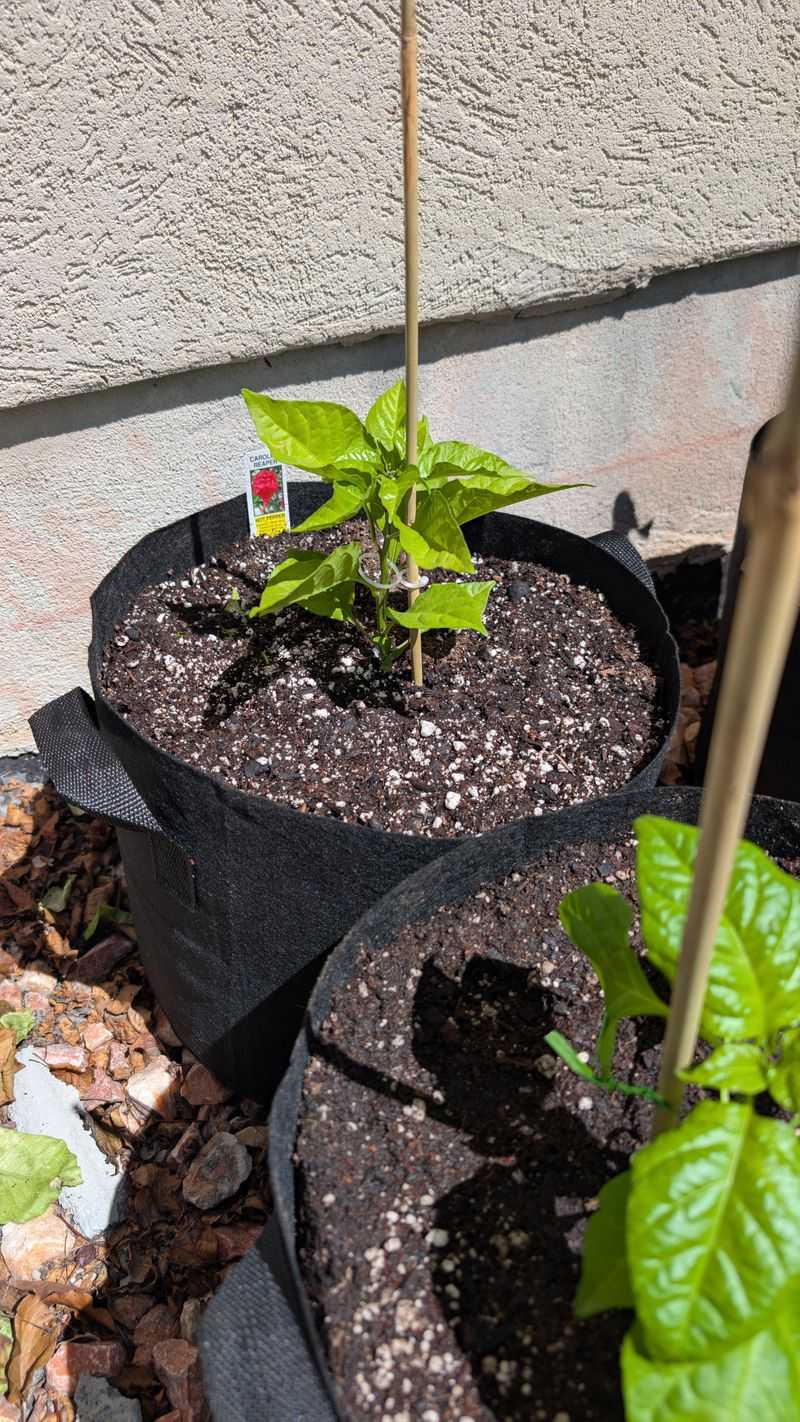
A raised bed baking under July sun can dry out faster than most gardeners realize. Uneven soil moisture is one of the most common reasons pepper plants drop flowers during summer heat spells.
When the soil swings between very dry and very wet, the plant experiences root-zone stress that makes holding blossoms harder.
The fix is not watering on a fixed daily schedule. Push a finger two inches into the soil near your pepper plant.
If the soil feels dry at that depth, it is time to water. If it still feels slightly moist, wait.
Deep, thorough watering every few days is far better than a shallow sprinkle every morning.
When you do water, soak the root zone slowly so moisture reaches down where the roots are active. Avoid splashing water on leaves during the hottest part of the day.
Drip irrigation or a soaker hose works well for peppers in raised beds and garden rows. Consistent root-zone moisture does not guarantee every blossom will hold, but it removes one major stress trigger.
Your Ohio Garden Changes Every Week. Your Plan Should Too.
Gardening in Ohio changes quickly throughout the season. Every Friday you’ll receive a simple weekly plan showing exactly what to plant, prune, fertilize, harvest, and protect so you never miss the right timing.
Steady moisture also helps the plant recover more quickly once temperatures begin to drop in late summer.
3. Avoid Heavy Nitrogen That Pushes Leaves Over Flowers
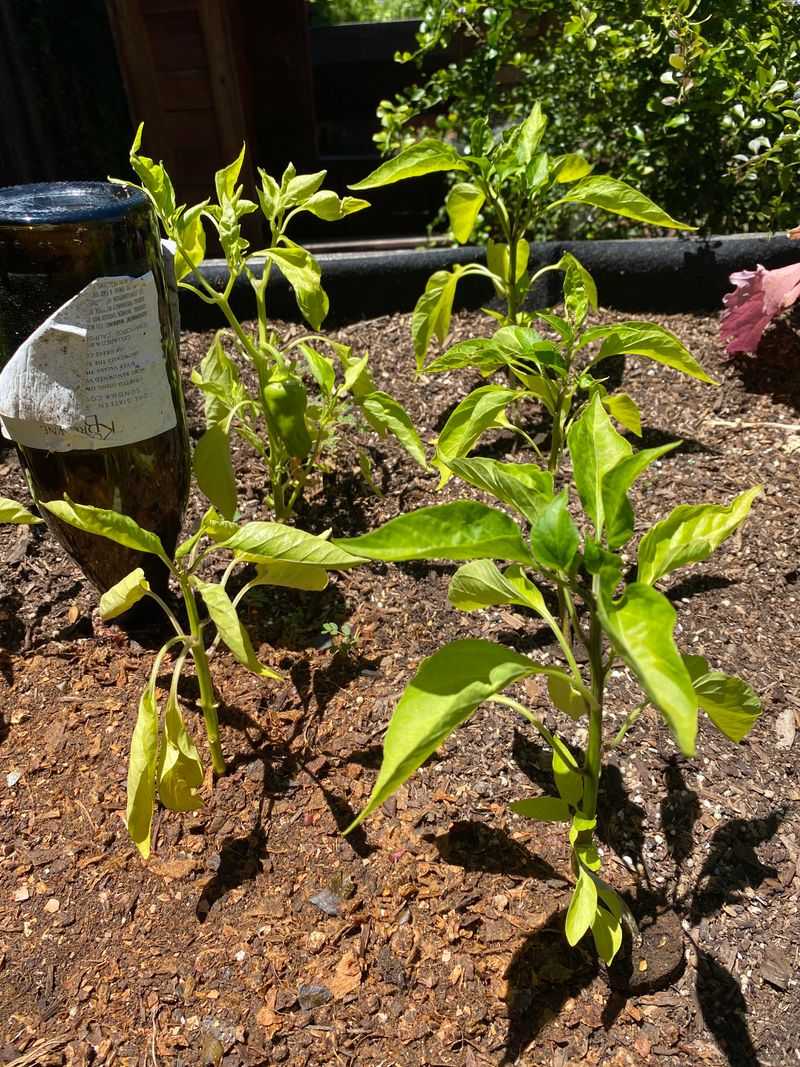
Sometimes the problem is not the weather. A pepper plant that looks almost too green and leafy, with very little fruit, may have received too much nitrogen.
Nitrogen encourages vegetative growth, which means leaves and stems get the energy instead of flowers and fruit.
This is a common mistake in home gardens where fertilizer is applied generously and often. A balanced fertilizer used at the rate recommended on the product label is almost always enough.
Avoid applying high-nitrogen formulas like lawn fertilizers anywhere near your pepper beds.
If you have been fertilizing regularly and your plants are lush but flowerless, take a break from feeding for a few weeks. Let the plant work through what is already in the soil.
A soil test through Ohio State University Extension can tell you exactly what your beds need, which removes the guesswork entirely.
Once your peppers begin flowering again, switch to a fertilizer that is lower in nitrogen and slightly higher in phosphorus to support root health and fruit development.
Feed based on what the soil and plant actually need, not on a rigid weekly schedule. Less is often more when it comes to midsummer fertilizer use.
4. Help Pollination When Humidity And Heat Interfere
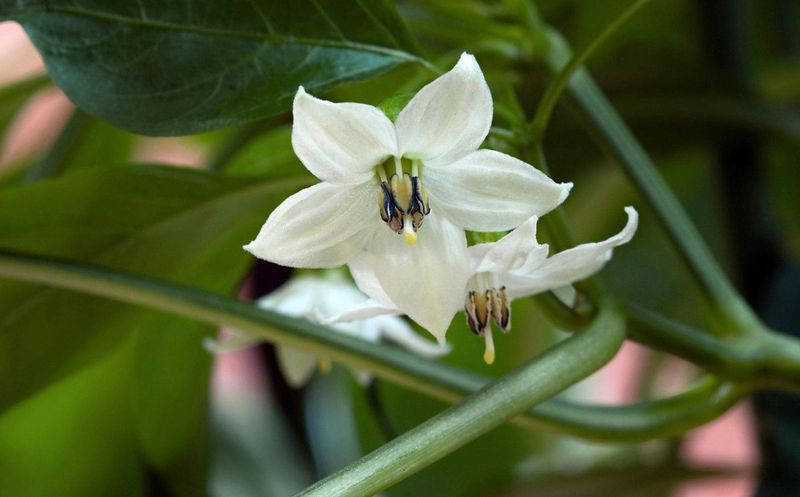
Peppers are self-pollinating plants, which means they do not depend entirely on bees to set fruit. However, heat and high humidity can still interfere with the process.
Pollen can become sticky or clump together in humid conditions, making it harder for it to transfer properly inside the flower.
On very hot, still mornings with high humidity, pollen viability drops. The flower may look fine from the outside but fail to set fruit because the pollination step did not complete.
This is more common during humid July stretches in this state than many gardeners expect.
One helpful step is gently shaking your pepper plants in the morning when flowers are open. A light tap or gentle vibration can encourage pollen to release and transfer within the flower.
You do not need special tools or sprays. A finger tap on the stem is enough.
Improving airflow around your plants by spacing them properly or trimming crowded foliage can also help. Moving air assists pollen movement and reduces humidity buildup around the blossoms.
This step will not fix every dropped flower, but it supports the plant during the stretch of summer when conditions make natural fruit set harder.
5. Use Afternoon Shade During Extreme Heat
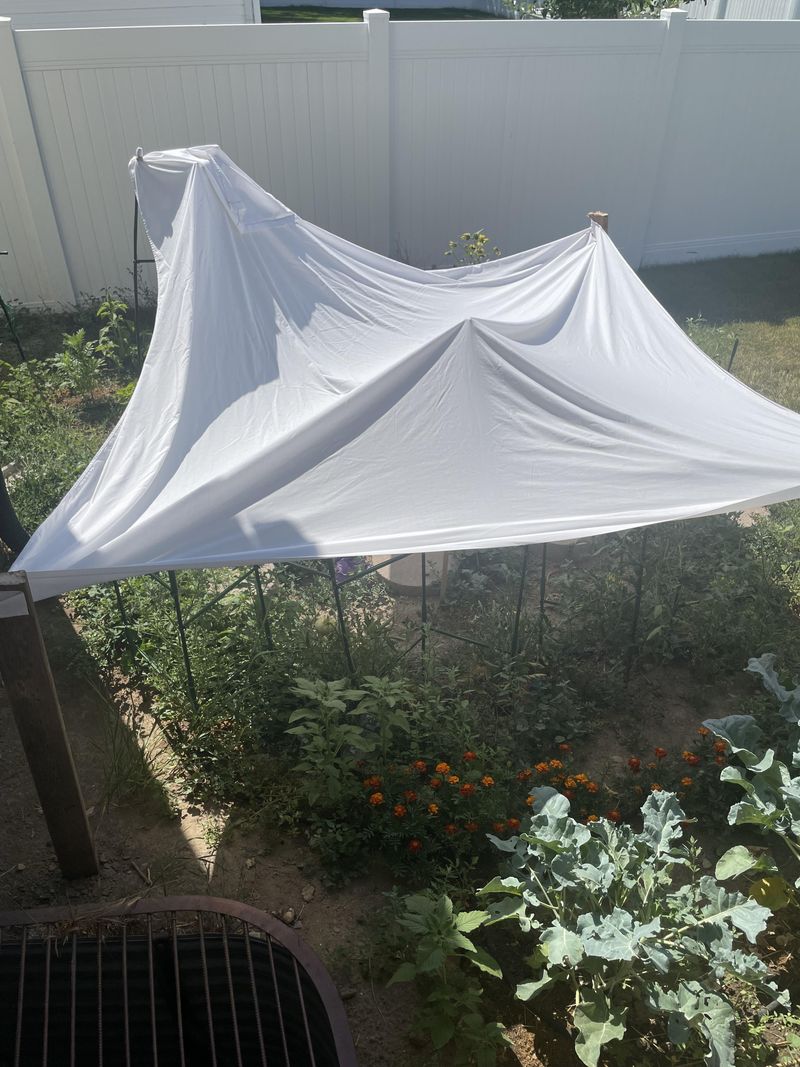
During a stretch of 95-degree afternoons, even sun-loving plants can benefit from a short break. Afternoon shade is not something peppers need all season.
It is a short-term tool for reducing stress during the most brutal heat windows of July and early August.
A shade cloth rated at 30 to 40 percent works well for temporary afternoon coverage. Set it up on the west or southwest side of your pepper row so it blocks the harshest sun from about 2 p.m. onward.
Remove it in the morning so plants still get full light during the cooler parts of the day.
Container-grown peppers benefit from this approach the most because they cannot draw on the cooler soil temperatures that in-ground plants can access.
Moving a container to a spot with natural afternoon shade from a fence or tree can make a noticeable difference during extreme heat.
Raised bed growers in exposed locations can also benefit from temporary shade during heat waves. This is not a permanent solution, and most pepper gardens do not need it every year.
Think of afternoon shade as a targeted stress-reducer for the hottest two or three weeks of summer, not a season-long commitment.
6. Mulch Roots Before Soil Temperatures Swing
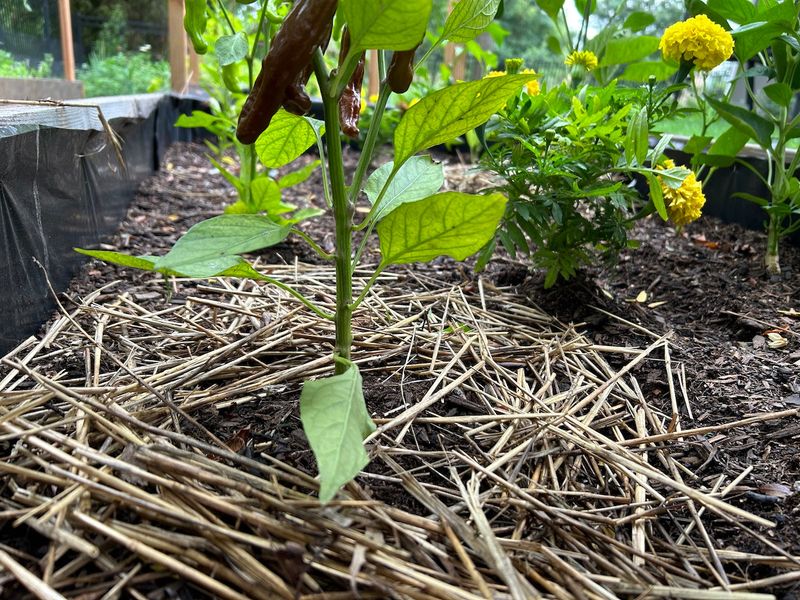
Soil temperature swings are hard on pepper roots. When bare soil heats up rapidly during the day and cools sharply at night, the root zone experiences stress that travels upward into the plant.
Mulch acts as a buffer, slowing those temperature swings and keeping moisture from evaporating too quickly between waterings.
Straw, wood chips, or shredded leaves all work well around pepper plants. Apply a two to three inch layer after the soil is already moist from a good watering.
Dry soil under fresh mulch will stay dry, so timing matters. Keep the mulch a few inches away from the main stem to allow air circulation and avoid moisture buildup directly against the plant base.
In raised beds, soil can heat up even faster than ground-level plots because the sides of the bed absorb sun. Mulching raised beds is especially helpful for managing root-zone temperature in local gardens during July.
Once mulch is in place, you will likely need to water less often because evaporation slows down significantly. Check under the mulch occasionally by pressing your finger into the soil to make sure moisture is reaching the root zone.
Mulch is one of the simplest and most reliable tools for reducing summer pepper stress in Ohio.
7. Watch Containers More Closely Than Garden Beds
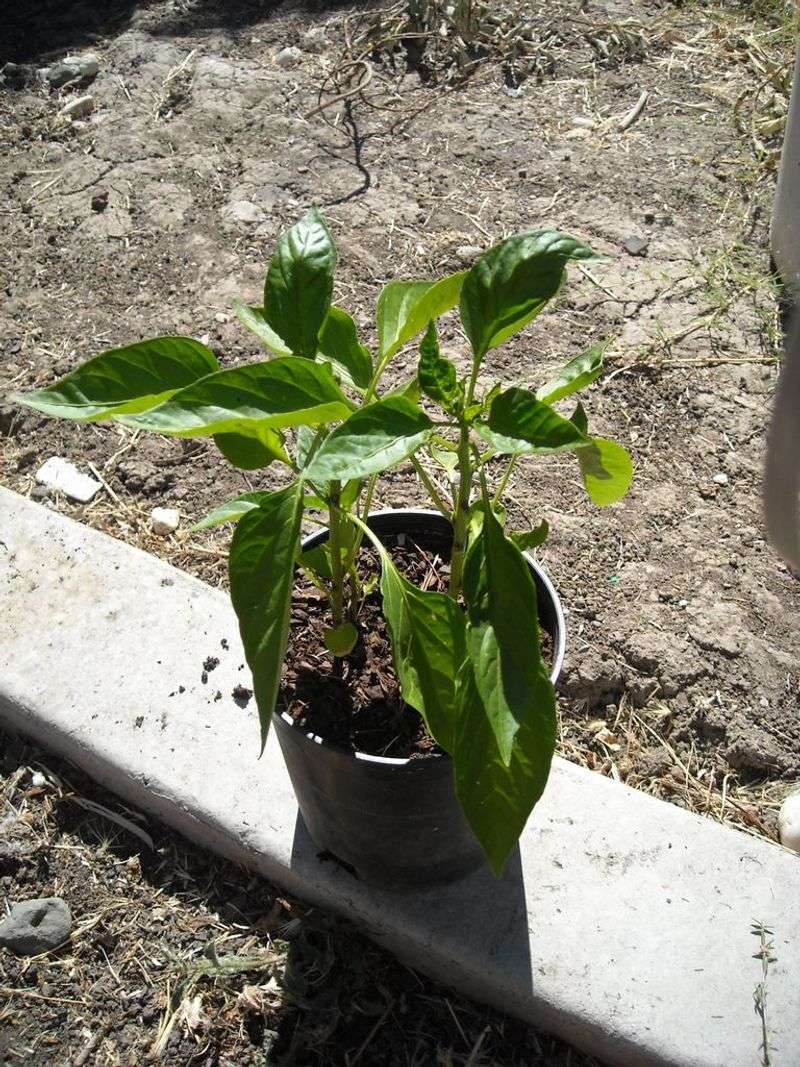
A five-gallon container sitting on a concrete patio in full July sun is a very different environment than a pepper growing in a garden bed. Container walls absorb heat from all sides, and the limited soil volume dries out much faster than in-ground soil.
Potted peppers under these conditions are dealing with heat stress, root-zone temperature spikes, and moisture loss all at once.
Check containers daily during heat waves. Soil that feels fine in the morning can be bone dry by afternoon in a dark-colored pot on a hot surface.
Water until it drains freely from the bottom drainage holes. If water runs straight through without slowing, the soil may have dried and pulled away from the pot edges.
In that case, set the pot in a shallow basin of water for an hour to let it rehydrate from the bottom up.
Pot size matters more than many gardeners realize. Peppers in containers smaller than five gallons struggle to maintain steady moisture and temperature.
Moving containers to a location with afternoon shade, or setting them on wooden boards instead of hot concrete, can reduce root-zone heat significantly. Avoid leaving saucers filled with standing water, which can cause root issues over time.
Container pepper care in summer requires more attention than in-ground growing.
8. Expect New Flowers When Weather Settles
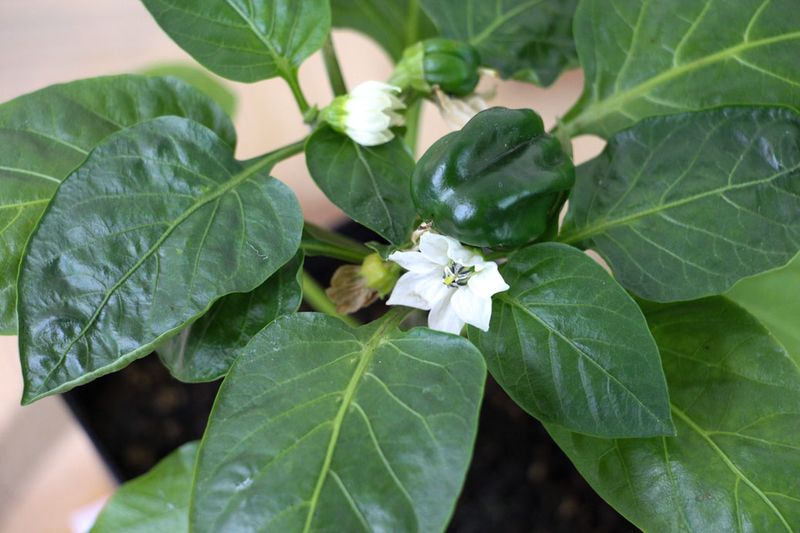
Late July and early August can feel like a waiting game in the Ohio vegetable garden. Pepper plants that dropped most of their flowers during a heat wave may sit quietly for a stretch, producing few new blossoms.
That quiet period is not a permanent shutdown. It is the plant holding steady while conditions remain unfavorable.
Once nighttime temperatures begin to ease and the most intense heat breaks, peppers typically resume flowering on their own. New growth tips will show fresh buds, and fruit set often picks back up quickly when conditions improve.
Keeping the plant healthy during the wait is the most important job a gardener has during that stretch.
Continue watering based on soil checks, avoid overfeeding, keep mulch in place, and watch for any pest or disease pressure that can compound stress during hot weather. Aphids and spider mites both tend to increase on stressed plants in summer.
Catching those problems early keeps the plant in better shape for the recovery period. A pepper plant that reaches late August in decent health, with steady moisture and no major pest damage, has a strong chance of producing a solid fall harvest.
Patience and consistent care carry more weight than any single quick fix.