The Oregon Fruit Tree Summer Pruning Window Gardeners Should Not Miss
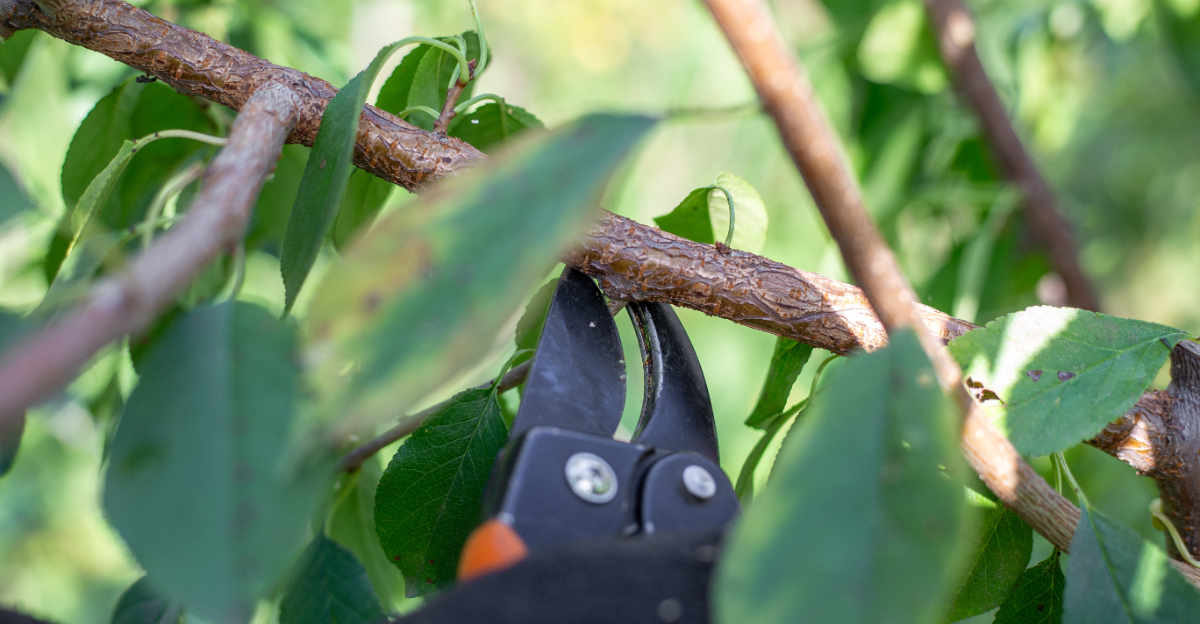
Fruit trees can get surprisingly unruly once summer growth kicks into high gear. Fresh shoots reach in every direction, the canopy thickens fast, and suddenly that neat little tree looks like it is auditioning for a wilderness documentary.
Summer pruning offers a chance to bring things back under control, but the timing is not something to shrug off. Cut too soon, and the tree may respond in ways you did not expect.
Wait too long, and the opportunity can slip by before the season changes.
The weather here in Oregon adds its own twist, especially when warm days arrive alongside shifting moisture. That can influence how quickly trees grow and how well they handle a trim.
The right pruning window can help shape the tree without creating extra stress. Miss it, and you may spend the rest of the season wishing you had grabbed the pruners a little earlier.
1. Prune Right After The Fruit Comes Off
Picking the last piece of fruit from a branch is actually a signal, not just a satisfying moment.
Once the fruit is off the tree, the wood underneath starts shifting its energy away from fruit production and back into general growth. That short window right after harvest is one of the best times to prune.
Cutting at this stage helps the tree recover faster. The wounds close more quickly in warm weather than they do in cold.
That means less time for bacteria or fungal spores to sneak into open cuts and cause problems down the line.
Post-harvest pruning also gives you a clearer picture of what the tree actually looks like. Without heavy fruit weighing branches down, you can see the structure better.
You can spot crossing branches, weak limbs, and crowded spots that need attention.
Removing those problem areas right after harvest helps the tree focus its energy on strong, healthy growth for next year. It also improves airflow through the canopy, which is a big deal in reducing fungal issues during the rainy months ahead.
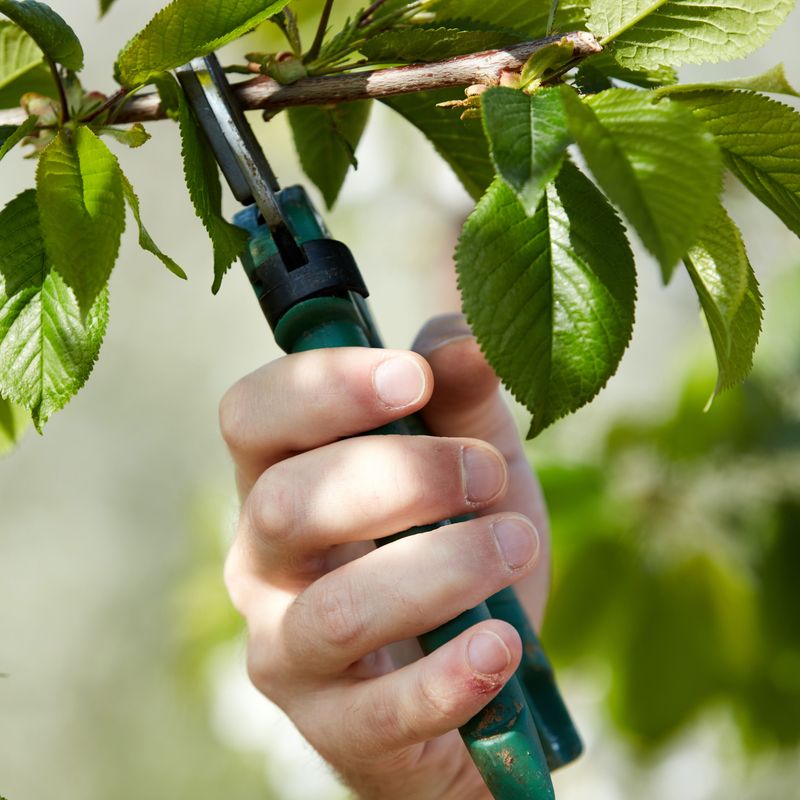
Keep your cuts clean and angled slightly so water runs off. Sharp tools make a real difference here.
A rough cut tears the bark and takes longer to heal. A clean cut seals up faster and gives the tree a much better chance of bouncing back strong before the growing season ends.
2. Late July Is A Key Summer Window
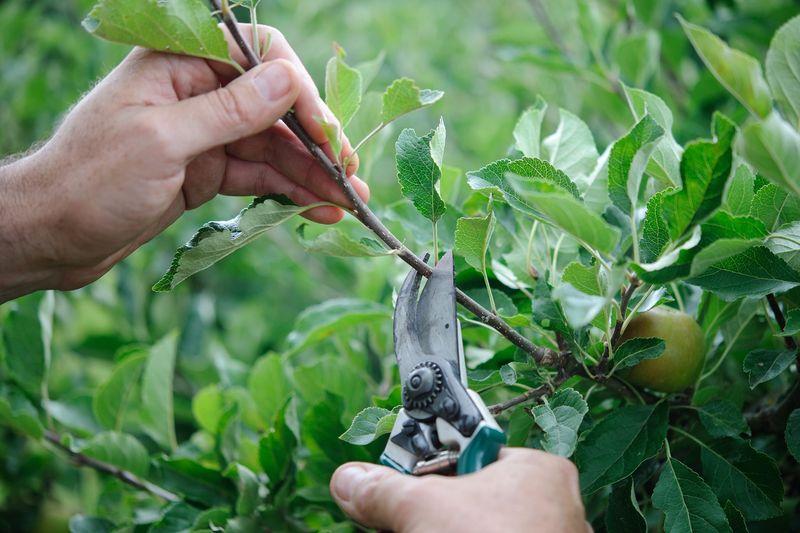
Most Oregon gardeners are busy with watering and weeding in late July, but this is actually one of the most important times to grab your pruning shears.
The trees are actively growing, the weather is warm, and there is still enough season left for cuts to heal before fall arrives.
Late July hits a sweet spot in the growing calendar. New shoots have pushed out far enough that you can tell which ones are productive and which are just taking up space.
Cutting back those extra shoots now redirects the tree’s energy toward the fruit buds forming for next year.
Waiting too long into August or September can be risky. Pruning too late in the season encourages new growth that will not harden off before cooler temperatures arrive.
Your Oregon Garden Changes Every Week. Your Plan Should Too.
Gardening in Oregon changes quickly throughout the season. Every Friday you’ll receive a simple weekly plan showing exactly what to plant, prune, fertilize, harvest, and protect so you never miss the right timing.
That soft new growth becomes vulnerable to frost damage in the northern regions of Oregon.
A good rule of thumb is to finish most summer pruning by early August at the latest. For most fruit trees, late July gives you the best balance of visibility, healing time, and growth control.
The days are still long, which means more time to work without rushing.
Even light thinning during this window makes a noticeable difference. Removing a few well-chosen branches now can reduce your workload during winter pruning significantly.
Small efforts in July often lead to healthier, more manageable trees by the time spring rolls around again.
3. Dry Weather Makes Cuts Safer
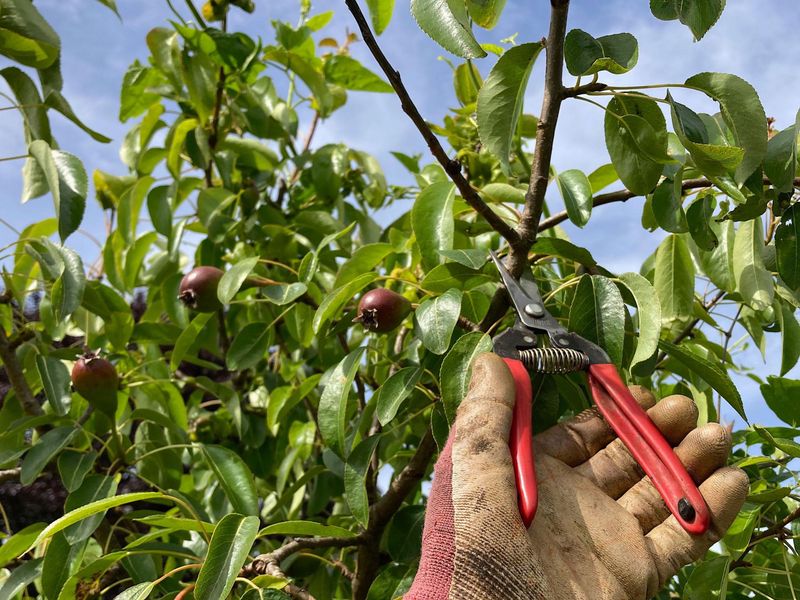
Wet conditions and open pruning wounds are a bad combination. When moisture sits on a fresh cut, it creates the perfect environment for fungal spores and bacteria to move in.
Dry summer weather naturally reduces that risk and makes pruning a much safer task for your trees.
Oregon’s summers tend to be drier than its winters, and that shift matters a lot for fruit tree care.
The dry stretch from mid-June through August is when most experienced growers prefer to make their cuts.
The low humidity gives wounds a chance to callus over before any rain arrives.
Fire blight, a bacterial disease that hits apples and pears especially hard, spreads much more easily in wet conditions.
Pruning during dry weather reduces the chance of spreading the bacteria from one branch to another through tools or water droplets.
Always disinfect your tools between cuts as an extra precaution.
Silver leaf disease is another concern for stone fruit growers. This fungal infection enters through wounds and is far less likely to take hold when conditions are dry at the time of pruning.
Timing your cuts around dry spells is one of the simplest ways to protect your trees without using any chemicals.
Check the forecast before you head out to prune. A few days of dry weather ahead gives your cuts enough time to begin sealing.
Even a short dry window is better than pruning right before a rainstorm rolls in from the coast.
4. Cherry Trees Benefit From Summer Pruning
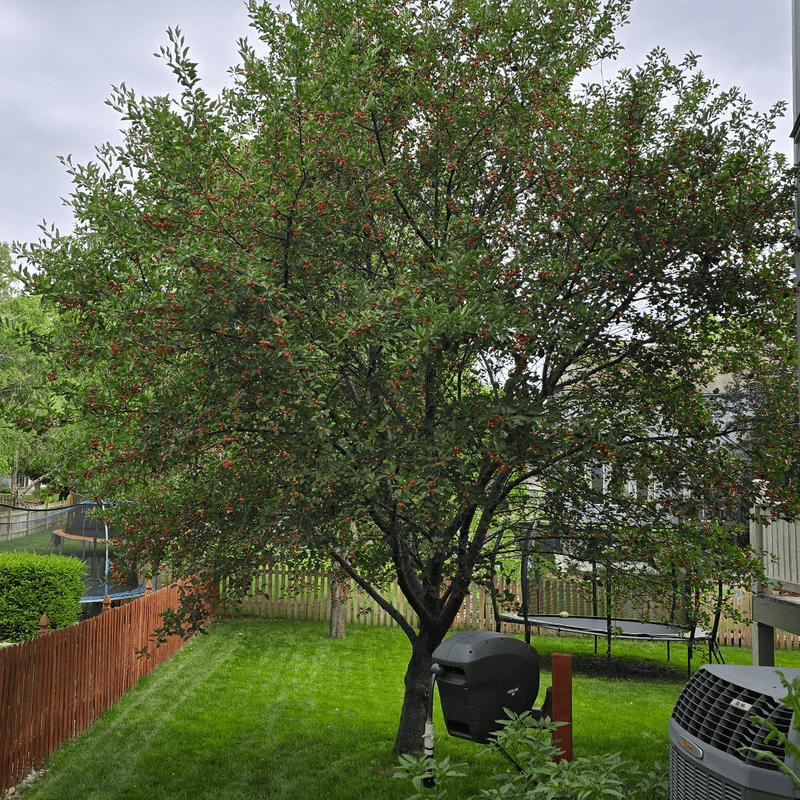
Cherry trees have a reputation for being a little tricky to manage, and a big part of that comes down to timing.
Unlike many other fruit trees, cherries are highly susceptible to a disease called bacterial canker, which spreads much more aggressively during wet winter months.
Pruning in summer, when the weather is dry, dramatically lowers the risk of infection entering through fresh cuts.
Experienced cherry growers in Oregon have long known that summer is the safest time to make significant cuts on these trees.
Winter pruning on cherries often leads to problems that take years to fix.
Sweet cherries tend to grow vigorously and can get very tall if left unchecked. Summer pruning helps keep them at a manageable height, which also makes harvesting a lot easier.
Cutting back the tallest leaders after harvest encourages the tree to grow outward rather than upward.
Sour cherries, like Morello varieties, also benefit from post-harvest trimming. They fruit on the previous year’s wood, so removing older, less productive branches after picking helps push fresh growth for next season.
Aim to keep the center of the tree open so light can reach the lower branches.
Always use sharp, clean tools on cherry trees. Their bark is thin and can tear easily with dull blades.
Make smooth cuts just outside the branch collar, and avoid leaving stubs, which can become entry points for pests and pathogens over time.
5. Plums Can Be Thinned After Harvest
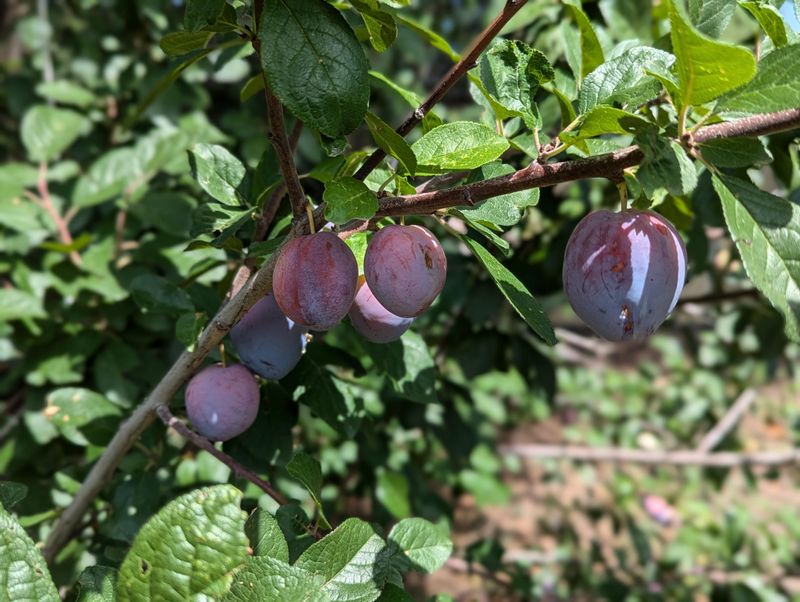
Few things are more satisfying than a plum tree loaded with fruit, but all that weight takes a toll on the branches.
Once harvest is done, those tired limbs need a little attention before the tree heads into its rest period.
Post-harvest thinning is one of the kindest things you can do for a plum tree.
Removing crowded or crossing branches after picking helps restore balance to the tree’s structure. Plums tend to produce a lot of secondary shoots during the growing season, and many of those shoots will not contribute to next year’s crop.
Cutting them back now reduces congestion and improves light distribution through the canopy.
Japanese plum varieties are especially responsive to summer thinning. They grow fast and push out a lot of new wood each year.
Without regular attention, the canopy becomes dense and shaded in the middle, which reduces fruit quality and makes it harder for air to circulate.
European plums, including prune-type varieties that are popular in the Willamette Valley, are a bit more modest in their growth habits. Even so, they benefit from having wood and weak shoots removed after harvest.
Keep the cuts light and avoid removing more than about a quarter of the canopy at one time.
Plums are also susceptible to silver leaf disease, so pruning during a dry stretch is especially important.
Clean tools and dry conditions together give these trees the best possible chance of healing quickly and staying productive for many more seasons.
6. Apricots Prefer A Dry Pruning Window
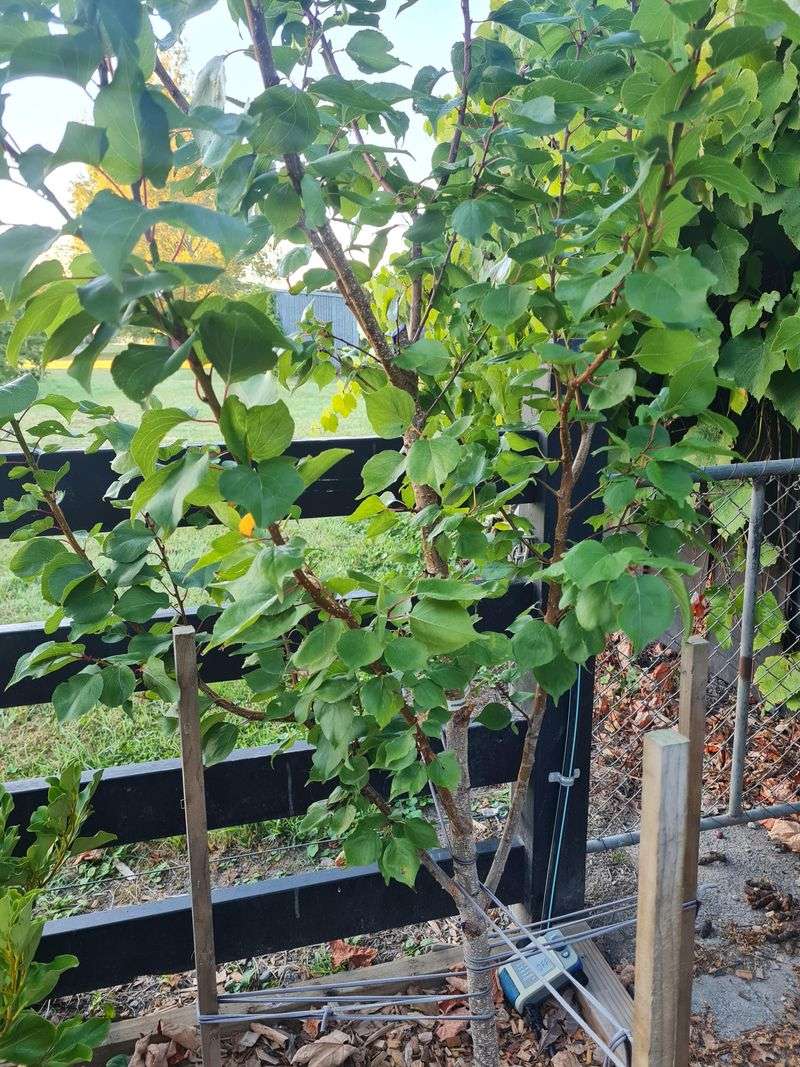
Apricots are one of the more sensitive stone fruits when it comes to pruning timing. They are highly vulnerable to a fungal disease called Eutypa decline, which enters through pruning wounds and can slowly destroy whole branches over several years.
The best defense is simple: only prune when conditions are completely dry.
Summer gives apricot growers a reliable window of dry weather that is hard to find at any other time of year.
Pruning right after harvest, during a stretch of warm and sunny days, lets wounds callus over before any moisture returns.
Even a few days of dry weather after cutting can make a significant difference.
Apricot trees tend to produce a lot of upright, vigorous shoots called water sprouts. These shoot straight up from main branches and rarely produce good fruit.
Removing them during the summer keeps the canopy tidy and encourages the tree to put energy into productive lateral branches instead.
Because apricots bloom very early in spring, they are also prone to late frost damage in cooler parts of Oregon.
Keeping the canopy open through summer pruning helps the tree develop stronger, better-positioned buds that are more likely to survive a cold snap.
Avoid heavy pruning on apricots in a single session. Spread the work out over a couple of seasons if the tree needs significant reshaping.
Light, targeted cuts made during a dry summer window are far safer and more effective than drastic cuts made all at once in any wet season.
7. Peaches Need Light Summer Shaping
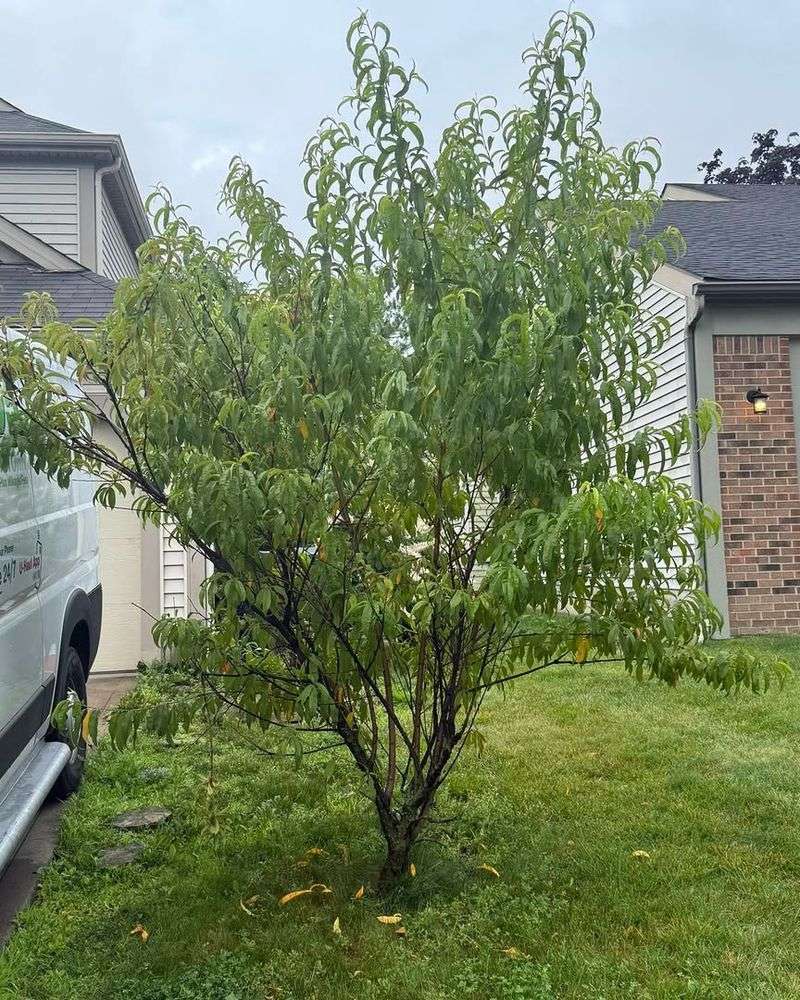
Peach trees grow fast. If you have ever turned your back on one for a whole season, you know how quickly they can become a tangled mess of crossing shoots and shaded-out branches.
Light summer shaping keeps that growth in check without putting too much stress on the tree.
The goal with summer peach pruning is not to reshape the entire tree. It is more about managing the new growth that pushes out after the fruit starts to develop.
Removing shoots that are growing inward or straight up helps maintain the open, vase-shaped structure that peaches thrive in.
Peaches fruit on last year’s wood, so you want to encourage plenty of healthy new lateral growth each season.
Pinching or cutting back the tips of overly long shoots in early summer redirects energy into the side branches that will carry next year’s crop.
This small step can lead to noticeably better fruit production.
In the warmer, drier parts of Oregon, peaches can be particularly productive, but they also need consistent attention to stay manageable. Without summer shaping, the tree tends to push all its energy into the top, leaving the lower branches weak and shaded.
Try to keep summer cuts light and focused. Remove no more than about fifteen to twenty percent of the canopy at one time.
Heavier pruning is better saved for late winter or early spring, when you can see the full structure of the tree and plan your cuts more carefully.
8. Espalier Apples Need Shoots Shortened
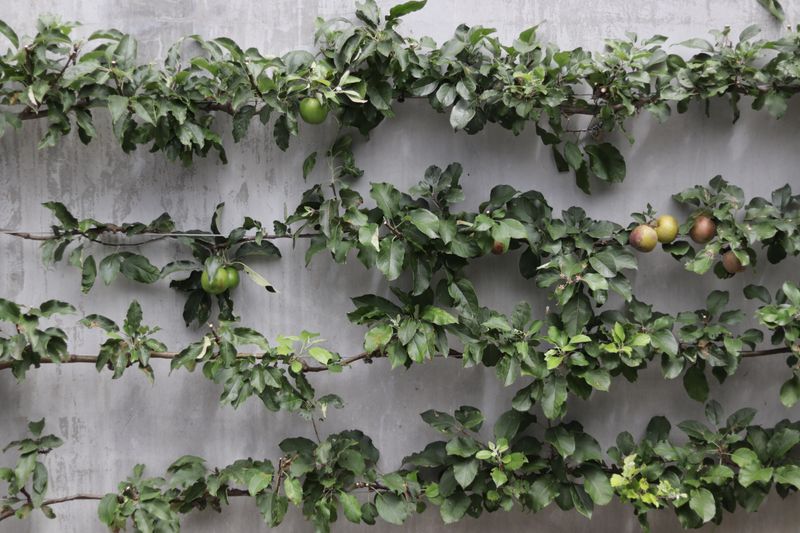
Growing apples as espaliers is one of the most rewarding and space-efficient ways to work with fruit trees in a smaller yard.
The flat, structured form looks beautiful against a wall or fence, but it does require consistent summer attention to stay looking sharp and productive.
The key task during summer is shortening the new lateral shoots that push out from the main horizontal branches.
These shoots grow quickly and, if left unchecked, will turn your tidy espalier into a bushy mess within a single season.
Cutting them back to about three leaves above the basal cluster keeps the form clean.
This technique, sometimes called the Modified Lorette System, is well-suited to the dry summers in our region.
Shoots are pruned in stages rather than all at once, which spreads the workload and reduces stress on the tree.
The first pass usually happens in mid-July, with a follow-up cut in late August if needed.
Shortening lateral shoots also encourages the formation of fruit spurs, which are the short, stubby growths that carry most of the fruit in following years. Every shoot you cut back now is potentially becoming a productive spur for next season’s harvest.
Espalier apples trained on a south-facing wall tend to ripen fruit earlier and more evenly because of the extra warmth reflected off the surface.
Regular summer pruning keeps the canopy open so that warmth and light can reach every developing apple, improving both flavor and color at harvest time.
9. Pears Can Be Tamed Before Fall
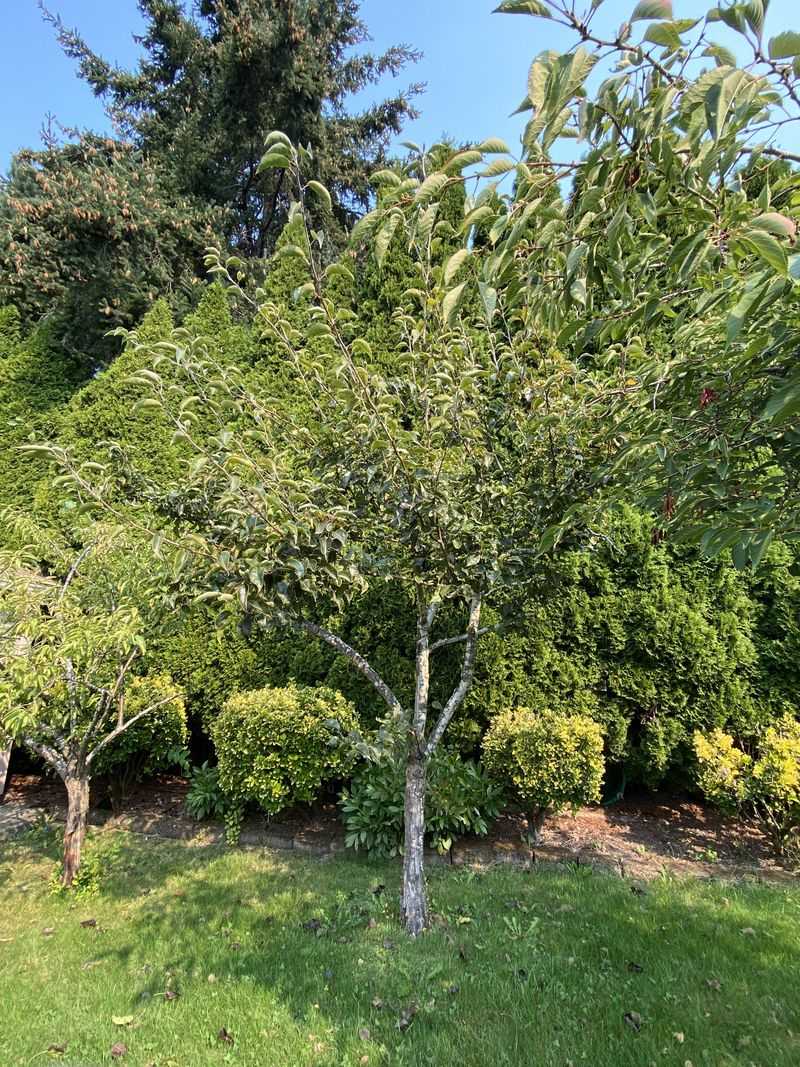
Pear trees can get out of hand faster than most gardeners expect. They grow vigorously, and without regular attention, they push long, upright branches called water sprouts that shade the rest of the tree and produce almost no fruit.
Late summer is a practical time to bring them back under control before fall sets in.
Unlike apples, pears are very susceptible to fire blight, a bacterial disease that turns shoots black and causes them to curl over like a shepherd’s crook.
Pruning during dry summer weather lowers the risk of spreading this pathogen through fresh cuts.
Always disinfect tools with a diluted bleach solution or rubbing alcohol between cuts when fire blight is a concern.
Removing water sprouts is the top priority during summer pear pruning. These fast-growing shoots drain energy from the rest of the tree and rarely contribute to fruit production.
Pulling them off by hand while they are still soft and young is even better than cutting, since it reduces the chance of regrowth from the base.
For established pear trees that have grown very tall, summer is also a good time to begin lowering the height gradually.
Cutting back the tallest leaders by about a third encourages the tree to redirect its energy downward into more accessible, productive branches.
Pears respond well to gradual reshaping over two or three seasons rather than one dramatic cut.
Patience pays off with these trees, and consistent summer attention keeps them both beautiful and generous with their fruit year after year.