These Are The Best Lantana Varieties Ohio Gardeners Are Growing In Containers This Summer
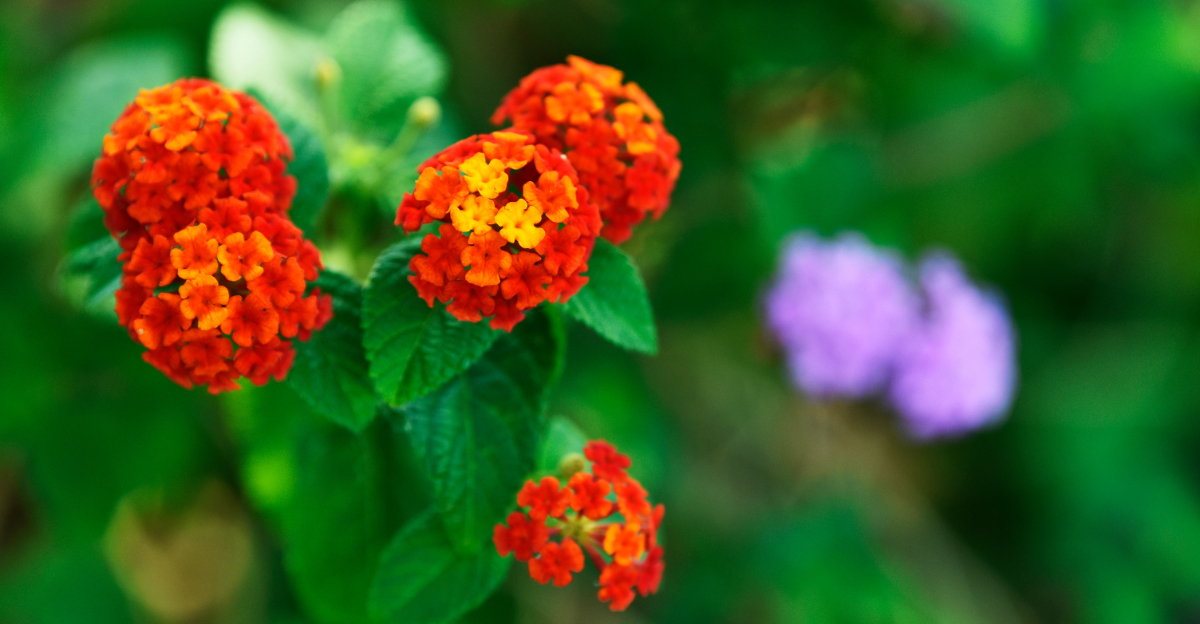
Lantana has figured out Ohio summers better than most container plants. The heat that wilts everything else just makes lantana push harder.
More color, more growth, more butterfly activity than almost anything else sitting on a patio right now. The problem is variety selection.
The lantana section at any nursery can feel overwhelming fast. Trailing types, upright types, some that bloom in one color and shift as they age, others that stay consistent all season.
Not all of them perform equally well in containers and some popular varieties disappoint in ways that are not obvious until midsummer. Ohio summers are honest that way.
The varieties that hold up through August heat and humidity earn their reputation and the ones that fade out by July get remembered too. Knowing which is which before you buy saves a frustrating summer of wondering what went wrong.
1. Luscious Royale Red Zone Brings Bold Heat To Sunny Containers
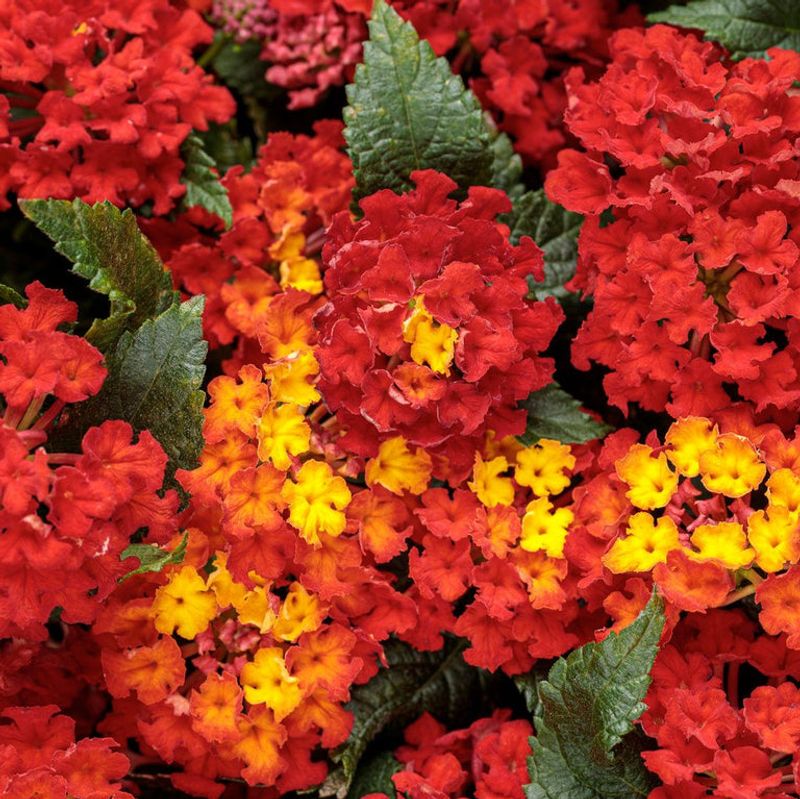
Red, orange, and yellow packed into a single flower cluster sounds almost too good to be true. Luscious Royale Red Zone delivers that tropical punch in a container pot without any drama.
The colors are hot and saturated, the kind that stop people mid-step when they walk past a sunny porch. This variety is bred for full sun performance, and it shows when temperatures climb through July and August.
Plant it in a pot with excellent drainage and a quality potting mix that does not stay soggy. Lantana roots dislike sitting in water, so make sure your container has working drainage holes and that you are not leaving a saucer full of water underneath it.
In a large enough pot, this variety can grow into a bold mounding centerpiece for a patio arrangement.
Luscious Royale Red Zone works well as the thriller in a thriller-spiller-filler container combo. Pair it with plants that share its sun and watering needs, such as calibrachoa or trailing verbena around the edges.
Avoid pairing it with shade-lovers or moisture-hungry plants that will compete poorly in a hot, sunny spot. Go easy on high-nitrogen fertilizer, since too much nitrogen pushes leafy growth instead of those fiery flower clusters.
Check the plant tag at your local garden center for mature size before committing to a container, since availability and sizing can vary by region and season.
2. Luscious Citrus Blend Keeps Patio Pots Bright And Cheerful
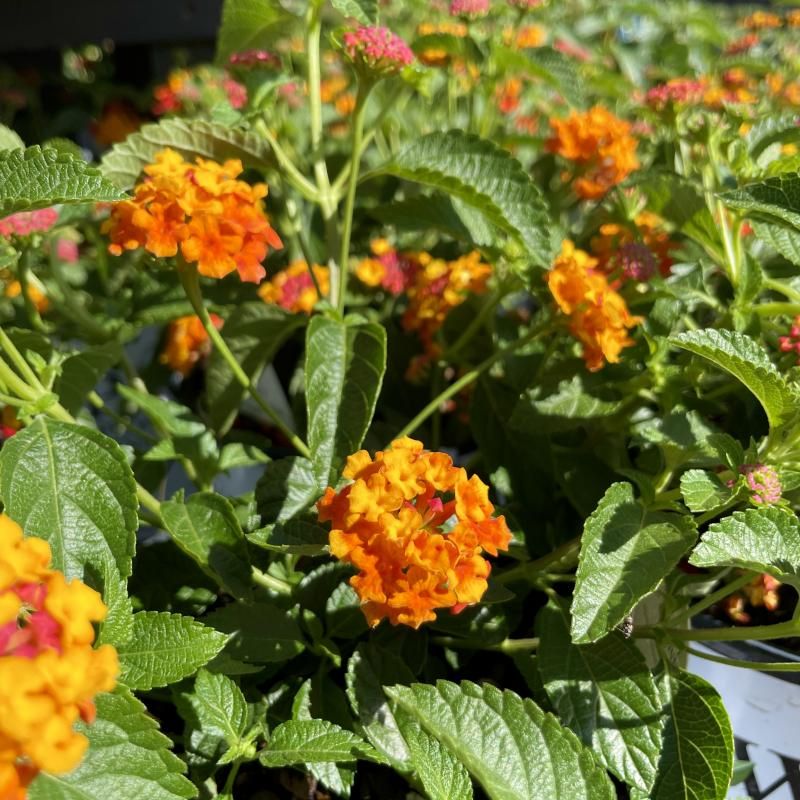
Think of Luscious Citrus Blend as the sunny, easygoing cousin of the deeper red-orange lantanas. Its yellow, orange, and citrus-like flower tones feel lighter and more playful than fiery varieties.
That makes it a great pick when you want warmth without an intense color block on your porch steps or entry planters.
This variety genuinely brightens up a container arrangement, especially when you pair it with purple, blue, white, or silver companions. Try it alongside dusty miller for a silvery contrast, or tuck in some blue fan flower or purple verbena around the edges.
The citrus tones pop against cooler colors in a way that makes the whole pot feel deliberately designed rather than thrown together.
Your Ohio Garden Changes Every Week. Your Plan Should Too.
Gardening in Ohio changes quickly throughout the season. Every Friday you’ll receive a simple weekly plan showing exactly what to plant, prune, fertilize, harvest, and protect so you never miss the right timing.
Full sun is non-negotiable for good blooming. A spot that gets six or more hours of direct sun daily will keep the flower clusters coming through the hottest part of summer.
Use a well-draining potting mix and water when the top inch or so of soil feels dry, but do not let the pot sit in a puddle. Containers in full sun dry out faster than you might expect during an August heat stretch, so check moisture levels regularly.
Avoid over-fertilizing with high-nitrogen products, since blooms matter more than extra leaves here. Local garden center stock for this variety can shift throughout the season, so grab it early when you spot it.
3. Luscious Grape Adds Cooler Color To Hot Summer Displays
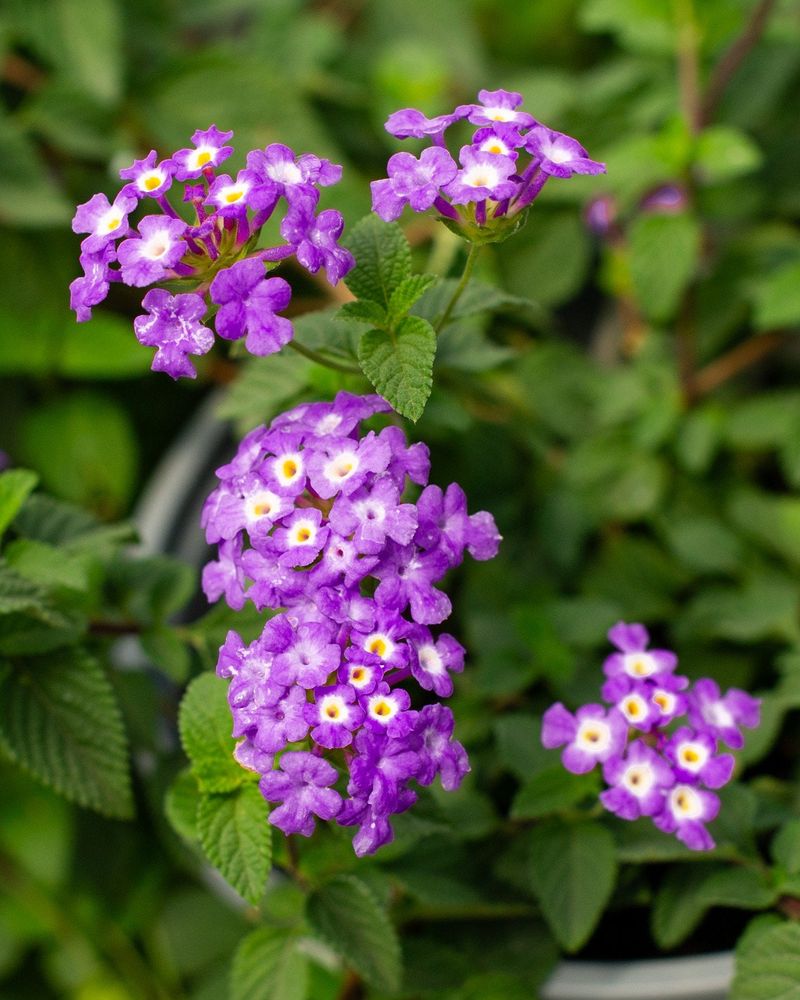
Purple and lavender are not the first colors most people picture when they think of lantana. Luscious Grape is exactly the visual break a hot-colored container arrangement needs.
Its cooler tones work like a pause button in a sea of orange and red, giving the eye somewhere calm to land without making the whole display feel dull.
Use it near yellow, white, or chartreuse companions to create a high-contrast color combination that looks sharp from a distance.
Chartreuse sweet potato vine spilling over the edge of a pot next to Luscious Grape creates a striking pairing that holds up well through the heat of summer.
The contrast makes both plants look more vivid than they would planted alone.
Even though the color feels cooler, the growing needs are the same as any other lantana in this list. Full sun, good drainage, and warm temperatures are the basics this plant depends on.
Do not place it on a shaded porch or in a spot that only gets a few hours of morning light, since bloom production will suffer.
Containers with darker colors absorb heat faster, which can speed up soil drying, so check moisture more often if your pot is dark-colored or metal.
Luscious Grape can attract butterflies and other pollinators. That is a nice bonus for gardeners who want their patio pots to support local wildlife during the summer months.
4. Bandana Lemon Zest Fits Smaller Pots With Big Color
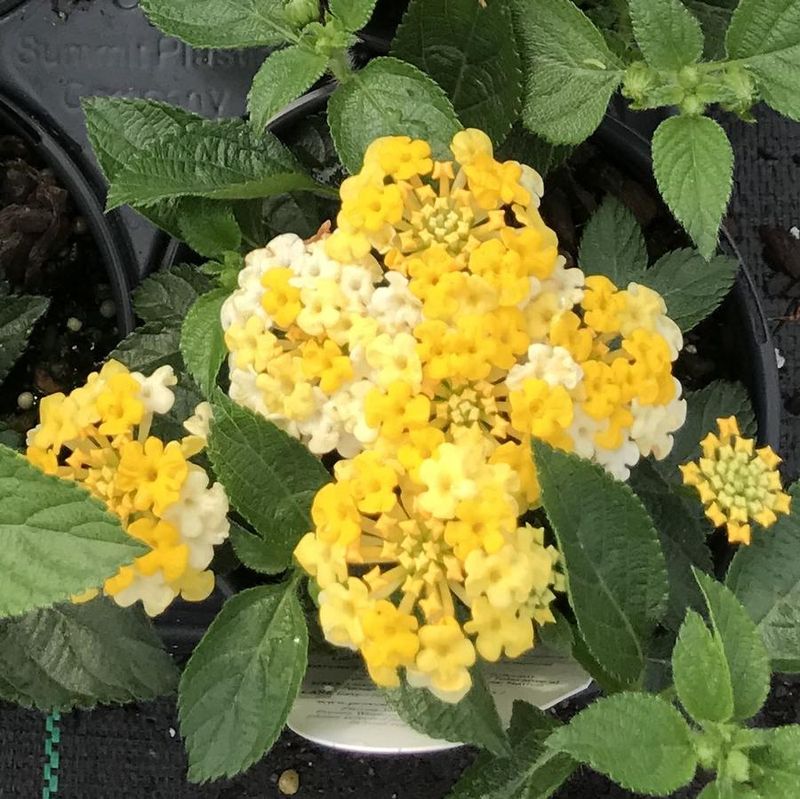
Clean, bright yellow is surprisingly hard to find in a container-friendly lantana, and Bandana Lemon Zest fills that gap well. Bandana series lantanas are often selected for their more manageable growth habit.
That makes them a practical choice when you are working with smaller pots, window boxes, or tight balcony spaces where a large mounding plant would quickly take over.
Yellow lantana has a way of making shaded-looking corners feel sunnier, but the plant itself still needs real, direct sun to bloom reliably. Do not let the cheerful yellow color trick you into placing it somewhere dim.
A minimum of six hours of full sun daily keeps the flower clusters coming rather than slowing to a trickle by midsummer.
In a smaller container, soil dries out faster than in a large patio pot, so check moisture more frequently during hot stretches. Use a quality potting mix with good drainage and make sure water moves freely out of the bottom of the pot after each watering.
Avoid crowding Bandana Lemon Zest with aggressive spreaders that will shade it out or compete heavily for nutrients. A light, balanced fertilizer used according to label directions works better here than a heavy nitrogen feed.
Always check the cultivar tag for mature size at your local garden center, since Bandana varieties can differ, and availability varies by region and time of season.
5. Bandana Cherry Sunrise Turns Containers Into A Sunset Mix
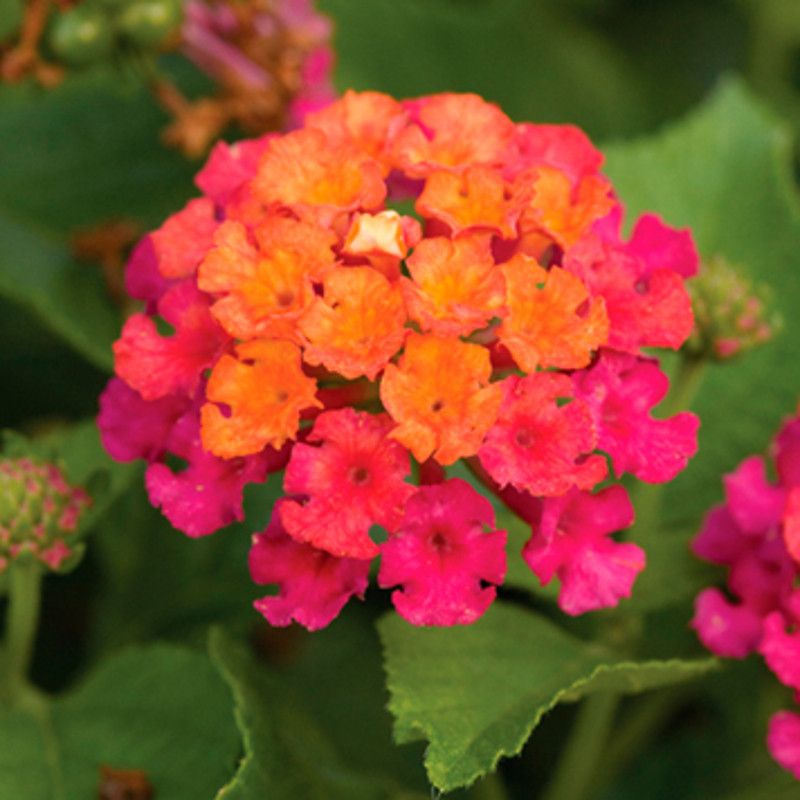
Soft coral, warm pink, and golden yellow blend together in Bandana Cherry Sunrise like the last thirty minutes of a clear summer evening.
This variety gives containers a gentler, more romantic warmth compared to the hard-edged brightness of pure red or orange types.
That makes it a natural fit for mixed summer pots where you want heat without a jarring color block.
It pairs beautifully with plants that share similar sun and water needs. Ornamental grasses add texture and movement alongside it.
Sweet potato vine in chartreuse or bronze spills over the edge and picks up the warm tones in the flower clusters. Calibrachoa in peach or soft yellow can echo the color without competing directly.
The key is matching companion plants by their sun and drainage requirements first, then worrying about color second.
Bandana types are generally selected for a more contained growth habit, which suits mixed containers where you need room for more than one plant.
Still, check the tag for expected size before planting, since conditions in your specific pot and location affect how large any lantana grows.
Water consistently but avoid soggy soil, and fertilize lightly with a balanced product rather than a high-nitrogen formula. Too much nitrogen means more leaves and fewer of those sunset-colored blooms.
Gardeners in the northern regions of this state may notice a slightly shorter bloom window. Start with healthy transplants rather than small plugs to get the most out of the season.
6. Lucky Flame Stays Compact For Porch And Balcony Planters
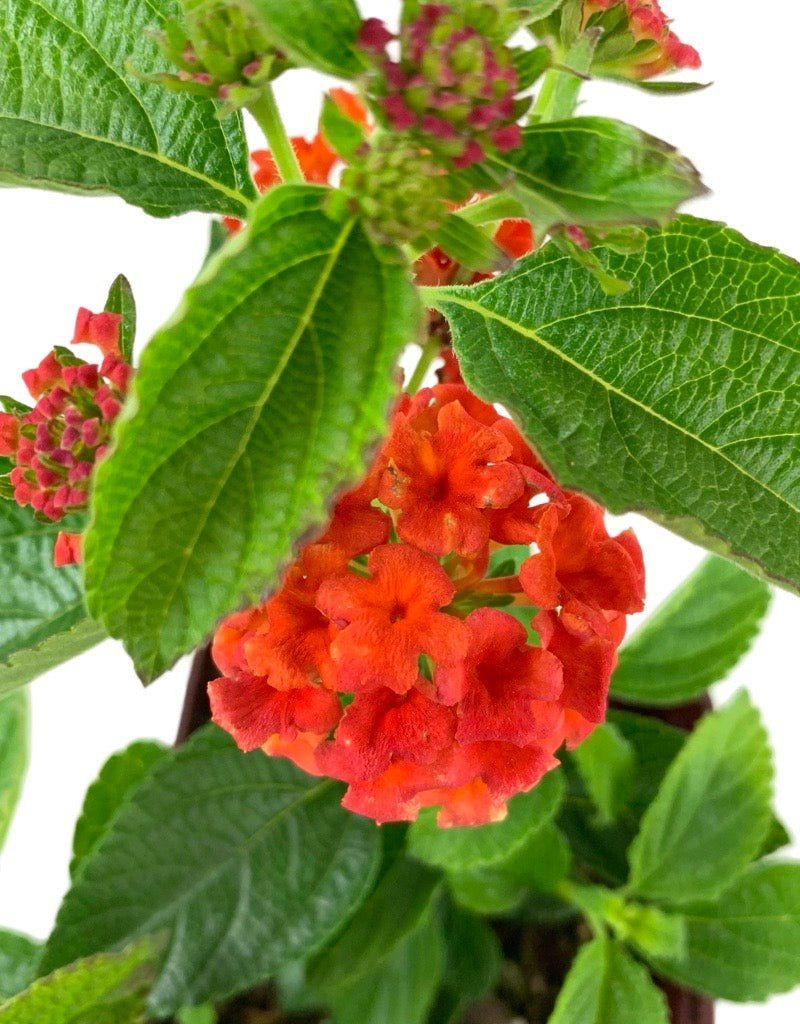
Not every outdoor space has room for a sprawling mounded lantana, and that is exactly where Lucky Flame earns its spot. With flame-like tones of orange, red, and yellow, this variety brings serious color intensity to tighter spaces.
That includes balcony railings, small porch planters, and sunny window ledges where a full-sized mounding plant simply would not fit.
Compact does not mean low maintenance, though. Container plants on balconies and upper-story porches can dry out surprisingly fast because they are often exposed to more wind and reflected heat than ground-level pots.
Smaller containers lose moisture faster than large ones. Checking soil moisture every day or two during a summer heat stretch is a smart habit rather than an overreaction.
Match the pot size to the mature size listed on the cultivar tag. Planting Lucky Flame in a pot that is too small will restrict root growth and limit blooming, no matter how much sun the spot gets.
A quality, well-draining potting mix is essential since lantana roots are not forgiving of soggy conditions. Full sun for at least six hours daily keeps the flame-colored clusters coming rather than fading to sparse blooms.
Fertilize with a balanced product used at the label rate, and avoid the temptation to feed heavily in hopes of more flowers. In this state, Lucky Flame is grown as a warm-season annual, so enjoy the full summer show and plan to replant fresh each year.
7. Lucky White Brightens Mixed Pots Without Fighting Other Colors
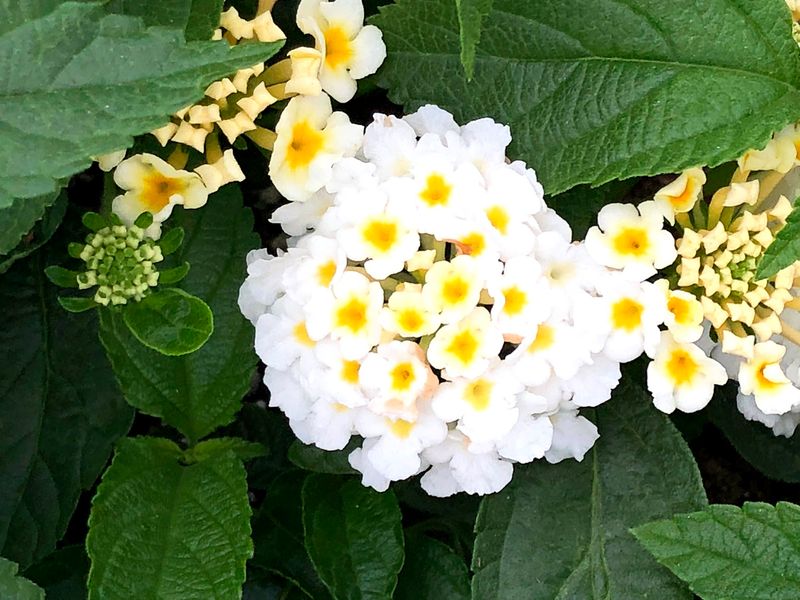
White flowers in a summer container do something that bold colors cannot: they calm everything down and make the whole arrangement easier to look at.
Lucky White lantana brings that clean, neutral energy to porch pots, patio planters, and mixed containers where every other color is competing for attention.
It does not shout, but it makes the colors around it look sharper and more intentional.
White lantana is especially useful for evening seating areas and walkways where lighter flowers stay visible as the sun drops.
If you have ever sat on a porch at dusk and watched orange flowers disappear into shadow while white ones seemed to glow, you already understand the practical value here.
Placing Lucky White near a seating area or along a lit pathway makes it useful long after midday.
Pair it with deep purple, rich burgundy, or soft blue companions for a sophisticated look, or combine it with yellow and chartreuse for a crisp, fresh feel.
The growing basics stay the same regardless of color: full sun, well-drained potting mix, and consistent moisture checks during hot weather.
Do not place Lucky White on a shaded porch and expect it to bloom well. White flower color does not change the plant’s sun requirements.
Check the cultivar tag at your local garden center for size and habit details, since Lucky series plants can vary, and stock changes throughout the growing season.
8. Trailing Lavender Lantana Spills Beautifully From Hanging Baskets
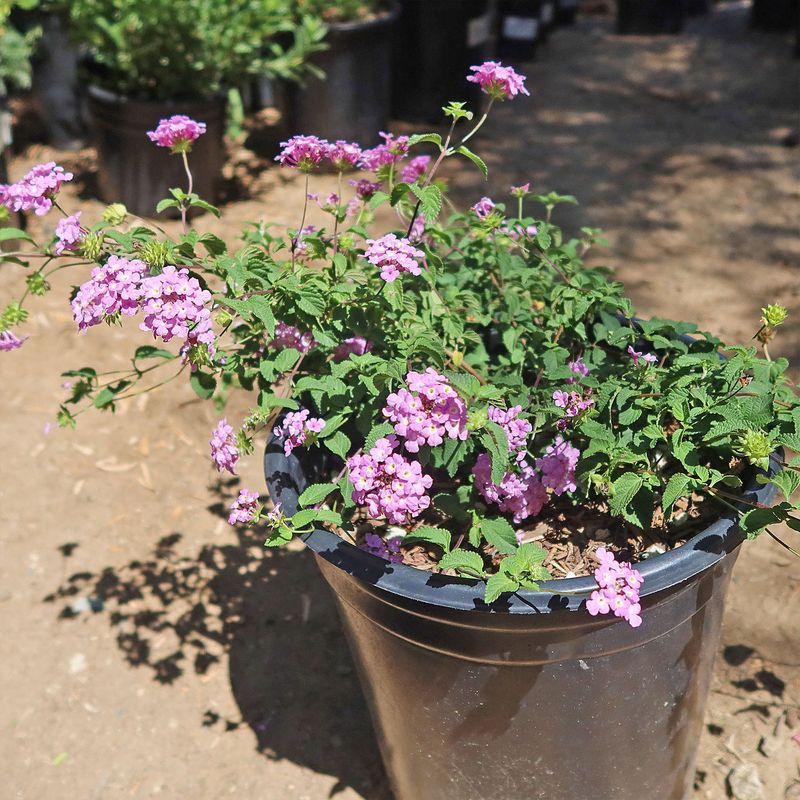
Every other variety in this list grows in a mounded or compact form, but trailing lavender lantana works differently. Its naturally sprawling habit makes it the right choice for hanging baskets, tall railing planters, and similar containers.
Use it anywhere you want soft cascading growth rather than an upright mound. The lavender-purple flowers soften the look of a basket in a way that round, upright plants simply cannot replicate.
Hanging baskets dry out faster than almost any other container type, especially during the hottest weeks of an Ohio summer. Wind, heat, and limited soil volume combine to pull moisture out of a basket quickly.
Checking the basket daily during a heat wave is not excessive. Watering thoroughly until water runs freely from the bottom is just what hanging baskets need to perform well.
Make sure the basket has proper drainage and is not lined with a material that traps water around the roots for too long. Hang it in a spot with genuine full sun rather than a covered porch that only catches a few hours of indirect light.
Bloom production depends heavily on sun exposure, and a shaded basket will give you mostly foliage. The phrase trailing lavender lantana can refer to several cultivars sold under different names.
Read the tag carefully and look for words like trailing or cascading in the habit description. Confirm the flower color in person before purchasing, since lavender shades can vary noticeably between cultivars at different garden centers.