Why Wisconsin Yellow Jackets Take Over Yards In Late Summer And How To Keep Them Away
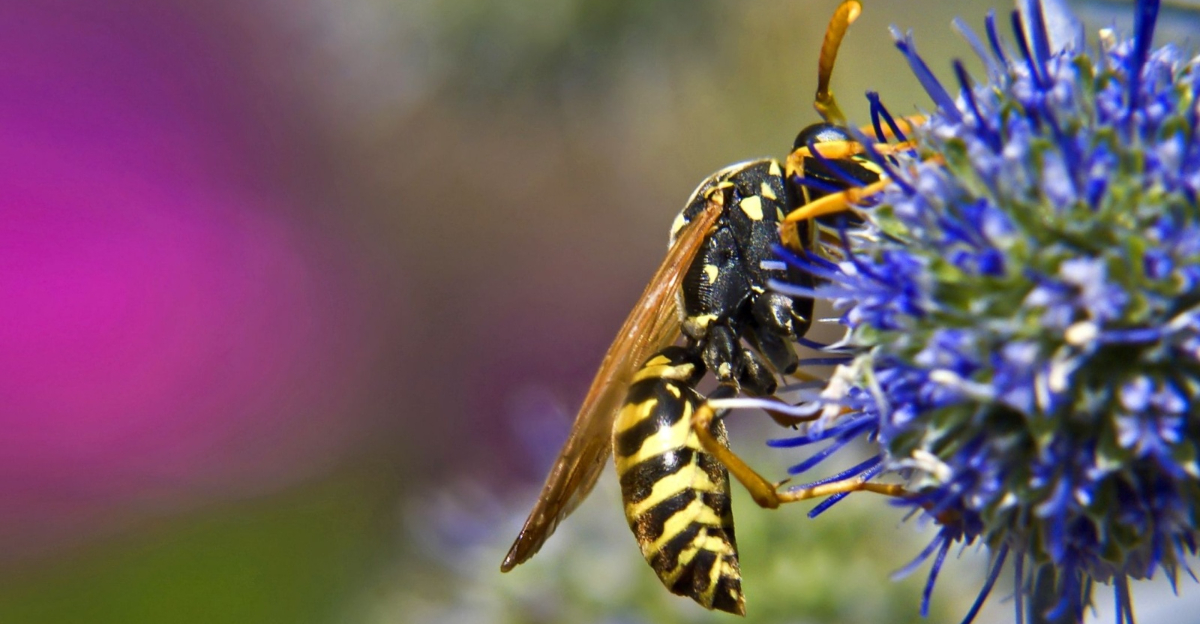
Nobody sends yellow jackets an invitation, but every August in Wisconsin, they show up anyway. One lands on your drink.
Another circles the potato salad. A third investigates your kid’s elbow with unsettling interest. By the time you notice them, you are already outnumbered.
Yellow jacket colonies spend all summer building toward this moment, growing into nests that can hold several thousand workers, all of them hungry and none of them patient.
The warm afternoons that make outdoor living so good in Wisconsin are the same conditions that push these wasps into overdrive. They are not aggressive without cause, but their threshold is low and their reaction is fast.
A single wrong move near their nest can turn a backyard lunch into a real problem, especially for children and pets.
What drives them there, and what keeps them coming back, is worth understanding before the next one lands on your glass.
Colony Population Peaks In Late Summer
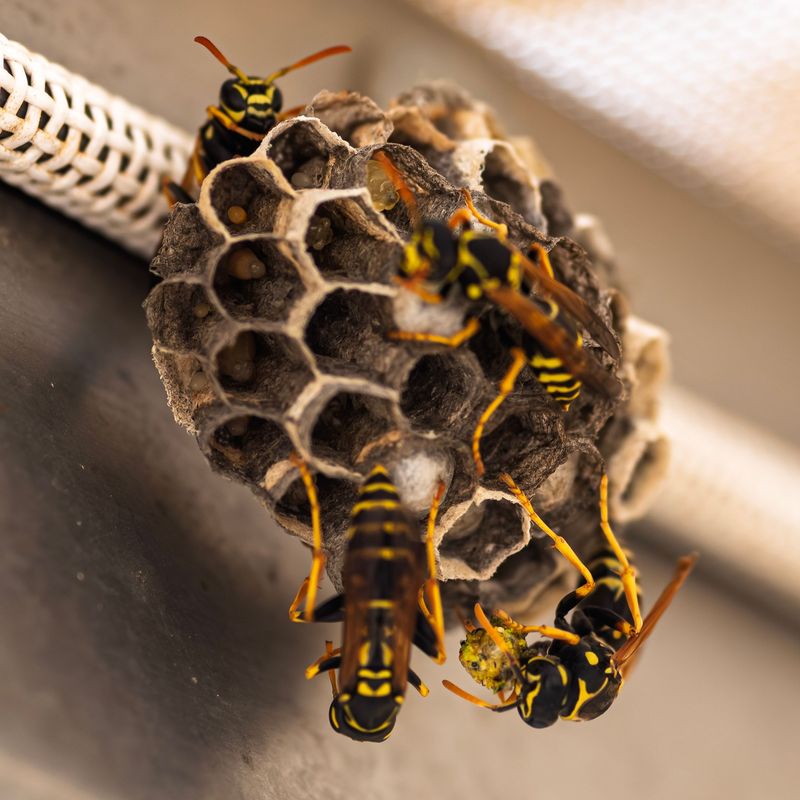
By August, a yellow jacket colony has been quietly growing since spring. What started as one queen and a handful of workers has grown into a large, active colony of thousands.
A single nest can hold between 1,000 and 4,000 workers by late summer. That rapid population surge is the main reason Wisconsin yellow jackets suddenly seem to be everywhere at once.
Each worker has a job, and those jobs multiply as the colony grows. Foragers fan out farther and farther from the nest, crossing paths with humans more often.
The queen continues laying eggs steadily throughout summer, keeping the colony on a constant growth curve. Her pace does not slow down until temperatures drop in early fall.
More workers mean more mouths to feed, and more scouts searching your yard. A bigger colony needs bigger resources, which is why your picnic table becomes a target.
Nest size also affects aggression levels. Larger colonies defend their territory with more intensity than smaller, younger ones.
Understanding this population explosion is key to managing the problem. Once you know the nest is at its biggest, you can plan your response more effectively.
Colony activity typically peaks in mid to late August, making that the most effective window for control.
Scarce Food Forces Competition With Humans
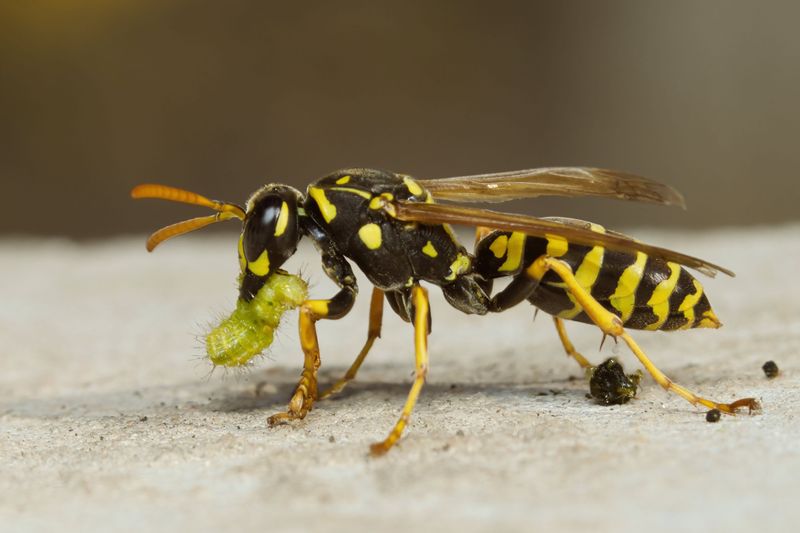
Late summer is a period of intense food competition, and yellow jackets are relentless in pursuing it. Natural food sources like caterpillars and beetle grubs start running low as the season shifts.
Early in the year, workers hunt soft-bodied insects to feed growing larvae. Those larvae produce a sugary liquid that feeds adult workers in return.
When larval populations shrink in late summer, that sweet reward disappears. Suddenly, adult workers need to find sugar elsewhere, and your backyard looks like a buffet.
Open soda cans, ripe fruit, and grilling meat all send powerful scent signals. A scout finds your cookout, returns to the nest, and recruits dozens of hungry nestmates.
This is not random aggression. It is survival behavior driven by genuine hunger. Knowing that makes it easier to take smart, targeted action rather than panic.
Your Wisconsin Garden Changes Every Week. Your Plan Should Too.
Gardening in Wisconsin changes quickly throughout the season. Every Friday you’ll receive a simple weekly plan showing exactly what to plant, prune, fertilize, harvest, and protect so you never miss the right timing.
Protein-rich foods attract them early in the season. By August, sugar sources like juice, fruit, and sweet drinks become the bigger draw.
Reducing food signals in your yard breaks the recruitment chain. Fewer scouts mean fewer workers showing up to crash your outdoor plans.
Simple changes like covering drinks and cleaning up spills make a measurable difference. Eliminating the reward removes the reason for them to keep coming back.
Wisconsin yellow jackets are persistent, but they respond to incentives just like any creature. Cut off the food supply, and you cut off the visits.
Queens Produce Males, Stressing The Nest
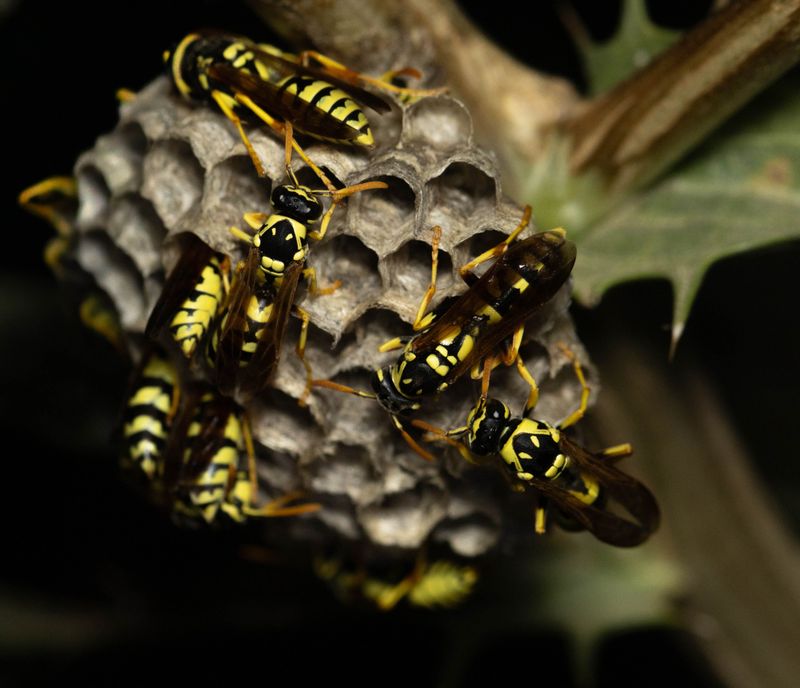
Late summer brings a dramatic shift inside the nest. The queen stops producing infertile worker eggs and starts laying eggs that will become males and new queens.
This reproductive push changes the entire social dynamic of the colony. Workers that once had clear roles now face a nest in transition.
New queens and males consume more resources than standard workers. The colony is essentially feeding a new generation while still maintaining the current one.
That added stress makes the existing workers more irritable and reactive. A nest under pressure is a nest that defends itself more aggressively.
Workers also lose their sense of coordinated purpose as the season winds down. Without larvae to tend, some become erratic foragers with fewer social boundaries.
Male yellow jackets, called drones, do not sting. But they do compete for food and space, adding to the general chaos near the nest entrance.
New queens will eventually leave the nest to mate and find overwintering spots. The original colony will not survive the coming winter, but the new queens will start fresh in spring.
This biological urgency explains the frantic energy you notice in August and September. The colony is working urgently to secure its next generation before winter arrives.
Recognizing this phase helps you understand the behavior is temporary. The frenzy peaks and then fades as cold weather arrives in Wisconsin.
Heat And Drought Heighten Territorial Behavior
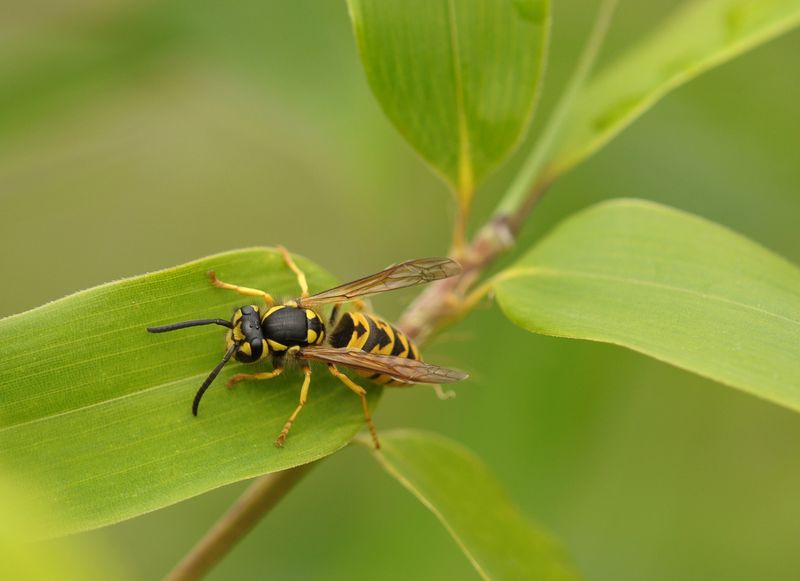
Hot, dry summers push yellow jackets to the edge. When temperatures spike and rainfall drops, their food and water sources shrink fast.
Stressed insects are defensive insects. A colony that is already working hard to survive becomes far less tolerant of anything moving near the nest.
Ground moisture affects nest stability in underground colonies. Dry soil can shift and crack, making the nest feel threatened even without a direct disturbance.
Workers respond by increasing perimeter patrols around the nest entrance. You might not even know the nest exists until you accidentally step too close.
Heat also speeds up insect metabolism, which means workers need more food more often. That urgency pushes foragers into human spaces they might otherwise avoid.
Drought years in Wisconsin tend to produce more yellow jacket conflicts. Fewer blooms, fewer insects, and less moisture all shrink the natural food supply simultaneously.
Water sources like birdbaths, leaky hoses, and pet bowls can actually attract workers searching for hydration. That is one more reason they show up in well-maintained yards.
Managing your yard during a dry spell means thinking beyond just food. Reducing standing water and keeping grass healthy can lower the appeal of your property.
Territorial behavior spikes when environmental pressure is highest. Knowing that connection helps you predict when your yard is most at risk.
Seal Garbage Cans And Food Containers Tightly

Your garbage can is one of the most reliable food sources yellow jackets will find in your yard. Sweet residue from juice cartons, meat scraps, and sugary wrappers send out scent signals all day long.
A loose or cracked lid is all it takes to invite a full scouting party. Once scouts find a reliable food source, they recruit others within minutes.
Locking lids are one of the most effective tools in your prevention plan. Lids that snap, clamp, or lock shut block scent from escaping and insects from entering.
Rinsing cans and bottles before tossing them makes a bigger difference than most people expect. Residue is the main attractant, not the container itself.
Outdoor recycling bins are often overlooked as yellow jacket magnets. Sticky soda cans and juice bottles sitting open in a bin are an easy target.
Placing bins in a shaded, enclosed area also reduces scent dispersal. Heat causes odors to spread farther, so cooler spots are naturally less attractive.
Double-bagging food waste adds another layer of odor control. That small extra step significantly reduces the scent trail leading to your property.
Cleaning the inside of garbage cans with soapy water every few weeks removes residue buildup. A clean can simply does not smell as interesting to a foraging scout.
Sealing food containers is one of the easiest Wisconsin yellow jacket prevention steps you can take. It costs nothing and starts working immediately.
Locate And Treat Underground Nests At Dusk
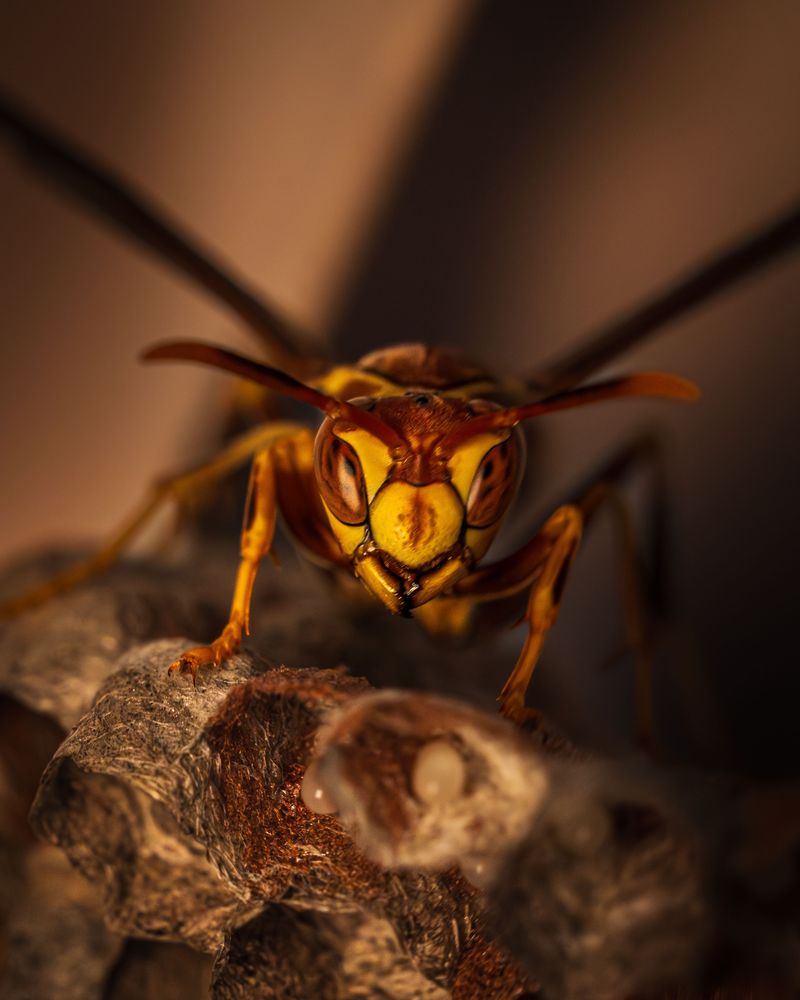
Timing is everything when you are dealing with an underground nest. Dusk is the golden window. Workers have returned for the night and activity is at its lowest.
Treating a nest in full daylight is likely to trigger an immediate defensive response. Thousands of alert workers will respond to any disturbance with immediate, coordinated defense.
First, locate the entrance hole carefully during the day without disturbing it. Mark the spot with a small flag or stone so you can find it again at dusk.
Wear protective clothing from head to toe before approaching. Long sleeves, gloves, a hat, and a face covering are non-negotiable for this task.
Insecticidal dust products designed for wasp and yellow jacket nests work well for ground colonies. Dust applied directly into the entrance hole coats workers as they pass through.
Apply the product and then move away quickly without lingering. Do not shine a bright flashlight directly at the entrance, as light can trigger defensive behavior.
Repeat the treatment the following evening if activity continues. Some larger nests require two or three applications before the colony collapses.
Never pour flammable liquids into a nest or seal the entrance immediately after treatment. Both approaches are dangerous and often ineffective.
If the nest is near a high-traffic area or you are unsure of its full size, a licensed pest control professional is the safest option. Your safety matters more than saving a few dollars.
Set Traps Away From Seating Areas Early In The Season
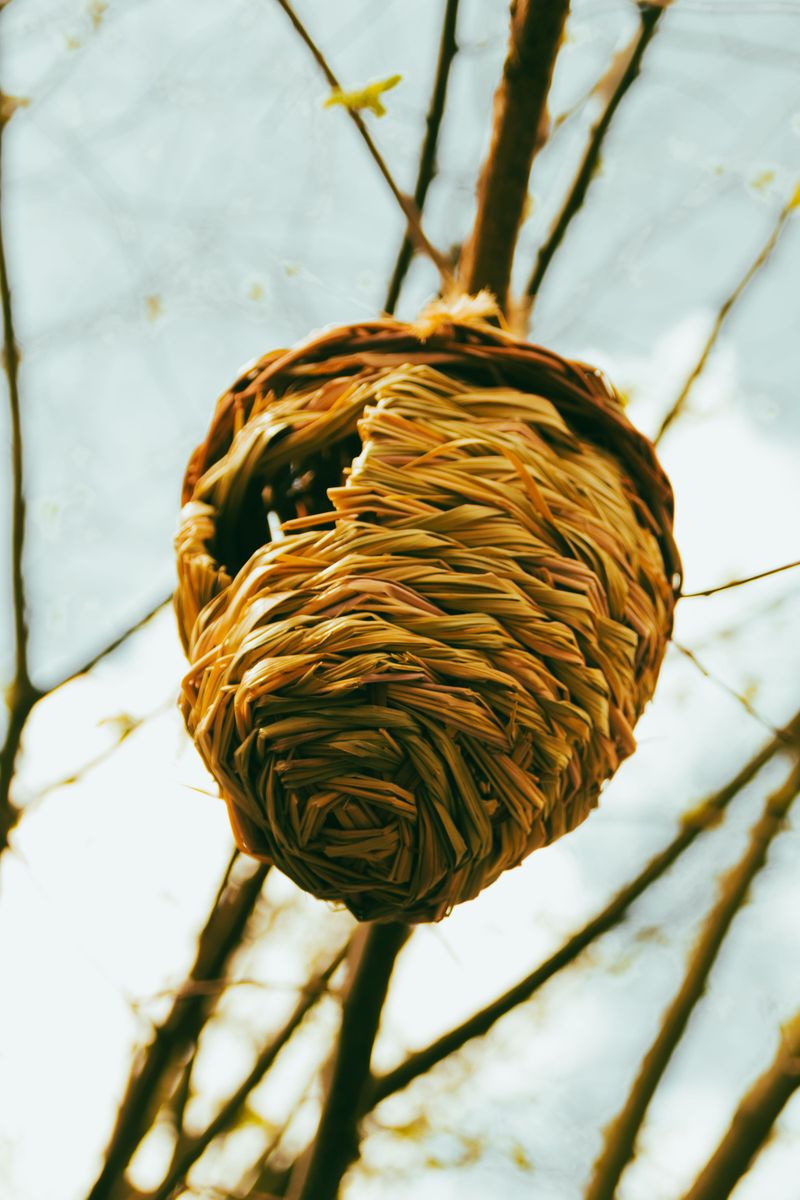
Commercial yellow jacket traps work by luring scouts with protein or sweet bait and preventing them from returning to recruit nestmates.
The logic is simple: fewer scouts reporting back means fewer workers showing up at your cookout. Placement matters more than the trap itself.
Position them at least 20 feet away from where people sit and eat. Putting a trap too close to a seating area draws more yellow jackets toward you, which defeats the purpose entirely.
Set traps in late July, before colony populations peak. At that point the nest is still growing and every scout lost makes a measurable difference.
By August the colony is large enough that trapping alone will not solve the problem, but it can reduce the pressure around outdoor spaces noticeably. Empty and refresh traps every few days, especially in hot weather.
Bait degrades fast and a trap that has stopped working still sits there doing nothing. Most hardware stores carry replacement attractants designed for late-season sugar-seeking workers.
Traps will not eliminate a nearby colony, but they reliably reduce the number of workers that find their way to your yard.
Combined with food control and sealed garbage, they are one of the more practical tools available to Wisconsin homeowners.
Remove Fallen Fruit And Food Spills Promptly
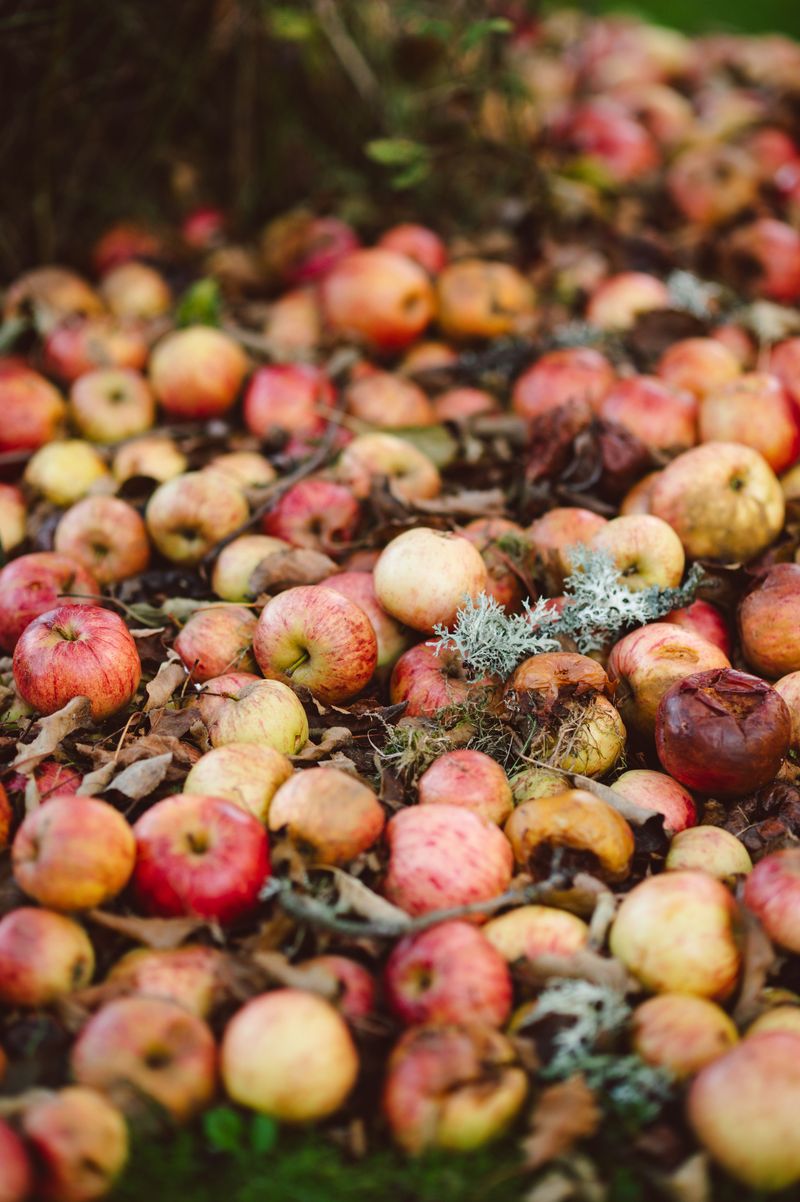
A single rotting apple on the ground can attract a dozen workers within an hour. Fallen fruit is one of the most underestimated attractants in any Wisconsin yard.
Fruit begins fermenting quickly in late summer heat, releasing a sweet, yeasty odor. That smell travels far and signals a high-value food source to any nearby scout.
Apple trees, pear trees, and crabapples are the biggest offenders in Midwest yards. Checking beneath them daily during August and September makes a real difference.
Collect fallen fruit in a sealed bag and place it in a closed bin away from the house. Leaving it in an open compost pile defeats the purpose entirely.
Food spills from outdoor meals deserve the same fast attention. A drip of barbecue sauce or a splash of fruit punch on the deck can anchor workers to that spot for hours.
Wipe down outdoor tables and surfaces right after eating rather than waiting until later. The longer a spill sits, the more workers it recruits from the surrounding area.
Pet food left outside is another common oversight. Wet food especially breaks down fast and sends out strong protein signals that attract foraging workers.
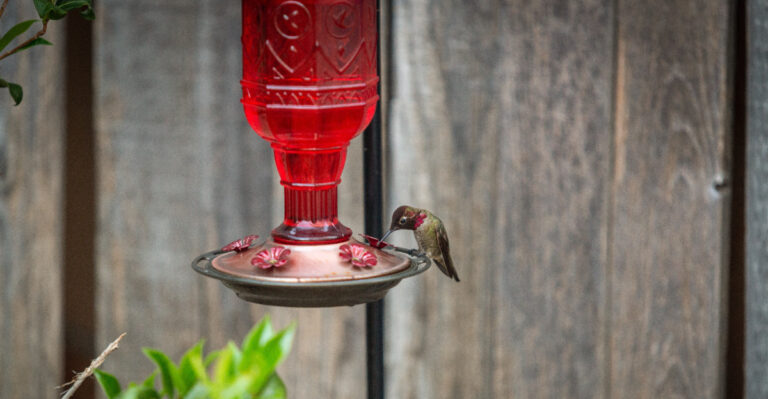
Bird feeders filled with sweet nectar or overripe fruit can also draw yellow jackets in large numbers. Switching to seed-only feeders during peak season is a simple swap.
Staying ahead of fallen fruit and food messes is one of the most reliable ways to manage Wisconsin yellow jackets around your home all season long.