Why Your Wisconsin Lawn Is Browning In June And How To Save It Now
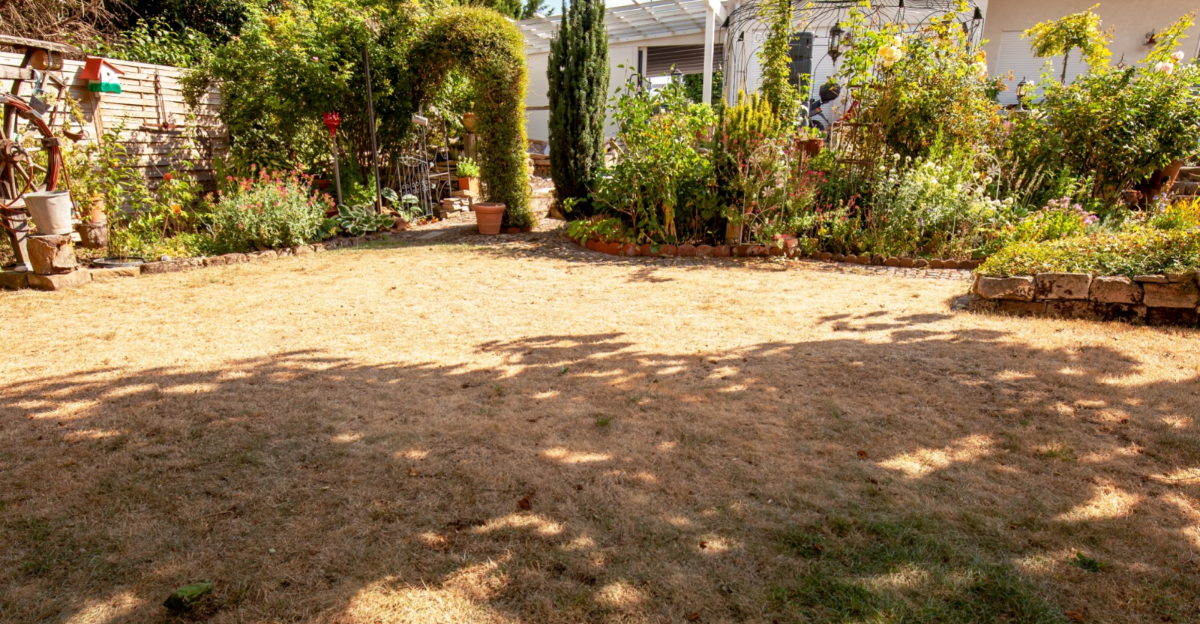
I watched my lawn fade from the porch, helpless. One week it was green. The next, a blotch of straw-brown the size of a parking spot had taken hold. Then two patches.
Then five. Wisconsin summers don’t forgive slow decisions. The heat arrives fast and the trouble compounds quickly.
Most homeowners spend weeks treating the wrong problem: fungicide on a drought patch, water on a grub zone.
What exactly is your lawn trying to tell you right now? Brown patches in June hide behind a cast of quiet culprits.
It could be fungal invasions, underground grub colonies, soil so packed it cannot breathe, or roots quietly roasting beneath the surface.
Each one wears the same disguise from ten feet away, yet each one calls for a completely different fix.
Wisconsin lawns bounce back fast, but only once you know what you’re up against. Scroll down and let’s find yours.
Your Lawn Is Thirsty And Showing It
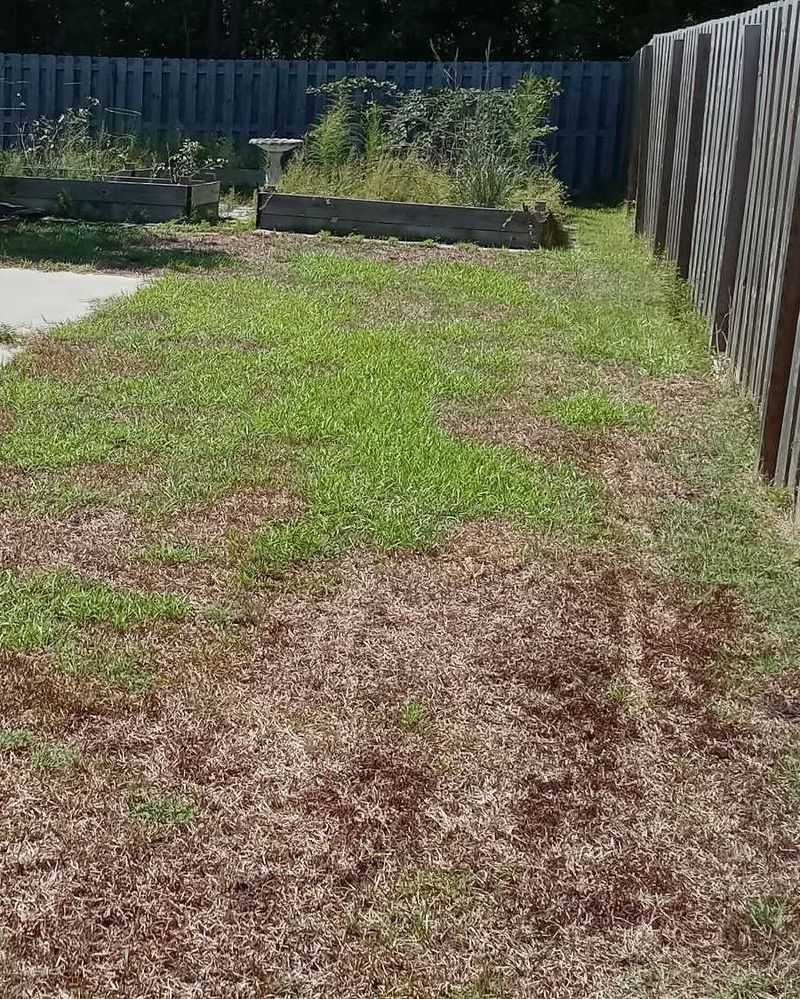
Cracked soil, curled blades, and a faded color are all classic signs of drought stress. Your grass is showing clear stress signals, and it needs water soon.
June in the Midwest can flip from rainy to bone-dry fast. Lawns need about one inch of water per week to stay green and healthy.
When rainfall drops below that, cool-season grasses like Kentucky bluegrass start turning brown. They are not gone, just stressed and struggling.
Footprints that stay pressed into the lawn are a clear giveaway for drought stress. If you walk across the yard and the grass does not spring back, it is dehydrated.
The fix is simple but must be done right. Water deeply and less often, rather than a little bit every single day.
Light watering only wets the surface and trains roots to stay shallow. Deep watering pushes moisture down where roots can actually reach it.
Drought stress is one of the most common reasons a Wisconsin lawn browns in June. Catching it early gives your turf the best shot at bouncing back strong.
Brown Does Not Always Mean Gone
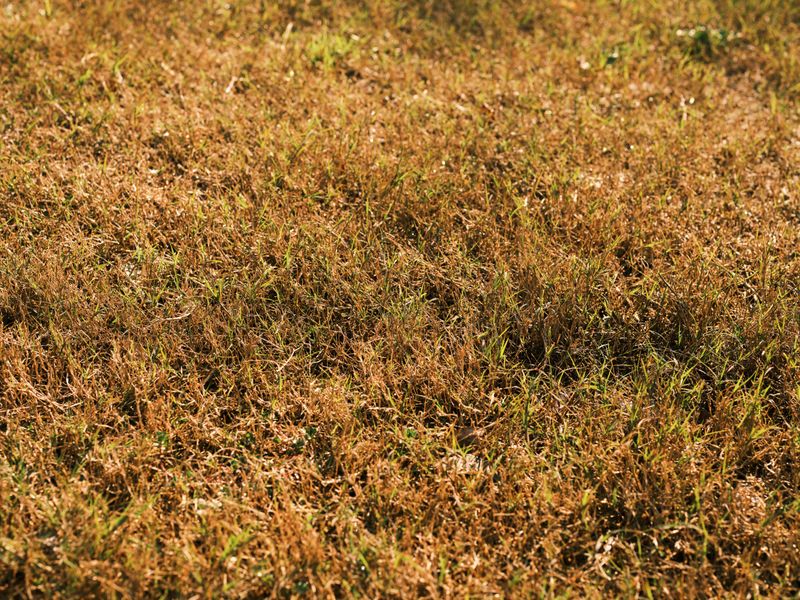
Here is something surprising: your grass might be brown on purpose. Cool-season turf grasses go dormant in extreme heat as a survival strategy.
Dormancy is basically your lawn hitting the pause button. Growth stops, color fades, but the roots stay alive underground waiting for better conditions.
Kentucky bluegrass is especially known for this behavior. It can survive four to six weeks of dormancy without permanent damage.
The tricky part is that dormant grass looks almost identical to brown grass. Pulling a handful of blades and checking the crown near the soil can help you tell the difference.
If the crown is firm and white or yellowish, the plant is alive. If it is mushy or dark brown all the way through, that section may be lost.
Do not heavily water dormant grass trying to force it back to life. That can trigger fungal problems and set the lawn back further.
A light quarter to half-inch every two weeks is enough to keep roots viable until conditions improve.
Your Wisconsin Garden Changes Every Week. Your Plan Should Too.
Gardening in Wisconsin changes quickly throughout the season. Every Friday you’ll receive a simple weekly plan showing exactly what to plant, prune, fertilize, harvest, and protect so you never miss the right timing.
Let nature do its thing when possible. Once temperatures cool and rain returns, dormant turf often greens back up on its own with almost no help from you.
Underground Activity Is Turning Your Lawn Brown
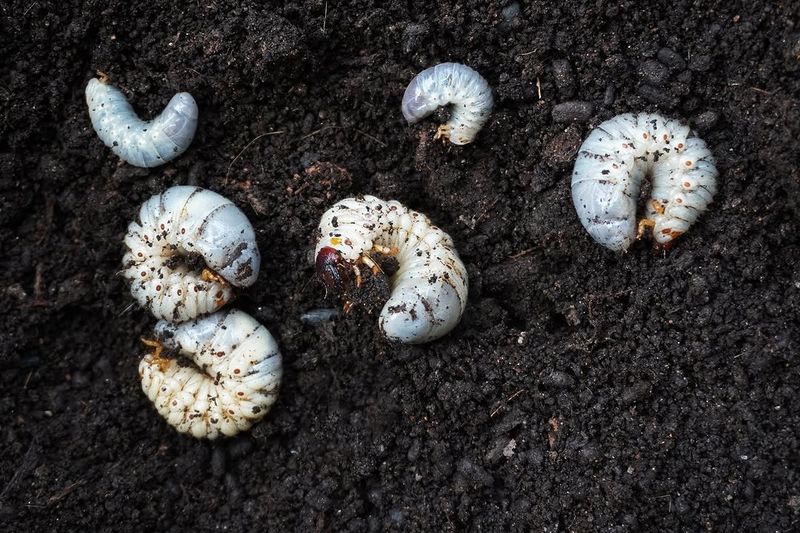
Sometimes the problem is not what you can see, it is what is eating your lawn from below. White grubs are the larvae of beetles like Japanese beetles and June bugs.
They feed on grass roots through late spring and into summer. Once enough roots are chewed through, the turf loses its anchor and starts to brown in patches.
A telltale sign of grub damage is turf that peels back like a loose carpet. If you can roll the brown grass up and see C-shaped white larvae underneath, grubs are your culprit.
Birds, skunks, and raccoons digging up your yard are also strong hints. They are hunting the grubs and making a mess in the process.
Grub damage often looks similar to drought stress at first glance. The key difference is that drought-stressed grass resists when you try to pull it up.
Grub-damaged turf comes right up with almost no effort. That simple tug test can save you from treating the wrong problem entirely.
Acting fast matters here because grub populations grow quickly. Treatment options are most effective when applied before the larvae get too large and deep.
Stop Mowing Your Grass Too Low
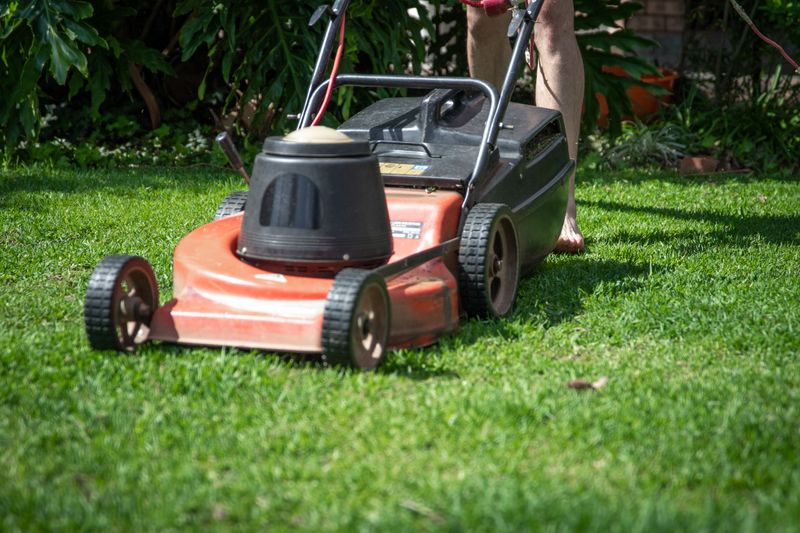
Cutting grass too short is one of the fastest ways to turn a green lawn brown. In Wisconsin, where summer heat can arrive without much warning, mowing too low puts your turf under immediate stress in multiple ways at once.
When you remove too much of the blade, the grass loses its ability to photosynthesize efficiently. Less leaf surface means less energy produced, which slows root growth and weakens the plant.
Short grass also exposes the soil directly to the sun. That bare soil heats up fast, dries out even faster, and creates the perfect conditions for browning.
Most homeowners cut their lawn too short because they want to mow less often. Ironically, a shorter cut causes more problems that require more work to fix later.
The one-third rule is a good guideline to follow every single time you mow. Never remove more than one-third of the blade length in a single mowing session.
Wisconsin turf responds well to this approach, especially through the hottest stretches of summer.
A closely cropped lawn is also far more open to weeds moving in. Bare, stressed soil is prime real estate for crabgrass and other unwanted plants.
Raising the mowing height is one of the easiest adjustments available to you. A taller blade shades the soil, holds moisture, and keeps your Wisconsin lawn looking full and healthy all summer long.
Chinch Bugs And Sod Webworms Act Fast
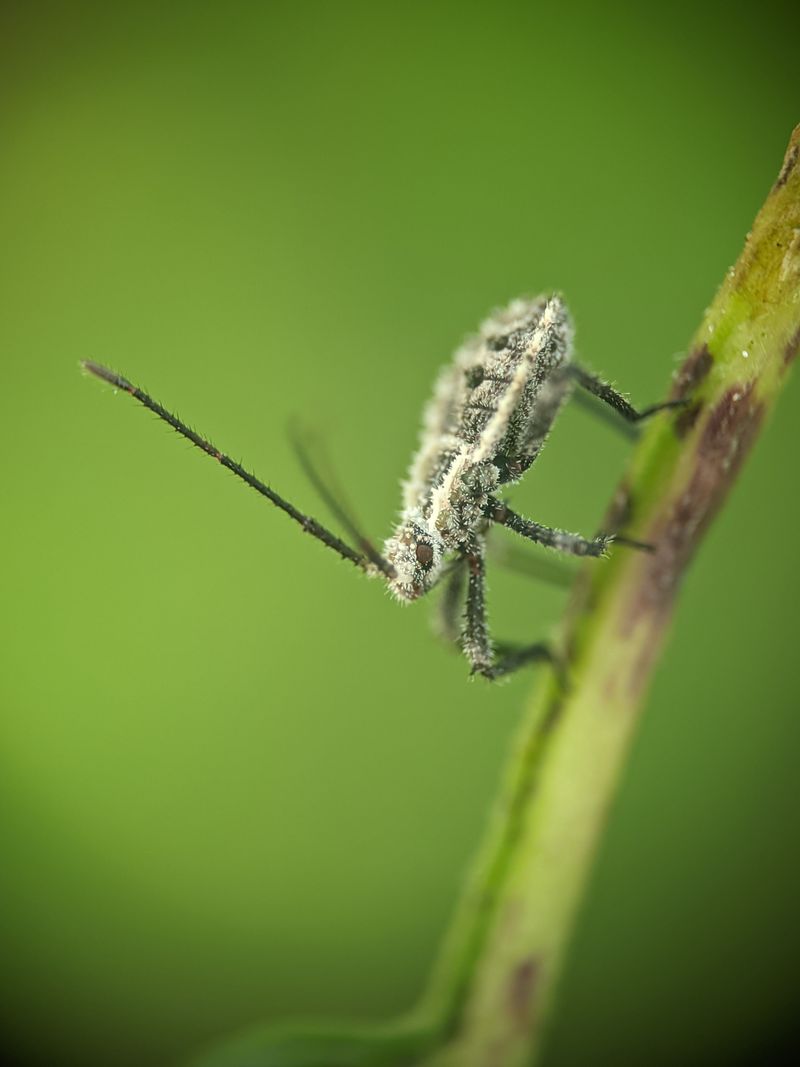
Not all lawn pests live underground. Chinch bugs and sod webworms do their damage right at the surface, and they can spread fast in hot, dry conditions.
Chinch bugs pierce grass blades and suck out the moisture, leaving yellow and brown patches behind. They love sunny, dry areas and tend to start damage along driveways and sidewalks.
Sod webworms are the larvae of small lawn moths. They chew grass blades off at the soil surface, creating ragged brown patches that look like the lawn was mowed unevenly.
A simple test for chinch bugs involves pushing a coffee can with both ends removed into the soil near a brown patch. Fill it with water and watch for tiny bugs floating up.
For sod webworms, look for small tan moths flying low over the grass at dusk. Their presence usually means larvae are active just below the surface.
Both pests thrive in stressed, drought-weakened turf. Keeping your lawn healthy and properly watered is actually one of the best defenses against both insects.
Catching these bugs early limits how much turf you lose. Spot treatment with appropriate products can stop the spread before it becomes a full-lawn situation.
The Smart Watering Method
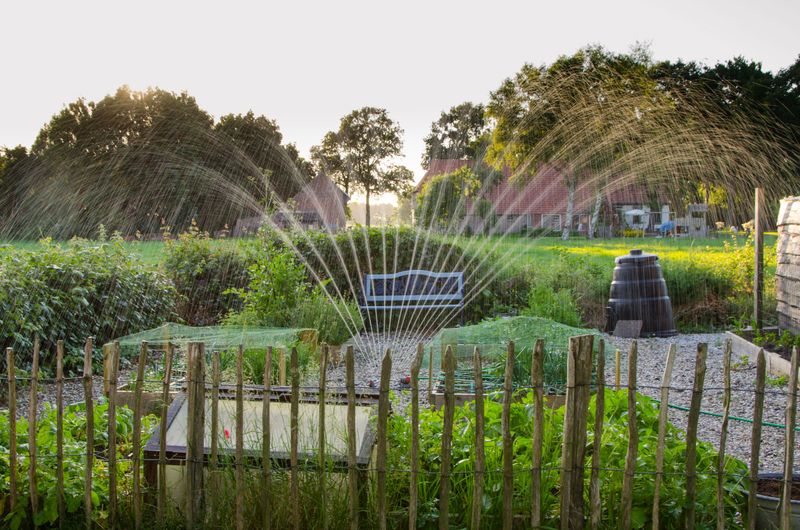
Watering every day feels responsible, but it is actually training your lawn to be weak. Short, frequent watering keeps roots near the surface where heat and drought can easily reach them.
Deep, infrequent watering encourages roots to grow down into cooler, moister soil. That deeper root system makes grass far more resistant to summer stress and browning.
The goal is to apply about one inch of water per session, roughly two to three times a week. That schedule gives soil time to dry slightly between cycles, which promotes healthier root growth.
Place an empty tuna can on the lawn while you water to measure output. When the can is full, you have hit approximately one inch of water.
Morning is the best time to run sprinklers or soaker systems. Watering in the evening leaves moisture on blades overnight, which can lead to fungal disease.
Midday watering wastes water through evaporation before it ever soaks in. Early morning gives water time to reach the roots before the sun gets strong.
For lawns browning from drought stress, switching to this method can produce visible improvement within one to two weeks, provided no other issues are at play.
The roots respond quickly when they finally get what they need.
Water Early, Stay Ahead
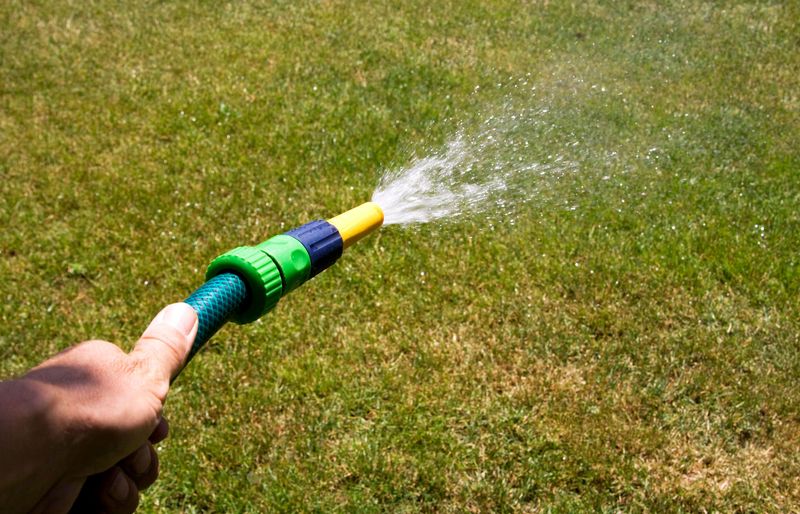
Waiting until your lawn turns brown to start watering is like waiting until you are sick to start eating healthy. Prevention is always easier than recovery.
Grass shows stress before it turns brown. Watch for a blue-gray tint to the blades or footprints that linger longer than normal after you walk across the yard.
Those are early warning signs that moisture is running low. Acting at that stage can prevent browning from happening at all.
Setting up a consistent watering schedule in late May or early June puts your lawn ahead of summer stress. Do not wait for a heat wave to remind you.
A simple rain gauge in the yard takes the guesswork out of the process. If rainfall does not hit one inch that week, you make up the difference with irrigation.
Smart irrigation controllers can now adjust watering schedules based on local weather data. They skip cycles after rain and add water during dry stretches automatically.
Proactive watering saves both time and money compared to trying to rescue a badly browned lawn. A few minutes of planning in early June can mean a green yard all summer long.
Do Not Wait For Brown Patches To Appear
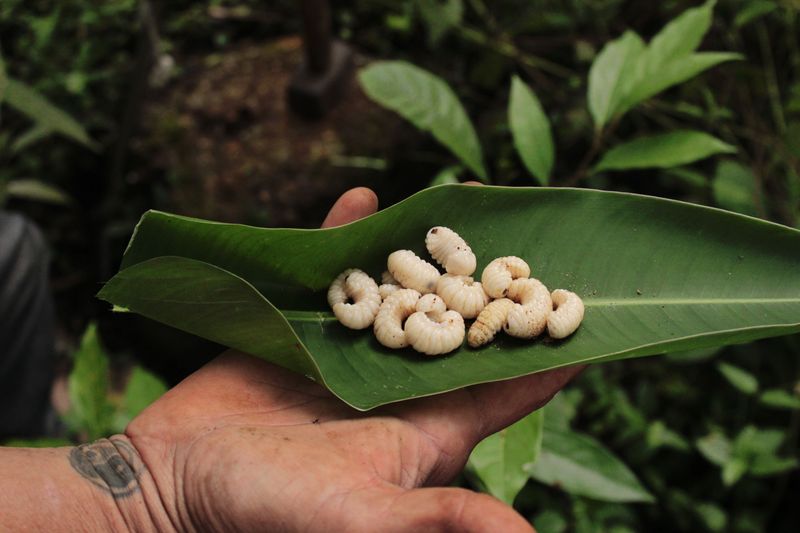
June is the sweet spot for grub control applications. Beetle eggs are hatching now, and the young larvae are small enough for treatments to work most effectively.
Once grubs grow larger and burrow deeper into the soil, many control products lose their effectiveness. Timing your application in June gives you the upper hand before serious damage starts.
Preventive grub control products work by creating a treated zone in the soil. When eggs hatch and larvae begin feeding, they contact the product and populations are reduced quickly.
Look for products containing imidacloprid or chlorantraniliprole as the active ingredient. Both are widely available at hardware and garden centers across the Midwest, though availability may vary by retailer and season.
If you already see signs of grub activity, ask your local garden center about curative treatment options currently registered for use in Wisconsin.
Curative options work faster but have a shorter effective window, so act as soon as you spot activity.
Staying ahead of grub populations is one of the smartest investments you can make for your Wisconsin lawn browning prevention plan this season.
Raise Mowing Height To 3.5 Inches
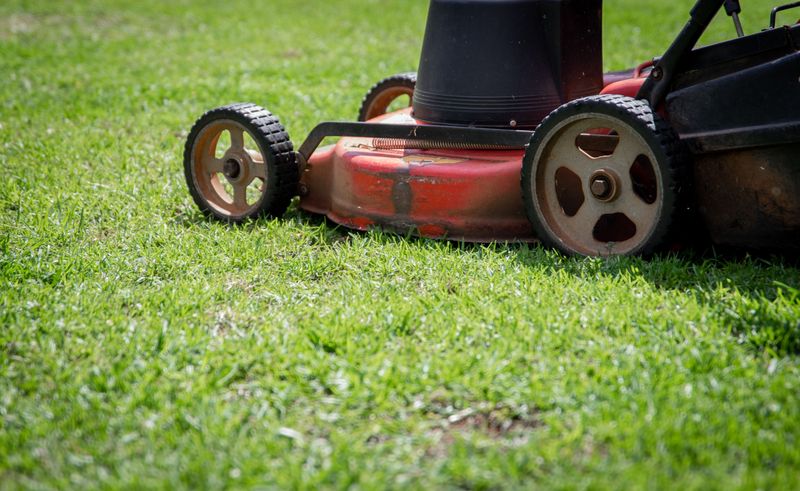
Three and a half inches might sound tall, but your grass will thank you for it all summer long. Taller turf shades the soil beneath it, keeping moisture locked in and soil temperatures lower.
Cool-season grasses like fescue and bluegrass perform best when kept at that height during summer heat. Cutting them shorter removes the natural insulation they create for their own root zone.
Adjusting your mower deck is usually a simple lever or dial change that takes about thirty seconds. That small adjustment has an outsized impact on how your lawn handles heat and drought.
Taller grass also out-competes weeds more effectively. Dense, tall blades block sunlight from reaching the soil surface, making it harder for weed seeds to germinate.
Some homeowners drop the mowing height in fall to prep for winter, which is fine. But during June through August, keeping it higher is one of the best free tools you have.
Sharp mower blades matter just as much as cutting height. Dull blades tear grass instead of cutting it cleanly, leaving ragged edges that brown quickly in heat.
Combining a raised deck height with sharp blades and proper watering creates the strongest possible defense for your lawn this summer.
How To Tell If Your Lawn Is Sleeping Or Spent
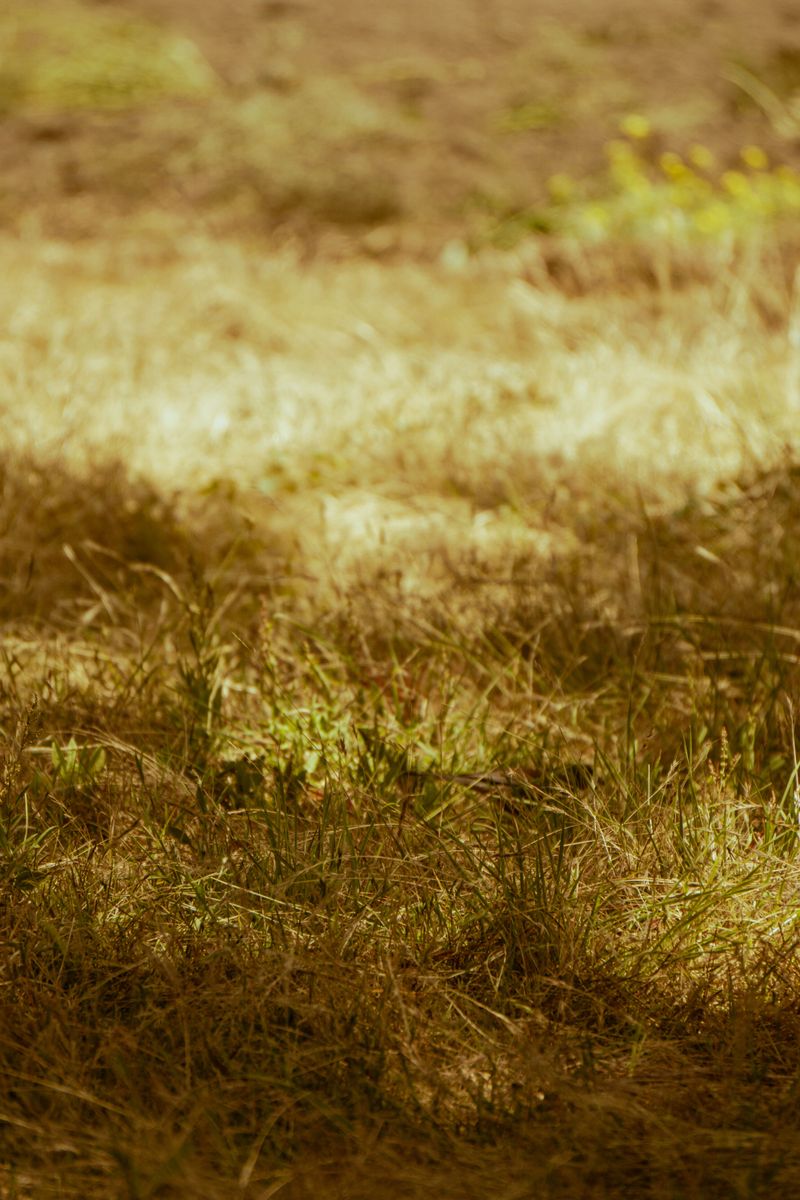
Before spending money on seed, fertilizer, or treatments, you need to know if your lawn is sleeping or actually gone. The difference changes everything about your next move.
Pull a handful of brown grass from a damaged area and look closely at the crown, which is the white base just above the roots. A firm, pale crown means the plant is dormant and alive.
A soft, dark, or rotted crown means that section has crossed the point of no return. Knowing this early saves you from wasting effort on turf that cannot recover.
Dormant turf often recovers on its own once temperatures drop and rain returns in late summer or fall. Patience is sometimes the best strategy when dealing with widespread dormancy.
For areas that are truly gone, late August through September is the best time to overseed in the Midwest. Trying to reseed in peak summer heat usually leads to failure.
Soil temperature needs to be between 50 and 65 degrees for grass seed to germinate successfully. Summer soil is often too hot for new seed to take hold properly.
Understanding your lawn browning situation fully puts you in control of real solutions, not just guesses.