Burning Bush Is No Longer Welcome In Maine, Here Are 8 Alternatives For Your Yard
Maine just made it official. Burning bush, the shrub that lights up suburban yards every October in a blaze of neon red, is now restricted in the state.
The reason is simple: Euonymus alatus does not stay in your yard.
Birds eat the berries and drop seeds into nearby forests, where burning bush takes over and displaces native plants. What looks like a landscaping win is quietly doing damage where you cannot see it.
The ban covers sale and distribution, so if you are planning a new planting, burning bush is off the table. But here is the thing, you are not losing much.
Maine has no shortage of native shrubs that turn heads in fall without turning forests into monocultures. These eight alternatives bring serious color, wildlife value, and year-round interest to any yard.
1. Black Chokeberry (Aronia Melanocarpa)
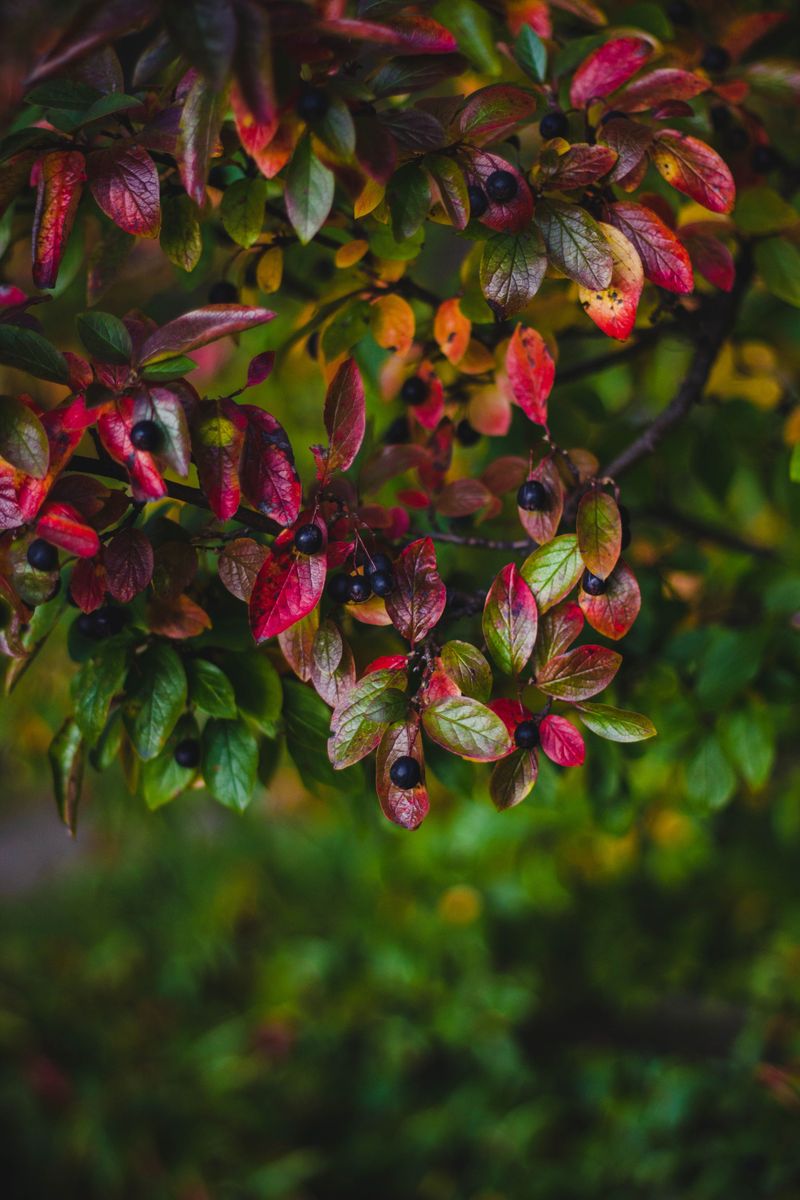
Nobody talks about Black Chokeberry enough, and that is honestly a crime against gardening. This tough, adaptable shrub puts on a full four-season show that rivals anything in your yard.
It also happens to be one of the easiest native shrubs to source from Maine nurseries, which makes the switch from burning bush genuinely painless.
Spring brings clusters of white flowers that attract pollinators by the dozen. Summer follows with glossy green leaves and developing dark berries that birds absolutely adore.
Come fall, the foliage shifts to a deep, blazing red that stops people in their tracks. The color rivals burning bush without any of the invasive baggage.
Aronia melanocarpa thrives in wet or dry soil, full sun or partial shade. It is genuinely one of the most forgiving native shrubs you can plant in the Northeast.
Mature plants reach about three to five feet tall and wide, making them ideal for borders or rain gardens. They spread slowly by suckering, forming tidy colonies over time.
The berries are also edible, packed with antioxidants, and popular in jams and juices. Local wildlife, especially cedar waxwings and robins, will thank you for planting this one.
Black Chokeberry is cold-hardy, pest-resistant, and low-maintenance once established. If you want one plant that does everything, this is your answer.
2. American Cranberry Bush (Viburnum Opulus Var. Americanum)
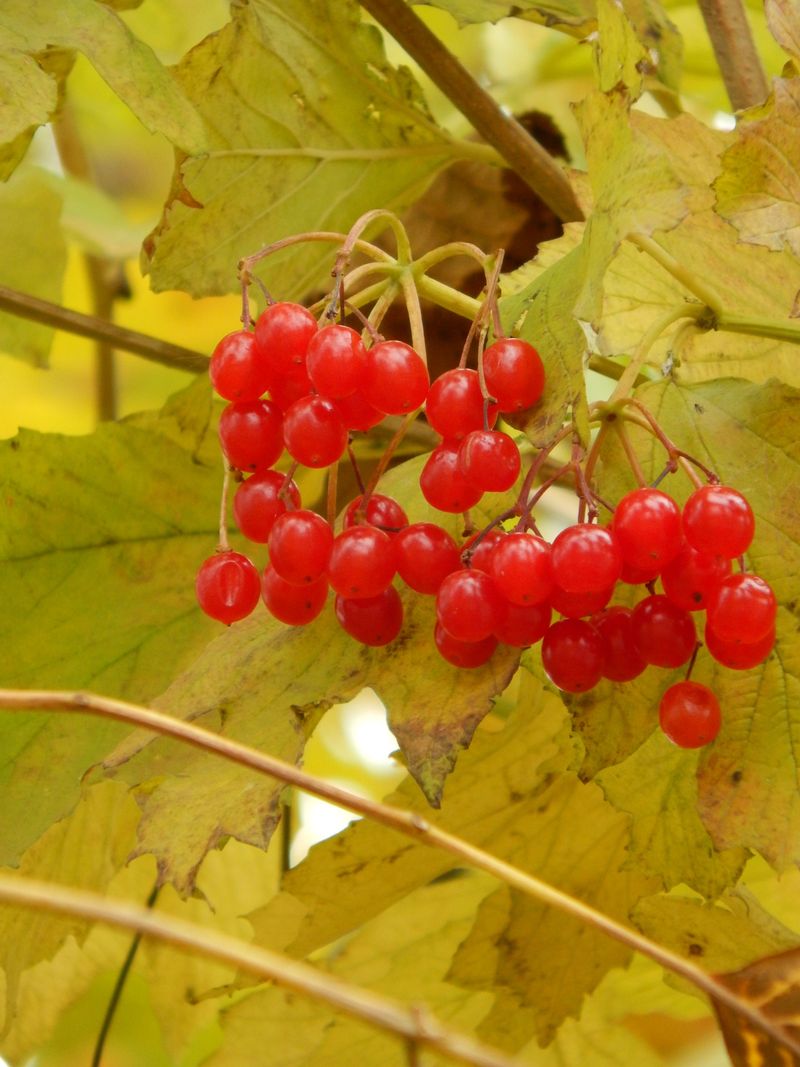
Picture this: a shrub covered in jewel-red berry clusters glowing in October light. That is the American Cranberry Bush, and it is every bit as gorgeous as it sounds.
Viburnum opulus var. americanum is a true North American native that belongs here. Unlike its European cousin, this variety plays nicely with local ecosystems and does not escape into the wild.
White, lacy flower clusters appear in late spring, drawing in native bees and butterflies. The blooms have a pleasant, mild fragrance that drifts through the yard on warm afternoons.
By late summer, the berries ripen to a vivid scarlet red and hang on through winter. Birds like cedar waxwings and ruffed grouse treat them like a seasonal buffet.
Fall foliage ranges from yellow to orange to deep red, depending on sun exposure. Few shrubs can match this kind of multi-season payoff in a single planting.
Your Maine Garden Changes Every Week. Your Plan Should Too.
Gardening in Maine changes quickly throughout the season. Every Friday you’ll receive a simple weekly plan showing exactly what to plant, prune, fertilize, harvest, and protect so you never miss the right timing.
The American Cranberry Bush is also one of the few shrubs that looks just as good in January as it does in October. Those scarlet berry clusters against a backdrop of snow are something else entirely.
This shrub grows six to twelve feet tall, making it excellent for privacy screens or naturalized areas. It prefers moist, well-drained soil and does well in full sun to partial shade.
Gardeners in Maine will appreciate its cold-hardiness down to Zone 2. Plant it where you want structure, wildlife value, and serious autumn color all in one spot.
3. Lowbush Blueberry (Vaccinium Angustifolium)
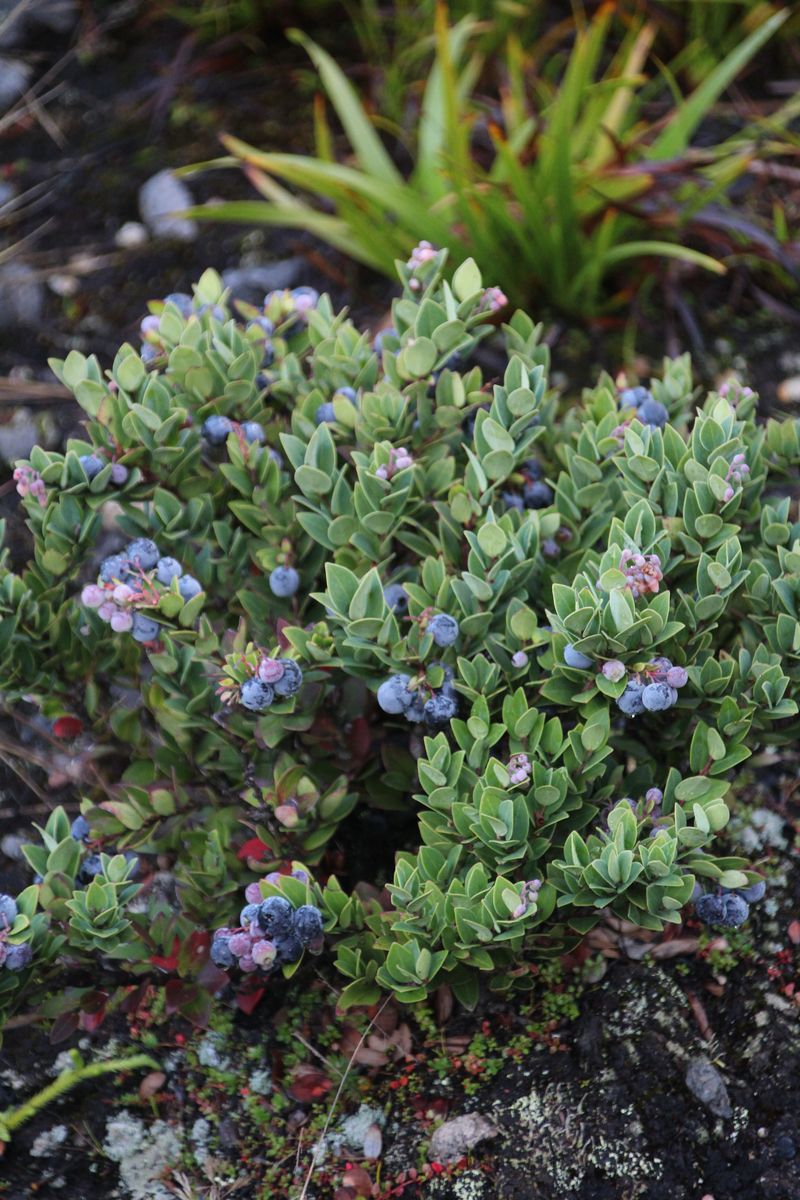
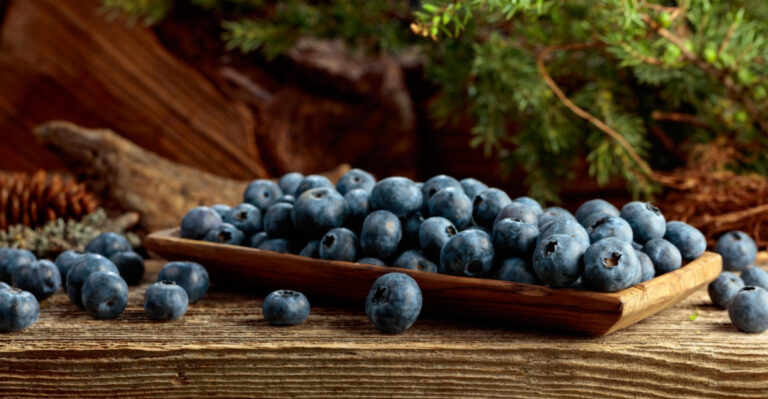
Maine and blueberries go together like lobster and butter, so planting Lowbush Blueberry in your yard just makes sense. Vaccinium angustifolium is not just a fruit plant; it is a full-blown landscape star.
This low-growing native shrub stays under two feet tall, making it perfect for ground cover, slopes, or rock gardens. The fine-textured foliage creates a dense, weed-suppressing mat that looks polished all season long.
Spring brings tiny, bell-shaped white flowers that native bees find irresistible. Those blooms turn into sweet, wild blueberries by midsummer, which both people and wildlife eagerly compete for.
The real showstopper arrives in fall, when the leaves turn a fiery scarlet red. Entire hillsides of this plant look like they are lit from within during peak color season.
If you have ever driven through rural Maine in October and wondered what that carpet of red covering the hillsides was, now you know. You can bring that same wild, effortless beauty into your own yard.
Lowbush Blueberry prefers acidic, sandy, or rocky soil with good drainage. It tolerates drought once established and actually thrives in the lean, tough soils that many other plants reject.
Plant it in full sun for the best berry production and brightest fall color. Partial shade works fine, but expect fewer berries and slightly muted autumn tones.
This species is native to Maine and perfectly adapted to the local climate. It supports dozens of native bee species and provides critical food for migratory birds each fall.
4. Black Huckleberry (Gaylussacia Baccata)
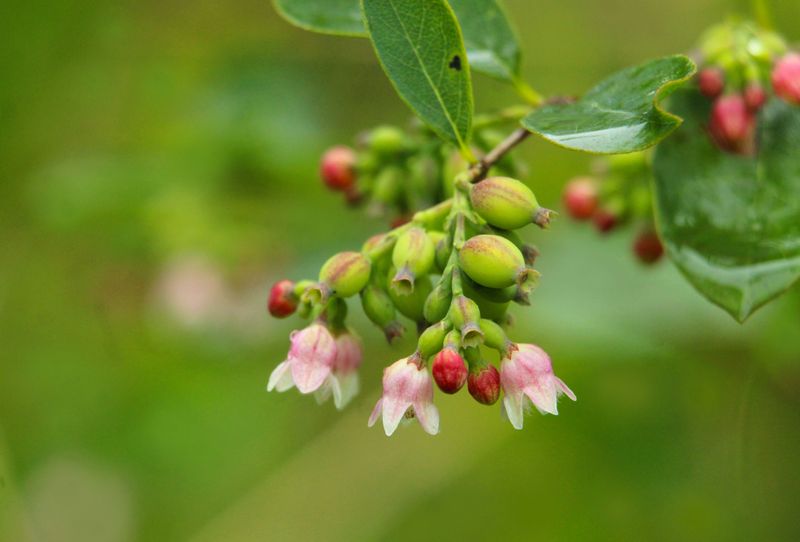
Image Credit: © Gosia K / Pexels
Underdog of the native shrub world, Black Huckleberry deserves a front-row spot in your yard. Gaylussacia baccata is tough, beautiful, and loaded with ecological value that most people completely overlook.
Growing one to three feet tall, it fits naturally into woodland edges, rock gardens, and naturalized slopes. The plant spreads slowly by rhizomes, forming loose colonies that stabilize soil and suppress weeds over time.
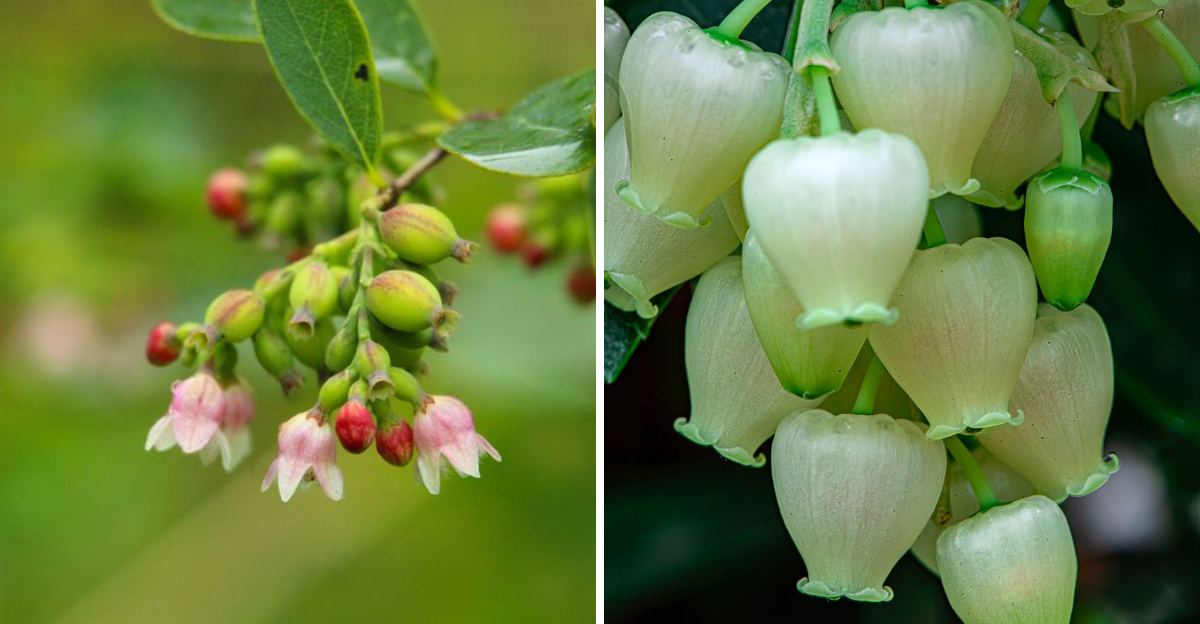
Small, urn-shaped pink to red flowers appear in May, making the shrub a quiet powerhouse for pollinators.
By late July, the berries ripen to a deep, shiny black and carry a rich, earthy sweetness. Bears, foxes, turkeys, and songbirds all compete for the fruit, which tells you something about its quality.
Fall color arrives in shades of orange, red, and burgundy, creating a warm, layered look across the landscape. The display is subtle compared to some shrubs, but it has an honest, wild beauty that feels deeply satisfying.
Black Huckleberry grows best in acidic, well-drained soil and handles drought conditions with ease. It prefers full sun to partial shade and truly thrives in the rocky, acidic soils common across Maine.
Once established, this shrub needs almost no care at all. Plant it and let the ecosystem do the rest.
5. Virginia Sweetspire (Itea Virginica)
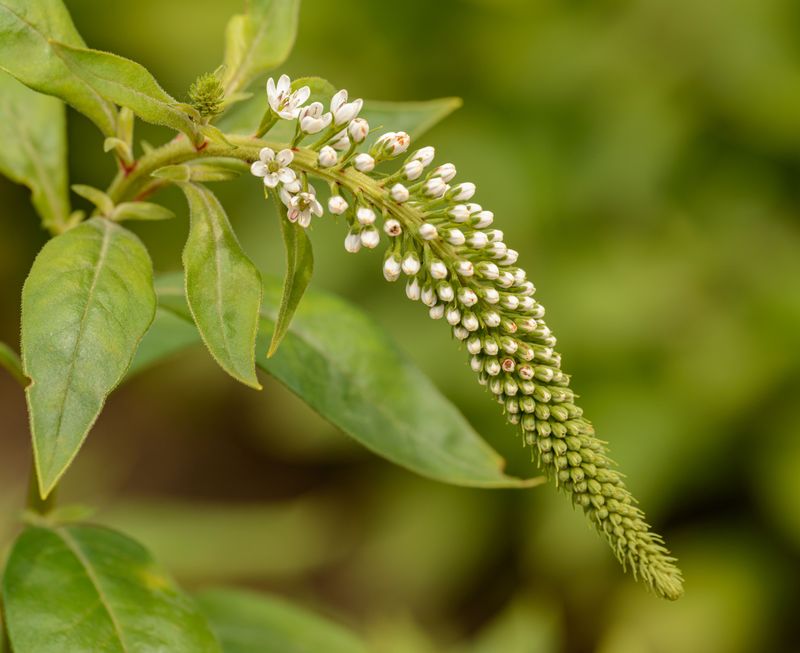
Virginia Sweetspire is the shrub that makes your nose happy before your eyes even catch up. Itea virginica produces long, arching spikes of white flowers in early summer that smell faintly sweet and last for weeks.
The fragrance draws in butterflies, bees, and beneficial insects without any effort on your part. Planting one near a patio or walkway means you get to enjoy the scent every time you step outside.
Fall color on this shrub is genuinely spectacular, cycling through yellow, orange, red, and deep burgundy. What makes it especially impressive is that the leaves hold their color well into November, long after most shrubs have gone bare.
Virginia Sweetspire grows three to five feet tall and wide, with graceful, arching branches that give it a relaxed, natural look. It fits easily into mixed borders, rain gardens, or low spots where other shrubs struggle.
One of its best traits is flexibility in tough growing conditions. It handles wet soil, clay, drought, and deep shade better than almost any other flowering native shrub available.
Deer tend to leave it alone, which is a huge bonus for Maine gardeners dealing with heavy browse pressure. The plant also resists most pests and diseases, keeping maintenance extremely low.
Cold-hardy to Zone 5, it performs well in southern Maine but may struggle in the state’s colder northern regions.
6. Dwarf Fothergilla (Fothergilla Gardenii)
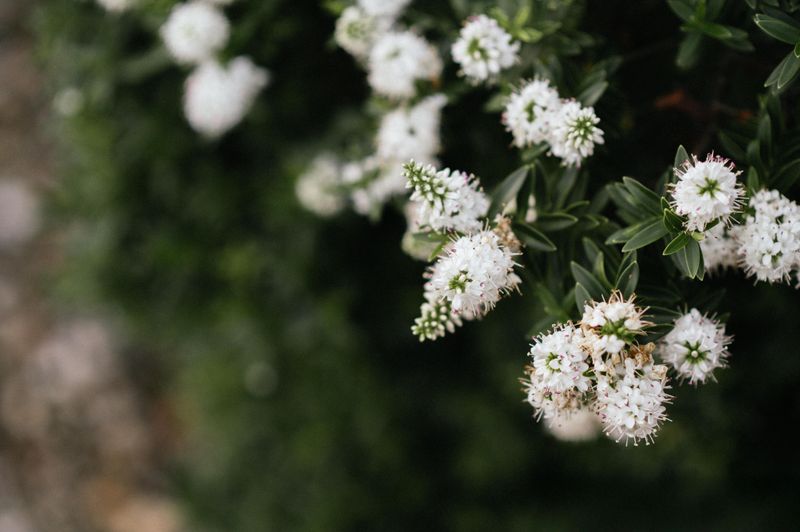
Compact, fragrant, and absolutely electric in autumn, Dwarf Fothergilla is the kind of plant that makes experienced gardeners stop mid-sentence. Fothergilla gardenii earns admiration in every single season it grows through.
Spring arrives with creamy white, bottlebrush-style flowers that carry a soft honey scent. They appear before the leaves fully open, so nothing blocks the display, giving the plant a clean, striking early-season look.
Summer foliage is a rich blue-green that pairs beautifully with almost anything planted nearby. The rounded, textured leaves have a quiet elegance that holds the garden together during the busy growing months.
Then fall happens, and Dwarf Fothergilla goes absolutely wild with color. A single plant can display yellow, orange, scarlet, and deep purple all at the same time, sometimes on the same branch.
This shrub stays compact at two to three feet tall and wide, making it ideal for small yards or front borders. It layers beautifully with taller native shrubs and creates a tiered look without crowding anything out.
Fothergilla gardenii grows best in acidic, moist, well-drained soil with full sun to partial shade. Sandy or loamy soils work especially well, and the plant handles the acidic conditions common across Maine naturally.
Deer rarely bother it, and serious pest problems are almost unheard of. This is the shrub that delivers maximum reward for minimal fuss, season after season.
7. Redvein Enkianthus (Enkianthus Campanulatus)
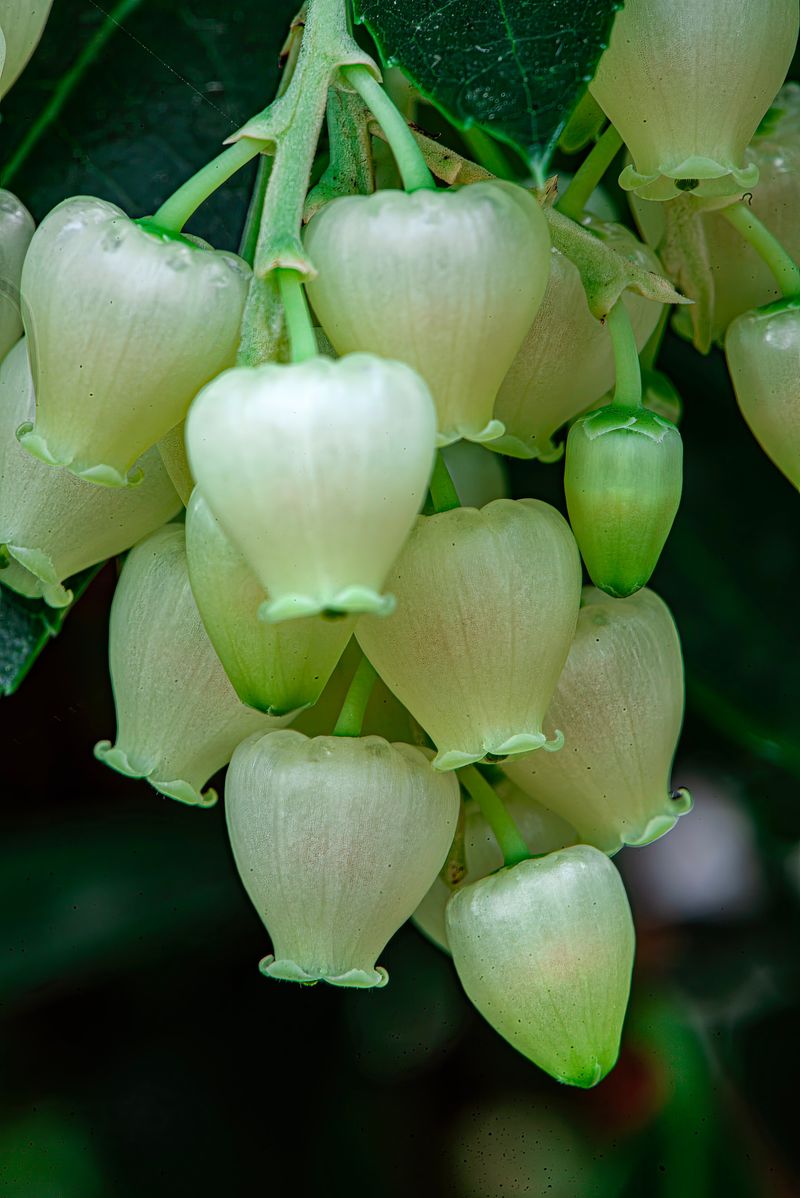
Image Credit: © @coldbeer / Pexels
Not every shrub gets to be both architecturally interesting and gorgeous in autumn, but Redvein Enkianthus pulls it off effortlessly. Enkianthus campanulatus is the kind of plant that makes your yard look like it belongs in a design magazine.
The structure alone is worth the planting. Branches grow in distinct horizontal tiers, creating a layered silhouette that looks intentional and sculptural even in winter.
Spring brings clusters of small, creamy bell-shaped flowers veined with red or pink. They dangle in groups like tiny chandeliers, and the detail up close is genuinely impressive for a plant most people have never heard of.
Fall color is where Enkianthus truly earns its reputation. The foliage ignites in shades of orange, red, and yellow that rival any Japanese maple on the block.
Growing six to ten feet tall over many years, it works well as a specimen plant or background anchor in a mixed border. Slow growth is a feature here, not a flaw, because the plant stays manageable without constant pruning.
It thrives in acidic, well-drained soil and full sun to partial shade, conditions that match Maine landscapes naturally. Consistent moisture during the first growing season helps it establish strong roots quickly.
Pollinators love the spring flowers, and the plant supports a range of native insects through the season. Redvein Enkianthus is the long-term investment your landscape has been waiting for.
8. Fragrant Sumac (Rhus Aromatica)
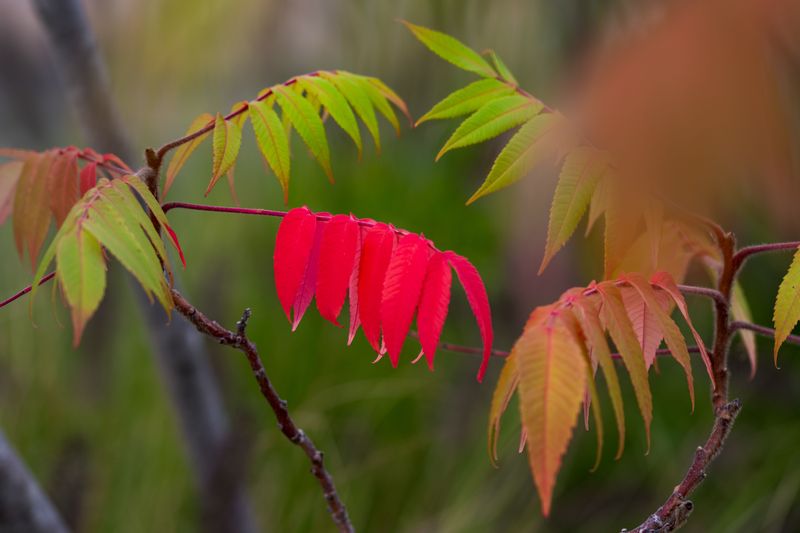
Fragrant Sumac is one of those plants that rewards every gardener who takes a chance on something a little wild. Rhus aromatica brings bold color, wildlife value, and remarkable toughness to spots where other shrubs simply refuse to grow.
Crush a leaf and you get a sharp, citrusy aroma that explains the name immediately. That fragrance is a small, pleasant surprise that makes working in the garden feel a little more interesting.
Yellow flowers appear in early spring before the leaves emerge, providing early-season nectar for native bees just waking up. The fuzzy red berry clusters that follow feed birds through fall and into winter when food sources get scarce.
Fall foliage shifts through orange, red, and deep burgundy in a display that is genuinely competitive with burning bush. The color develops reliably each year, especially when the plant gets full sun exposure throughout the growing season.
Fragrant Sumac grows two to six feet tall depending on the cultivar, and it spreads by suckers to form a dense colony. That spreading habit makes it outstanding for erosion control on slopes, banks, and difficult dry areas.
It handles poor soil, drought, full sun, and road salt spray without complaint. Few native shrubs are this adaptable across such a wide range of challenging conditions.
Birds, butterflies, and native bees all rely on Fragrant Sumac through the seasons. Replacing burning bush with this native means your yard becomes part of the solution, not the problem.