Why Dragonflies Are Suddenly Everywhere In Ohio Yards In Mid-July
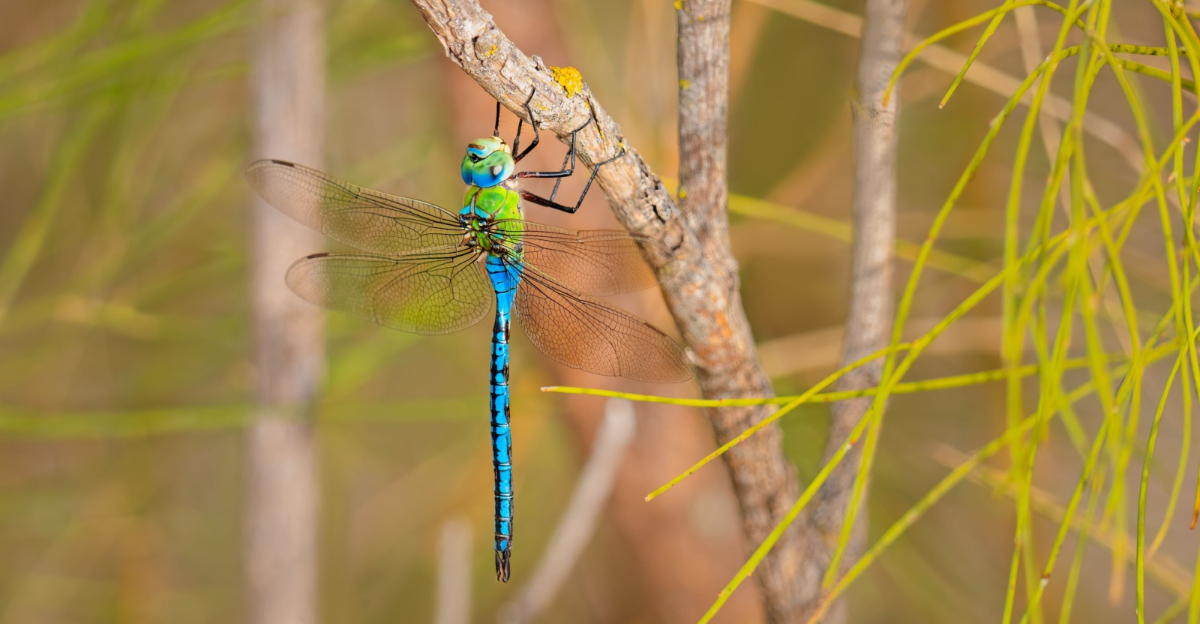
If your Ohio yard has suddenly turned into a dragonfly air show this mid-July, welcome to one of summer’s best kept secrets.
One day there are a few, and the next there are dozens darting over the lawn, hovering near the garden, and putting on a flight display that honestly deserves a bigger audience.
It looks like magic but there is actually a very good explanation for it. Warm temperatures, nearby water, and a midsummer surge in small flying insects all line up at roughly the same time in Ohio, and dragonflies respond to that combination in a big way.
Yards with ponds or rain gardens tend to get the most action, but dragonflies will show up almost anywhere conditions are right. Here’s what is really going on out there this July.
1. Mid-Summer Is A Busy Dragonfly Season
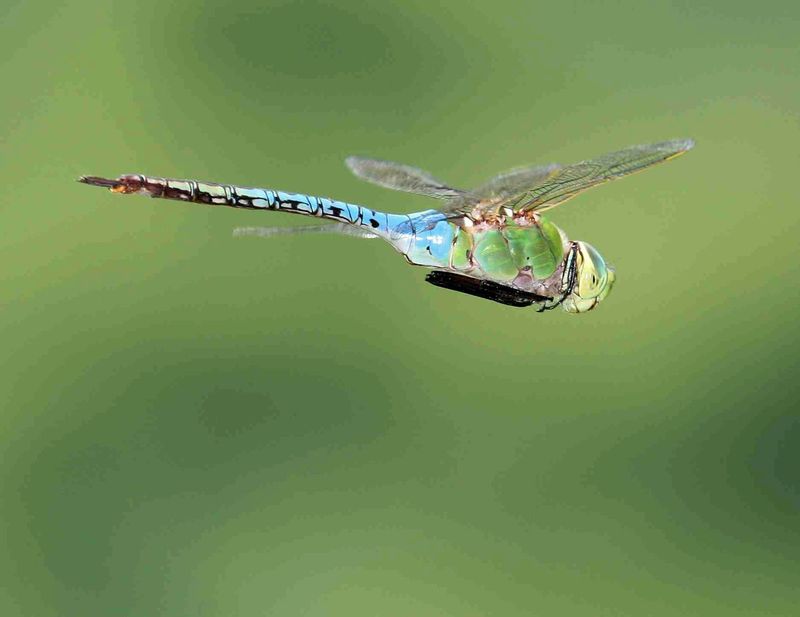
July in Ohio is one of the most active months on the entire dragonfly calendar. Many species complete their development in the water during spring and early summer, then emerge as adults right around this time of year.
The result is a noticeable spike in activity that catches a lot of homeowners off guard. This is why a quiet backyard can suddenly seem full of fast wings, bright colors, and dragonflies patrolling the same sunny spots over and over.
Dragonflies are cold-blooded, which means warm summer temperatures fuel everything they do.
When daytime highs climb into the upper 70s and 80s, their flight muscles warm up quickly, their hunting becomes more aggressive, and they stay active for longer stretches of the day.
Mid-July in Ohio often delivers exactly those conditions week after week. The combination of warm days, long daylight hours, and peak insect populations makes this window especially productive for dragonflies.
They are mating, hunting, and patrolling territories all at once.
Homeowners who have not paid much attention to dragonflies before may suddenly find themselves watching several species working their yard at the same time, which can feel surprising if you do not know the seasonal pattern behind it.
2. Warm Sunny Days Increase Dragonfly Activity
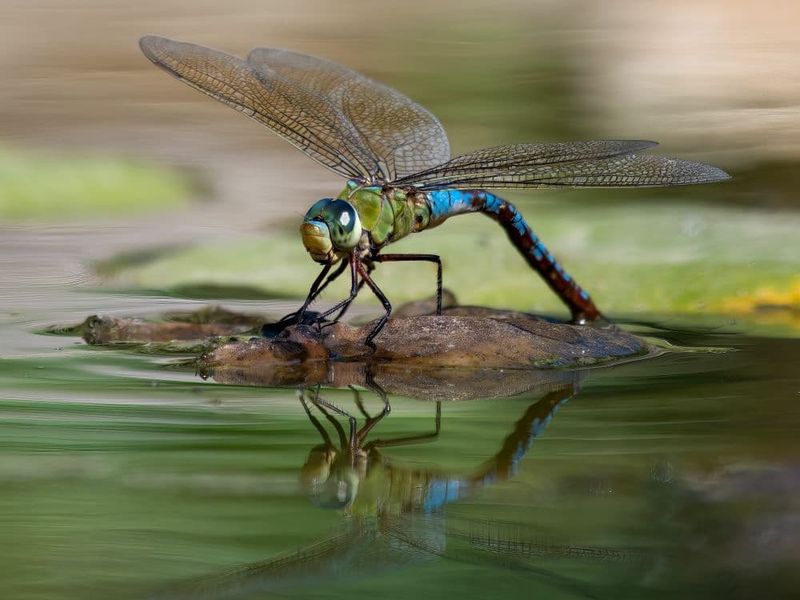
Stepping outside on a bright Ohio afternoon in mid-July, you might notice dragonflies that were barely visible in the morning suddenly filling the air. That shift is not a coincidence.
Dragonflies rely on solar energy to regulate their body temperature, and once the sun warms the air and surrounding surfaces, their activity levels rise noticeably.
On cloudy or cool days, dragonfly sightings tend to drop off. But when the sun is strong and temperatures are in the comfortable summer range typical of Ohio in July, dragonflies become remarkably active.
They bask in open spots, patrol sunny edges of lawns and gardens, and chase prey across bright open spaces where visibility is high.
Sunny mid-July days in Ohio also tend to push other flying insects into the open, which brings dragonflies right along with them. A warm afternoon with light wind is practically ideal hunting weather for a dragonfly.
Your Ohio Garden Changes Every Week. Your Plan Should Too.
Gardening in Ohio changes quickly throughout the season. Every Friday you’ll receive a simple weekly plan showing exactly what to plant, prune, fertilize, harvest, and protect so you never miss the right timing.
If your yard gets good sun exposure during the middle of the day, you may notice more dragonfly traffic than shaded yards nearby. The angle and intensity of summer sunlight in Ohio genuinely shapes how visible and active these insects become.
3. Nearby Water Supports Their Life Cycle
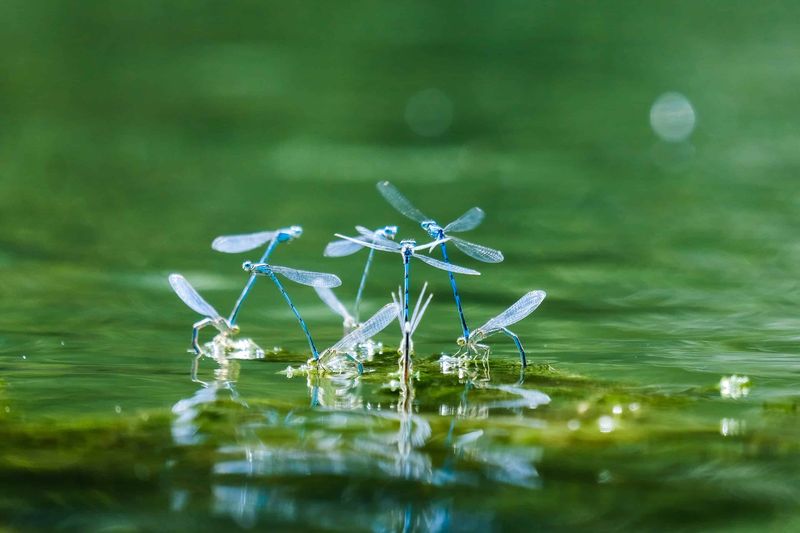
Most people think of dragonflies as creatures of the air, but water is where their story actually begins. Dragonflies lay their eggs in or near water, and their young, called nymphs, live entirely underwater for months or even years before emerging as adults.
Any yard near a pond, stream, wetland, or drainage ditch in Ohio is potentially close to dragonfly breeding habitat.
Ohio has a lot of water. The state is home to countless small ponds, farm ponds, slow-moving creeks, wetland edges, and residential water features.
That widespread water access means dragonfly populations are distributed fairly broadly across the state, and adult dragonflies do not need to travel far to find hunting grounds once they emerge.
Yards within a few hundred feet of water tend to see especially high activity in mid-July.
Even if your own yard does not have a pond, a neighbor’s water feature or a nearby drainage channel can support enough dragonfly development to bring adults into your space.
The connection between water and adult dragonfly sightings is one of the most reliable patterns in backyard wildlife watching in Ohio.
If you are seeing a lot of dragonflies, there is likely water nearby even if you cannot see it from your yard.
4. Adult Dragonflies May Be Emerging Nearby
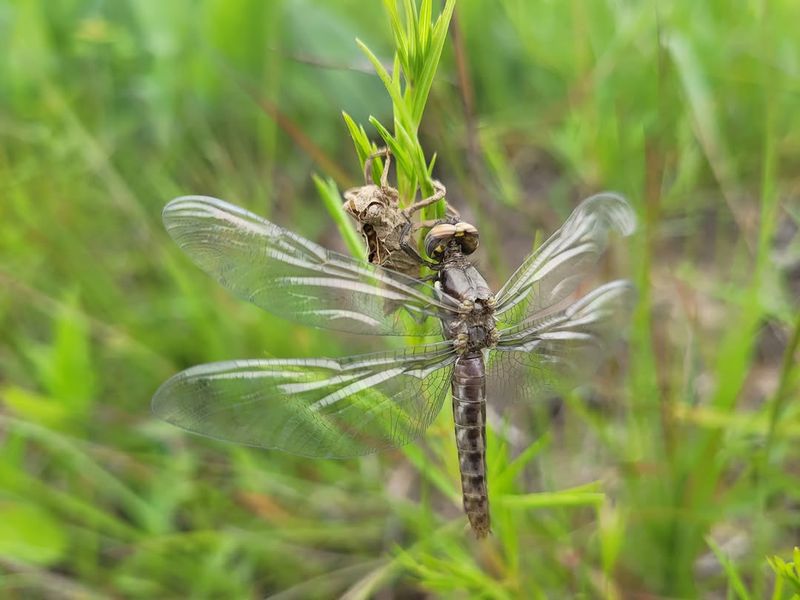
One of the most fascinating things happening just out of sight in Ohio in mid-July is dragonfly emergence.
After spending weeks or months as aquatic nymphs, young dragonflies crawl out of the water, usually onto plant stems or rocks, and transform into winged adults.
This process happens at the water’s edge, often in the early morning hours when most people are still indoors.
Once a dragonfly emerges, it needs time to dry and harden its wings before it can fly well. After that, it begins moving outward from the water in search of food and mates.
A single pond or wetland can produce dozens or even hundreds of new adult dragonflies over the course of a few weeks in midsummer. That wave of newly emerged adults is a big reason why Ohio yards suddenly feel busier with dragonflies around mid-July.
You can sometimes spot evidence of emergence by looking for the papery shed skins, called exuviae, attached to cattails, tall grass, or rocks along the water’s edge. Finding those tiny shells is a good sign that active emergence is happening close to your yard.
Emergence peaks during warm, calm weather, which Ohio tends to deliver reliably in mid-July.
5. Small Flying Insects Bring Them Into Yards
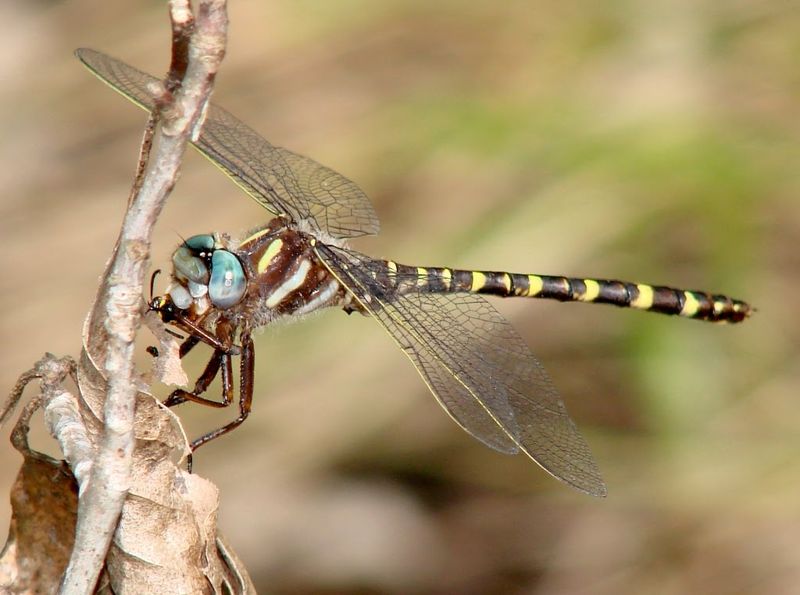
Gnats hovering over a compost pile, mosquitoes rising from a low wet spot, midges drifting above a lawn after rain – these small flying insects are exactly what dragonflies are hunting.
Mid-July in Ohio brings peak populations of many tiny flying insects, and dragonflies follow that food supply right into residential yards.
Dragonflies are highly skilled aerial hunters. They catch most of their prey in flight using their legs as a basket to scoop insects out of the air.
Their large compound eyes give them nearly 360-degree vision, and they can adjust their flight path mid-chase with impressive precision.
When small insects are abundant over a yard, dragonflies will work that space repeatedly, patrolling the same routes over and over.
Yards near water, compost areas, garden beds, or low-lying spots that stay damp after rain tend to produce more small flying insects, which in turn attracts more dragonfly attention.
While dragonflies do eat mosquitoes and gnats, it would be an overstatement to call them a complete pest-control solution.
Still, having dragonflies hunting in your Ohio yard during mid-July does mean fewer small flying insects in the immediate area during their active hunting hours.
6. Open Lawns Give Them Space To Hunt
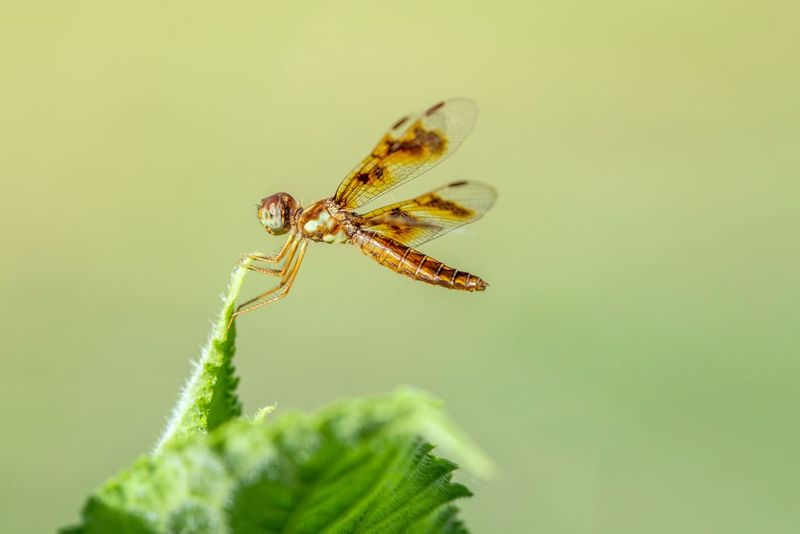
Watch a dragonfly work a yard for a few minutes and you will notice it tends to favor open areas. Wide lawns, clear garden paths, and open spaces above short grass give dragonflies the visibility and room to maneuver that they need to hunt effectively.
Ohio yards with large open lawn areas can become reliable hunting grounds during mid-summer.
Dragonflies are territorial, especially males. A male dragonfly will often patrol the same stretch of open space repeatedly, driving off other males and waiting for prey to enter the zone.
That patrol behavior is what makes them look so purposeful as they zip back and forth across a yard. Open lawns essentially function as hunting corridors for them.
Yards that mix open lawn with nearby shrubs, flower borders, or garden edges tend to attract the most consistent dragonfly activity. The open space gives them room to hunt while the planted edges provide perching spots and a bit of shelter.
If your Ohio yard has a combination of open grass and planted borders, you have likely created an environment that dragonflies find quite practical.
That layout is a big reason why suburban yards sometimes attract just as much dragonfly activity as wilder natural areas.
7. Ponds And Water Gardens Support More Activity
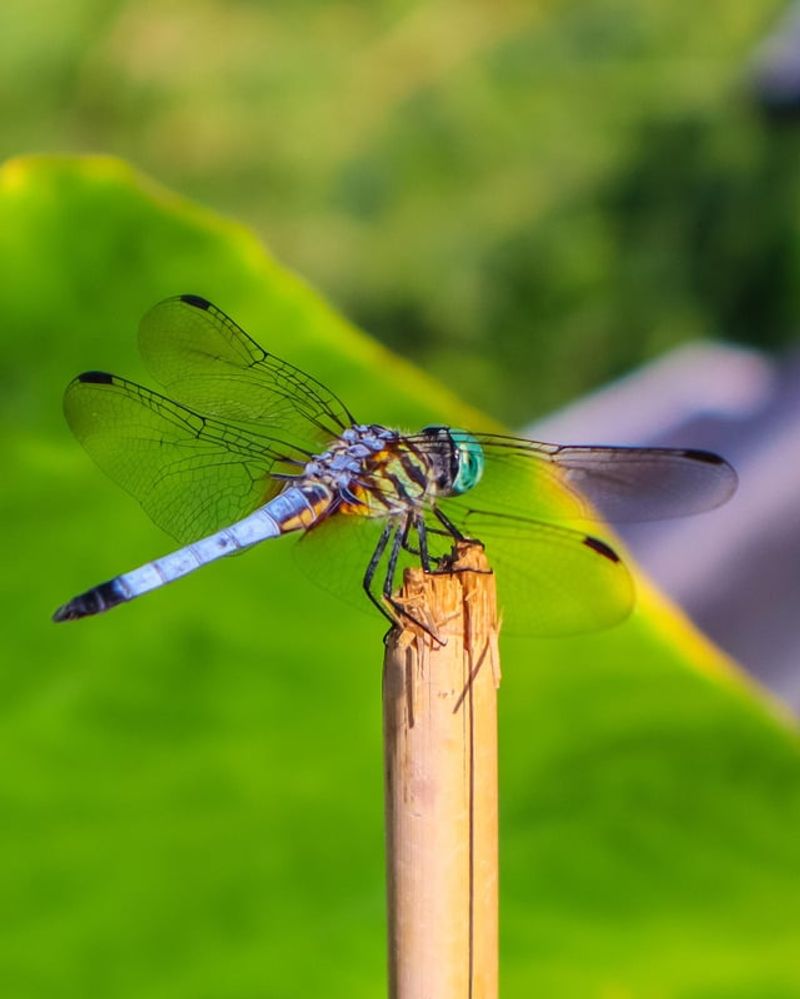
A backyard pond or water garden in Ohio is practically a dragonfly magnet in mid-July. Still or slow-moving water with aquatic plants, shallow edges, and good sun exposure offers dragonflies everything they need to breed, hunt, and rest.
Even a small container water garden can attract dragonfly attention if it is placed in a sunny spot.
Dragonflies prefer water features with some plant life in and around them. Emergent plants like cattails, rushes, or water iris give nymphs something to crawl up during emergence and give adults a place to perch between hunting runs.
A pond that has been established for a year or more is much more likely to have active dragonfly use than a brand-new feature, since nymph populations take time to build up.
Ohio homeowners who have added water gardens or small ponds to their yards often report noticing more dragonfly activity within a season or two of installation.
The presence of water also tends to support a broader mix of beneficial insects, which creates a more complete backyard habitat.
If you enjoy watching dragonflies and want to encourage more visits, a small sunny water feature with native aquatic plants is one of the most straightforward steps you can take in an Ohio yard.
8. Some Species Move Through In Seasonal Flights
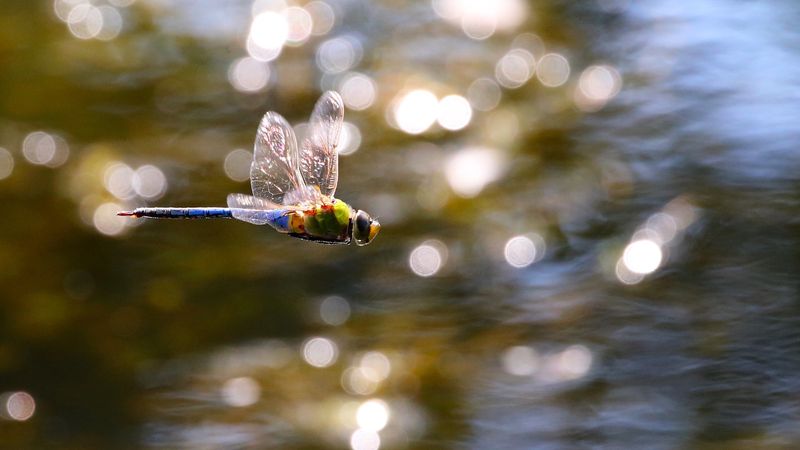
Not every dragonfly you see in an Ohio yard in mid-July was born nearby. A handful of dragonfly species in North America make seasonal movements that can bring large numbers through Ohio landscapes during summer and early fall.
The common green darner is the most well-known example, and it is one of the most frequently spotted large dragonflies in Ohio yards during this time of year.
These seasonal movements are not fully understood in the same way bird migration is, but researchers have documented that certain species move in loose groups along landscape corridors, often following river valleys, lake shores, or open ridgelines.
Ohio’s geography, with Lake Erie to the north and the Ohio River to the south, makes it a natural pathway for these movements.
Yards near these corridors may experience brief but noticeable pulses of dragonfly activity.
Seeing a sudden surge of large dragonflies in your Ohio yard during mid-July could mean a group is passing through rather than residing locally. These movement events can last anywhere from a single afternoon to several days, depending on weather patterns.
Watching for the common green darner’s blue-and-green coloring is a good way to identify whether you are seeing a local resident species or visitors passing through on a seasonal route.
9. Dragonflies Are Usually A Good Yard Sign
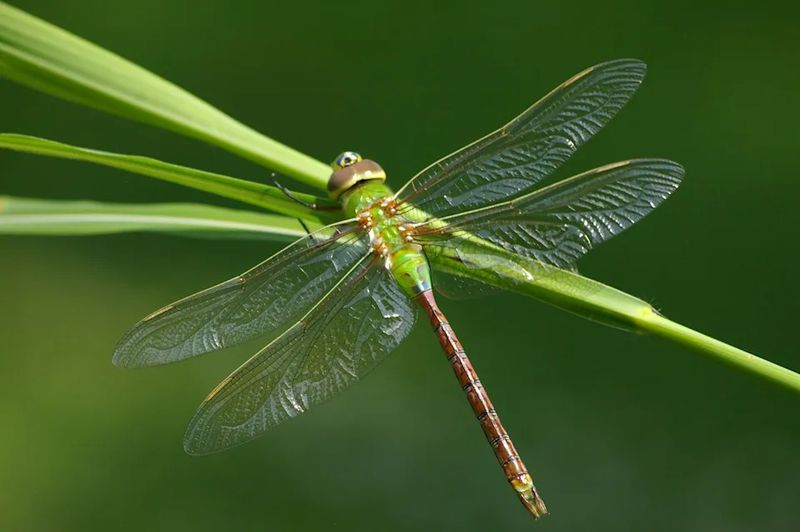
Spotting a yard full of dragonflies on a warm July afternoon in Ohio is genuinely something to appreciate.
Their presence tends to indicate that the local environment is reasonably healthy – clean enough water nearby for nymph development, enough small flying insects for adults to hunt, and enough open space for them to move freely.
Dragonflies are sensitive to water quality, so their activity near a pond or stream is often a positive signal.
Beyond what they say about habitat health, dragonflies are simply interesting to watch. They are among the most agile fliers in the insect world, capable of hovering, flying backward, and making sharp turns at speed.
Spending a few minutes watching them work a yard gives a real sense of how skilled and purposeful they are as hunters.
For Ohio homeowners who enjoy backyard wildlife, dragonflies are a welcome mid-summer visitor that requires no feeding, no management, and no special setup to attract – beyond simply having a yard near water or a water feature of your own.
If you are seeing more of them this mid-July, consider it a sign that your outdoor space is part of a functioning local ecosystem.
That is worth noticing and enjoying rather than worrying about.