Ohio HOAs Keep Fighting This Native Lawn Plant Even Though It Belongs Here
Ohio HOAs have been waging a quiet war against one plant for decades, and they keep losing. It comes back every spring without asking permission.
It spreads through lawn grass with a patience that outlasts every removal effort. Violation lists across the state flag it as something that does not belong in a tidy yard.
The irony is that it belongs here more than the grass surrounding it. Native to Ohio, supportive of early pollinators, and part of this landscape long before anyone was writing HOA bylaws.
The gap between how this plant gets treated and what it actually does for the local ecosystem is significant. A violation notice is one way to look at it.
A native plant thriving exactly where it evolved is another. This one deserves a second opinion before the next round of pulling starts.
1. Meet The Violet Hiding In Plain Sight
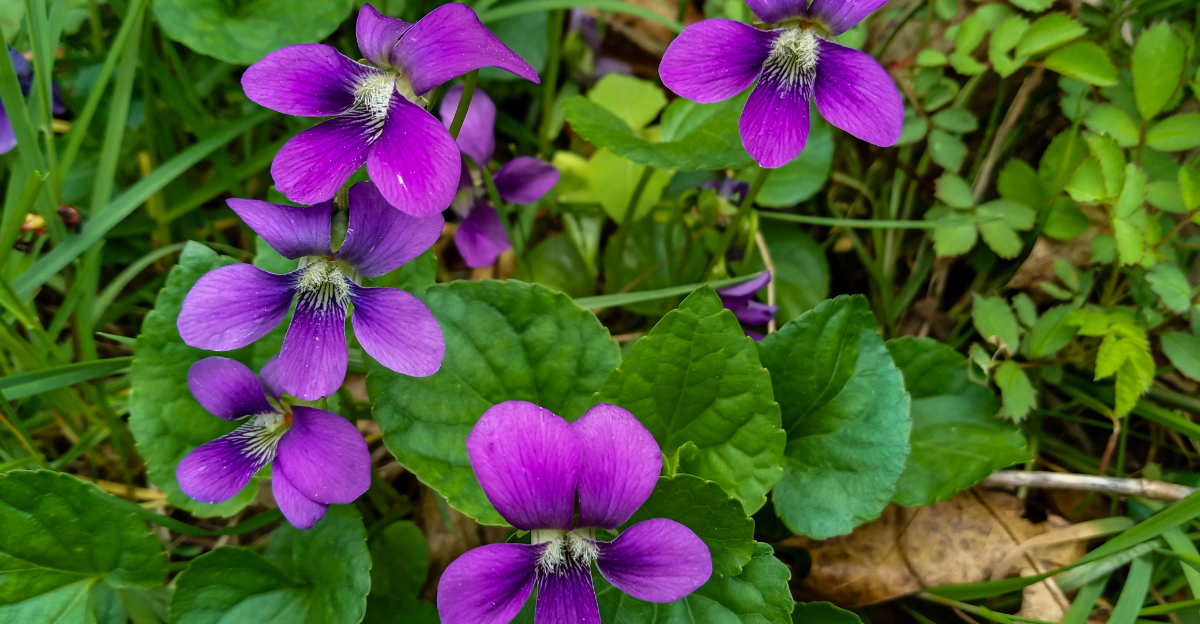
Purple blooms appear low in the lawn each spring, easy to miss until you stop and look down. That cheerful little flower is common blue violet, or Viola sororia.
It is native to eastern North America and well at home in Ohio lawns, garden edges, and shaded turf areas. OSU Extension and native plant sources confirm it as a true native, not a garden escapee or an introduced species.
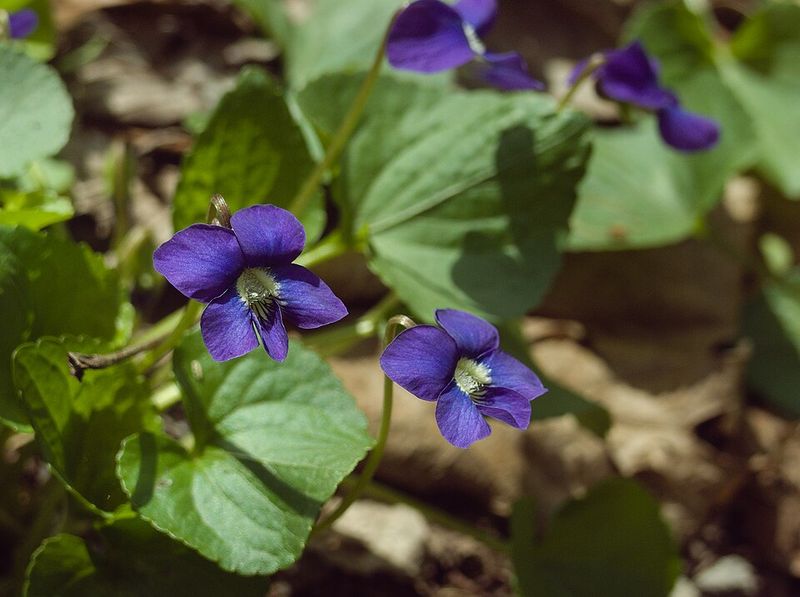
The plant grows close to the ground, rarely reaching more than a few inches tall. Its leaves are distinctly heart-shaped with scalloped edges, and its flowers range from deep purple to bluish-violet.
Blooms typically appear in spring, but the leaves stay visible through much of the growing season. That means the plant keeps a presence in the lawn long after the flowers fade.
Before labeling it a weed, take a close look. Common blue violet can resemble other low-growing plants, so positive identification matters.
The heart-shaped leaves and five-petaled purple flowers are reliable markers. Horticulture experts advise confirming the plant before deciding on any management approach.
Treating a native violet as a problem weed without knowing what it is can lead to unnecessary removal of a plant that genuinely belongs in your local landscape.
2. Know Why HOAs Mistake It For A Weed
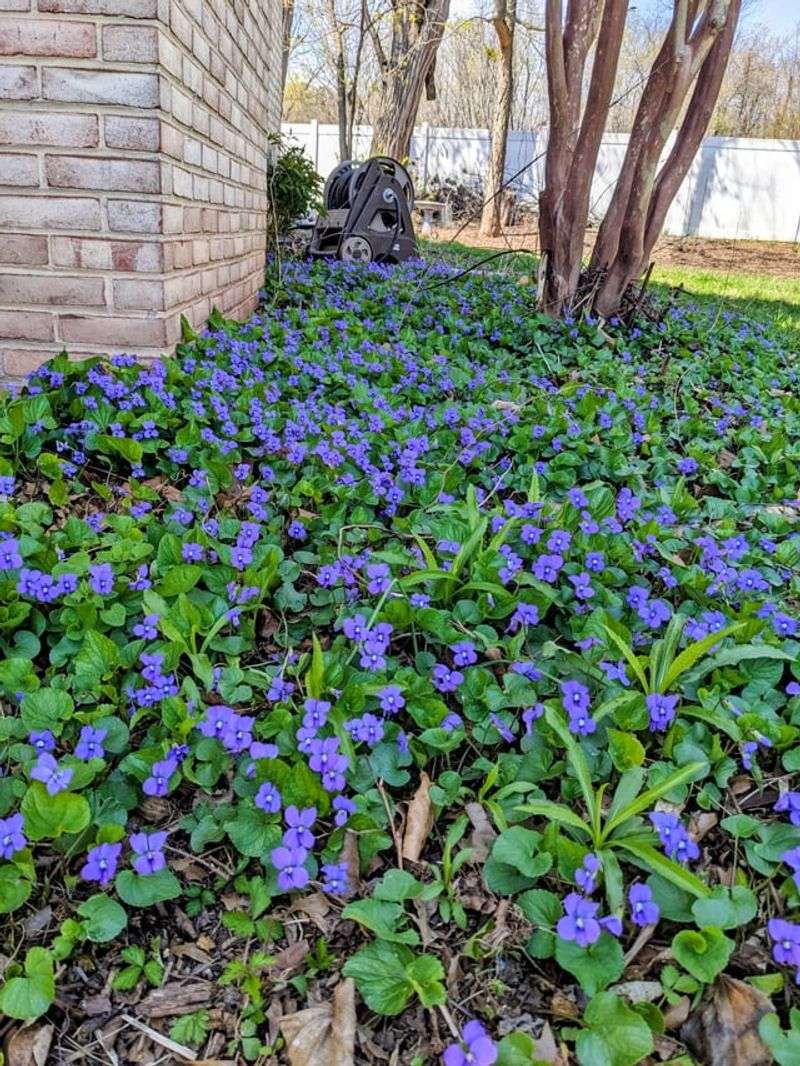
Getting a violation notice over a small purple flower can feel frustrating, but it helps to understand how it happens. Most HOA covenants are written around the idea of a uniform, mowed grass lawn.
When violets form visible patches in thin or shaded turf, they stand out from that expected look. To a rule-focused inspector, a spreading patch of anything that is not grass can read as a maintenance failure.
OSU Extension notes that common blue violet often colonizes areas where turfgrass is weak, thin, shaded, or consistently moist. Those are exactly the spots where a standard lawn already looks patchy.
That makes the violet seem like a symptom of neglect rather than a plant thriving on its own terms. The association between poor turf and violet presence is part of why the plant gets flagged.
Reading your HOA documents carefully is one of the most practical steps you can take. Look for exact wording around weeds, ground covers, maintained beds, and native plants.
Your Ohio Garden Changes Every Week. Your Plan Should Too.
Gardening in Ohio changes quickly throughout the season. Every Friday you’ll receive a simple weekly plan showing exactly what to plant, prune, fertilize, harvest, and protect so you never miss the right timing.
Some rules are broad, while others are more specific. Not every HOA bans violets outright, and some documents leave room for maintained native plantings.
Knowing what your rules actually say gives you a clearer starting point before making any lawn decisions or starting any conversation with your HOA board.
3. See The Native Value Under The Purple Blooms
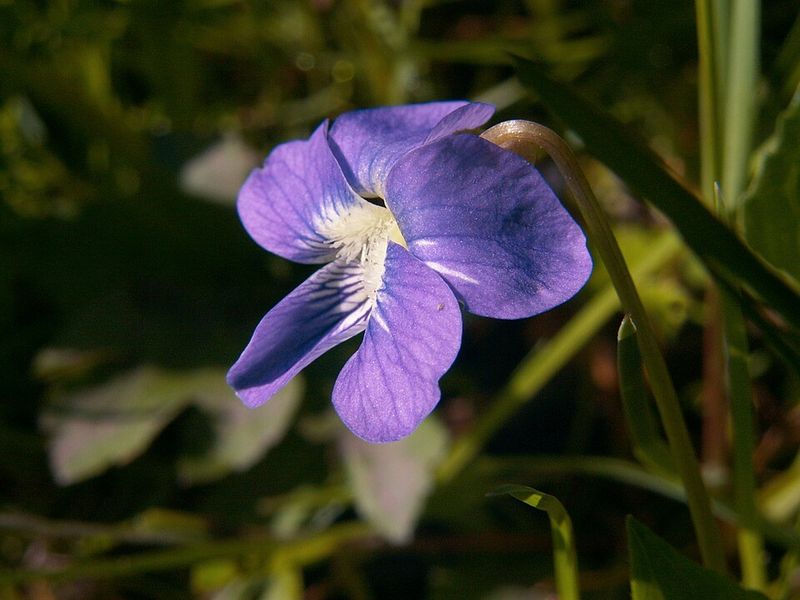
Small flowers can carry big ecological roles. Common blue violet is documented by native plant and entomology sources as a host plant for several fritillary butterfly species, including the great spangled fritillary.
Fritillary caterpillars depend on violet leaves as a food source, making Viola sororia a meaningful part of the local food web. That is not a small thing for a plant that many people try to spray away each spring.
Beyond butterflies, early-season bees visit violet flowers for nectar and pollen. Spring blooms arrive when food sources for pollinators are still limited, so even a modest patch can offer something useful.
Ohio native plant guidance notes that supporting early pollinators with native plants is one of the most practical things a home landscape can do.
Native value does not automatically override community rules, and that is worth saying clearly. A plant being ecologically beneficial does not mean every HOA will allow it in a front lawn.
What it does mean is that the decision to remove it carries a real cost that goes beyond aesthetics. Spend a few minutes watching a violet patch in early spring.
You may notice bees, small beetles, or butterflies that you had not expected. That observation can shift how you think about the plant and how you talk about it with others.
4. Let Shady Lawn Corners Work With Violets
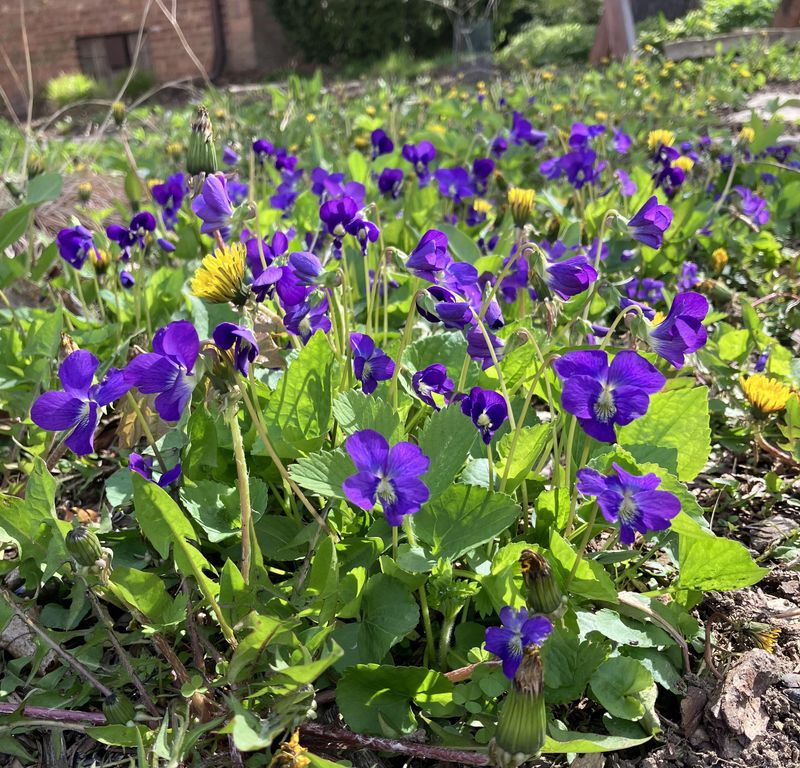
Shady corners are some of the most challenging spots in any lawn. Turfgrass varieties commonly used in this state struggle under dense tree canopy, especially where roots compete for moisture and the soil stays damp.
Grass thins out, bare spots appear, and no amount of overseeding seems to fix it for long. That is exactly where common blue violet tends to thrive.
Rather than fighting that corner every season, some homeowners choose to work with it. An intentional low-growing patch of Viola sororia, edged cleanly and kept free of invasive weeds, can turn a problem area into a managed native feature.
OSU Extension guidance supports the idea of matching plants to site conditions rather than forcing a single grass species into a spot where it does not perform well.
The key word is intentional. A violet patch that looks planned reads very differently from one that looks abandoned.
A clean edge, even just a simple spade cut or a small border, signals that the area is managed. Pairing the patch with nearby native beds or low-growing companions can reinforce that message.
This approach works best where local rules allow ground cover or maintained native plantings. Check your HOA documents and any applicable municipal guidelines before creating a visible patch in a shared-view area of your yard.
5. Keep The Patch Neat Enough For Neighbors
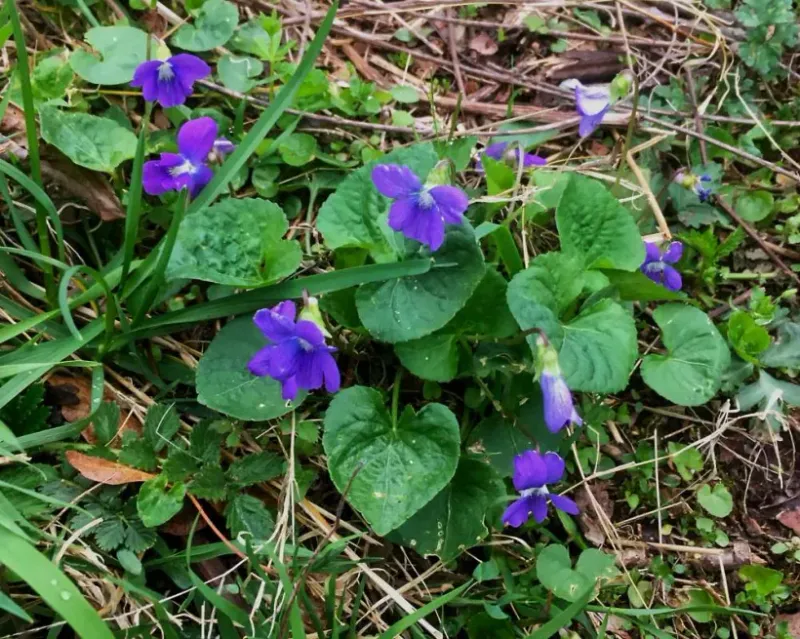
Presentation carries a lot of weight in a neighborhood setting. A native plant patch that looks cared for tends to get a very different response than one that looks like the homeowner gave up on the lawn.
Common blue violet is low-growing, which helps, but it still needs a little attention to signal that the patch is a choice, not an accident.
Practical steps make a real difference. Keep the edges of the patch cut cleanly so it does not creep into neighboring turf or sidewalk cracks.
Remove any invasive weeds, trash, or deceased material that could make the area look messy. If you mow around the patch, keep the surrounding grass at a reasonable height that matches neighborhood expectations.
A small border made of stones, edging material, or mulch can visually define the space without requiring much maintenance.
Some homeowners add a small plant identification sign to the patch. This simple step tells passersby and neighbors that the area is intentional and plant-specific, not neglected.
It can also open a friendly conversation rather than a complaint. Neatness will not satisfy every HOA, and that is worth acknowledging honestly.
But a well-kept Ohio native patch is far more likely to be tolerated or even appreciated than one that blends into general lawn disorder. Small efforts in presentation can go a long way in shared-view spaces.
6. Avoid Spraying Before You Know What It Supports
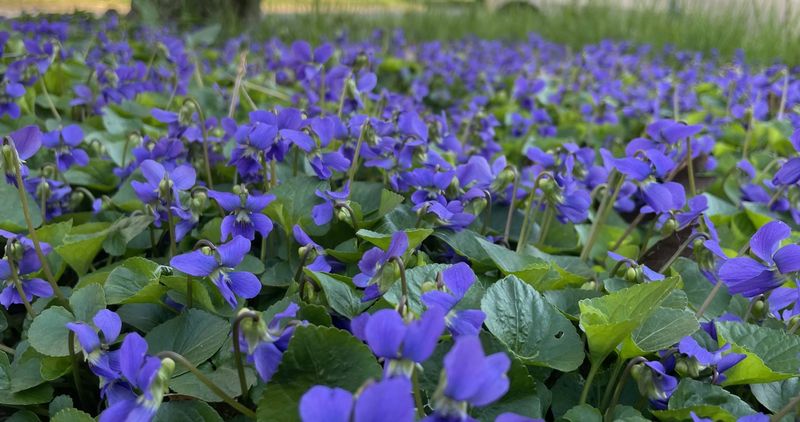
Reaching for a herbicide spray the moment something unfamiliar appears in the lawn is a common reaction, but pausing first can save you from an unnecessary mistake.
Common blue violet may be actively supporting pollinators or serving as a host plant for butterfly species at the very moment you are considering removing it.
Spraying without knowing what you are affecting means you may be eliminating more than just the plant.
Broad herbicide treatments can also affect nearby plants, soil organisms, and beneficial insects that were not the intended target. University extension sources advise identifying a plant clearly before deciding on any control method.
If you are not sure what is growing in your lawn, take a photo and use a reliable plant identification tool, or contact the OSU Buckeye Yard and Garden Line for guidance.
If removal does feel like the right choice for your situation, consider whether hand-pulling or containment might work before applying any product. Smaller patches can often be managed without chemicals.
For areas where a product may be needed, read the label carefully and follow local extension guidance on timing, rates, and safety. Do not apply herbicides near water, in windy conditions, or in ways that conflict with label directions.
Making an informed decision protects your yard, your neighbors, and the small creatures that depend on what is growing there.
7. Check HOA Rules Before Expanding The Patch
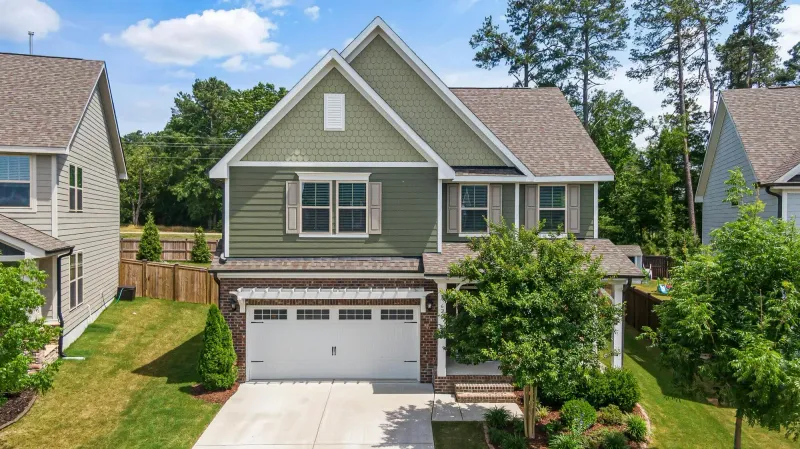
A small violet patch that blends into a shady corner is one thing. Expanding it into a visible front yard feature is a bigger step, and one that deserves careful preparation.
Before adding more native plants or widening the patch, take time to read your HOA covenants, maintenance standards, and any approved landscaping lists. The exact language in those documents matters more than general impressions of what is or is not allowed.
Look for how the rules define weeds, ground covers, maintained beds, and approved plantings. Some HOA documents specifically mention native plants or pollinator gardens, while others leave those categories undefined.
If the language is vague, that can work in your favor, but only if you approach the expansion carefully and with documentation.
Take photos of the current patch, sketch a simple plan showing the proposed size and location, and note any native plant identification you have done.
When requesting approval, use accurate and professional-sounding terms. Phrases like maintained native bed, low-growing pollinator border, or approved ground cover can help frame the request in terms that align with community standards.
Ask for written approval when possible so there is a clear record. Check municipal rules as well, since some local weed ordinances or height limits apply independently of HOA guidelines.
Getting clarity before expanding protects you from a violation and builds a stronger case for native plants in your neighborhood over time.
8. Turn A Lawn Fight Into A Native Plant Win
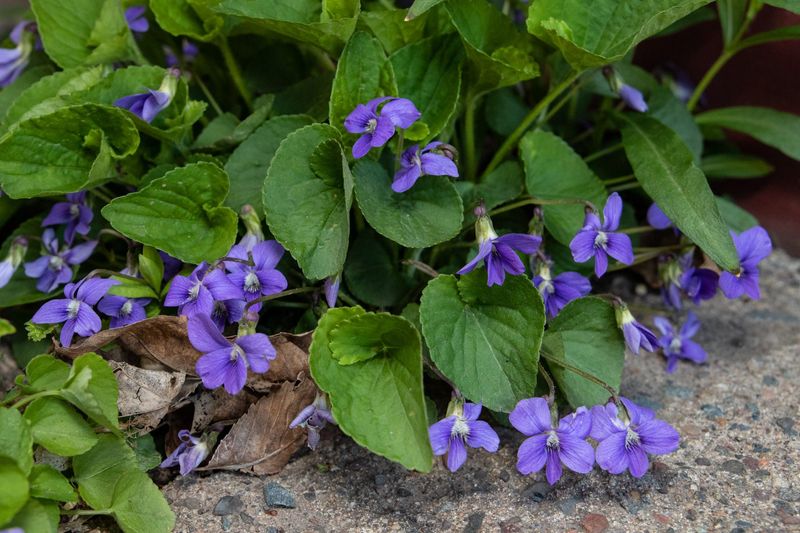
Moving from a lawn dispute to a managed native feature is very possible, but it takes patience and a clear-eyed approach. Common blue violet does not need to be a point of conflict.
When it is identified accurately, placed thoughtfully, kept neat, and introduced within the limits of community rules, it can shift from a violation notice trigger. It can become a small ecological asset that neighbors may actually appreciate.
Starting small is one of the most useful strategies. A single edged corner with a clean border and a plant label is far easier to defend than a sprawling violet patch that appeared overnight.
Document the plant’s value with photos, note any pollinator visits you observe, and keep a simple record of any HOA conversations or approvals. That paper trail matters if questions come up later.
Talking with neighbors before a formal complaint arises is also worth the effort. A friendly conversation about what you are growing and why is more likely to build goodwill than silence followed by a violation.
Not every yard or HOA will allow the same approach, and that is a realistic fact to accept. Ohio homeowners who succeed with native plants in conventional neighborhoods tend to share a few habits.
They know their rules, keep their patches looking intentional, and never overstate what a single plant can do. Common blue violet belongs here.
The best way to keep it is to make that case gently, clearly, and one tidy patch at a time.