California Summers Are Exactly What Celosia Was Built For And Here Is How To Grow It Right
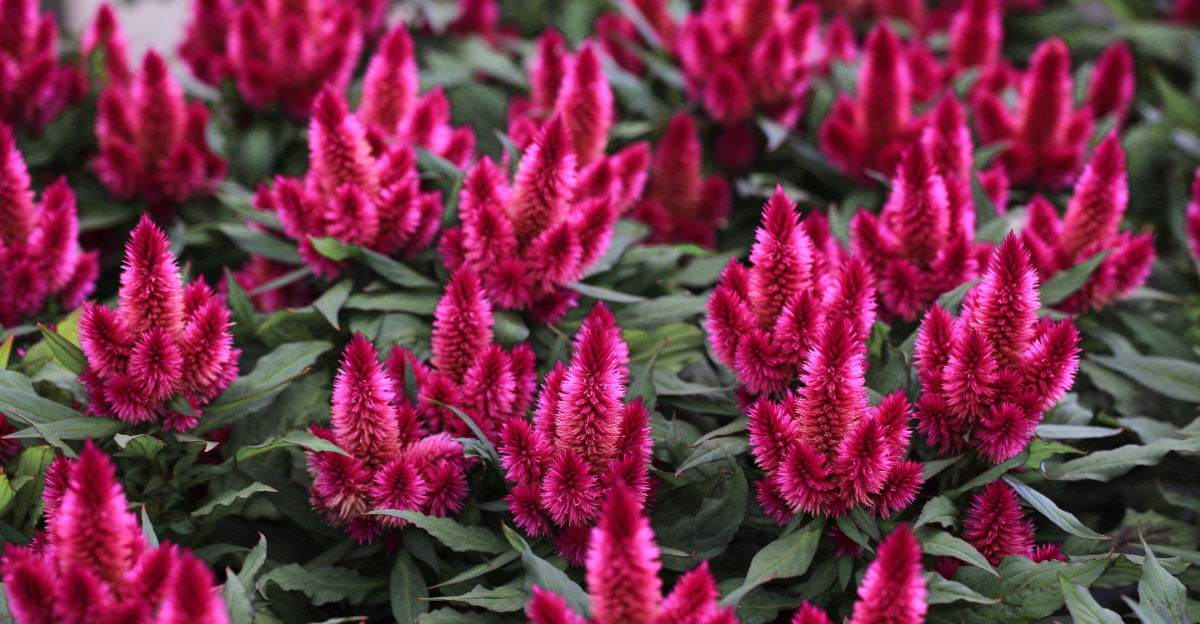
California summer does not treat every flower kindly. One day the border looks cute. The next, half the bed seems ready to file a complaint.
Then one plant stands there in full sun with flame-bright plumes, bold color, and the confidence of a parade float. What makes that possible?
The secret is not luck, and it is not constant pampering. This flower likes heat, but it still has rules. Cold soil can hold it back. Wet roots can ruin the mood. Weak sun can dull the show. A crowded bed can make trouble fast.
The funny part is that the plant looks dramatic, but the care is surprisingly practical. Give it the right start, the right space, and the right drink, and it can turn a plain California bed into pure summer color.
Ready to learn why this fiery favorite behaves better when the weather gets bold? The answer starts before the first seedling even enters the ground.
That first choice can decide the whole display before summer even begins.
1. Wait For Warm Soil Before Planting
A warm-season flower can still resent a cold start.
Celosia proves that point fast. Set it into chilly soil, and the roots may pause before they ever gain confidence. The plant can sit there, small and sulky, while the rest of the garden moves on.
Aim for soil at least 60 degrees Fahrenheit before transplants go outside. A range near 65 to 70 degrees suits it even better. Coastal California gardens may reach that point later than inland valleys, so the calendar cannot do the whole job.
A simple soil thermometer takes the mystery out. Push it about two inches deep in the morning, when soil still holds its coolest reading. That tiny tool can save weeks of plant drama.
Cold, damp soil can also invite root problems in young plants. Waiting one extra week often gives celosia a much stronger launch. Patience feels boring until the seedlings take off like they heard summer music.
Gardeners eager for an early start can warm a bed with black plastic for a week or two. Remove the plastic before transplants go in.
Warm soil gives celosia the welcome mat it wants. Start there, and the rest of the season has a much better chance to blaze.
2. Choose Full Sun For Strong Color
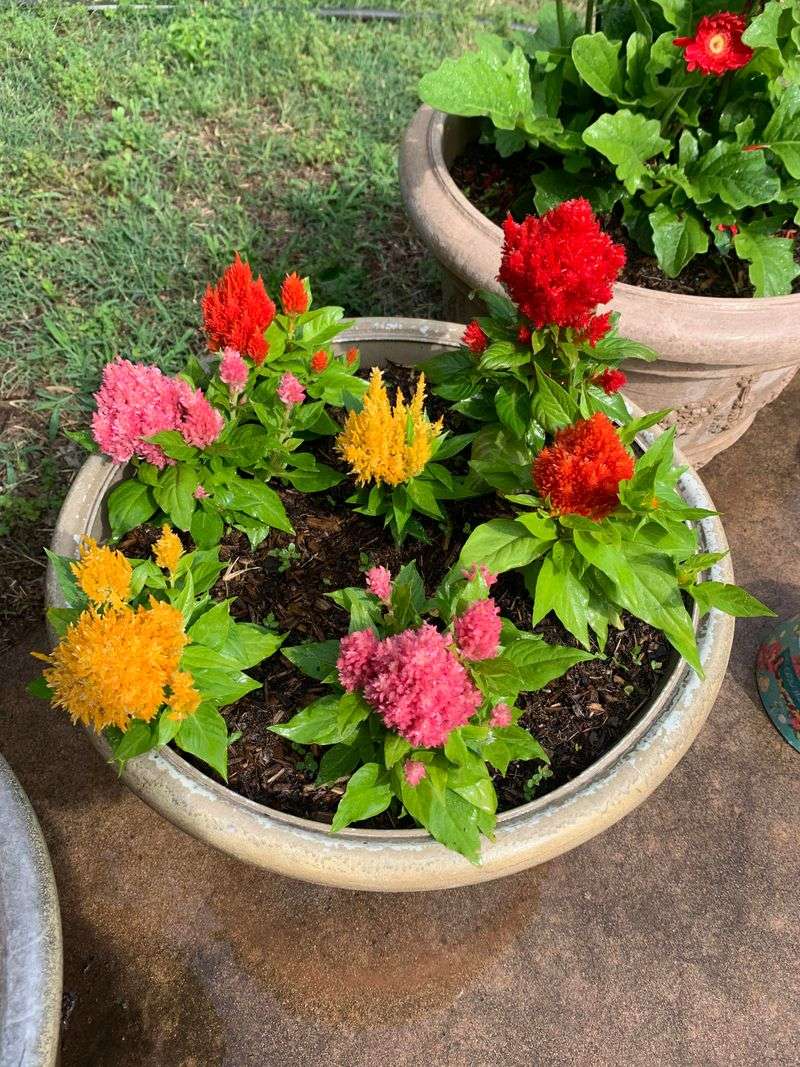
The brightest spot in the yard is not too much for celosia.
This plant wants direct sun, and the color payoff shows it. Six hours can work, but eight hours often gives stronger stems, denser blooms, and richer plume color. California light can turn this flower into a tiny festival.
Shade changes the whole attitude. Stems stretch, blooms look paler, and the plant can lose that compact, confident shape. A celosia meant to look bold may start to lean like it needs a pep talk.
Watch the bed before you choose the spot. Fences, patio covers, fruit trees, and rooflines can steal light as the day moves. A bed that looks sunny at breakfast may sit in shade by midafternoon.
Your California Garden Changes Every Week. Your Plan Should Too.
Gardening in California changes quickly throughout the season. Every Friday you’ll receive a simple weekly plan showing exactly what to plant, prune, fertilize, harvest, and protect so you never miss the right timing.
Coastal gardeners should note fog patterns too. Celosia can still perform near the coast, but it needs fog to clear soon enough for real sun. Inland gardeners often have the opposite gift, long bright days with plenty of heat.
This is where the plant earns its flame-colored reputation. Strong light helps the leaves stay firm and the plumes stay loud. Give it the sunny seat, not the half-shadow corner.
Celosia does not want mood lighting. It wants the spotlight, and it usually rewards you with color that acts like it knows the neighbors are watching.
3. Use Fast Draining Garden Soil
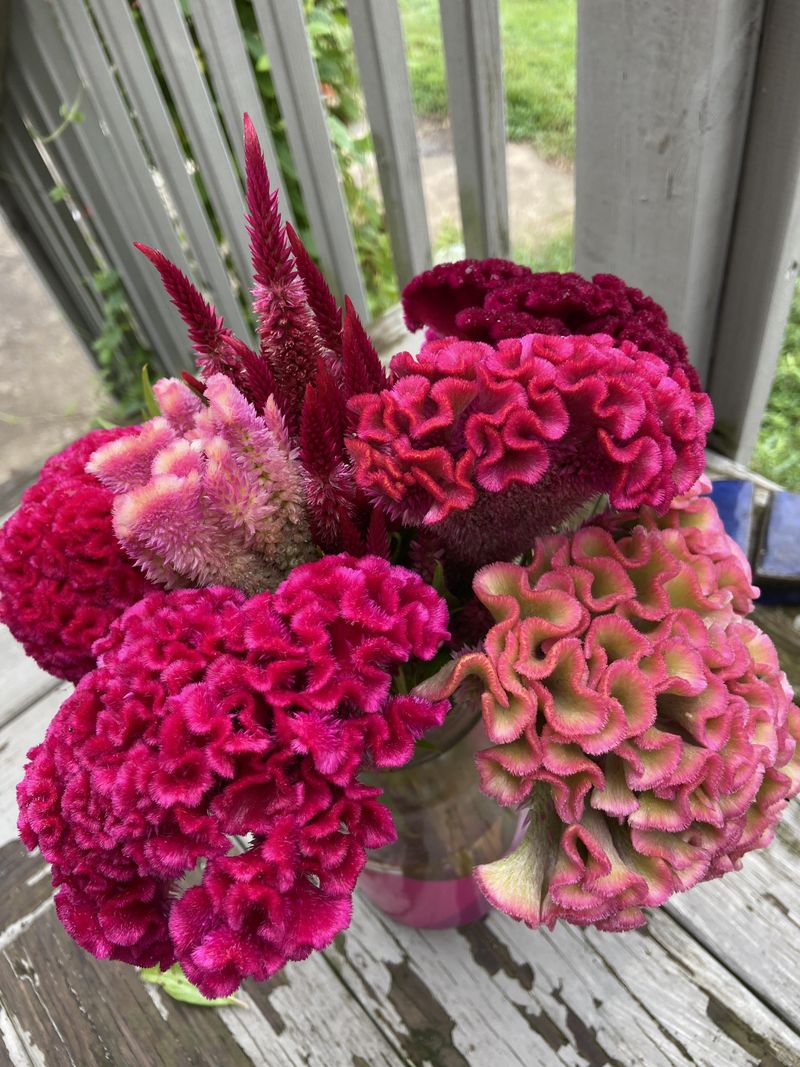
Wet roots can ruin a celosia display faster than a bad garden gnome.
This plant likes heat and sun, but it does not want water stuck around its roots. Soil that stays soggy can lead to root trouble before the flowers reach their best color.
California soil varies a lot. Some beds drain through sandy ground with ease. Others hold water in heavy clay, especially after a deep soak or rare summer storm. Test your soil with one simple squeeze. A tight sticky ball means drainage needs help.
Loosen clay with compost plus coarse material such as perlite or coarse sand. Raised beds can also solve the problem because you control the mix from the start. Celosia roots prefer an airy bed, not a heavy one that clings like wet cement.
A slight slope can help too. Water moves away from the crown instead of sitting near the stem. Low flat spots are less friendly, especially where irrigation puddles after each run.
After water, check the bed. Moist soil should drain within a reasonable time, not stay slick for hours.
Good drainage is not a fancy extra. It is the foundation of the whole show. Give celosia dry feet, and it has a much better shot at summer color with fewer root-related tantrums.
4. Water Deep But Not Constantly
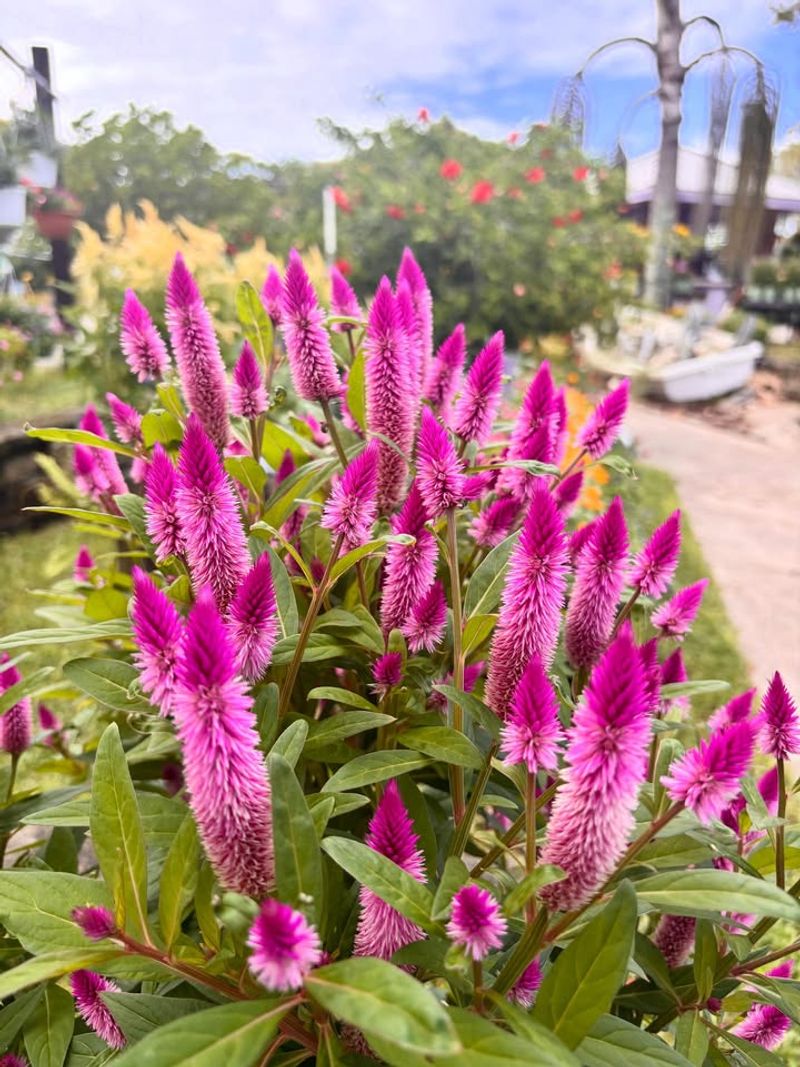
Celosia likes a solid drink, not constant sipping.
A deep soak helps roots reach farther into the soil, which gives the plant better support during hot California afternoons. The goal is moisture six to eight inches down, followed by a short dry-down near the surface.
Check the top inch or two before the next round. Dry there usually means the plant may need water soon. Cool and slightly moist soil means the hose can wait. Your finger is cheaper than a gadget and often just as useful.
In peak inland heat, celosia may need water every two or three days. Coastal areas or cooler spells may stretch that gap. The plant does not care about a strict schedule. It cares about the root zone.
Drip irrigation works well because it sends water to the soil without wet leaves. Morning water is best. Any splash dries faster, and the plant starts the day with a full reserve.
Afternoon wilt can be tricky. On very hot days, leaves may droop for a bit even with enough soil moisture. Check before you panic with the hose.
This routine works like a good summer refill. Deep drink, short break, fresh start. Celosia stays hydrated without sitting in a soggy puddle party.
5. Space Plants For Better Airflow
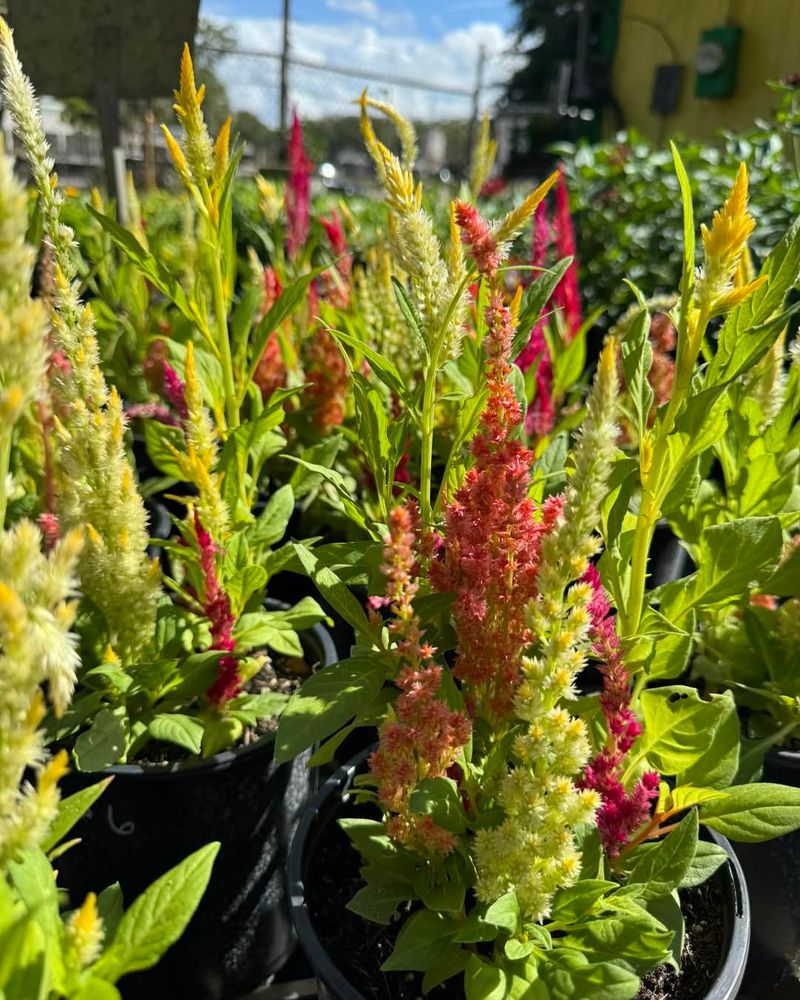
Tiny seedlings make empty space look wasteful.
That gap matters later. Celosia needs room for air to pass between stems and leaves. Crowded plants trap humidity near the soil, and that can invite leaf problems, especially where coastal fog or still air lingers.
Most varieties do well with eight to twelve inches between plants. Larger plume types may need closer to fifteen inches. The plant tag or seed packet can guide the final distance, but generous space rarely hurts.
This is not a social distancing lecture from a flower. It is basic bloom management. Each plant gets room to fill out, stand upright, and dry faster after dew or irrigation.
Good space also makes care easier. You can pinch, snip old blooms, and check leaves without wrestling through a tiny jungle. Less wrestling means fewer broken stems and fewer muttered words near the flower bed.
California summers often help because dry air reduces some disease pressure. Coastal gardens still need caution, since fog can sit on foliage in the morning. Air movement helps that moisture leave faster.
A well-spaced celosia bed looks intentional, not sparse. Once the plants mature, those early gaps turn into full color. Give each plant a little elbow room, and the whole bed can breathe like it paid for premium seats.
6. Pinch Young Plants For Fuller Growth
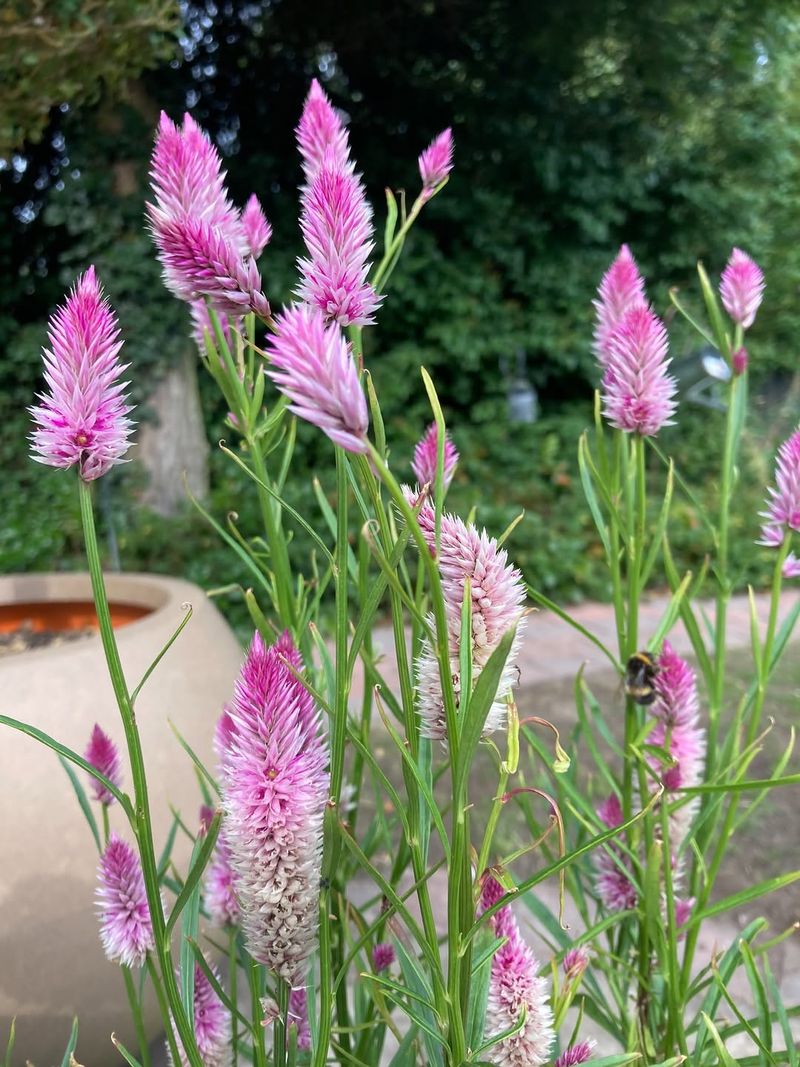
A small pinch can feel wrong the first time.
Celosia may have one cute central bud, and your hand hesitates. Leave it alone, and the plant may send most of its energy into one main plume. Pinch early, and the plant can branch into a fuller shape with more flower stems.
Wait until young plants reach about four to six inches tall. Remove the central tip just above a leaf node with clean scissors or your fingers. Make the cut neat, not ragged. The plant responds by sending side shoots from below that point.
This is a trade, not a punishment. One early bud goes away, and several new flower stems may take its place. Very dramatic math, but the good kind.
Pinch once or twice while the plant is young. After branches form and buds set across the plant, let it bloom freely. Late pinches can delay color, and nobody wants a celosia that misses its own party.
This step helps container plants too, especially on patios where a fuller plant looks better from every angle. Compact shape, more plumes, stronger display.
A quick early pinch gives celosia the nudge it needs to bulk up. The plant may look offended for a week, then it comes back with extra flair.
7. Remove Spent Blooms For More Color
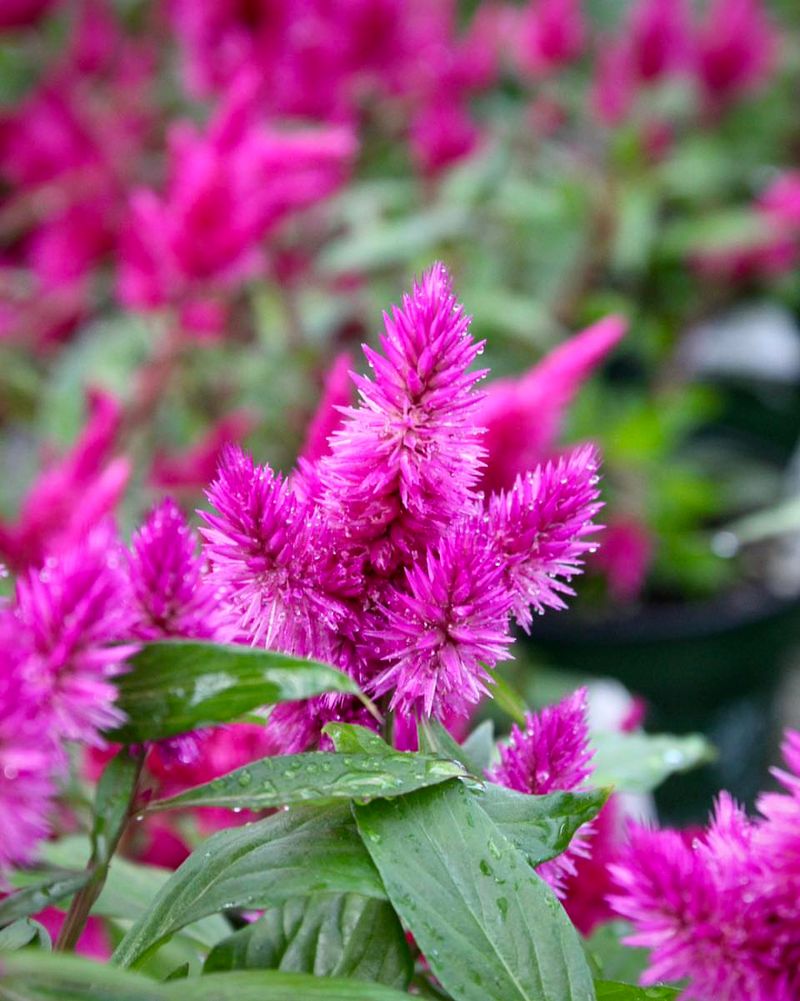
A faded plume is not just a style problem.
Once celosia shifts energy toward seed, fresh flower production can slow. Snip the old heads, and the plant gets a clear message to keep the color show active.
Look for blooms that have lost their bright tone and feel papery or flat. Cut each one just above a healthy leaf node or side shoot. Clean scissors make the task easy and help avoid torn stems.
This little chore can stretch the season in many California gardens. With warm weather that lasts well into fall, celosia often has time for more color after the first wave fades. A weekly pass through the bed can keep things fresh.
Make it quick. Coffee in one hand, scissors in the other, tiny flower salon in progress. The plants get a cleanup, and you get the smug joy of a bed that looks cared for without a full Saturday lost to chores.
Trim most plants, but leave a few strong late-season blooms for seed when desired. Choose the best colors and healthiest stems for that job.
Regular snips keep the bed neat and help the plant focus on more plumes. Celosia may be flashy, but it appreciates a good maintenance routine. Even divas need a trim.
8. Use Containers For Hot Patio Drama
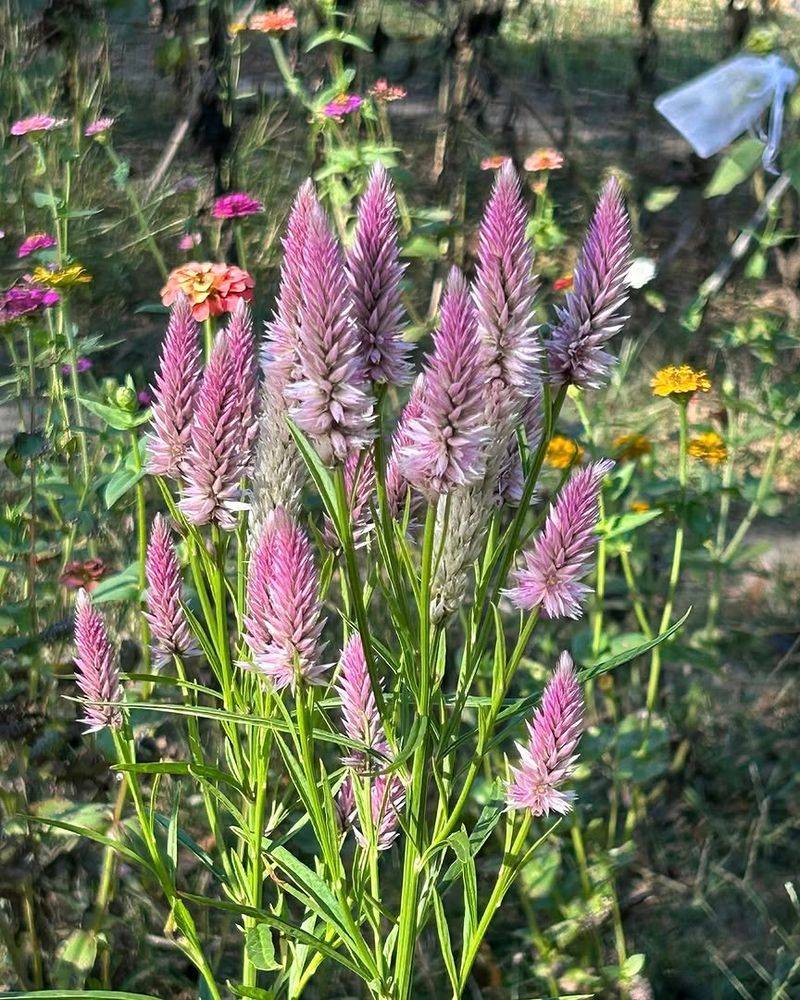
A hot California patio can scare plenty of flowers.
Celosia often treats that same patio like a stage. With the right pot and mix, it can bring bold color to sunny concrete, balcony corners, and front steps that need more personality.
Choose a container at least twelve inches wide and ten inches deep for standard varieties. Bigger pots hold moisture longer, which helps during heat waves. Small pots dry fast and turn water care into a daily guessing game.
Drainage holes matter. A pot with no drain hole can turn into root trouble fast. Use a loose potting mix, and add perlite for extra air around the roots. Pot feet can help excess water leave after a deep drink.
Terra cotta looks beautiful with flame-colored plumes, but it dries faster than plastic or glazed ceramic. That can help in mild areas, but inland patios may need closer checks. Match the pot to your climate, not just your porch style.
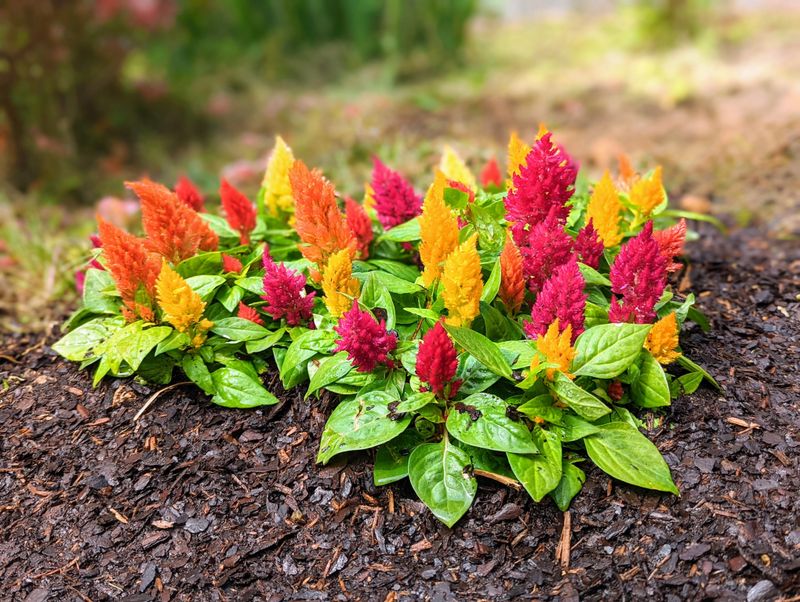
Group several pots at different heights for more impact. Burgundy, orange, pink, and gold celosia can look like a sunset decided to rent the patio.
Check container soil often in hot spells. Water when the top inch feels dry. The setup is simple, but the result can look wildly expensive. Your patio gets drama, and celosia gets applause.