Florida Shade Plants That Perform When Humidity Has Nowhere To Go
Florida shade can feel like a relief until the humidity settles in and refuses to move. That is when many plants start to sulk, spot, droop, or simply fade into the background.
The right shade plants, though, can handle that heavy air and still make a garden look lush, polished, and alive. Instead of fighting Florida’s damp summer conditions, these dependable picks work with them.
They bring texture, color, and structure to spots where sun-loving flowers would struggle. Think covered patios, tree-lined borders, side yards, and those tricky corners that stay warm, dim, and sticky for months.
With the right plants in place, shade does not have to feel dull or difficult. It can become one of the most attractive parts of the landscape, even when the air feels thick enough to wear.
1. Coontie Holds Its Shape In Heavy Shade Humidity
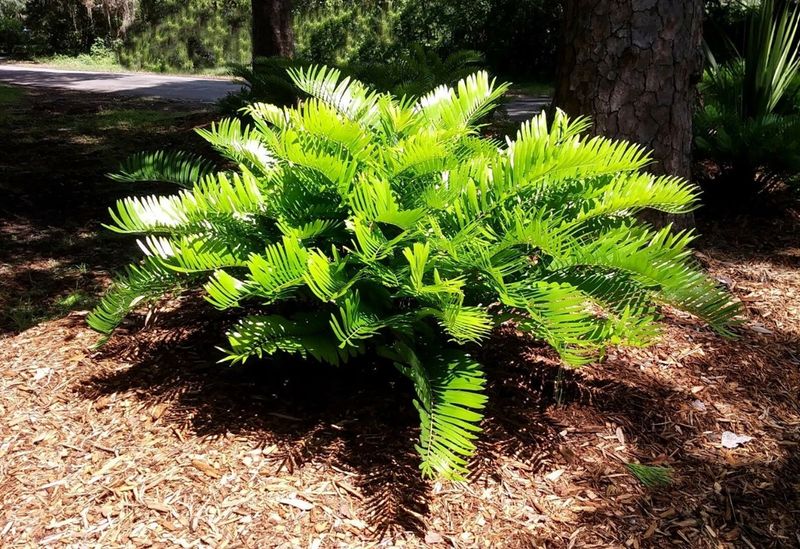
A shaded foundation bed that never quite dries out is exactly where coontie (Zamia integrifolia) earns its place. This Florida native cycad holds a tidy, architectural shape even when the air feels thick and the ground stays damp longer than you would like.
Its stiff, dark green fronds stay upright and clean-looking through weeks of rainy-season humidity, which is more than most plants in a shaded corner can claim.
Coontie is evergreen, so it keeps its structure year-round without the yellowing or drooping that trips up softer shade plants. It grows slowly and stays relatively compact, usually reaching about three feet tall and wide at maturity.
That low, tidy profile makes it useful under trees, along shaded foundations, or in narrow side yards where taller shrubs would crowd the space.
One thing coontie is firm about: drainage. It does not want soggy, poorly drained soil, even though it can handle occasional wet periods after heavy rain.
Sandy, well-drained soil with good organic matter is what keeps the roots healthy. Planting it in a spot that holds standing water will cause problems over time.
After establishment, coontie handles dry spells reasonably well, which is useful during the brief dry stretches that can follow a rainy season. Supplemental watering during the first year or two helps roots settle in.
It also serves as a host plant for the atala butterfly, a native species supported by UF/IFAS sources. That adds quiet ecological value to a shaded bed without any extra effort from the gardener.
2. Rouge Plant Brings Color To Sticky Shaded Corners
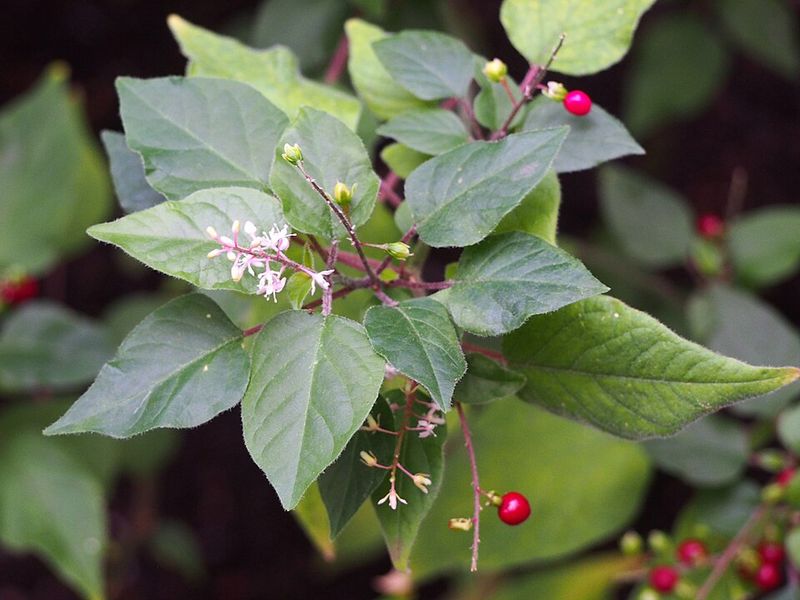
Tucked into a sticky, shaded corner where most flowering plants give up, rouge plant (Rivina humilis) offers something genuinely cheerful. Tiny white to pale pink flowers line its slender stems, followed by small, bright red berries that catch the eye even in low light.
It is a native plant with a soft, informal look that suits woodland edges, shaded beds under high tree canopy, and protected corners where the air barely moves.
Wildlife value is real here. Birds are drawn to the berries, and the plant fits naturally into layered shade plantings where native shrubs and ground covers share space.
Your Florida Garden Changes Every Week. Your Plan Should Too.
Gardening in Florida changes quickly throughout the season. Every Friday you’ll receive a simple weekly plan showing exactly what to plant, prune, fertilize, harvest, and protect so you never miss the right timing.
It tends to stay fairly low, usually under three feet, which makes it easy to tuck beneath taller understory plants without fighting for vertical space.
The informal growth habit is something to plan for honestly. Rouge plant can reseed and spread where conditions suit it, especially in warm, moist, shaded spots.
That spreading tendency can feel welcome in a naturalistic bed and a bit much in a tidy, formal planting. Editing it back occasionally keeps it from running into neighboring plants.
Placement matters more than most gardeners expect. High shade or filtered light from tall trees works better than deep, dense shade where no light reaches at all.
A spot with some morning brightness or shifting dappled light gives the plant enough energy to flower and set berries reliably. Spacing it away from other plants and keeping mulch loose around the base also helps airflow.
That reduces the fungal pressure that can build in humid corners during summer.
3. Wild Coffee Keeps Glossy Leaves When Air Feels Stuck
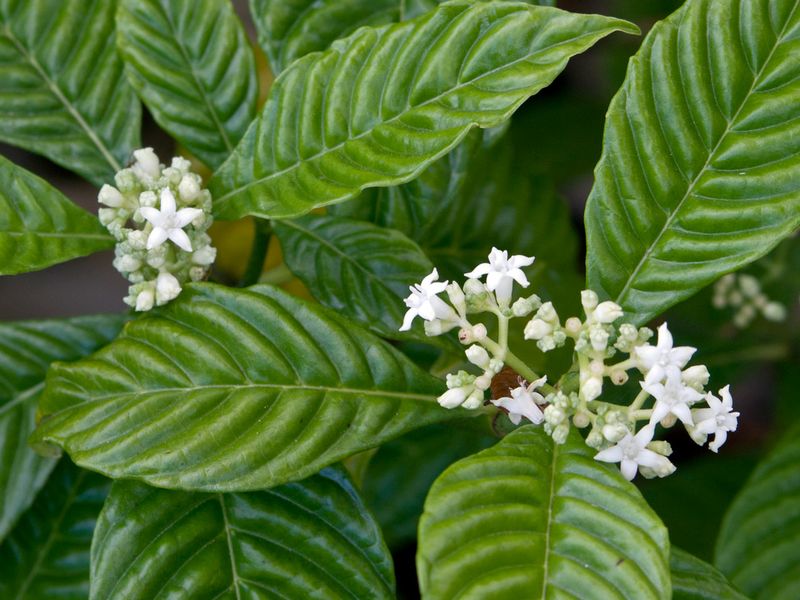
Under a canopy of live oaks where the air barely stirs on a July afternoon, wild coffee (Psychotria nervosa) manages to look polished. Its leaves are one of the most distinctive features in any shaded native planting.
They are deeply quilted, intensely glossy, and rich green in a way that reflects filtered light through the tree canopy. That glossy texture holds up through weeks of sticky summer humidity without the wilting or yellowing that affects less resilient shade plants.
Small white flowers appear seasonally and are followed by red berries that attract birds and other wildlife. That combination makes it useful in layered shade beds where ecological value matters.
It tends to reach six to fifteen feet at maturity depending on conditions. That gives it real presence as a background shrub or a layered mid-story plant in a woodland-style planting.
Regional fit is worth noting clearly. Wild coffee is best suited to warm southern and central regions and protected sites.
In colder inland areas or northern regions, it may suffer frost damage and is less reliably evergreen. Gardeners in those areas should site it carefully in sheltered spots or treat it as a plant that may need some cold-season recovery.
Spacing and airflow make a real difference in how this shrub looks over time. Planted too close to walls or other shrubs, the interior can stay damp and develop fungal issues.
Giving it room to breathe and pruning out crowded interior stems occasionally help it stay polished. Keeping mulch away from the base also helps it hold that glossy, structured look through the rainy season.
4. Marlberry Makes Damp Shade Look Polished
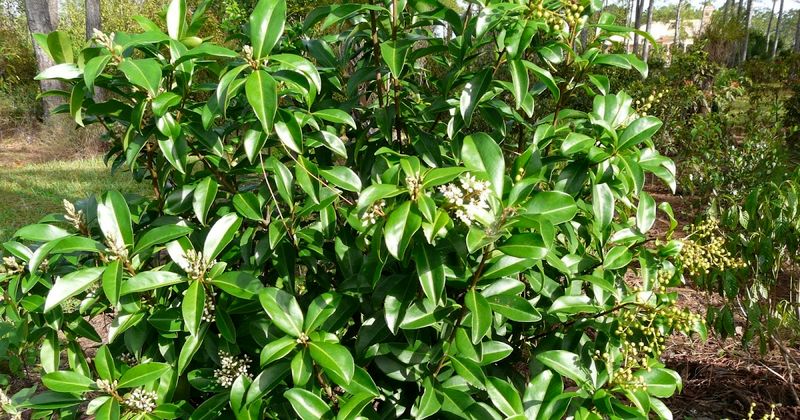
Some shaded beds need a plant that brings real structure without fuss, and marlberry (Ardisia escallonioides) fills that role quietly and reliably. Its glossy, dark green leaves hold their color through summer heat and humidity.
They give a bed a polished, layered look even when the air feels heavy and the soil stays damp after afternoon storms. It is a native shrub or small tree that can reach ten to fifteen feet or taller under the right conditions.
That makes it a genuine background plant rather than a small accent.
White flowers appear in clusters and are followed by dark fruit that birds and other wildlife use. That seasonal interest adds depth to a shade planting beyond just foliage.
The wildlife value also aligns with what UF/IFAS and Florida Native Plant Society sources support for this species. It works well as a background shrub, an informal screen, or part of a layered native planting under tall trees.
Size is something to plan around honestly. Marlberry is not a plant for a small foundation pocket or a tight bed near a walkway.
It needs room to grow and looks best where its natural form can develop without constant heavy pruning. Beds with generous space, reasonable airflow, and some canopy overhead suit it well.
Pruning to remove crossing or crowded stems helps maintain airflow inside the canopy, which matters during the long, humid rainy season. Well-drained to moderately moist soil works best.
It does not want poorly drained, waterlogged conditions. Giving it the right soil and enough space is what keeps it looking intentional rather than overgrown.
5. Swamp Fern Softens Wet Shade Without Falling Apart
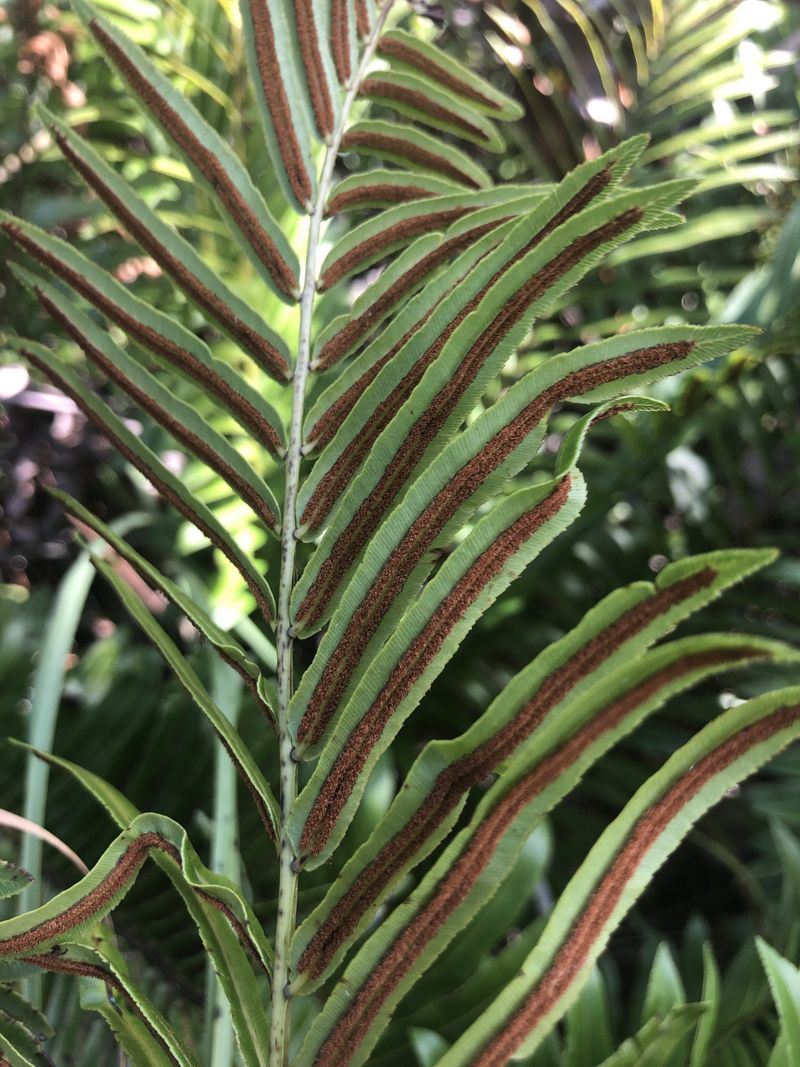
A consistently wet, shaded corner that leaves most plants struggling is exactly where swamp fern (Blechnum serrulatum) makes sense.
This native fern grows naturally in wetland edges, pond margins, wet flatwoods, and other moist to wet shaded sites across much of this state.
Where the soil stays reliably damp and shade is consistent, it can spread into a soft, layered colony. It holds the ground without the rot or collapse that affects less moisture-tolerant plants.
The fronds are medium green, arching, and have a clean, slightly leathery texture that holds up well in humid conditions.
New growth often emerges with a reddish or coppery tone before maturing to green, which adds a subtle seasonal interest without any extra effort.
It spreads by rhizomes and can form expanding colonies over time, which is an asset in a large wet bed and something to manage in a smaller space.
Placement is everything with swamp fern. It is not a plant for dry shade or even moderately moist shade.
It wants wet conditions: rain garden edges, pond margins, consistently saturated low spots, or shaded ditches where water lingers. Putting it in a drier spot will not produce the lush, spreading look it achieves in the right conditions.
For gardeners dealing with a low, shaded corner that holds water after every storm, swamp fern offers a practical native solution. It works with the site rather than against it.
Pairing it with other moisture-tolerant natives creates a naturalistic wet-shade planting that looks intentional and holds soil. It also provides real habitat value for the local ecosystem through the rainy season and beyond.
6. Southern Shield Fern Handles Humid Shade With Clean Texture
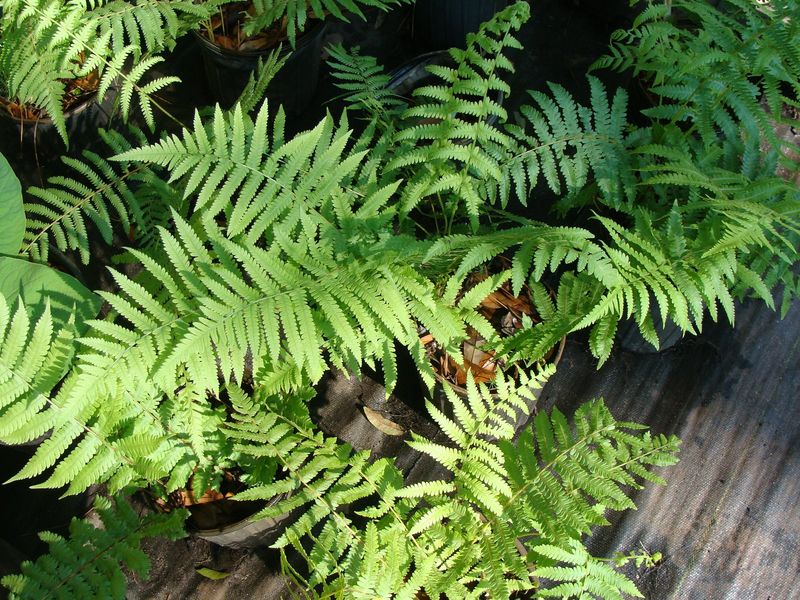
After a week of summer rain, a bed full of southern shield fern (Thelypteris kunthii) looks carefully designed. It seems made by someone who understood exactly how shade and moisture interact in this climate.
The fronds are light to medium green, soft-textured, and arching in a way that feels lush without looking heavy.
It is a Florida native fern that brings a clean, ferny layer to shaded beds, woodland edges, and naturalistic borders where moisture is reasonable but not waterlogged.
It handles the combination of shade and humidity better than many ferns because it is genuinely adapted to the warm, wet conditions that define summer in this state. Planted in high shade, filtered light, or part shade, it fills in steadily.
It creates a soft, repeated layer that ties a planting together without competing with taller shrubs or trees above it.
Spreading is part of its nature. Southern shield fern colonizes by rhizomes and can expand across a bed fairly quickly where it is happy.
In a large naturalistic planting, that spreading habit is exactly what you want. In a small, defined bed, it benefits from occasional editing to keep it from overrunning neighboring plants.
Soil moisture matters for this fern. It prefers consistently moist, well-drained to moderately moist conditions and struggles in dry, sandy spots without supplemental water during dry spells.
Keeping mulch around the base and watering during dry stretches in the first year are practical steps. Giving it enough horizontal room to spread also helps it look clean and fresh through even the stickiest summer weeks.
7. Beautyberry Brightens Woodland Edges After Summer Rain
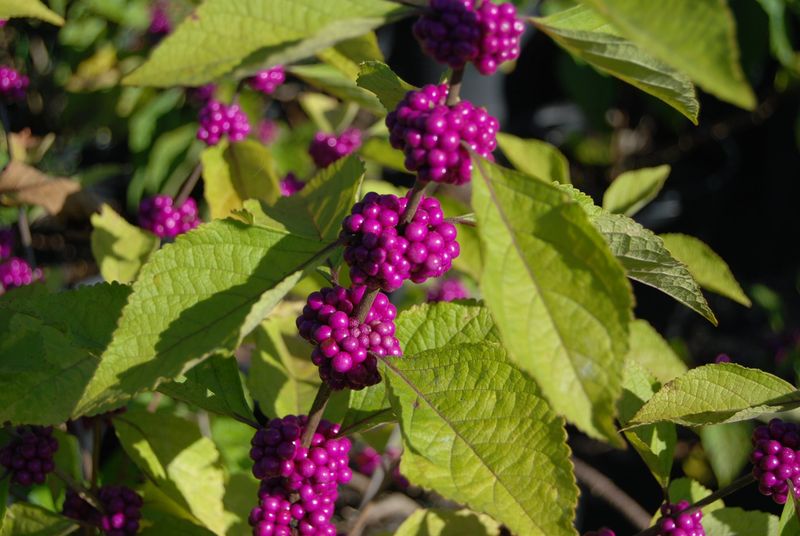
Right after a summer storm passes and the light comes back through the trees, a beautyberry shrub in full berry can stop you in your tracks.
American beautyberry (Callicarpa americana) is a native shrub known for its clusters of vivid purple berries that line the arching stems in late summer and fall.
That berry display is one of the most striking things in a shaded or partly shaded native planting. It arrives right when the rainy season is winding down and the garden needs something to look at.
Birds and other wildlife use the berries reliably. That makes beautyberry a genuinely useful addition to a woodland edge or mixed shrub border rather than just a visual one.
It tolerates part shade and performs well along the edges of tree canopies where it gets some filtered light. Deep, dense shade with no light will reduce flowering and berry production significantly.
The growth habit is loose and arching, which gives it a natural, relaxed look that suits informal and naturalistic plantings. Tight, formal spaces or small foundation beds are not where it shines without regular pruning to keep it compact.
Where it has room to arch and spread to six feet or more in width, it looks genuinely at home.
Cutting it back hard in late winter or early spring encourages fresh, vigorous growth and a better berry display the following season. That annual pruning also keeps the plant from getting too woody and open in the center.
Well-drained to moderately moist soil helps it stay healthy through the long, humid summer. A spot with reasonable airflow also reduces fungal problems on the foliage.
8. Oakleaf Hydrangea Makes Shaded Beds Feel Cooler
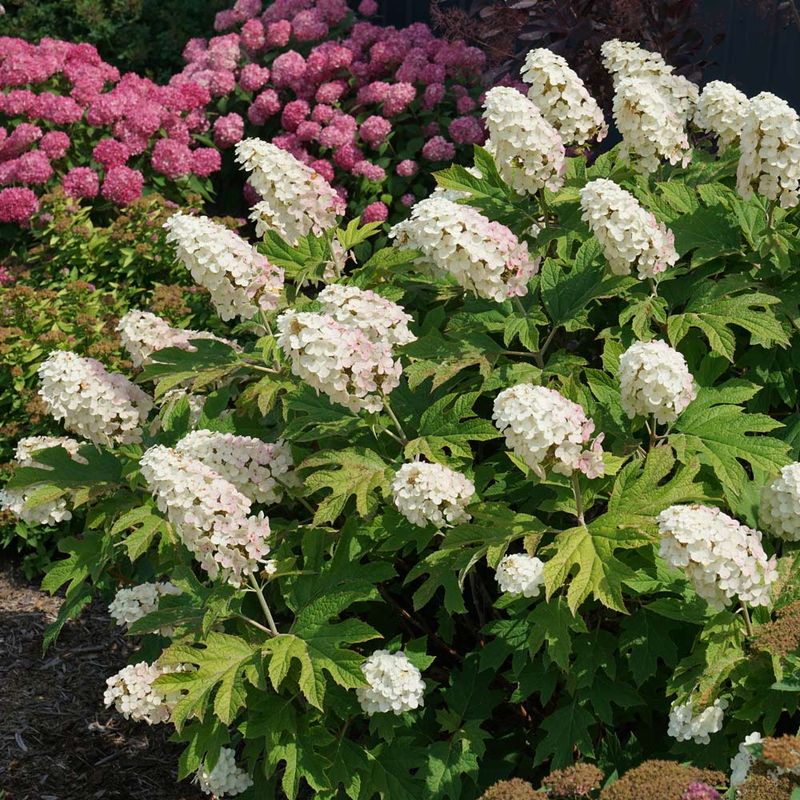
Large, deeply lobed leaves give oakleaf hydrangea (Hydrangea quercifolia) real presence in a shaded bed. Cone-shaped white flower clusters add an impact that few native shrubs can match.
It is a plant that genuinely cools a space visually, even on a day when the humidity makes everything feel heavy. The leaves are bold and textured, and the flowers are showy and long-lasting.
In a protected shaded bed, the overall effect feels almost unexpectedly lush for a summer garden in this state.
Regional fit is important to understand before planting. Oakleaf hydrangea tends to perform best in northern and central regions, where summers are slightly cooler and winters are cold enough to support healthy dormancy.
In hot, exposed southern-region sites, it can struggle with heat stress, leaf scorch, and inconsistent performance. A protected spot with high shade, good airflow, and well-drained soil gives it the best chance across the state.
Drainage is non-negotiable. This hydrangea does not want soggy, poorly drained soil or spots that hold standing water after rain.
Moist, well-drained soil with organic matter suits it well. Planting it in a low spot that stays wet will cause root problems over time, regardless of how much shade the site receives.
Reflected heat from walls, pavement, or fences makes conditions harder for it. A spot under tall trees, away from hard surfaces, with morning light and afternoon shade is the practical sweet spot.
Mulching the root zone and watering during dry spells keeps it healthy. Pruning only after flowering also helps it hold that impressive, cooling presence through the warmest months of the year.