The Real Reason Carpenter Bees Keep Coming Back To Missouri’s Wooden Porches
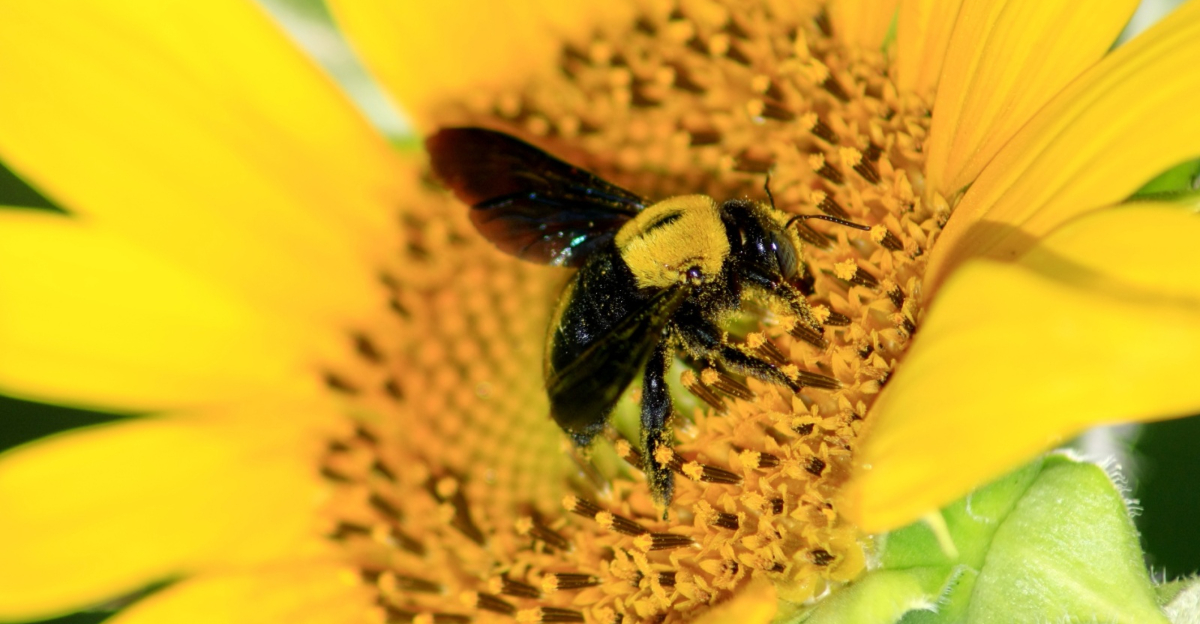
The hole is too precise to be an accident. Circular, smooth-edged, about the width of your thumb, sitting in wood that looked completely fine yesterday.
Carpenter bees do not chew randomly. They drill with purpose, and in Missouri, porches give them every reason to. These are not insects wandering onto your property by chance.
They are returning to it, often to the same boards, season after season, following signals that most homeowners never think to remove. Missouri springtime is a signal.
The warmth arrives, the females emerge, and they begin reading your porch the way a contractor reads a blueprint. Every soft grain, every bare surface, every sheltered corner tells them something useful.
Most homeowners patch the holes and call it done. The bees come back anyway. Know what draws them in, and you stop reacting. You get ahead of them entirely.
Softwoods Like Pine And Cedar Are Their Preferred Targets
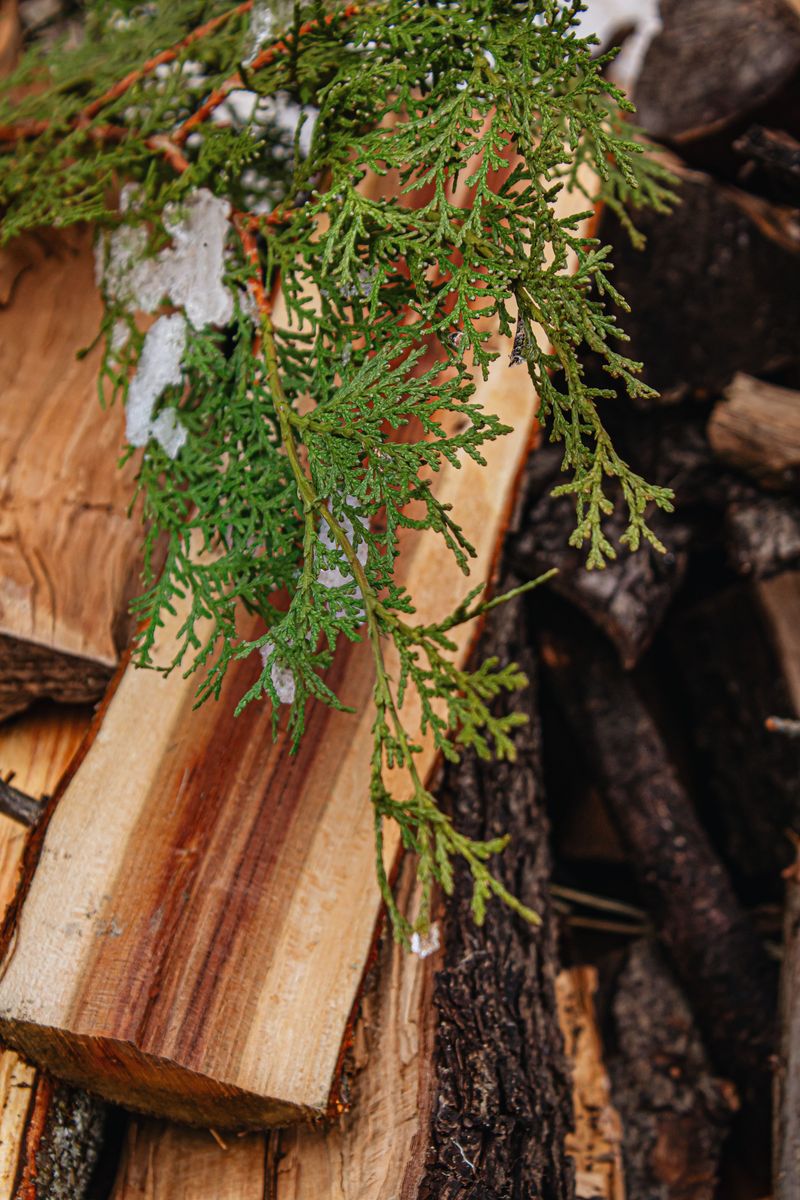
Grab a magnifying glass and look closely at your porch railing. Carpenter bees are not randomly picking wood. They are making a very calculated choice.
Softwoods like pine and cedar are far easier to chew through than hardwoods. The fibers in these woods are looser, which means less effort for a bee boring a nest tunnel.
Most Missouri porches are built with pine lumber because it is affordable and widely available. That makes them a top target without homeowners even realizing the risk.
Cedar may be pleasant to humans, but carpenter bees are drawn to its soft, workable fiber and not its scent. The natural oils in cedar do not repel these bees the way many people assume.
Redwood is another softwood that attracts heavy attention from carpenter bees. Anywhere these softer wood species appear, the bees tend to follow.
Hardwoods like oak or maple are much harder to penetrate, so bees tend to skip them. Switching to hardwood materials for exposed porch surfaces is one of the most effective long-term deterrents.
Painting or sealing softwood surfaces adds a protective barrier that slows the bees down. The real reason carpenter bees love Missouri wooden porches often starts with this simple material choice.
Unpainted, Weathered Wood Is Especially Vulnerable
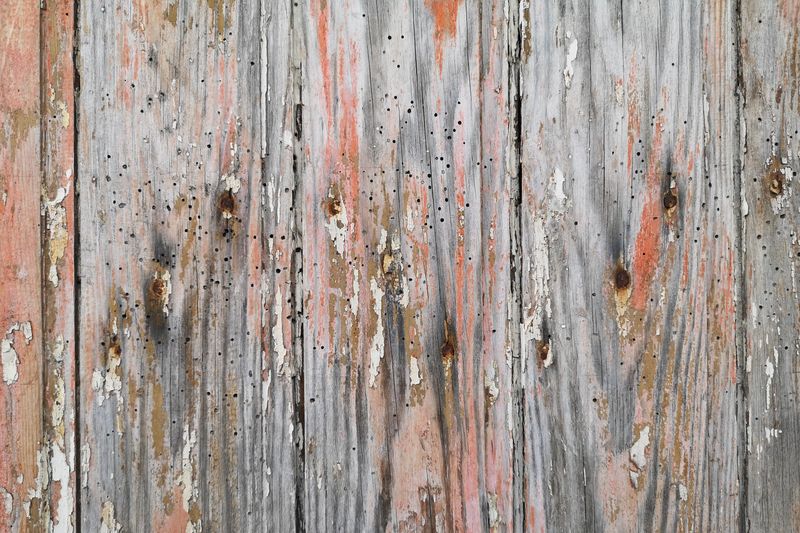
Peeling paint, gray weathered boards, and rough splintered surfaces, carpenter bees see all of that as a welcome sign. Bare wood is basically an open invitation.
When wood is left unfinished, it dries out and becomes easier to chew through. The surface softens over time from sun exposure, rain, and freeze-thaw cycles common in Missouri winters.
Painted wood is not impossible for bees to attack, but it does slow them down significantly. A fresh coat of exterior paint or sealant creates a slick surface that discourages boring attempts.
Weathered wood also absorbs moisture, which causes it to swell and crack. Those cracks give bees an easy starting point to begin a new tunnel without much effort.
Many homeowners skip repainting older porch sections because it feels like a low priority. That delay can turn a small cosmetic issue into a more significant structural problem over time.
Your Missouri Garden Changes Every Week. Your Plan Should Too.
Gardening in Missouri changes quickly throughout the season. Every Friday you’ll receive a simple weekly plan showing exactly what to plant, prune, fertilize, harvest, and protect so you never miss the right timing.
Staining wood is slightly less effective than painting, but it still offers meaningful protection. Any finish is better than leaving wood completely bare and exposed to the elements.
The real reason carpenter bees love Missouri wooden porches is partly about opportunity. Weathered, neglected wood gives them the easiest path forward, so staying on top of maintenance makes a real difference.
Old Tunnels Bring Them Back, Boring Deeper Each Season
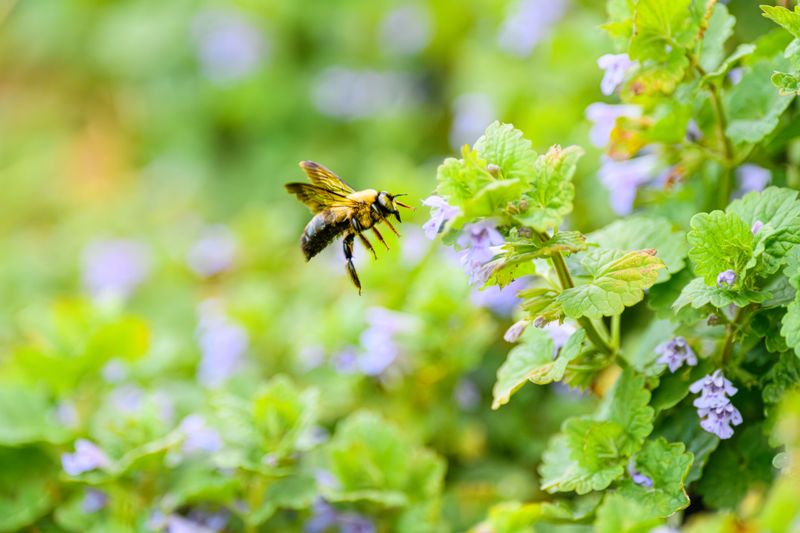
Here is something that surprises most homeowners: carpenter bees return to the same tunnels year after year. They do not just move on after one season.
A tunnel started last spring may be extended by several inches this year. Over multiple seasons, a single tunnel can stretch nearly a foot deep inside a wooden beam.
Female carpenter bees actually prefer existing tunnels over starting fresh ones. It takes less energy to renovate an old gallery than to bore a new entry from scratch.
Each season, the tunnel gets widened and deepened to create more nesting chambers. A single board can eventually hold a complex network of tunnels that weakens its structural integrity.
Filling old holes with wood putty or caulk before spring is one of the best prevention steps. Bees that cannot find their old entrance are forced to work harder to establish a new one.
Timing matters enormously with this strategy. Plugging holes in late winter, before March, catches them before they become active again in the Missouri warming season.
Ignoring old tunnels is one of the most common mistakes homeowners make. The real reason carpenter bees love Missouri wooden porches includes the powerful pull of familiar, pre-built real estate they can just move back into.
Missouri’s Long Active Season Runs March Through November
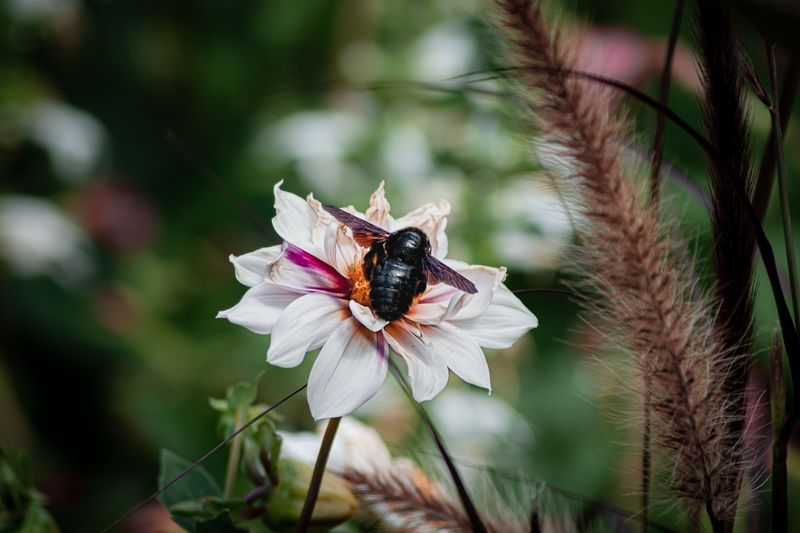
Missouri sits in a sweet spot climatically, warm enough for a long active season, but not so extreme that bees get pushed out early. That long window is a big deal.
Carpenter bees typically emerge from overwintering sites around March in Missouri. They stay active all the way through November, giving them nearly nine months to nest and expand.
Compare that to northern states where the season might be only four or five months. Missouri bees get almost twice the active time, which gives them significantly more opportunity to nest, expand, and return.
Spring activity focuses on mating and establishing new tunnels. Summer brings intensive egg-laying, and fall sees young bees preparing for overwintering inside existing galleries.
The extended warm season also means multiple rounds of activity within a single year. Homeowners who miss the early spring window often find themselves dealing with fresh damage by midsummer.
Missouri’s humid summers also keep wood moist enough to be easier to bore through. That combination of warmth and moisture creates near-perfect conditions for carpenter bee activity.
Staying ahead of the season matters more here than in colder climates. The real reason carpenter bees love Missouri wooden porches includes the generous timeline this state gives them to work, nest, and return.
Porches Offer Shelter From Rain, Predators, And Sunlight
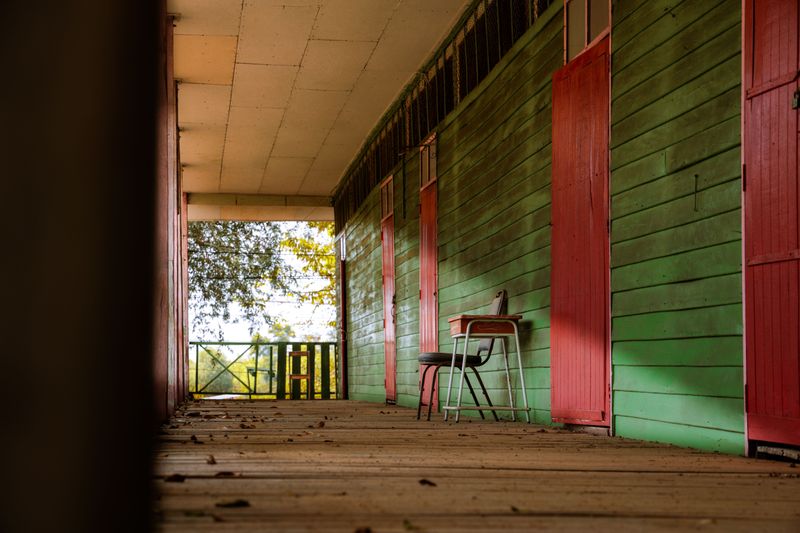
To a carpenter bee, a porch is an ideal combination of shelter, shade, and accessible material. They all come bundled in one spot.
The overhang of a porch roof keeps rain from flooding nest tunnels. Dry tunnels mean healthy larvae, which is exactly what a nesting female is trying to achieve.
Fascia boards, porch ceilings, and the undersides of railings are particularly attractive. These surfaces face downward or are shielded from direct weather, making them ideal nesting spots.
Predators like woodpeckers and birds have a harder time reaching bees tucked under a covered porch. The structural complexity of a porch creates natural hiding spots that open fields simply cannot offer.
Direct sun can dry out wood too quickly, making it harder to bore through. Shaded porch surfaces stay at a moderate moisture level that is much easier to work with.
The underside of a deck or the top rail of a covered porch hits a perfect balance of accessibility and protection. Bees scout these locations deliberately before committing to a nesting site.
Understanding this behavior helps homeowners target the right spots for treatment and prevention. The real reason carpenter bees love Missouri wooden porches is as much about location strategy as it is about the wood itself.
Overwintering In Old Tunnels Means They Return Right Where They Left Off
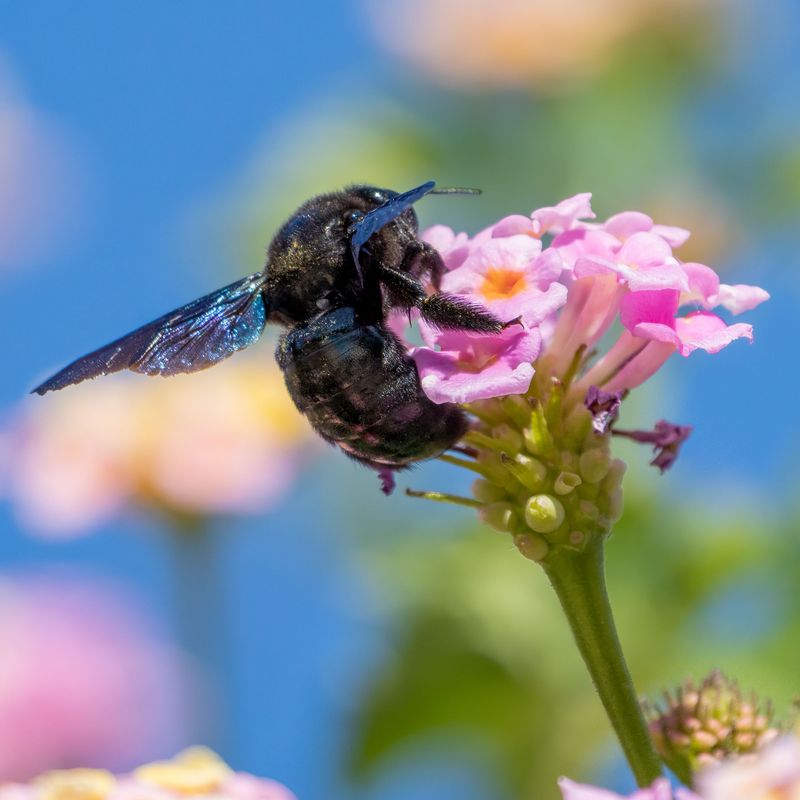
Most people assume bees disappear in winter and start fresh each spring. Carpenter bees do not work that way at all.
Young bees born in late summer spend the winter tucked inside the same tunnels where they hatched. They emerge in spring already knowing exactly where they are and where to start working.
This overwintering behavior is what creates a cycle that feels almost impossible to break. Each generation inherits the same porch, the same boards, and the same tunnel network.
Temperatures inside a wooden porch beam stay relatively stable through Missouri winters. That insulation protects overwintering bees from the harshest cold snaps that hit the state in January and February.
When spring warmth arrives, these bees do not need to scout for a new location. They simply start excavating from where last season ended, making the tunnels longer and more damaging.
This is why a porch that had minor damage one year can look considerably worse the next. The compounding effect of returning generations adds up faster than most homeowners expect.
Treating and sealing tunnels in late fall is just as important as spring prevention. The real reason carpenter bees love Missouri wooden porches is partly a legacy issue, once a spot is chosen, it gets passed down.
Woodpecker Damage From Larvae Attracts Even More Bees
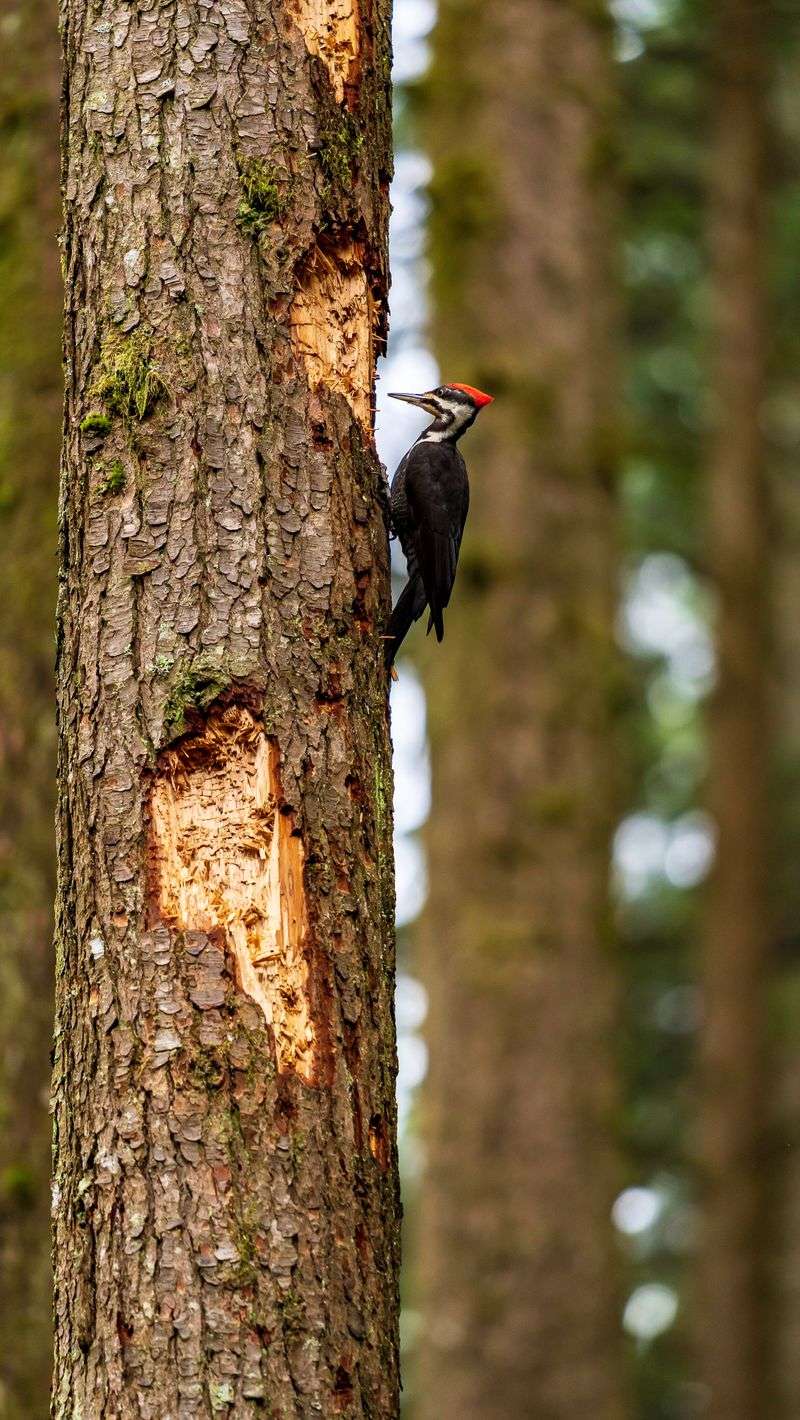
Just when you think carpenter bees are the only problem, woodpeckers show up and considerably worsen the damage. The two are connected in a compounding cycle.
Woodpeckers can hear carpenter bee larvae moving inside wooden beams. They peck aggressively through the surface to reach those larvae, creating large, jagged holes in the process.
Those new openings are not just cosmetic damage, they expose the interior of the wood to moisture and new bee scouts. Fresh carpenter bees checking out the area see those holes as pre-drilled starting points.
A single woodpecker attack may expose enough raw wood to draw in new nesting females looking for an easy entry point. What started as one bee problem can spread across multiple boards within a single season.
Woodpecker damage is also much harder to repair than clean bee holes. The irregular shape of peck damage makes sealing and patching more complicated and less effective.
Reflective tape, fake owls, or physical barriers can help deter woodpeckers once you know they are targeting your porch. Acting quickly after the first signs of pecking prevents the damage from escalating.
Addressing the bee problem first removes the food source that draws woodpeckers in. The real reason carpenter bees love Missouri wooden porches creates a chain reaction, and breaking that chain starts with the bees themselves.