How Texas Gardeners Can Support Spiny Lizards While Managing Ticks
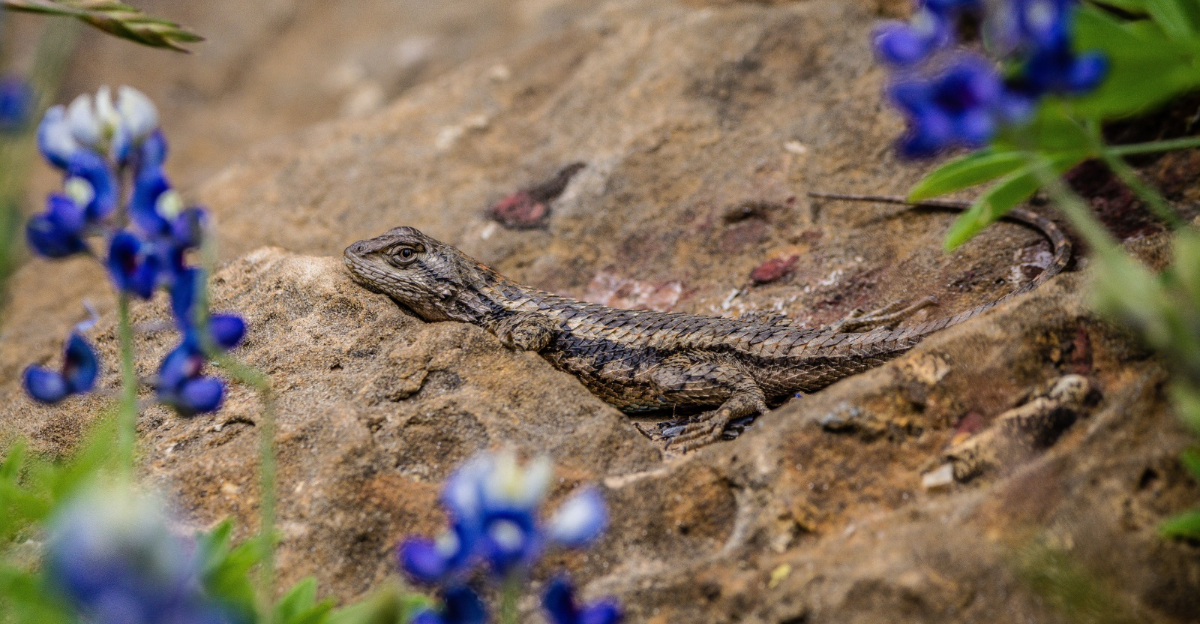
If you have ever spotted a small lizard doing what can only be described as a very committed push-up routine on your fence rail and wondered what on earth it was up to, welcome to the Texas spiny lizard fan club.
These backyard characters show up on fences, tree trunks, walls, logs, and garden edges like they own the place, and honestly, in a healthy Texas yard, they kind of do.
Most homeowners barely stop to think about how useful these little reptiles actually are.
Active insect hunters, sun worshippers, and surprisingly entertaining to watch, Texas spiny lizards fit naturally into a wildlife-friendly yard in ways that go beyond just looking cool on a fence post.
Supporting them and managing your landscape smartly at the same time is a combination that genuinely benefits the whole backyard ecosystem.
1. Keep Sunny Fence Posts And Logs For Basking
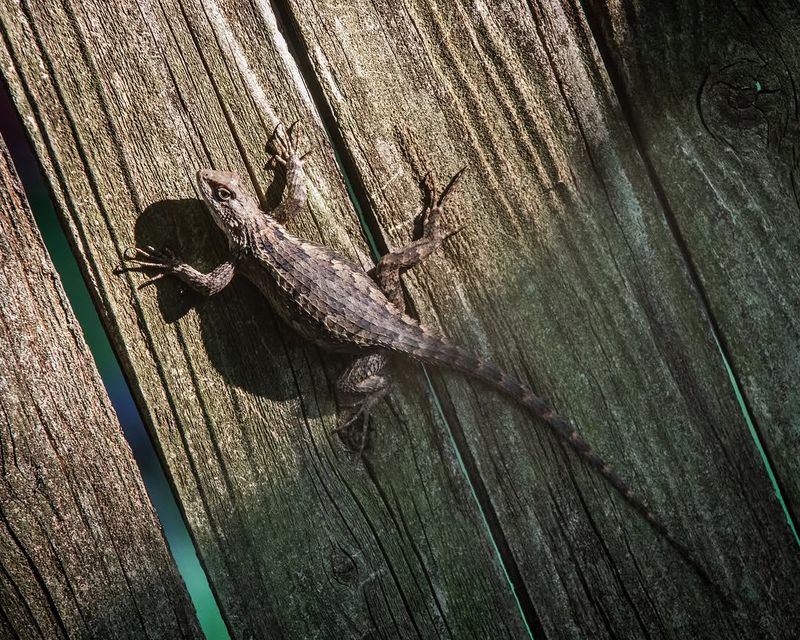
Watching a Texas spiny lizard stretch out along a warm fence rail on a bright morning is one of those small backyard moments that can make a garden feel alive.
These lizards rely on sunlit perches to warm their bodies, stay active, and move quickly when they need to chase insects or retreat from danger.
A wooden fence, old log, sturdy branch, stone wall, or tree trunk in a sunny part of the yard can become a regular basking station without much effort from the gardener.
Spiny lizards are ectotherms, so they depend on outside heat sources rather than producing enough body heat on their own. That makes the layout of a Texas yard important.
A fence line that catches morning sun, a dry log near a native shrub border, or a rough tree trunk beside an open patch of soil can help create the kind of warm, usable habitat these lizards prefer.
Smooth plastic surfaces are less useful than rough wood, bark, or stone because lizards need grip as they climb, pause, and watch for movement.
Before clearing every old branch or replacing every weathered fence rail, consider whether those features are already serving wildlife. The best basking spots are sunny, dry, and close enough to cover that a lizard can slip away quickly.
They should not be buried in thick, moist vegetation or surrounded by heavy leaf litter near walkways, because those conditions can make tick management harder.
In a Texas yard, the sweet spot is a dry, sunny edge with perches for lizards and enough open ground to keep the area easy to inspect.
2. Add Rock Piles Or Flat Stones In Sunny Spots
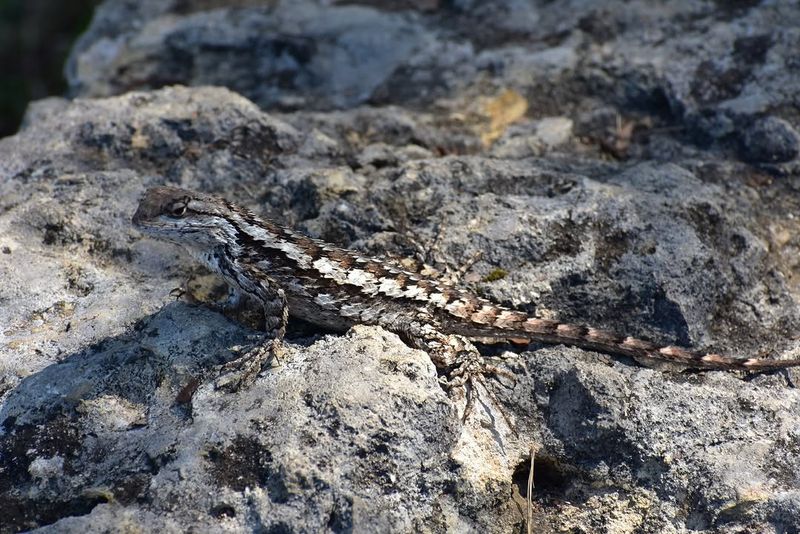
Flat stones along a sunny Texas garden edge can do more than make a border look finished. For spiny lizards, rock surfaces collect warmth, provide lookout points, and create small spaces where they can move between sun and shelter.
A few limestone slabs, flat sandstone pieces, or naturally arranged fieldstones can turn a plain corner of the yard into a more useful reptile-friendly feature without making it look messy or neglected.
Placement matters more than size. Rocks set where they receive several hours of sun are more valuable than stones tucked into a cool, damp, shaded corner.
Your Texas Garden Changes Every Week. Your Plan Should Too.
Gardening in Texas changes quickly throughout the season. Every Friday you’ll receive a simple weekly plan showing exactly what to plant, prune, fertilize, harvest, and protect so you never miss the right timing.
Lizards are more likely to use rocks that warm quickly in the morning and stay dry after rain. In Texas gardens with gravel, caliche, decomposed granite, or sandy soil, rock features often look natural and require little upkeep.
A loose, open arrangement is better than a dense mound that traps leaves and moisture. The goal is to give lizards warm surfaces and escape spaces while keeping the ground around them visible and manageable.
This is where tick-aware design matters. Rock piles pushed into thick brush, tall grass, or damp leaf litter can create the wrong kind of shelter near high-use spaces.
A better approach is to place flat stones near dry open ground, low native plants, or sunny borders where you can still see and maintain the area.
Keep the edges trimmed, avoid letting leaves build up beneath the rocks, and leave enough open space for sunlight to reach the ground.
That way, the same feature can support spiny lizards without quietly becoming a shaded, moist pocket where ticks are harder to notice.
3. Leave Some Brushy Edges Without Letting Them Overgrow
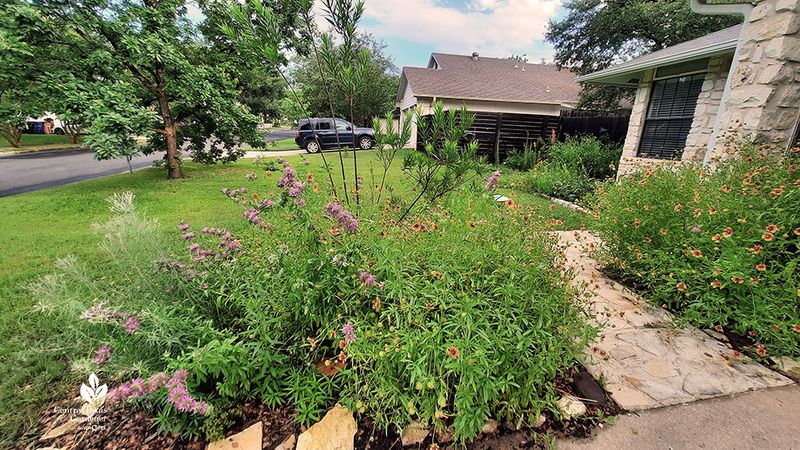
A narrow strip of managed brush along a fence line can be useful wildlife habitat without turning the yard into a tangle. Texas spiny lizards need places to retreat, hunt insects, and move between open basking spots and protective cover.
A few shrubs, bunchy native plants, or lightly structured border areas can give them that safety. The key is keeping the edge open enough at ground level that it does not become a damp, shaded, tick-friendly strip beside places people and pets use every day.
Many Texas yards already have transitional edges where lawn meets fence, shrub bed, alley, pasture, creek corridor, or wooded boundary. Those edges can support lizards when they include sunlight, rough surfaces, insects, and nearby cover.
They become more of a tick concern when tall grass, low-hanging branches, leaf litter, and clutter build up together. A border can be wildlife-friendly and still be tidy.
Think of it as a layered edge, not an abandoned one.
Selective trimming helps keep the balance. Leave some shrub structure, but cut back vegetation that flops across paths, pet routes, seating areas, or gates.
Keep grass short where people walk, and avoid letting dense plant material press directly against patios or play areas. Spiny lizards can still use nearby shrubs and low branches if there are sunny openings close by.
In a Texas garden, this kind of managed edge gives lizards a place to move and forage while keeping tick habitat farther from the areas where daily life happens.
4. Plant Native Shrubs Near Open Ground
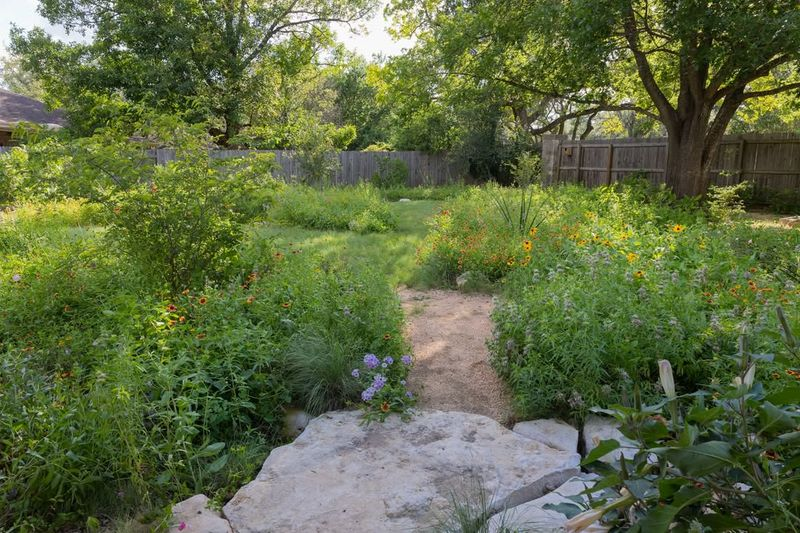
Native shrubs placed near open sunny ground can give Texas spiny lizards a practical mix of shelter and access. A lizard basking on a rock, fence rail, or tree trunk does not want to be stranded far from cover.
Shrubs create nearby escape routes, insect habitat, and shaded resting areas. When they are spaced well and planted near open patches rather than packed into a solid wall, they can support wildlife without making the yard feel crowded or hard to maintain.
Texas gardeners have many native and well-adapted shrub options, depending on region, soil, sun, and space. The exact plant matters less than the structure it provides.
A useful lizard-friendly shrub border has openings, dry edges, and enough sunlight reaching the ground to keep the area from becoming constantly damp.
Shrubs that attract insects can also support more foraging opportunities, since spiny lizards feed on small arthropods.
That does not mean gardeners need an untidy yard. It means planting with layers, gaps, and sunny access in mind.
Spacing is especially important in tick-aware landscapes. A dense hedge with leaf litter packed underneath may create conditions that are harder to manage, especially near patios, dog runs, children’s play spaces, or narrow side yards.
A better approach is to place shrubs a few feet back from heavy-use areas and keep the base of the planting open enough for air movement and inspection. Mulch can still be used, but it should not pile into deep, wet layers against fences or paths.
In Texas heat, native shrubs near open ground can offer the structure spiny lizards need while still fitting into a yard that stays practical for tick awareness.
5. Reduce Broad-Spectrum Pesticide Use
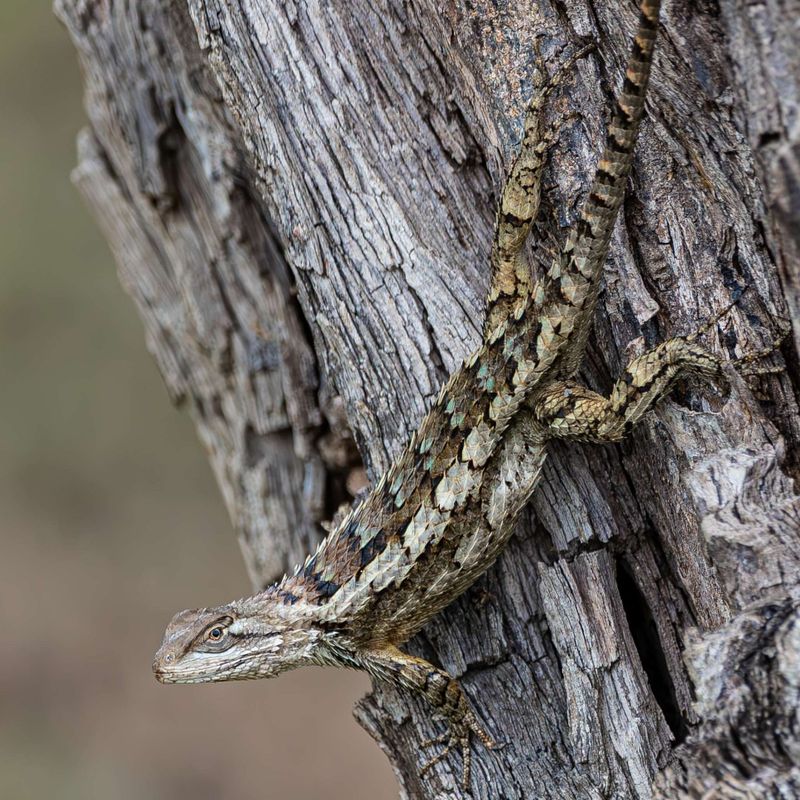
A yard with very few insects may look tidy, but it is not very useful to a lizard. Texas spiny lizards eat insects and other small arthropods, so their presence depends partly on having enough natural food available.
Broad-spectrum pesticide use can reduce that food supply and may also affect non-target creatures that help keep the garden ecosystem more balanced. For gardeners trying to support lizards, blanket spraying across the whole yard can work against the goal.
This does not mean ignoring serious pest problems. It means choosing a more targeted approach.
Identify the actual pest first, treat only where needed, and follow the product label carefully. Spot treatments, hand removal, cultural controls, and plant health improvements often make more sense than treating every border, shrub, and lawn edge at once.
In a Texas garden, where heat and drought can already stress plants and wildlife, reducing unnecessary chemical pressure can make the yard more resilient.
Tick management also needs nuance. If a yard has a serious tick problem, targeted tick control may be appropriate, especially along high-risk edges.
But that should be paired with habitat changes like mowing, clearing brush, removing leaf litter from paths and play areas, and using barriers near wooded edges. Supporting lizards does not mean refusing all pest management.
It means avoiding unnecessary broad-spectrum applications that remove the insects lizards feed on while still taking ticks seriously.
A yard can be both wildlife-aware and tick-aware when the response is specific, measured, and based on the actual problem rather than routine whole-yard spraying.
6. Keep Cats Away From Lizard Habitat
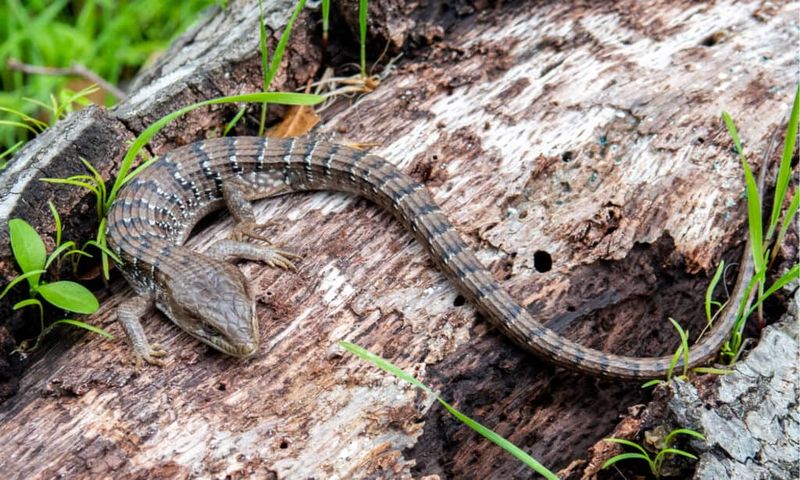
A sunny rock pile or fence rail will not help much if a cat patrols it every afternoon. Outdoor cats are skilled hunters, and small lizards are easy targets when they bask on low surfaces, move through garden beds, or pause near patios.
Even a well-fed cat may stalk reptiles, birds, and other small wildlife. For Texas gardeners who want more spiny lizards in the yard, limiting cat access near key habitat features can make a noticeable difference.
The most effective option is keeping cats indoors or using a secure outdoor enclosure, especially during warm parts of the day when lizards are active.
A catio, screened porch, or supervised outdoor time can give cats fresh air without turning the garden into a hunting route.
If outdoor cats from nearby homes visit often, place lizard habitat features away from predictable cat paths.
Rock piles, logs, and basking stones near open patios may be easy for cats to monitor, while features placed near denser shrub edges with quick escape routes may be safer for lizards.
This point also connects to tick management. Pets can bring ticks closer to patios, doors, and indoor spaces after moving through tall grass, brush, or wooded edges.
Keeping pet routes tidy, checking animals after outdoor time, and working with a veterinarian on tick prevention are still important. Supporting spiny lizards does not replace pet protection.
It simply means designing the yard so lizards have a better chance to use sunny habitat without constant pressure from outdoor cats.
In many Texas neighborhoods, that balance starts with where habitat features are placed and how pets move through the yard.
7. Keep Leaf Litter And Logs In Limited Wildlife Corners
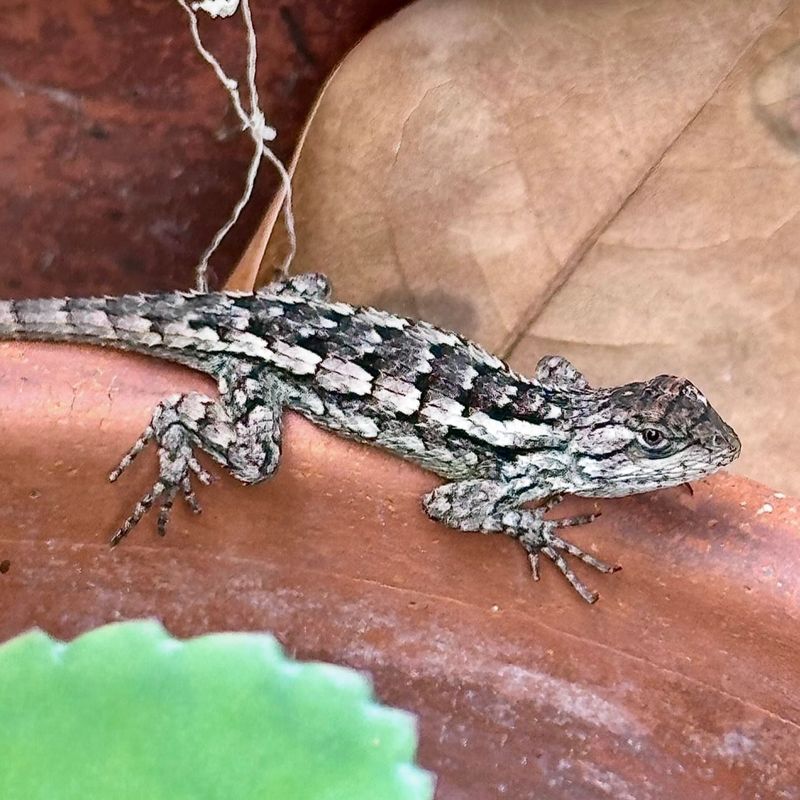
A thin layer of leaf litter and a few old logs can support insects, shelter small wildlife, and give spiny lizards places to forage during cooler parts of the day. In a Texas yard, though, these materials need thoughtful placement.
Leaf litter near wooded edges, shaded fences, and damp corners can also support tick-friendly conditions, especially when it builds up in thick, moist layers. The goal is not to remove every natural feature.
The goal is to keep wildlife habitat in limited, intentional places while keeping high-use areas cleaner.
A controlled wildlife corner works best at the far edge of the yard, away from patios, play equipment, main paths, pet resting spots, and doorways. This area can include a small log, light leaf cover, native plants, and nearby sunny perches.
Keep it dry and open enough to inspect. Avoid creating deep piles of decomposing leaves that stay damp for long periods.
If the area becomes dense, soggy, or packed with debris, thin it out and let more sunlight and airflow reach the ground.
Logs can be useful when placed carefully. A log set partly on gravel or dry soil is easier to manage than one buried in a wet leaf pile.
Lizards may use it for cover, basking, or insect hunting, while gardeners can still keep the surrounding area from becoming cluttered. This is one of the best examples of balancing lizard habitat with tick-aware yard care.
A little natural material in the right spot can help wildlife. Too much of it in the wrong place can make outdoor spaces less comfortable for people and pets.
8. Use Gravel Or Wood Chip Barriers Near Wooded Edges
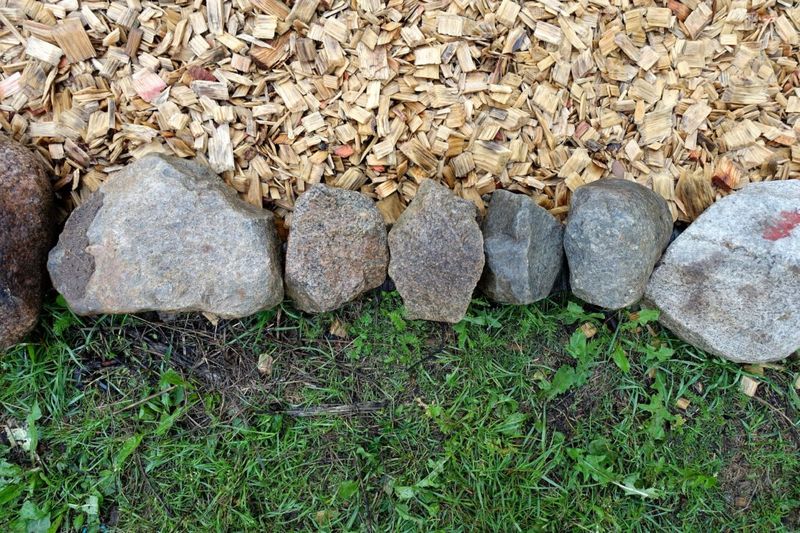
Where lawn meets woods, brush, or an overgrown fence line, ticks are more likely to become a concern. In Texas yards with shaded boundaries, creek corridors, vacant lots, or natural vegetation nearby, these transition zones deserve extra attention.
A gravel or wood chip barrier can help separate high-use spaces from tick-friendly edges while still leaving room for wildlife habitat beyond the maintained yard.
A strip of gravel, decomposed granite, or wood chips creates a drier, more open edge between lawn and brush. It also gives gardeners a clear visual line between paths, patios, pet routes, and more natural habitat.
Keep the maintained side clean and easy to inspect, while the outer side can include native shrubs, logs, rocks, and limited wildlife corners for spiny lizards and other backyard creatures.
This barrier can support lizards, too. Texas spiny lizards often use dry edges, warm stones, fence rails, logs, and open ground as they move through a yard.
The key is maintenance. Keep weeds, leaves, and debris from building up so the barrier does not turn into the same tick-friendly habitat it was meant to separate.
This setup works best when the barrier is wide enough to notice and easy to keep clear. Check it after storms or heavy leaf drop so it does not collect damp debris.
For Texas gardeners, the goal is a cleaner edge that supports wildlife movement without pulling tick-friendly conditions closer to daily outdoor spaces.