This Is What Keeps Tomatoes Producing Through Massachusetts’ Warmest Summer Days
Massachusetts summers have a cruel trick. One week your tomato plants look like something from a gardening magazine, the next they’re slumped over and barely breathing.
Heat above 85°F quietly shuts down pollination, and most gardeners don’t realize it until it’s too late.
No flowers setting fruit. No fruit on the vine. Just green leaves soaking up sun and producing nothing. The good news?
This isn’t bad luck. It’s a solvable problem, and the solution starts before the hottest days arrive.
Gardeners across Massachusetts have figured out that a few specific moves, made at the right time, completely change what happens to their plants when July decides to get cold.
These techniques are not general advice. They are the difference between harvesting tomatoes in August and standing in your garden wondering where everything went wrong.
1. Water Deeply 2-3 Times Per Week During Heat Spells
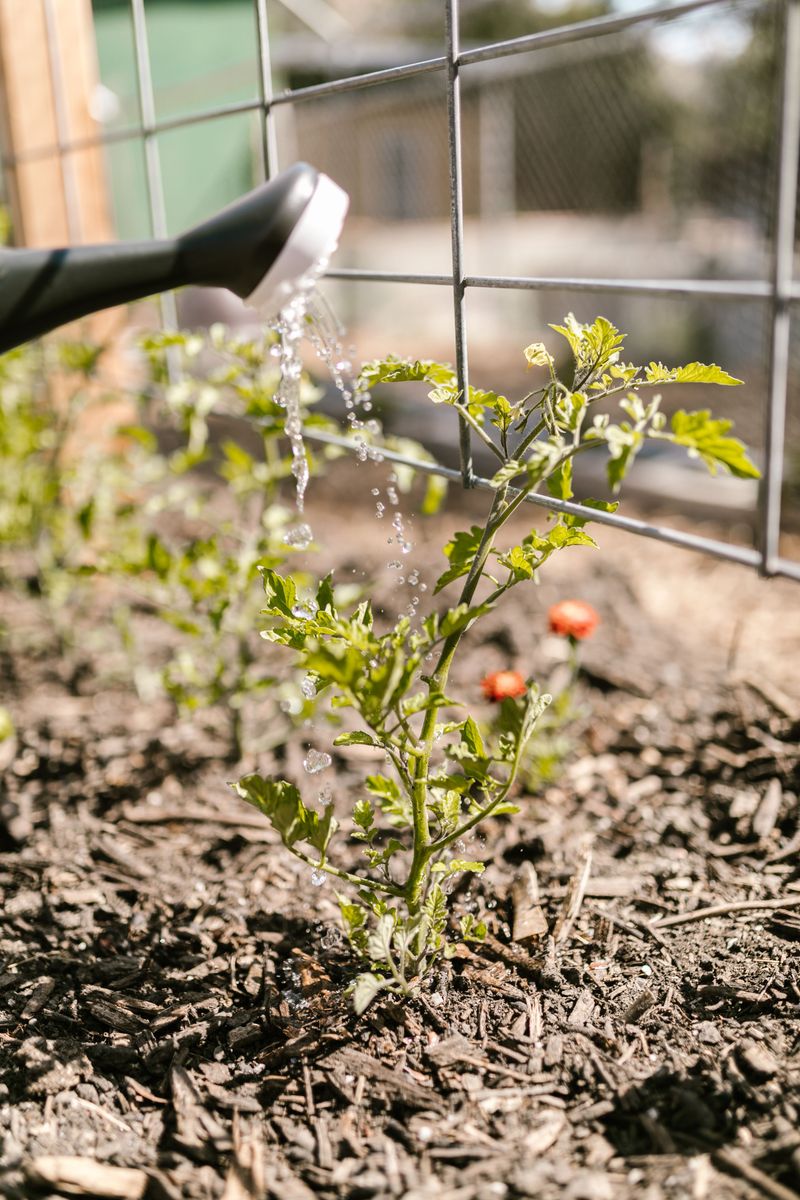
Tomatoes are thirsty plants, and summer heat makes that thirst almost impossible to satisfy. Shallow watering barely touches the roots, leaving plants stressed and production stalled.
Deep watering encourages roots to grow downward into cooler, moister soil layers. Those deeper roots act like anchors, pulling up moisture even when the surface soil bakes dry.
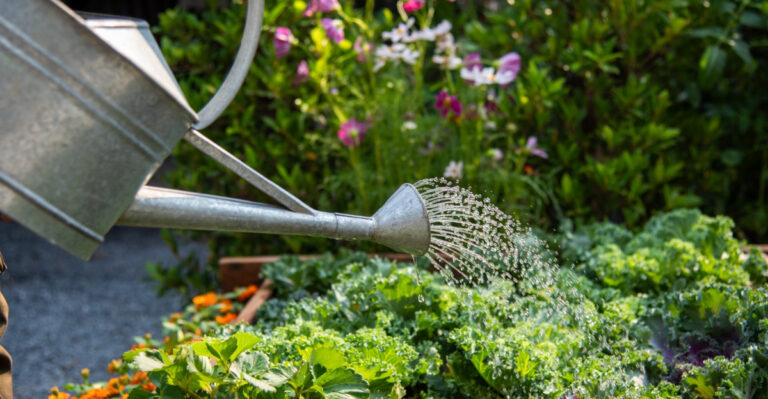
During a heat spell, aim for 2-3 deep watering sessions each week. Each session should soak the soil at least 6-8 inches down for best results.
A simple soil moisture check works wonders here. Push your finger two inches into the ground near the base of the plant and feel for dampness.
If the soil feels dry at that depth, it is time to water. If it still feels moist, wait another day before watering again.
Consistent deep watering keeps tomatoes producing through the warmest summer days by reducing plant stress. Stressed tomato plants drop their blossoms before fruit can form.
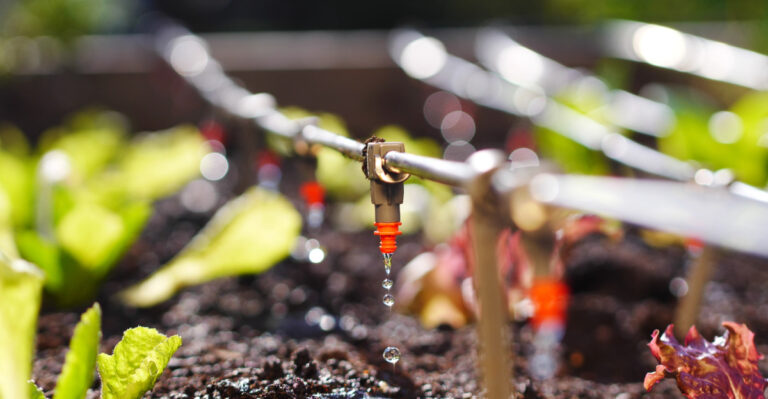
Drip irrigation systems make deep watering much easier and more efficient. They deliver water slowly right at the root zone, cutting down on waste.
Even without fancy equipment, a slow trickle from a garden hose works well. Set it at the base of each plant and let it run for 20-30 minutes per session.
Steady moisture also prevents cracking and blossom end rot, two common summer problems. Give your plants consistent water and they will reward you generously all season long.
2. Mulch Thickly To Retain Soil Moisture And Cool Roots
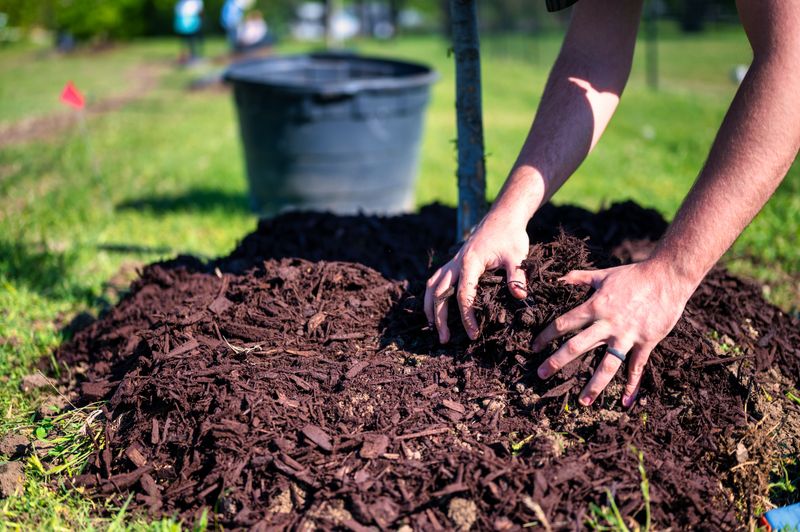
Bare soil in summer is basically a heat trap baking your plant roots from below. A thick layer of mulch changes everything almost immediately.
Mulch acts like a cozy blanket for the soil, blocking the sun and locking in precious moisture. It can lower soil temperature by as much as 10 degrees on a scorching afternoon.
Straw mulch is a classic choice that works beautifully around tomato plants. Wood chips, shredded leaves, and grass clippings are also excellent options that most gardeners already have available.
Spread mulch 3-4 inches thick around each plant for the best protection. Keep it a few inches away from the main stem to prevent rot and pest problems.
Your Massachusetts Garden Changes Every Week. Your Plan Should Too.
Gardening in Massachusetts changes quickly throughout the season. Every Friday you’ll receive a simple weekly plan showing exactly what to plant, prune, fertilize, harvest, and protect so you never miss the right timing.
Mulching also suppresses weeds that compete with your plants for water and nutrients. Fewer weeds mean your tomatoes get more of what they need during the hottest stretch of summer.
As organic mulch breaks down over time, it feeds the soil with nutrients. This slow decomposition process actually improves your garden beds year after year.
Keeping tomatoes producing through the warmest summer days often comes down to root health. Cool, moist roots stay active and keep sending energy up to developing fruit.
Refresh your mulch layer mid-season if it thins out or decomposes quickly. A fresh top-up takes only minutes but pays off with a noticeably healthier crop.
Think of mulching as one of the cheapest, easiest wins in summer gardening. Plants will show visible improvement within just a few days.
3. Shade With Cloth When Temps Exceed 95 Degrees
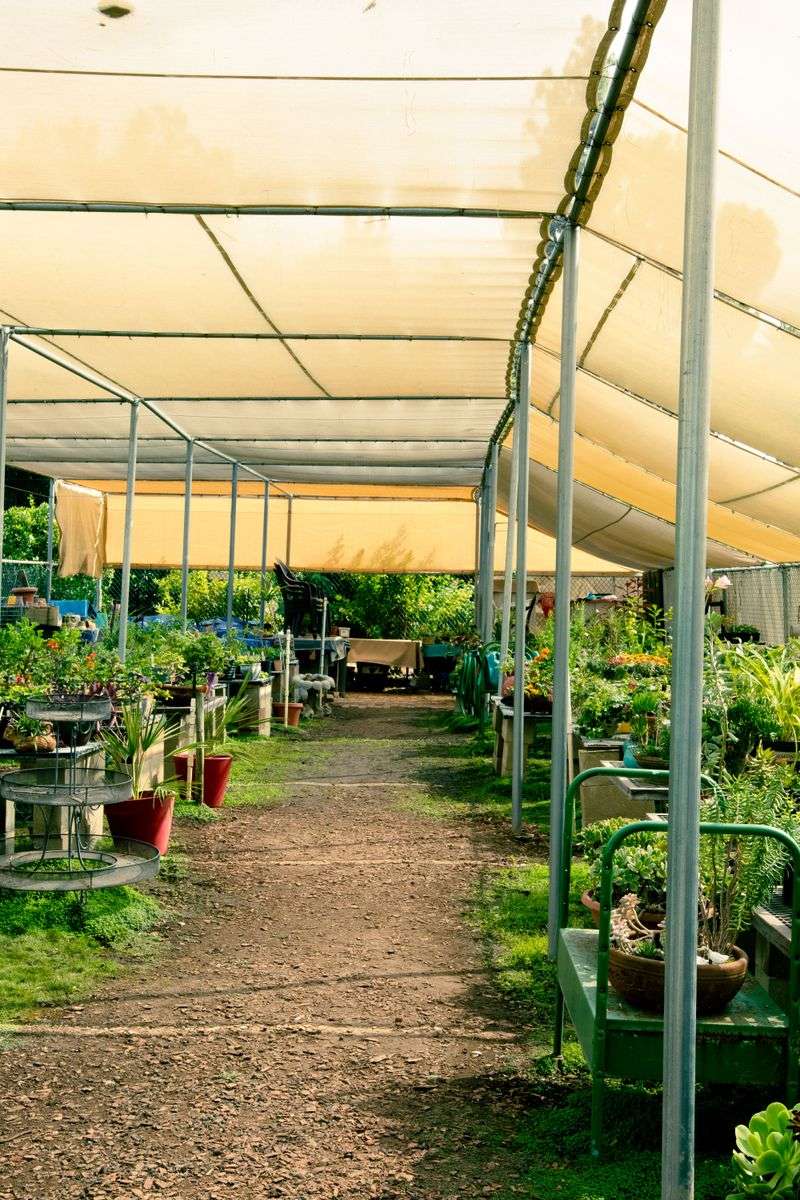
Once the thermometer climbs past 95 degrees, tomato blossoms begin dropping rapidly. That flower drop means no new fruit is forming, one of the most frustrating outcomes mid-season.
Shade cloth is the secret weapon most home gardeners never think to try. It filters out 30-50% of intense sunlight without blocking the airflow plants need to breathe.
You can find shade cloth at most garden centers or online for a very reasonable price. Simply drape it over a simple frame or stakes above your plants during the hottest part of the day.
Even a few hours of afternoon shade can dramatically reduce heat stress on blossoms. Morning sun is gentler and actually helps tomatoes set fruit much more successfully.
Old bedsheets or lightweight row cover fabric also work in a pinch when temperatures spike unexpectedly. Any light filtering material that reduces midday sun intensity will help your plants survive the heat.
Keeping tomatoes producing through the warmest summer days sometimes requires thinking outside the garden box. Creative shade solutions can save an entire season of fruit production.
Remove the shade cloth during cooler morning hours so pollinators can reach the flowers. Bees are most active in the morning, so keeping access open early is critical for fruit set.
Shade is not a permanent fix but a smart seasonal adjustment. Think of it as giving your plants a brief, refreshing break from brutal afternoon sun.
A well-shaded tomato plant looks perkier and holds onto its blossoms longer. That means more fruit and a happier gardener come harvest time.
4. Supply Consistent Calcium To Prevent Blossom End Rot
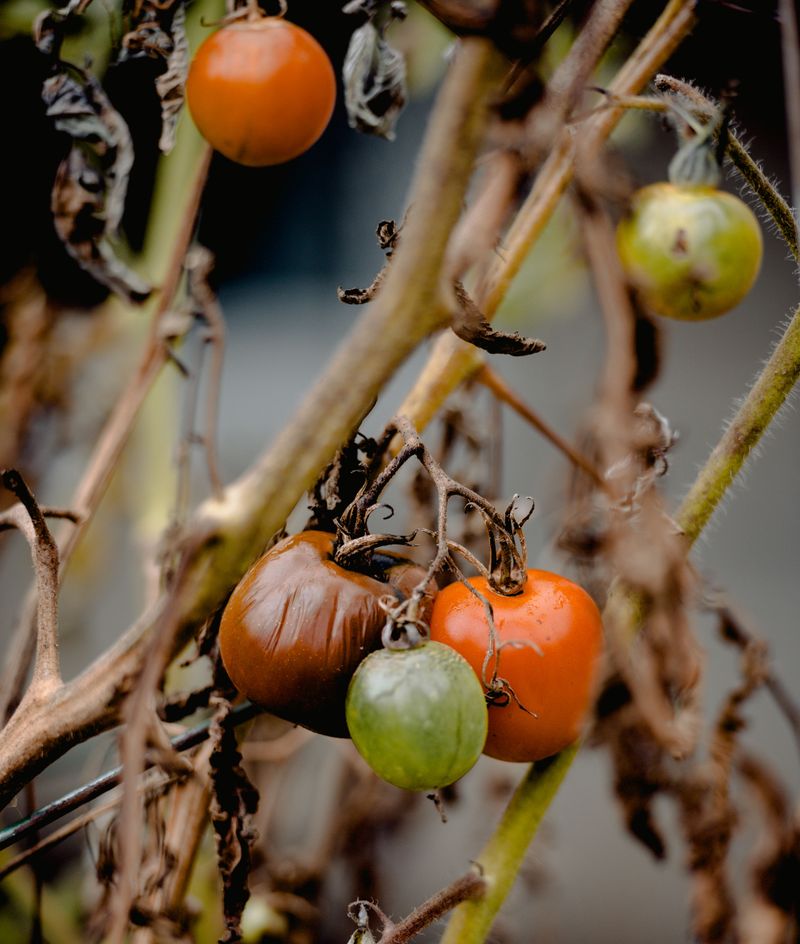
Blossom end rot is one of the most frustrating sights in a summer tomato garden. That dark, sunken patch on the bottom of a tomato is caused by a calcium deficiency inside the fruit.
Calcium is not usually missing from the soil itself but from the plant’s ability to absorb it. Irregular watering during hot spells is the main reason calcium uptake breaks down so badly.
Consistent moisture is the first step toward keeping calcium moving through the plant. When soil dries out and then floods, the plant’s calcium transport system gets completely disrupted.
Adding garden lime or gypsum to the soil before planting helps build a strong calcium reserve. Both amendments are inexpensive and widely available at any garden supply store.
Foliar calcium sprays can help when blossom end rot starts appearing mid-season, though consistent watering remains the most reliable fix.
Spray directly on the leaves and developing fruit for quicker absorption than soil amendments allow.
Crushed eggshells mixed into the soil add calcium slowly over time as they break down. It is a free and satisfying way to recycle kitchen scraps back into your garden.
Keeping tomatoes producing through the warmest summer days means preventing setbacks like blossom end rot before they escalate. Catching the problem early saves most of the crop.
Avoid high-nitrogen fertilizers during fruiting since they push leafy growth over fruit development. Too much nitrogen also interferes with the calcium balance inside the plant.
A steady calcium supply keeps fruit firm, healthy, and market-worthy all summer. Prevention is always easier than trying to fix a crop already showing damage.
5. Prune Suckers To Direct Energy Toward Fruit
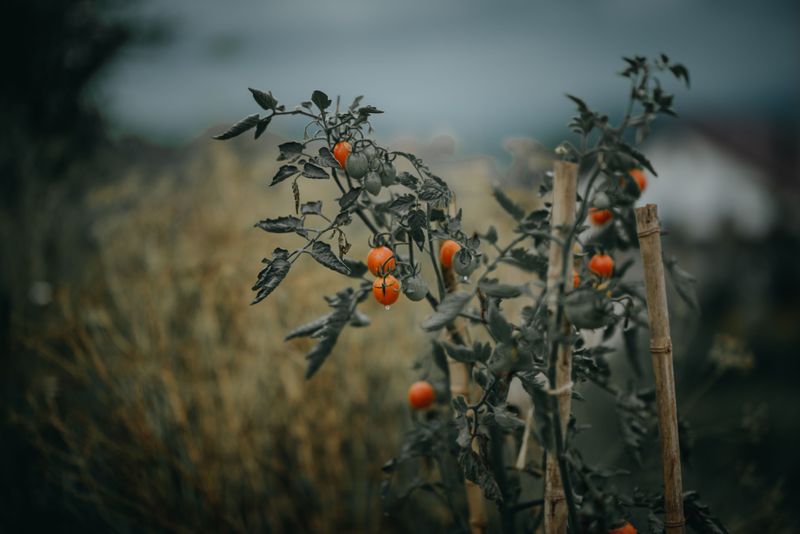
Tomato suckers are small side shoots that grow between the main stem and a branch. Left alone, they grow into full branches that draw energy away from developing fruit.
Pruning suckers is one of the simplest ways to boost tomato production during a hot summer. It redirects the plant’s limited energy straight toward the fruit already forming on the vine.
Indeterminate tomato varieties like Cherokee Purple or Brandywine benefit most from regular sucker pruning. These plants keep growing all season and can become unruly without some management.
Determinate varieties are bred to stop growing at a set size and need less aggressive pruning. Check your seed packet or plant tag to know exactly which type you are growing.
Remove suckers when they are small, ideally under two inches long. Smaller suckers snap off cleanly with your fingers and heal faster than large ones cut with tools.
Pruning also improves airflow through the plant, which reduces fungal disease risk during humid summer weather. Better airflow means less powdery mildew and leaf spot showing up mid-season.
Keeping tomatoes producing through the warmest summer days requires smart energy management. A plant overloaded with branches struggles to ripen fruit before the heat takes its toll.
After pruning, the remaining fruit gets a bigger share of water, nutrients, and sunlight. That focused energy often means larger, tastier tomatoes that ripen faster and more evenly.
Think of sucker pruning as editing your plant into its best possible version. A leaner plant is almost always a more productive one in summer heat.
6. Irrigate In The Morning Rather Than Evening To Reduce Disease
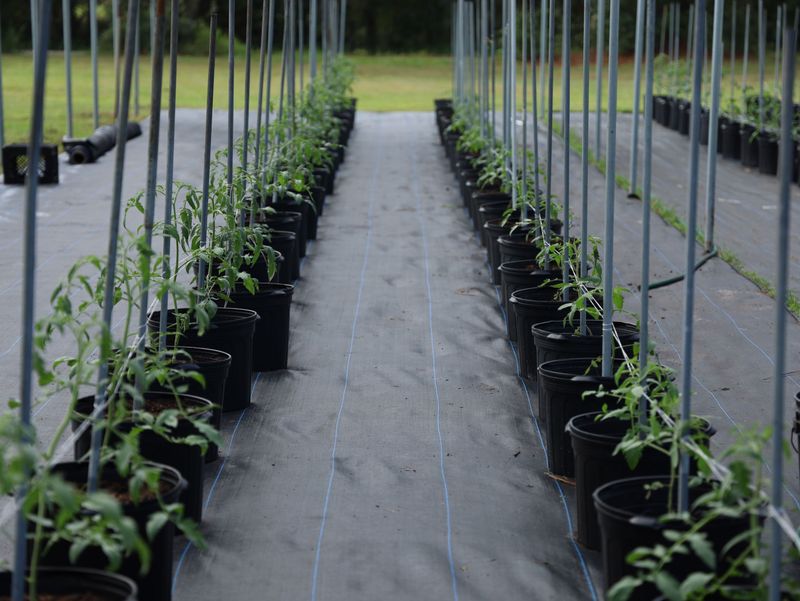
Timing your watering session is just as important as how much water you give. Evening watering leaves foliage wet overnight, creating the perfect environment for fungal diseases to spread fast.
Morning irrigation gives leaves time to dry out completely before nightfall. Dry foliage is far less welcoming to the fungi and bacteria that cause early blight, late blight, and leaf spot.
Early morning is also the coolest part of the day, so less water evaporates before it reaches the roots. Your plants absorb more of what you give them with less waste overall.
Soaker hoses and drip systems are ideal because they deliver water directly to the soil. These methods keep foliage completely dry, which is the gold standard for disease prevention.
If you use an overhead sprinkler, switch to morning-only operation starting in late spring. That one simple change can dramatically reduce disease pressure throughout the entire growing season.
Keeping tomatoes producing through the warmest summer days means protecting healthy foliage. Diseased leaves cannot photosynthesize effectively, which slows fruit development and ripening significantly.
Set a reminder or use a timer-based irrigation system to automate morning watering. Consistency matters more than perfection when it comes to building healthy watering habits.
Fungal diseases spread quickly in warm, humid conditions common in midsummer. Staying ahead of disease with smart irrigation timing keeps your plants vigorous and productive much longer.
A plant with healthy green foliage is a plant still working hard for you. Protect those leaves and the fruit will keep coming all summer long.
7. Stake Or Cage To Support Heavy Fruit-Laden Branches
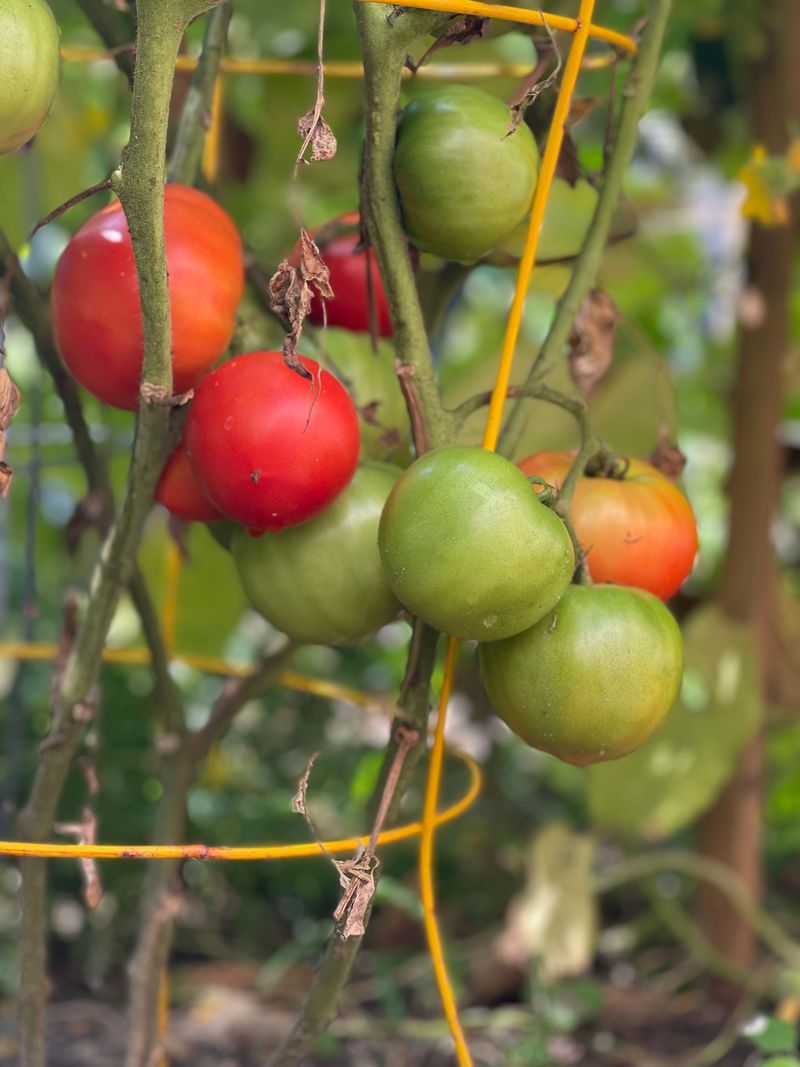
A tomato plant loaded with fruit is a beautiful sight until a branch snaps under the weight. Broken branches reduce yield and expose the plant to disease.
Staking and caging give plants the structural support they need to carry a heavy summer harvest. Without support, branches drag on the ground and fruit rots before it can ripen properly.
Tomato cages work well for compact determinate varieties that grow to a set height. They are quick to install and require almost no adjustment throughout the growing season.
Tall indeterminate varieties often outgrow standard cages and need sturdy wooden or metal stakes instead. Drive stakes at least 18 inches into the ground to keep them from tipping over in wind.
Use soft ties, strips of old t-shirts, or garden twine to secure branches to stakes. Avoid wire or anything rigid that could cut into the stem as the plant grows.
Check your ties every couple of weeks since branches thicken quickly during peak summer growth. Loose ties let branches flop while tight ones can strangle a productive branch without warning.
Keeping tomatoes producing through the warmest summer days means protecting every inch of the plant. A supported plant stays organized, gets better airflow, and is easier to harvest efficiently.
Supported fruit also develops better color and flavor since it hangs freely in the sun. Tomatoes touching the soil or each other tend to develop uneven ripening and surface blemishes.
Good support is an investment that pays off in cleaner, better-looking fruit all season. Set it up early and your plants will thank you at harvest time.
8. Feed With Balanced Fertilizer Low In Nitrogen Once Fruiting Begins
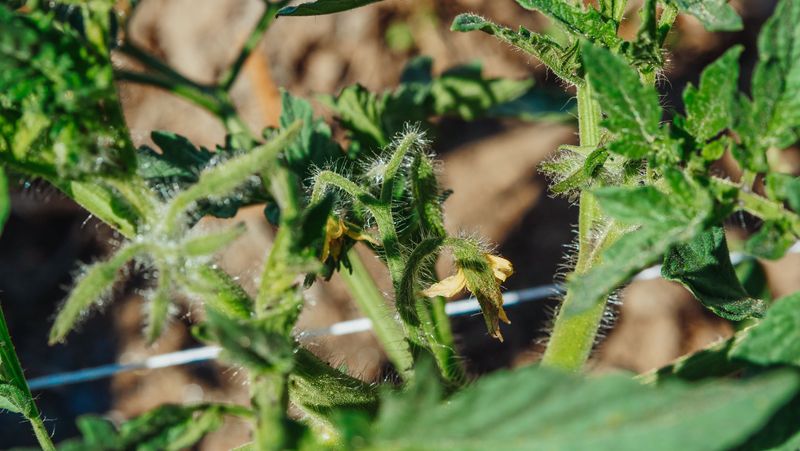
Once your tomato plants start setting fruit, their nutritional needs shift in a big way. Too much nitrogen at this stage pushes the plant into producing lush green leaves instead of ripe tomatoes.
A fertilizer high in phosphorus and potassium is exactly what fruiting tomatoes crave. These nutrients support strong root systems, healthy fruit development, and natural disease resistance during summer stress.
Look for fertilizers labeled with a lower first number in the NPK ratio on the bag. Something like 5-10-10 or 8-32-16 signals a product designed for fruiting rather than leafy growth.
Granular slow-release fertilizers are easy to apply and feed plants steadily over several weeks. Liquid fertilizers work faster and are useful when plants show signs of nutrient stress quickly.
Apply fertilizer every 3-4 weeks once the first clusters of fruit begin forming on the vine. Over-fertilizing is just as harmful as under-feeding, so follow the package directions carefully.
Keeping tomatoes producing through the warmest summer days requires fueling them correctly at each growth stage. A plant fed the wrong nutrients at the wrong time struggles to perform well under heat stress.
Compost tea is a gentle, natural option that provides a wide range of micronutrients alongside beneficial bacteria. Some gardeners use it as a summer booster between regular fertilizer applications.
Tomatoes grown in containers need more frequent feeding than those planted in the ground. Container soil loses nutrients faster due to regular watering flushing them out of the pot.
Smart feeding keeps your plants energized and productive even as summer temperatures peak. Feed them right and they will keep delivering delicious tomatoes straight through to fall.