These Are The Moves That Matter More Than Watering Your Lawn In Massachusetts This June
Massachusetts lawns have a secret life in June. On the surface, everything looks manageable.
Beneath the blades, the soil is already making decisions that will define your turf through August. Most homeowners miss the window entirely. June is not the month to relax. Grubs are hatching.
Fungal spores are traveling. The ground is warming in ways that favor every enemy your grass has. You can water every single day and still lose the lawn by July.
The homeowners with the best-looking yards in Massachusetts are not working harder. They are working on the right things, at the right time.
Raising a mower deck at the correct moment. Spotting a disease patch before it doubles in size.
Knowing when fertilizer helps and when it quietly works against you. Most of your neighbors will skip every single one of these steps. That is exactly what makes June the month your lawn finally gets the upper hand.
1. Raise Mower Deck To 3-4 Inches
Cutting grass too short is one of the most common lawn mistakes in June. Short blades stress the turf fast.
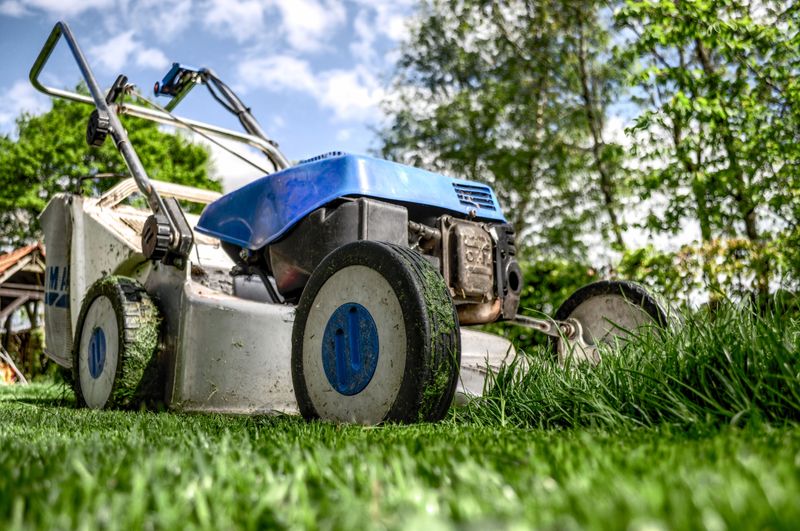
When you raise your mower deck to three or four inches, the grass shades its own soil. That shade keeps moisture in and weed seeds from sprouting.
Taller grass also grows deeper roots. Deeper roots find water further underground, making your lawn tougher during hot spells.
Think of it as giving your grass a fighting chance. A lower cut might look tidy, but it leaves the lawn exposed and weak.
Cool-season grasses like Kentucky bluegrass and tall fescue dominate Massachusetts lawns. Both perform best when kept at the higher end of the mowing range.
Scalping the lawn in summer heat creates brown patches almost immediately. Those patches invite weeds and disease before you even notice.
Check your mower manual for deck adjustment settings. Most walk-behind mowers adjust easily with a lever on each wheel.
Make the change before your next mow. You will see a difference in turf color and density within two weeks.
Taller grass in June is not laziness. It is one of the smartest moves that matter more than watering your lawn in Massachusetts this June. One small adjustment to your mower can protect your entire yard all season long.
2. Spot-Treat Weeds Before They Seed
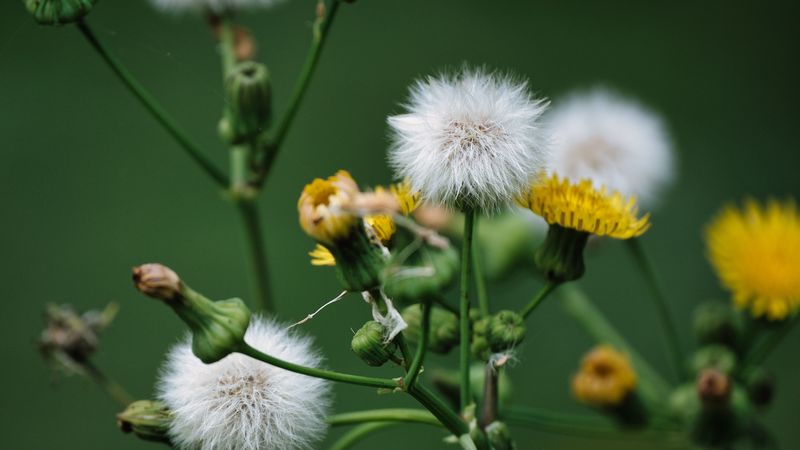
Weeds are racing toward seed, and June is the month they gain the most ground. Miss this window, and one plant becomes a hundred.
A single dandelion can release over two hundred seeds in a single dispersal cycle. Spot-treating now stops that math from working against you.
Broadcast spraying your whole lawn in June is risky. Heat makes many herbicides volatile, and they can drift onto garden beds or shrubs nearby.
Spot-treating is smarter and safer. You target only what needs attention, saving product and protecting surrounding plants.
Look for broadleaf weeds like clover, plantain, and chickweed along with those stubborn dandelions. These are the usual suspects in New England turf.
Apply a selective broadleaf herbicide on a calm, dry morning. Wind-free days keep the spray exactly where you aim it.
Your Massachusetts Garden Changes Every Week. Your Plan Should Too.
Gardening in Massachusetts changes quickly throughout the season. Every Friday you’ll receive a simple weekly plan showing exactly what to plant, prune, fertilize, harvest, and protect so you never miss the right timing.
Pull any weeds near garden borders by hand before they flower. Flowering means seeding is close, and at that point the window for easy control has passed.
Check your lawn every few days in June. Early detection keeps the job small and manageable instead of overwhelming.
Crabgrass is another threat worth watching. A post-emergent crabgrass treatment applied now can stop its spread before it goes to seed.
Spot-treating is one of the key moves that matter more than watering your lawn in Massachusetts this June. Stay ahead of the weeds, and your turf stays thick and clean all summer.
3. Apply Slow-Release Fertilizer
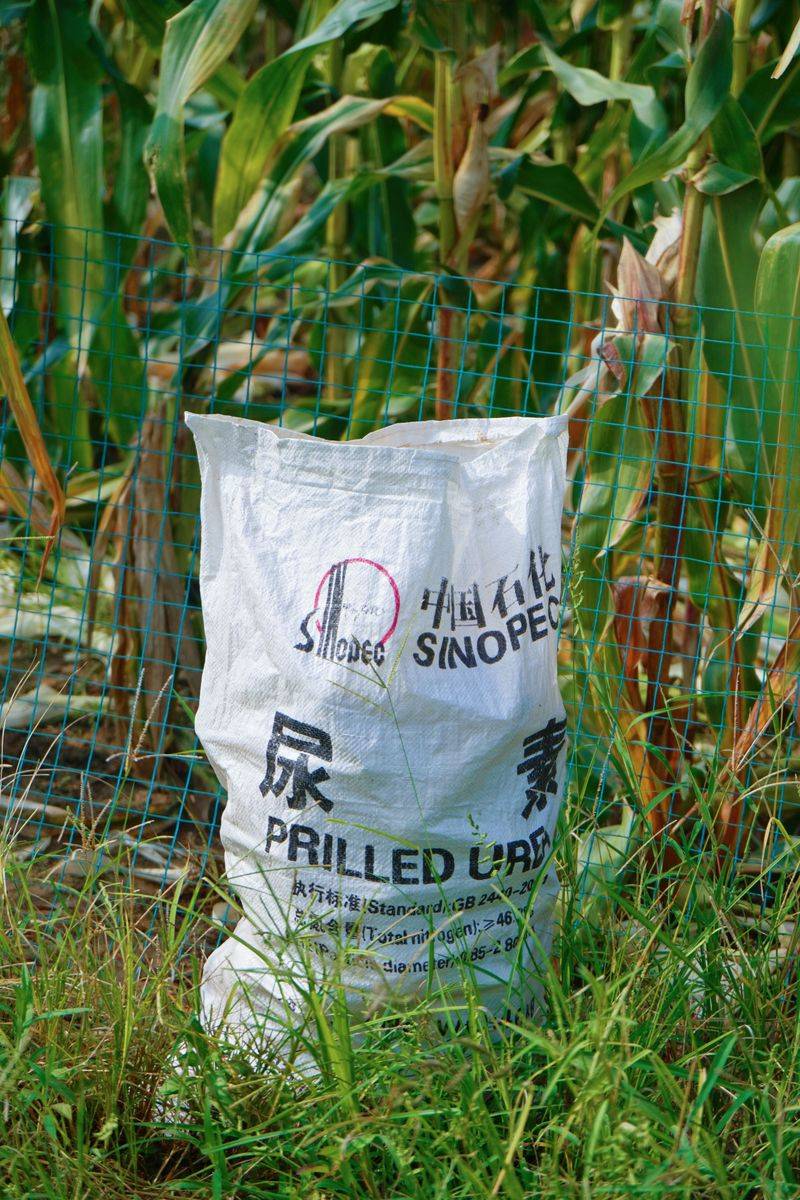
Feeding your lawn in June sounds simple, but the type of fertilizer you choose makes all the difference. Fast-release products can scorch grass in summer heat.
Slow-release fertilizer breaks down gradually over eight to twelve weeks. That steady feeding keeps grass green without the surge and crash of quick-release options.
Look for a product with a high first number on the label. Nitrogen is the key nutrient for green, dense turf growth.
A suitable ratio like 24-0-10 works well for established Massachusetts lawns. The middle number, phosphorus, is often restricted in the state due to water quality rules.
Check Massachusetts fertilizer regulations before you buy. Some products with phosphorus are banned for turf use unless a soil test shows a deficiency.
Apply fertilizer when rain is expected within a day or two. That light moisture activates the granules without washing them into storm drains.
Avoid spreading on a scorching afternoon. Morning or evening applications reduce the risk of leaf burn on heat-stressed turf.
One application in early June sets your lawn up for the whole summer stretch. You will not need to reapply until late August or early September.
Skip the impulse to over-feed. Too much nitrogen too fast creates lush, soft growth that attracts pests and fungal problems.
Strategic feeding is absolutely one of the moves that matter more than watering your lawn in Massachusetts this June.
4. Sharpen Mower Blades
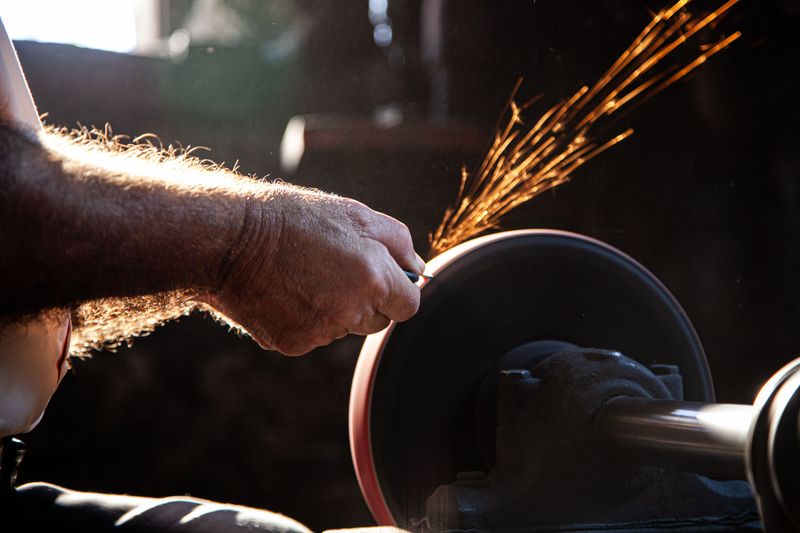
Dull blades are one of the most overlooked causes of lawn damage. Most homeowners never think about them until the damage is already done.
A sharp blade cuts grass cleanly. A dull one tears the blades apart, leaving ragged tips that turn brown within days.
Those torn grass tips are not just ugly. They become open wounds that let fungal spores and bacteria enter the plant easily.
Experts recommend sharpening mower blades at least twice per mowing season. June is the perfect time for your first sharpening if you skipped spring.
You can sharpen blades yourself with a metal file or a bench grinder. The whole job takes about twenty minutes once the blade is removed.
Always disconnect the spark plug before working under your mower. Safety first, every single time, no exceptions.
Wear thick gloves when handling the blade. Even a dull mower blade has enough edge to cause a serious cut.
After sharpening, check the blade for balance. An unbalanced blade causes vibration that wears out the mower engine faster than normal.
If the blade has deep nicks or bends, replacement is smarter than sharpening. A replacement blade is an inexpensive fix at most hardware stores.
Clean cuts mean healthier grass with fewer brown tips and better disease resistance all season. Sharp blades are one of the low-key moves that matter more than watering your lawn in Massachusetts this June.
5. Treat Preventively For Grubs And Chinch Bugs
Grubs are underground, invisible, and cause damage before any signs appear. By the time your lawn shows damage, they have already been feeding for weeks.
Japanese beetle grubs hatch in late June and early July across Massachusetts. Treating preventively now puts the product in place before they arrive.
Look for a grub preventive containing imidacloprid or chlorantraniliprole. These active ingredients are most effective when applied before egg hatch.
Water the product in within a few days of application. Granules need moisture to move into the soil where grubs actually live. Chinch bugs are a different pest but equally damaging if left untreated.
These tiny bugs prefer sunny, dry areas of the lawn. Check spots near sidewalks and driveways first, as those areas heat up fastest.
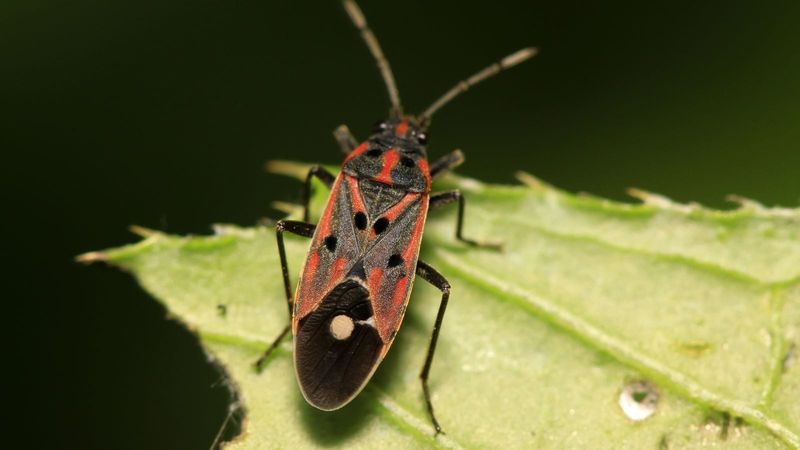
Part the grass with your fingers and look for small red-and-black insects moving quickly near the soil surface. That is a chinch bug infestation in progress.
A pyrethroid-based insecticide handles chinch bugs well. Apply it to affected areas and water it in lightly.
Treating both threats in June is far cheaper than reseeding in September. Prevention always beats repair when it comes to turf pests.
Skipping this step is a gamble most Massachusetts homeowners regret by August. Pest prevention belongs on every list of moves that matter more than watering your lawn this June.
6. Refresh Mulch To 2-3 Inches
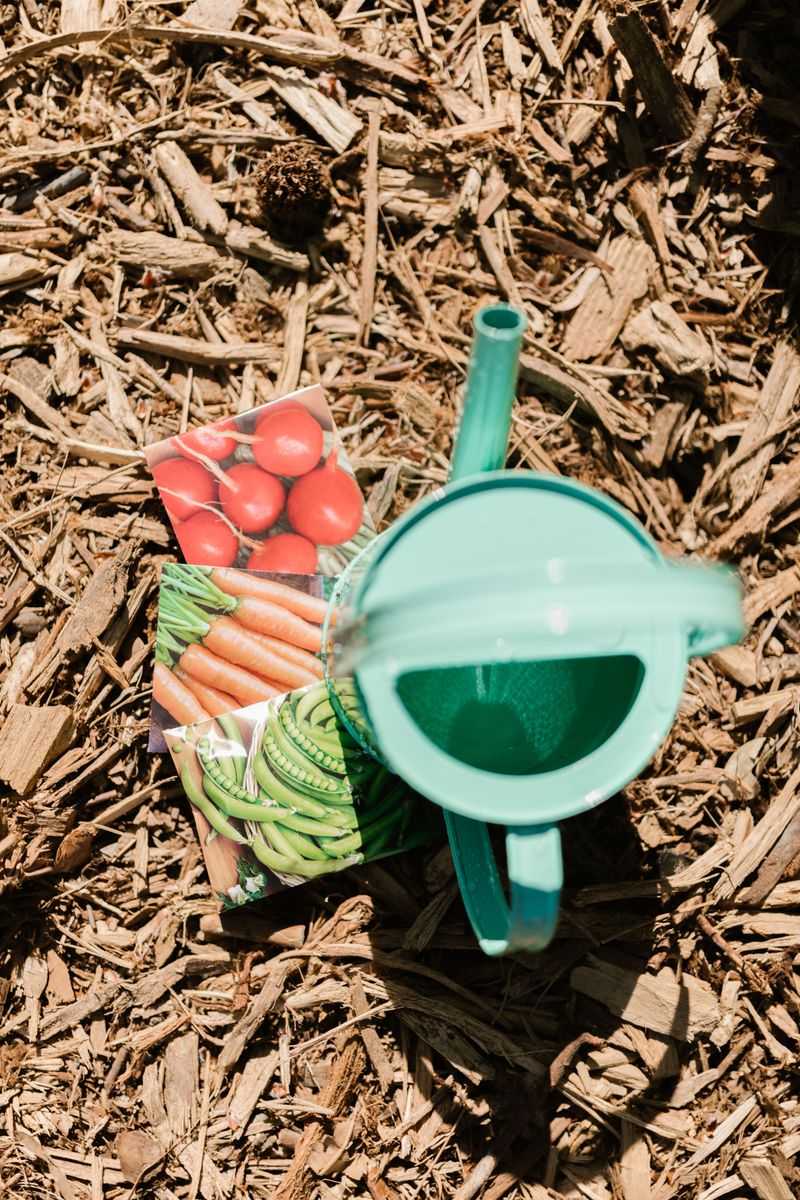
Old mulch breaks down, compacts, and loses its ability to protect soil. June is the ideal time to refresh what winter and spring have worn away.
A two-to-three inch layer of fresh mulch does several jobs at once. It holds soil moisture, regulates temperature, and blocks weed seeds from reaching the surface.
Pull back any old mulch before adding new material. Piling fresh mulch on top of thick old layers creates a soggy mat that harbors disease.
Keep mulch at least two inches away from tree trunks and plant stems. Mulch touching bark traps moisture and causes rot over time.
Hardwood bark mulch is a popular and affordable choice across New England. It breaks down slowly and adds organic matter to soil as it decomposes.
Cedar mulch has a natural oil that repels certain insects. For beds near the foundation, cedar is worth the slight extra cost.
Avoid dyed mulch near vegetable gardens. Some colorants contain compounds that are not ideal around edible plants.
Fresh mulch also gives your yard an instant visual upgrade. Crisp edges and dark beds make the whole property look polished and cared for.
Aim to complete mulching before the real summer heat arrives in July. Once temperatures climb, soil moisture loss accelerates quickly without that protective layer.
Refreshing your mulch is a move that pays dividends all season long. It belongs right alongside the other moves that matter more than watering your lawn in Massachusetts this June.
7. Test Soil pH And Nutrients
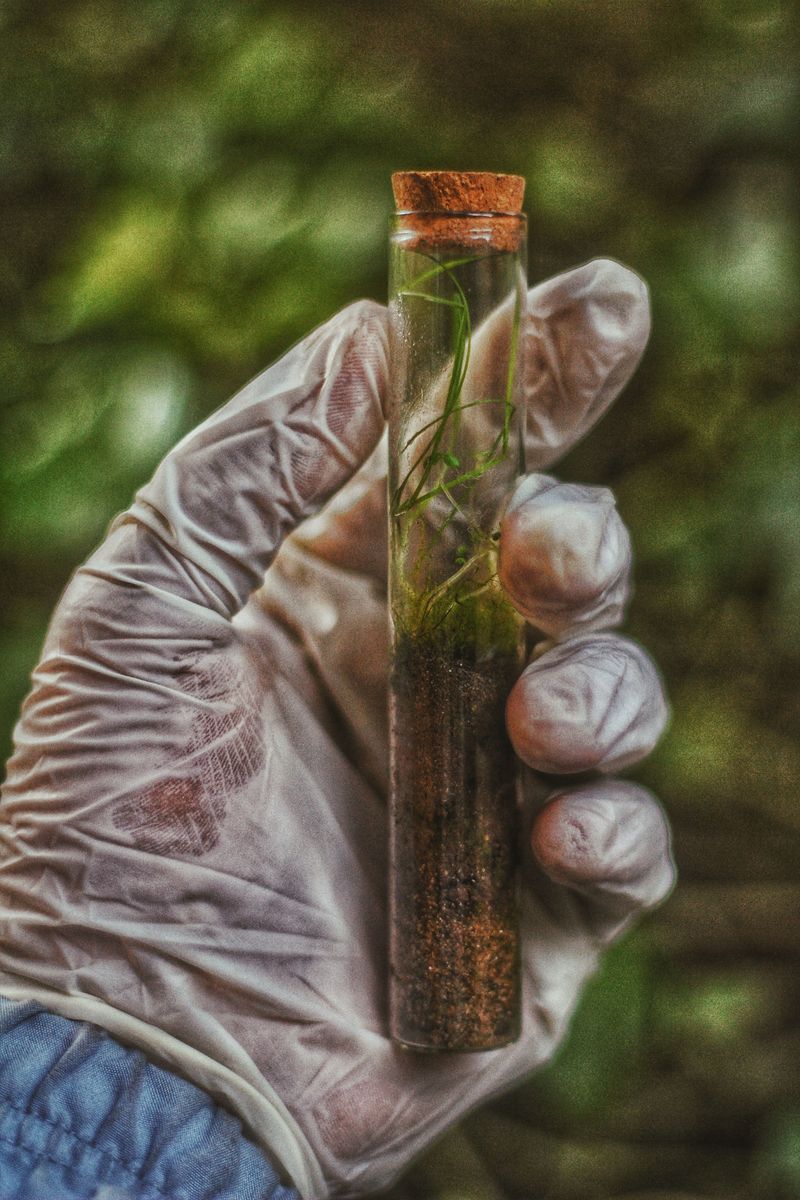
Grass can struggle even with perfect watering and mowing if the soil chemistry is off. pH is the hidden variable most homeowners never check.
Cool-season grasses in Massachusetts thrive in soil with a pH between 6.0 and 7.0. Outside that range, nutrients get locked out even when they are present.
Acidic soil is common across New England due to heavy rainfall and natural organic matter decomposition. A simple test tells you exactly where you stand.
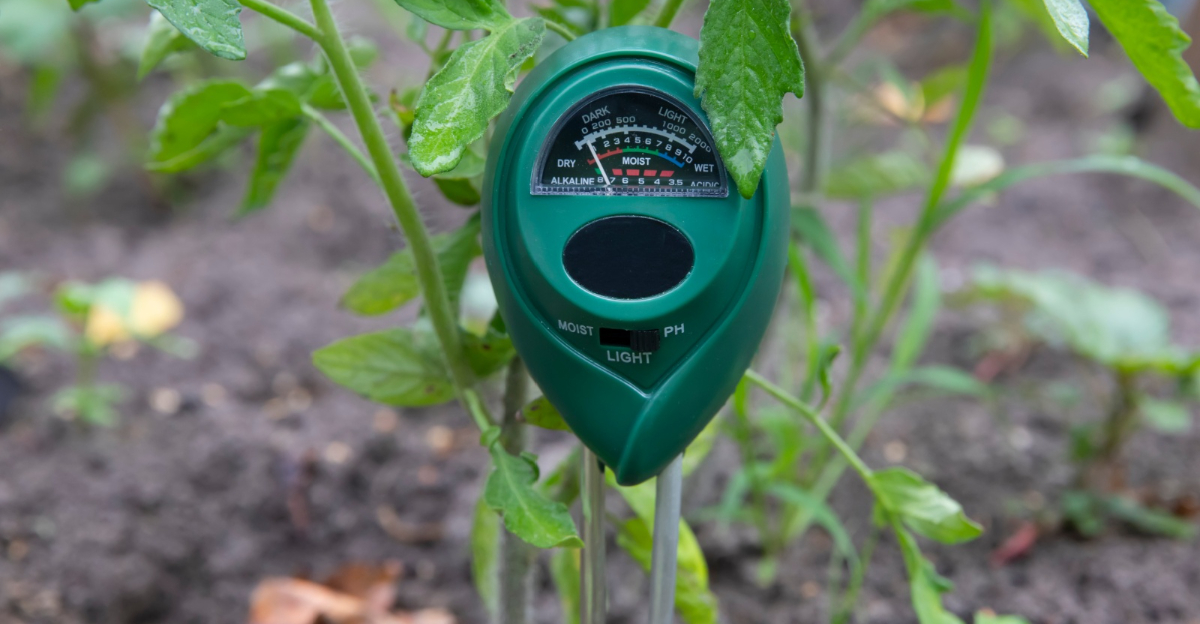
You can buy a basic soil test kit at any garden center for under fifteen dollars. For deeper analysis, the UMass Extension lab offers comprehensive testing at a low cost.
Results typically show pH, nitrogen, phosphorus, and potassium levels. Each number tells you something specific about what your lawn needs.
If pH is too low, ground limestone raises it over several weeks. Apply it in June and water it in for best results.
If pH is too high, sulfur brings it back down. This adjustment takes a bit longer, so patience is part of the process.
Testing soil before fertilizing prevents wasted product. You will know exactly what nutrients to add instead of guessing.
Many homeowners fertilize for years without results because pH is blocking nutrient absorption. One test significantly improves how you feed your lawn.
Knowing your soil is one of the smartest moves that matter more than watering your lawn in Massachusetts this June. One test gives you answers no amount of guessing ever will.
8. Monitor For Brown Patch And Red Thread Fungus
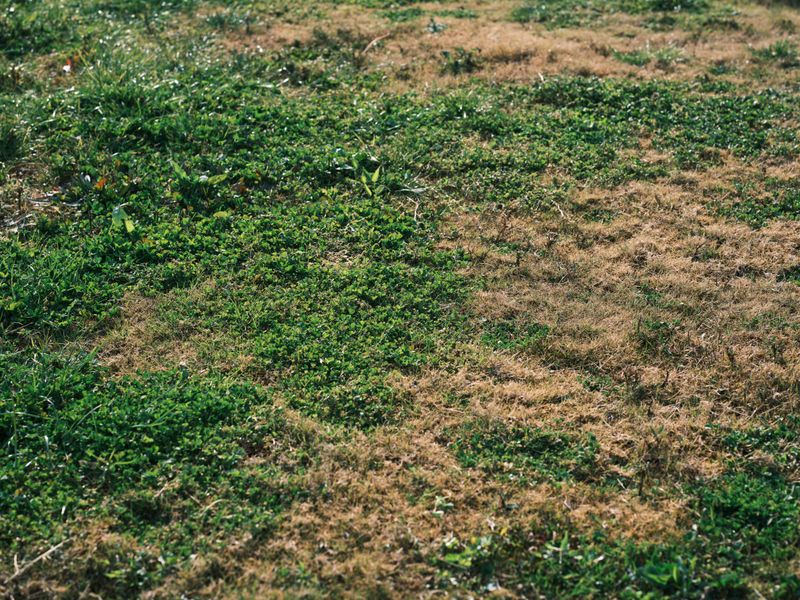
Fungal diseases spread quickly in June’s warm, humid conditions. A small circle of brown grass can double in size within a single week.
Brown patch thrives when nights stay warm and humid. Temperatures above sixty degrees Fahrenheit at night create perfect conditions for this aggressive fungus.
Look for circular patches of brown or tan grass ranging from a few inches to several feet across. A darker ring around the patch is a telltale sign.
Red thread fungus shows up differently. Thin, pinkish-red strands extend from grass blades, giving affected areas a rosy, almost frosted appearance.
Red thread often signals a nitrogen deficiency. A targeted fertilizer application can help the lawn outgrow the infection over time.
For brown patch, a fungicide containing azoxystrobin or propiconazole works effectively. Apply it in the early morning when dew is present for best absorption.
Avoid evening watering if you do water at all. Wet grass overnight creates exactly the humid conditions both fungi love.
Improve air circulation by trimming overhanging branches near affected areas. Better airflow helps the turf surface dry out faster each morning.
Catch these problems early and treatment stays simple. Ignore them, and you could be reseeding large sections in September.
Watching for fungal disease is one of the most important moves that matter more than watering your lawn in Massachusetts this June. Your eyes are the best tool you have.