What A Box Turtle Near Your Garden Beds Says About Your New York Yard
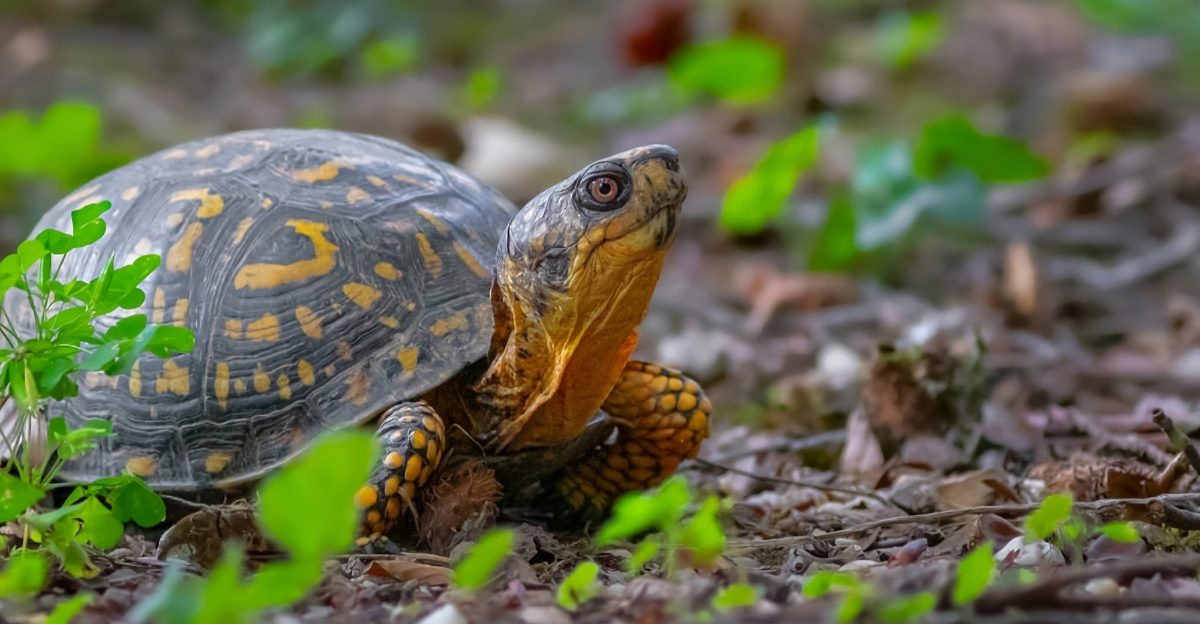
Box turtles do not show up just anywhere. They are slow, particular, and surprisingly selective about where they spend their time, which makes finding one near your garden beds more interesting than you might think.
A box turtle near your garden beds in your New York yard is not a random occurrence. These reptiles have small home ranges they patrol consistently, sometimes for decades.
When one turns up near your tomatoes or your raised beds, it has likely been watching your yard for a while. What it found there, shelter, moisture, food, undisturbed ground, says more about your gardening habits than any soil test could.
A Box Turtle Near Your Garden Beds Means Your Yard Is Doing Something Right
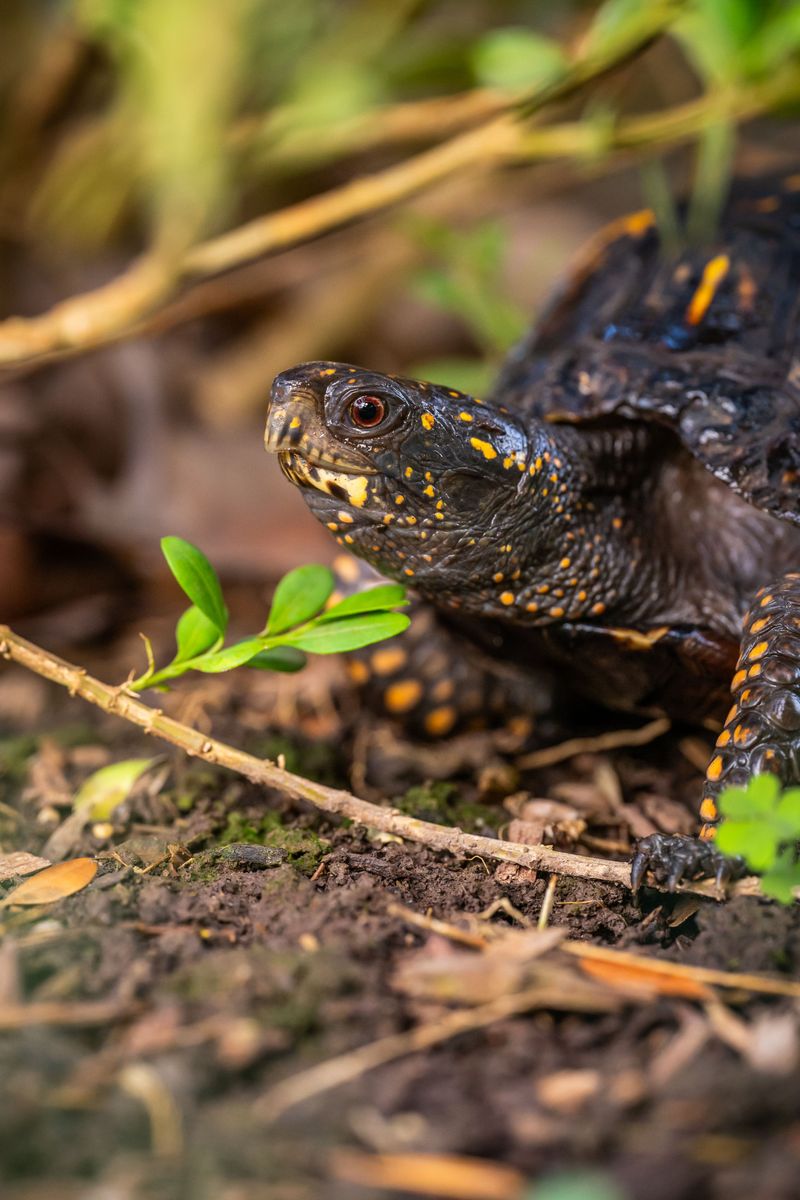
Spotting a box turtle near your garden beds is a reliable sign that your yard offers more than most. These reptiles are picky about where they spend their time, and they do not wander into just any yard.
Box turtles need a mix of features to feel at home. They want moisture, shelter, food sources, and minimal chemical exposure all in one place.
If yours showed up near your vegetables or flower beds, your yard already checks most of those boxes. That is genuinely impressive for a suburban New York property.
Healthy soil matters a lot to these animals. They forage through leaf litter and loose earth, hunting for worms, beetles, mushrooms, and wild berries.
Your garden beds likely offer a buffet of exactly those things. Rich, organic soil teems with the invertebrates box turtles absolutely love to eat.
Moisture is another clue your yard is thriving. Box turtles soak in puddles, damp mulch, and shallow depressions to regulate their body temperature.
If your garden stays consistently moist, you have created an accidental oasis. That kind of habitat does not happen in dry, compacted, or heavily manicured lawns.
Pesticide-free gardening also plays a huge role in attracting these animals. Yards with heavy synthetic chemical use tend to lose wildlife over time.
Your box turtle visitor is living proof that your outdoor space supports real biodiversity. A yard that welcomes a box turtle near your garden beds is a yard worth celebrating.
Where They Live And How Far They Roam
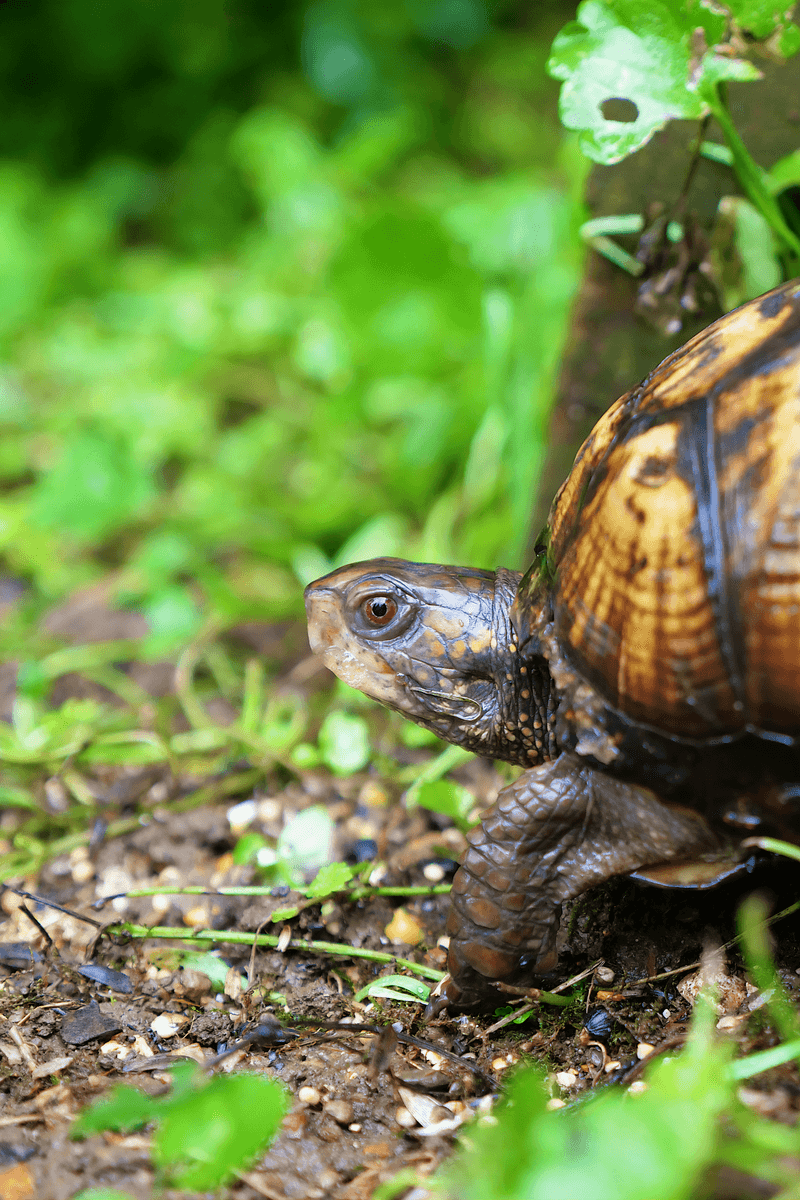
Eastern box turtles are the only wild box turtle species found in New York. They live across much of the eastern United States, but their numbers have dropped significantly in recent decades.
In New York, they tend to favor forest edges, meadows, and areas near streams. Suburban yards that border wooded land are prime real estate for these slow-moving wanderers.
Box turtles have surprisingly small home ranges. Most stick within a territory of just a few acres their entire lives, often returning to the same spots season after season.
That loyalty to a location means if one shows up in your yard, it likely lives nearby. It did not travel far to reach your garden beds.
Males tend to roam a bit more than females, especially during breeding season in late spring. You might spot them crossing lawns or driveways between May and July.
Your New York Garden Changes Every Week. Your Plan Should Too.
Gardening in New York changes quickly throughout the season. Every Friday you’ll receive a simple weekly plan showing exactly what to plant, prune, fertilize, harvest, and protect so you never miss the right timing.
Females travel when searching for sandy or loose soil to lay eggs. Garden beds with soft, tilled earth can look very appealing to a nesting female.
Seasonal behavior also shapes where you spot them. Box turtles are most active from April through October, then brumate underground through the cold months.
In suburban areas, roads and fences fragment their habitat significantly. A turtle in your garden may be navigating a much smaller patch of land than its ancestors once roamed.
Understanding their range helps you appreciate just how local and personal each sighting really is. This turtle likely knows your yard better than you think.
What Box Turtles Actually Do In And Around Garden Beds
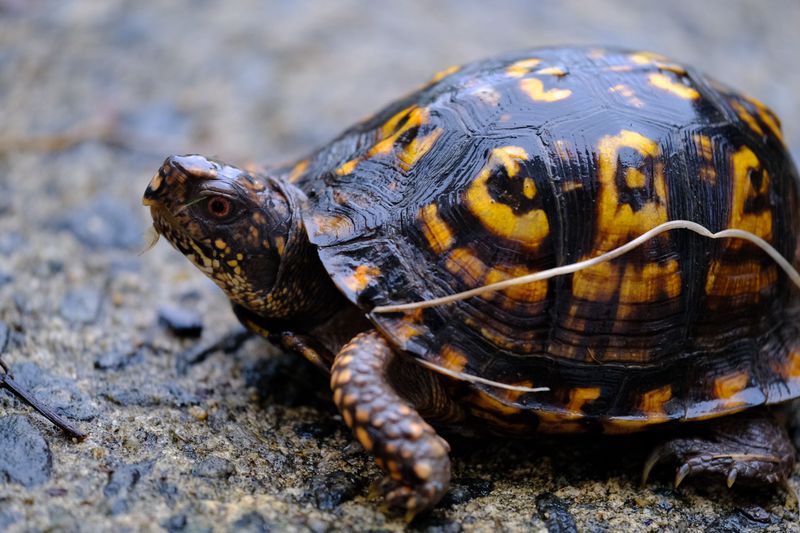
Box turtles are not just passing through your garden beds for the scenery. They are actively working the area, hunting for food with quiet determination.
Earthworms are a top favorite, and garden soil is loaded with them. A turtle will dig gently into loose earth or mulch to uncover these protein-rich snacks.
Slugs and snails are also on the menu, which is genuinely great news for gardeners. Those slimy plant-destroyers that plague your lettuce are a perfectly acceptable meal for a hungry box turtle.
Beetles, grubs, and caterpillars round out the protein side of their diet. Your turtle is essentially doing low-key pest control while you are not watching.
On the plant side, box turtles eat wild berries, fallen fruit, and certain mushrooms. If you grow strawberries, blueberries, or raspberries, expect the occasional nibble on a low-hanging berry.
They also eat some plant matter like clover and leafy greens. However, significant crop damage from box turtles is rare and usually not a serious concern for home gardeners.
Box turtles move slowly and methodically, often spending hours in a small area. They are not destructive foragers, and they tend to leave garden structure intact.
One fascinating behavior is their use of garden beds as thermal regulators. They press their bodies into warm, sun-heated soil to absorb heat on cool mornings.
Watching one work through your garden is oddly satisfying. A box turtle near your garden beds is a quiet, beneficial presence you will want to keep around.
Signs Your Yard Is Already Box Turtle Territory
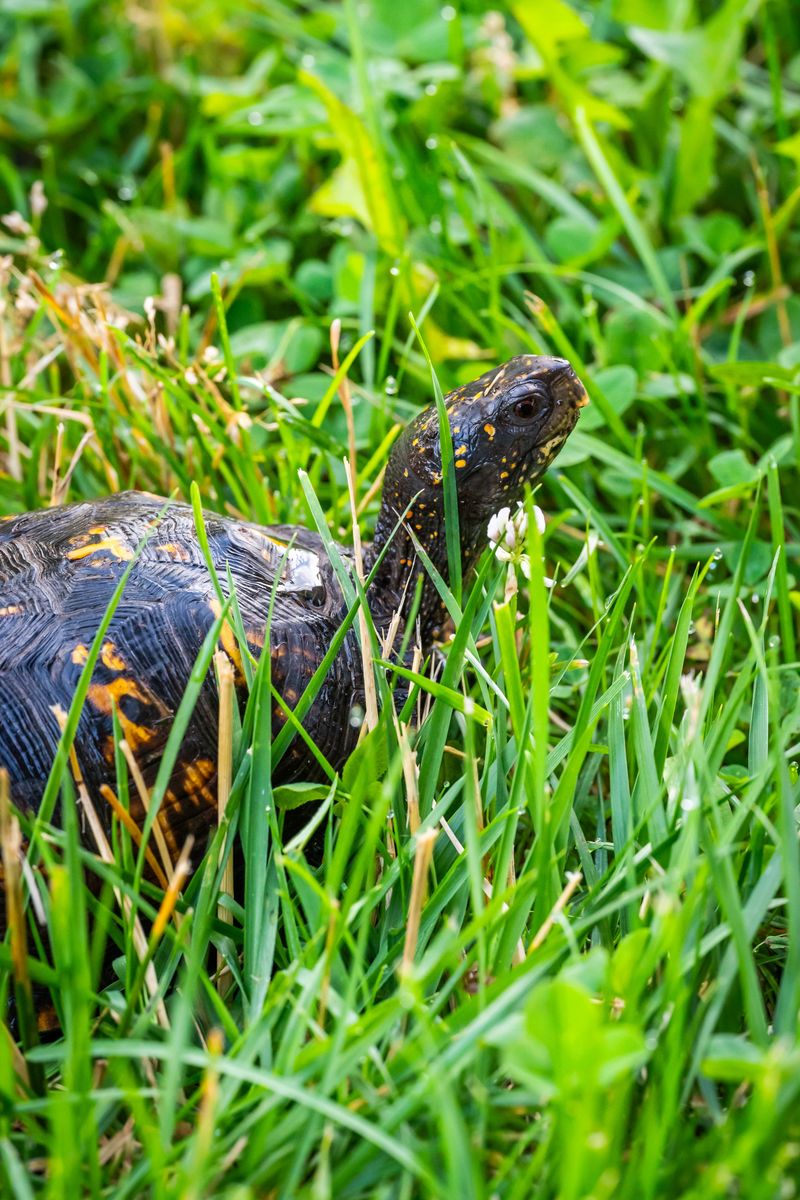
You might already share your yard with a box turtle and not even know it. These animals are masters of blending in, and they spend long stretches hidden under leaves or brush.
One telltale sign is a shallow depression in soft soil or mulch. Box turtles sometimes dig small resting hollows called forms, where they sit partially buried and motionless.
Look for tracks in muddy areas near garden beds or water features. The claw marks are small and distinctive, forming a waddling pattern through soft ground.
Chewed wild strawberries or partially eaten mushrooms near the ground are another clue. Box turtles do not take big bites, so the damage looks measured and precise.
Disturbed leaf litter at the edge of wooded sections of your yard can also signal turtle activity. They shuffle through fallen leaves while foraging, leaving a subtle trail of movement.
If you have a shallow pond, birdbath, or puddle-prone area, check nearby patches of mud. Turtles soak frequently, and damp zones near water sources are favorite hangout spots.
Shell fragments or old shed scutes on the ground are a rarer but real indicator. These pieces naturally fall away as the shell grows and renews over time.
Neighbors spotting turtles in their yards is also a strong signal. Box turtles have small home ranges, so sightings in your area tend to cluster within a few connected properties.
If two or more of these signs feel familiar, your yard may already be established box turtle territory. That is a distinction worth protecting.
How To Make Your New York Garden More Box Turtle-Friendly
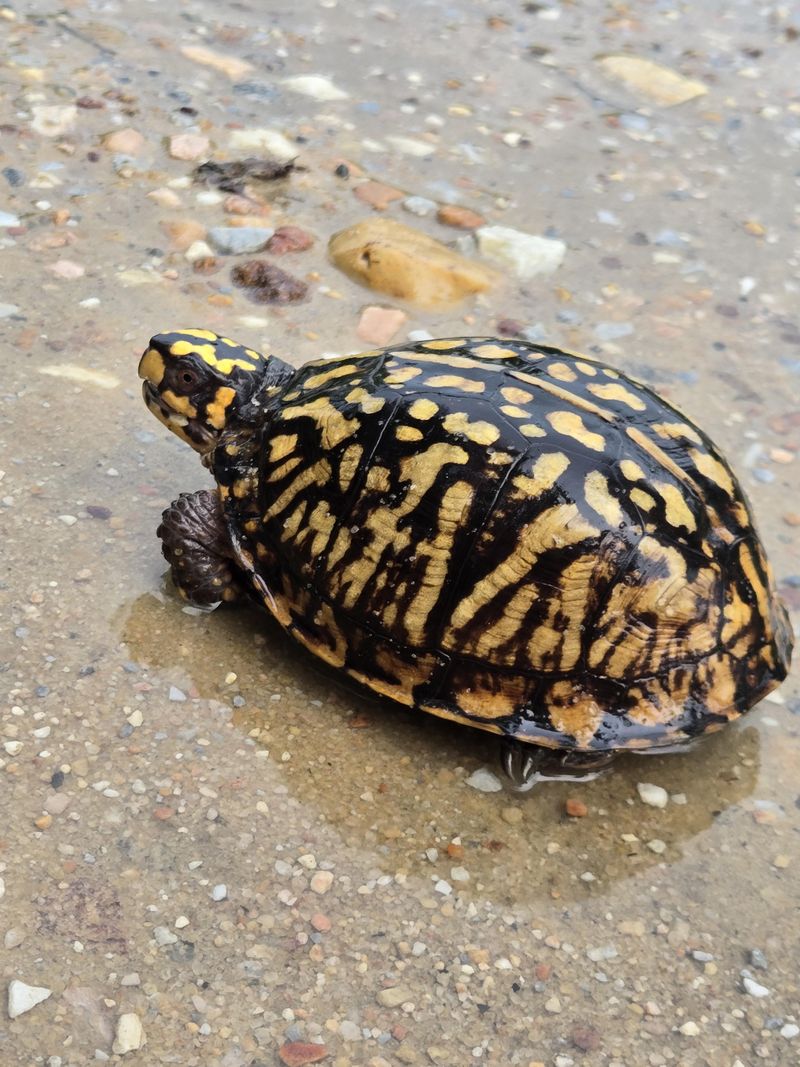
Making your yard more box turtle-friendly does not require a complete overhaul. A few thoughtful adjustments can turn a good habitat into a great one.
Start by leaving a section of your yard a little wild. A pile of leaves, some fallen branches, or an unmowed corner gives turtles shelter and foraging ground.
Add a shallow water source at ground level. A ceramic dish or a small depression filled with clean water placed near your garden beds works perfectly.
Skip the synthetic pesticides and herbicides whenever possible. Chemicals that coat insects and soil can harm turtles directly through contact and through the food they eat.
Plant native species throughout your garden. Wild strawberries, serviceberries, and native mushroom-supporting trees create natural food sources that box turtles have relied on for centuries.
Compost piles are surprisingly attractive to box turtles. The warmth, moisture, and abundance of insects make a compost bin an irresistible foraging destination.
Check your yard before mowing, especially near garden edges and brushy areas. Box turtles can easily hide in tall grass and are vulnerable to mower blades.
If you have a fence, consider adding a small ground-level gap. Box turtles need to move between properties to find mates and seasonal resources.
Avoid relocating turtles you find in your yard. Moving them away from their home range causes serious stress and disorientation that can take years to recover from.
Small changes add up fast, and your garden can become a true sanctuary for a box turtle near your garden beds.
What To Do And Avoid When You Spot A Box Turtle Near Your Plants
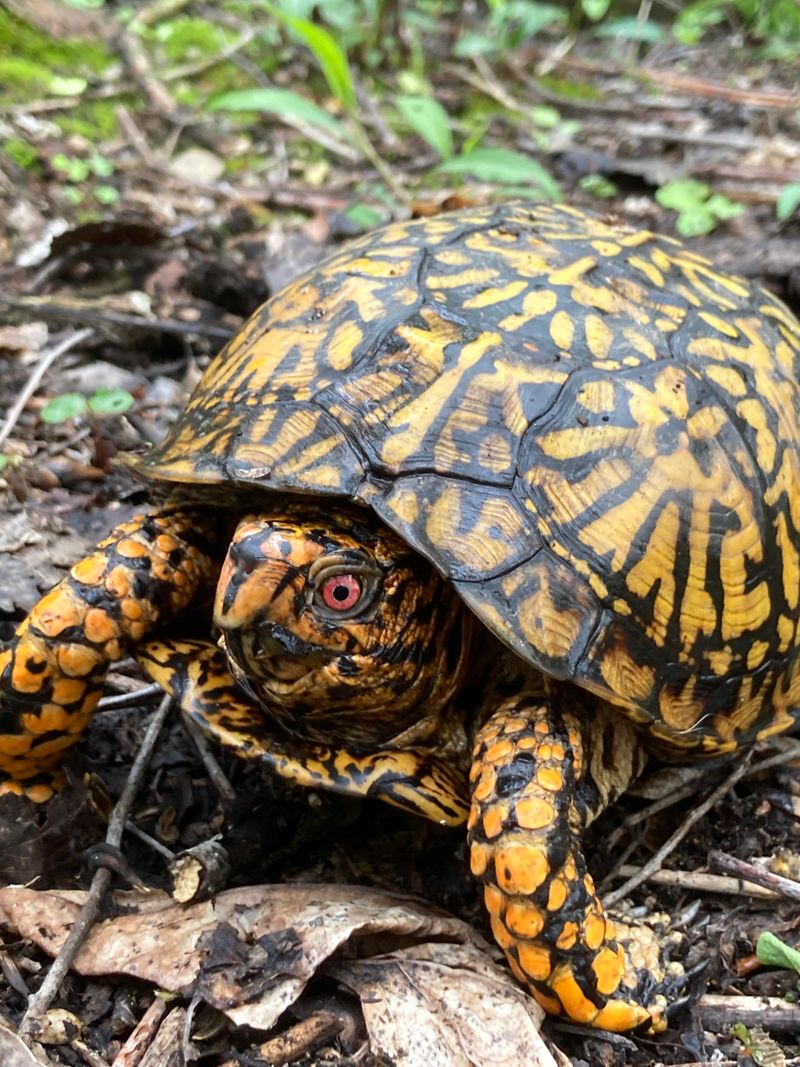
You just spotted one near your pepper plants and your first instinct is probably to pick it up. Resist that urge, at least for the first few moments.
If the turtle is in a safe spot and away from mowers or pets, leave it completely alone. It is doing exactly what it is supposed to do.
Do not move it to a different part of your yard thinking you are helping. Box turtles have strong homing instincts and will stress themselves trying to return to their original spot.
Never take a wild box turtle indoors as a pet. It is illegal in New York without proper permits, and captivity rarely goes well for wild-caught individuals.
If the turtle is in immediate danger, like in a driveway or near a road, you can gently move it. Always place it in the direction it was already heading.
Wash your hands thoroughly after any contact. Turtles can carry Salmonella bacteria on their shells and skin, which transfers easily to human hands.
Avoid letting dogs investigate the turtle. Even well-meaning sniffing can cause a turtle to close up and stay hidden for hours out of stress.
Take a photo from a distance if you want to document the visit. Sharing sightings with local wildlife databases helps researchers track populations across the region.