8 Things To Do With Your Massachusetts Garden When Heat Refuses To Let Up
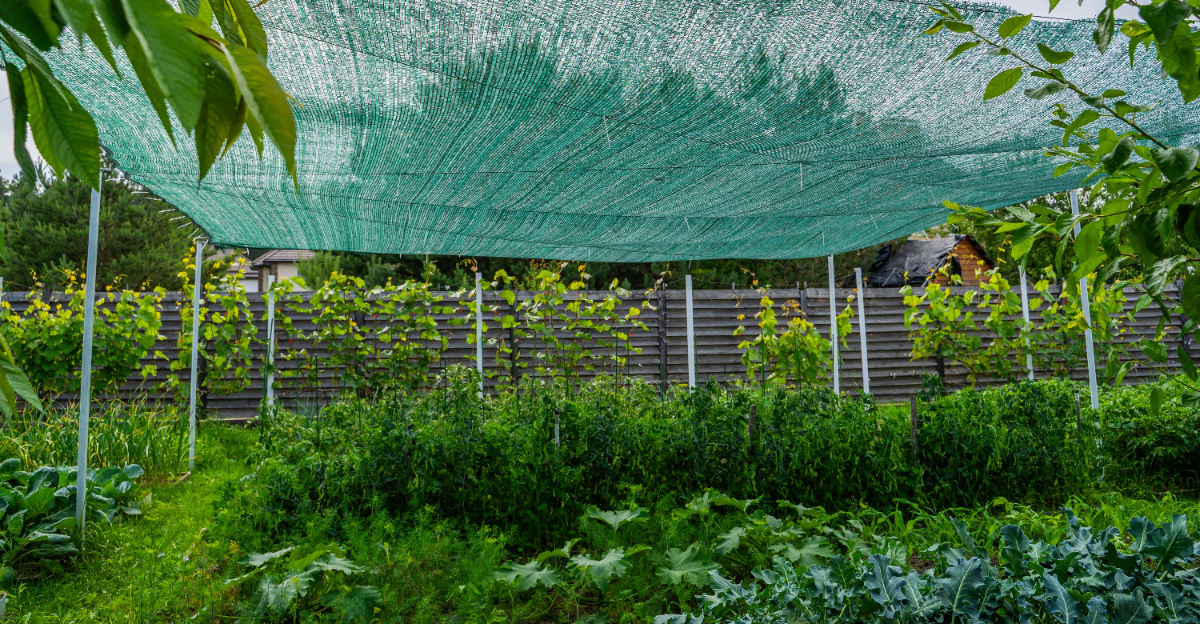
Massachusetts summers have a way of catching you off guard. The forecast says mild, you plan accordingly, and then a heat dome parks itself over New England for two weeks straight.
Your carefully tended garden, the one you started from seed in April, starts showing the strain fast. Soil dries out overnight. Leaves curl by mid-morning. The vegetables that looked so promising in June suddenly need constant attention just to stay alive.
Here’s the thing: most gardens don’t fail in summer heat because of bad luck. They fail because the approach doesn’t shift with the season. A garden in July needs different thinking than a garden in May, different timing, different priorities, different habits.
These eight strategies are built for exactly this stretch of summer. Not generic advice about watering more or hoping for clouds. Moves that actually hold up during the stretch of summer Massachusetts gardeners dread most.
1. Water Deeply In The Morning
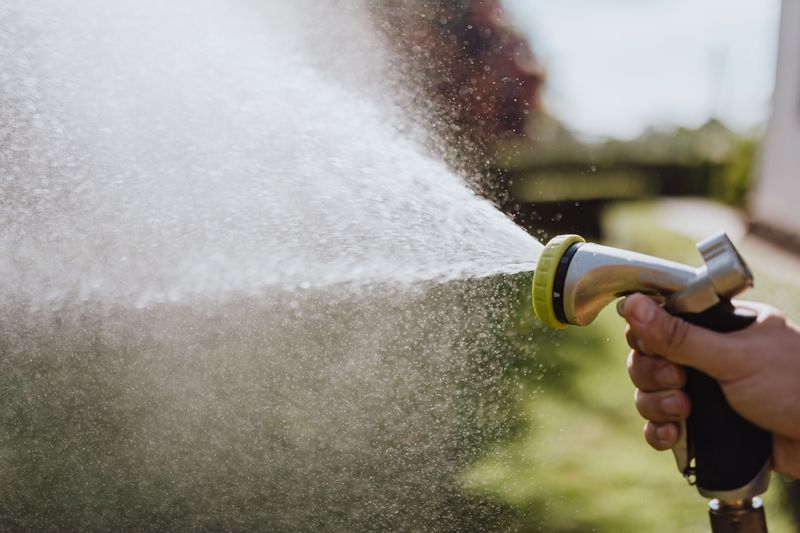
Your garden is thirsty, and timing matters more than you think. Watering in the morning gives roots a full drink before the sun turns brutal.
Morning watering also lets the soil surface dry out during the day. Wet leaves overnight invite fungal problems nobody wants to deal with.
Deep watering means soaking the soil six to eight inches down. Shallow watering only trains roots to stay near the surface, where heat hits hardest.
In most cases, a slow steady soak reaches the root zone far more effectively than a quick splash. Let the water run long enough to actually reach the root zone.
Massachusetts summers can swing from muggy to blazing within days. Your plants need that stored moisture to pull from when the air gets brutal.
Skip the midday watering sessions entirely if you can. Wet foliage overnight creates the damp conditions that fungal diseases need to spread.
A soaker hose or drip line delivers water exactly where it counts. These tools cut evaporation and keep foliage dry at the same time.
Check the soil before you water, not just the clock. If the top two inches feel damp, your plants can wait another few hours.
Consistent deep watering builds resilient root systems over time. Strong roots mean your garden can handle the heat wave without falling apart.
Make morning watering a non-negotiable part of your Massachusetts garden routine. Your plants will reward that early effort with steady growth all season long.
2. Mulch The Soil Before Temperatures Spike
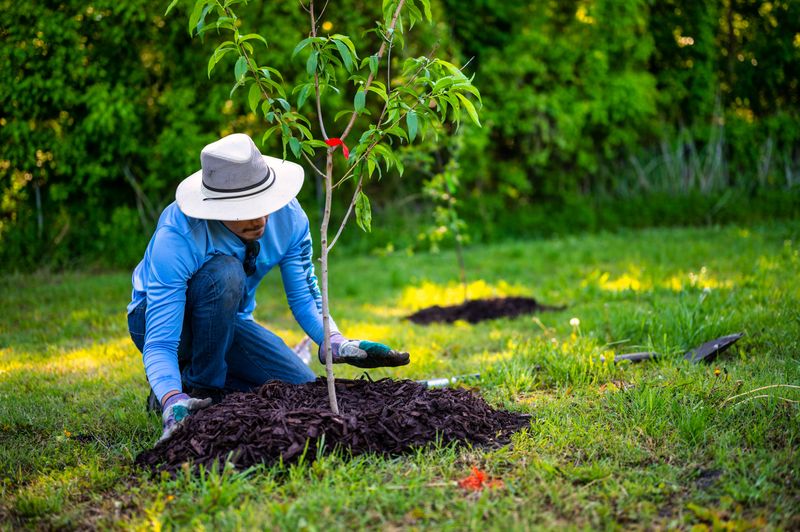
Bare soil bakes fast in summer sun. A thick layer of mulch acts like a blanket that keeps ground temperatures from spiking out of control.
Straw, shredded leaves, and wood chips all work well for vegetable beds. Aim for a two to three inch layer around each plant.
Mulch slows evaporation dramatically, which means less watering for you. In peak heat, that saved moisture can be the difference between thriving and struggling.
Pull mulch slightly away from plant stems to prevent rot. You want the soil covered, not the base of the plant itself.
Your Massachusetts Garden Changes Every Week. Your Plan Should Too.
Gardening in Massachusetts changes quickly throughout the season. Every Friday you’ll receive a simple weekly plan showing exactly what to plant, prune, fertilize, harvest, and protect so you never miss the right timing.
Soil temperature can climb ten to fifteen degrees hotter without mulch protection. That kind of heat stress shuts down root activity fast.
When Massachusetts garden conditions heat up, mulched beds stay noticeably cooler. Run your hand under a mulched layer on a hot afternoon and feel the difference yourself.
Organic mulches also break down slowly and feed the soil over time. You get moisture control now and improved soil structure later.
Apply mulch before the hottest stretch of summer arrives, not during it. Getting ahead of the heat is always easier than trying to catch up.
Grass clippings work in a pinch, but keep the layer thin. Thick grass clippings mat together and can actually block water from reaching roots.
Think of mulch as the cheapest insurance policy your garden has. Lay it down early and let it do the heavy lifting all season.
3. Set Up Shade Cloth Over Heat-Sensitive Crops
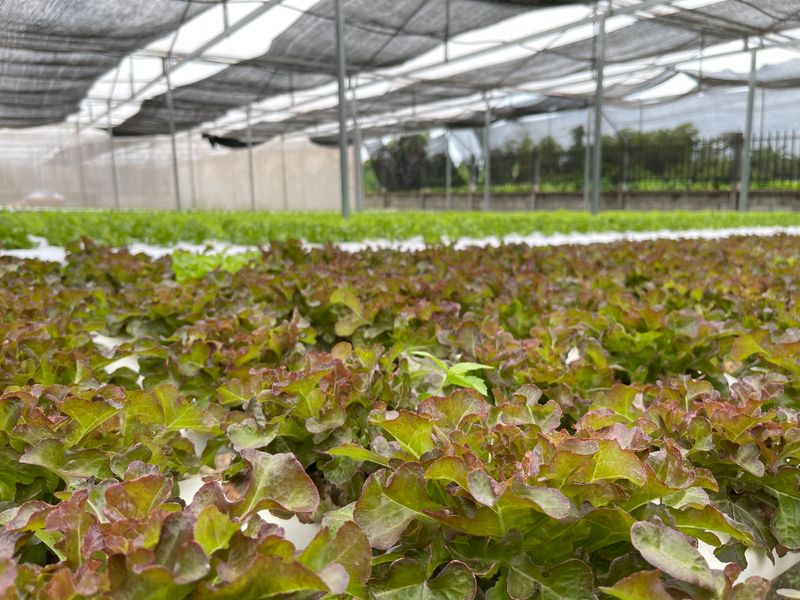
Lettuce, spinach, and cilantro wave the white flag when temperatures climb past 80 degrees. Shade cloth gives those crops a fighting chance without moving them indoors.
A 30 to 40 percent shade cloth filters sunlight without blocking it completely. Most vegetables still need plenty of light, just not a full-force summer blast.
Shade cloth is lightweight, inexpensive, and easy to hang over simple hoops or stakes. You can set it up in under an hour with basic supplies from any garden center.
Crops like kale, broccoli, and Swiss chard also benefit from afternoon shade. The morning sun gives them energy, and the filtered afternoon light prevents heat stress.
When Massachusetts garden temperatures push into the 90s, even tomatoes can struggle. Extreme heat causes blossoms to drop, which means fewer fruits later in the season.
Position shade cloth on the south and west sides of your beds. That is where the most intense afternoon sun hits during peak summer hours.
Remove the cloth on cooler, overcast days to let plants soak up natural light. Flexibility is the whole point of using shade cloth in the first place.
Some gardeners use old bedsheets as a quick shade solution in a pinch. They can work in a pinch, though thicker fabrics may retain more heat than purpose-made shade cloth.
Protecting heat-sensitive crops now means a longer harvest window for your whole garden. A small investment in shade cloth pays off in fresh greens well into late summer.
4. Skip The Fertilizer Until The Heat Breaks
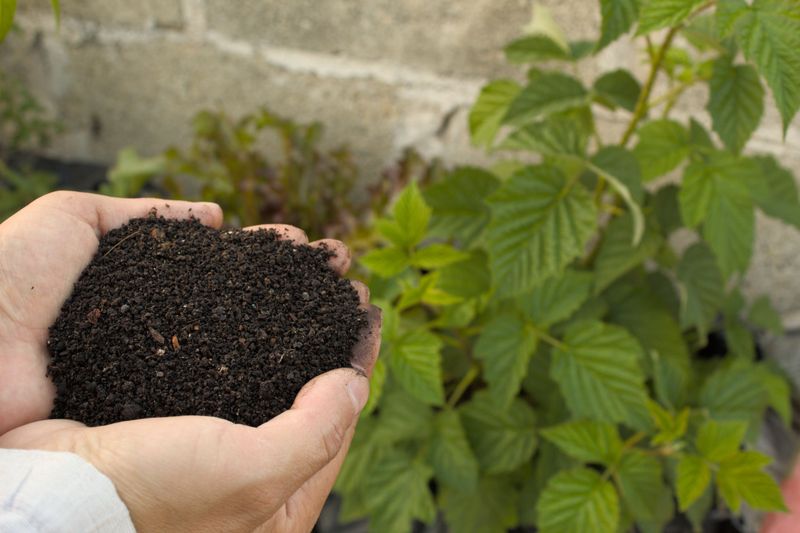
Fertilizing stressed plants is like handing someone a five-course meal when they have a fever. The body cannot process it, and the extra load makes things worse.
Heat pushes plants into survival mode, slowing down nutrient uptake almost completely. Applying fertilizer now just leaves excess salts sitting in the soil around roots.
Those salt buildups pull moisture away from roots through osmosis. The result is even more stress on plants that are already struggling to stay hydrated.
Nitrogen-heavy fertilizers are especially risky during a heat wave. They push new leafy growth that wilts almost immediately and drains plant energy fast.
Wait until daytime temperatures drop consistently below 85 degrees before feeding. Once the heat breaks, your plants will be ready to absorb nutrients again.
A light top-dressing of compost is the one exception to this rule. Compost releases nutrients slowly and also improves soil moisture retention at the same time.
Check the forecast before reaching for any fertilizer bag. If more hot days are coming, put it back on the shelf and wait.
Experienced Massachusetts garden growers know that patience during a heat wave protects the whole season. Rushing to feed stressed plants often causes more harm than good.
When cooler weather returns, a balanced fertilizer will help plants bounce back quickly. Timing that feeding right makes the recovery faster and more effective overall.
Let the heat pass first, then give your garden the boost it needs. Patience here is genuinely the most productive thing you can do.
5. Check Soil Moisture Before Reaching For The Hose
Overwatering is just as harmful as underwatering, especially when heat is involved. Soggy soil suffocates roots by cutting off the oxygen they need to function.
Before turning on the hose, push your finger two inches into the soil. If it feels moist at that depth, your plants are fine for now.
Wilting leaves do not always mean a plant needs water. Sometimes plants wilt midday simply because they are conserving moisture during peak heat hours.
Check again in the early evening before deciding to water. If the plant has perked back up on its own, it did not need a drink after all.
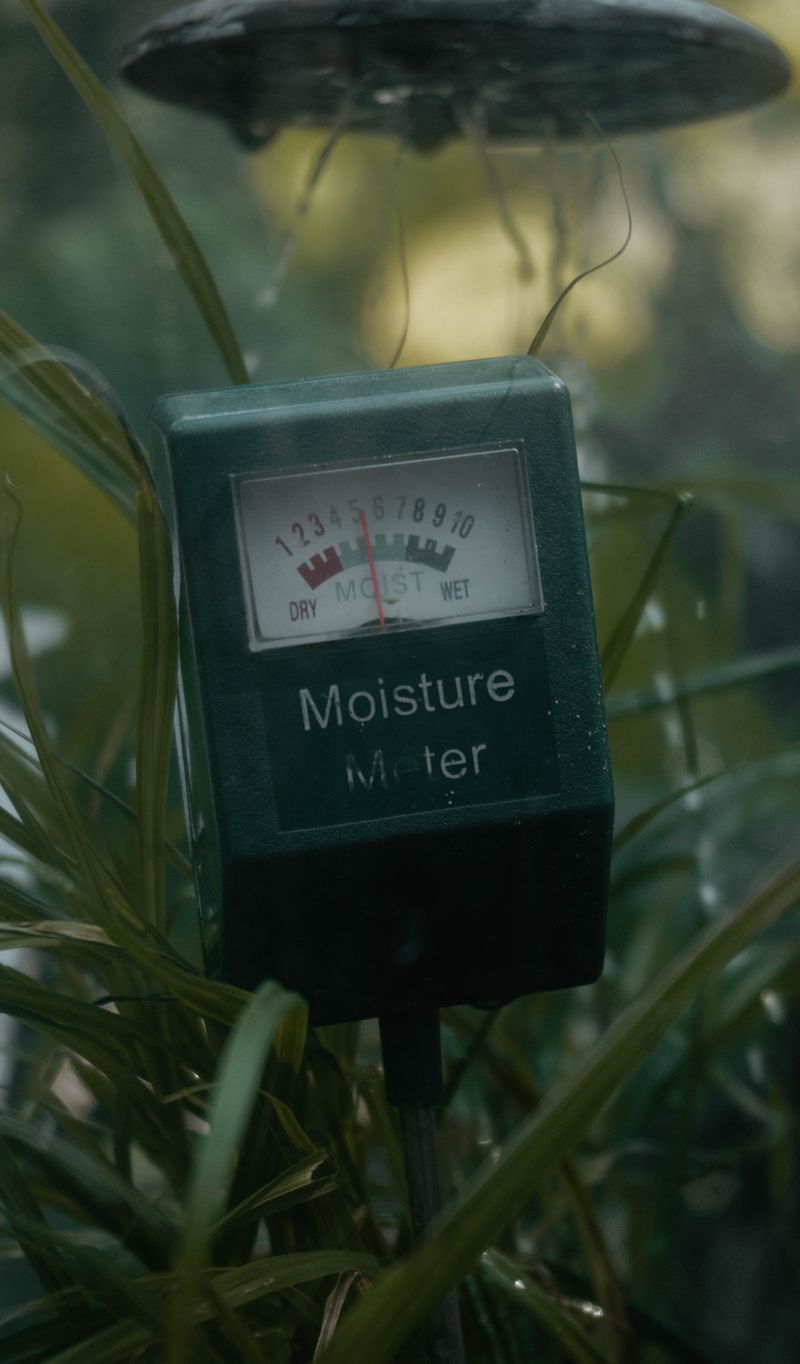
A simple soil moisture meter takes the guesswork out entirely. These inexpensive tools give you a clear reading in seconds without any digging around.
Clay-heavy Massachusetts garden soil holds moisture much longer than sandy or loamy ground. Knowing your soil type helps you water smarter all season long.
Container plants dry out faster than in-ground beds and need more frequent checks. Pots sitting in direct sun can go bone dry within a single hot afternoon.
Root rot from overwatering looks a lot like drought stress from the outside. Both cause wilting, yellowing, and slow growth that can fool even experienced gardeners.
Building a habit of checking before watering saves water, saves time, and saves plants. It takes ten seconds and makes a noticeable difference in plant health.
Smart watering starts with observation, not routine. Your garden will tell you what it needs if you take a moment to listen.
6. Move Containers Into The Shade Immediately
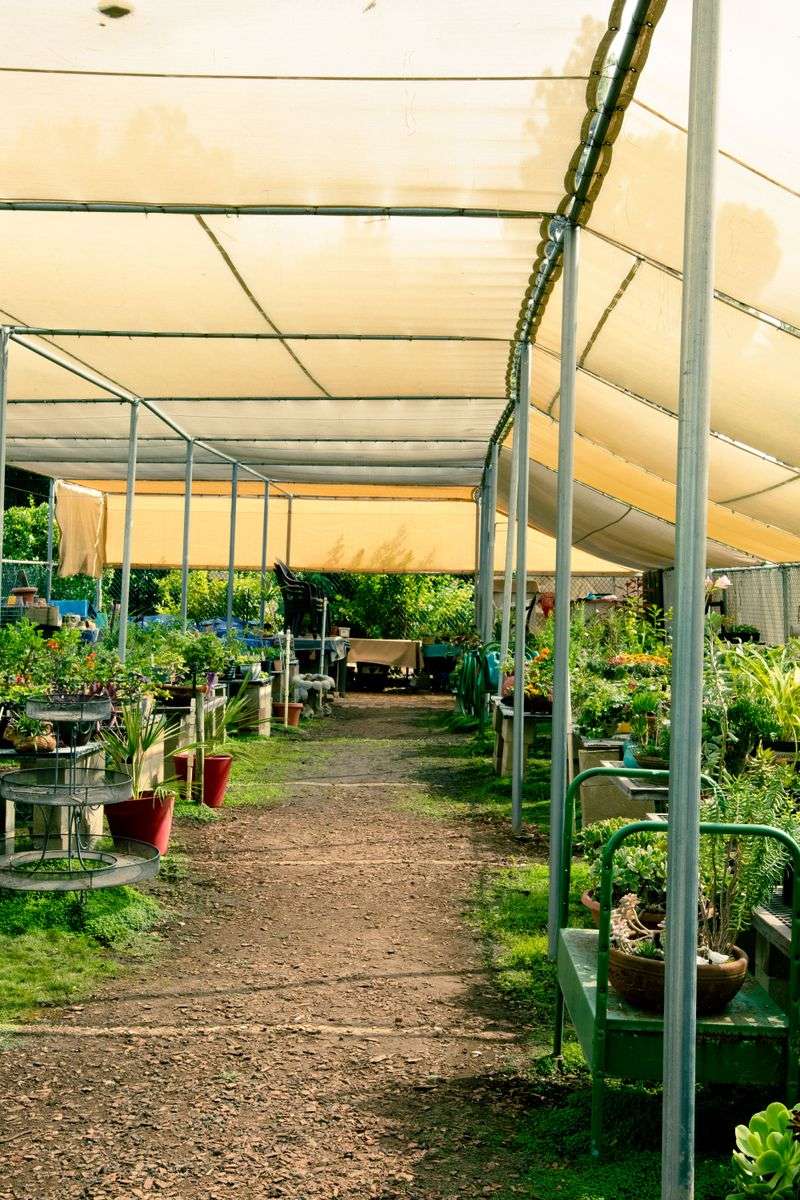
Pots heat up from all sides, not just the top. A container sitting in full sun on a hot day can reach soil temperatures that would shock you.
Black plastic pots are especially dangerous in a heat wave. They absorb and hold significantly more heat than light-colored or terra cotta alternatives.
Moving containers to a shaded spot during the hottest part of the day buys your plants serious relief. Even two to three hours out of direct sun makes a measurable difference.
Morning sun is gentler and more beneficial for most fruiting plants. Afternoon shade protects without sacrificing the light plants need to produce well.
Terra cotta pots breathe better than plastic but dry out much faster in heat. Plan to water them more frequently and check moisture levels every single day.
Grouping containers together creates a small microclimate that traps humidity. Plants in clusters lose moisture more slowly than those sitting alone in open sun.
Elevate pots off hot concrete or asphalt surfaces when possible. Heat radiating up from pavement adds extra stress from below that roots cannot escape.
A wheeled plant caddy makes moving heavy containers simple and fast. Investing in one means you can respond quickly when a heat wave rolls through without warning.
Massachusetts garden summers can include brutal stretches with no rain for weeks. Container plants are the most vulnerable during those dry spells and need the most attention.
Give your pots a shaded afternoon break and watch them bounce back overnight. Small moves make a big difference when the heat refuses to quit.
7. Hold Off On Pruning Until Temperatures Drop
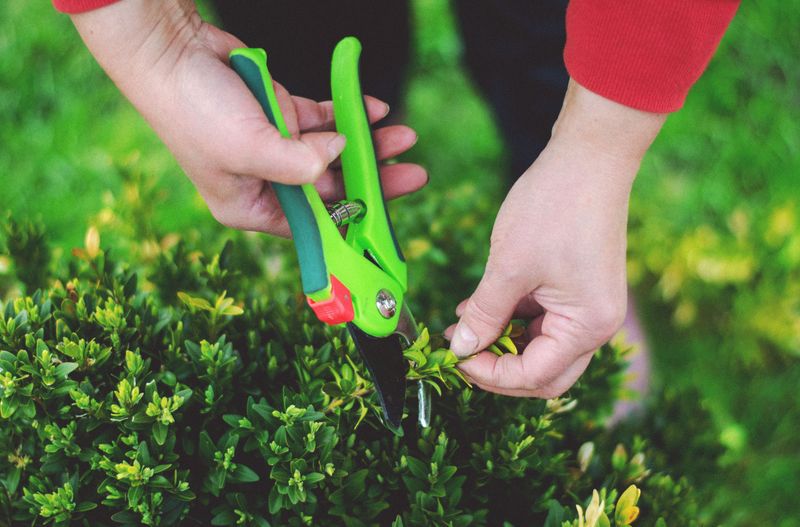
Pruning during a heat wave is a mistake that can set plants back significantly, even when the intention is good. Fresh cuts on a hot day expose plants to stress they simply cannot handle right now.
Leaves provide shade for the stems and soil beneath them. Removing foliage during peak heat strips away the plant’s own built-in sun protection.
Open wounds from pruning also invite pests and disease when plants are already weakened. A healthy plant can defend itself, but a heat-stressed one struggles to mount any resistance.
Tomato suckers can wait a few more days without causing major problems. Prioritize keeping the plant stable and shaded over keeping it perfectly shaped.
Fruit trees and shrubs are especially sensitive to pruning in extreme heat. New growth triggered by pruning wilts almost immediately and wastes precious stored energy.
Wait for a stretch of cooler mornings before picking up your pruning shears. Temperatures consistently below 80 degrees signal a safer window for cutting back.
If you must remove something urgently, do it early in the morning. Cooler morning air gives the plant time to start healing before the afternoon sun arrives.
Disinfect your pruning tools before and after each cut to reduce disease spread. Clean cuts on clean tools heal faster and with far less risk of infection.
During a heat wave, holding off on pruning is often the most protective thing you can do for your plants. Letting your plants rest now means a stronger, more productive finish to the season.
Hold back, let the heat pass, and prune with purpose when conditions improve. Your garden will be better for it.
8. Stay On Top Of Weeds During A Heat Wave
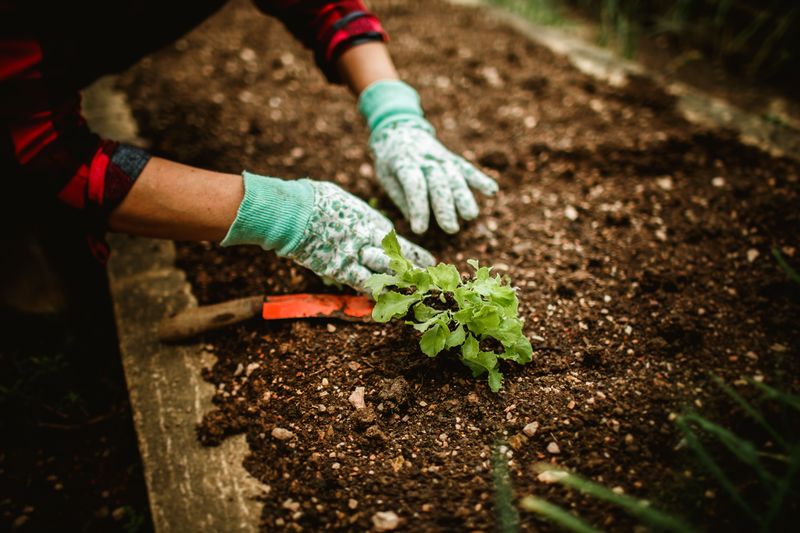
Weeds are ruthless competitors, and they do not slow down just because the weather is brutal. While your vegetables struggle in the heat, weeds are busy stealing water and nutrients.
Pulling weeds in the morning when the soil is still moist makes the job much easier. Roots release cleanly from damp ground instead of snapping off and regrowing.
A shallow hoe works well for small weeds before they get established. Catching them early means less effort and less competition for your garden plants overall.
Weeds also shade the soil surface, which sounds helpful but actually creates problems. That cover traps humidity near plant stems and can encourage fungal growth fast.
During a Massachusetts garden heat wave, every drop of water counts. Weeds can pull significant moisture from the soil before your vegetables ever get a chance to absorb it.
Focus on the area within twelve inches of your main crops first. That zone matters most for root competition and direct moisture loss.
Avoid deep tilling during a heat wave, as it brings buried weed seeds to the surface. Surface weeding is more effective and far less disruptive to stressed plant roots.
Wear lightweight, breathable clothing and a wide-brimmed hat when weeding midday. Your comfort matters too, especially when working outside in peak summer conditions.
A clean, weed-free bed also makes it easier to spot pest problems early. Clear ground gives you a better view of what is happening at the base of your plants.
Staying consistent with weeding during a heat wave protects your Massachusetts garden from two threats at once. Less competition means more resources for the plants you actually want to keep.