The Cool-Season Vegetable Move Michigan Gardeners Should Make Before Summer Heat Peaks
Every Michigan gardener reaches a point in late July when the summer garden starts feeling like it has done most of what it is going to do.
The tomatoes are going, the zucchini has completely lost the plot, and the question becomes what comes next.
The answer, for gardeners who know what they are doing, is a fall vegetable garden that carries fresh harvests well into October. Cool-season crops like lettuce, spinach, radishes, and turnips are not fussy plants.
They just need the right timing, which means getting seeds into warm soil in late July and early August so they establish before the heat breaks and mature right into the kind of mild Michigan fall weather they genuinely love.
Plan it right and the season gets a very satisfying second chapter.
1. Start Fall Crops Before July Slips Away
Hot July beds can fool a gardener into thinking summer still has plenty of runway left, but the calendar tells a different story. In Michigan, the window for starting fall cool-season crops opens up in late July and begins to close quickly.
Waiting until August to think about fall planting often means crops will not have enough time to reach harvest before cold weather slows everything down.
Cool-season vegetables like lettuce, spinach, turnips, and radishes need a specific number of days to mature, and those days have to line up with the cooler temperatures that Michigan typically sees in September and October.
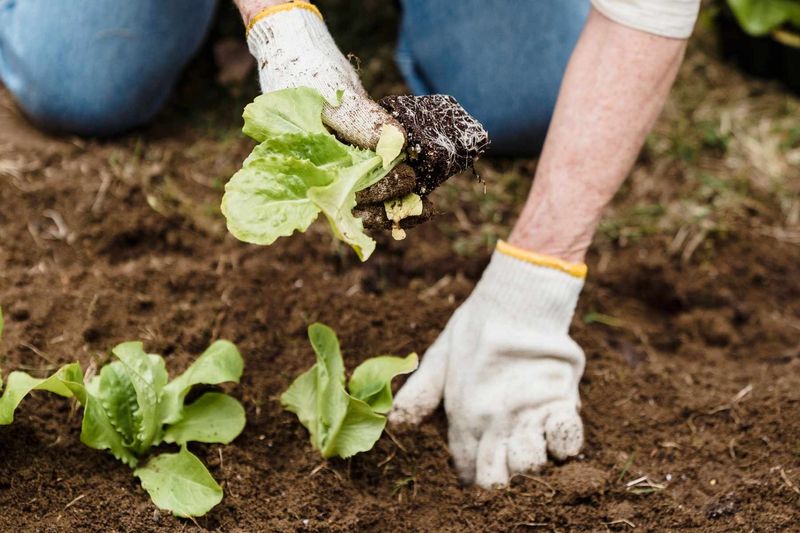
Starting seeds in the ground or in transplant trays by late July gives most of these crops the head start they need.
That early start is especially helpful in Michigan gardens because daylight shortens as fall approaches, so later plantings may grow more slowly even when the weather feels more comfortable. Even a few days of delay can matter when frost is the deadline.
Gardeners who have never tried a fall garden sometimes assume that planting in July feels wrong because it is still hot. That instinct makes sense, but cool-season crops are not trying to thrive in the July heat.
They are germinating and establishing now so they can do their best growing once temperatures drop.
Getting seeds in the ground before July slips away is the single most important step a Michigan gardener can take to make a fall vegetable garden work well.
2. Choose Vegetables With Time To Mature
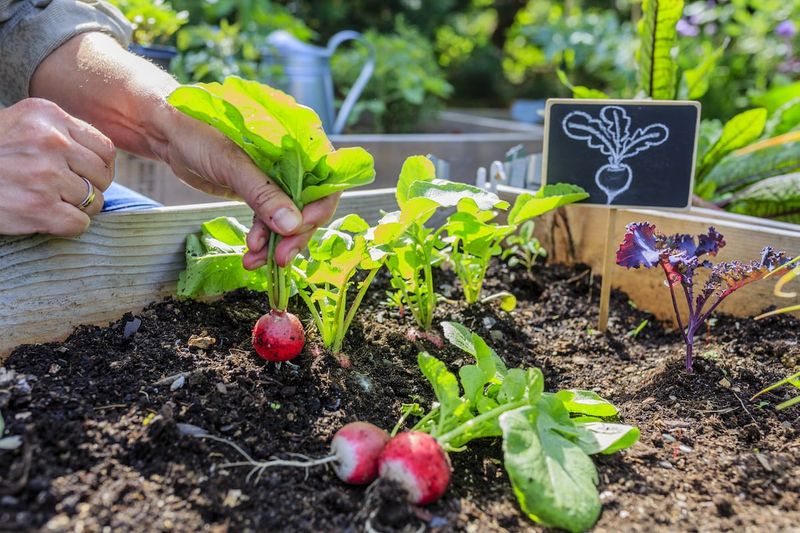
Seed packets hold more information than most gardeners realize, and the days-to-maturity number printed on each one becomes especially important when planning a fall garden.
Not every cool-season vegetable will make it to harvest if planted in late July in Michigan.
Choosing crops with shorter maturity windows gives the garden a realistic shot at producing before frost shuts things down.
It also helps to compare that number with your expected first frost date, since northern Michigan gardens may run out of growing time sooner than gardens in the southern Lower Peninsula.
When the season is this tight, choosing a 30-day crop instead of a 70-day crop can change the entire outcome.
Your Michigan Garden Changes Every Week. Your Plan Should Too.
Gardening in Michigan changes quickly throughout the season. Every Friday you’ll receive a simple weekly plan showing exactly what to plant, prune, fertilize, harvest, and protect so you never miss the right timing.
Radishes are among the fastest options available, often maturing in as few as 25 to 30 days. Leaf lettuce varieties can be ready to cut in around 45 to 50 days.
Spinach generally takes 40 to 50 days depending on variety and conditions. Turnips fall somewhere in the 45 to 60 day range, making them a solid choice as long as planting happens in time.
Each of these fits reasonably well into a late-July or very early August planting window in most parts of Michigan.
Crops like broccoli, Brussels sprouts, and cauliflower can work for fall gardens too, but they often require transplants started earlier indoors, sometimes as far back as mid-June.
Trying to direct-seed those crops in late July in Michigan may not leave enough growing time.
Sticking with fast-maturing greens, root crops, and leafy vegetables tends to give home gardeners a more reliable fall harvest without the guesswork of pushing slow-maturing plants through a shrinking season.
3. Keep New Seedbeds Evenly Moist
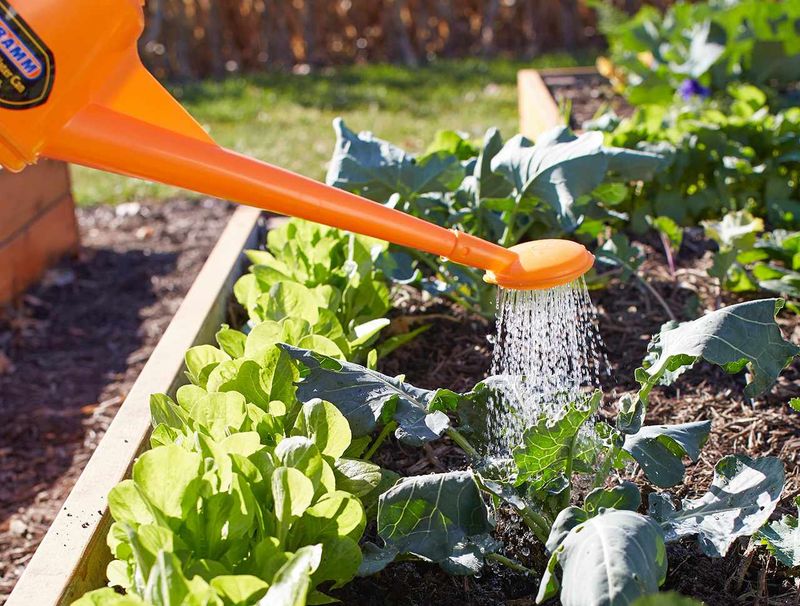
Dry seedbeds are one of the most common reasons fall plantings fail in Michigan vegetable gardens. When soil dries out between waterings during germination, small seeds that have just begun to sprout can struggle to recover.
Consistent moisture in the top inch or two of soil is what gives cool-season seeds the environment they need to push through successfully.
Late July and early August in Michigan bring some of the year’s highest temperatures and often stretches of dry weather.
A seedbed that feels moist in the morning can dry out significantly by afternoon, especially in sandy soils, raised beds with good drainage, or containers that heat up quickly in direct sun.
Checking soil moisture once or even twice a day during germination is not excessive when temperatures are high and rainfall is unreliable.
A thin layer of clean straw or another light mulch can help slow surface drying, as long as it is loose enough for seedlings to emerge.
In very hot spells, a temporary shade cloth can also keep the seedbed cooler while the new planting gets started.
Light, frequent watering works better during germination than a single heavy soak every few days. The goal is to keep the surface layer consistently moist without creating soggy, compacted conditions that limit airflow to seeds.
A gentle spray nozzle or watering wand helps avoid washing seeds out of position or creating crusted soil that seedlings struggle to break through.
Once seedlings are up and have developed their first true leaves, watering can shift to a deeper, less frequent schedule that encourages roots to reach further into the soil as the season cools toward fall.
4. Use Light Shade For Tender Seedlings
Tender seedlings pushing up through warm soil in late July face conditions that cool-season crops were not really designed to handle.
Temperatures that feel comfortable for tomatoes and peppers can stress young lettuce, spinach, and radish seedlings before they have a chance to establish.
Providing some relief from the most intense afternoon sun can make a noticeable difference in how well those seedlings get started.
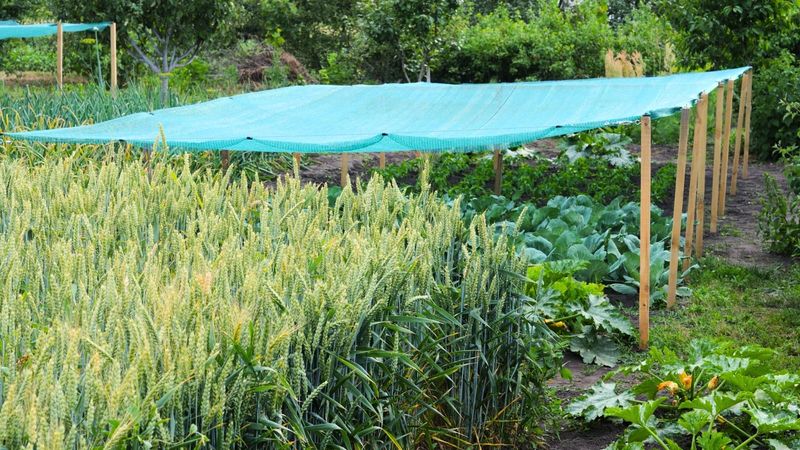
Shade cloth rated at 30 to 40 percent light reduction is a practical option for protecting new seedlings without blocking too much of the light they still need for photosynthesis.
It can be draped over a simple frame or hoops above the seedbed and removed once temperatures moderate in late August or early September.
Some Michigan gardeners also use floating row cover, taller nearby plants, or temporary shade from a fence or structure to soften afternoon heat without purchasing additional materials.
The goal is not to create deep shade or keep seedlings in the dark for extended periods. Too much shade can stretch seedlings, slow growth, and reduce overall plant health.
Light shade specifically during the hottest part of the day, roughly from midday through mid-afternoon, tends to be the most helpful approach.
Once seedlings are a few inches tall and temperatures begin to ease, most cool-season crops will handle full sun without difficulty.
Shade is a short-term tool, not a permanent adjustment, and it works best when combined with consistent moisture in the seedbed.
5. Focus On Fast Cool-Season Crops
Fall lettuce has a way of tasting better than anything grown in the heat of summer. The cooler temperatures that arrive in September in Michigan bring out a sweetness and crispness in leafy greens that is hard to match during the hottest months.
Focusing a fall planting on the fastest cool-season crops means that harvest can begin while summer crops are still winding down, giving the garden an extended productive stretch.
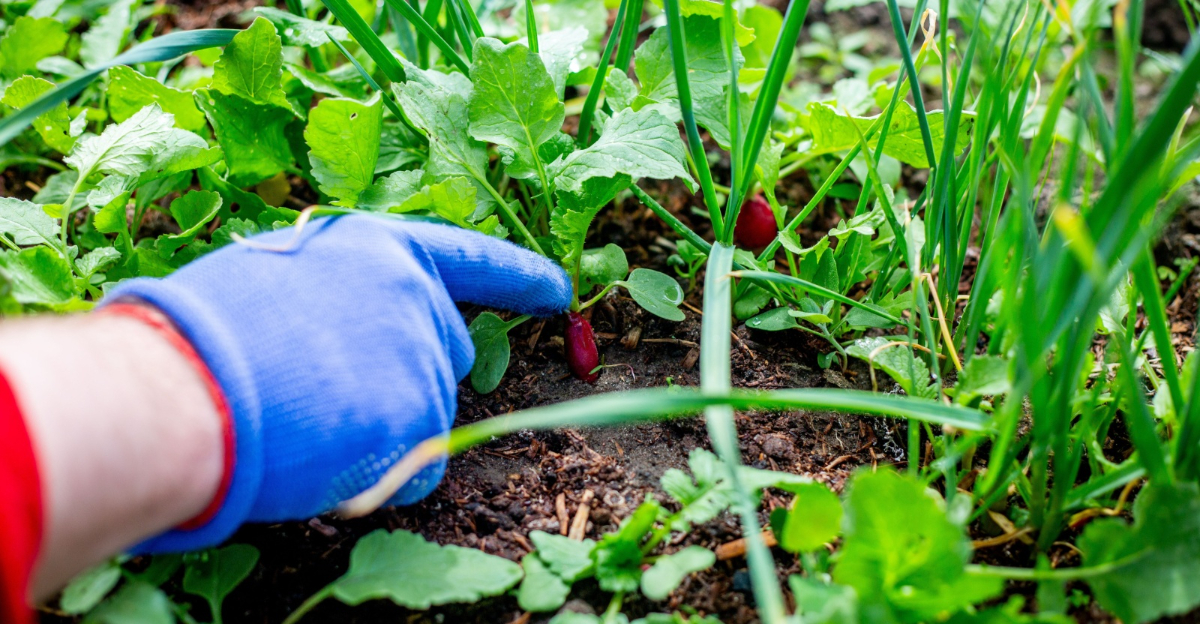
Radishes can go from seed to table in under a month, which makes them one of the easiest fall crops to fit into a Michigan garden.
Leaf lettuce varieties like red oakleaf, green romaine, and butterhead types mature quickly and can be harvested as cut-and-come-again crops, meaning one planting can produce multiple cuttings over several weeks.
Spinach is another strong choice, handling light frosts with ease and often improving in flavor after a cold snap.
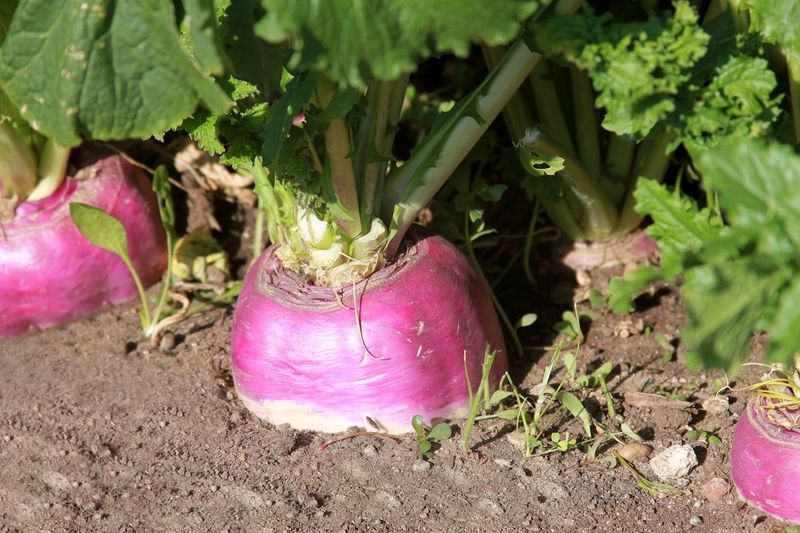
Turnips deserve more attention than they typically get in Michigan home gardens. They grow quickly, produce edible roots and greens, and hold well in the garden even after light frost.
Arugula and kale are also worth considering for gardeners who want variety in their fall harvest.
The common thread among all these crops is that they mature before hard freezes become a regular concern and they actually perform better as temperatures drop, which makes them a natural fit for Michigan’s fall growing window.
6. Count Back From Michigan Frost Dates
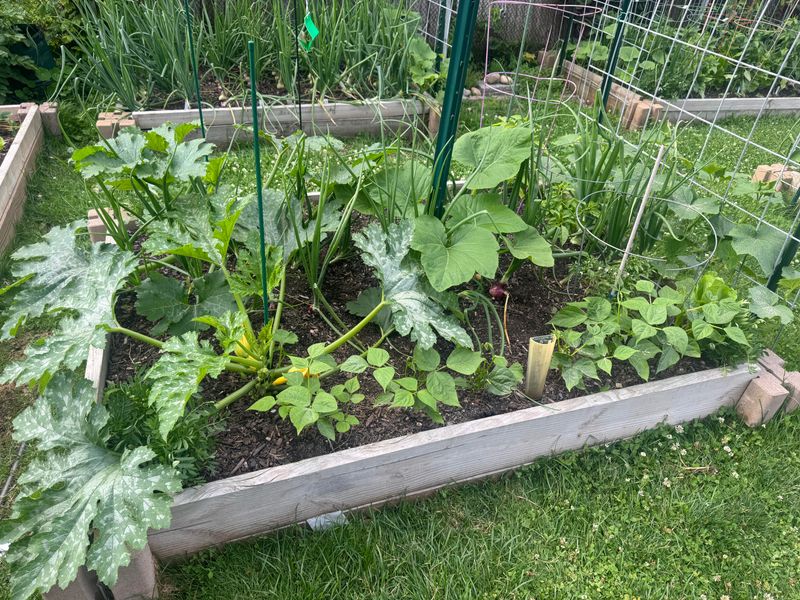
Knowing when the first fall frost typically arrives in your part of Michigan is the starting point for calculating when cool-season crops need to go into the ground. Michigan frost dates vary quite a bit depending on location.
Northern parts of the Lower Peninsula and the Upper Peninsula tend to see first frosts earlier, sometimes in late September, while southern Michigan gardeners may not see a hard frost until mid-October or later.
The basic math works like this: take the days-to-maturity number from the seed packet, add a week or two as a buffer for slower germination in warm soil, and count backward from the expected first frost date. That calculation gives a rough planting deadline.
Because fall days get shorter, it is wise to give cool-season crops more time than the packet number suggests. A little extra breathing room can make the difference between seedlings that size up before cold weather and plants that stall just as the season turns.
For a crop like leaf lettuce that matures in 45 days, a gardener in central Michigan expecting a first frost around October 10 would want seeds in the ground by late July or very early August to allow comfortable growing time.
Frost dates are averages, not guarantees. Some years Michigan sees an early frost in late September, and other years the first freeze holds off until November.
Planning around the average date while keeping an eye on extended forecasts as fall approaches is a reasonable approach for most home gardeners.
Row cover, cold frames, and cloches can also extend the season a bit when an unexpected early frost threatens crops that are close to but not quite at harvest.
7. Harvest Summer Crops To Make Room
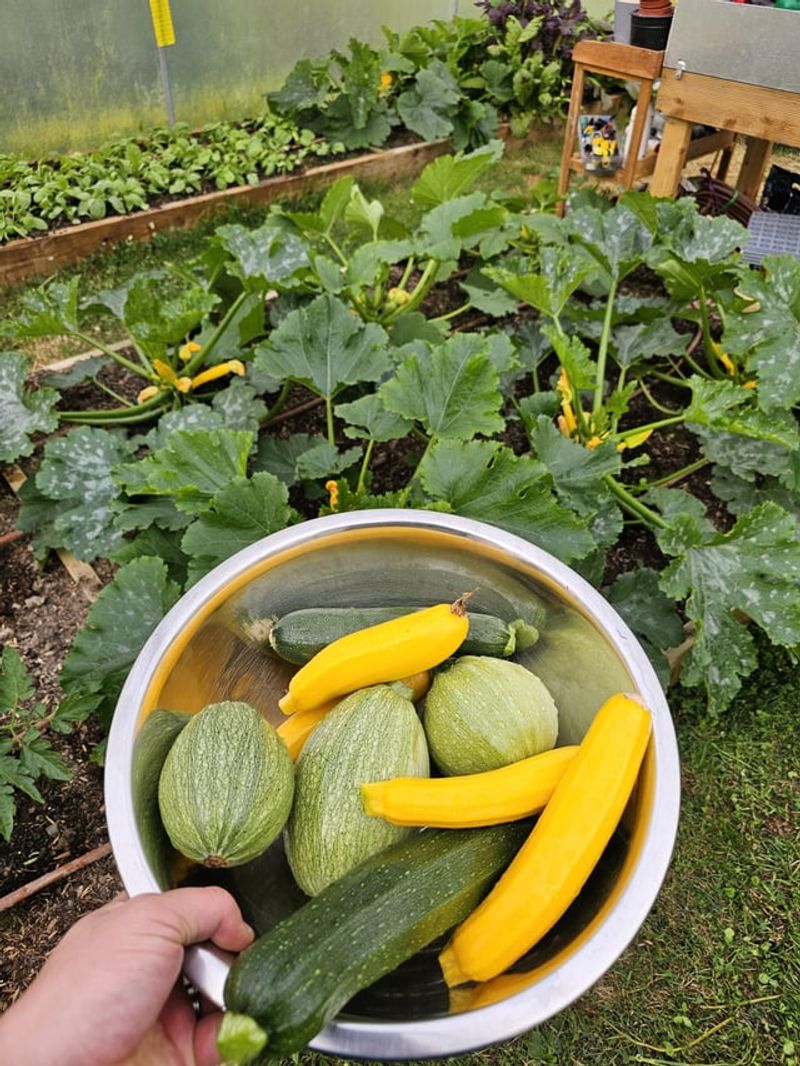
Empty spaces in a Michigan vegetable garden are opportunities, and late summer offers more of them than gardeners sometimes expect.
As summer crops like zucchini, cucumbers, beans, and early tomato varieties finish their productive run, the beds they occupied become available for a second planting.
Clearing those spaces promptly rather than leaving spent plants in the ground through August opens up room for fall crops that still have time to mature.
Removing a plant that has stopped producing and replacing it with a fast-growing cool-season crop is one of the more satisfying moves in a home vegetable garden.
The soil in an established raised bed or in-ground plot is already broken up, amended, and reasonably fertile from the season’s earlier plantings.
That gives fall seedlings a decent foundation to work with, though adding a light layer of compost before reseeding can help replenish nutrients that summer crops used up.
Some summer crops will still be producing into August, and those should stay in place. The goal is not to pull everything out at once but to watch for plants that are clearly past their peak and reclaim that space for fall planting.
A garden journal or even a quick mental note about which beds or rows will open up first can help with timing.
In small Michigan gardens where space is limited, succession planting and thoughtful harvesting of finished crops can stretch the productive season well beyond what a single round of planting would allow.