8 Reasons You Should Stop Tossing Banana Peels If You Want Your Roses To Bloom Bigger
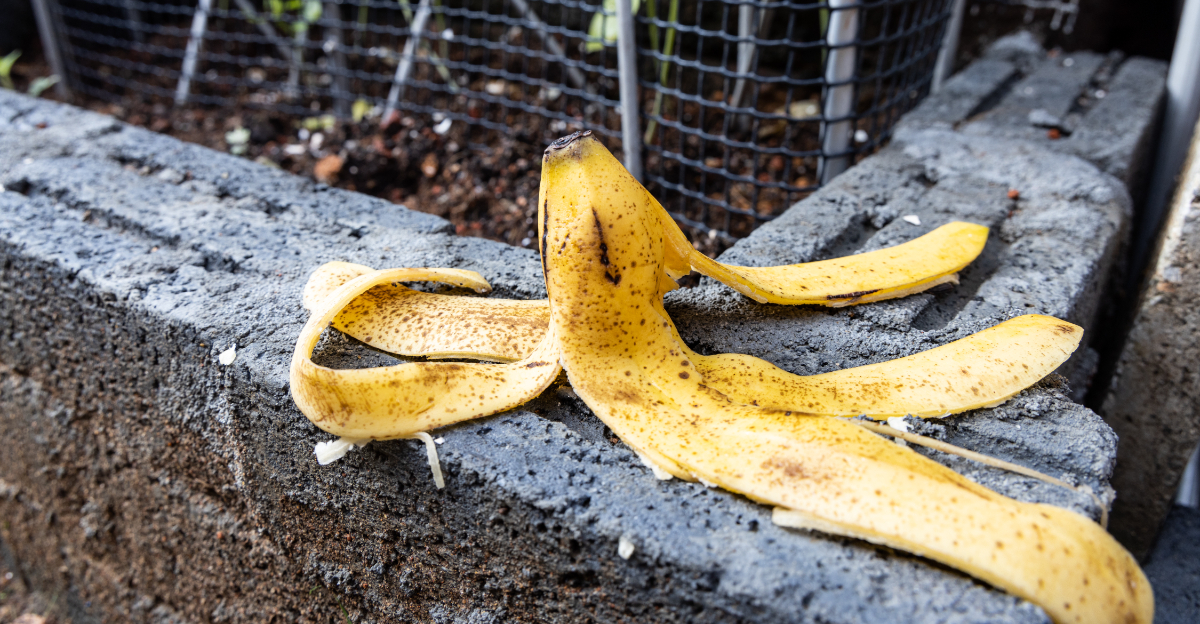
You have probably heard that banana peels are magic for roses.
Toss one in the hole when you plant, bury a few around the base, or soak them in water overnight and your blooms will go wild.
That part of the story is not wrong, it is just incomplete, and the missing details are exactly what determine whether your roses actually benefit.
Banana peels genuinely contain nutrients that roses can use, especially potassium, phosphorus, and calcium.
The trick is unlocking those nutrients the right way instead of just tossing a peel on the ground and hoping for the best.
Handled with a little know-how, banana peels become a free, effective addition to a rose care routine that costs nothing beyond what you were already throwing in the trash.
Here is exactly how to use them so your roses actually get the benefit instead of just the peel.
1. Compost Turns Peels Into Real Plant Food
Composting is the single most reliable way to turn a banana peel into something your roses can actually use.
When you add peels to a compost pile, microbes, fungi, and tiny soil organisms get to work breaking down the tough fibers.
Over several weeks, those nutrients get released into a form roots can absorb directly, rather than sitting locked inside organic compounds the plant cannot access yet.
The result is a crumbly, dark, earthy material that soil scientists call finished compost, and it is genuinely one of the best things you can add around roses.
University extension guides consistently recommend composting kitchen scraps before applying them to garden beds, partly because the process also neutralizes any mold spores or bacteria riding along on the peel.
Composting works like the cooking step that turns raw ingredients into a proper meal.
Your roses cannot use the raw version efficiently, but they will happily feed on what comes out of a well-managed compost pile.
Toss peels in along with coffee grounds, eggshells, and yard trimmings, and within a season or two you will have a steady supply of finished compost ready for the rose bed.
Patience here pays off directly in bigger, healthier blooms later in the season, and the whole process requires almost no active effort beyond turning the pile occasionally.
2. Peels Build Soil Structure Over Time
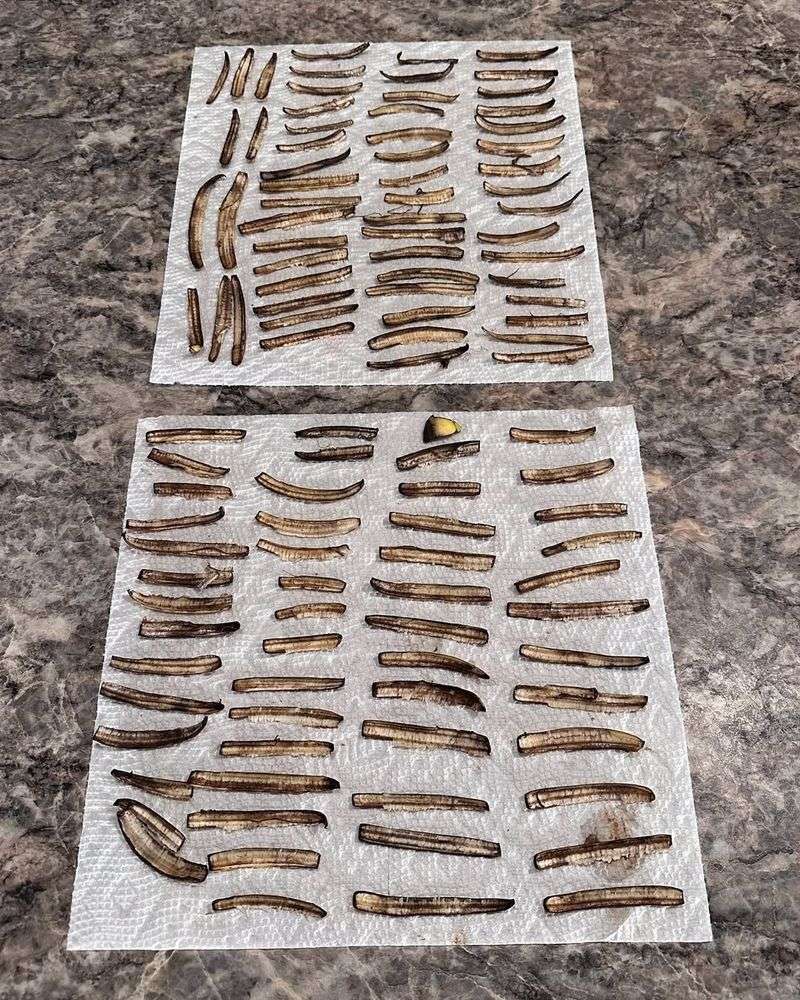
Soil health is not just about nutrients. It is also about structure, and that is where banana peels quietly do some of their best long-term work.
When peels fully decompose, they contribute to the organic matter content that improves how water moves through the ground, how air reaches roots, and how well your roses can anchor themselves.
Organic matter acts like a sponge.
It helps sandy soils hold moisture longer and helps clay soils drain better instead of staying waterlogged. Roses are notoriously picky about drainage, so anything that improves soil structure gives them a real advantage over the growing season.
Building this up takes consistency rather than a single application.
One banana peel composted and worked into the soil is a small but real contribution.
Your North Carolina Garden Changes Every Week. Your Plan Should Too.
Gardening in North Carolina changes quickly throughout the season. Every Friday you’ll receive a simple weekly plan showing exactly what to plant, prune, fertilize, harvest, and protect so you never miss the right timing.
Gardeners who compost peels and other kitchen scraps consistently over multiple seasons often notice their soil becoming darker, looser, and more alive with beneficial organisms working underground.
Extension soil guides note that organic matter levels below two percent put plants under real stress.
Saving peels for the compost pile rather than the trash is one of the most reliable, free ways to build that percentage up over time, and the payoff compounds with every season you keep doing it.
3. Potassium Claims Need Soil Testing
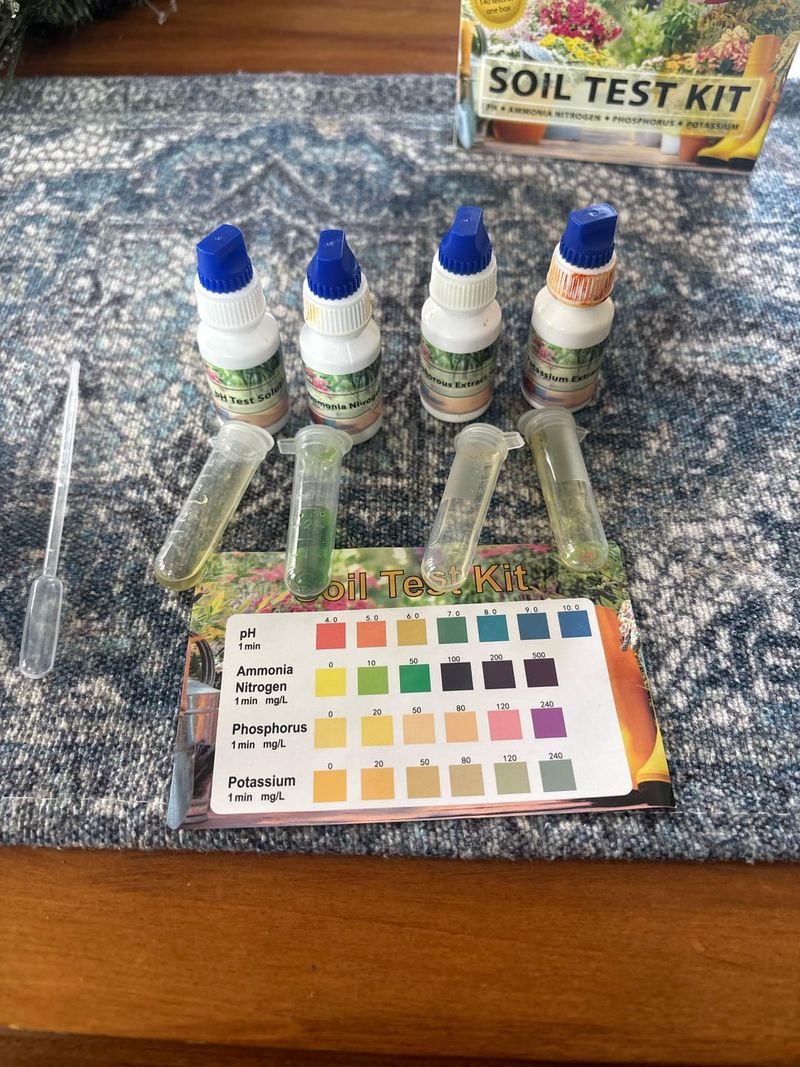
Banana peels are genuinely rich in potassium, and potassium plays a real role in helping roses build strong stems, resist disease, and support flower development.
Getting the most out of that potassium means checking what your soil actually has first, which only takes one simple step most gardeners skip entirely.
A basic soil test from your local cooperative extension office or a garden center costs very little and gives you real, specific data.
It tells you your current potassium level, your soil pH, and what other nutrients might genuinely be lacking, which turns guesswork into an actual plan.
If your soil test shows low potassium, composted banana peels added regularly to your pile become a smart, targeted solution rather than a random gesture.
You can feel confident that what you are adding is actually addressing something your roses need, instead of just hoping for the best.
If potassium already tests sufficient, that information is just as valuable, since it tells you to direct your composting efforts and any supplemental feeding toward whatever nutrient is genuinely running low.
Either way, the test transforms banana peels from a vague folk remedy into a precise tool you can use with actual confidence, getting real results instead of crossing your fingers.
4. Banana Water Is A Light Supplement
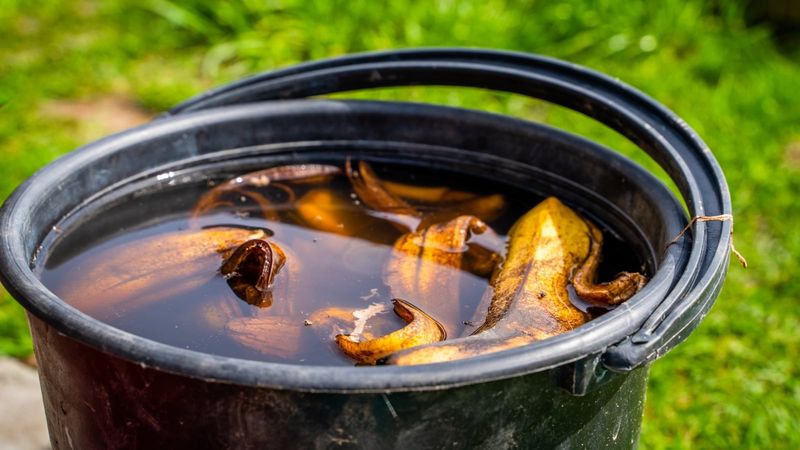
Banana water is one of the simplest ways to put peels to use without any waiting.
Soak chopped banana peels in a jar of water for one to two days, then strain out the solids and pour the liquid around the base of your roses.
Some potassium and trace minerals leach into the water during that soak, giving your plants a gentle boost.
This method works best as a light supplement rather than a complete feeding strategy.
Banana water lacks nitrogen and most of the micronutrients roses need for fully balanced growth, so pairing it with a complete fertilizer or finished compost rounds out what your roses are getting across the season.
Used every couple of weeks during active growth, banana water is an easy, low-cost ritual that costs nothing beyond peels you were already going to discard.
Pour it directly onto the soil rather than the leaves, and apply it in the morning so any residual moisture dries off before evening.
It is a simple, satisfying habit that fits naturally into an existing watering routine, and many gardeners enjoy the small sense of full-circle use that comes from turning a kitchen scrap into something the garden can immediately put to work.
5. Chop And Bury Peels Away From Roots
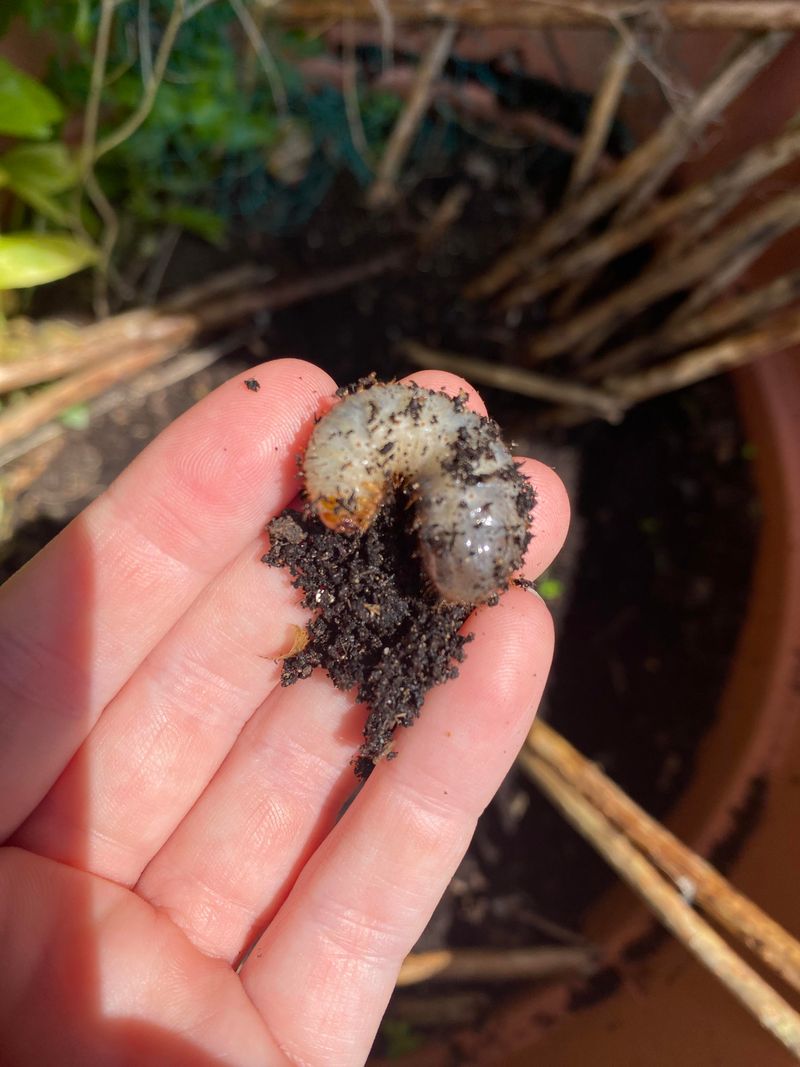
For gardeners who want to use peels directly in the bed without building a full compost system, chopping and burying them properly is the move.
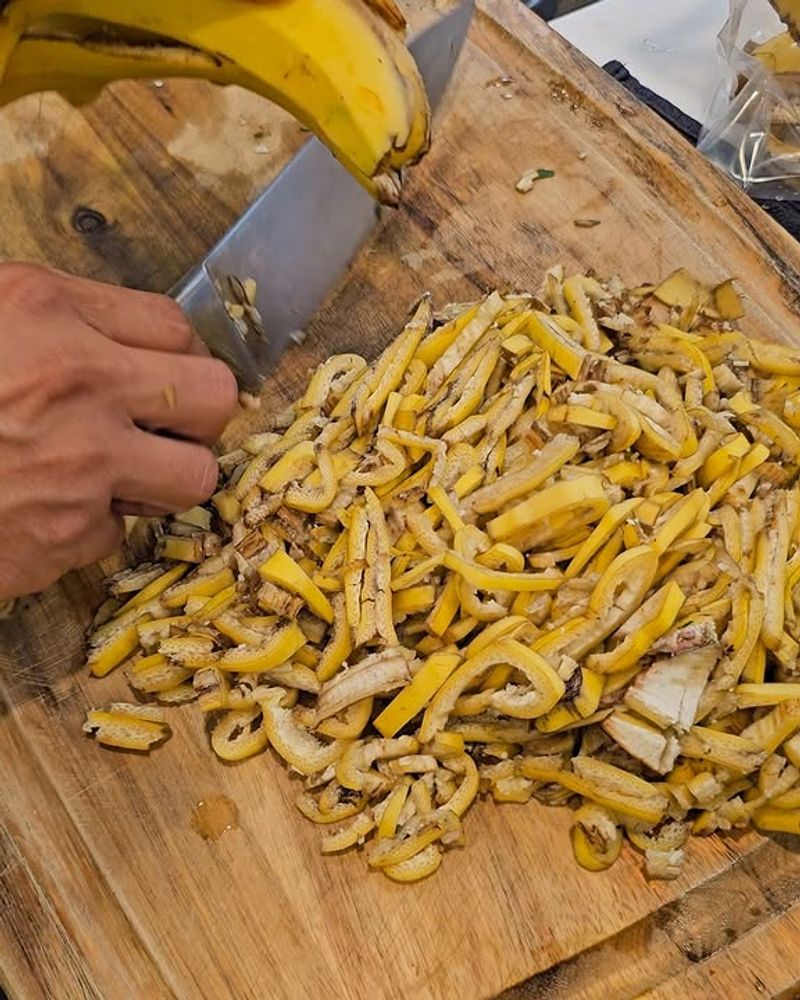
Cutting peels into small pieces before burying gives soil microbes far more surface area to work with, which speeds up decomposition considerably compared to burying a peel whole.
Depth matters just as much as chopping.
Burying chopped peels at least six inches deep, well away from the root crown, puts enough soil between the scraps and the surface that decomposition odors have a much harder time escaping and attracting wildlife.
That depth also keeps the breakdown process away from the most active feeder roots near the surface.
This method will not deliver nutrients quite as efficiently as finished compost, but it is a legitimate, practical way to put kitchen scraps directly to work in the rose bed.
Spacing burial spots around the bush rather than concentrating them in one place spreads the benefit evenly as the peels break down over the following weeks.
It is a smart middle ground for anyone who wants a more hands-on approach than waiting on a compost pile, while still avoiding the pitfalls of just tossing a whole peel onto the mulch.
6. Apply Finished Compost As A Top Dressing
Once banana peels have fully broken down into finished compost, spreading that compost around your roses is one of the most effective things you can do for bloom production all season.
A two to three inch layer applied as a top dressing around the base of your rose bush in early spring gives the plant a strong nutritional foundation heading into the growing season.
Unlike fresh peels, finished compost is stable.
It will not attract pests, introduce mold, or create odor near sensitive roots. It breaks down gently, feeding the soil ecosystem at a steady pace that matches how roots actually absorb and use nutrients over time.
Repeat applications in midsummer help sustain that momentum through the heat of the season, when roses are working hardest to keep producing flowers.
Keeping compost a few inches away from the main cane prevents moisture from sitting against the stem, which helps avoid rot while still letting the surrounding soil benefit fully.
You do not need to spend money on expensive products to make this work.
A simple backyard compost bin, fed with banana peels alongside grass clippings and dry leaves, can produce all the finished compost your rose bed needs across an entire growing season.
7. Rotate Peel Use Across The Growing Season
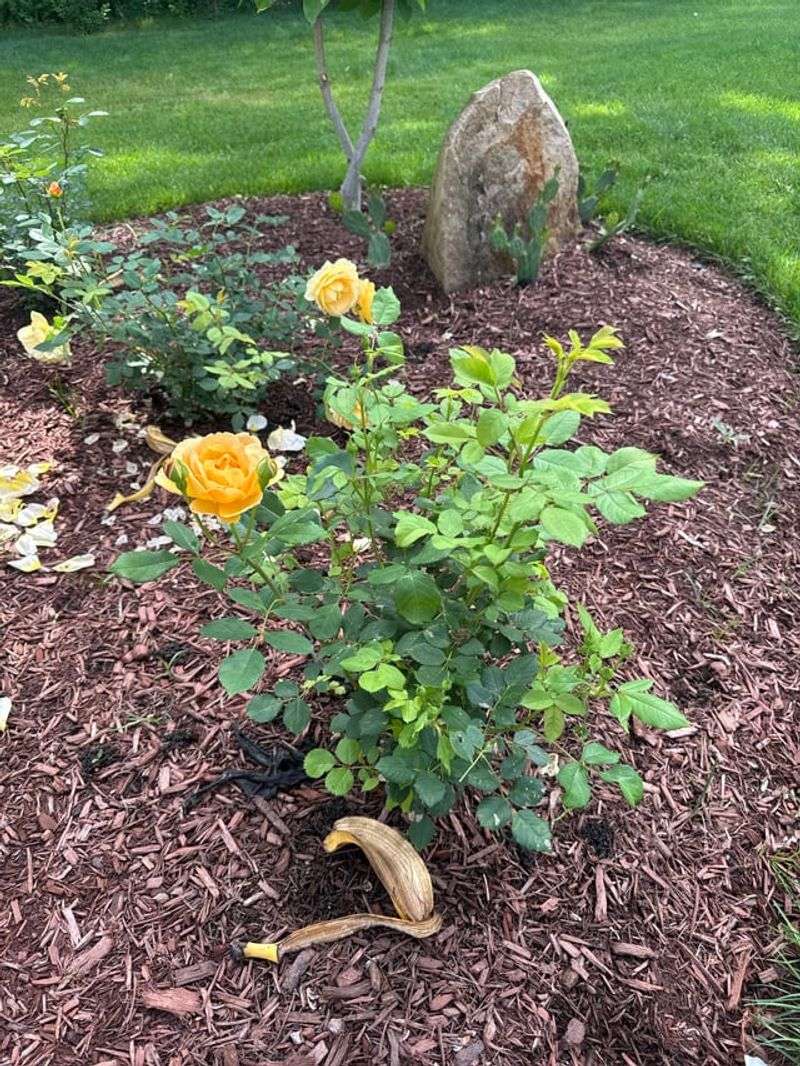
The most effective way to use banana peels is not picking one method and sticking with it exclusively, but rotating through a few approaches depending on the season and what your roses need at the time.
Early spring is a great window for applying finished compost as a top dressing, since it gives roots a strong nutritional base right as new growth kicks into gear.
Through the active summer growing months, banana water every couple of weeks works as a light, easy supplement that fits naturally into routine watering without much extra effort.
Continue feeding the compost pile with fresh peels throughout the season so there is always a new batch finishing as the current one gets used up, keeping the cycle going without interruption.
For gardeners who want to use scraps directly in the bed between compost batches, chopped and deeply buried peels fill that gap reasonably well.
Thinking of banana peels as one ingredient in an ongoing system, rather than a single magic trick, is what actually produces the bigger, healthier blooms people are chasing when they first hear about this hack. The peel was never the whole story. The method always was.
8. Pair Peels With Eggshells For A Complete Boost
Banana peels handle potassium well, but roses need more than one nutrient to produce the kind of strong stems and abundant blooms most gardeners are chasing.
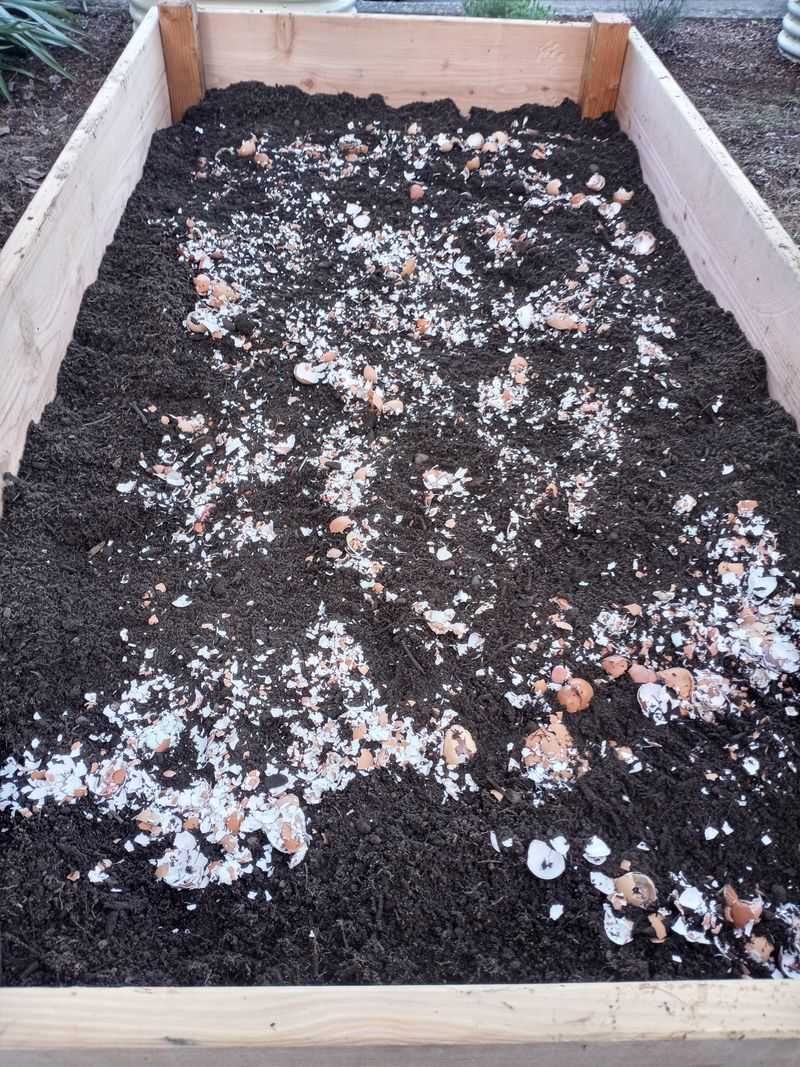
Pairing peels with crushed eggshells in the same compost routine fills in a gap that banana peels alone leave wide open.
Eggshells are rich in calcium, a nutrient that strengthens cell walls throughout the plant and helps prevent the kind of weak, floppy growth that makes roses susceptible to wind damage and disease.
Roses pull calcium from the soil continuously throughout the growing season, and a steady supply matters more than most gardeners realize when they are focused entirely on potassium from banana peels.
Crushing eggshells finely before adding them to the compost pile speeds up their breakdown considerably.
Whole or roughly broken shells can take a full year or more to decompose. But finely crushed shells, ground in a coffee grinder or simply stomped on inside a sealed bag, release their calcium content within a few months under normal composting conditions.
Combining banana peels and crushed eggshells in the same compost batch creates a more balanced amendment than either ingredient could provide alone.
The finished compost carries potassium for bloom development alongside calcium for structural strength, giving roses a noticeably more complete nutritional package than a banana-only approach delivers.
This pairing costs nothing beyond scraps most households already generate during normal cooking and breakfast routines.
Saving peels and shells in a small countertop container before transferring them to the outdoor compost pile makes the habit easy to maintain without much disruption to a normal kitchen routine.
The payoff shows up directly in stronger canes and more reliable blooms throughout the season.