These Plants Are Being Banned In More North Carolina Counties
Some of them have been growing in North Carolina gardens for decades, even though experts now warn that certain species can spread into natural areas.
Others have spread quickly enough to draw attention from land managers, conservation groups, and state regulators.
North Carolina maintains an official regulated noxious weed list, while local groups are also encouraging residents to remove invasive ornamentals such as Bradford pear.
The ecological damage driving these decisions is real and in some cases already difficult to reverse in affected natural areas across the state.
Knowing which plants are officially regulated, and which invasive ornamentals experts recommend removing, is useful information for gardeners before the next planting season begins.
1. Bradford Pear Is The Main Tree Communities Are Targeting Right Now
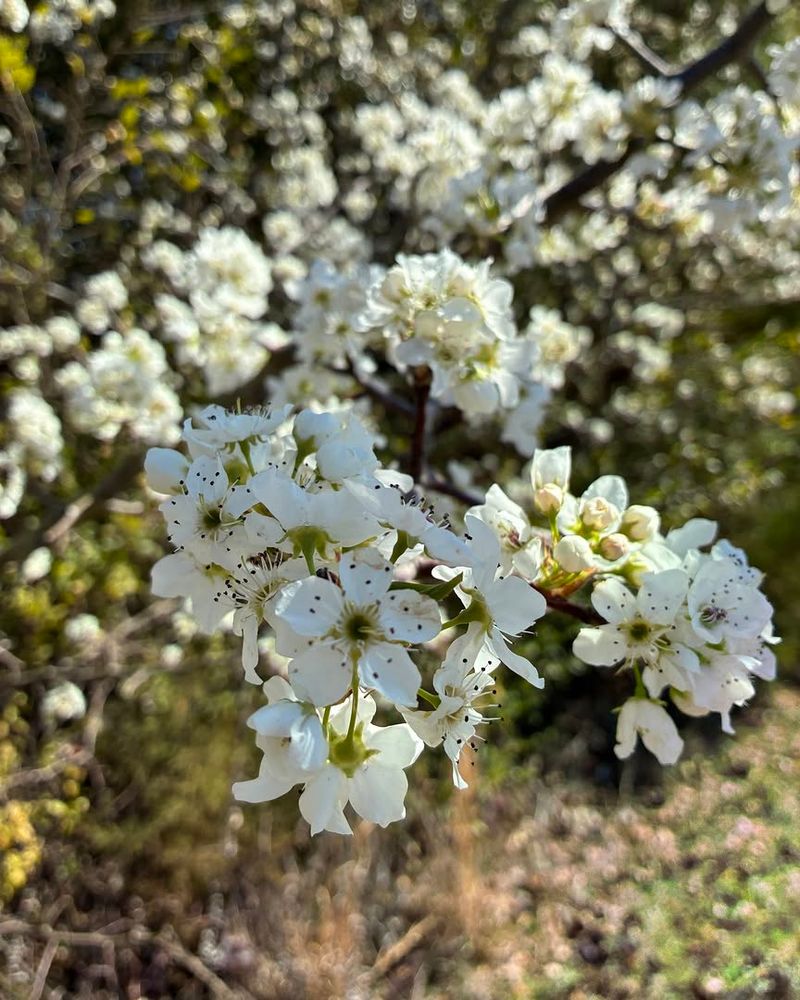
Few trees have caused as much controversy in North Carolina as the Bradford Pear.
Beautiful in spring with its cloud of white blossoms, this tree once seemed like the perfect addition to any yard.
But looks can be deceiving, and communities and conservation groups across the state are encouraging homeowners to remove and replace it.
Bradford Pear trees are a cultivated variety of the Callery Pear, originally introduced from Asia in the early 1900s.
While early versions were considered sterile, cross-pollination between different cultivars allowed them to produce fertile seeds.
Birds eat those seeds and spread them widely, which means these trees pop up in fields, forests, and roadsides far beyond any garden.
In natural areas, Bradford Pears grow aggressively and crowd out native plants that local wildlife depend on.
Their branches are also notoriously weak and prone to splitting in storms, making them a liability for homeowners.
North Carolina has not listed Bradford or Callery pear on its official regulated noxious weed list; instead, NC State Extension and partner organizations support removal-and-replacement efforts such as the
NC Bradford Pear Bounty.The momentum is clear, and more communities are encouraging homeowners to replace this once-popular tree with native alternatives that better support local birds, insects, and plants.
2. Why Bradford Pears Became A Problem Across The State
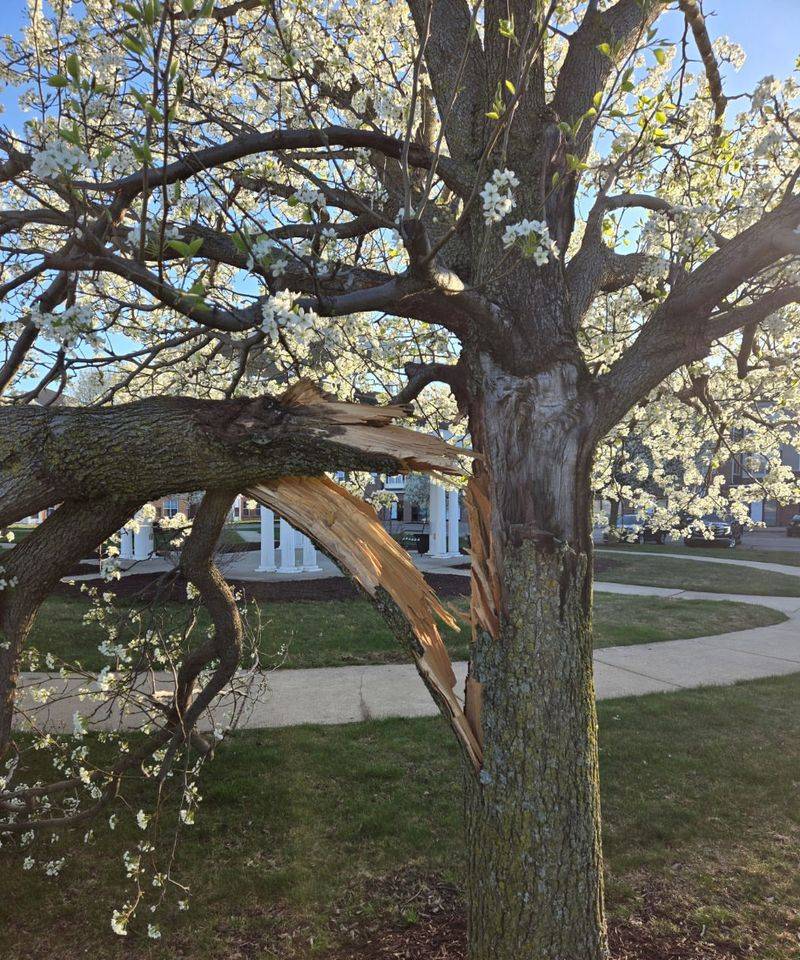
Understanding why Bradford Pears became such a headache starts with a little plant biology.
When nurseries began selling multiple cultivars of Callery Pear, something unexpected happened.
Bees and other pollinators carried pollen between those different varieties, and suddenly the trees that were supposed to be sterile were producing seeds by the millions.
Those seeds get eaten by birds and deposited across the landscape in their droppings. Once a wild Callery Pear sprouts in a natural area, it grows fast, leafs out early in spring, and holds its leaves late into fall.
That extended growing season gives it a huge advantage over native trees and shrubs that cannot keep up. Over time, entire meadows and forest edges can be taken over by these trees.
Wild Callery Pears also develop sharp thorns, making them difficult and painful to remove once established.
Their dense canopy shades out wildflowers, native grasses, and young native trees that animals and insects need for food and shelter.
Your North Carolina Garden Changes Every Week. Your Plan Should Too.
Gardening in North Carolina changes quickly throughout the season. Every Friday you’ll receive a simple weekly plan showing exactly what to plant, prune, fertilize, harvest, and protect so you never miss the right timing.
Studies have shown that areas invaded by Callery Pears support far fewer native plant species than undisturbed natural areas.
North Carolina wildlife agencies and conservation groups have been raising alarms for years.
The combination of rapid spread, competitive growth, and thorny wild offspring has led North Carolina experts to encourage removal and replacement with native trees.
3. More North Carolina Communities Are Hosting Bradford Pear Removal And Replacement Events
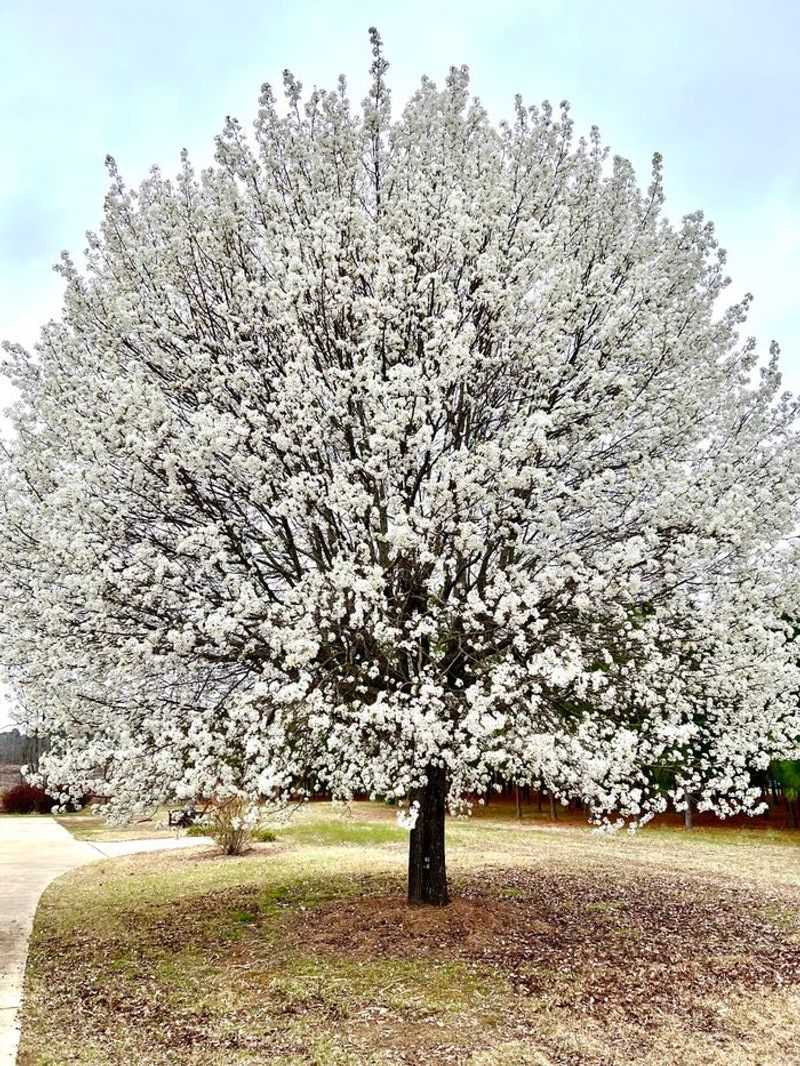
One major response to the Bradford Pear problem has been a series of community swap events across North Carolina.
These events bring neighbors together around a shared goal, and they make it genuinely easy to do the right thing for the environment without spending a dime.
Communities in counties such as Chatham and Wake have hosted Bradford Pear Bounty events with conservation and forestry partners.
Homeowners who remove Bradford Pear trees from their property can bring proof, sometimes a branch cutting or photo, and receive free native trees in exchange.
The events are usually held in late winter or early spring, timed so that replacement trees can go in the ground at the best possible moment for growth. These programs have been remarkably popular.
Some events run out of native trees within hours of opening, which shows just how motivated North Carolina residents are to make a positive change.
Local arborists and extension agents are often on hand to offer planting tips and answer questions.
The social energy at these events is real, with people excited to swap out a problem tree for something that will actually benefit their yard and the broader ecosystem.
If your county has not hosted one yet, it may still be worth watching local Extension, forestry, and conservation group announcements for future events.
4. Homeowners Can Trade Removed Bradford Pears For Free Native Trees
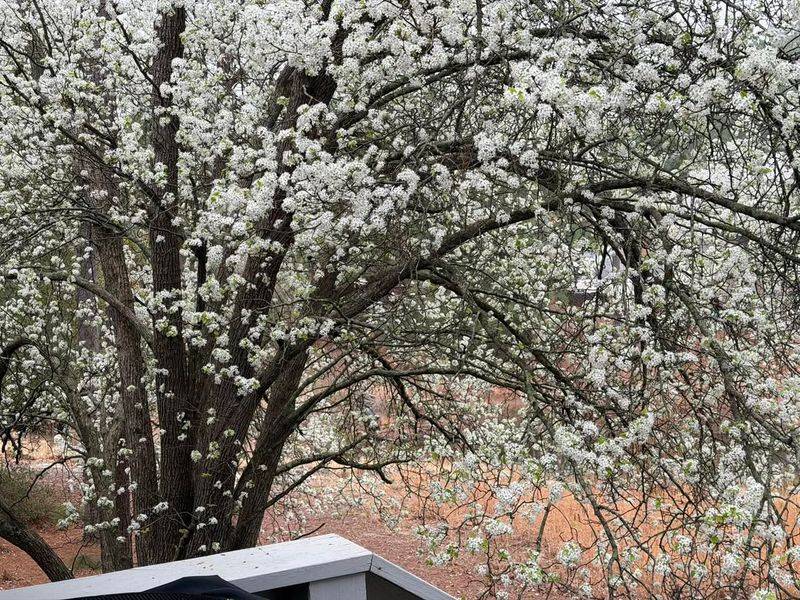
Getting a free tree for pulling out an invasive one sounds almost too good to be true, but that is exactly what many homeowners have been doing.
The NC Bradford Pear Bounty program, organized by NC State Extension and partners including the NC Urban Forest Council, NC Wildlife Federation, and NC Forest Service, gives native trees to participants who provide proof of Callery pear removal.
Participants typically need to show proof that they removed a Bradford Pear from their property before the event.
Some programs ask for a small branch with identifying features, while others accept a clear photograph.
Once verified, homeowners can choose from a selection of native tree species, often including options like serviceberry, redbud, dogwood, or native oaks.
These are trees that naturally belong in our landscapes and provide real value to local wildlife. The program is smart design from an environmental standpoint.
Instead of relying on a ban, the program offers homeowners a positive, rewarding way to replace an invasive tree with a native one.
People feel good about participating, and the native trees they receive grow into lasting assets for their yards.
Native trees tend to need less water and fewer chemical inputs once established, which saves homeowners money over time.
Birds, butterflies, and native bees flock to these trees in ways they never would to a Bradford Pear.
The whole exchange creates a win on every level, for the homeowner, the neighborhood, and North Carolina ecosystems.
5. North Carolina’s Official Noxious Weed List Includes Several Restricted Plants
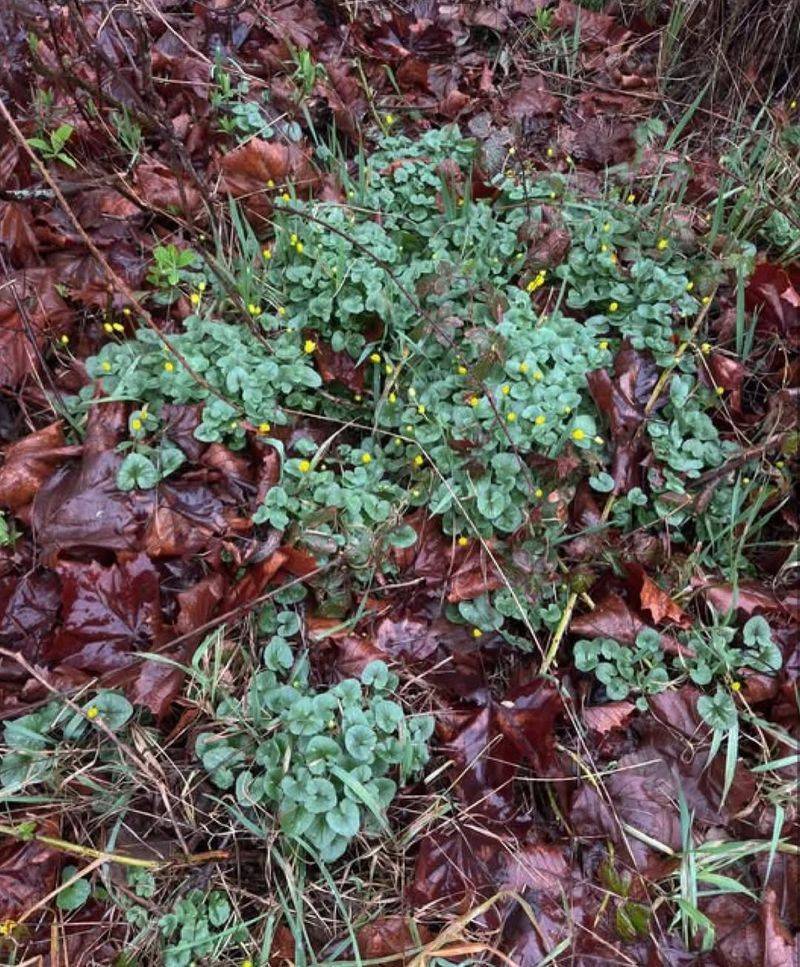
Beyond the Bradford Pear conversation, North Carolina maintains an official Noxious Weed List that covers a much broader range of problematic plants.
This list is managed by the NC Department of Agriculture and Consumer Services, and it carries real legal weight.
Plants on this list face restrictions on sale, transport, and in some cases, cultivation. The list is divided into classes.
In North Carolina, Class A noxious weeds are less common than Class B weeds, and the classes mainly refer to how common each regulated weed is in the state.
Class B weeds are more common than Class A weeds and remain subject to state regulation.
Class C weeds are established regulated weeds, and Oriental bittersweet is currently listed in this category.
Landowners, nurseries, and landscapers all need to pay attention to this list because violations can carry real consequences.
Selling a listed noxious weed as an ornamental plant, for example, is not just environmentally harmful but potentially illegal.
The list is also updated periodically as new invasive species arrive or existing ones prove more damaging than previously understood.
Staying informed about changes to the Noxious Weed List is genuinely important for anyone who works with plants professionally or maintains a large property.
The North Carolina Department of Agriculture website posts the current list and updates, making it accessible for anyone who wants to check before planting something new in their yard or garden.
6. Aquatic Invaders Like Hydrilla And Eurasian Watermilfoil Are Also Regulated
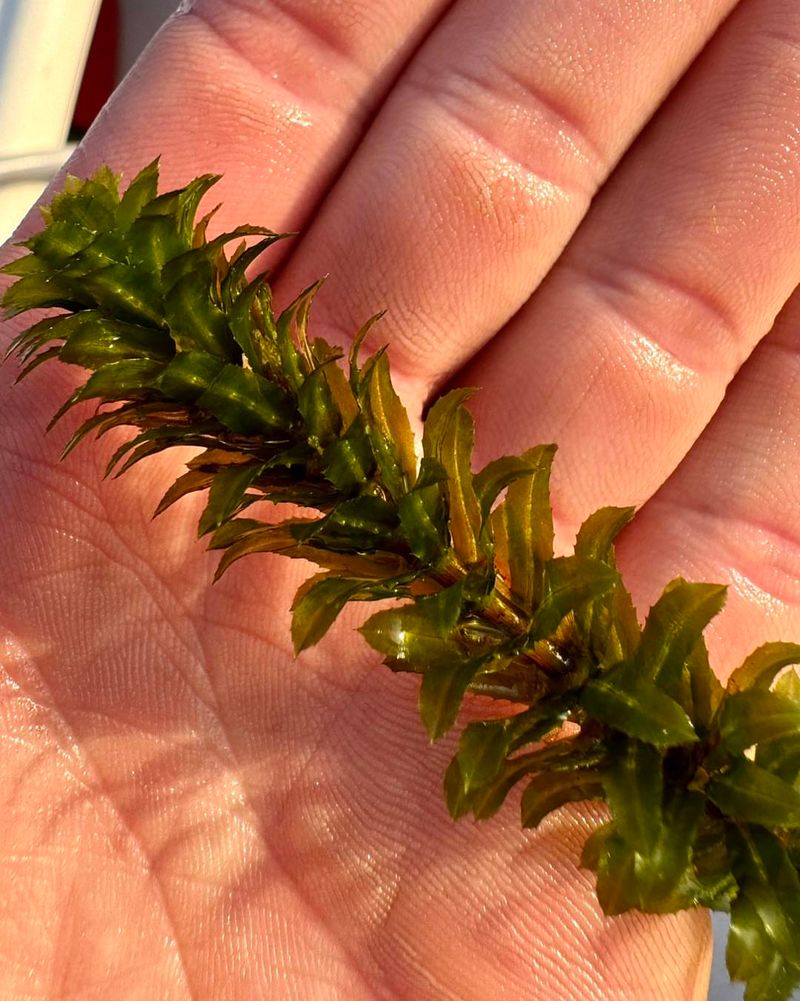
Most people think of invasive plants as something that grows in yards or along roadsides, but some of the most damaging invaders in North Carolina are living entirely underwater.
Hydrilla and Eurasian Watermilfoil are two aquatic plants that have caused enormous problems in lakes, rivers, and ponds across the state.
Hydrilla is sometimes called the world’s worst aquatic weed, and that reputation is well earned.
It grows at remarkable speed, up to an inch per day under ideal conditions, and forms thick mats near the water surface that block sunlight from reaching native aquatic plants below.
Fish populations suffer when their habitat changes this drastically, and recreational activities like boating, swimming, and fishing become difficult or impossible in heavily infested water bodies.
Eurasian Watermilfoil behaves in a similar way, spreading through fragmented pieces that attach to boat propellers, fishing gear, and wading equipment before being carried to new water bodies.
Even a tiny fragment can establish a new infestation in a previously clean lake.
North Carolina regulates both plants and asks boaters and anglers to clean their equipment thoroughly before moving between water bodies. Many boat launches across the state post reminders about this.
The state also invests in monitoring programs and targeted removal efforts to keep these plants from taking over more of North Carolina’s valuable freshwater ecosystems, which support fishing industries worth millions of dollars annually.
7. Giant Hogweed Is Rare Here But Highly Regulated
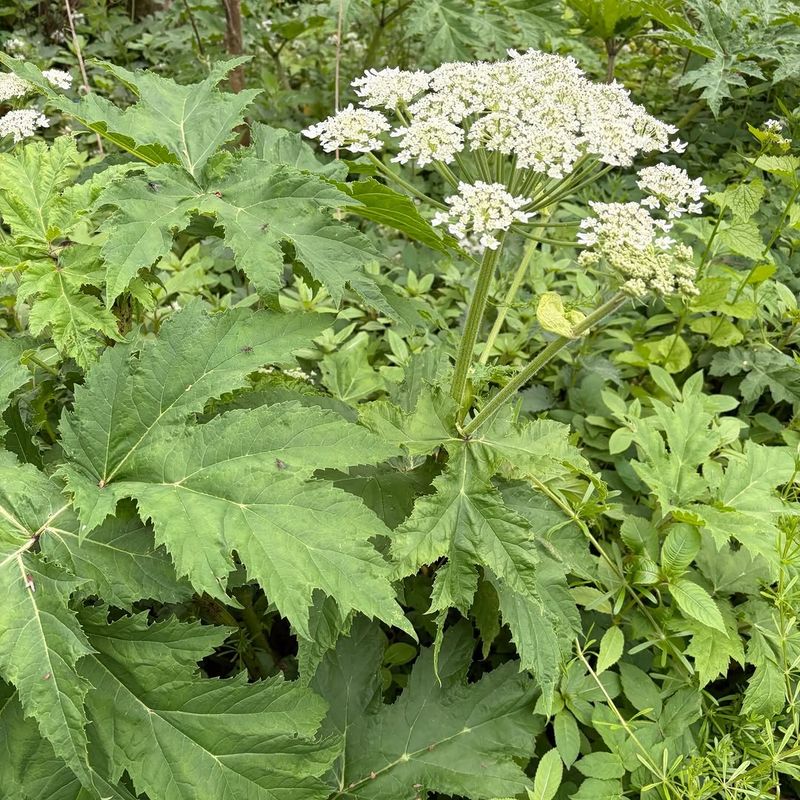
Giant Hogweed is not something most North Carolina residents will ever encounter in person, but it earns its place on the state’s regulated plant list through sheer notoriety.
This massive plant, which can grow over ten feet tall, contains a toxic sap that causes severe skin reactions when exposed to sunlight. It is one of the few plants regulated at both the federal and state level.
Originally from the Caucasus region of Asia, Giant Hogweed was brought to North America as an ornamental curiosity in the early twentieth century.
Its dramatic size and bold, architectural appearance made it attractive to gardeners who had no idea what they were dealing with.
Once established in the wild, it spread along riverbanks and roadsides, outcompeting native vegetation and creating a real hazard for anyone who brushed against it.
In North Carolina, giant hogweed has been found only in Watauga County, including several sites around Blowing Rock, and state officials continue to monitor and eradicate it.
The plant looks similar to several native species, including elderberry and cow parsnip, so accurate identification matters a great deal.
If you think you have spotted Giant Hogweed, the recommended action is to report it to the N.C.
Department of Agriculture rather than attempting removal on your own. Professional removal is the safest approach.
The state’s careful monitoring helps ensure that Giant Hogweed never gets a foothold large enough to become the widespread problem it has been in parts of the Northeast and Pacific Northwest.
8. Oriental Bittersweet Is Listed As A Class C Noxious Weed In North Carolina
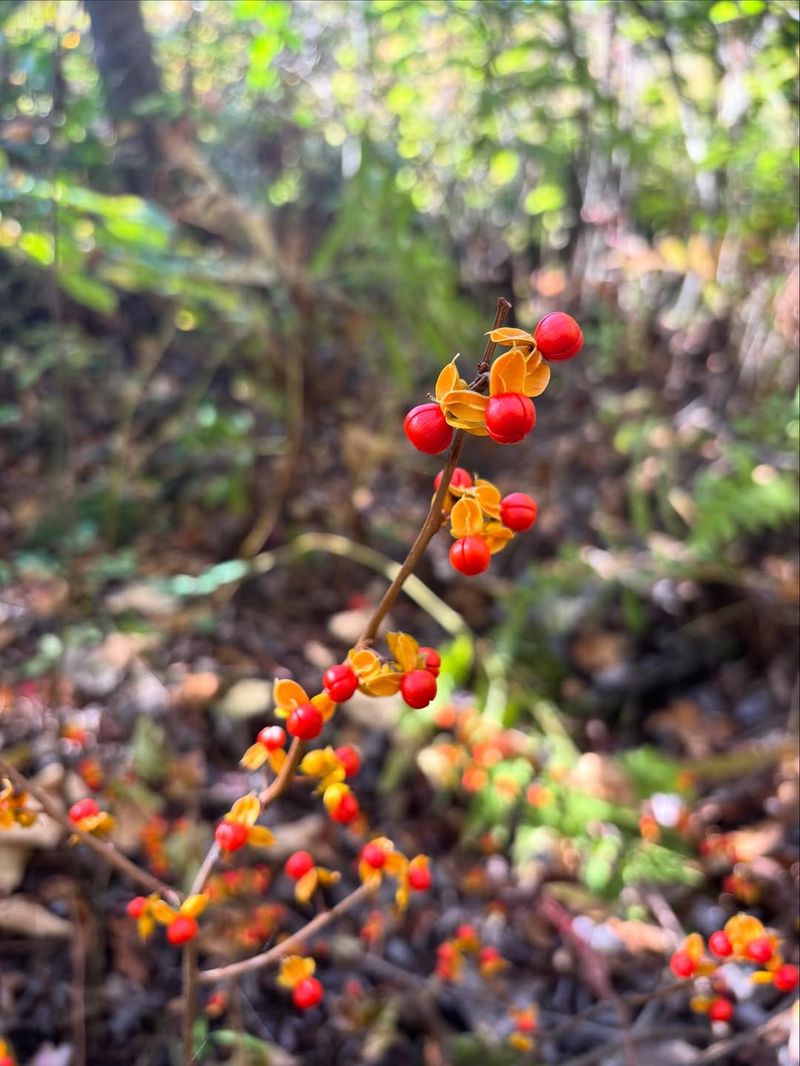
Walk through almost any woodland edge in North Carolina and there is a good chance you will spot Oriental Bittersweet, even if you do not recognize it by name.
Its bright orange and red berries are genuinely beautiful in the fall, which is part of what made it so popular in floral arrangements and holiday decorations for decades. That popularity, unfortunately, helped spread it far and wide.
Oriental Bittersweet is a woody vine native to eastern Asia that was introduced to North America in the 1860s as an ornamental plant.
It climbs aggressively over shrubs and trees, eventually girdling them by wrapping so tightly around their trunks and branches that it cuts off the flow of water and nutrients.
Mature trees that took decades to grow can be overwhelmed by this vine within just a few years of infestation.
North Carolina classifies Oriental bittersweet as a Class C noxious weed, meaning it is an established regulated weed in the state.
Homeowners who find it on their property are encouraged to remove it, particularly before the berries ripen and birds carry the seeds elsewhere.
It is easily confused with native American Bittersweet, which is actually a rare and declining species that deserves protection.
Knowing the difference between the two is an important skill for any North Carolina gardener who wants to make genuinely good choices for the local environment.
9. Native Trees Are Being Promoted As Safer Replacements For Invasive Ornamentals
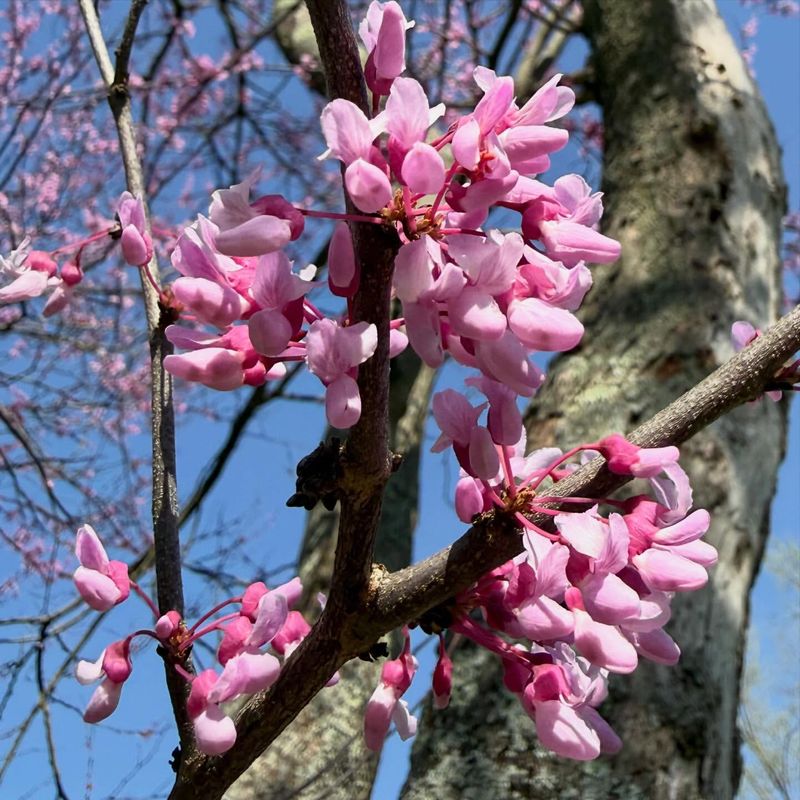
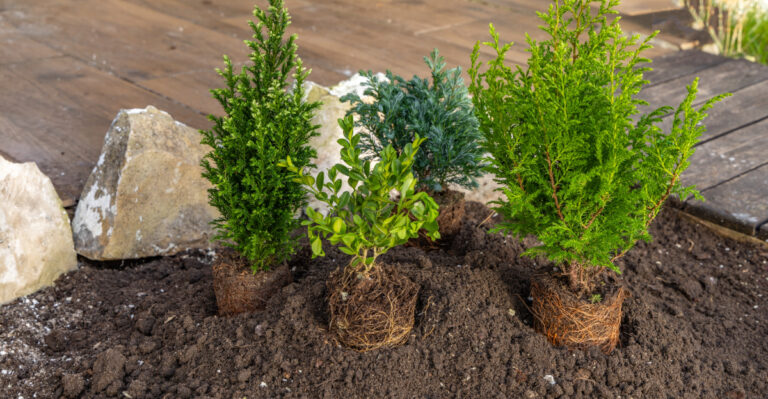
The good news in all of this is that North Carolina is overflowing with stunning native trees that make excellent replacements for invasive ornamentals.
Swapping out a Bradford Pear or other regulated plant does not mean settling for something boring.
Native trees offer spectacular seasonal beauty and support local wildlife in ways that non-native plants simply cannot match.
Eastern Redbud bursts into vivid pink-purple blooms in early spring, often before its leaves even emerge, creating a breathtaking display that rivals anything a Bradford Pear can offer.
Flowering Dogwood, North Carolina’s state flower, puts on a show of white or pink bracts each spring and produces red berries that birds absolutely love in the fall.
Serviceberry, also called Juneberry, blooms early and provides edible fruit for both people and wildlife.
Native oaks, though slower growing, become anchor trees for entire ecosystems, supporting hundreds of species of moths, butterflies, and other insects that form the base of the food web.
Choosing native trees also tends to mean less work for the homeowner over time.
These plants evolved alongside local soils, rainfall patterns, and temperature swings, so they generally need less watering, fertilizing, and pest management once they get established.
Extension offices across the state offer free advice on which native trees work best for specific regions of the state, from the mountains to the coast. Making the switch is one of the most impactful things a homeowner can do for local nature.