The Underrated Pennsylvania Porch Plant That Makes Rats And Roaches Less Welcome
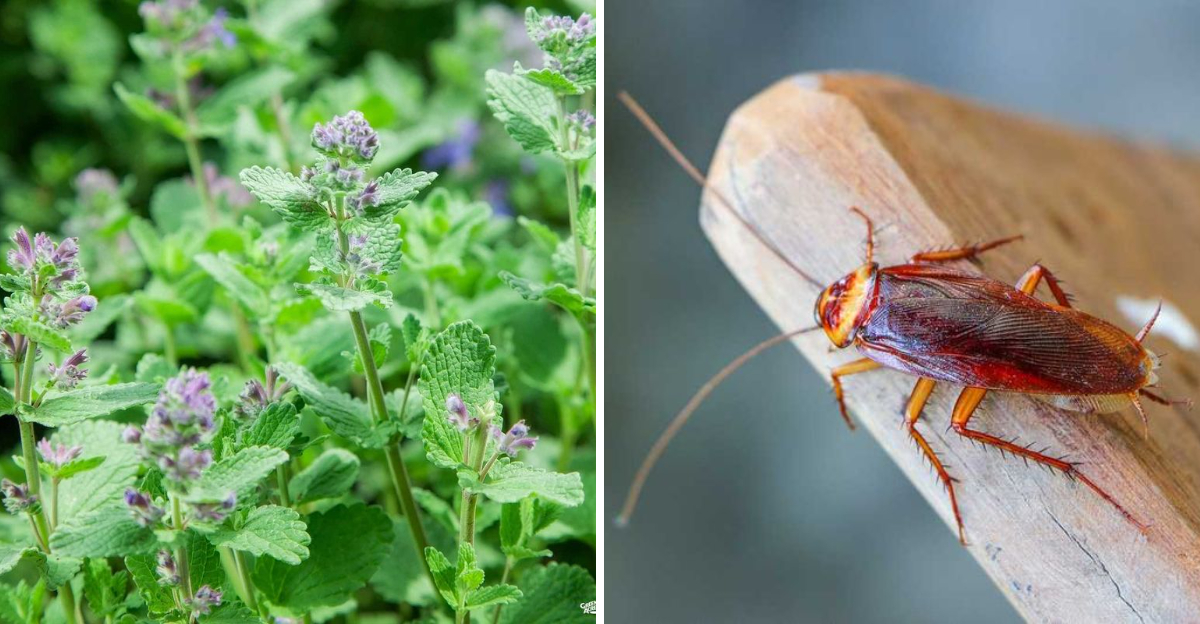
Rats and roaches showing up around your Pennsylvania porch is one of those problems that feels deeply unpleasant and surprisingly personal. Your outdoor space is supposed to be a place to relax, not somewhere you’re sharing with unwanted pests.
Most people respond with traps, sprays, or a call to the exterminator. Those things work, but they’re ongoing, expensive, and not exactly enjoyable to deal with.
Here’s something most people never consider. The right porch plant can make a real difference.
There’s one particular plant that rats and roaches genuinely want nothing to do with. It produces natural compounds that make your porch a far less attractive place for them to hang around.
And it does all of this while looking great and thriving through Pennsylvania summers without demanding constant attention.
Low maintenance, pest deterring, and easy to find at most garden centers. Here’s the plant your Pennsylvania porch has been missing.
Meet Catnip: Pennsylvania’s Unsung Porch Hero
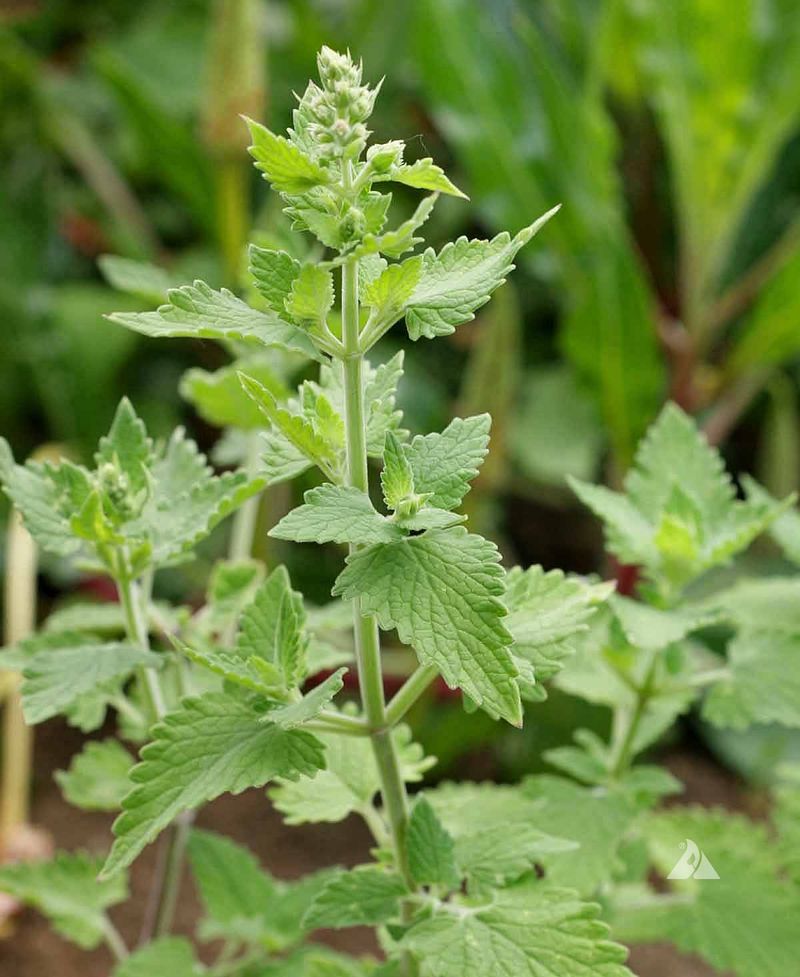
Walk past a catnip plant and you will immediately notice its bold, minty aroma drifting through the air. That smell is no accident.
Catnip, or Nepeta cataria, is a hardy perennial herb that has been growing wild across Pennsylvania for centuries, thriving in the state’s varied soils and seasonal climates without much fuss.
Native to parts of Europe and Asia, catnip naturalized in North America long ago and now feels right at home in Pennsylvania gardens.
Its soft, gray-green leaves are slightly fuzzy to the touch, and its delicate lavender-blue flower spikes bloom reliably from late spring through early fall.
Planted in a container or along a garden bed, it adds a charming, cottage-style look to any porch setting.
What makes catnip especially appealing for Pennsylvania homeowners is how well it handles local weather. It can survive cold winters, bounce back from dry summers, and handle heavy rain without rotting.
Most herb plants demand careful attention, but catnip is refreshingly forgiving. It belongs to the mint family, which explains its vigorous growing habit and strong scent.
Many gardeners overlook catnip because they associate it only with cats rolling around in silly excitement. However, this plant has a long history of use in herbal medicine, cooking, and yes, pest control.
Pennsylvania residents dealing with seasonal pest pressure near porches and entryways are discovering that a few well-placed catnip plants can make a noticeable difference.
It is one of those rare garden choices that is both beautiful and genuinely useful in everyday life.
Natural Pest Deterrent: Why Rats And Roaches Hate This Plant
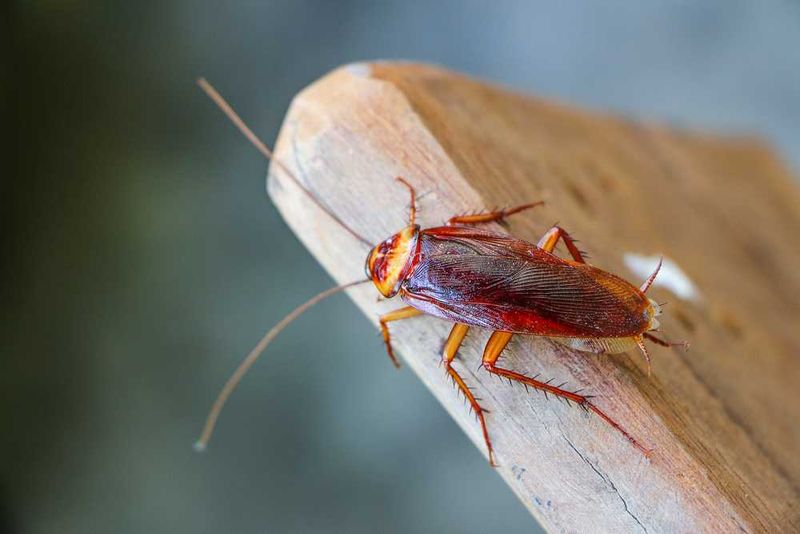
Rats and roaches have one major weakness: they absolutely cannot tolerate the scent of nepetalactone, the active chemical compound found in catnip.
Research found that nepetalactone is actually more effective at repelling cockroaches than DEET, the chemical used in many commercial insect repellents. That is a pretty impressive result for a humble garden herb.
For rats and mice, the story is similar. Rodents rely heavily on their sense of smell to navigate and feel safe in an environment.
Your Pennsylvania Garden Changes Every Week. Your Plan Should Too.
Gardening in Pennsylvania changes quickly throughout the season. Every Friday you’ll receive a simple weekly plan showing exactly what to plant, prune, fertilize, harvest, and protect so you never miss the right timing.
The sharp, intense aroma of catnip overwhelms their senses and signals danger. Rats tend to avoid areas where the scent is strong, making catnip a smart plant to position near garbage cans, porch corners, and entry points where rodents often sneak through.
Cockroaches are equally sensitive. They use chemical signals to communicate and find food sources.
When nepetalactone fills the air around your porch, it disrupts those signals and makes the area feel hostile to roaches. Unlike chemical sprays that fade within hours, a living catnip plant keeps releasing its scent continuously throughout the growing season.
One of the biggest advantages here is that catnip works without any toxic chemicals. Families with children, pets, and garden wildlife can use it without worry.
You are not spraying anything harmful into the air or onto surfaces. Instead, you are letting nature handle the problem in the most straightforward way possible.
Planting catnip near your porch door is not just a gardening choice. It is a smart, chemical-free strategy for keeping your home’s entry points less appealing to pests.
Low-Maintenance Growth: Thriving With Barely Any Effort
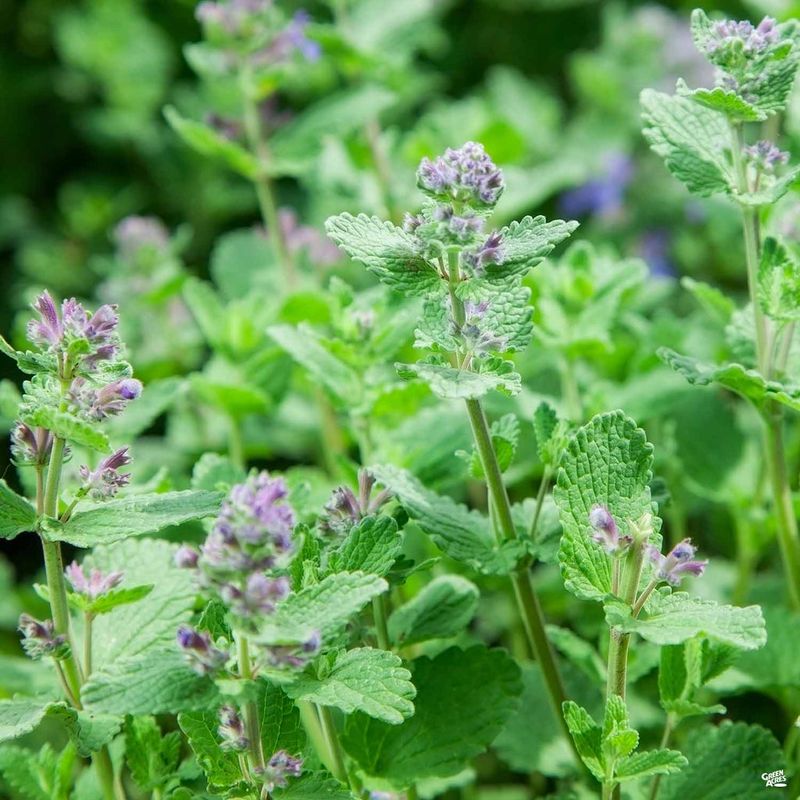
If you have ever given up on a garden plant because it demanded too much attention, catnip is about to change your perspective. Once it gets established in a sunny spot with decent soil, catnip practically takes care of itself.
It does not need daily watering, fancy fertilizers, or complicated pruning schedules. For busy homeowners, that is genuinely good news.
Catnip grows best in full sun but handles partial shade without complaining. In Pennsylvania, where summer afternoons can get hot and humid, a little afternoon shade actually helps keep the plant from wilting.
Well-draining soil is the main requirement. Soggy roots are one of the few things that can stress a catnip plant, so avoid planting it in spots where water tends to pool after rain.
Watering is straightforward. During the first few weeks after planting, give it regular moisture to help roots settle in.
After that, you can step back significantly. Established catnip handles dry spells well and only needs watering during extended hot, rainless periods.
Pennsylvania summers usually provide enough natural rainfall to keep it happy without much extra help from a garden hose.
Disease resistance is another major plus. Unlike roses or tomatoes that demand constant attention for fungal issues, catnip rarely suffers from common garden diseases.
Pests like aphids occasionally visit, but the plant’s strong scent keeps most insects away naturally. Growing it in containers on the porch is especially practical because you can move pots to adjust sun exposure as needed.
Whether you are an experienced gardener or a complete beginner, catnip is genuinely one of the easiest plants to succeed with.
Pollinator Magnet: Bringing The Good Bugs In
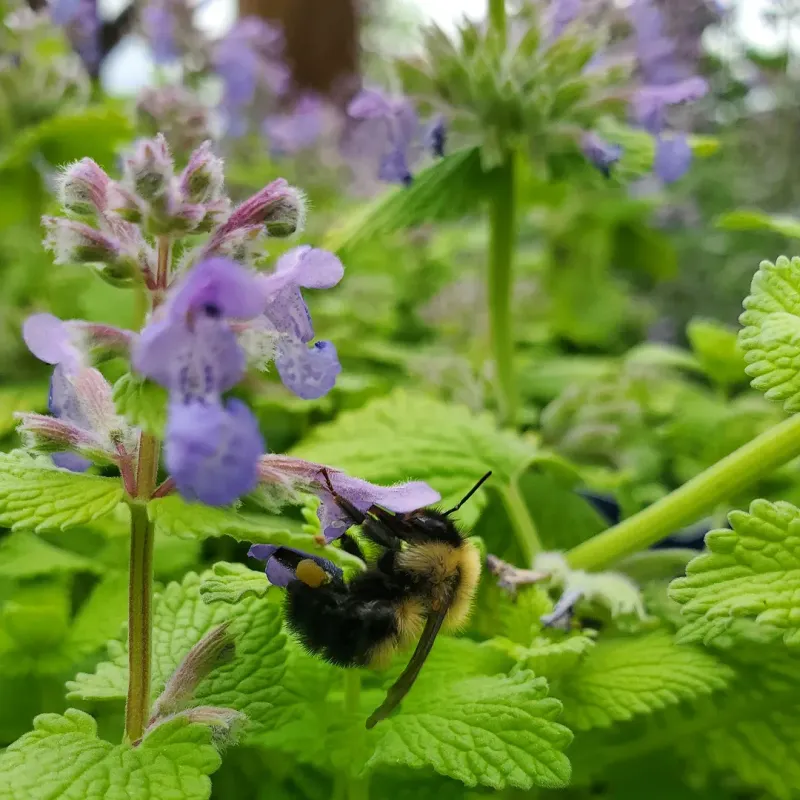
Here is something not everyone expects from a pest-repelling plant: catnip is also one of the best pollinator attractors you can grow on a Pennsylvania porch. While its scent sends rats and roaches running in the opposite direction, bees and butterflies absolutely love it.
The lavender-blue flower spikes that bloom from late spring through early fall are like a welcome sign for beneficial insects.
Honeybees, bumblebees, and native solitary bees visit catnip flowers regularly for nectar and pollen. In Pennsylvania, where native bee populations face pressure from habitat loss, planting catnip is a small but meaningful contribution to local ecosystems.
More bees in your garden also means better pollination for nearby vegetable plants, fruit trees, and flowering plants you might be growing.
Butterflies are equally drawn to catnip blooms. Species like cabbage whites, skippers, and various swallowtails frequently stop for nectar during warm months.
Watching butterflies move through a catnip plant on a summer morning is one of those simple garden pleasures that makes the whole effort worthwhile. It turns a functional plant into a genuinely joyful one.
What makes this balance so remarkable is that catnip manages to be both a pest repellent and a wildlife magnet at the same time. Most chemical pest sprays would harm or chase away beneficial insects along with the unwanted ones.
Catnip works selectively by nature. Pests that rely on strong chemical signals to navigate get disrupted, while pollinators that respond to flower color and nectar scent are welcomed in.
It is a beautifully balanced solution that supports a healthier, more vibrant garden environment around your Pennsylvania porch.
Year-Round Effectiveness: Pest Repelling Through Every Season
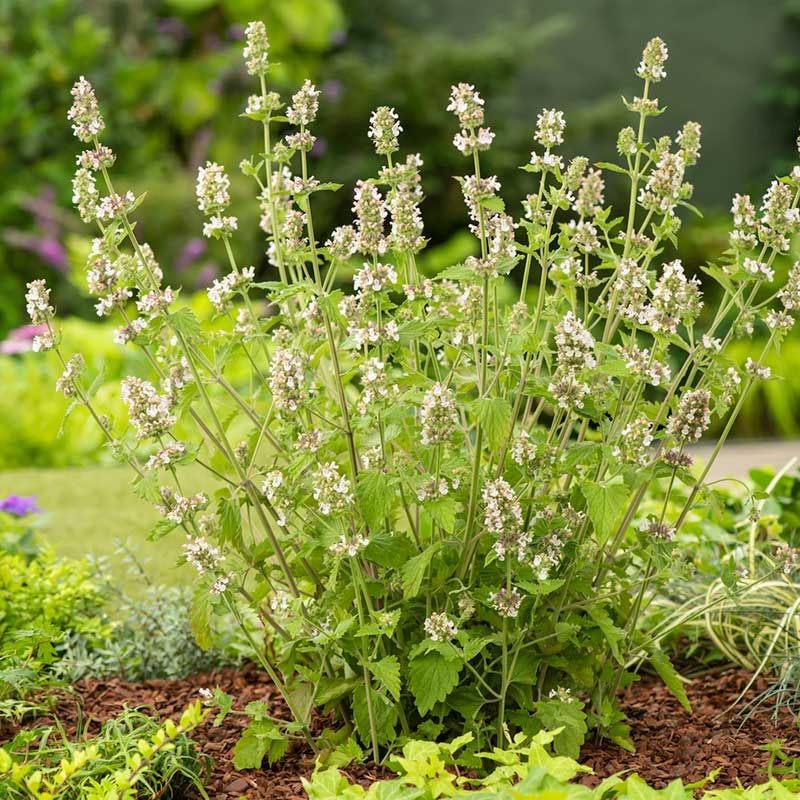
One of the most underappreciated qualities of catnip is how long it stays useful throughout the year. During the active growing season from spring through fall, the plant produces dense, aromatic foliage that continuously releases nepetalactone into the surrounding air.
That steady scent output means your porch stays less appealing to pests for months at a time without any additional effort from you.
In Pennsylvania’s climate, catnip typically begins pushing new growth in early spring, often before many other garden plants even wake up. By late spring, it is already producing fragrant leaves that start doing their pest-repelling work.
Through the heat of summer, the plant remains lush and active. Even after the first frost, dried catnip stems and seed heads retain some aromatic properties that continue to deter pests during the cooler months.
In milder Pennsylvania winters, particularly in southern counties, catnip sometimes maintains semi-evergreen foliage, staying partially green through the cold season.
Even where winters are harsher, the plant reliably returns from its roots each spring, meaning you plant it once and benefit from it for many years to come. That kind of long-term value is hard to beat.
Trimming the plant back after each bloom cycle encourages fresh new growth, which actually intensifies the scent output. Freshly cut or brushed catnip leaves release a burst of nepetalactone that can give your pest deterrence an extra boost.
Keeping catnip well-trimmed also prevents it from sprawling too aggressively, which is a consideration given its vigorous mint-family growing habits. A little seasonal maintenance goes a long way toward keeping this plant performing at its best year after year.
Planting And Companion Tips: Getting The Most Out Of Catnip
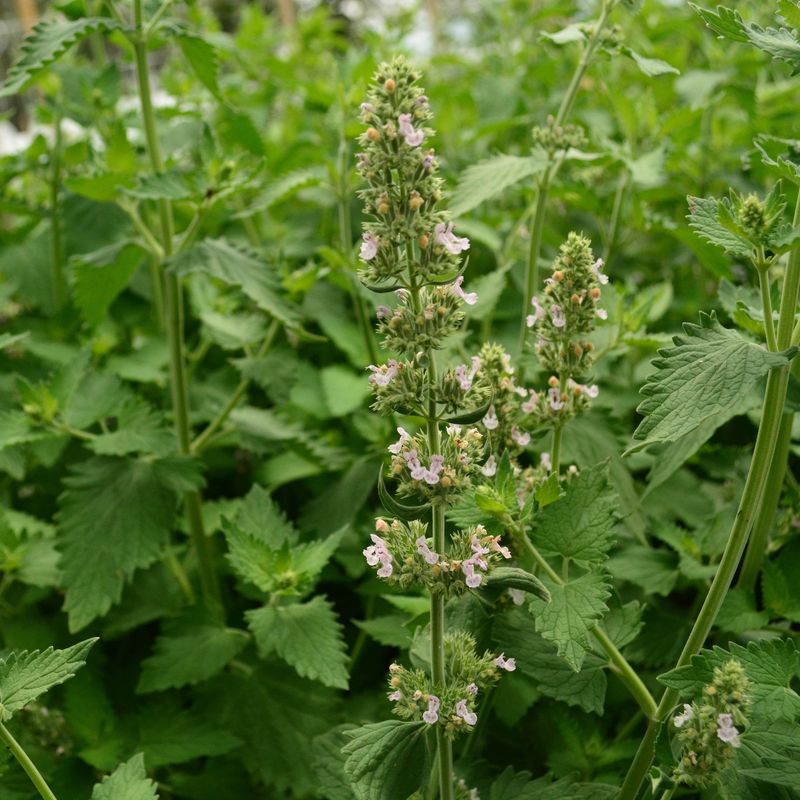
Placement matters a lot when using catnip for pest control. For the best results, position containers of catnip directly along porch edges and near doorways where pests are most likely to enter.
The goal is to create a scent barrier that rodents and roaches encounter before they ever reach your front door. Grouping two or three pots together amplifies the aromatic effect significantly.
Combining catnip with other pest-repelling plants takes your porch defense to a whole new level.
Rosemary is an excellent companion because its woody, resinous scent complements catnip’s minty aroma and adds another layer of deterrence that pests find uncomfortable.
Lemon balm, another mint-family member, adds a citrusy fragrance that rodents and roaches also dislike. Planting all three together creates a powerful, layered scent barrier that is far more effective than any single plant alone.
When growing catnip in containers, choose pots that are at least 12 inches wide and have good drainage holes. Use a quality potting mix and add a thin layer of gravel at the bottom of the pot to improve drainage.
Container-grown catnip is especially practical on porches because you can rearrange pots seasonally to cover high-risk entry points as needed.
Trim your catnip plants every few weeks during the growing season to keep them compact and bushy. Cutting back after each bloom encourages fresh leafy growth, which is where the strongest pest-repelling scent comes from.
Avoid letting the plant go completely to seed too early in the season, as this can slow new growth. With just a little planning and occasional maintenance, catnip becomes one of the hardest-working plants on your Pennsylvania porch all season long.