Why Blue Jays Mob The Same Trees In Your Missouri Yard
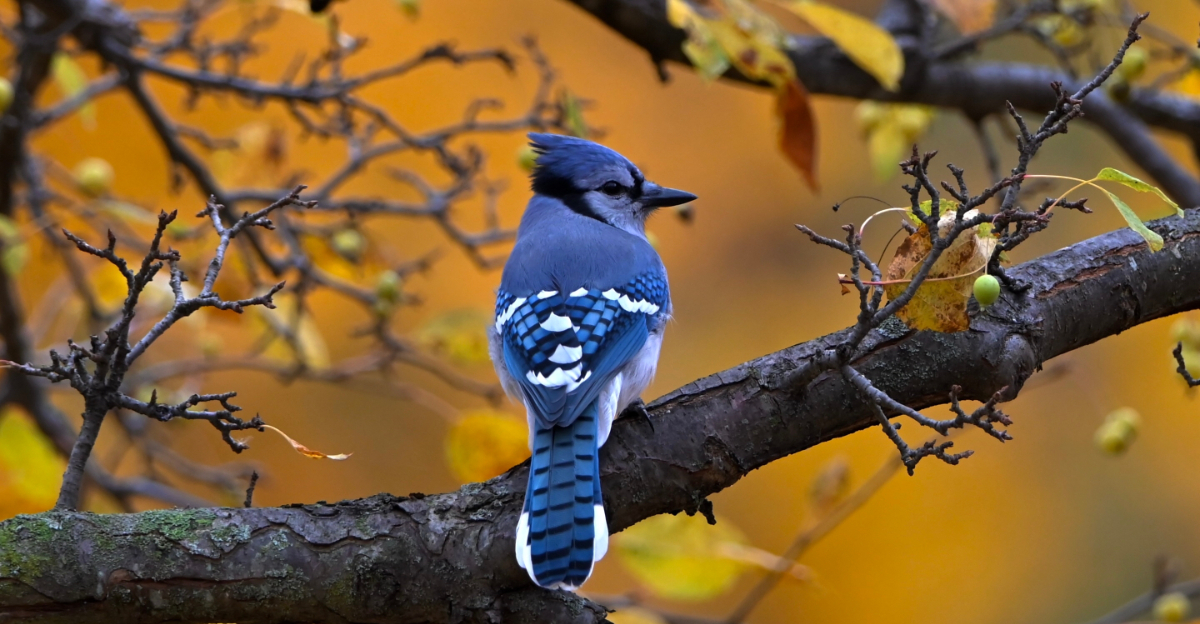
Blue jays do not pick a tree by accident. When a group of them clusters in one spot and starts shrieking together, something specific triggered that reaction.
This loud, coordinated outburst is called mobbing, and it shows up more often in Missouri yards than most people realize. The birds are responding to a perceived threat, often one you cannot even see from your window.
What looks like chaos is actually teamwork. Blue jays use this behavior to warn each other, confuse predators, and protect their territory all at once.
Once you know what triggers a mobbing event, the pattern becomes easy to spot. You will start noticing which trees draw their attention and why those spots matter so much to them.
The Reason Blue Jays Return To The Same Trees Again And Again
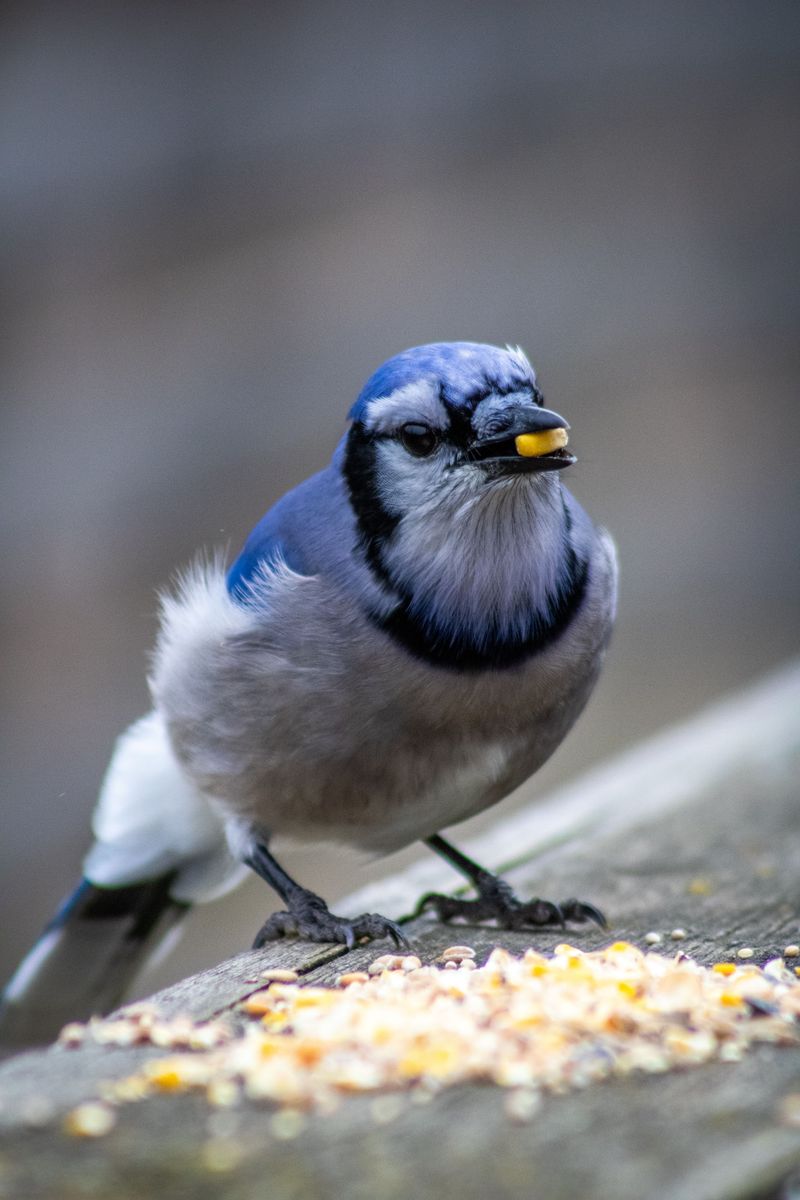
Blue jays rely on sharp memory to navigate their territory. These birds can remember exactly where threats appeared, where food was stashed, and which trees offered the best cover.
When blue jays mob the same trees in your Missouri yard, it is because those spots have meaning. Something happened there before, and these birds do not forget it.
Jays are creatures of habit shaped by experience. A tree where they once spotted a hawk often becomes a regular watch point on their mental map.
Returning to the same location is not stubbornness. It is smart, efficient survival strategy built over weeks and months of observation.
Each visit reinforces what they already know. The more a tree gets used for mobbing, the more other jays learn to treat it as a reliable alarm station.
Think of it like a neighborhood watch post. Once the spot is established, the whole flock respects its role in keeping everyone safe.
This pattern also has a social element. Young jays often pick up cues from older ones about which trees tend to matter most.
If you notice blue jays clustering in one particular oak or pine repeatedly, that tree has earned a reputation. It sits at the center of your yard’s unofficial bird security system, and those jays are likely to keep returning.
Signs Of Mobbing Behavior In Your Yard
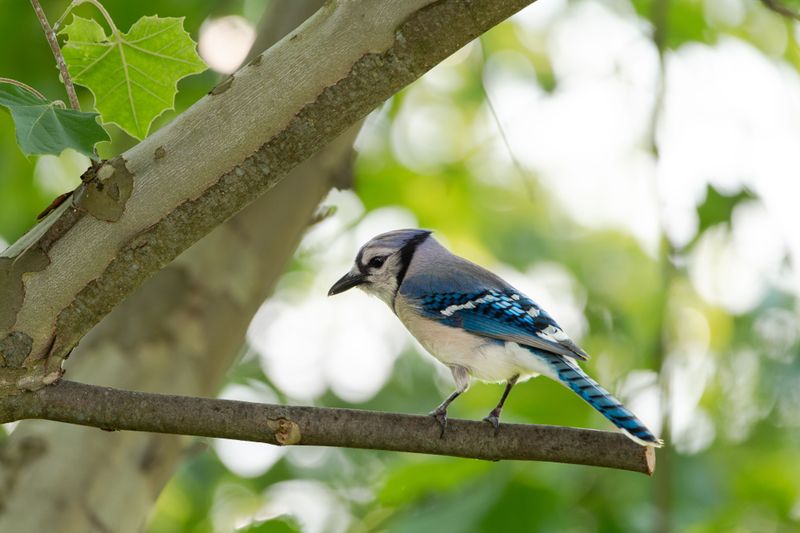
Loud, relentless screaming from one spot is your first clue. When several blue jays erupt together in a single tree, something nearby has caught their attention.
Watch for rapid wing flicking and short aggressive dives toward a branch or hollow. These physical signals mean the birds have located a threat and are making sure everyone knows.
You might also notice smaller songbirds joining in. Chickadees and nuthatches often trigger mobbing themselves, and other species join because the alarm benefits the whole yard community.
The noise pattern matters too. A continuous, sharp call that repeats without pause is different from casual chatter. Mobbing calls have urgency baked right into the sound.
Look at where the jays are focused. Their eyes and bodies will all point toward one spot, whether that is a branch, a nest box, or a thick tangle of leaves hiding something.
Your Missouri Garden Changes Every Week. Your Plan Should Too.
Gardening in Missouri changes quickly throughout the season. Every Friday you’ll receive a simple weekly plan showing exactly what to plant, prune, fertilize, harvest, and protect so you never miss the right timing.
Blue jay mobbing behavior in your yard can last anywhere from a few minutes to longer, depending on the threat. After that, either the threat leaves or the birds decide it is not worth the energy.
Sometimes the commotion fades quickly, only to restart minutes later. That restart usually means the predator moved but did not leave the area entirely.
Paying attention to these signs turns you into a better backyard observer. Your yard has its own drama unfolding every single day, and the jays are generous enough to announce every episode.
Common Triggers Behind Blue Jay Mobbing
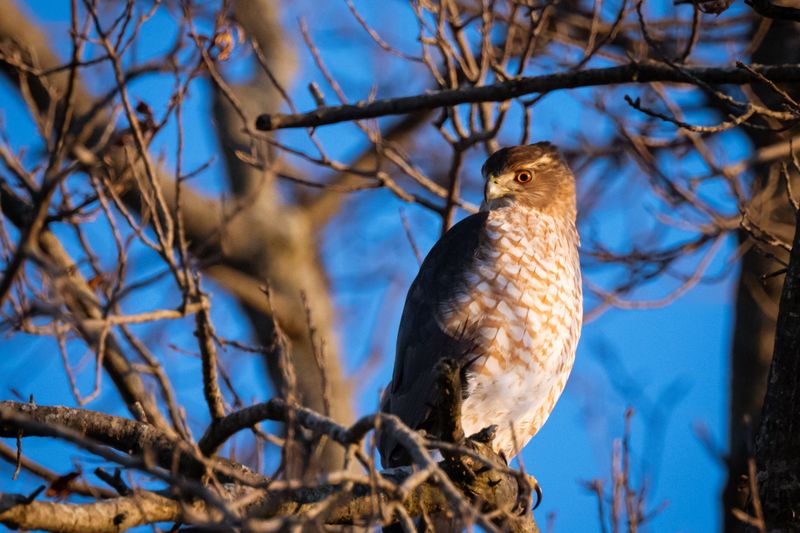
Predators are the number one trigger. Owls, hawks, and even the occasional snake will send blue jays into a full group response faster than almost anything else.
Great horned owls are especially likely to spark a mobbing event. Jays seem to have a particular grudge against these nighttime hunters, and they will pursue them well past sunrise.
Cats in the yard are another major trigger. A domestic cat sitting beneath a tree looks like a very real threat to birds that nest and forage close to the ground.
Crows sometimes trigger mobbing too, since both species compete for similar food and nesting space.
Nest location plays a role in timing. When blue jays are actively raising chicks, their sensitivity to nearby threats spikes dramatically. Even a squirrel moving too close can set them off.
Blue jay mobbing behavior in your yard can also be triggered by unfamiliar objects. A new garden ornament, a shiny surface, or even a strange-shaped branch can cause temporary alarm until the birds decide it is harmless.
Before a storm rolls through, bird behavior can shift, with jays sometimes becoming more vocal.
Understanding these triggers helps you read your yard like a map. Each mobbing event tells a small story about what is actually living and moving through your outdoor space.
How Blue Jays Communicate Through Group Behavior
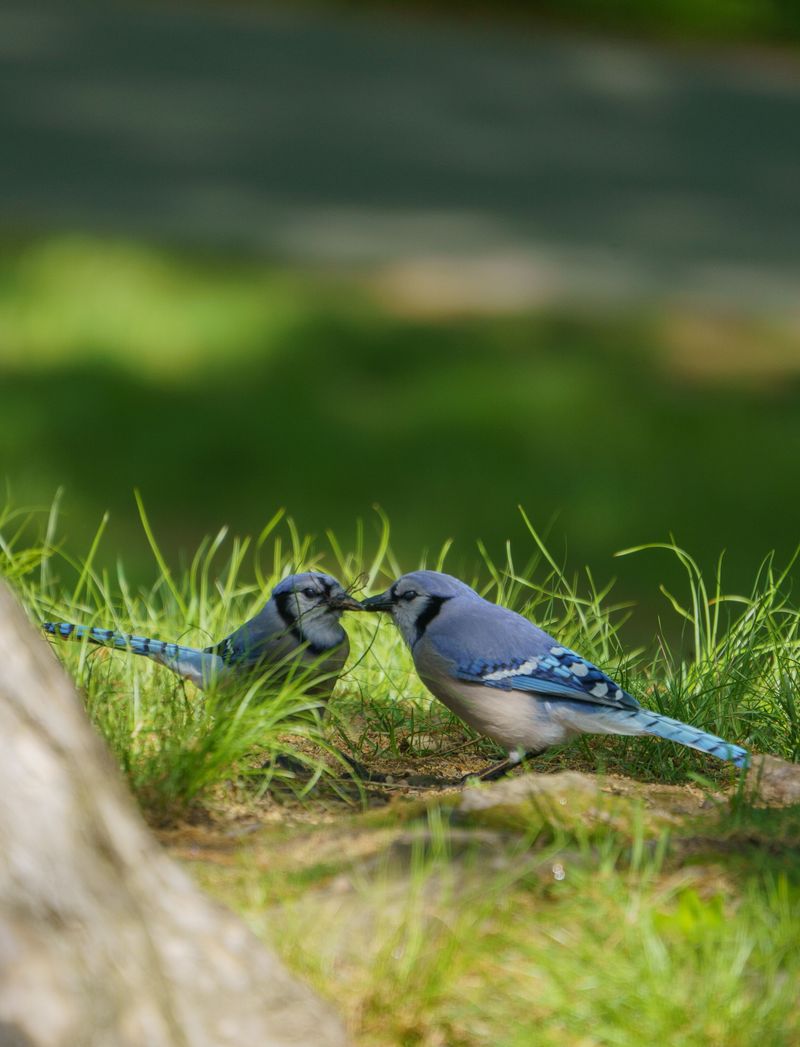
Blue jays have one of the more varied vocal systems among backyard birds in North America. They can mimic hawk calls, produce alarm rattles, and use soft contact notes all in one morning.
When mobbing begins, the calls shift into a sharp, repetitive warning that carries far beyond your yard. Neighboring birds hear it and respond, often from a good distance away.
Body language adds another layer of meaning. Crest position alone communicates a lot, from confidence to fear, and experienced observers can often read a jay’s mood just by watching its head.
Group behavior amplifies individual signals. One jay calling is easy to ignore, but ten jays calling in unison creates pressure that most predators find genuinely uncomfortable.
Jays also use positioning strategically. Some birds call from high branches while others swoop lower, creating a surrounding effect that leaves a predator with nowhere comfortable to look.
Blue jay mobbing in your Missouri yard is essentially a coordinated performance. Each bird plays a role, and the group adjusts based on how the threat responds.
Younger birds learn communication skills by watching adults during these events. A mobbing session is basically a live classroom for juvenile jays figuring out how the world works.
This group communication is well coordinated. These are not random birds making noise, they are organized and responsive, getting their message across to anyone willing to listen.
Tree Features That Attract Repeat Blue Jay Visits
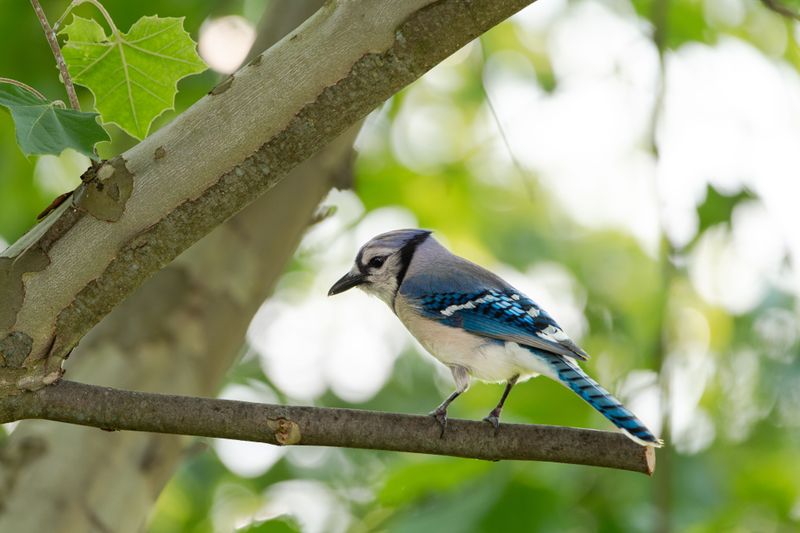
Not every tree gets the blue jay treatment. Certain features make a tree irresistible as both a food source and a lookout post for these sharp-eyed birds.
Oak trees top the list by a wide margin. Acorns are one of the most important foods in a blue jay’s diet, and a productive oak becomes a year-round destination.
Height matters almost as much as food value. Tall trees give jays a clear view of the surrounding yard, making them ideal spots to watch for both predators and opportunities.
Dense branching structure provides cover. A tree with thick interior branches lets jays hide quickly if a hawk swoops through, making it feel like a safer place to gather.
Trees near water sources get extra attention. A birdbath or small pond close to a large tree creates a combination jays find very appealing.
Trees with hollows or cavities also rank high on the preference list. These often attract the insects and grubs that round out a jay’s seasonal diet.
Blue jay mobbing in your Missouri yard tends to concentrate around trees that offer multiple benefits at once. A tree that feeds, shelters, and provides a clear sightline is essentially prime real estate for these birds.
Planting or preserving native trees is one of the best things you can do. Your yard becomes a richer, more active habitat when the right trees are part of the landscape.
Ways To Support Blue Jays In Your Missouri Yard
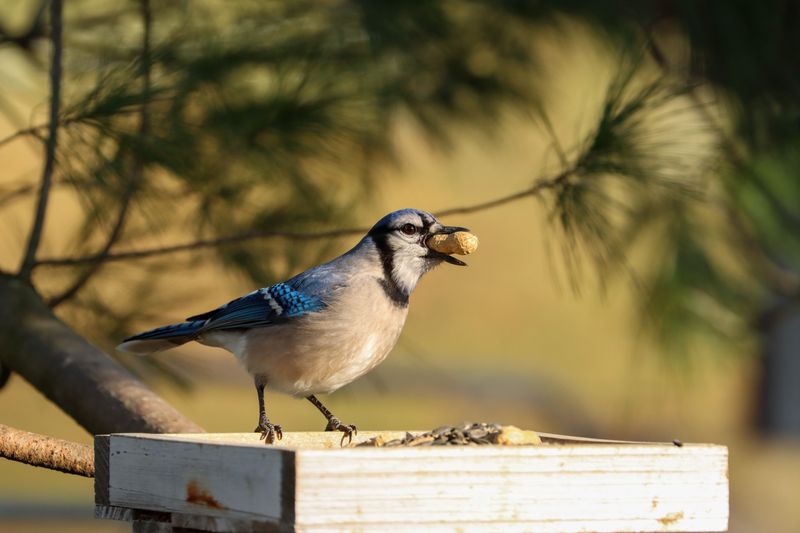
Supporting blue jays starts with food. Whole peanuts in the shell are practically irresistible to them, and a simple tray feeder placed near a large tree works beautifully.
Sunflower seeds and corn are strong second choices. Offering a variety keeps jays coming back and ensures they have enough energy through the colder seasons.
Fresh water makes a real difference. A clean birdbath with moving water, like a small dripper or fountain, attracts jays and dozens of other species at the same time.
Avoid trimming every bare branch on your property. Those rough, weathered limbs serve as perches, lookout points, and sometimes even nesting supports for blue jays and their neighbors.
Planting native shrubs adds shelter and natural food. Serviceberry, elderberry, and native oaks all provide berries, seeds, or insects that keep the yard productive across multiple seasons.
Reducing pesticide use protects the insects jays depend on. A yard with healthy insect populations is a yard that feeds birds naturally, without any extra effort on your part.
Keeping cats indoors during peak bird activity hours can make a real difference. Morning and late afternoon are when blue jays are most active and most vulnerable to ground-level threats.
Blue jays mobbing the same trees in your Missouri yard signals that your space already matters to local wildlife. A few small changes can turn a good yard into a genuinely great one for these remarkable birds.