The One Watering Mistake Texas Gardeners Make With Calibrachoa
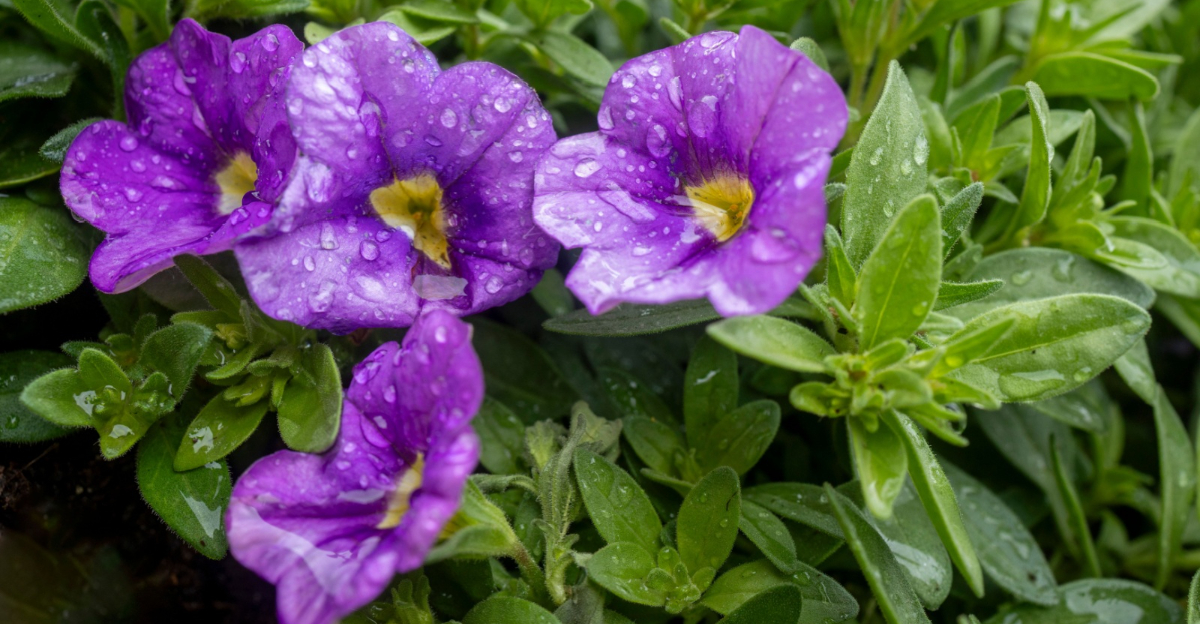
Calibrachoa is one of those plants that looks absolutely spectacular spilling out of a hanging basket or patio pot, and Texas gardeners cannot seem to get enough of it.
Tiny blooms in every color imaginable, cascading over the edges like it was born for the job.
But here’s where things get a little tricky: keeping calibrachoa thriving in Texas heat is not as simple as turning on the hose whenever it looks sad.
And it will look sad sometimes, because wilting in this plant is not always a water problem.
A lot of gardeners reach for the watering can the moment they spot droopy foliage, not realizing the potting mix underneath is still completely wet. Soggy roots are just as stressful as dry ones, and calibrachoa has strong opinions about both.
Knowing what your plant actually needs before you water changes everything.
1. Wilt Does Not Always Mean More Water
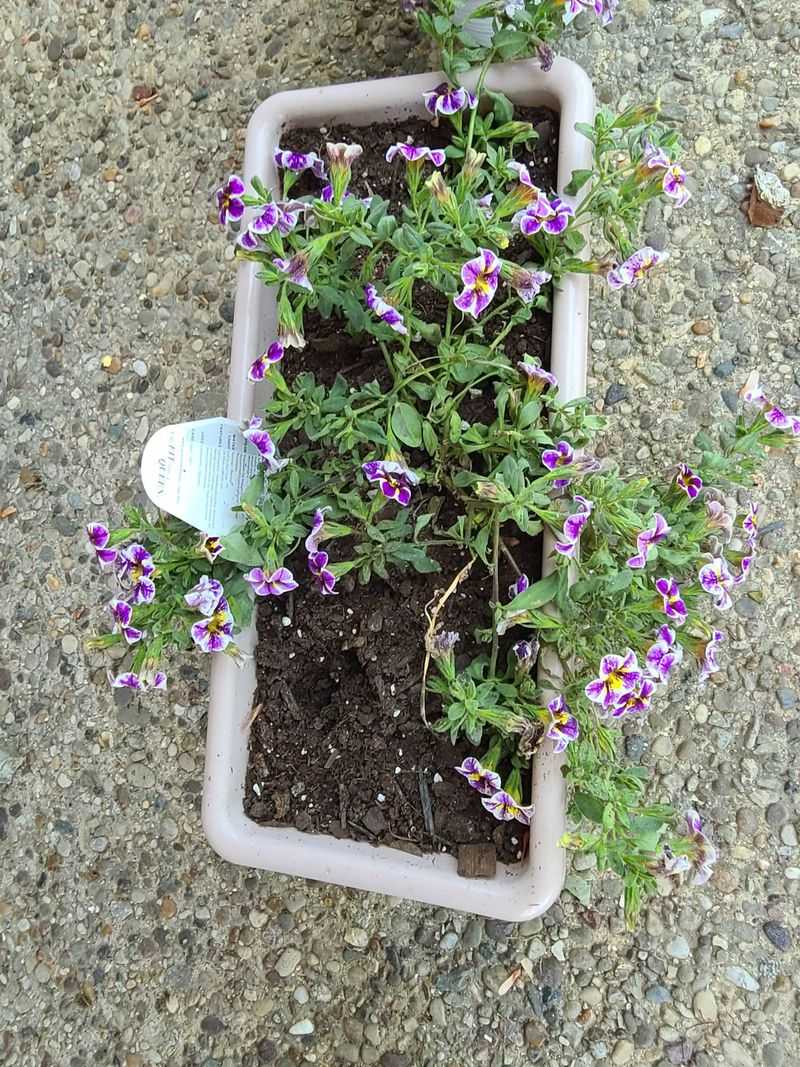
A wilted calibrachoa hanging in the afternoon Texas sun can look pretty alarming, but that droop does not automatically mean the plant is thirsty.
During the hottest part of the day, calibrachoa in containers and hanging baskets may wilt simply because it is losing water through its leaves faster than its roots can absorb it.
This is called heat stress, and it is common during Texas summers when temperatures climb well into the 90s.
The mistake many gardeners make is grabbing the hose the moment they see a limp plant. If the potting mix is still moist from a recent watering, adding more water can push the root zone into soggy territory, which creates a different kind of stress.
Before watering, press a finger about an inch into the potting mix and check whether it feels dry or damp.
A plant that wilts at noon but perks back up by early evening is likely experiencing heat stress rather than drought. That recovery pattern is a helpful clue.
If the plant stays wilted even after temperatures cool down and the sun moves off the container, that is a better signal that the potting mix may actually be dry and watering is needed.
Paying attention to timing and recovery can help Texas gardeners avoid adding water when the plant does not need it.
2. Check The Potting Mix Before Watering
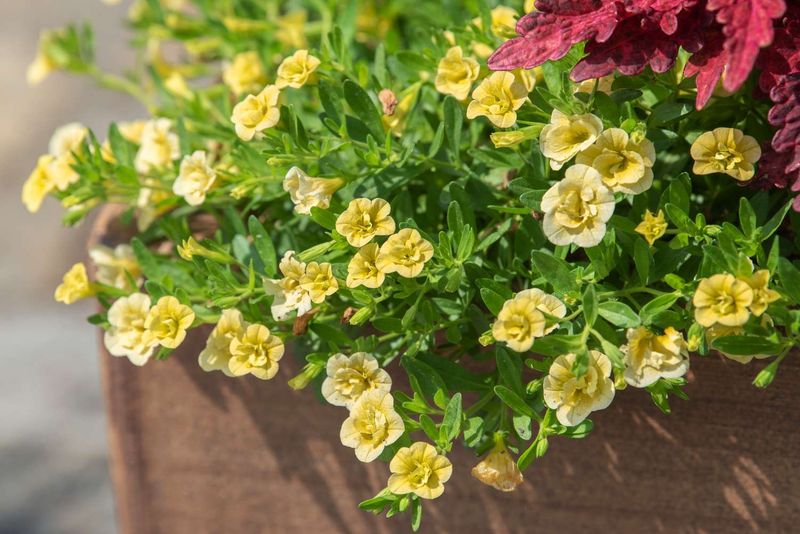
One of the simplest habits a Texas container gardener can build is checking the potting mix before picking up a watering can. It takes only a few seconds and can make a real difference in how well calibrachoa performs throughout the season.
Stick a finger about an inch into the mix near the edge of the pot, away from the root ball, and feel whether it is moist, slightly dry, or bone dry.
If the mix feels cool and damp, the plant likely does not need water yet. If it feels dry and warm, that is a good sign it is time to water.
In Texas heat, potting mix in small containers and hanging baskets can dry out surprisingly fast, sometimes within a day during a hot, breezy stretch. Larger containers tend to hold moisture a bit longer, but they still need regular checking.
Your Texas Garden Changes Every Week. Your Plan Should Too.
Gardening in Texas changes quickly throughout the season. Every Friday you’ll receive a simple weekly plan showing exactly what to plant, prune, fertilize, harvest, and protect so you never miss the right timing.
Some gardeners use a wooden skewer or a moisture meter to get a more accurate read, especially in deeper pots where the surface can look dry while the lower portion is still wet.
These tools are inexpensive and widely available at garden centers across Texas.
Getting into the habit of checking before watering rather than watering on a fixed schedule helps calibrachoa stay in that sweet spot of moist but not waterlogged, which is exactly where it performs best in container gardens.
3. Keep The Soil Moist But Not Soggy
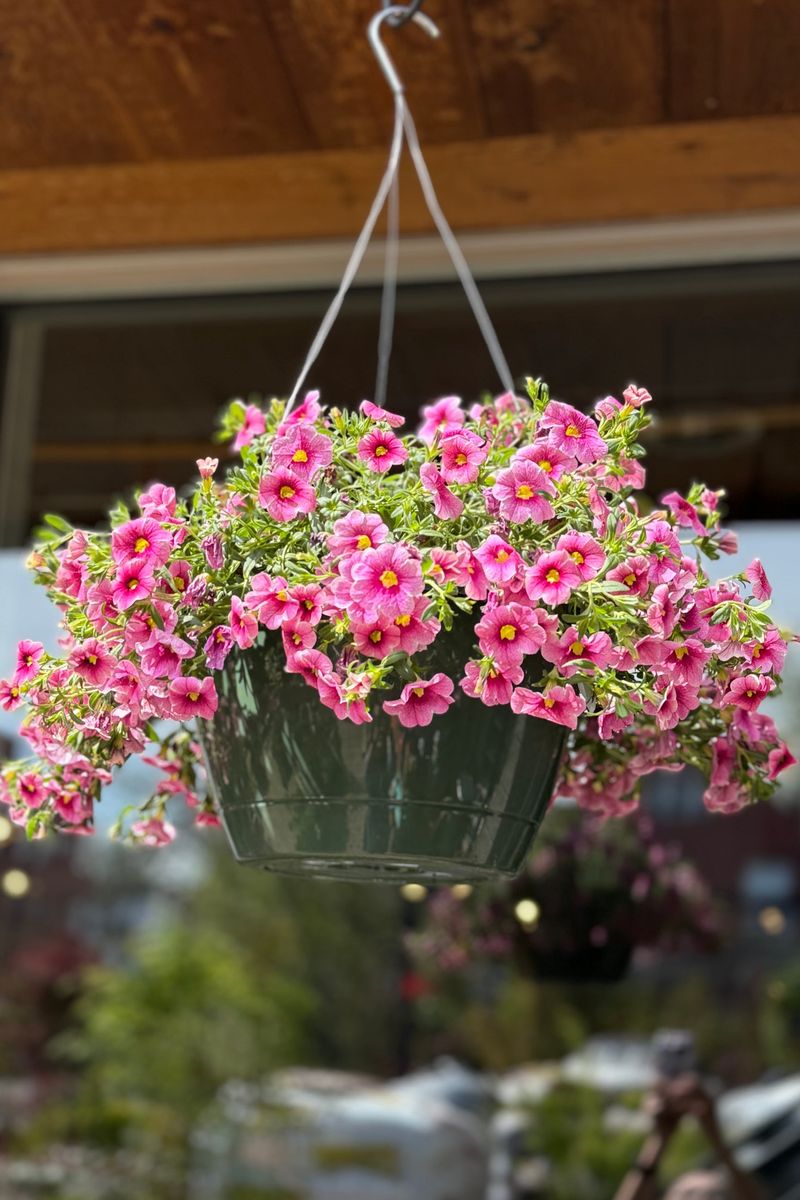
Finding the right moisture balance for calibrachoa in Texas containers is one of the most important parts of keeping the plant blooming and healthy.
Calibrachoa prefers potting mix that stays consistently moist, meaning it should feel damp to the touch without water pooling at the surface or draining out constantly.
Think of it like a wrung-out sponge: damp but not dripping.
When the root zone stays soggy for extended periods, roots can struggle to get the oxygen they need to function properly. This can lead to root stress that shows up as yellowing leaves, poor blooming, or a plant that looks tired despite regular watering.
In Texas, where summer heat can be intense, gardeners sometimes water so frequently that containers never fully drain between sessions.
Using a high-quality, well-draining potting mix specifically formulated for containers is a helpful first step.
Mixes designed for containers usually include ingredients like perlite or bark that help excess water drain away while still holding enough moisture for roots to access.
Avoid mixing in heavy garden soil, which can compact in containers and slow drainage significantly.
Checking the potting mix regularly and watering thoroughly when needed gives calibrachoa the consistent moisture it relies on in Texas patio containers and hanging baskets.
Allowing the mix to approach dryness before the next watering session is what keeps those roots breathing and healthy between waterings.
4. Use Containers With Working Drainage Holes
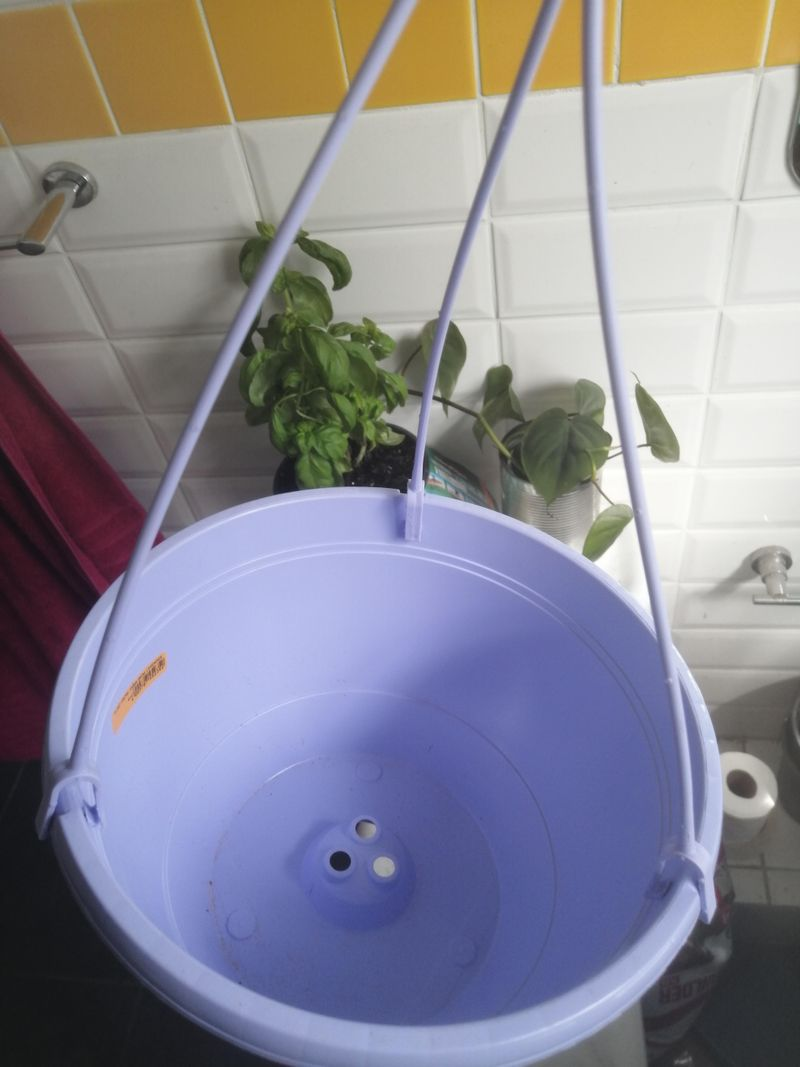
Drainage holes might seem like a small detail, but they are one of the most important features a container can have when growing calibrachoa in Texas.
Without proper drainage, water has nowhere to go after watering, and the potting mix stays wet far longer than it should.
Over time, that standing water at the bottom of a pot creates conditions that can stress roots and reduce blooming.
Some decorative pots sold at garden centers and home stores do not come with drainage holes, or they have holes that are too small to let water escape quickly.
Before planting calibrachoa in any container, check that the drainage holes are open and large enough to let water flow freely.
If a favorite decorative pot lacks holes, consider using it as a cachepot by placing a plain nursery pot with drainage holes inside it.
In Texas, where summer rains can be heavy and sudden, good drainage becomes even more critical. A container that drains slowly during a downpour can end up holding far more water than a gardener would ever apply by hand.
Checking drainage holes periodically throughout the season is a good habit because they can sometimes become blocked by roots or compacted potting mix over time.
Gently clearing a blocked hole with a skewer or chopstick can restore proper drainage and help calibrachoa containers recover their balance.
5. Empty Saucers After Watering
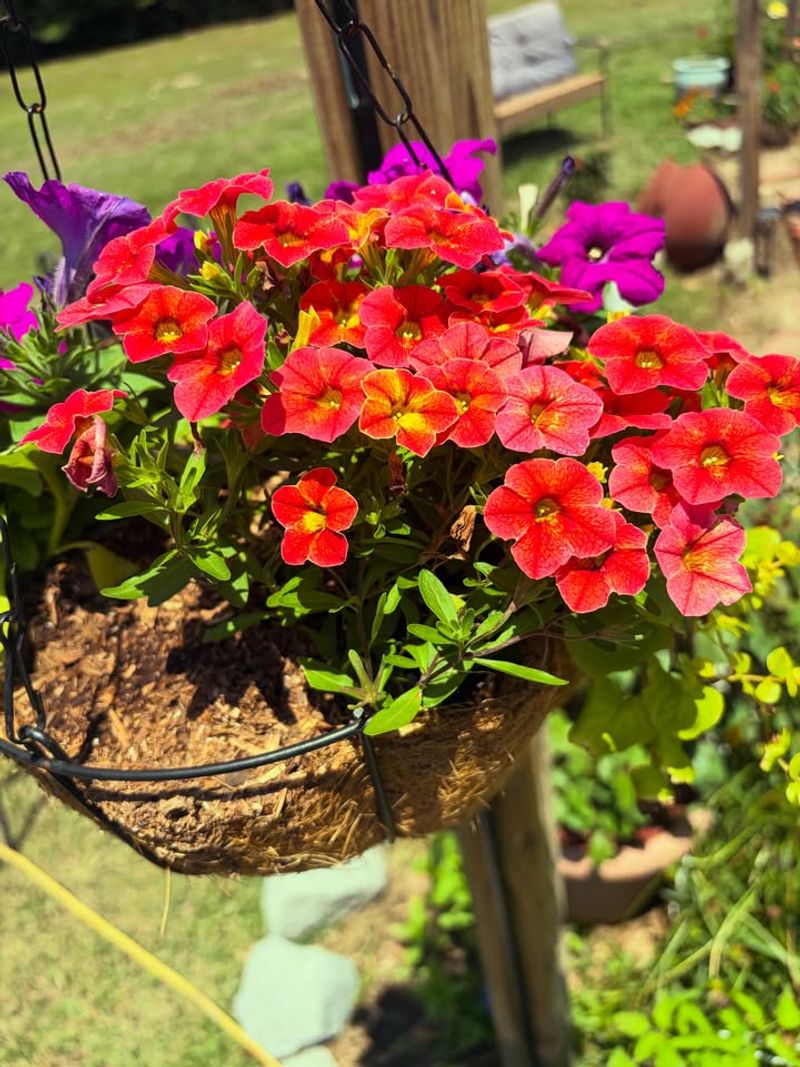
Saucers sitting beneath patio pots and porch planters are easy to overlook, but they can quietly create one of the most common watering problems for calibrachoa in Texas.
After a thorough watering session, water drains through the potting mix and collects in the saucer below.
If that water is not emptied within a reasonable time, the potting mix can slowly reabsorb it, keeping the root zone wetter than intended.
During Texas summers, the heat can evaporate saucer water fairly quickly, which might make it seem like the problem takes care of itself. In shaded spots or during cooler stretches, however, saucer water can linger long enough to cause root stress.
Getting into the habit of tipping saucers or using a turkey baster to remove standing water after each watering session helps avoid this issue.
Some gardeners use saucers intentionally to give plants a bit of extra moisture during very hot weather, but this approach works better for plants that tolerate wetter conditions than calibrachoa prefers.
For calibrachoa specifically, a saucer that stays filled with water for hours after watering is more of a risk than a benefit.
If emptying saucers feels like too much work for a large collection of containers, consider raising pots slightly on pot feet or small risers so they drain freely without sitting in pooled water.
6. Water Thoroughly When The Mix Starts To Dry
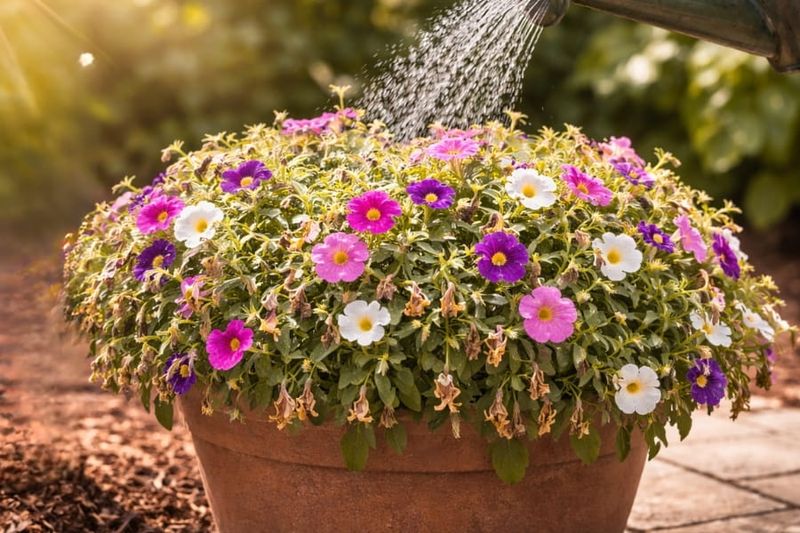
Shallow, frequent sips of water might seem like a cautious approach, but they can actually leave calibrachoa in a difficult spot. When only the top inch or two of potting mix gets wet, the lower portion where most of the roots are active stays dry.
Over time, this uneven moisture can stress the plant even when a gardener feels like they are watering regularly.
The better approach is to water thoroughly and less often, allowing water to soak through the entire potting mix until it drains freely from the bottom of the container.
This encourages roots to grow deeper into the mix rather than clustering near the surface, which makes the plant more resilient during hot Texas weather.
Slow, steady watering with a watering wand or gentle hose setting works better than a quick blast that runs off the surface before soaking in.
After a thorough watering, let the potting mix approach dryness in the top inch or so before watering again.
In Texas summer heat, that might mean watering every day or every other day for small containers and hanging baskets, but always check the mix first rather than following a rigid schedule.
Calibrachoa in larger patio pots may go a bit longer between waterings. Matching the watering frequency to what the mix and weather actually call for keeps calibrachoa in better shape than any fixed routine can.
7. Watch Hanging Baskets More Closely In Texas Heat
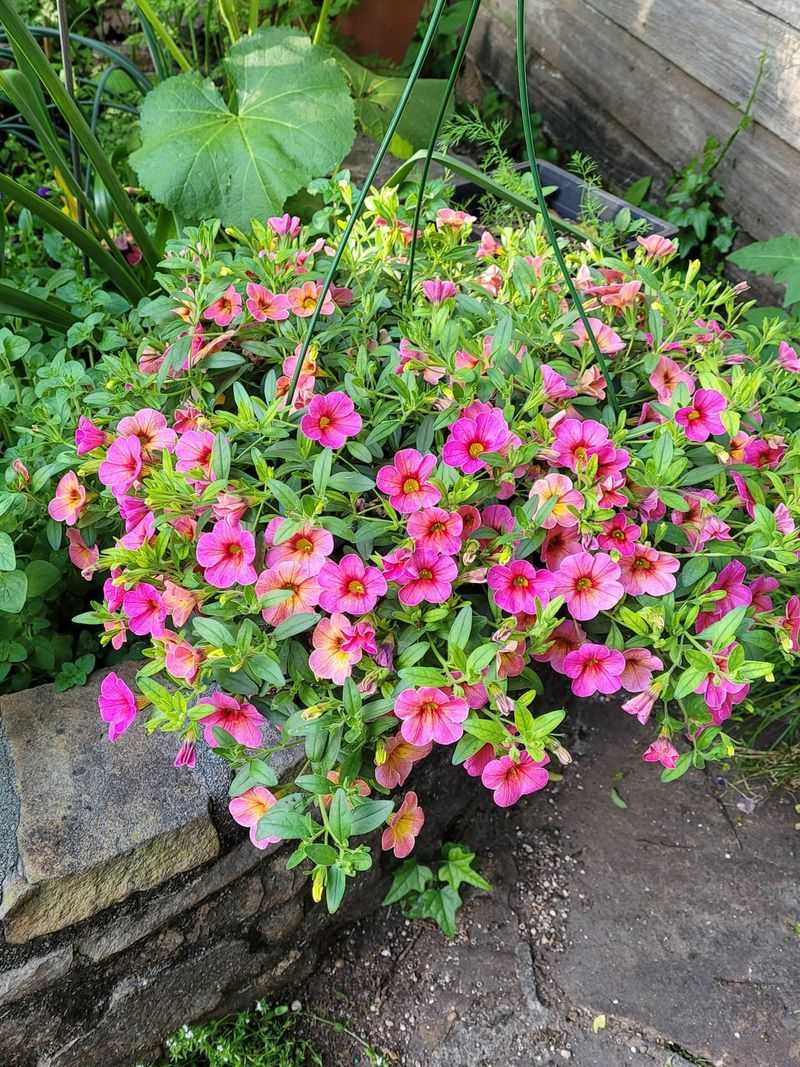
Hanging baskets have a lot working against them in Texas summers.
They are exposed to heat and drying wind from all sides, they hold a smaller volume of potting mix than most patio pots, and they are often hung in full sun where temperatures can feel even more intense.
All of that adds up to a container that dries out faster than almost anything else in the garden.
Calibrachoa is a popular choice for hanging baskets because of its trailing habit and abundant blooms, but it needs more frequent attention in that format.
During a hot Texas stretch, a hanging basket may need watering every single day, and sometimes twice a day during extreme heat.
Checking the weight of the basket by lifting it slightly is a quick way to get a sense of moisture levels: a very light basket is likely dry and ready to water, while a heavier basket probably still has moisture in the mix.
Watering hanging baskets until water runs freely from the bottom ensures the entire root zone gets wet rather than just the surface.
In very hot or windy Texas weather, adding a layer of sphagnum moss or a coco liner to the basket can help slow moisture loss between waterings.
Moving baskets to a spot with afternoon shade during the hottest weeks can also reduce how quickly the potting mix dries out while keeping the plant blooming comfortably.
8. Avoid Heavy Soil That Holds Too Much Water
Walk into any Texas garden center in spring and you will find bags of potting mix sitting right next to bags of garden soil, and they are not the same thing.
Garden soil is designed for in-ground beds where it can interact with the natural drainage of the surrounding earth.
In a container, that same heavy soil compacts quickly, slows drainage, and holds onto moisture far longer than calibrachoa prefers.
When calibrachoa roots sit in dense, waterlogged soil, they can struggle to access oxygen, which affects the plant’s ability to absorb nutrients and support healthy blooms.
A potting mix formulated specifically for containers is a better choice because it is lighter, drains more efficiently, and still holds enough moisture to keep roots from drying out too quickly.
Look for mixes that include perlite, coarse bark, or other amendments that improve drainage.
If an existing container mix feels heavy or compacted after a season of use, it may be worth refreshing it with fresh potting mix before replanting calibrachoa the following year.
Adding a small amount of perlite to a mix that feels too dense can also improve drainage without a full replacement.
In Texas, where heat and humidity vary widely across the state and across seasons, starting with the right potting mix gives calibrachoa in patio pots, porch planters, and window boxes a much stronger foundation for consistent blooming and healthy growth.