The Meaning Behind Seeing Painted Buntings For The First Time In Your Florida Yard
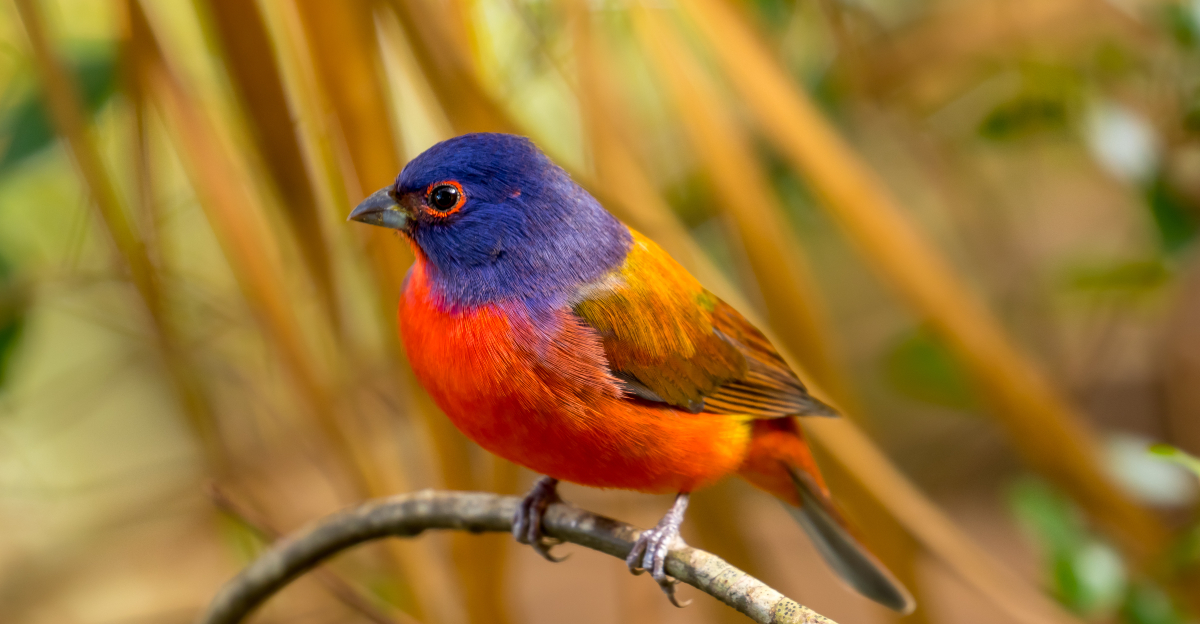
A first painted bunting sighting tends to stop people mid-task. That color is almost hard to believe in a backyard setting, the kind of bird most people assume belongs in a tropical photo rather than their own Florida yard.
The reaction is usually some combination of disbelief and an immediate need to know more. Painted buntings do not show up just anywhere.
Their presence in a specific Florida yard, for the first time, says something real about what that property is currently offering in terms of food, cover, and safety. The meaning behind that first visit runs in more than one direction.
The ecological story is genuinely interesting on its own. Layer in the cultural weight different traditions have attached to such a strikingly colored bird.
A single sighting carries more significance than most people expect in the moment. What your yard did right to earn that first visit is worth understanding fully.
1. A Painted Bunting Visit Means Your Yard Offered Safety
Cover is the first thing a painted bunting looks for before it ever touches the ground. A Florida yard with dense shrubs, brushy edges, low thickets, or woodland borders gives the bird a place to pause without feeling exposed.
A first visit can suggest the yard offered enough shelter for the bird to move through or briefly rest.
Painted buntings are naturally secretive. They tend to stay close to vegetation and rarely linger in wide-open spaces.
A tidy, manicured lawn with little shrub cover may not hold their attention, even if food is present nearby.
Safety for this bird means quick escape routes, nearby dense cover, and low foot traffic close to feeding areas. It does not require a wild or overgrown yard.
A thoughtfully placed native shrub border near a feeder can create that sense of shelter without looking neglected.
The bird may not stay permanently after a first visit. Movement, food availability, and cover quality all play a role in whether it returns.
Noticing where the bird entered and exited the yard can tell you a great deal about which areas felt safe to it. Protecting those brushy corners is the most direct way to support a return visit.
2. That Flash Of Color Often Marks A Seasonal Moment
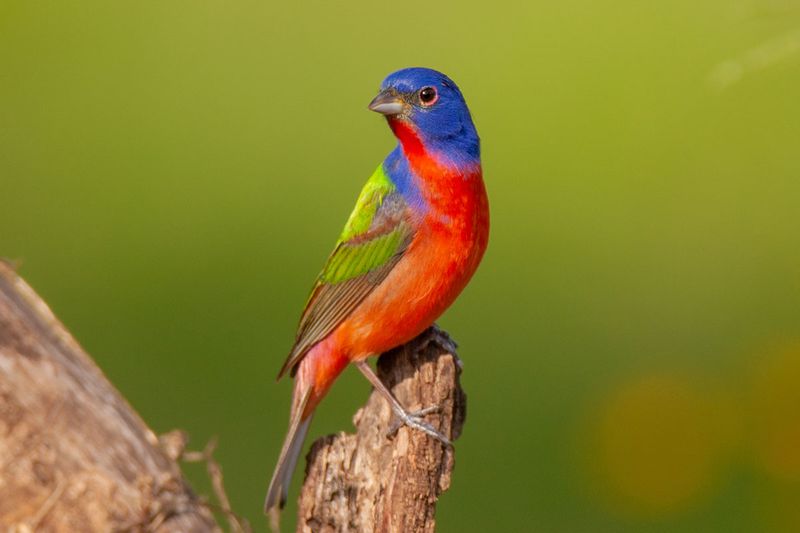
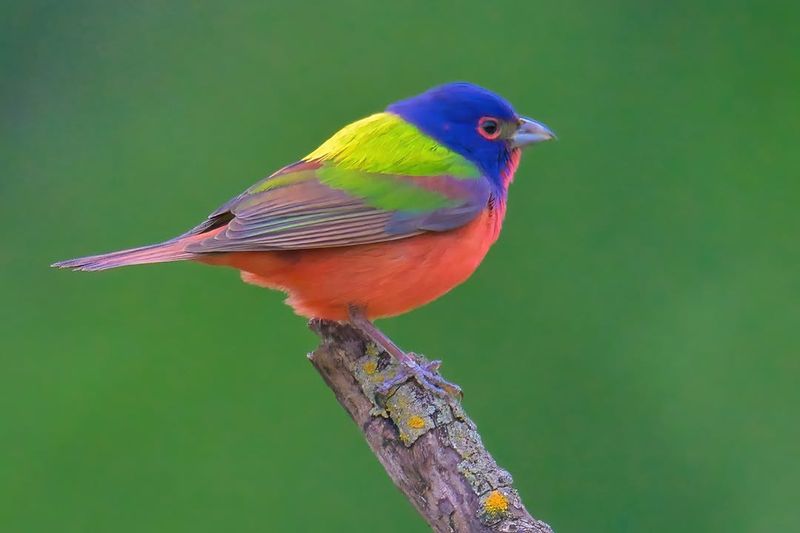
A green female slipping through a shrub edge is easy to miss. The male, with his striking red underparts, blue head, and green back, is the one that tends to stop people cold.
That first sighting often lines up with a seasonal window that was quietly happening nearby before anyone noticed.
In this state, painted buntings are primarily winter visitors, arriving from roughly October and departing by April in most areas.
Northern regions also host a breeding population during warmer months, according to the Cornell Lab of Ornithology and Audubon resources.
The timing of a first sighting can tell you a great deal about which population you encountered.
Female and immature birds are a soft, bright green and are frequently overlooked. Recognizing them broadens the seasonal picture considerably.
Your Florida Garden Changes Every Week. Your Plan Should Too.
Gardening in Florida changes quickly throughout the season. Every Friday you’ll receive a simple weekly plan showing exactly what to plant, prune, fertilize, harvest, and protect so you never miss the right timing.
If a green bird was quietly feeding near your shrubs for weeks before a male appeared, the seasonal window may have been open longer than you realized.
Weather changes, cold fronts moving through, and overnight migration activity can bring buntings into view that were not visible the day before.
Paying attention to dates and weather patterns around a first sighting helps build a more accurate picture of local seasonal movement.
3. Dense Cover Matters More Than A Perfect Flower Bed
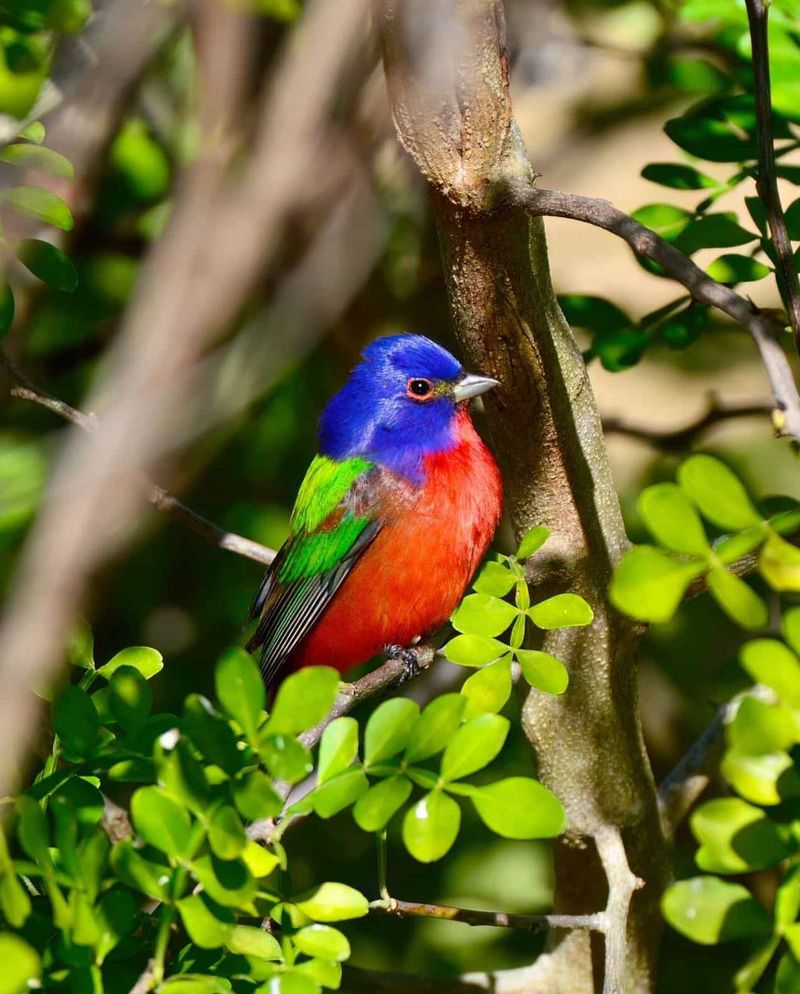
A Florida gardener who has spent years cultivating a bright, formal flower bed might be surprised by what a painted bunting chooses. It may bypass the flowers entirely and head straight for the weedy shrub corner near the fence.
Habitat structure, not visual beauty by human standards, drives that choice.
Painted buntings respond strongly to dense native cover, low shrubs, layered edges, and sheltered feeding areas. According to Audubon and Cornell Lab resources, brushy edges and thicket-like zones are core habitat features for this species.
A tidy border of clipped ornamentals rarely provides the same sense of security.
A bunting-friendly yard can still look intentional and well-kept. Paths, defined edging near the house, and cleanup in high-use areas can coexist with a wilder shrub border along a fence line or property edge.
The key is leaving some structural complexity where the bird can move through cover without feeling exposed.
Planting native shrubs like beautyberry (Callicarpa americana) or native viburnums where appropriate adds both cover and food value. Letting some areas grow a little fuller along edges does not mean abandoning the yard.
It means designing with the bird’s sense of safety in mind, not just your own.
4. Native Seeds And Insects Make The Yard Worth Checking
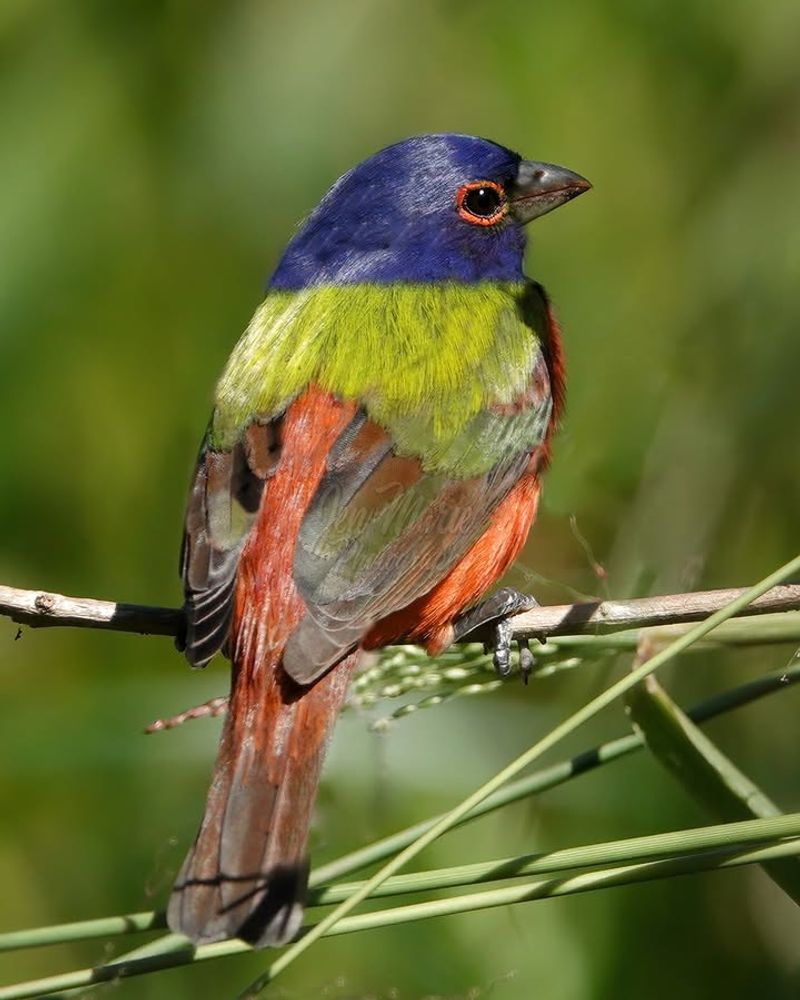
Painted buntings eat seeds and insects, with their diet shifting by season. During winter months in this state, seeds tend to make up a larger portion of their intake.
Native grasses like switchgrass (Panicum virgatum) and seed-bearing wildflowers such as coneflowers and native sunflowers provide natural foraging opportunities. A yard full of non-native ornamentals often cannot match that.
Insects also matter, particularly during breeding season in populations that nest in northern regions. Reducing or eliminating pesticide use near feeding and cover areas supports the insect populations that buntings and their nestlings depend on.
According to UF/IFAS Extension guidance, pesticide reduction is one of the most practical steps toward a more wildlife-friendly yard.
No single plant or feeder will bring painted buntings reliably. Food works best as part of a larger habitat pattern that includes cover, quiet, and seasonal availability.
A millet-stocked feeder placed near dense shrubs in a low-disturbance corner has a better chance of being noticed than one sitting in an open, exposed location.
Keeping feeders clean and preventing seed buildup below them is important for bird health and hygiene.
Moldy seed on the ground can cause illness in ground-feeding birds, so regular cleanup near feeding stations is a responsible habit worth building into your routine.
5. A First Visit May Mean Migration Is Moving Nearby
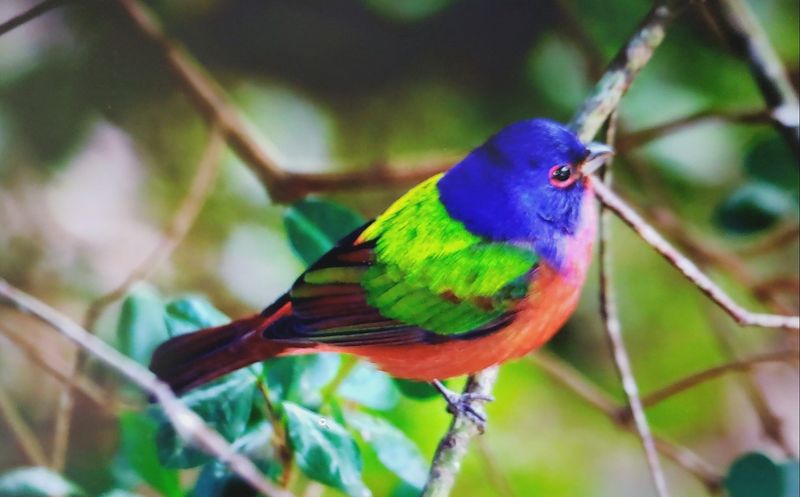
Migration mornings after a cold front can shift everything. A yard that held no buntings the evening before may have a male feeding quietly at the shrub edge by sunrise.
That kind of sudden appearance is one of the most recognizable signs that seasonal movement brought a bird into view that would not have been there otherwise.
Painted buntings move through this state during fall and spring migration, and many birds winter here from roughly October to April.
Coastal areas, inland scrub edges, and suburban yards with good cover can all serve as brief stopover points during movement periods.
A first sighting may simply mean the bird was passing through and your yard offered a useful pause.
Noting the date, recent weather patterns, and the direction the bird seemed to travel can add real context to a sighting. A bird that appears after a strong cold front in October is likely a recently arrived winter visitor.
One seen in late April may be heading north toward breeding grounds.
Repeat visits are not guaranteed after a migration stop. Some birds move on within hours.
Encouraging future stopovers means keeping the yard’s cover and food resources in place. That way, the next bird moving through finds the same welcoming conditions that brought the first one in.
6. Quiet Edges Help Painted Buntings Feel Less Exposed
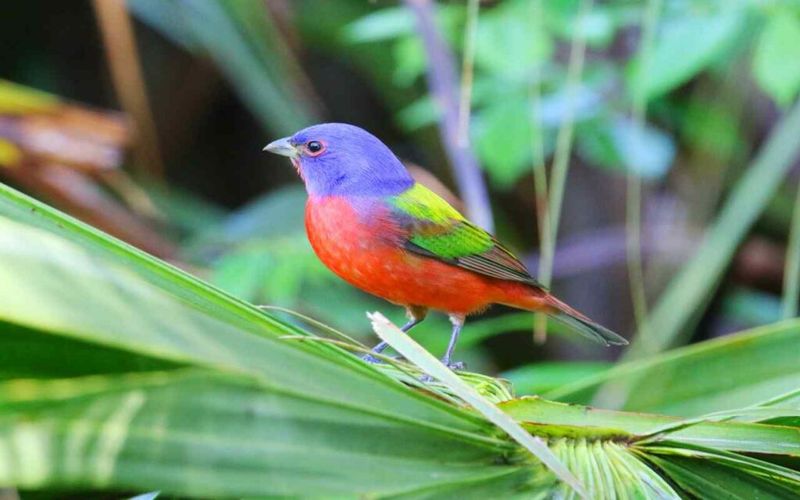
Painted buntings are not bold birds. A yard with heavy foot traffic, roaming cats, loud activity near feeders, or wide-open exposure is less likely to hold one for long.
Quiet edges, layered shrubs, and low movement near feeding areas create conditions where the bird feels less at risk of being caught off guard.
Outdoor and free-roaming cats pose a serious risk to ground-level and low-shrub birds. The American Bird Conservancy and Audubon both recommend keeping cats indoors or supervised outdoors to reduce predation pressure on wild birds.
A single cat patrolling a yard can discourage painted buntings from returning, even if food and cover are otherwise ideal.
Observing from a distance matters too. Approaching too closely, following the bird for a photograph, or making sudden movements near a feeding area can flush the bird and discourage return visits.
Patience from a window or a quiet seat several feet back often produces a far better view than rushing closer ever will.
If a painted bunting ever appears unusually tame, grounded, or unable to fly, do not attempt to handle it. Contact a licensed wildlife rehabilitator or the Florida Fish and Wildlife Conservation Commission for guidance.
Healthy buntings are alert, quick, and reluctant to let people get close.
7. The Meaning Feels Personal Because The Bird Is So Rarely Seen
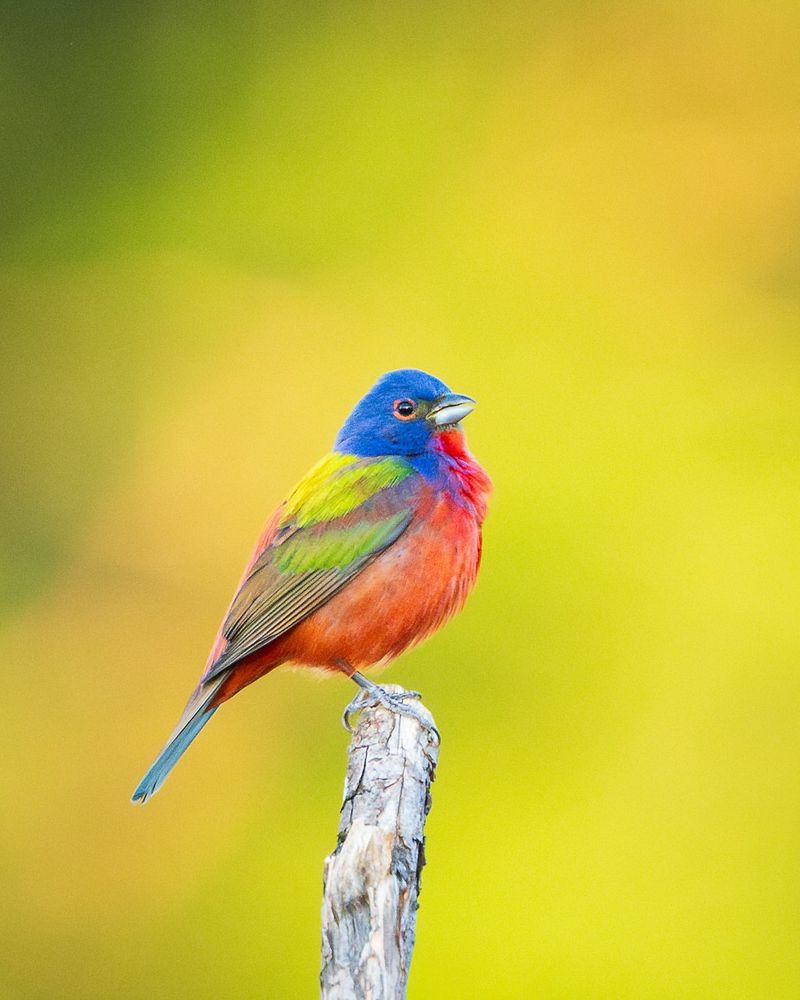
There is something about seeing a painted bunting for the first time that feels like a reward for paying attention. The colors are almost too vivid to be real.
The bird is quick, secretive, and gone before you have fully processed what you saw. That combination creates a memory that tends to stick.
Part of why the sighting feels personal is that it is genuinely uncommon. Painted buntings are not rare in the way an endangered species is rare, but they are secretive enough that many people who live within their range never notice one.
A first sighting often carries the quiet weight of having been in the right place at the right moment.
People naturally attach meaning to moments like these. A sighting during a difficult season, after a loss, or on a significant day can feel like more than coincidence.
That emotional response is valid and human. The bird itself is not delivering a message, but the feeling of being present enough to notice it is real and worth honoring.
Joy, wonder, a renewed interest in the yard, a desire to learn more about local birds, these are all meaningful responses.
Whatever the sighting stirs in you, the experience of noticing a wild creature that most people walk past without seeing is genuinely worth holding onto.
8. The Real Message Is To Protect What Brought It There
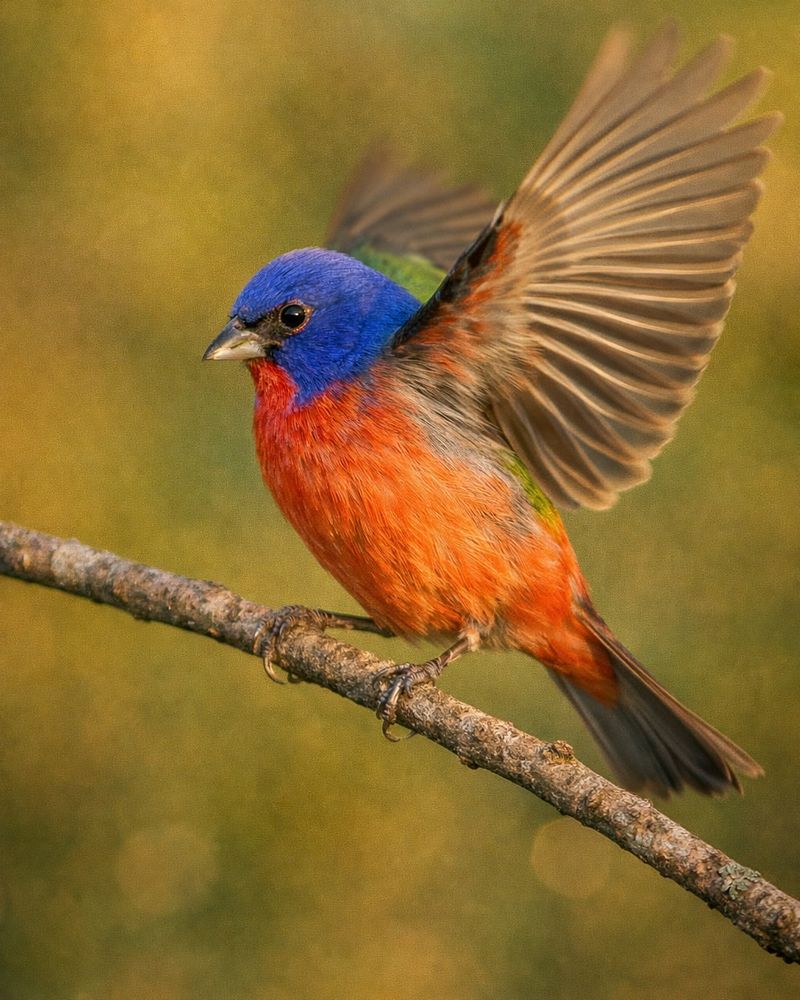
A bird appearing in a yard once is a moment. A yard that keeps offering what birds need is a habitat.
The most practical takeaway from a first painted bunting visit is that something in the space already worked, and protecting that something is worth the effort.
Cover, food, quiet, and native growth are the core features worth preserving. Keeping dense shrubs along edges, leaving seed-bearing plants standing through winter, reducing pesticide use, and managing cat access are all concrete steps.
They support not just painted buntings but a wide range of resident and migratory birds.
Avoiding over-cleaning every brushy corner is one of the simplest shifts a yard owner can make. Leaf litter, low shrubs, and seed heads that remain through winter months provide food and shelter for birds moving through.
A little restraint with the rake and pruning shears can make a real difference.
Adding native shrubs or grasses where space allows builds habitat value over time. Resources from UF/IFAS Extension and the Florida-Friendly Landscaping program offer regionally appropriate plant lists.
They also provide guidance suited to this state’s climate and soil conditions. A first painted bunting visit can become the reason a yard grows wilder, quieter, and more alive with each passing season.