The One Petunia Habit That Keeps Blooms Coming All Summer
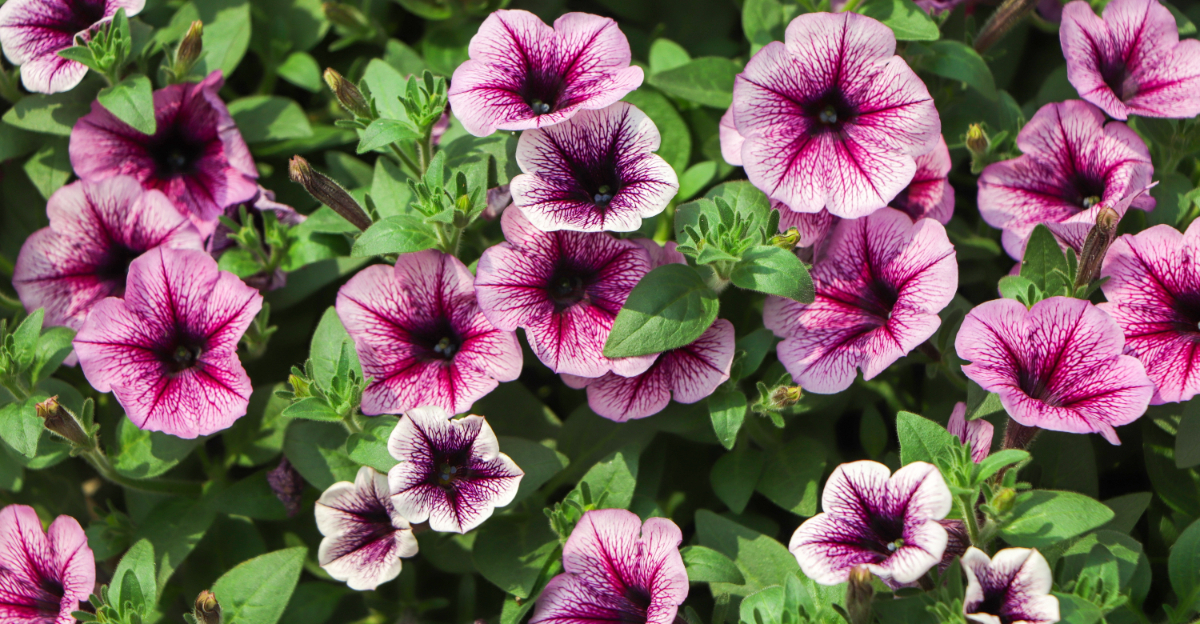
Petunias have a talent for making a yard look effortlessly full. They spill out of pots, pack garden beds with color, and barely seem to quit. But there’s one small step that makes a big difference in how long they keep blooming.
Skip that step, and the flowers slow to a trickle fast. That’s often the point where gardeners aren’t sure what changed. The plant looks healthy. The leaves stay green. But the flowers just stop showing up the way they used to.
There’s a reason for that, and it comes down to one routine most gardeners overlook. Master it, and your petunias keep pushing out color all summer. Skip it, and the bed can start to look sparse and uneven.
Let’s get into exactly what that habit looks like.
1. A Simple Routine That Keeps The Blooms Going
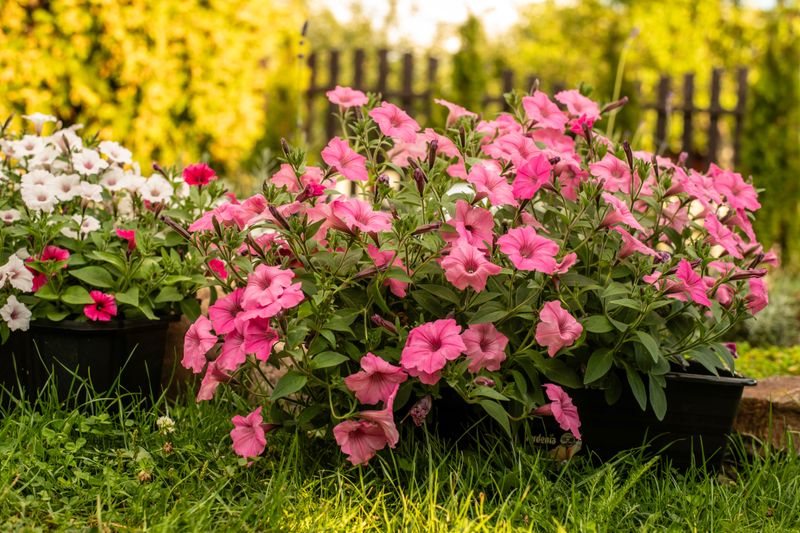
Petunias are known for their nonstop color, but that display doesn’t happen entirely on its own. One simple habit makes the biggest difference in how long and how fully they bloom.
That habit is regularly removing spent flowers before they form seed pods. It sounds almost too simple to matter, but the impact on overall flowering can be significant.
Once a petunia flower fades, the plant naturally shifts its focus toward producing seeds. That process pulls energy away from forming new buds.
By pinching off those spent blooms early, gardeners interrupt that shift. The plant keeps its energy directed toward new growth instead of seed production.
This routine doesn’t require special tools or a lot of time. A few minutes every few days is usually enough to keep petunias looking full and colorful.
Pairing this habit with consistent watering and feeding tends to amplify the results even more. Petunias are fast-growing, heavy bloomers, so they rely on steady care to keep up their performance.
Gardeners who build this into their regular routine often notice fuller plants and more continuous color throughout the season. Instead of a burst of blooms followed by a lull, petunias treated this way tend to keep flowering steadily.
The sections ahead break down exactly how this habit works, how often to do it, and what else supports strong, long-lasting blooms. Small, consistent effort tends to matter more than any single fix.
2. Removing Spent Blooms Encourages New Growth
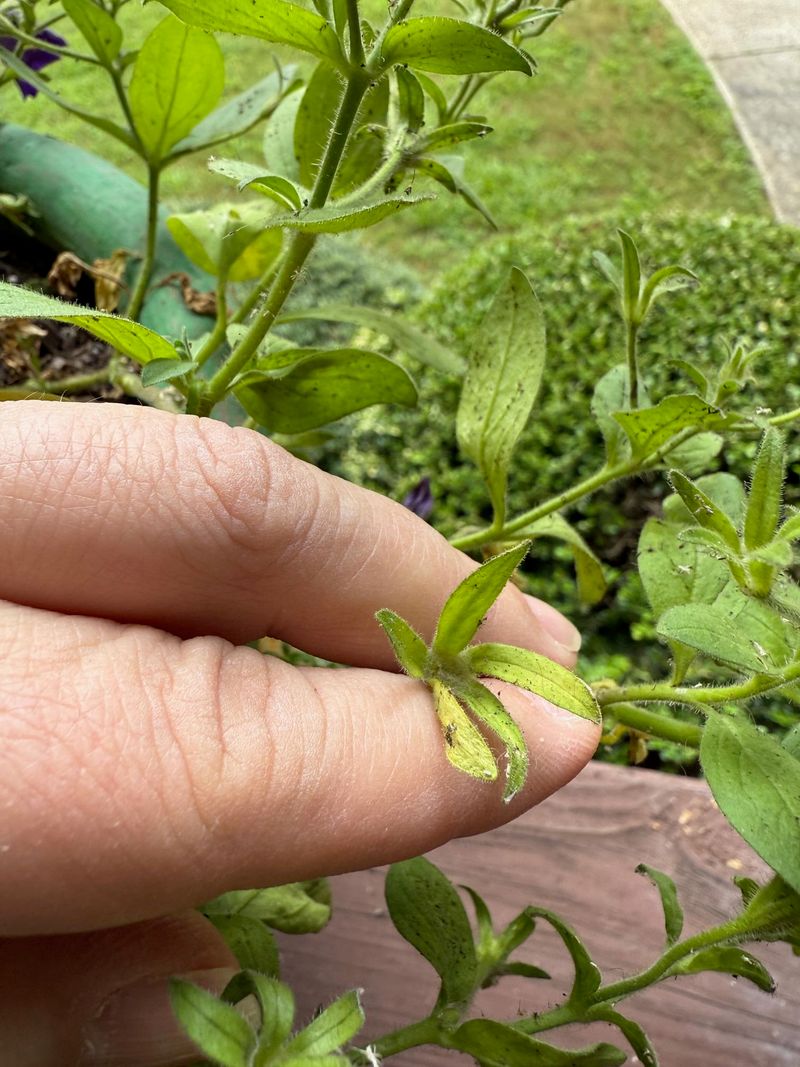
Petunias put a lot of energy into producing seeds once a flower fades. That process pulls resources away from new bud formation.
Pinching off faded flowers signals the plant to redirect that energy elsewhere. New growth and fresh blooms tend to follow within days.
This works because petunias, like many flowering annuals, are wired to reproduce. Once seed pods start forming, the plant assumes its job is done for the season.
By removing those spent flowers before seeds develop, you interrupt that cycle. The plant keeps producing more flowers instead of shifting into seed production mode.
The technique itself is simple. Pinch the flower stem just below the base of the bloom, right above the first set of leaves.
Some gardeners prefer scissors or small snips for a cleaner cut. Either method works, as long as the spent flower and its forming seed pod are removed.
Doing this a few times a week during peak season makes a noticeable difference. Skipping it for too long can cause the plant to slow down its blooming pace.
It’s a small task, but consistency matters more than perfection. Even removing a handful of spent blooms every few days can keep petunias looking fuller and more colorful throughout the season.
3. A Quick Check-In Schedule for Healthy Petunias
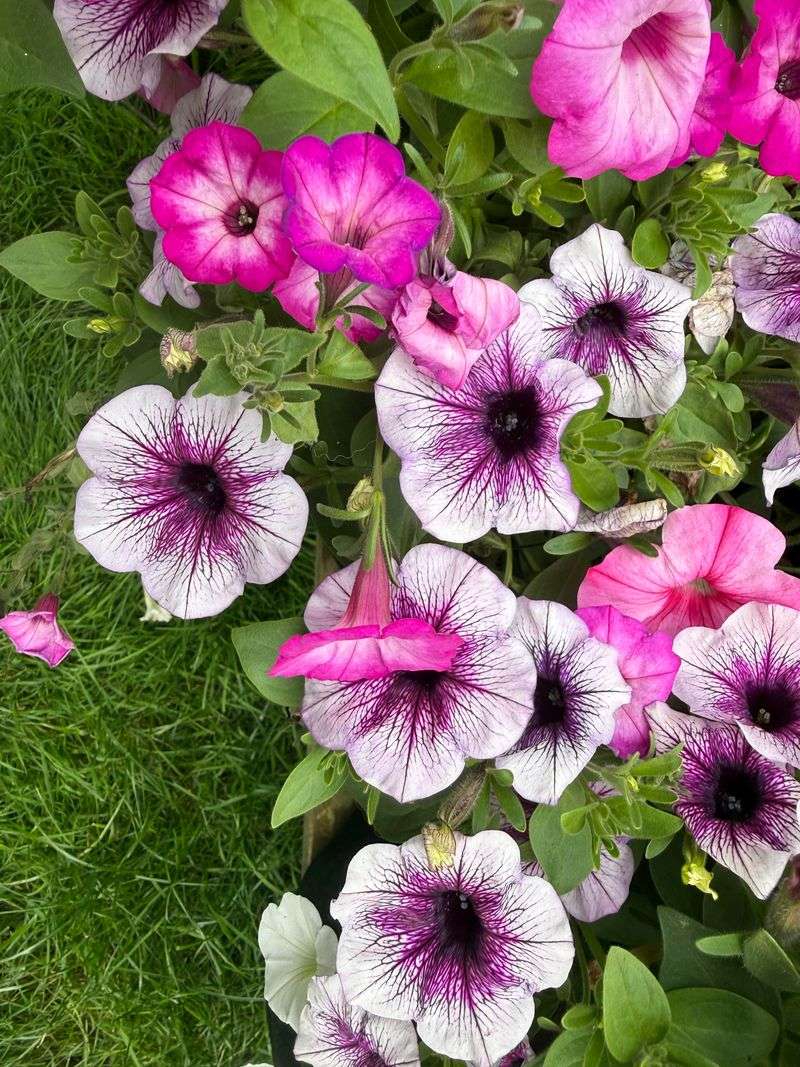
Petunias respond well to regular attention, but that doesn’t mean hours of daily work. A few minutes every two to three days is usually enough to keep them thriving.
During a quick check, look for faded or wilted flowers first. These are the ones ready to be pinched off.
It also helps to glance at the foliage while you’re at it. Yellowing leaves or leggy stems can signal it’s time for a light trim or a feeding boost.
Morning or early evening tends to be the best time for this routine. The heat of midday can make wilted blooms harder to distinguish from healthy ones still holding color.
For gardeners with containers or hanging baskets, checking soil moisture during this same walkthrough saves time. Petunias in pots dry out faster than those planted in garden beds.
Combining these small tasks into one quick routine keeps petunia care from feeling like a chore. Instead of separate trips for watering, feeding, and grooming, everything happens in a single pass through the garden.
Setting a reminder or pairing it with another daily habit, like morning coffee, can help this stick. Over time, the check-in becomes second nature rather than an extra task to remember.
Keeping a small notebook or phone note of what you spot during each check-in can also help. Tracking patterns, like which plants dry out fastest or bloom slowest, makes it easier to fine-tune care over the season.
4. Feeding and Watering to Support the Habit
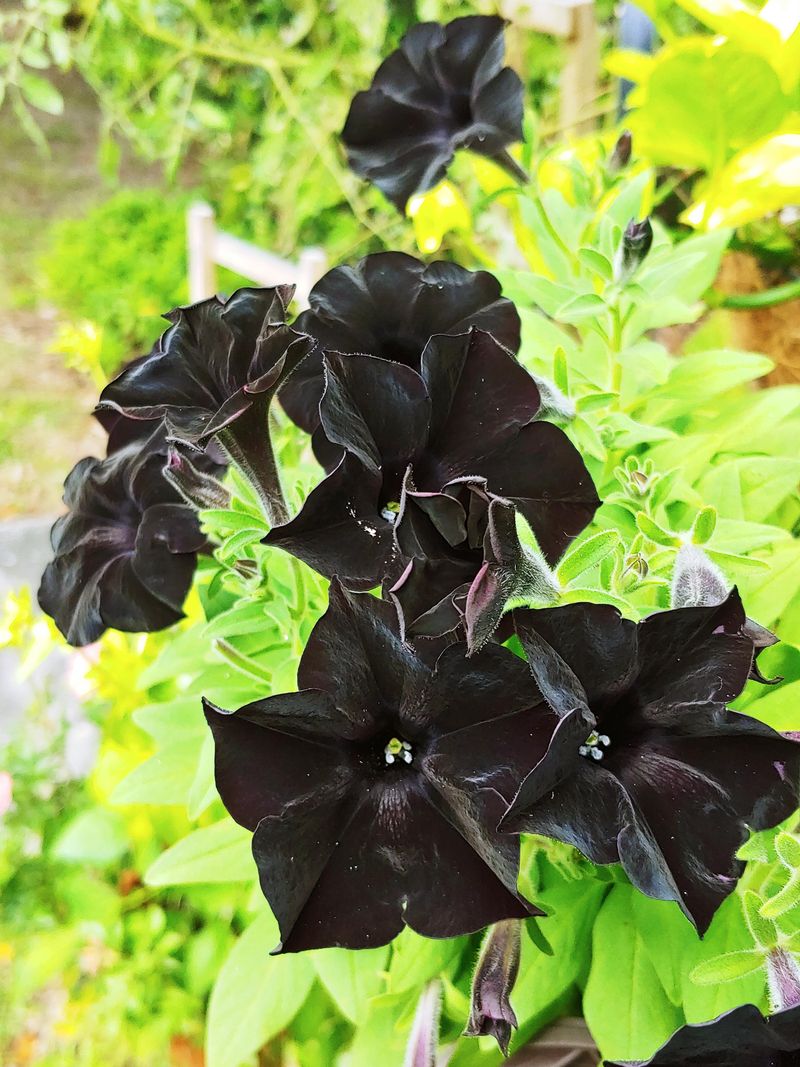
Removing spent blooms works best when paired with steady feeding and watering. Petunias are heavy bloomers, which means they use up nutrients in the soil fairly quickly.
A balanced, water-soluble fertilizer applied every one to two weeks can help sustain that constant flower production. Look for one formulated for flowering annuals, since these typically contain the phosphorus and potassium blooms need.
Watering consistency matters just as much as feeding. Petunias prefer soil that stays lightly moist but never soggy.
Letting the soil dry out completely between waterings can stress the plant and slow bud formation. Overwatering, on the other hand, can lead to root problems and fewer flowers overall.
Container and hanging basket petunias often need water daily during hot summer stretches. In-ground plantings can usually go a bit longer between waterings, depending on rainfall and soil type.
Morning watering tends to work best, since it gives foliage time to dry before evening. Wet leaves overnight can create conditions where fungal issues take hold more easily.
When feeding, watering, and grooming all work together, petunias reward the effort with fuller, more continuous blooms. Skipping any one part often leads to smaller or less vibrant flowers over time.
5. Common Mistakes That Slow Down Blooming
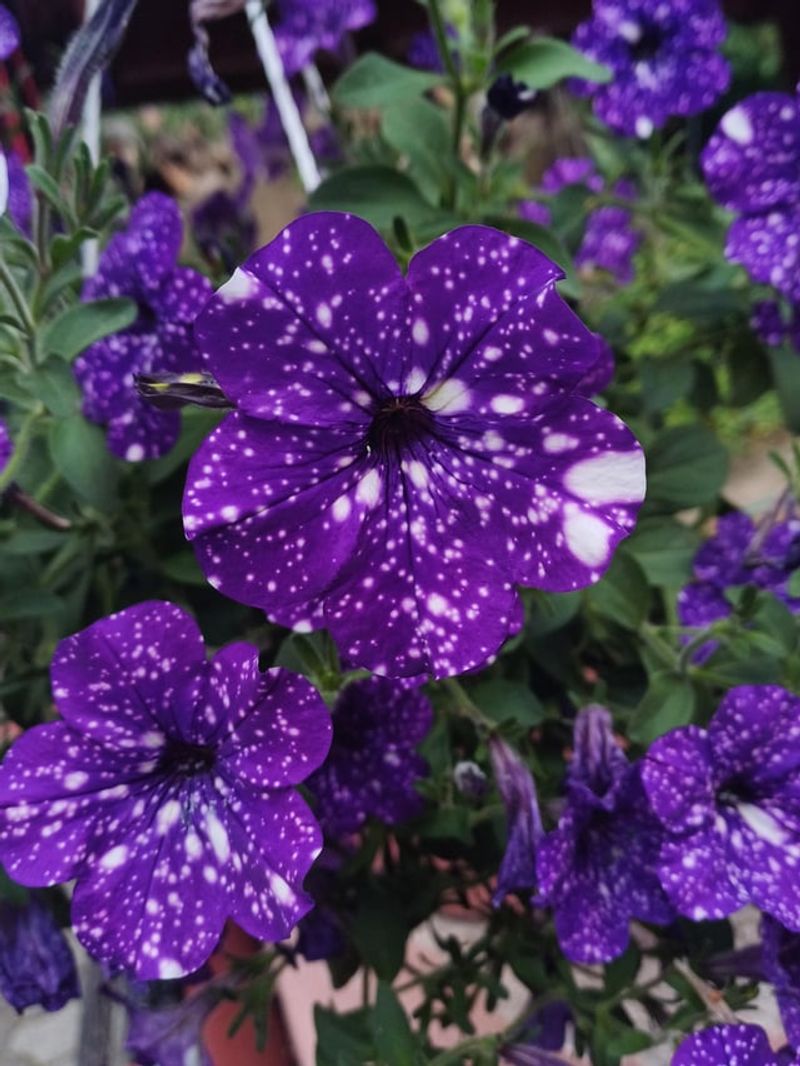
One of the most common mistakes is letting spent blooms linger too long. Once seed pods start forming, the plant shifts its energy toward seed production instead of new flowers.
Overwatering is another frequent issue, especially in containers without good drainage. Soggy soil can lead to root stress, which shows up as fewer blooms and yellowing leaves.
On the flip side, underwatering causes similar problems. Petunias that dry out too often between waterings tend to produce smaller flowers and drop buds before they open.
Skipping fertilizer is another mistake that catches many gardeners off guard. Petunias are fast growers and heavy bloomers, so they use up soil nutrients quickly, especially in containers.
Planting in a spot with too much shade can also limit flowering. Most petunia varieties need at least six hours of direct sunlight to produce their best blooms.
Some gardeners also let plants get leggy without trimming them back. A light trim in midsummer can encourage bushier growth and a fresh round of blooms.
Avoiding these mistakes doesn’t require major changes to a gardening routine. Small, consistent adjustments in watering, feeding, and grooming tend to make the biggest difference over the course of a season.
Crowded planting is another factor that’s easy to overlook. Petunias spaced too closely together compete for light, water, and nutrients, which can lead to weaker growth and fewer blooms across the whole planting.
6. Results You Can Expect After Starting This Routine
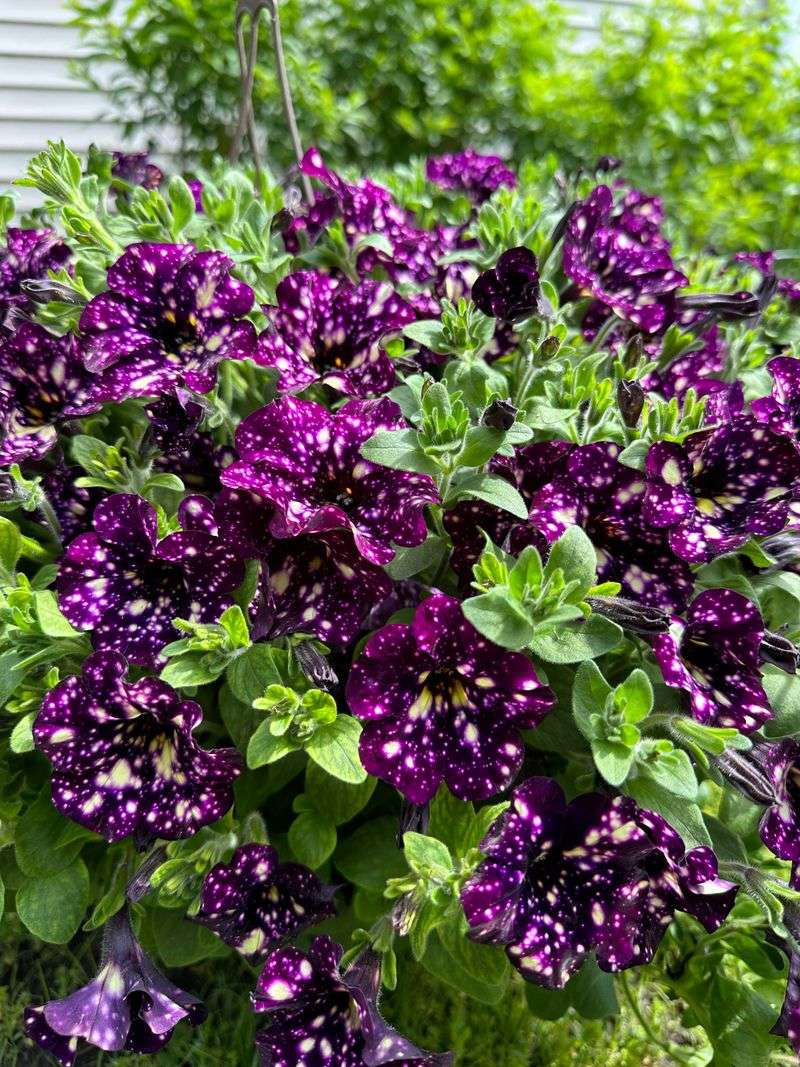
Gardeners who stick with this routine often notice a difference within one to two weeks. Fresh buds tend to appear where spent blooms were removed, and overall flowering becomes more consistent.
By the height of summer, petunias cared for this way often look noticeably fuller. Plants tend to produce more flowers per stem compared to those left ungroomed.
The color display also tends to stay more vibrant for longer stretches. Instead of a burst of blooms followed by a lull, the plant keeps producing new flowers at a steady pace.
Container and hanging basket petunias in particular tend to respond well. Because they rely heavily on regular feeding and watering, the added attention from grooming often has a noticeable visual impact.
Results can vary depending on variety, climate, and growing conditions. Some petunia types are bred to be more self-cleaning, meaning they drop spent blooms naturally and need less manual grooming.
Even with those varieties, occasional check-ins for watering and feeding still support stronger blooming. Paying attention every few days, rather than letting the plant fend for itself, remains the biggest factor in extending the season overall.
Sticking with the routine into early fall can extend blooming even further in milder climates. Petunias often keep flowering right up until the first frost when they’re consistently maintained this way.