This Is The Invasive Pest Targeting Texas Sycamore Trees Along Rivers And In Residential Yards
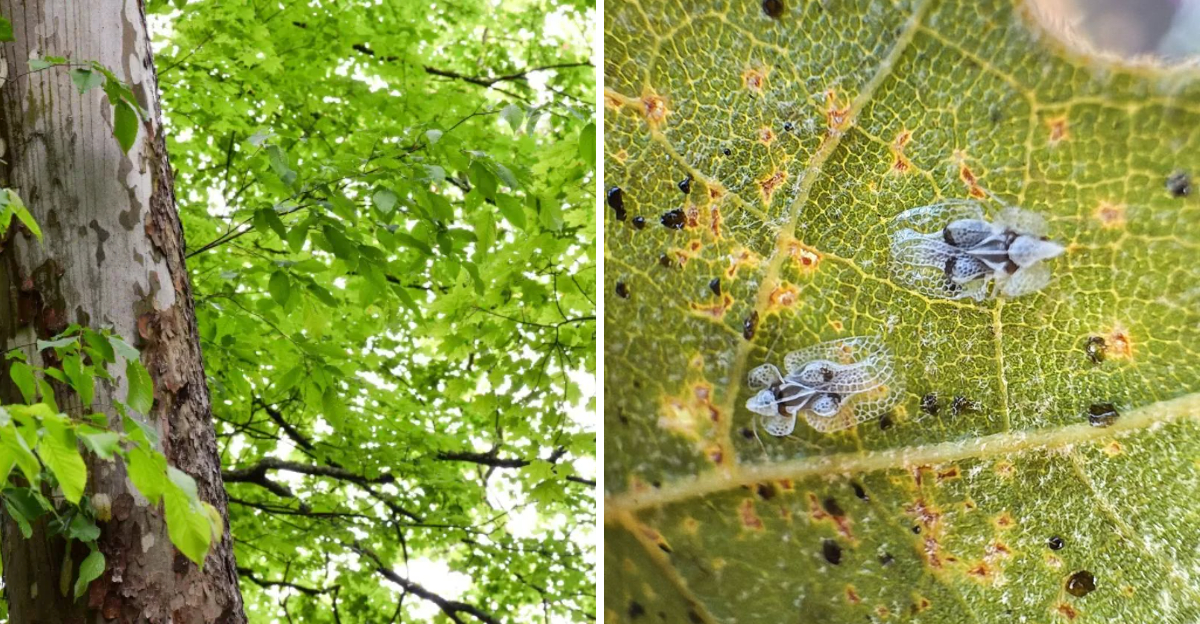
Texas sycamore trees are facing a quiet threat, and it’s spreading through both riverside landscapes and residential yards at a worrying pace.
These towering trees have long been a familiar sight along Texas waterways and in shaded backyards, offering shelter and beauty that’s hard to replace.
But an invasive pest is putting all of that at risk. This pest does not discriminate between wild and cultivated sycamores.
It targets trees along riverbanks just as readily as the one growing in your backyard, weakening them from the inside out.
The damage often starts small and goes unnoticed until the tree is already struggling significantly, making early detection critical for anyone hoping to save an affected sycamore.
Experts are urging Texas residents near waterways and anyone with sycamore trees on their property to start paying close attention. Catching this pest early can make a real difference in protecting these trees.
Meet The Sycamore Lace Bug
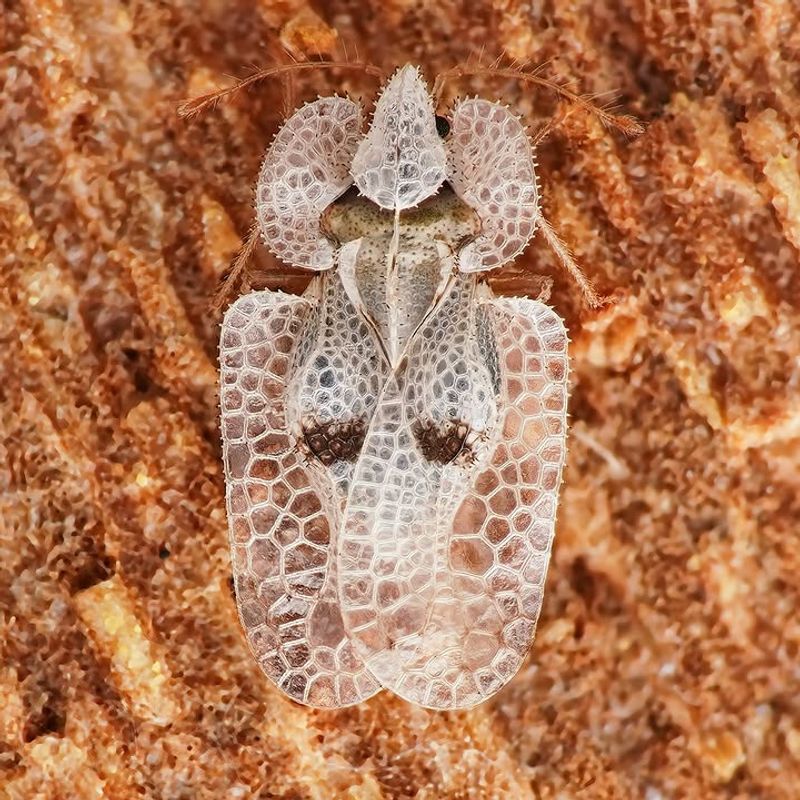
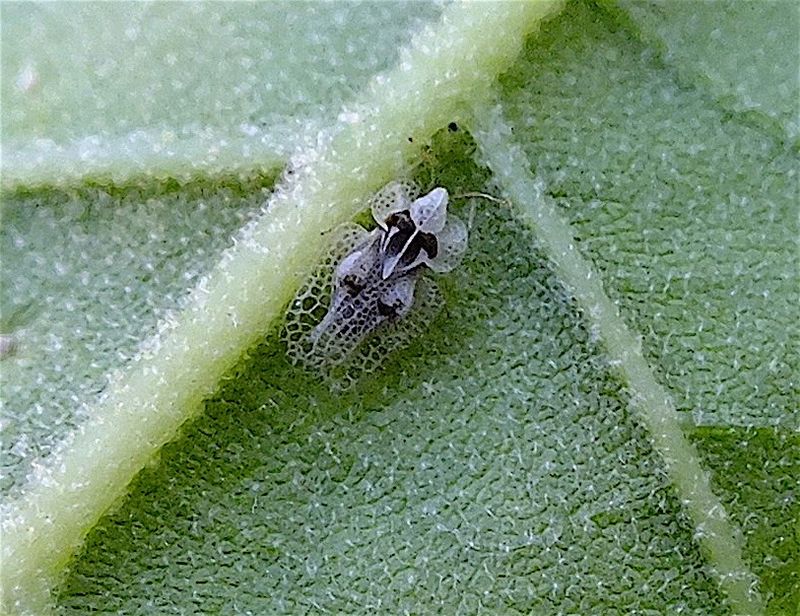
You might not notice it at first glance, but a tiny insect called Corythucha ciliata has been quietly making life hard for sycamore trees all across Texas. Known as the sycamore lace bug, this small sap-sucking pest measures only about one-eighth of an inch long.
Its wings have a beautiful lace-like pattern, which is actually how it got its name. Do not let the pretty wings fool you, though. This bug is a real problem for trees.
Sycamore lace bugs are native to North America but have spread far beyond their original range. In Texas, they have been found in urban neighborhoods, parks, and along rivers and creek banks where sycamore trees naturally grow.
They tend to cluster on the underside of leaves, making them easy to miss during a casual walk-through of your yard. Most people do not realize the bugs are there until the damage becomes visible.
Both adult lace bugs and their younger forms, called nymphs, feed by piercing the leaf surface and sucking out plant sap. Adult lace bugs are slightly larger and can fly, which helps them spread from tree to tree.
Nymphs are darker in color and stay closer together in groups. The bugs go through several generations each year, meaning populations can build up fast during warm Texas summers.
Spotting them early is key to keeping your sycamore trees safe and strong throughout the growing season.
Feeding Damage On Sycamore Leaves
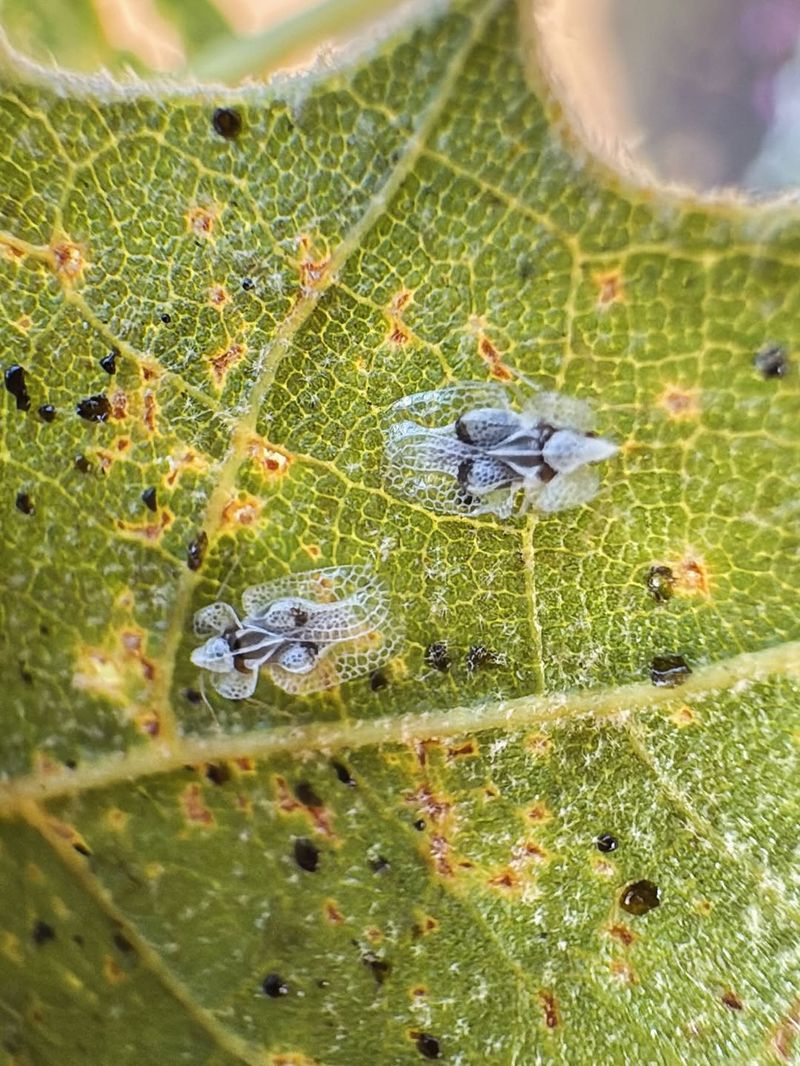
Walk up to an infested sycamore tree and flip over a few leaves. Chances are, you will see tiny pale or whitish spots scattered all across the surface.
That stippling effect is the first sign that lace bugs have been feeding. Each spot marks a place where a bug pierced the leaf and drained the sap right out of the tissue.
Over time, those small spots merge together, and entire sections of the leaf turn yellow or brown.
Both nymphs and adult lace bugs feed on the same leaves, often in large groups. As more bugs feed, more leaf tissue gets damaged.
The leaf loses its ability to carry out photosynthesis, which is the process trees use to make food from sunlight. When photosynthesis slows down, the tree cannot produce enough energy to stay strong and healthy.
Your Texas Garden Changes Every Week. Your Plan Should Too.
Gardening in Texas changes quickly throughout the season. Every Friday you’ll receive a simple weekly plan showing exactly what to plant, prune, fertilize, harvest, and protect so you never miss the right timing.
Leaves may drop earlier than normal, sometimes weeks before fall arrives in Texas.
Repeated feeding across multiple seasons is where the real trouble begins. A tree that loses leaves early, year after year, gradually loses its ability to store energy for the next growing season.
Roots become weaker, new growth becomes sparse, and the tree becomes more vulnerable to other stressors like drought and disease. Texas summers are already tough on trees, and lace bug damage adds extra pressure that can push a stressed tree over the edge.
Catching the feeding damage early and acting quickly gives your sycamore the best chance of bouncing back with full, healthy leaf coverage the following spring.
Aesthetic And Landscape Impact
Curb appeal matters, and nothing ruins the look of a yard faster than a sycamore tree covered in brown, blotchy leaves. When lace bugs move in, the visual impact is hard to ignore.
Leaves that should be a rich, full green start to look faded, speckled, and unhealthy. From a distance, the whole tree can take on a dull, washed-out appearance that makes your yard look neglected even when everything else is well-maintained.
Heavy infestations are especially noticeable in late summer, which is exactly when most people in Texas are spending time outdoors. Backyard gatherings, neighborhood walks, and time on the porch all happen during the months when lace bug damage peaks.
A tree that should be providing shade and beauty instead becomes an eyesore that raises questions from neighbors and visitors. Along streets and in public parks, infested trees can affect the overall look and feel of an entire area.
Beyond personal pride in your yard, there is also real estate value to consider. Mature trees are known to boost property values, but only when they look healthy and well-kept.
A large sycamore with heavily spotted and dropping leaves sends the wrong message to potential buyers or anyone evaluating a property.
Street trees in cities and towns face the same issue, as municipalities invest in urban tree canopies for both beauty and environmental benefits.
Protecting your sycamore from lace bug damage is not just about the tree itself. It is about preserving the overall look, feel, and value of your outdoor space throughout the entire warm season.
Rapid Spread Through Neighborhoods And Waterways
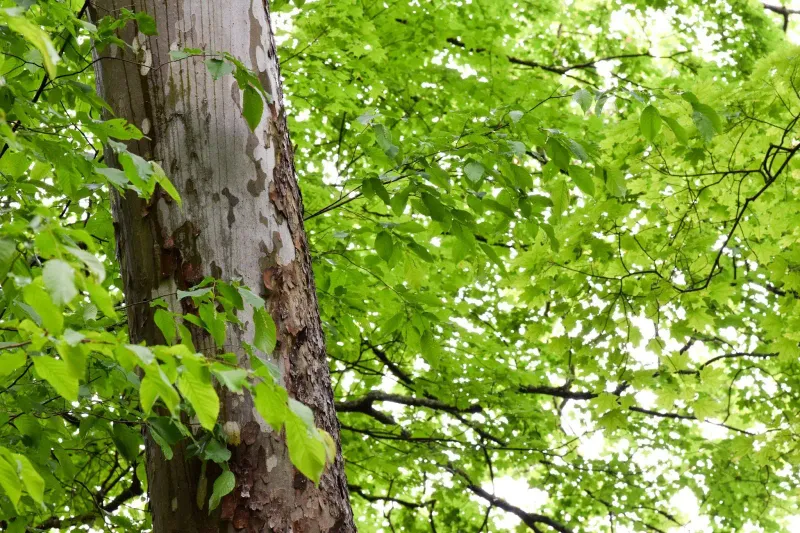
One thing that makes the sycamore lace bug especially tricky to manage is how quickly it spreads. A single infested tree in your yard can become a launching pad for bugs to reach neighboring trees within days.
Adult lace bugs can fly short distances, which means they can easily move from one yard to the next, from a park into a neighborhood, or from a tree along a creek bank into a residential street lined with sycamores.
In Texas, sycamore trees are common along rivers, creeks, and other waterways. These riparian areas create natural corridors where lace bugs can travel and spread without much resistance.
Once a population gets established along a stretch of river, it can work its way inland as adults fly toward nearby trees. Urban greenbelts and trail systems that follow waterways can also serve as pathways for the pest to move deeper into residential areas.
Neighborhoods with multiple sycamore trees are at especially high risk. When trees are planted close together along a street or in a park, lace bugs can hop from tree to tree with very little effort.
A block that has five or six sycamores can see all of them infested within a single growing season if the pest goes unnoticed. That is why community awareness matters so much.
When neighbors share information and watch for early signs together, it becomes much easier to catch an infestation before it turns into a neighborhood-wide problem that is much harder and more expensive to address effectively.
Natural Predators That Help Control Lace Bugs

Nature has a built-in response to pest outbreaks, and the sycamore lace bug is no exception. Several beneficial insects naturally prey on lace bugs and can help keep populations under control without any chemical intervention.
Ladybugs are probably the most well-known of these helpful hunters. Both adult ladybugs and their larvae feed on lace bug eggs and nymphs, making them valuable allies in your yard.
Lacewing larvae are another powerhouse predator worth knowing about. These tiny, fierce-looking insects have large jaws and an impressive appetite for soft-bodied pests like lace bug nymphs.
They are often called aphid lions, but they are just as happy to feed on lace bugs when given the chance. Predatory beetles and minute pirate bugs also play a role in keeping lace bug numbers in check when conditions are right.
Encouraging these natural predators in your yard is easier than most people think. Planting native flowering plants gives beneficial insects a place to find nectar and shelter.
Reducing or eliminating broad-spectrum pesticide use is also critical, because many chemical sprays wipe out helpful insects along with the pest you are targeting. Think of your yard as an ecosystem where balance matters.
When you support predator populations, you are essentially building a free, ongoing pest management team right in your own backyard.
This approach takes a little patience, since predator populations need time to build up, but the long-term payoff is a healthier yard with fewer pest problems across the board. Working with nature is almost always more sustainable than working against it.
Management Strategies To Protect Your Sycamore Trees
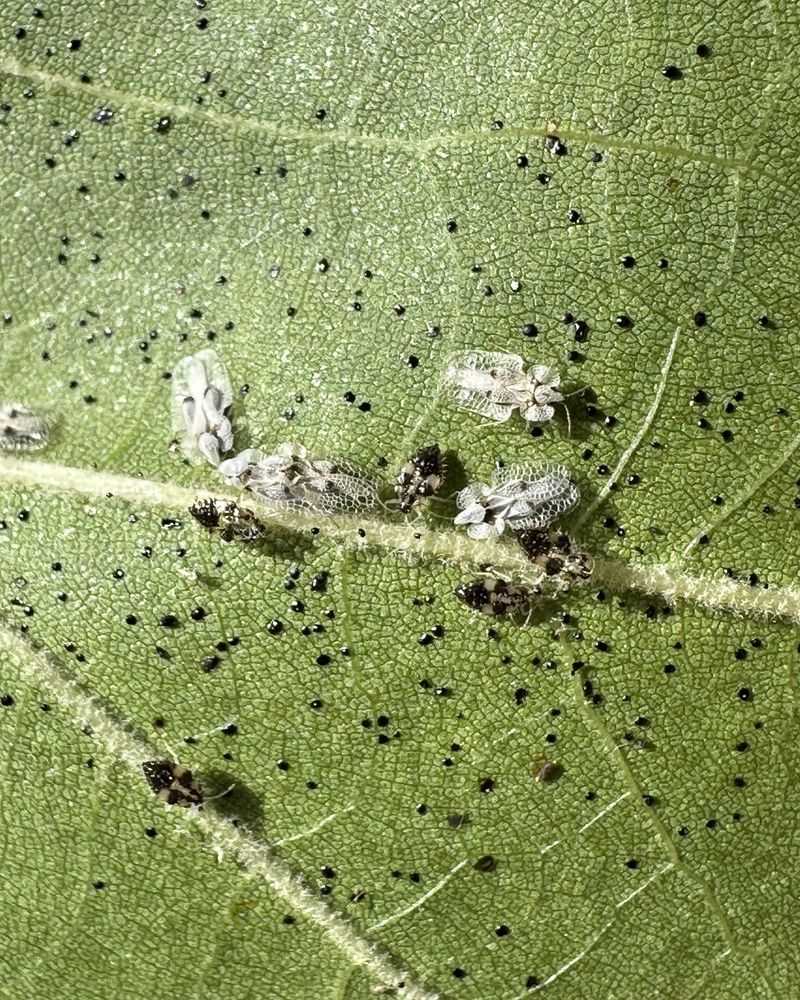
Keeping sycamore lace bugs under control starts with one simple habit: checking your trees regularly. Flip over leaves and look for tiny bugs, dark speckling from their waste, or the early pale stippling that signals feeding has begun.
The sooner you spot the problem, the easier it is to manage. Make it a routine to inspect your trees every couple of weeks from spring through early fall, when lace bugs are most active in Texas.
When infestations are heavy, horticultural oil and insecticidal soap are two of the most effective and least harmful treatment options available. Both work by smothering the bugs on contact, and neither leaves behind harmful residues that linger in the environment.
Always spray the undersides of leaves thoroughly, since that is where lace bugs congregate. Follow label directions carefully, and avoid spraying during the hottest parts of the day to prevent leaf damage from the oil or soap.
Beyond direct treatment, keeping your sycamore tree as healthy as possible is one of the best defenses you have. Water deeply and consistently, especially during dry spells, since stressed trees are far more vulnerable to pest damage.
Apply a layer of mulch around the base of the tree to hold moisture and regulate soil temperature. Avoid over-fertilizing with nitrogen, which can encourage lush new growth that attracts even more lace bugs.
Healthy, well-maintained trees recover from lace bug feeding much faster and are better equipped to handle future pest pressure. Good tree care is not just about looks. It is a genuine form of protection that pays off all season long.