What Arizona Yards Have When Quail Keep Coming Back
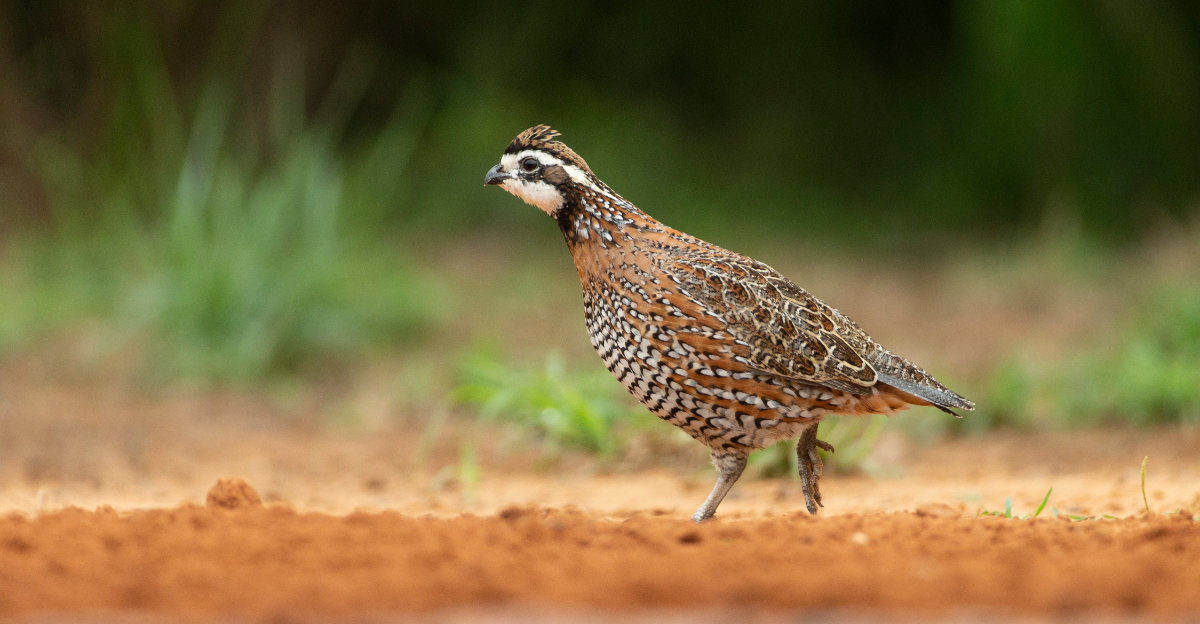
A covey of Gambel’s quail does not wander into a yard by chance.
These birds are cautious, deliberate, and very good at reading a landscape. They know which yards offer real safety and which ones just look like they might.
The difference between a yard they visit once and a yard they return to every single day comes down to a specific set of conditions most homeowners have never thought about.
It is not about feeders. It is not about luck.
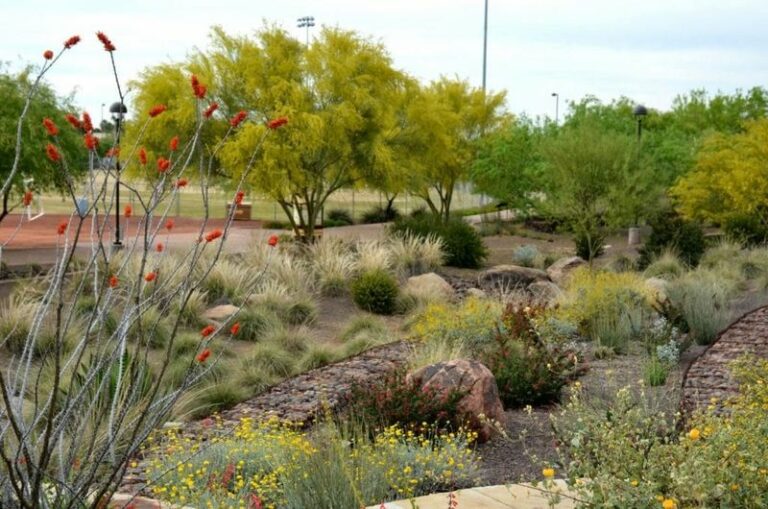
It is about how the yard is structured at ground level, what grows in it, how the water is offered, and whether the whole space feels like somewhere a small, alert bird can actually relax.
Some of these elements are easy to add. Some are already present in a well-planted desert yard and just need a small adjustment. A few will genuinely surprise you.
The covey is already moving through your neighborhood. The question is whether it stops at your yard. Want to know what makes the difference?
1. Low Shrubs For Quick Cover
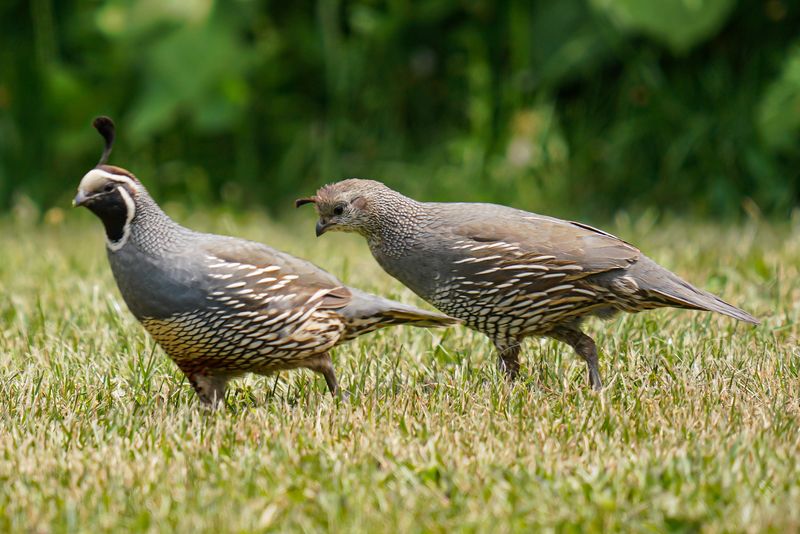
Watch a covey of Gambel’s quail scatter the moment a hawk drifts overhead.
They do not fly far. They dart straight into the nearest dense shrub and disappear within seconds.
That split-second move is only possible when the right plants are already in place before the threat arrives.
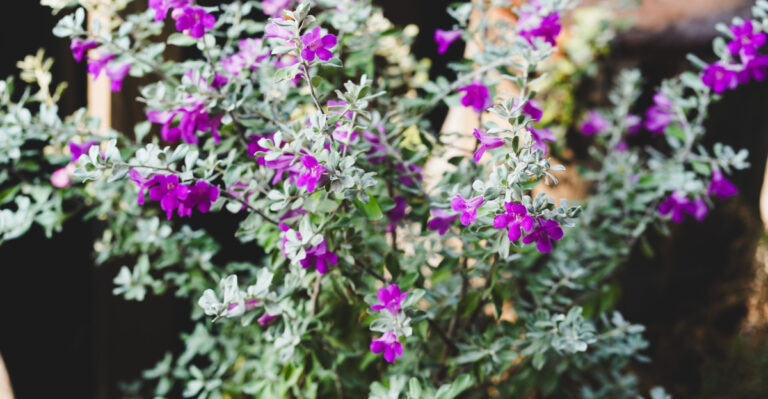
Low, dense native shrubs are the foundation of any quail-friendly yard. Plants like desert hackberry, wolfberry, and jojoba grow thick and close to the ground, giving quail immediate shelter from open areas where predators can spot them easily.
The best shrubs grow no taller than four to five feet and branch out widely at the base. That low, spreading shape creates a roof of leaves and stems that quail can slip under without slowing down.
Spacing matters just as much as plant selection. Clusters of two or three shrubs with just enough room between groups for quail to move give them a network of connected safe stops across the yard.
Avoid trimming shrubs into neat rounded shapes or raising the canopy off the ground. A natural, slightly messy form is exactly what quail are scanning for when they assess a yard.
A tidy yard can still be a quail yard. The trick is letting the plants keep their natural structure instead of shaping them into something that looks organized but functions like an empty room with no furniture.
The hawk passes. The quail reappear. That cycle only works when the cover is already there waiting for them.
2. Native Seeds On The Ground
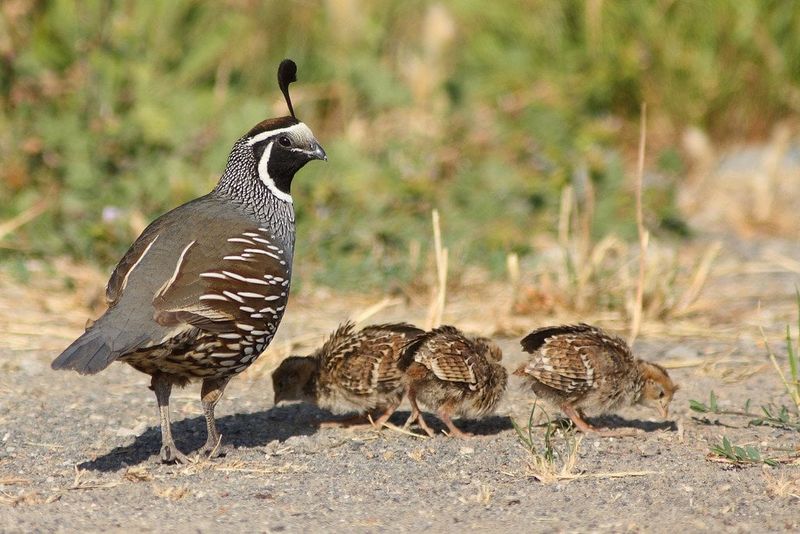
Quail spend most of their day with their heads down, pecking along the ground in search of seeds.
They are not picky, but they are loyal. Yards that reliably feed them become regular stops on their daily foraging routes, visited consistently rather than occasionally.
Native grasses like blue grama and sideoats grama drop seeds directly onto the soil surface, exactly where quail can access them without effort.
Desert marigold, globe mallow, and brittlebush all produce seeds that quail readily eat through fall and into winter.
Your Arizona Garden Changes Every Week. Your Plan Should Too.
Gardening in Arizona changes quickly throughout the season. Every Friday you’ll receive a simple weekly plan showing exactly what to plant, prune, fertilize, harvest, and protect so you never miss the right timing.
A diverse mix of native plants extends the seed season significantly, meaning food stays available across more months than any single species could provide on its own.
The key habit is letting plants go to seed naturally instead of cutting them back at the end of bloom. Many gardeners remove spent flower heads too quickly, eliminating the very food source quail depend on heading into the colder months.
Leaving seed heads standing through fall and winter gives quail a pantry they return to again and again.
Planting in drifts rather than isolated single specimens increases seed production and makes foraging more efficient for a whole covey moving through together.
Native grasses also trap windblown seeds from nearby plants, adding bonus food to the ground layer without any extra work from you.
The plants do the restocking. Your job is mostly to resist the urge to tidy up before the quail have finished shopping.
3. Open Paths Between Plants
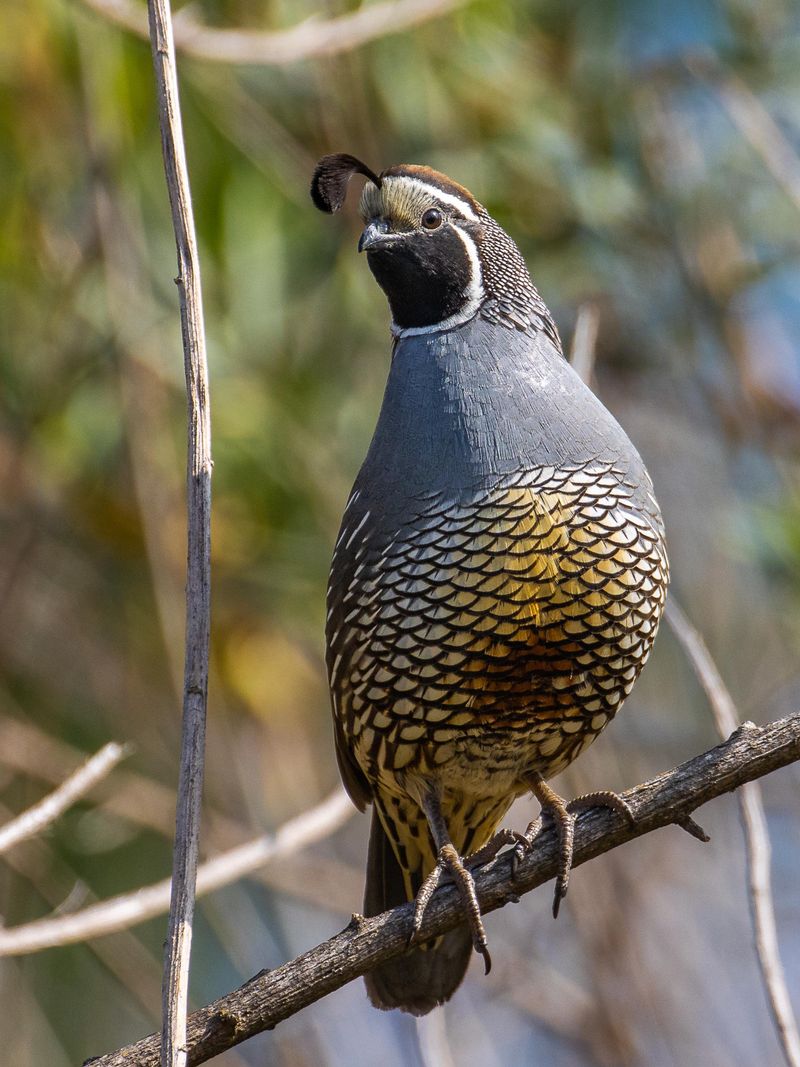
Quail are ground birds first.
They prefer to walk, trot, and scurry rather than fly, which means the spaces between plants matter just as much as the plants themselves.
A yard that is too crowded gives quail no clear way to navigate. A yard that is too open leaves them feeling exposed. The goal is a layered landscape with intentional gaps at ground level that function like a network of small connected corridors.
Spacing shrubs about three to five feet apart creates natural travel lanes without leaving birds dangerously exposed between stops.
Ground-level openings beneath taller plants also count as pathways. Quail can move under the canopy of a palo verde or along a fence line if low shrubs flank the route and offer quick escape options nearby.
Avoid covering large areas with solid rock mulch and widely spaced plants. That setup looks clean and organized but functions like an obstacle course for a small bird trying to move safely through a yard.
Mixing decomposed granite with native groundcovers and low plants creates a much more useful surface.
Quail feel safer when their path from food to cover to water involves short, connected hops rather than long exposed runs across open ground.
Most people design yards for how they look from above. Quail are navigating them at ground level, and that perspective is worth considering before the next planting decision gets made.
Design the corridors first and the quail will find them on their own. They are very good at identifying a well-structured yard.
4. Safe Dust Bathing Spots
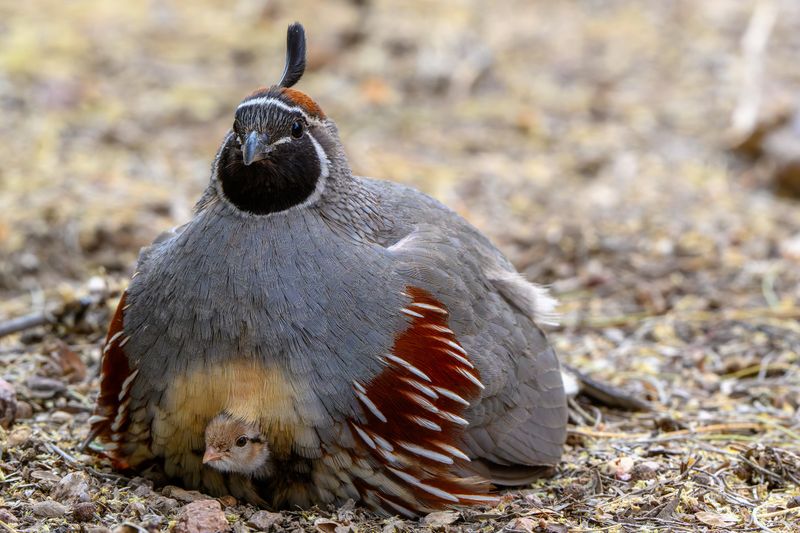
Watching a quail drop into a patch of dry soil and start rolling around looks casual, almost playful.
It is not. Dust bathing is one of the most important health behaviors quail perform, and yards that offer the right kind of spot for it earn repeat visits from whole coveys.
Dust bathing helps quail manage feather condition by absorbing excess oil and reducing parasites like mites and lice.
Birds work fine dry soil into their feathers by fluffing, rolling, and shaking, then shake it all out in a process that keeps their plumage in working order through every season.
Quail return to the same bathing spots repeatedly, treating them as a regular part of their daily routine much the way people treat a morning habit.
Creating a good dust bathing area requires very little. A patch of bare, loose, dry soil roughly two to three feet across is enough for one or two birds at a time. Fine decomposed granite or sandy desert soil works well.
The spot should sit in a sunny location since quail prefer warm, dry conditions for bathing. It should also be close to shrubs so birds can retreat quickly if something startles them mid-roll.
Avoid placing the bathing area in a corner with only one exit. Quail need to feel they can leave in multiple directions.
Keep the soil loose by raking it occasionally and prevent weeds from overtaking the patch. A well-maintained dust bath signals to quail that the space is reliably safe and available.
It is one of the easier habitat elements to create, and one of the more overlooked ones. Add it and watch the daily visit count go up.
5. Shallow Water With Escape Room
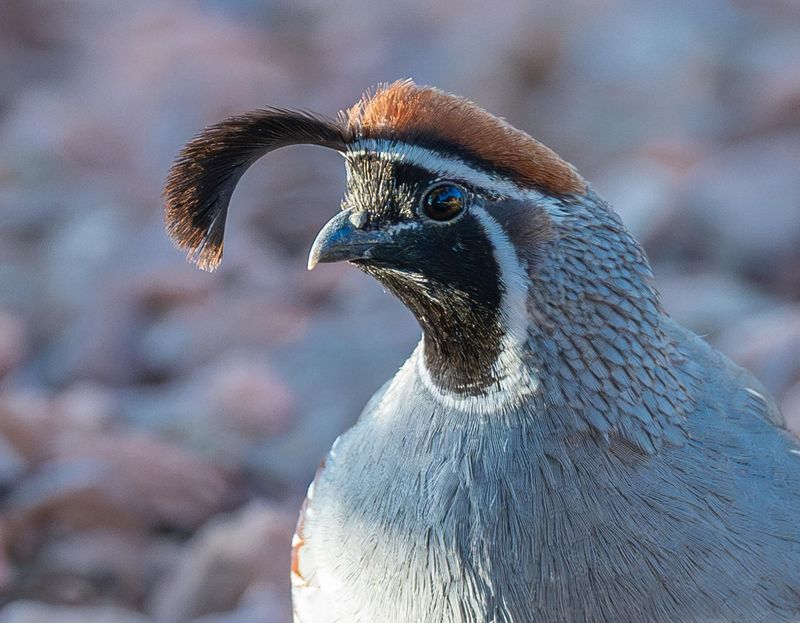
Water is the one thing quail cannot skip during an Arizona summer.
When temperatures push past 110 degrees, reliable clean water becomes as important as food and cover for a covey managing its daily needs. But how water is offered matters just as much as having it available at all.
Quail are cautious drinkers. They approach from cover, take a quick drink, and retreat immediately. Deep bird baths make them nervous because the sides are steep and slippery, making a fast exit difficult.
Shallow dishes no more than one inch deep at the center give quail solid footing and a clear way out. A flat rock or two placed inside makes it even more accessible and helps smaller birds and insects reach the water safely.
Placement determines whether quail use it at all. Set the water source within three to five feet of a dense shrub or low plant cluster.
Quail will not drink in the open if they feel exposed, and a water dish sitting alone in the middle of a gravel yard will be ignored.
Clean the dish every two to three days to prevent algae buildup and mosquito breeding. Fresh water in a clean, shallow dish with cover nearby is a combination quail find reliably worth returning to.
Consistent clean water during the hottest months can meaningfully increase how often quail include a yard in their daily circuit.
It is a small investment with a noticeable return. A shallow dish, a nearby shrub, and two minutes of maintenance every few days. The quail take it from there.
6. Thorny Plants Near Nesting Areas
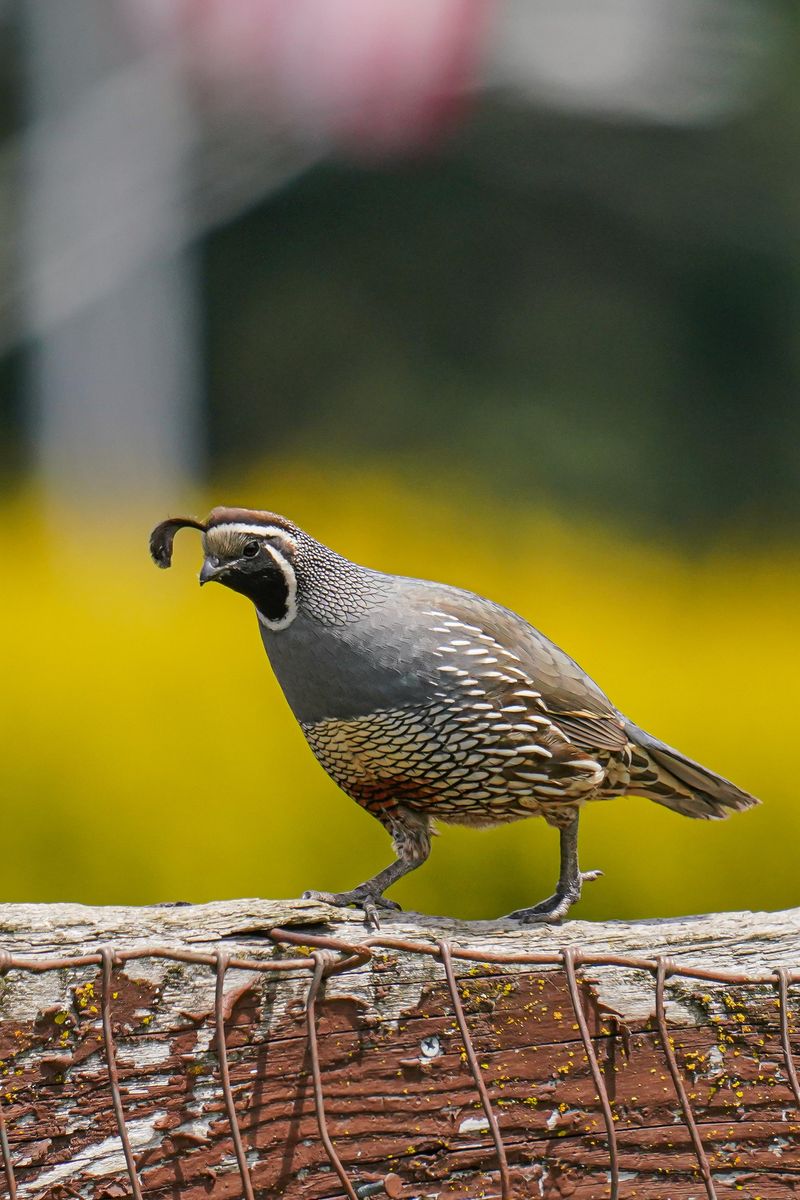
Gambel’s quail are bold parents, but they rely heavily on plant armor to protect their nests.
Thorny and spiny plants are some of the most valuable assets a quail-friendly yard can offer. They create natural barriers that most predators simply will not push through, which is a much more reliable protection than anything a homeowner can set up artificially.
Prickly pear cactus, cholla, and catclaw acacia are native Arizona plants that quail nest near regularly. These plants create a physical wall that coyotes, ravens, and snakes find uncomfortable to navigate.
Quail often nest at the base of spiny plants or within dense thorny shrubs precisely because the protective barrier improves the odds that eggs and young birds make it through the most vulnerable early stages of the season.
A cluster of prickly pear near a wolfberry or desert hackberry creates a layered nesting zone that feels secure from multiple angles.
Quail hens look for spots with overhead cover and side protection, places where they can sit tight without being easily spotted or approached from any direction.
Thorny plants near the edges of the yard are especially useful because quail often nest along perimeter areas where foot traffic stays low and disturbance is minimal.
Leave these plant clusters undisturbed from March through August, which covers the primary nesting season. Avoid pruning, mowing, or heavy activity in those zones during that window.
The quail are not asking for much. A spiny plant, a quiet corner, and the reasonable confidence that nobody is going to show up with a weed trimmer in April. That is a very manageable arrangement.
7. Leaf Litter With Insects
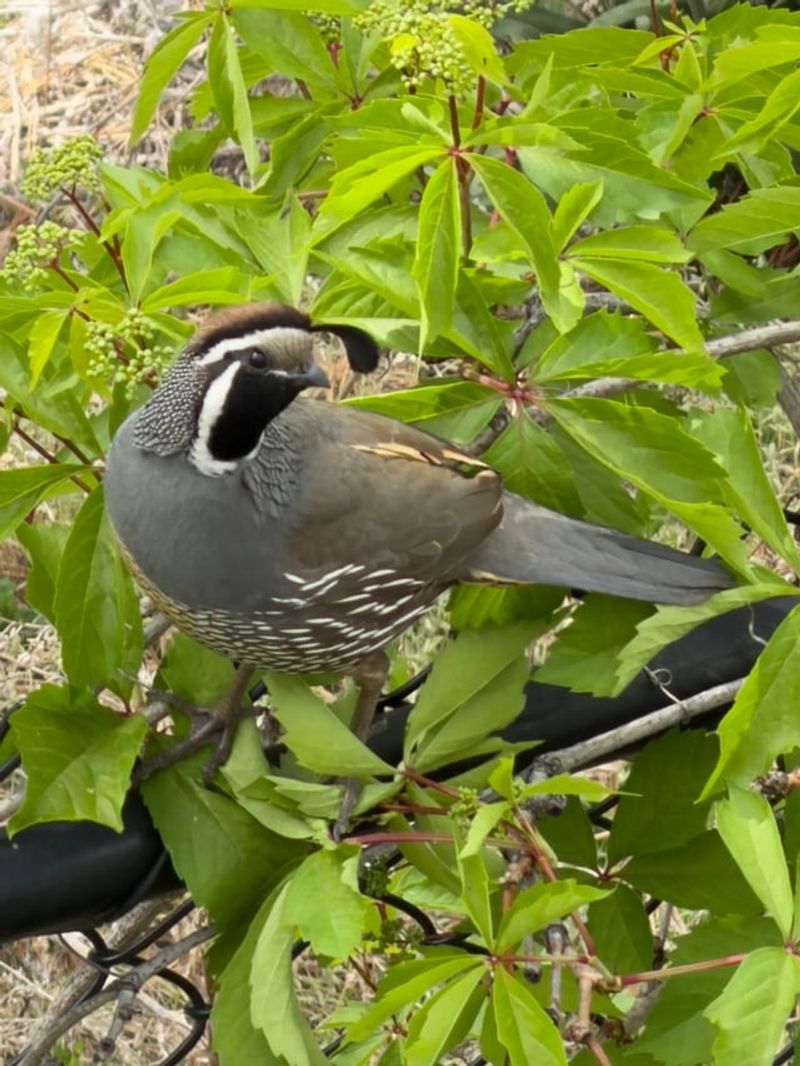
The pile of dry leaves under the desert willow might be feeding more quail than the bird bath.
This is the part most tidy-yard enthusiasts never consider, and it is one of the most impactful elements a yard can offer for quail that are raising young.
Leaf litter is a living layer of habitat packed with insects, beetle larvae, and tiny invertebrates that quail, especially chicks, depend on heavily for protein. Seeds alone cannot give young birds the nutrients required for rapid early growth.
A yard with natural mulch and decomposing leaf material hosts the kind of bug population that can support a whole covey of chicks through their most nutritionally demanding weeks.
Raking everything up and hauling it away removes the base of the food web. Instead, leave fallen leaves from native trees like palo verde and desert willow in loose layers under shrubs and let them break down naturally.
This creates the warm, slightly moist microhabitat that beetles, ants, and other insects favor. The insects attract the quail. The quail come back because the insects are consistently there.
A yard does not need to look neglected to support leaf litter. Strategic placement under shrubs and along fence lines keeps things looking reasonably maintained while still providing the ecological function quail need.
Even a modest layer of leaf debris under native plants meaningfully increases insect diversity, making the yard far more attractive to foraging quail throughout the year.
The leaves you would have bagged and hauled away are doing more ecological work than almost anything else in the yard. That is a genuinely satisfying reason to skip the rake.
8. Quiet Edges Away From Pets
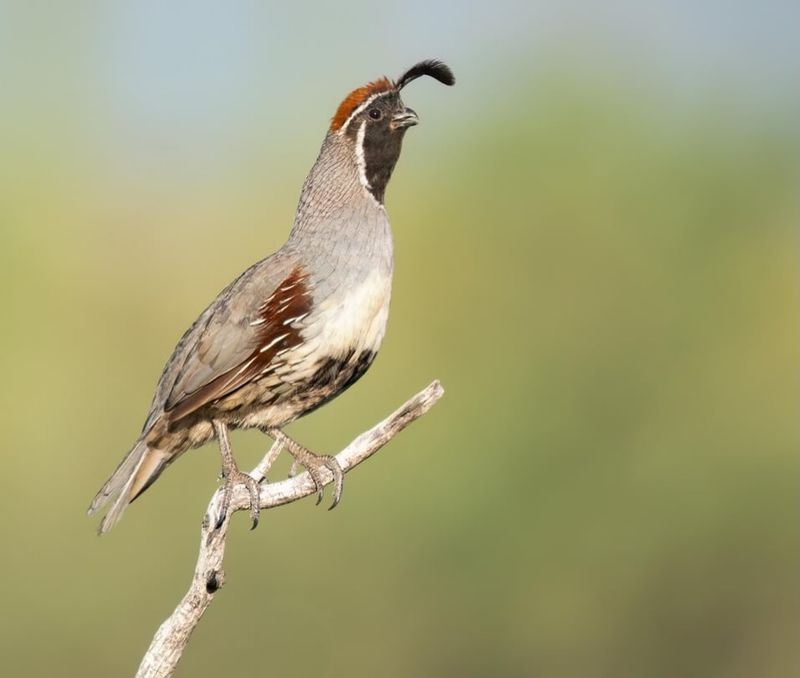
Even the best quail habitat falls flat if the yard feels like a danger zone.
Quail are alert, cautious birds that read a space quickly. A yard with dogs running loose or cats patrolling fence lines is one quail eventually stop visiting, no matter how good the plants are.
Outdoor cats are a serious concern for ground-feeding birds. Even a cat that is not actively hunting creates enough consistent stress that quail avoid areas where they regularly sense its presence.
The threat does not have to be active to be effective as a deterrent.
Dogs are less of a consistent problem, but a yard where a large dog runs freely offers quail very little peace.
Designating one section as a pet-free zone, even a narrow strip along a fence line with native plantings, creates the calm corridor quail need to feel comfortable foraging and resting.
Low human foot traffic also helps. Quail tolerate people watching from a distance but flush easily when someone approaches too closely too often.
Placing seating and activity areas away from quail-focused plantings lets birds use the habitat without constant interruption.
One quiet edge of the property, treated as a designated wildlife zone where the yard steps back and lets nature operate on its own terms, can become the most active part of the whole space from a wildlife perspective.
The quail are not asking for the whole yard. They are asking for one undisturbed corner where the plants are right and the dog is somewhere else.
That is a very reasonable request, and most Arizona yards can accommodate it without any significant sacrifice. Give them the corner. They will give you mornings worth waking up early for.