Oregon Native Flowers That Outperform Annuals In Dry Summer Weather
Oregon’s seasons have a pretty distinct personality. Wet winter that goes on forever, then a long dry summer that catches your bedding annuals completely off guard.
If you have ever found yourself out there with a watering can every single evening just to keep your petunias from giving up, you already know exactly what we are talking about.
Oregon native flowers have a different story entirely.
These plants spent thousands of years figuring out how to handle dry summers without anyone topping off their water supply daily, and once established they genuinely show it.
Less watering, perennial comeback potential, real pollinator support, and a border that actually looks good through August instead of barely surviving it.
Not every native blooms nonstop all season, but the tradeoff is honestly a pretty good deal for gardeners.
1. Oregon Sunshine Thrives In Dry Sun
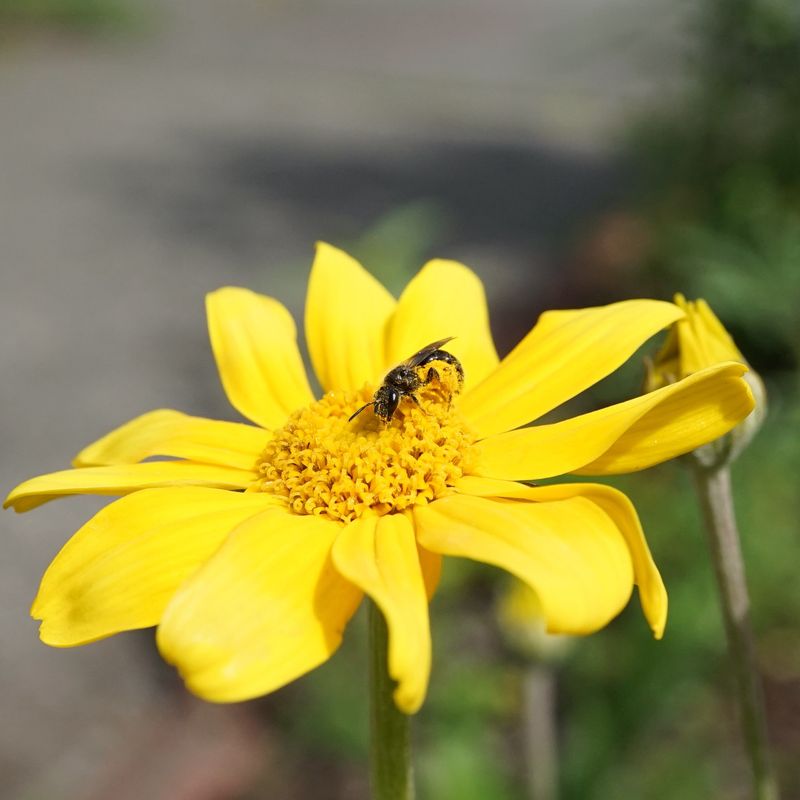
Sunny slopes and gravelly banks are where this cheerful wildflower truly earns its name.
Oregon Sunshine, known botanically as Eriophyllum lanatum, produces bright yellow daisy-like flowers on low, woolly-leaved mounds that look right at home in a rock garden or along a dry border edge.
The silvery-gray foliage is part of what makes it so well suited to hot, exposed spots where most bedding annuals would wilt fast.
Unlike impatiens or lobularia that need steady moisture to keep flowering, Oregon Sunshine settles into lean, well-drained soil and handles dry summer conditions with minimal fuss once roots are established.
Gardeners should still water it during the first growing season to help roots develop, but after that it asks for very little.
Overwatering or planting in heavy clay can cause more problems than drought ever would.
Bloom time runs roughly from late spring into early summer, and some plants rebloom lightly if conditions stay favorable. It works beautifully at the front of a native bed, spilling over rock walls, or planted in drifts along a sunny driveway border.
For a low-water landscape that still delivers real color, few Oregon natives compete with this one in full sun.
2. Common Yarrow Handles Low-Water Borders
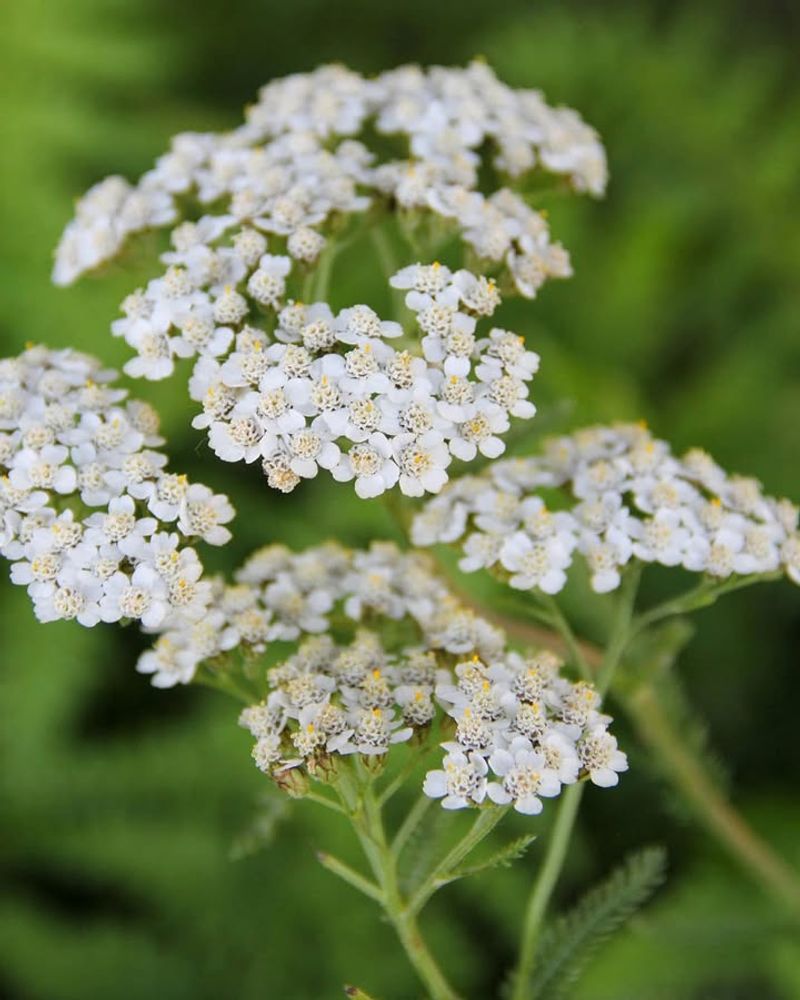
Few plants are as forgiving in a dry summer as Common Yarrow. Achillea millefolium grows naturally across Oregon meadows, roadsides, and open slopes, which tells you a lot about its toughness.
The flat-topped flower clusters come in white on native forms, and the finely cut, ferny foliage stays attractive even when rain is scarce for weeks at a time.
In low-water borders and meadow-style plantings, yarrow fills space without demanding much back. It spreads by rhizomes and can reseed, so it suits informal or naturalistic designs better than tight, formal flower beds.
Homeowners who want a tidy, clipped look may find it needs occasional editing to stay in bounds, but in the right setting it becomes a reliable workhorse that bedding annuals simply cannot match for longevity.
Pollinators love the wide, landing-pad blooms, and yarrow attracts a good range of native bees and beneficial insects through the summer months.
Established plants handle dry spells without wilting or dropping leaves, making them a strong candidate for eco-lawn-style areas or sunny native patches in Oregon gardens.
Your Oregon Garden Changes Every Week. Your Plan Should Too.
Gardening in Oregon changes quickly throughout the season. Every Friday you’ll receive a simple weekly plan showing exactly what to plant, prune, fertilize, harvest, and protect so you never miss the right timing.
Give it full sun and decent drainage, and it will keep performing year after year with very little extra effort from the gardener.
3. Broadleaf Stonecrop Blooms In Dry Spots
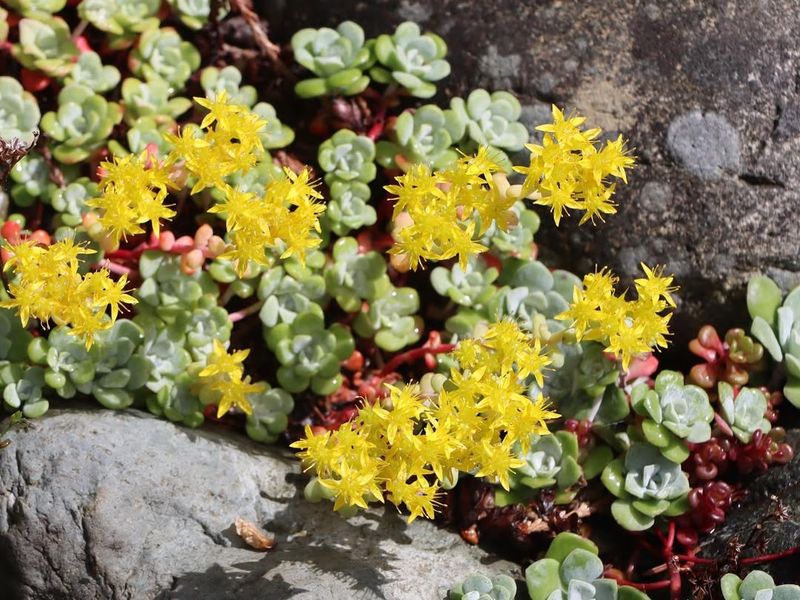
Gravelly edges, rock walls, and containers with sharp drainage are exactly where Broadleaf Stonecrop feels at home.
Sedum spathulifolium is a low-growing Oregon native succulent that forms tight rosettes of fleshy, spoon-shaped leaves, often with a silvery or blue-green bloom on the surface.
Small clusters of bright yellow flowers appear in late spring to early summer, adding a cheerful pop of color to spots where richer, wetter soil would do more harm than good.
Most bedding annuals would struggle in the kind of lean, dry, fast-draining spots where this stonecrop thrives. Petunias need consistent moisture and fertility; this native asks for neither once it has settled in.
Overwatering is the main risk, especially in heavy soils that hold moisture too long through winter and spring.
Rock gardens, dry stone walls, and the edges of gravel paths are all excellent placements. It also works well in shallow containers placed in full sun on a patio or deck, where drainage is easy to control.
The foliage alone earns it a spot in any low-water Oregon garden, with the bonus of cheerful yellow blooms each season. Just keep it away from irrigation zones and rich amended beds where it tends to struggle.
4. Oregon Iris Likes Dry Summer Soil
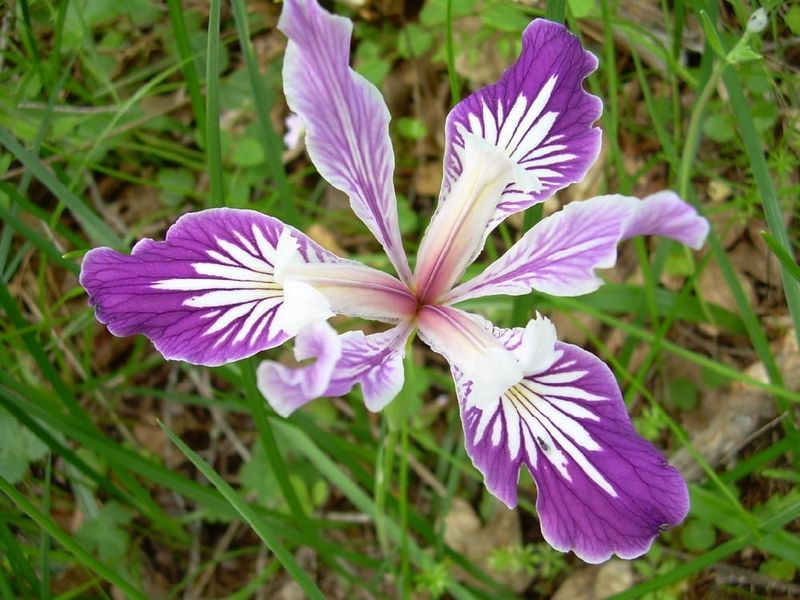
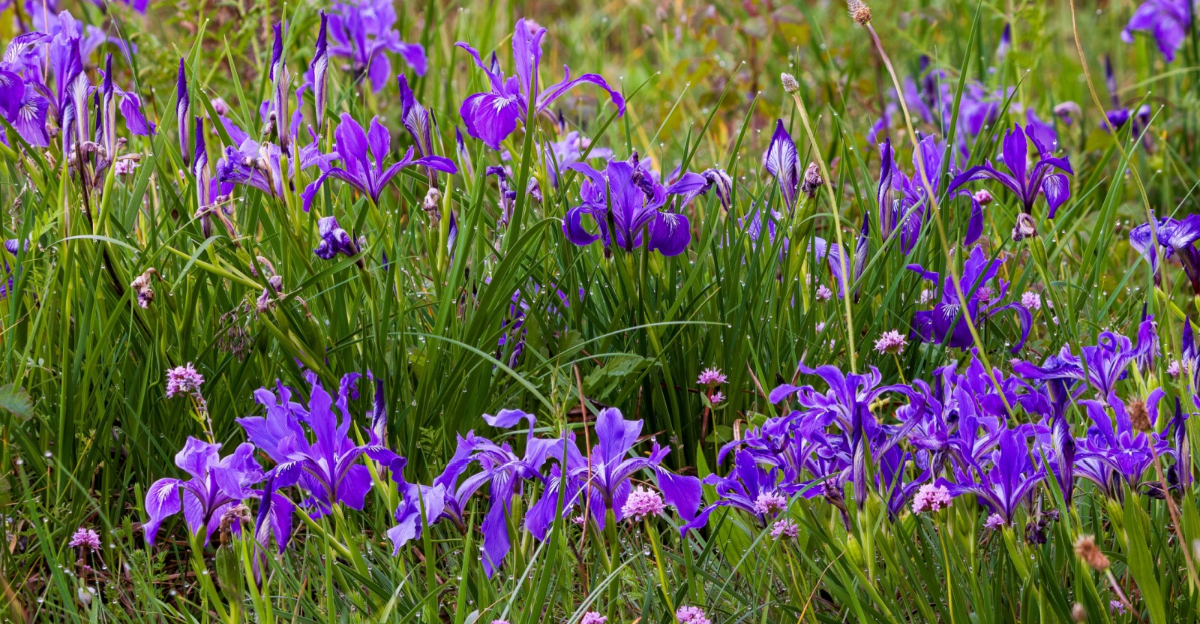
Walking past a native Oregon border in spring and spotting the delicate purple blooms of Oregon Iris is one of those small gardening pleasures that sticks with you.
Iris tenax is Oregon’s state flower and a genuinely useful plant for home gardens, offering spring color in shades ranging from deep purple to pale lavender and occasionally white or yellow.
The slender, grassy foliage stays tidy and takes up very little space in a bed.
What makes this iris especially valuable is its preference for dry summer soil. After it blooms in spring or early summer, it naturally goes semi-dormant and appreciates reduced watering.
In garden spots that dry out through July and August, this iris performs far better than most annuals that need regular irrigation to stay presentable.
Full sun to part shade both work depending on the site, and Oregon Iris handles reasonably well-drained soils without needing much amendment.
It pairs naturally with other low-water Oregon natives and fits neatly into a mixed native border or a woodland edge planting.
First-year plants benefit from some establishment watering, but once roots are settled, this iris handles Oregon’s dry summer rhythm with ease. It won’t replace a showy annual display, but it brings genuine native character to the garden.
5. Douglas Iris Needs Summer Dryness
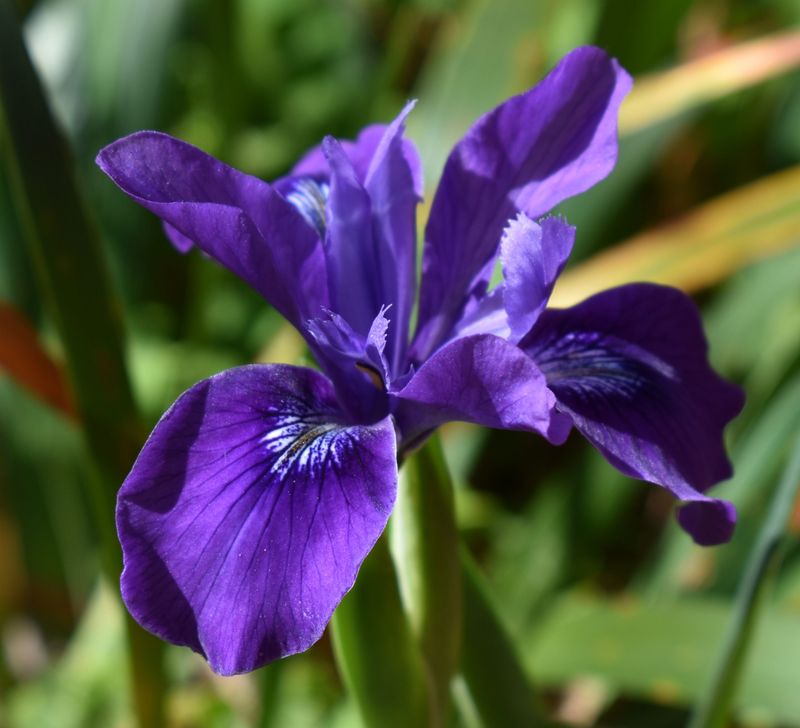
Not every gardener realizes that some native irises actually perform better when summer water is withheld rather than added. Douglas Iris, Iris douglasiana, is one of those plants.
Native to coastal areas of Oregon and California, it produces large, showy blooms in shades of purple, blue, lavender, and cream in spring, then settles into a summer-dry rest period that it genuinely needs to stay healthy.
Giving Douglas Iris regular summer irrigation, especially in heavy soil, can lead to rot and decline. Homeowners used to watering their annuals on a daily schedule may unintentionally harm this iris by treating it the same way.
The key is to let the soil dry out once flowering finishes and resist the urge to keep the ground moist through summer.
In the right spot, such as a sunny to partly shaded border with good drainage and no summer irrigation zone, Douglas Iris can be a long-lived, low-maintenance plant that returns reliably each year.
The bold spring flowers offer a display that rivals many showy annuals, and the evergreen foliage keeps the border looking structured through the dry months.
For gardeners who can match the plant to a naturally dry summer site, this iris is a strong and rewarding choice.
6. Checkermallow Brings Tall Native Color
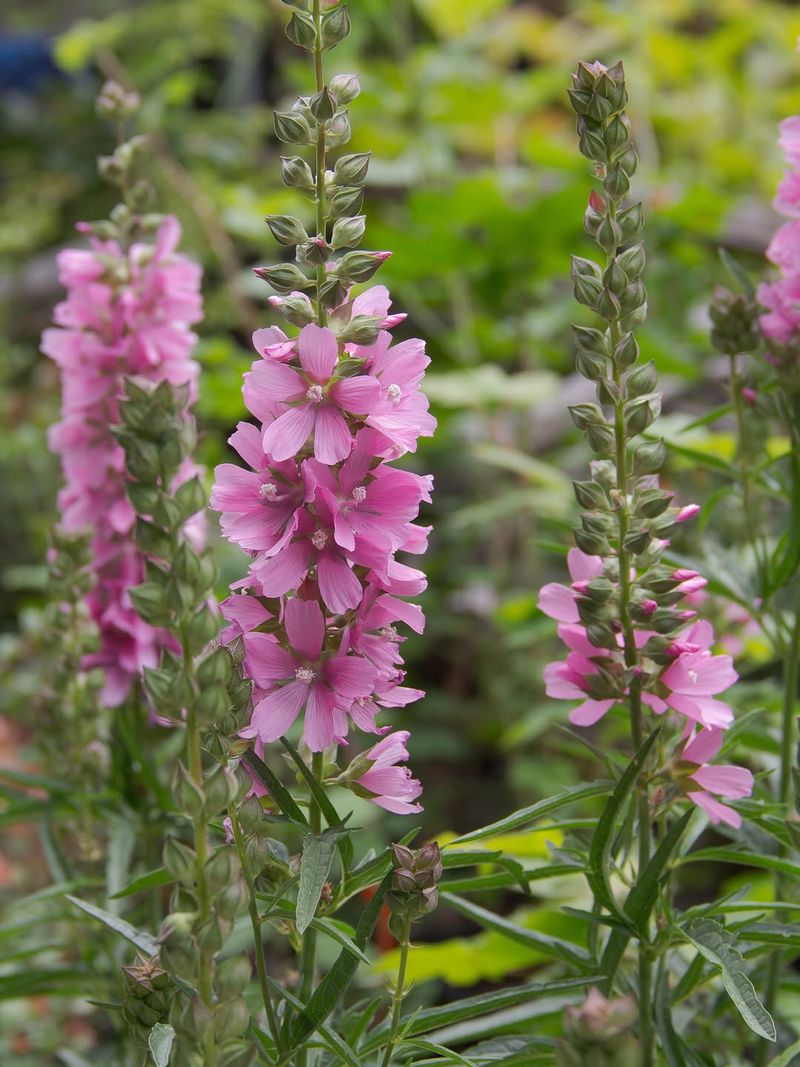
Tall, airy, and covered in small pink to rose flowers on upright stems, Checkermallow adds a vertical element to sunny borders that few low-growing natives can match.
Several garden-worthy species and cultivars exist within the Sidalcea genus, including Sidalcea oregana, which is native to Oregon meadows, open slopes, and streamside areas.
The hollyhock-like blooms are smaller and more delicate than their cultivated cousins, giving the plant a naturalistic, meadow-style look.
Sunny or partly sunny borders with reasonable drainage suit most checkermallows well.
Bloom time runs from late spring through summer depending on the species and conditions, and established plants can handle Oregon’s dry summer weather without constant irrigation.
Some species tolerate more moisture than others, so matching the right checkermallow to your specific site conditions helps ensure the best performance.
Compared to tall bedding annuals like snapdragons or stocks that need steady water and feeding, Checkermallow asks for far less once it has settled in.
Native bees and hummingbirds visit the flowers regularly, making it a solid pollinator plant for Oregon gardens.
Taller plants may benefit from light support in windy spots, and cutting stems back after the main bloom can encourage additional flowering. It fits well in naturalistic borders, rain garden edges, and open meadow-style plantings across Oregon.
7. Blue-Eyed Grass Handles Dry-To-Moist Beds
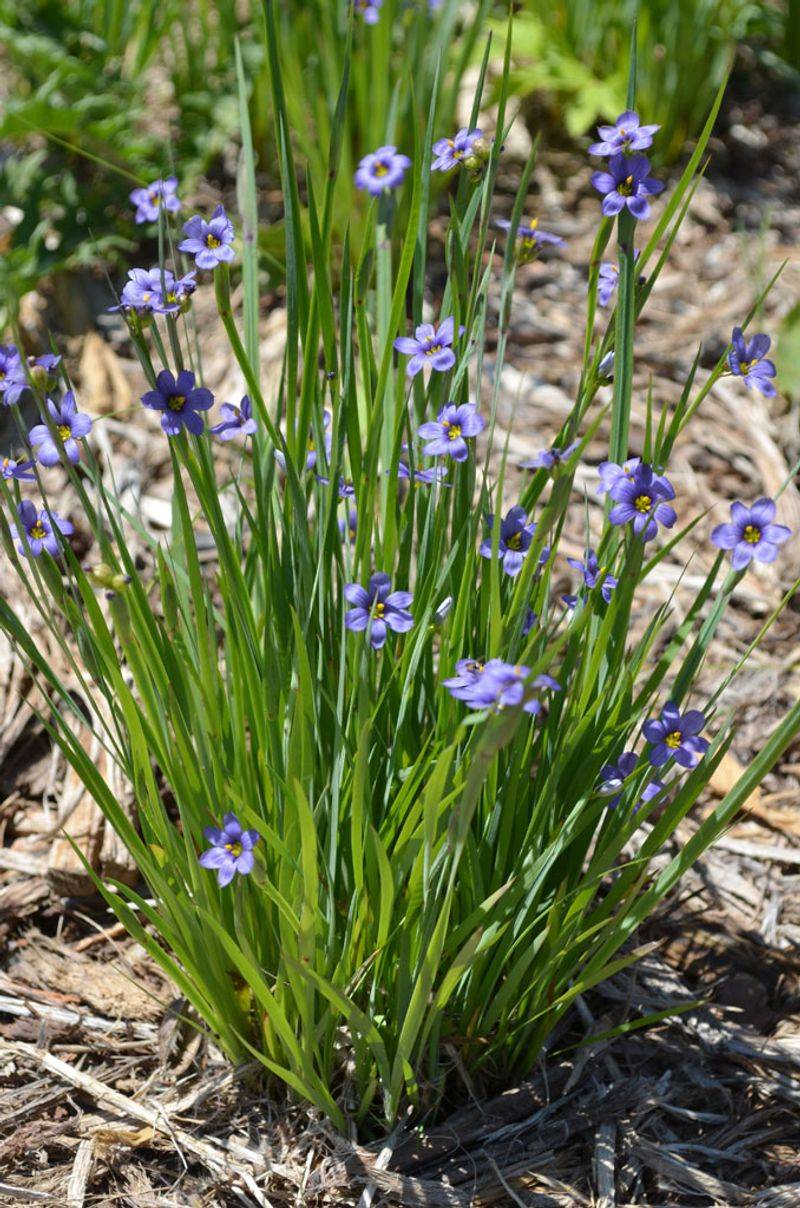
Small but surprisingly striking, Blue-Eyed Grass produces cheerful blue-violet flowers with bright yellow centers on slender, grass-like stems that blend naturally into mixed native beds.
Sisyrinchium bellum and related species are members of the iris family rather than true grasses, which surprises many gardeners who first encounter them.
The delicate blooms appear in spring and early summer, creating a soft, naturalistic look that suits low-water borders and meadow-style plantings in Oregon.
This plant handles a range of moisture conditions, from dry-to-moist, which makes it more flexible than some other natives. That said, it is not the toughest hot, dry, full-sun plant in every Oregon situation.
Spots with some afternoon shade or soils that retain a bit of moisture tend to suit it well, and in very exposed, baking-hot conditions it may not perform as strongly as more drought-hardened natives.
Blue-Eyed Grass can reseed readily, which is worth knowing before planting it near tidy formal borders. In naturalistic areas or open native beds, the self-seeding habit helps it fill in over time without much effort.
It pairs well with yarrow, Oregon iris, and other low-water natives. Pollinators, especially small native bees, visit the flowers regularly, adding extra value to any pollinator garden.
8. Goldenrod Adds Late-Season Yellow
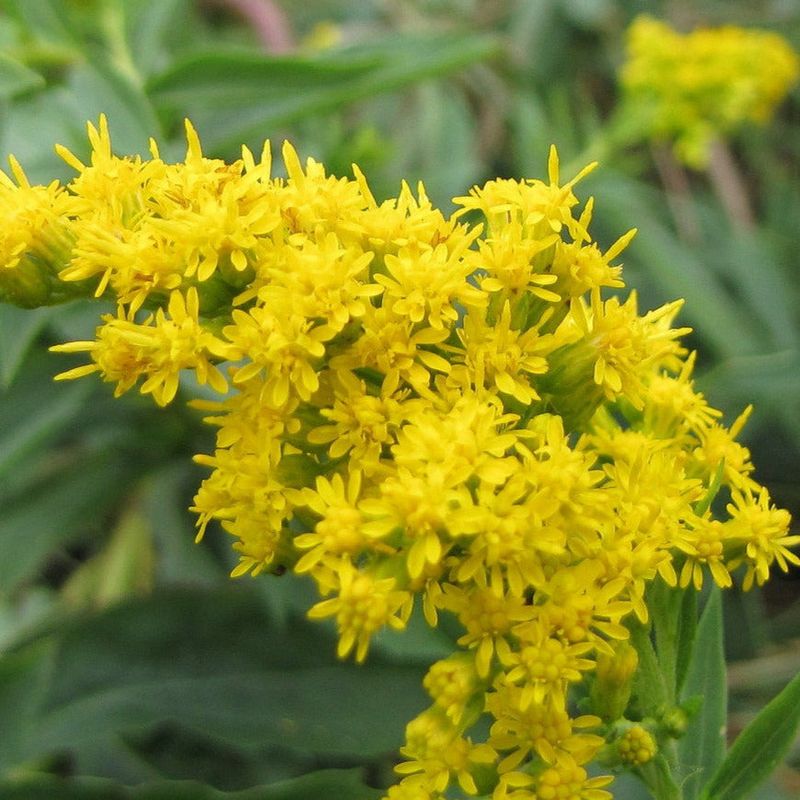
By late summer, when many Oregon gardens look tired and faded, Goldenrod steps in with a burst of warm yellow that revives the whole border.
Oregon has several native Solidago species, and they are among the most valuable late-season plants for pollinators in the region.
Bees, butterflies, and other beneficial insects flock to the arching, plume-like flower clusters from late summer into fall, making Goldenrod a strong choice for anyone building a pollinator-friendly landscape.
Established plants handle dry summer conditions reasonably well, especially in sunny, open sites with decent drainage.
Goldenrod spreads by rhizomes and can reseed, so it fits best in larger native borders, meadow-style plantings, or open areas where it has room to move without crowding out smaller neighbors.
In tighter formal beds it may need more management to stay in place.
One thing worth noting is that Goldenrod is often blamed for hay fever, but the pollen is actually too heavy and sticky to be airborne. Ragweed, which blooms at the same time, is the more likely culprit.
For gardeners willing to give it the right amount of space, Goldenrod delivers reliable late color and outstanding wildlife value at a time of year when most annuals have long since given up. It earns its place in any serious low-water native border.
9. Pearly Everlasting Keeps Going In Dry Soil
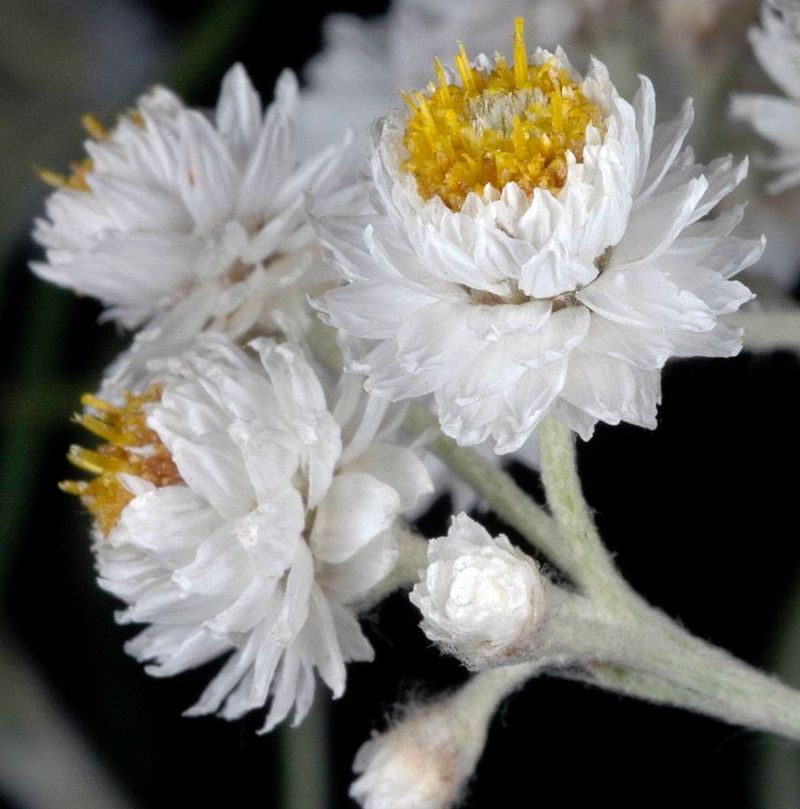
Gray-green foliage and clusters of small, papery white bracts give Pearly Everlasting a soft, almost frosted appearance that stands out in a dry Oregon border.
Anaphalis margaritacea is native to open, dry-to-moist areas across Oregon and much of the Pacific Northwest, and it has a reputation for keeping its good looks even when summer moisture is limited.
The flowers hold their shape and color well, which is part of why they have long been used in dried arrangements.
Compared to annuals that collapse in dry heat, Pearly Everlasting maintains its structure and foliage through Oregon’s summer dry spells without much fuss.
It spreads by rhizomes and can form colonies over time, which works well in naturalistic plantings or open native areas but may need monitoring in smaller beds.
Full sun to part shade both work, and the plant tolerates a fairly wide range of soil types as long as drainage is reasonable.
Painted Lady butterflies use Pearly Everlasting as a larval host plant, which gives it extra ecological value beyond its ornamental appeal. Bloom time runs from midsummer into fall, extending the season when many spring-blooming natives have already finished.
For gardeners who want a reliable, low-water plant with genuine wildlife credentials and a long season of interest, this is a solid and underused option.
10. Western Red Columbine Fits Flexible Borders
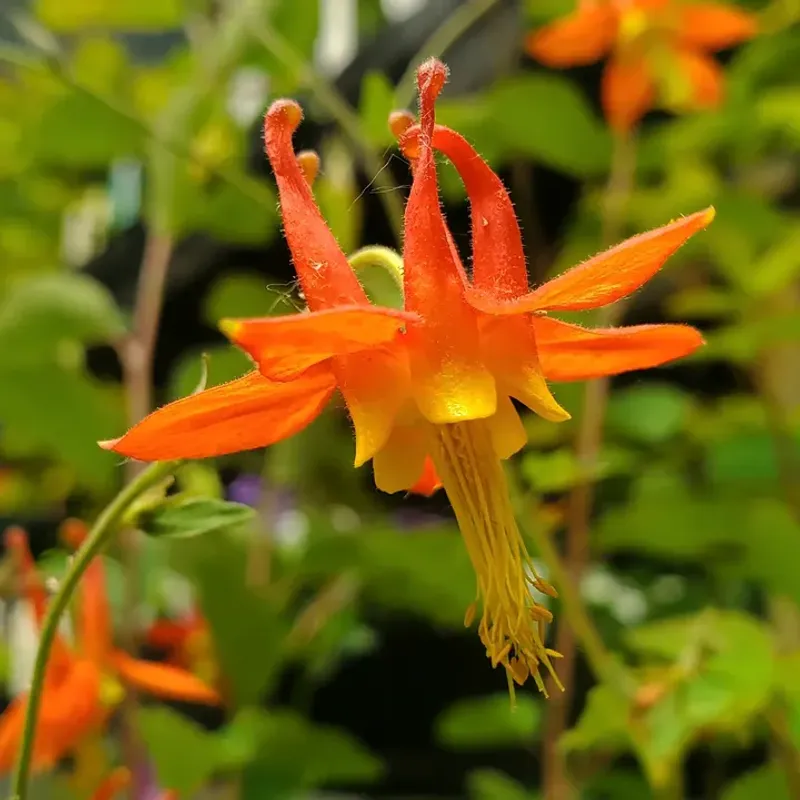
Red and yellow nodding flowers on long, slender stems make Western Red Columbine one of the most visually distinctive natives available to gardeners.
Aquilegia formosa blooms in late spring to early summer and is a favorite of hummingbirds, which are drawn to the tubular, nectar-rich flowers.
It fits naturally into woodland edges, part-shade borders, and mixed native beds where conditions are a bit more sheltered than a full-sun rock garden.
Western Red Columbine can handle drier summer conditions once established, but it should not be treated as a hot, full-sun drought champion in every Oregon garden.
It performs best where it gets some shade during the hottest part of the day, and it appreciates soil that does not bake completely dry through August.
In the right spot, though, it asks for far less water than most bedding annuals and returns reliably each year.
Plants self-seed freely, which helps them naturalize in a border over time. Deadheading spent flowers before seeds ripen can reduce spreading if that is a concern.
The ferny, blue-green foliage stays attractive even when the plant is not in bloom, adding texture to mixed plantings.
For flexible borders that include both sun and shade, Western Red Columbine brings genuine native charm and strong wildlife value to Oregon gardens throughout the season.