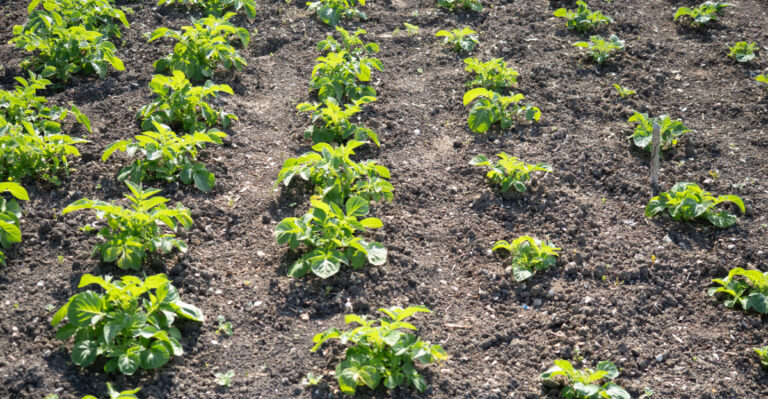
Cut These 8 Herbs Back In July For A Bigger Fall Harvest In Wisconsin
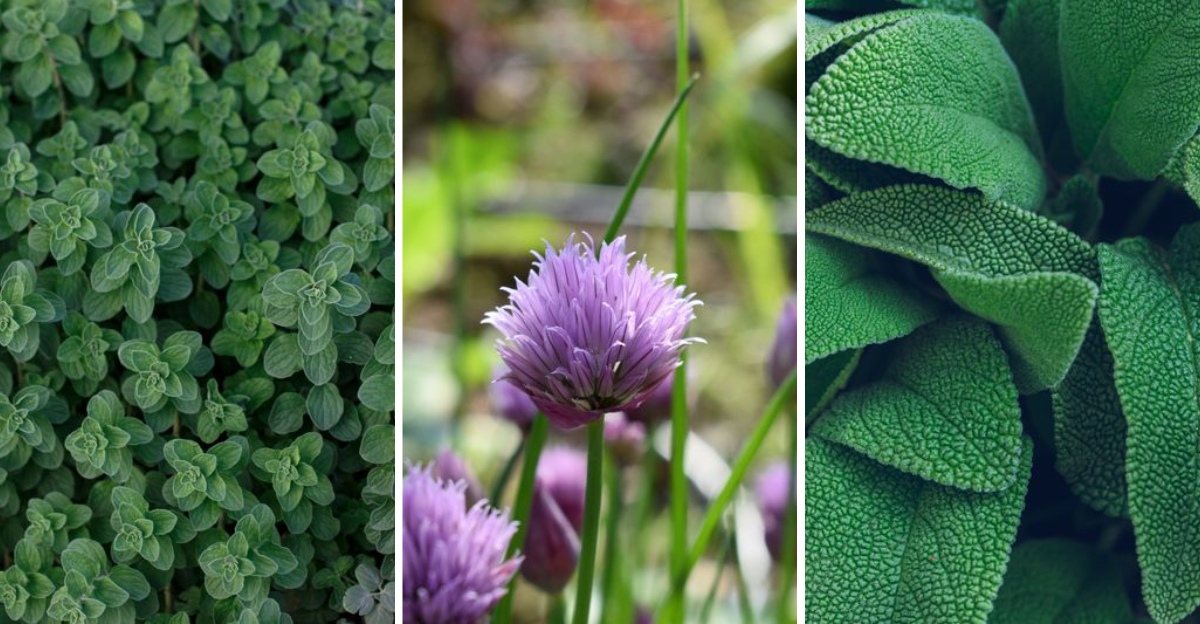
July in Wisconsin tricks you. The garden is just hitting its stride, everything climbing and thickening, and it feels like the growing season has years left in it.
But your herb bed is quietly asking for scissors, not sunscreen. Miss this window and things get woody, leggy, some even throw up a flower stalk and call it quits for the summer.
The fix sounds backwards: cut things back now, right when they look their best, and you get a second wind of tender growth before the first frost shows up.
Wisconsin gardeners who skip this step usually end up with sad, sparse cuttings later in the season. Skip it, and you’re buying the dried stuff at the store come October.
Container gardens, raised beds, sprawling backyard rows, it doesn’t matter what you’re growing in.
A few specific herbs in your garden are ready for a trim right now, and your future self will thank you for finding out which ones.
1. Basil
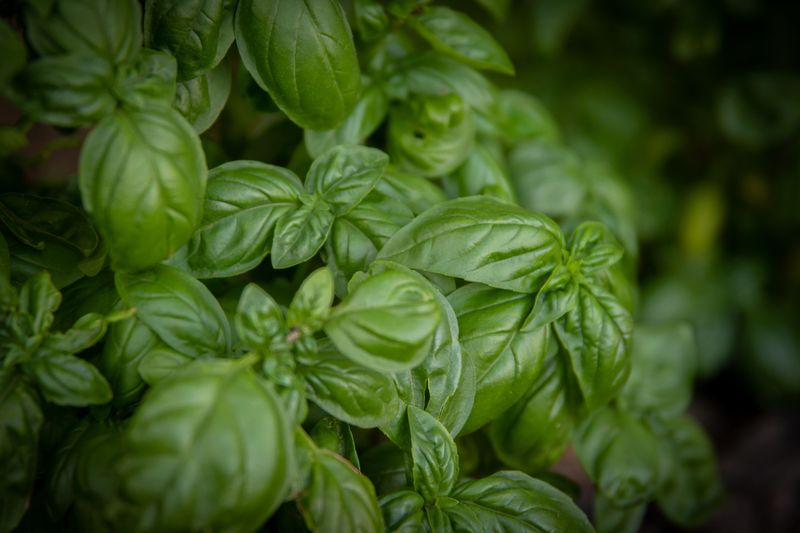
Basil tends to bolt and flower quickly once July heat sets in. Once basil bolts and flowers, the leaves turn bitter fast.
Cutting it back hard in mid-July keeps the plant focused on leaf production instead of seed-making.
Snip stems just above a leaf node, removing about one-third of the plant each time. New side shoots will sprout within days, doubling or even tripling your harvest potential before frost arrives.
The trick is to never let flower buds fully open before you cut them off. Basil thrives in Wisconsin summers because the warm soil and long days fuel rapid regrowth after pruning.
A plant that looks sparse in late July will be bushy and fragrant by mid-August. That is a trade worth making every single season.
After trimming, water deeply and add a light layer of compost around the base. The extra nutrients push fresh growth faster and keep leaves tender.
Bold, sweet basil flavor in October is worth the small time investment in July. One more tip: many gardeners prefer to cut basil in the morning, when oils are believed to be more concentrated.
The leaves you harvest during pruning are perfect for pesto, sauces, or freezing. Do not let those trimmings go to waste when they are at peak flavor.
2. Chives
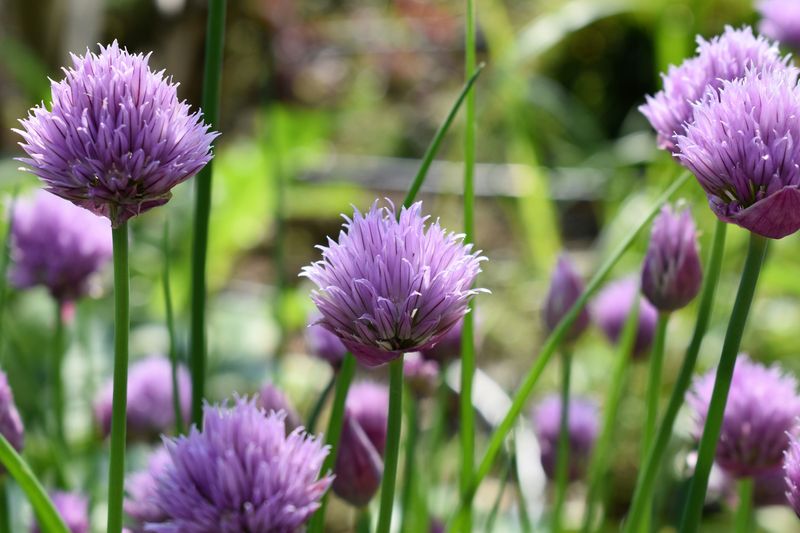
Chives are tough, reliable, and incredibly forgiving, which makes them a garden favorite across Wisconsin. By July, most chive clumps have already bloomed and are starting to look tired and floppy.
That is your signal to pull out the scissors and cut them back to about two inches above the soil. Cutting chives this low might feel aggressive, but the plant bounces back with surprising speed.
Fresh, tender shoots emerge within one to two weeks, and they are noticeably milder and more flavorful than the older growth.
That second flush of chives in late summer is often milder and more flavorful than the first. Chives left uncut after blooming will put energy into seed production rather than leaf growth.
Your Wisconsin Garden Changes Every Week. Your Plan Should Too.
Gardening in Wisconsin changes quickly throughout the season. Every Friday you’ll receive a simple weekly plan showing exactly what to plant, prune, fertilize, harvest, and protect so you never miss the right timing.
The foliage yellows, the flavor weakens, and the whole clump can look ragged heading into fall. A hard July cut resets the clock and gives you weeks of fresh harvests before the first frost.
After cutting, sprinkle a small amount of balanced fertilizer around the base and water it in well. The nutrients accelerate regrowth and keep the new shoots deep green and packed with onion-forward flavor.
Chives are one of the easiest herbs to revive with just a little mid-season attention. Bonus tip: the purple blossoms you cut off are completely edible.
Toss them into salads or use them as a garnish for a mild, oniony punch. Nothing about this plant goes to waste in a smart kitchen garden.
3. Oregano
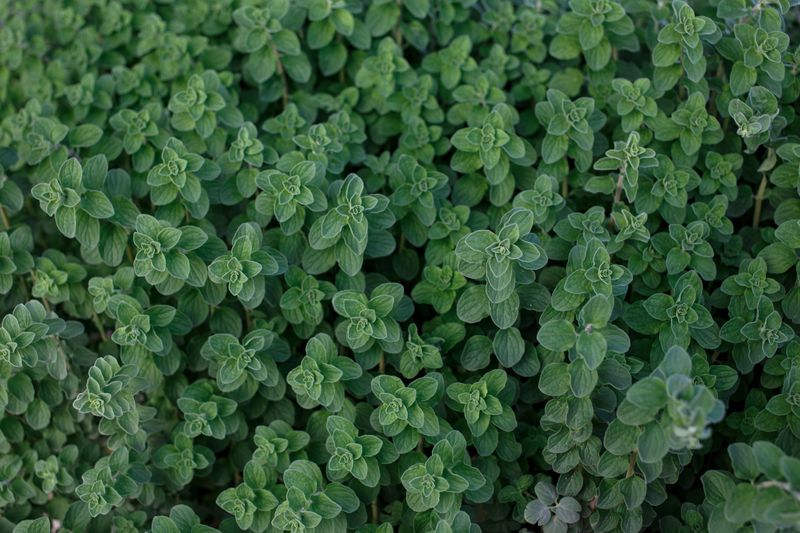
Oregano is a workhorse herb that quietly takes over garden beds if you let it go unchecked through summer. By mid-July, stems get long, woody, and start flopping outward in all directions.
A firm pruning session brings structure back and signals the plant to push fresh, aromatic growth from the base.
Cut stems back by about half, targeting the longest and woodiest branches first. Always cut just above a set of leaves so the plant has a launching point for new shoots.
Within about two weeks, compact new growth typically fills in, giving you far more harvestable material by September.
Oregano that skips the July trim tends to bolt and flower heavily, which reduces leaf production. Flowers are not bad on their own, but they shift the plant’s energy away from the flavorful leaves you actually want.
Keeping flowers pinched and stems cut maintains peak oil content in the foliage. Wisconsin’s warm July soil is well-suited for oregano recovery after pruning.
The plant roots are established and strong, so regrowth happens fast when conditions are right. You can typically expect a fuller plant within three to four weeks of cutting back.
Oregano prunings are worth drying right away since the leaves are at their most potent in summer.
Bundle small stems together and hang them upside down in a warm, airy spot. Dried July oregano often has more flavor than store-bought dried oregano.
4. Mint
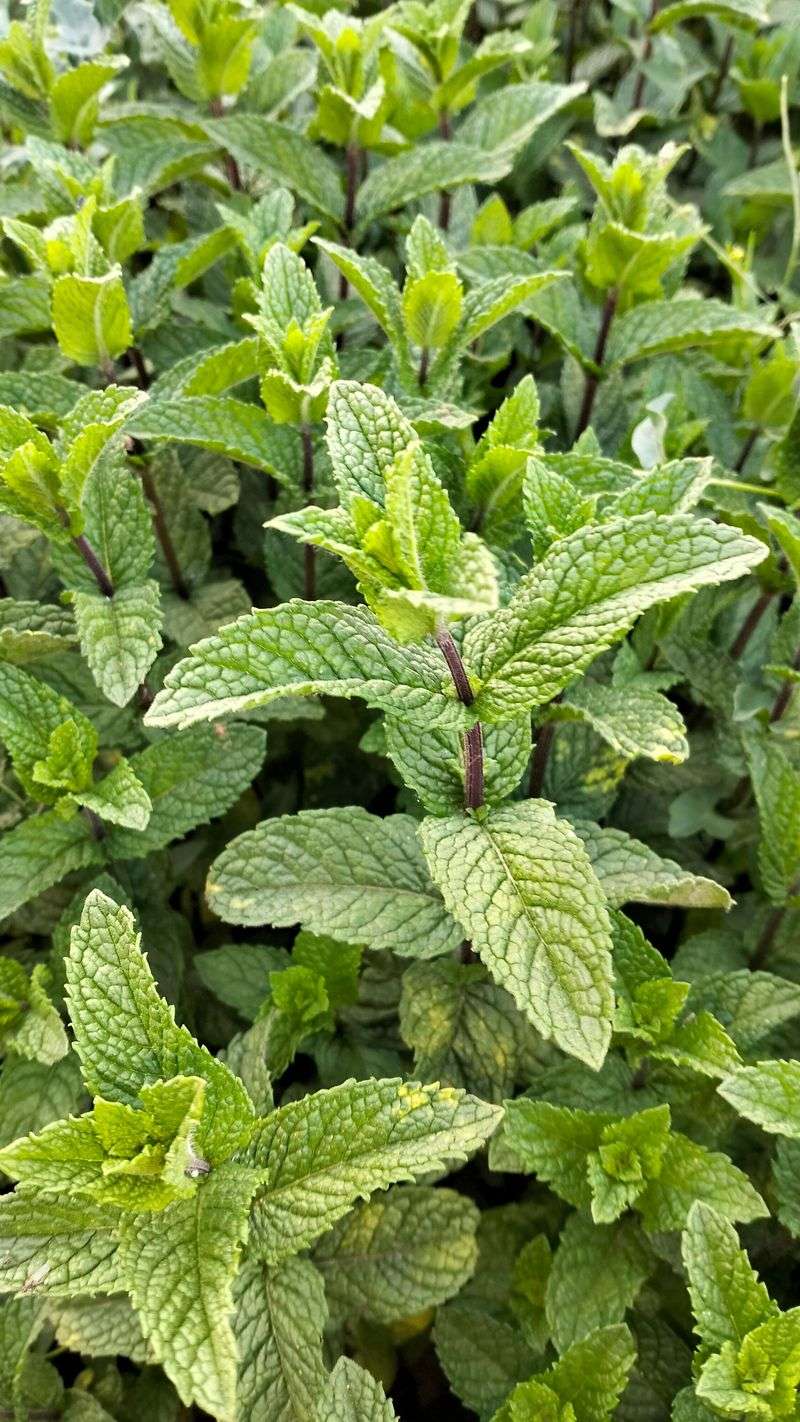
Mint spreads aggressively and grows tall if left unpruned. By July, mint plants can often reach twelve to eighteen inches, becoming leggy and less flavorful at the tips.
Cutting them back hard is not just helpful; it is practically necessary for garden order. Trim mint stems down to about three to four inches above the soil line for the best results.
This level of pruning looks dramatic at first, but new shoots appear quickly and the regrowth is noticeably more compact and flavorful.
The fresh leaves that emerge after a hard cut are tender and packed with bright, cool flavor. Mint that flowers loses much of its signature intensity in the leaves.
July is usually when flower spikes start forming, so getting ahead of them with your shears makes a real difference.
Removing those spikes redirects energy straight back into lush leaf production. Because mint spreads aggressively, a July trim is also a good time to check the edges of your planting area.
Pull back any runners that have crept beyond their borders and compost them or pot them up as new plants.
Staying on top of spread now saves you serious work in the fall. Freshly cut mint from July prunings is perfect for teas, cocktails, and summer sauces.
The scent alone when you cut into a healthy plant is worth the whole gardening experience. Keep trimming every few weeks and mint will reward you generously all season long.
5. Parsley
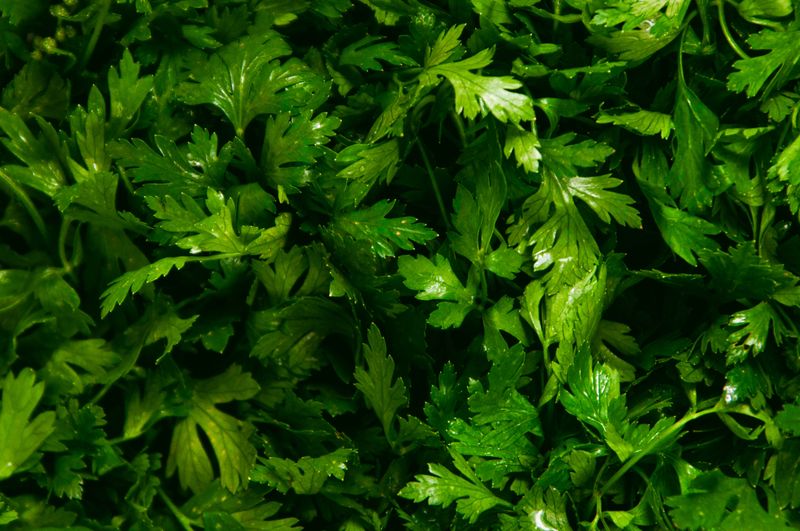
Parsley is a two-year plant with a mission, and understanding that mission helps you harvest more of it. In its first year, parsley focuses on leaf growth, which is exactly what you want to encourage in July.
Cutting outer stems back to the base in mid-summer keeps the plant producing fresh foliage well into fall.
Always harvest or prune the outermost stems first, leaving the inner cluster of young growth untouched. This approach keeps the plant’s energy directed toward producing new leaves from the center outward.
Within a week or two, you will typically notice the center filling in with bright, fresh growth.
Parsley that gets crowded and overgrown tends to bolt in late summer, especially during heat spikes. A good July trim opens up airflow around the plant and reduces the stress that triggers early bolting.
Less stress means more leaves and a longer productive season before Wisconsin’s first frost arrives.
Flat-leaf varieties like Italian parsley respond especially well to mid-summer pruning. Curly parsley benefits too, though it tends to be slightly slower to regrow after cutting.
Both types deserve a spot in your July garden maintenance routine. The stems you remove during pruning are fully usable in the kitchen right away.
Chop them into soups, grain salads, or herb sauces for a fresh, grassy punch of flavor. Parsley is one of those herbs where pruning and harvesting are essentially the same satisfying task.
6. Tarragon
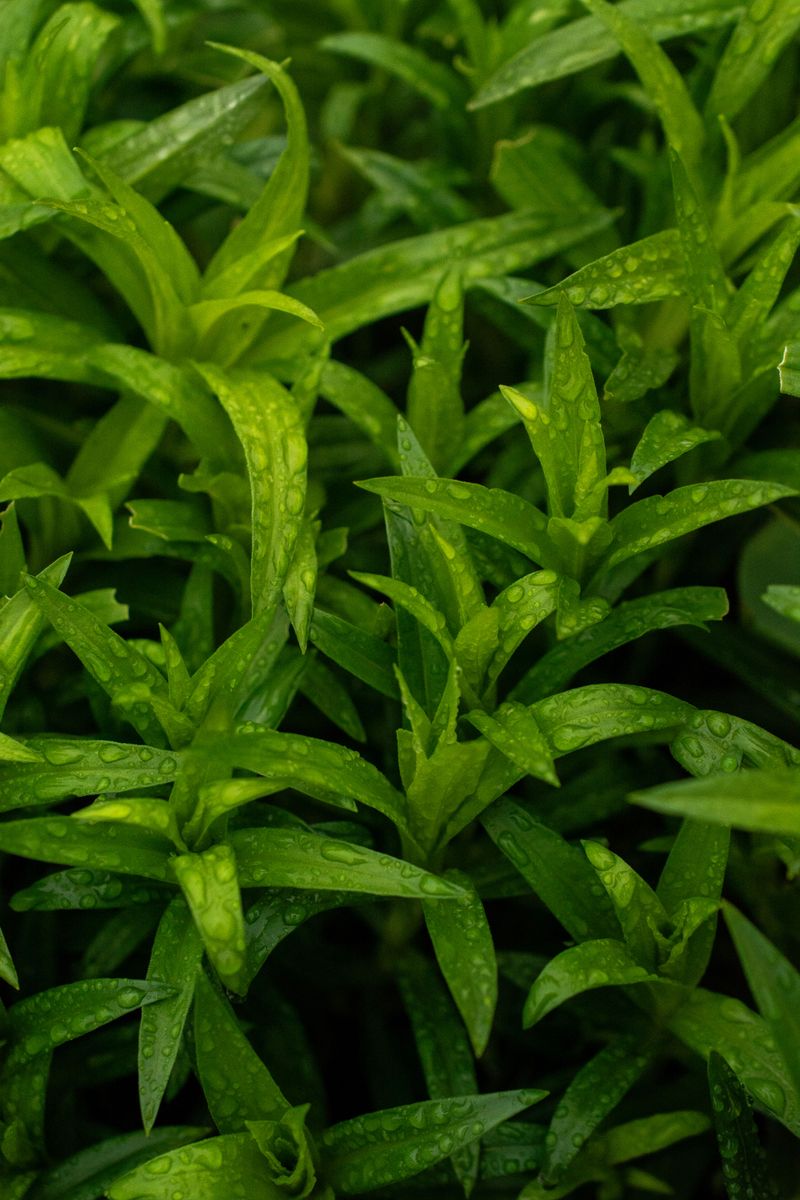
French tarragon has a reputation for being finicky, but it rewards attentive gardeners with one of the most sophisticated flavors in the herb world.
By mid-July, tarragon stems get long and start to lose the compact shape that produces the best leaf coverage.
A strategic trim changes everything about how this plant performs in fall. Cut tarragon stems back by about one-third, targeting the tallest and most stretched-out growth first.
Avoid cutting into old, woody growth at the base since tarragon regrows best from green stems with visible leaf nodes.
New shoots emerge from just below your cut points and grow quickly in warm summer conditions. French tarragon is largely sterile and rarely flowers, which works in your favor no matter the climate.
Without the distraction of bloom production, the plant channels most of its energy into leaf growth after pruning.
That means a faster, fuller recovery compared to herbs that bolt heavily in summer heat. The anise-like flavor of fresh tarragon is at its peak when leaves are young and tender.
Pruning in July helps ensure a fresh flush of those ideal young leaves by late August and into September.
Tarragon pairs beautifully with chicken, eggs, and cream sauces, so having plenty on hand in fall is a genuine kitchen bonus.
After trimming, water tarragon at the base rather than overhead to prevent fungal issues on the new growth.
Good air circulation and consistent moisture keep the plant healthy through the rest of summer. Tarragon pruned well in July is noticeably fuller and more flavorful by October.
7. Thyme
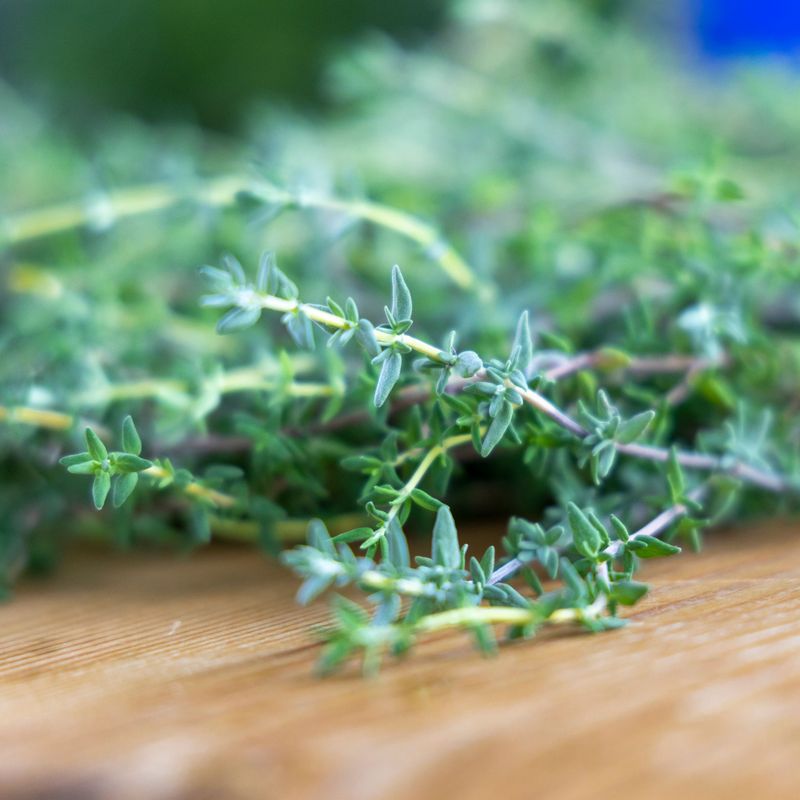
Thyme is one of those herbs that looks deceptively easygoing until July arrives and stems start sprawling in every direction.
Left unchecked, thyme becomes a woody, open tangle that produces fewer of the tender leaves you actually want to cook with.
A good mid-summer trim resets the whole plant and opens the door to a productive fall harvest.
Cut thyme stems back by about one-third, focusing on the long, arching growth that has pulled away from the plant’s center.
Avoid cutting deep into the oldest woody sections since those rarely regenerate new growth. Target the green, flexible stems and cut just above a set of small leaves for the best results.
Thyme is drought-tolerant but responds well to a deep watering right after pruning. The combination of fresh cuts and good soil moisture helps push new shoots out fast.
Within two to three weeks, the plant typically looks fuller and more compact than before you touched it. Wisconsin summers can be hard on thyme if the plant gets too dense and airflow drops.
Fungal issues and root rot become real risks in humid July conditions when stems are tangled and crowded. Pruning solves both the aesthetic and the health problems in one quick session.
Fresh thyme harvested from the regrowth after a July trim is excellent for roasting vegetables and seasoning hearty fall dishes.
The small leaves pack intense, earthy flavor that dried thyme simply cannot match. Prune thyme in July and it will be among the most rewarding results in your fall garden.
8. Sage
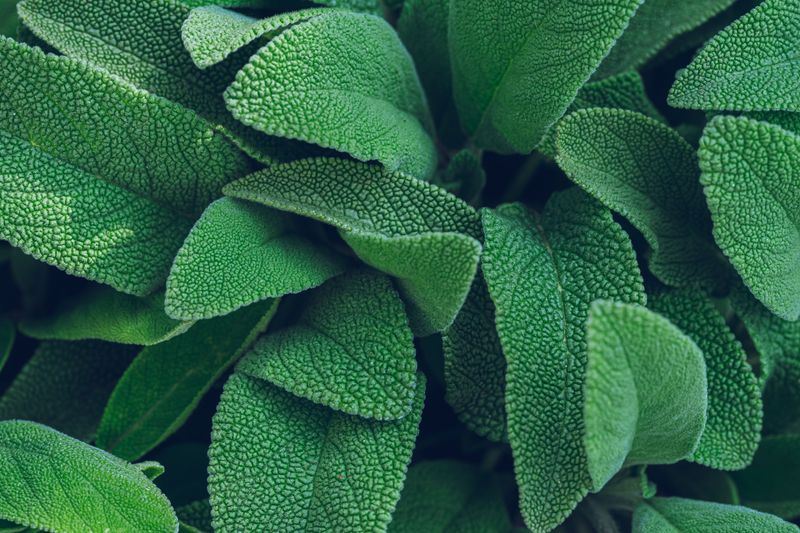
Sage brings a smoky, earthy depth to fall cooking that no other herb quite matches, and July pruning is a key step to having plenty of it by October.
Without a mid-summer trim, sage stems get long and floppy, the lower leaves yellow, and the plant starts looking more like a shrub than a productive herb. A well-timed cut makes a real difference.
Remove about one-third of each stem, cutting just above a healthy set of leaves. Focus on the longest, most stretched-out growth while leaving the compact inner structure of the plant intact.
New growth typically emerges from the cut points within one to two weeks, especially when July temperatures stay consistently warm.
Sage has a slightly woody nature compared to softer herbs like basil or mint. Because of that, it responds best to pruning that targets green stems rather than old, gray, hardened wood.
Cutting into old wood rarely produces new growth and can stress the plant unnecessarily. After trimming, top-dress the soil around sage with a thin layer of compost or aged manure.
Sage does not need heavy feeding, but a light nutrient boost after pruning can accelerate the regrowth timeline.
By late August, a well-pruned sage plant is often visibly healthier and more productive than one left alone all summer. Sage pruned and harvested in late summer has strong flavor well-suited for holiday cooking.
Pruning your herbs in July, starting with sage, sets your fall herb garden up for success. Start with this one and you will notice the difference in your cooking by November.